
Enhancing indoor plant growth through LED spectrum adjustments can significantly boost your gardening success. By tailoring light spectra to the specific needs of plants, you can improve their health and productivity. Green Writer emphasizes how choosing the right LED grow lights can lead to vibrant, thriving plants while promoting energy efficiency. This article will guide you on the benefits of adjusted light wavelengths and sustainable practices for indoor gardening.
Exploring the Role of Light Spectra in Plant Photosynthesis
Light spectra play a crucial role in plant growth. Different wavelengths of light affect photosynthesis, impacting plant health. Blue light, with wavelengths around 400 to 500 nm, is essential for vegetative growth. Red light, ranging from 620 to 750 nm, supports flowering and fruiting stages. Combining these wavelengths in LED lights enhances growth, ensuring that plants achieve optimal health throughout their life cycle. Indoor gardeners can choose specific light spectra suited to different species for enhanced results and efficiency. Research shows that using full-spectrum LED lights supports a range of plants effectively, providing them with the right energy to thrive.
Understanding Wavelengths and Their Effects on Plant Health
Wavelengths in the light spectrum directly impact plant health and productivity. For example, blue light stimulates chlorophyll production, enhancing growth in leafy plants like kale and lettuce. In contrast, red light promotes flowering and fruiting in plants such as tomatoes and peppers. For optimal indoor gardening, using a combination of blue and red LED lights achieves the best results for all growth stages. Studies have demonstrated that plants exposed to specific light spectra exhibit improved growth rates and increased yields compared to those under insufficient light conditions. By adjusting light specifications according to plant types, indoor gardeners can ensure better reliability and performance.
Impact of Light Wavelengths on Seedling and Mature Plant Growth
Specific light wavelengths play a crucial role in the growth of seedlings and mature plants. Blue light, with wavelengths between 400-500 nm, is essential for promoting vegetative growth and leaf development during the seedling stage. Red light, which ranges from 600-700 nm, is vital for flowering and fruiting in mature plants. Conversely, green light does not significantly contribute to photosynthesis but can enhance growth conditions by providing a more balanced light spectrum. Research shows that seedlings require about 15-20% red light during their early stages to transition effectively into the flowering phase, ensuring reliable growth and development. Tailoring light spectra according to these growth needs can greatly enhance indoor gardening success.
Specific Effects of Light Colors on Plant Growth
Blue and red light are the most effective for maximizing photosynthesis in both seedlings and mature plants. Blue light encourages leafy green growth, making it crucial for seedlings. Red light triggers processes that lead to flowering and fruit production in mature plants. Combining red and blue light in a balanced spectrum promotes both germination and flowering, ensuring that the plant’s entire life cycle is supported. Testing LED grow lights that provide a full spectrum tailored to these wavelengths can significantly improve overall plant health and yield. Organizations that focus on sustainability, like Green Writer, recommend utilizing these light specificities to maintain energy efficiency while enhancing the indoor gardening experience.
Advantages of LED Grow Lights for Sustainable Gardening
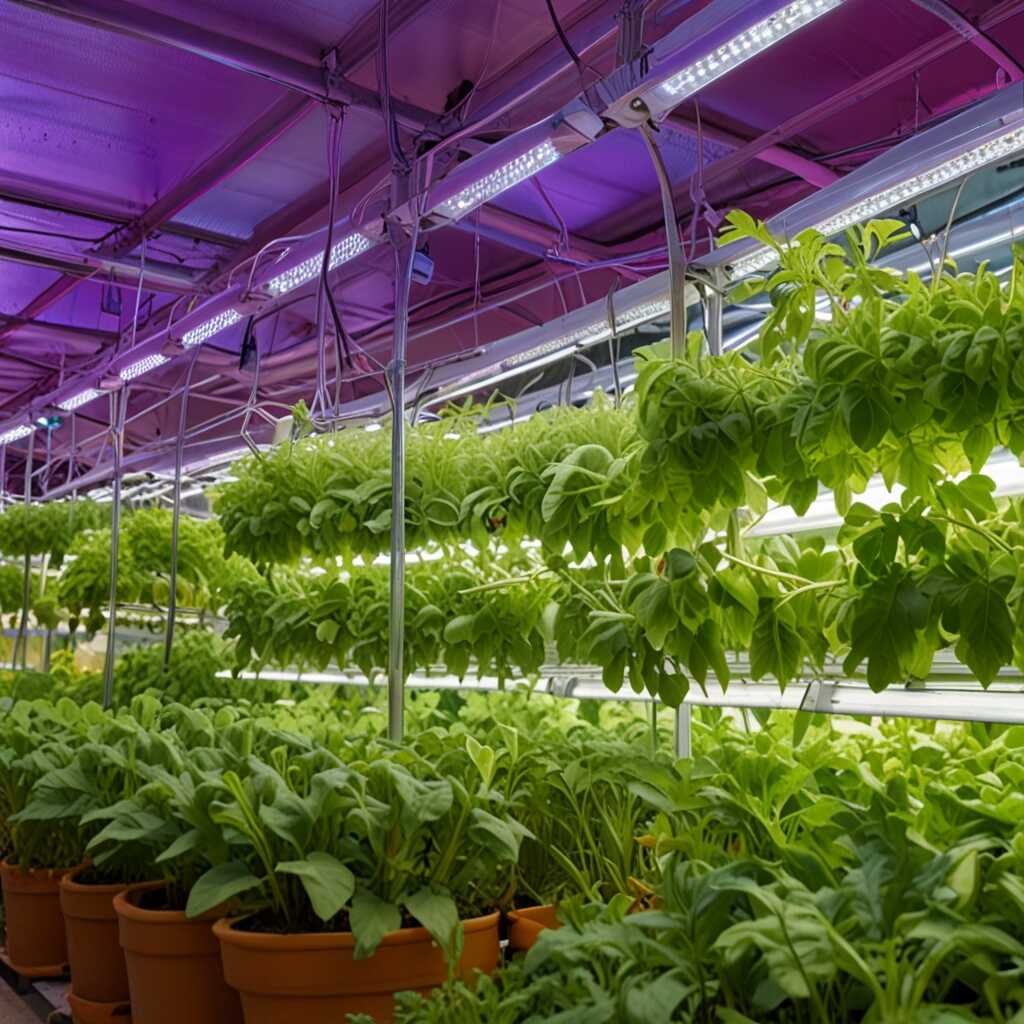
LED grow lights are popular among indoor gardeners for several reasons. First, their energy efficiency significantly reduces electricity costs. Compared to traditional lighting, LEDs use up to 75% less energy, benefiting both the environment and your wallet. Their longer lifespan, averaging over 50,000 hours, means fewer replacements are needed. This durability results in less waste in landfills. Additionally, LED lights are designed to emit specific wavelengths that promote optimal plant growth, enhancing photosynthesis. This tailored lighting approach ensures that plants receive the essential light they need at different growth stages, from seedling to maturity.
Understanding Energy Savings with LED Grow Lights
One of the most critical factors for indoor gardeners is energy savings. LED grow lights provide a significant reduction in energy costs, often consuming only 30 to 50 watts for comparable brightness. Research indicates that switching to LEDs can save a gardener around 80% on energy bills over time. This is not just beneficial for the environment; it also allows gardeners to invest more in quality plant care products. With their efficient design, LED lights generate less heat, reducing the need for additional cooling systems. This combination of low energy use and sustained performance makes LEDs a preferred choice for eco-conscious individuals.
Key Numerical Facts About Plant Lighting
- Plants use light in a spectrum between 400 to 700 nanometers.
- LED grow lights can last over 50,000 hours, reducing replacement costs.
- Proper lighting can enhance growth rates by up to 25%.
- Plants need approximately 12 to 16 hours of light for optimal growth.
- Full-spectrum LEDs can cover all growth stages, from seedlings to flowering.
- Using energy-efficient lighting can reduce electricity usage by 75% compared to traditional lights.
- Adjusting the light spectrum may increase chlorophyll production significantly.
Selecting the Best LED Spectrum for Your Indoor Plants
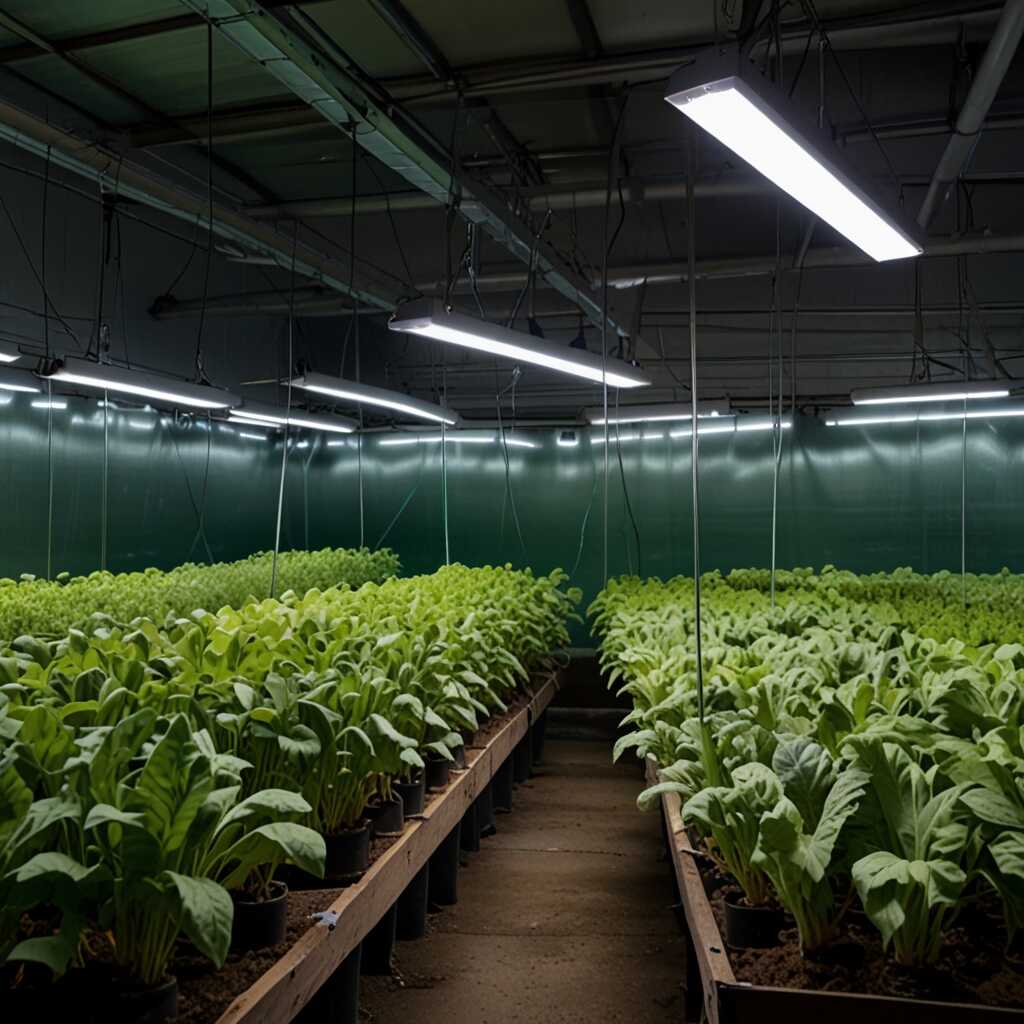
Choosing the right LED light spectrum for indoor plants is crucial for their growth. Factors such as plant type, growth stage, and light intensity influence the spectrum selection. Different plants, like tomatoes and herbs, thrive with specific light wavelengths. For instance, red light (approximately 620-750 nm) promotes flowering and fruiting, while blue light (450-495 nm) enhances vegetative growth. Using a full spectrum LED light that includes both blue and red wavelengths ensures optimal conditions for various indoor plants. The right choice can help improve energy efficiency and reduce operational costs.
Understanding Light Preferences of Popular Indoor Plants
Different indoor plants have unique light preferences that can significantly affect their health. For example, snake plants naturally thrive in low-light conditions and require less blue light. In contrast, flowering plants like African violets benefit from a higher ratio of red light to encourage blooming. Spider plants perform best under balanced spectrum lighting with both blue and red wavelengths. Using the correct LED light spectrum will enhance your indoor garden’s growth capacity, ensuring plants flourish while maintaining energy efficiency.
Methods for Adjusting LED Spectrum to Optimize Growth
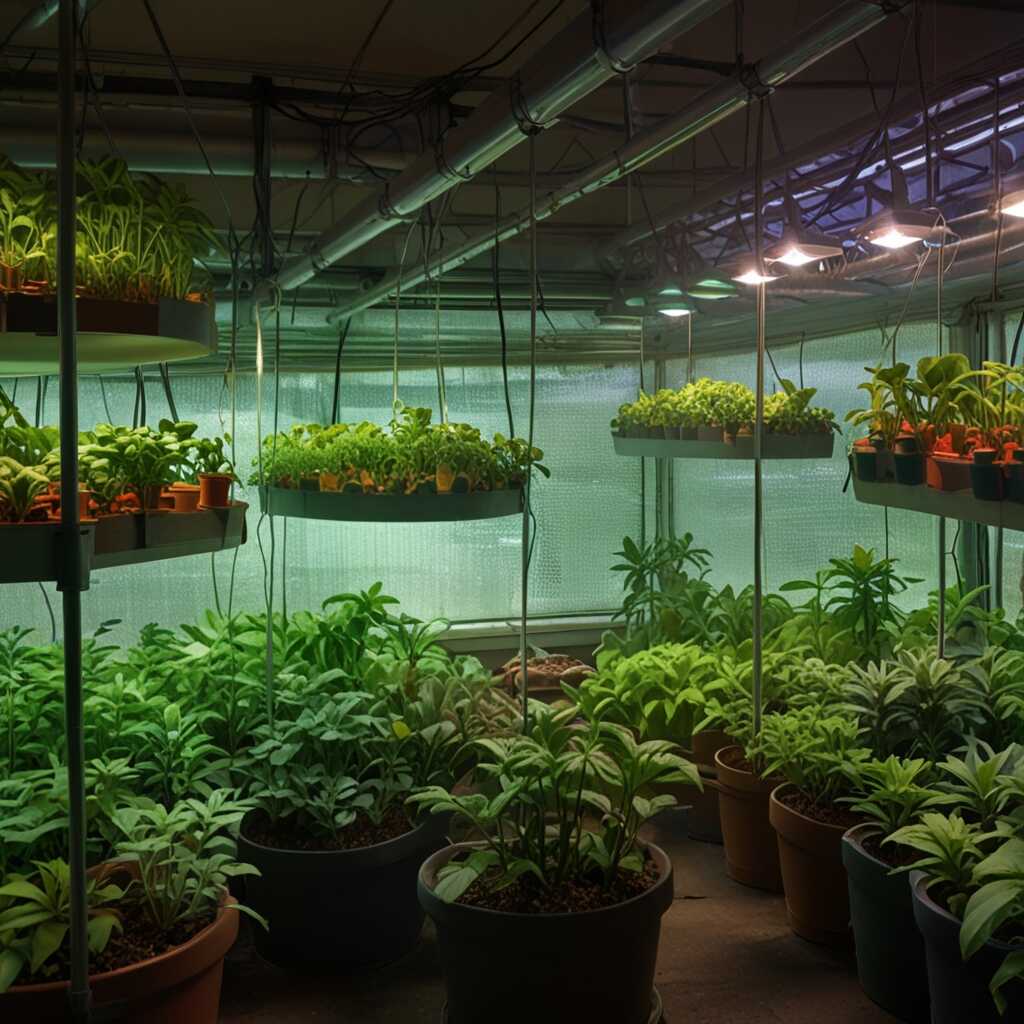
Indoor gardeners can apply several methods to adjust LED light spectrum for optimal plant growth. The use of color tuning techniques enables users to enhance specific wavelengths that benefit different growth stages. For example, blue light (400-500nm) is crucial during vegetative growth, while red light (600-700nm) promotes flowering. Dimming options also play a vital role. Adjusting light intensity can help reduce energy consumption while still providing necessary light. Research shows that reducing intensity by 20-30% can lead to significant improvements in energy efficiency without impacting plant growth. By ensuring the proper combination of these techniques, gardeners can achieve reliable and efficient lighting setups for diverse indoor plants.
Essential Color Wavelengths for Growth Stages
Different plants thrive under specific color wavelengths throughout their growth cycles. Blue light enhances chlorophyll production, promoting leafy and robust growth, suitable for seedlings and young plants. Red light is essential during the flowering stage, encouraging blooming and fruit development. Some LED grow lights offer adjustable spectrums, allowing users to tailor the settings for both blue and red wavelengths as needed. For optimal results, consider setting the ratio to approximately 1:3 (blue to red) during flowering stages. This targeted adjustment enhances overall plant health and maximizes yield, making it easier to grow stronger and healthier plants indoors.
Advantages of Tailored Light for Plants
- Custom lighting enhances photosynthesis, promoting lush foliage.
- Different light spectra encourage strong root development, crucial for plant health.
- Plants often show improved flowering and fruiting with the right wavelengths.
- LEDs produce less heat, minimizing the risk of plant stress or damage.
- Optimal lighting reduces the frequency of water needs, aiding moisture retention.
- Tailored lights can help eliminate common pests and diseases more effectively.
- Customizable lighting options enable gardeners to meet specific plant needs.
Avoiding Common Pitfalls with LED Grow Light Usage
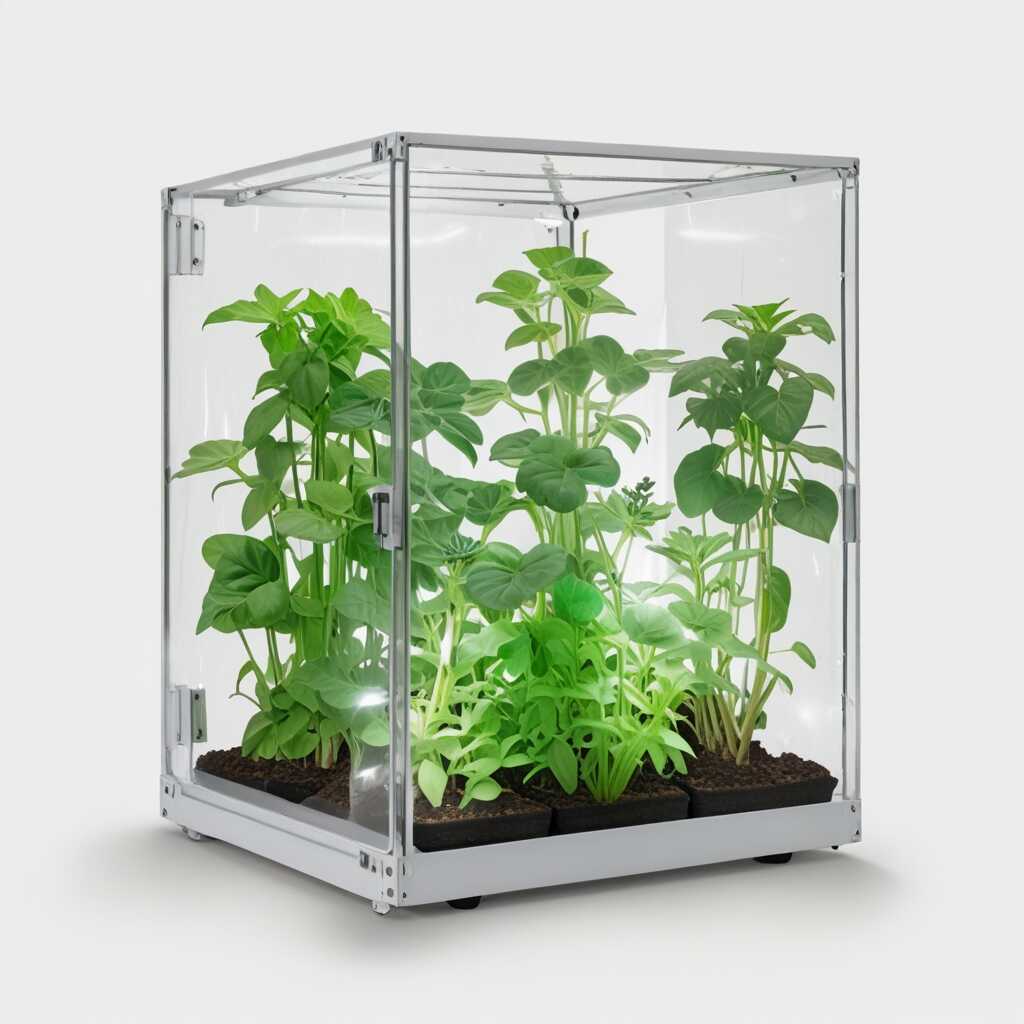
Indoor gardeners often make mistakes when using LED grow lights that can affect plant development. One common error is placing lights too far from plants, which limits light exposure. Additionally, overusing or underusing specific light wavelengths can lead to poor growth. For instance, failing to provide enough blue light during the vegetative stage can slow growth, while too much red light during flowering can cause stress. It’s essential for indoor gardeners to understand light spectrum adjustment to ensure optimal plant growth.
Strategies for Effective Usage of LED Grow Lights
To enhance plant growth, indoor gardeners should follow effective lighting strategies. This includes regularly testing the distance between plants and LED lights to ensure they receive adequate brightness without overheating. Additionally, adjusting the light spectrum according to specific plant needs throughout their growth stages is crucial. For example, providing about 60% blue light for vegetative growth and 40% red light for flowering can improve performance. Research shows that optimizing these factors not only enhances growth but also improves the overall quality of the plants.
Creating a Sustainable Indoor Garden Environment
Understanding environmental factors is essential for enhancing indoor gardening. Humidity levels, typically between 40% to 60%, are crucial for plant health. High humidity helps plants absorb moisture through leaves, while low humidity can lead to drying out. Temperature control is equally important. Most indoor plants thrive between 65°F to 75°F, ensuring they stay comfortable and productive. In addition, good air circulation prevents mold growth and encourages strong plant development. Combining LED lights with these environmental factors allows users to create a harmonious indoor gardening atmosphere. LED lights offer adjustable spectra that can be aligned with plants’ specific growth needs, maximizing their potential.
Balancing Humidity and Temperature for Optimal Growth
Balancing humidity and temperature is vital for optimal plant growth in indoor environments. Maintaining humidity around 50% promotes strong root and leaf growth. Plants can better absorb nutrients and moisture, leading to healthier foliage. Regular checks with a hygrometer ensure that these levels remain adequate. Additionally, temperature fluctuations can stress plants. Keeping them in a consistent range enhances their resilience. Using LED lights not only supports photosynthesis but also produces less heat compared to traditional lighting. This quality allows users to maintain stable temperatures while enhancing growth conditions. Proper airflow complements these settings, ensuring that each plant receives adequate light without overheating.
Brands and Demographics for Plant Lighting Solutions
- Brand A focuses on budget-friendly options for beginners, ideal for novice gardeners.
- Brand B offers professional-grade lights favored by serious horticulturists, ensuring top plant yield.
- Brand C specializes in energy-efficient models appealing to eco-conscious consumers.
- Brand D caters to urban gardeners, featuring compact lights designed for small spaces.
- Educational institutions often use tailored light systems for research on plant growth.
- Home hobbyists value systems that allow for easy customization according to plant type.
- Commercial growers require high-performance lights for maximizing crop productivity.
Emerging Trends and Innovations in LED Gardening Technology
Recent innovations in LED gardening technology focus on enhanced light spectrum capabilities, maximizing plant growth and energy efficiency. Advanced LED systems now offer adjustable spectra tailored for various plant growth stages. Research shows that these systems can improve indoor plant care by providing the optimal wavelengths for photosynthesis. Many brands are investing in smart lighting solutions, which allow users to schedule and control light settings remotely. This technology ensures reliability and performance, fulfilling the unique needs of different plants. The landscape of indoor gardening is continuously evolving, enabling hobbyists to achieve better results with less effort and lower energy costs.
Smart LED Systems for Enhanced Plant Care
Smart LED systems represent a significant advancement in indoor gardening technology. These systems include sensors that monitor light absorption and adjust accordingly. Various models can provide a spectrum customized for specific plants, ensuring optimal growth throughout different stages. Many systems allow for remote programming using smartphones, thus giving users flexibility and convenience. Some smart lights even provide data on energy consumption, promoting efficient gardening practices. Users can compare models based on their energy usage, reliability, and performance to find the best fit for their indoor gardens.