
LED grow lights typically consume 50-70% less energy than traditional lighting while delivering targeted plant spectrums, making them more efficient than relying solely on natural sunlight for indoor gardening. LED systems provide consistent 12-16 hour daily lighting regardless of weather or season, unlike sunlight which varies significantly. LED grow lights designed for indoor cultivation offer controllable intensity and spectrum adjustment for different growth stages.
What Are LED Grow Lights and How Do They Work
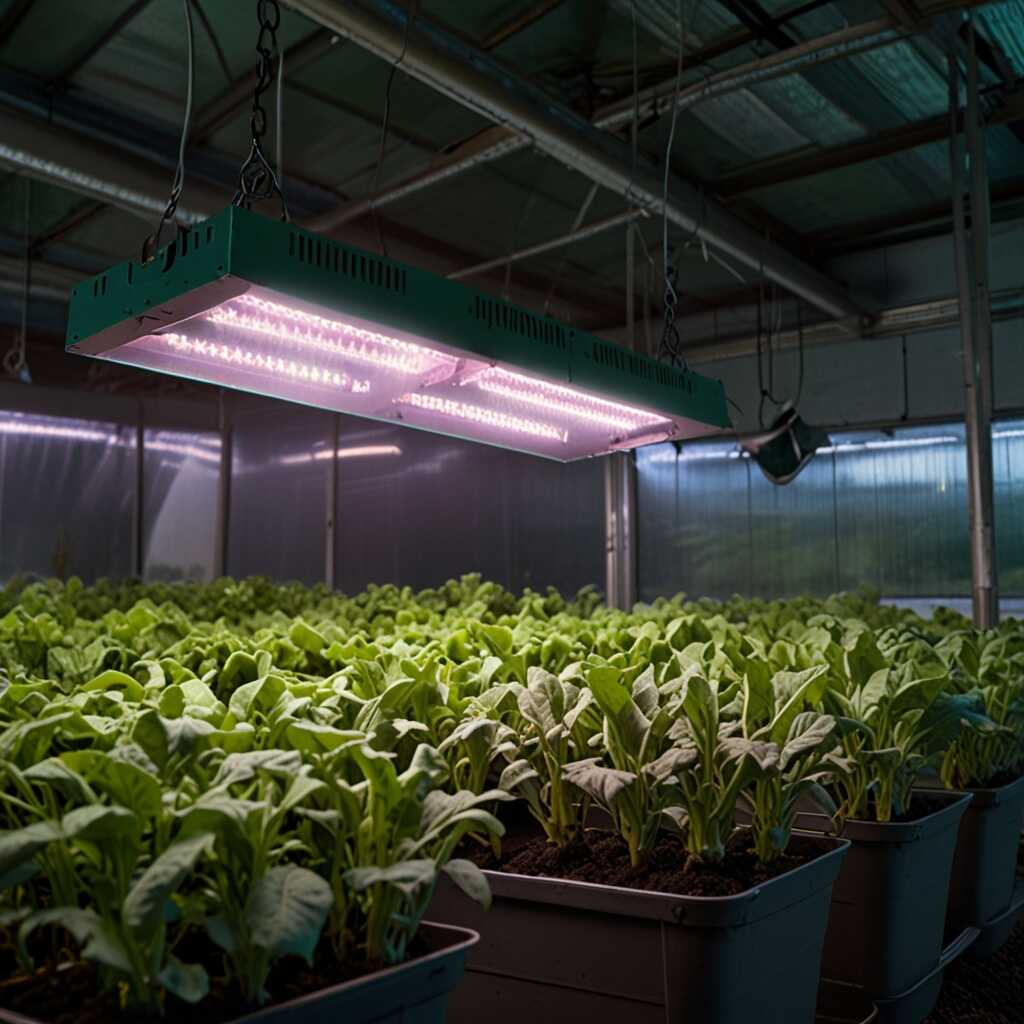
LED grow lights are energy-efficient lighting systems that use light-emitting diodes to provide specific wavelengths needed for plant photosynthesis and growth. These artificial lighting solutions work by emitting targeted light spectrums, typically including blue light for vegetative growth and red light for flowering stages. Unlike traditional incandescent or fluorescent lights, LED systems convert electrical energy directly into light with minimal heat production, resulting in energy efficiency rates of 80-90%. Most LED grow lights feature full-spectrum capabilities, meaning they provide wavelengths from 400-700 nanometers that plants require for optimal development. Professional-grade units typically last 50,000+ hours while consuming only 30-50 watts per square foot of growing space.
Understanding LED Spectrum Technology for Plants
LED spectrum technology allows growers to customize light wavelengths based on plant needs and growth stages. Blue wavelengths around 400-500nm promote compact vegetative growth and strong root development, while red wavelengths at 600-700nm trigger flowering and fruit production. Many modern LED systems include adjustable spectrum controls, enabling users to shift from vegetative to flowering modes throughout the growing cycle. Advanced LED grow light features include programmable timers and dimming capabilities that simulate natural sunrise and sunset patterns for enhanced plant health.
Key Advantages of LED Grow Lights Over Natural Sunlight
LED grow lights offer several distinct advantages over natural sunlight for indoor plant cultivation. The primary benefit involves consistent lighting availability – LEDs provide reliable 12-16 hour daily photoperiods regardless of weather conditions or seasonal changes. Energy efficiency represents another major advantage, with quality LED systems consuming 40-60 watts per square foot compared to sunlight’s inconsistent availability requiring supplemental heating or cooling. LED lights generate minimal heat, reducing cooling costs and preventing plant stress from temperature fluctuations. Additionally, LED systems enable precise spectrum control, allowing growers to optimize blue and red wavelengths for specific plant varieties and growth stages.
Cost Benefits and Energy Savings with LED Systems
LED grow lights typically reduce electricity costs by 50-70% compared to traditional growing methods while providing superior plant results. Initial investment costs range from $100-500 for quality residential systems, with operational costs averaging $20-40 monthly for moderate-sized indoor gardens. Most LED units pay for themselves within 12-18 months through energy savings and increased plant yields. LED grow light cost analysis shows long-term savings often exceed $200-400 annually compared to heating and lighting costs associated with maximizing natural sunlight exposure in indoor environments.
Natural Sunlight Benefits and Limitations for Indoor Plants
Natural sunlight provides the complete light spectrum that plants evolved to utilize, offering wavelengths from ultraviolet through infrared ranges that promote robust plant development. Sunlight delivers free energy and includes beneficial UV wavelengths that can strengthen plant immunity and enhance essential oil production in herbs. However, sunlight availability varies dramatically by season, with winter months providing only 8-10 hours of weak light in northern climates compared to summer’s 14-16 hours of intense illumination. Indoor sunlight access depends heavily on window orientation, building obstructions, and weather patterns, making consistent plant care challenging. Most indoor environments receive only 10-20% of outdoor light intensity, often insufficient for light-hungry plants like tomatoes or cannabis.
When Natural Sunlight Falls Short for Indoor Gardening
Natural sunlight becomes inadequate for indoor plants during several common scenarios that limit growing success. Winter months typically provide insufficient light intensity and duration, with many regions experiencing only 6-8 hours of weak sunlight daily. North-facing windows receive minimal direct sunlight year-round, while south-facing windows may create hot spots that stress sensitive plants. Urban environments often have building shadows and air pollution that further reduce available light quality. Professional growing light testing demonstrates that most indoor locations receive 200-500 foot-candles of natural light, while productive plant growth requires 1,000-3,000 foot-candles depending on species.
Key Limitations of Relying Solely on Natural Sunlight
- Seasonal variation reduces winter light availability by 60-80% in temperate climates
- Weather conditions can eliminate sunlight for days during cloudy periods
- Indoor light intensity drops to 5-15% of outdoor levels near windows
- Heat buildup from direct sunlight can stress temperature-sensitive plants
- Window UV filtering reduces beneficial wavelengths plants need for optimal development
- Limited growing space near windows restricts garden expansion possibilities
- Inconsistent photoperiods disrupt flowering cycles in light-sensitive plants
Direct Energy Efficiency Comparison: LED vs Sunlight
LED grow lights demonstrate superior energy efficiency for indoor gardening compared to maximizing natural sunlight utilization. A typical LED system consuming 200 watts provides equivalent growing power to 500-800 watts of traditional lighting while delivering more usable plant energy than variable sunlight conditions. Sunlight requires no direct energy costs but often necessitates supplemental heating, cooling, and artificial lighting that increases overall energy consumption. During winter months, maintaining optimal growing temperatures near windows can increase heating costs by $50-150 monthly, while LED systems generate minimal heat requiring no additional climate control. Quality LED systems achieve 2.5-3.0 micromoles per joule efficiency, delivering more photosynthetically active radiation per watt than any other artificial lighting technology.
Calculating Real-World Energy Costs for Indoor Growing
Real-world energy calculations reveal LED systems typically cost $25-45 monthly to operate for average home gardens, while sunlight-dependent setups often require $40-80 monthly in supplemental costs. LED systems eliminate weather-related variability, providing consistent energy usage regardless of outdoor conditions. A 400-watt LED system running 14 hours daily consumes approximately 168 kilowatt-hours monthly, costing $20-35 depending on local electricity rates. Comprehensive LED efficiency comparisons show modern units deliver 40-50% more usable plant energy per dollar spent compared to traditional growing methods that rely primarily on natural sunlight supplementation.
Optimizing Light for Different Plant Growth Stages
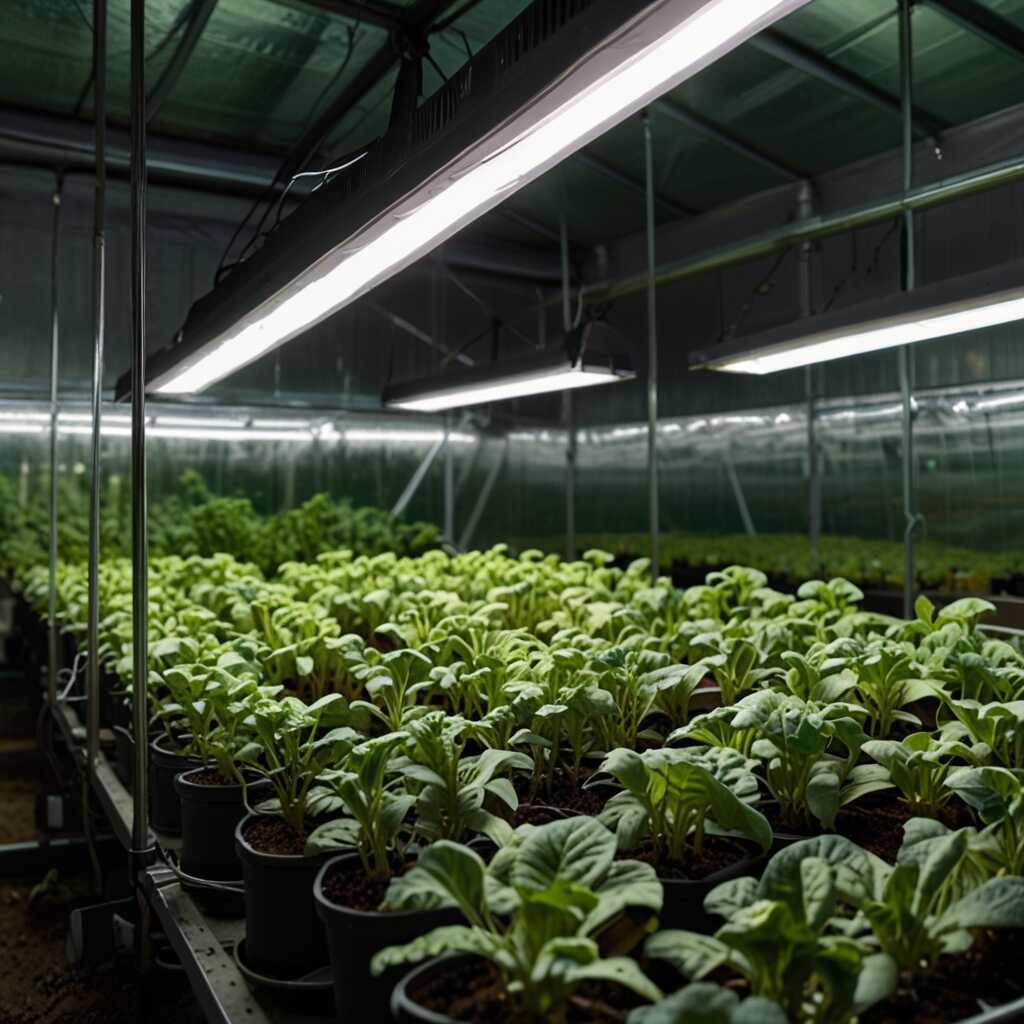
Different plant growth stages require specific light intensities and spectrum combinations that LED systems can provide more consistently than natural sunlight. Seedling stage plants need gentle 200-400 PPFD (photosynthetic photon flux density) for 16-18 hours daily, while mature vegetative plants thrive under 400-600 PPFD for 14-16 hours. Flowering plants typically require 600-1000 PPFD during 12-hour photoperiods to maximize bloom production. LED systems allow precise control over these parameters, while natural sunlight varies unpredictably throughout seasons and weather conditions. Blue-heavy spectrums promote compact vegetative growth, red-heavy spectrums trigger flowering, and full-spectrum combinations support overall plant health throughout all developmental stages.
Matching Light Requirements to Plant Species
Different plant species have evolved specific light requirements that determine their indoor growing success under various lighting conditions. Low-light plants like pothos and snake plants thrive under 100-300 PPFD, making them suitable for natural window light in most conditions. Medium-light plants including most herbs and leafy greens require 300-600 PPFD for optimal growth, often necessitating LED supplementation during winter months. High-light plants such as tomatoes, peppers, and cannabis need 600-1000+ PPFD consistently, making LED systems essential for productive indoor cultivation. Professional LED grow light reviews indicate quality systems can satisfy even demanding high-light species throughout complete growing cycles.
Specific Light Requirements by Plant Category
- Leafy greens require 200-400 PPFD with blue-heavy spectrum for compact growth
- Flowering herbs need 400-600 PPFD with balanced spectrum plus red enhancement
- Fruiting plants demand 600-1000 PPFD with red-heavy spectrum during flowering
- Succulents thrive under 300-500 PPFD with full spectrum for 12-14 hours daily
- Tropical houseplants prefer 150-300 PPFD with warm spectrum mimicking filtered sunlight
- Top-rated LED systems provide adjustable spectrum control for diverse plant collections
- Microgreens need intense 400-600 PPFD for rapid 7-14 day growing cycles
Best Plants for LED vs Sunlight Growing Methods
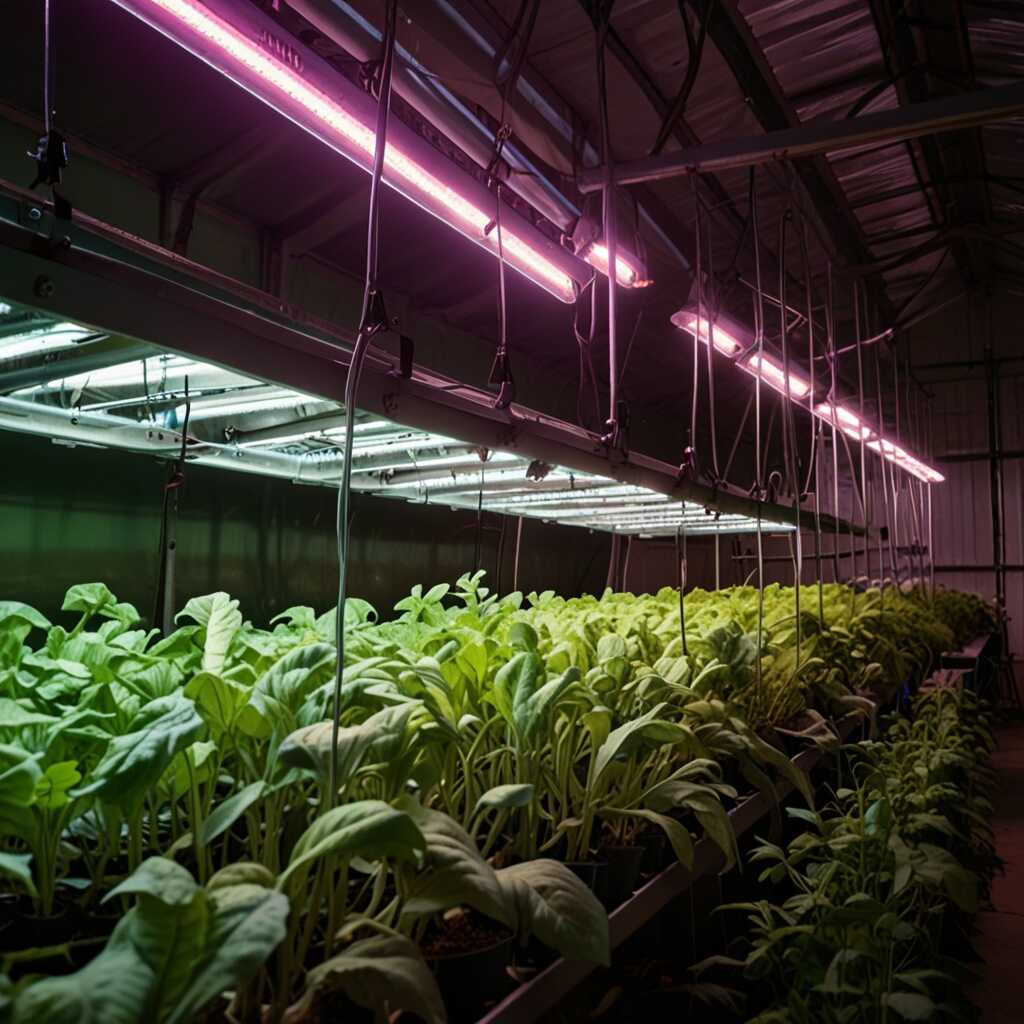
Certain plant varieties perform better under LED grow lights while others thrive with natural sunlight, depending on their evolutionary light requirements and growing characteristics. LED systems excel for plants requiring consistent photoperiods, such as cannabis, tomatoes, and peppers, which need precise 12-hour flowering triggers and high light intensities. Fast-growing leafy greens like lettuce, spinach, and herbs benefit from LED’s ability to provide optimal blue wavelengths for compact, productive growth. Conversely, established houseplants like fiddle leaf figs, monstera, and snake plants often perform well with bright natural sunlight supplemented by occasional LED lighting during darker months.
Matching Growing Methods to Plant Success
Successful indoor gardening requires matching plant selection to available lighting methods for optimal results. Light-sensitive plants including many flowering species benefit from LED systems’ consistent photoperiod control, preventing premature or delayed flowering cycles. Heat-sensitive plants such as lettuce and cilantro thrive under cool-running LED lights that won’t cause bolting or stress. Sun-loving Mediterranean herbs like rosemary and oregano can utilize intense natural sunlight when available but require LED supplementation during winter months for continued growth. Expert LED grow light evaluations recommend hybrid approaches combining natural sunlight with targeted LED supplementation for maximum plant diversity and year-round productivity.
Complete Cost Analysis: LED Investment vs Sunlight Dependency
Initial LED grow light investments range from $150-600 for quality residential systems, while maximizing natural sunlight requires minimal upfront costs but higher long-term expenses. LED systems typically recover their initial investment within 12-24 months through energy savings, increased yields, and reduced plant losses from inconsistent lighting. Annual operating costs for LED systems average $200-400 including electricity, while sunlight-dependent setups often require $300-600 yearly in supplemental heating, cooling, and backup lighting costs. Over five years, LED systems typically cost $1,200-2,000 total including equipment and electricity, while sunlight approaches cost $1,500-3,000 when accounting for seasonal supplementation needs and climate control adjustments.
Long-Term ROI Analysis for Indoor Growing Investments
Long-term return on investment calculations favor LED grow light systems for serious indoor gardeners seeking consistent results. Quality LED systems provide 8-12 year lifespans with minimal maintenance requirements, while sunlight-dependent setups require ongoing seasonal adjustments and supplemental equipment replacements. LED users typically achieve 30-50% higher yields due to optimal light control, translating to $200-500 annual value for herb and vegetable growers. Energy efficiency improvements with LED technology continue advancing, with newer models providing 20-30% better performance than units from just 3-5 years ago. LED grow light warranty programs often include 3-5 year coverage ensuring reliable long-term performance for indoor growing investments.
Cost Breakdown: LED vs Sunlight Growing Methods
- Quality LED systems cost $200-500 initially but last 8-12 years with warranties
- Sunlight setups require $100-300 annually for seasonal supplementation and climate control
- LED electricity costs average $25-50 monthly for moderate-sized growing operations
- Sunlight heating and cooling adjustments often cost $40-80 monthly during extreme seasons
- LED systems enable year-round growing, providing 2-4x annual harvests compared to seasonal sunlight
- Plant losses from inconsistent sunlight typically cost $50-150 annually in replacement expenses
- Professional LED systems offer 3-5 year warranties with replacement guarantees for reliability
Expert Guidelines for Choosing LED vs Sunlight for Your Plants
Choosing between LED grow lights and natural sunlight depends on your specific growing goals, available space, and target plant varieties. LED systems work best for year-round growing, precise light control, and maximum yields from limited space. Natural sunlight suits established houseplants, large growing areas near windows, and gardeners preferring minimal technology involvement. Consider LED systems if you live in northern climates with limited winter sunlight, want to grow light-hungry plants like tomatoes indoors, or need consistent photoperiod control for flowering plants. Choose sunlight-based approaches if you have excellent southern exposure, grow primarily low-light houseplants, or prefer minimal electricity usage for environmental reasons.
Decision Framework for Indoor Lighting Selection
A systematic decision framework helps determine the optimal lighting approach for your indoor growing situation. First, assess your available natural light by measuring foot-candles at potential growing locations throughout different seasons. Most productive food growing requires 1,000+ foot-candles, while houseplants often thrive with 200-500 foot-candles. Next, evaluate your target plants’ specific light requirements and growing season preferences. Finally, calculate your budget for both initial equipment costs and ongoing operational expenses over 3-5 years. Frequently asked questions about LED selection include spectrum requirements, coverage area calculations, and integration strategies for combining LED and natural sunlight approaches effectively.