
Installing light controllers for simulating sunrise and sunset can significantly enhance your greenhouse environment. This technology mimics natural light cycles, promoting better plant growth and health. At Green Writer, we provide clear guidance on using light controllers effectively in your indoor garden. By following best practices, you can optimize your lighting to benefit your plants while embracing sustainability.
The Role of Light in Plant Growth and Development
Light plays a crucial role in the healthy development of indoor plants. The right type of light enhances photosynthesis, which is essential for plant growth. Different types of light have varying effects on plants. Full-spectrum lights mimic natural sunlight and are most effective for indoor gardening. They provide wavelengths that support various growth stages, including vegetative and flowering. For effective growth, plants typically require 12 to 16 hours of light per day. This duration can significantly increase their overall health.
Understanding Photosynthesis and Light Wavelengths
Photosynthesis is the process by which plants convert light into energy. Different light wavelengths contribute uniquely to this process. Blue light, for example, promotes strong vegetative growth. Red light is critical for flowering and fruiting stages. Combining these wavelengths in your indoor lighting setup can enhance overall plant health. LED grow lights often come with adjustable spectrums. These features allow users to optimize light conditions based on plant type and growth stage. Implementing a full-spectrum light setup ensures plants receive the best conditions for thriving.
Advantages of Mimicking Natural Light Cycles in Greenhouses
Light controllers replicate natural light cycles by simulating sunrise and sunset. This process benefits plants, enhancing their health. Plants respond naturally to varying light patterns, leading to improved growth rates and overall vitality. Research shows that plants can thrive with the reliable and gradual transition these controllers provide. Included in these benefits are reduced stress levels in plants, allowing for better nutrient absorption and a robust immune system. The result is healthier plants that yield better quality produce. Additionally, many plant species, including tomatoes and peppers, show remarkable improvements when exposed to consistent light cycles.
How Light Controllers Enhance Specific Plant Species in Greenhouses
Certain plants greatly benefit from light controllers designed for sunrise and sunset simulations. For instance, flowering plants like orchids thrive with gradual lighting changes, promoting better blooming. Green leafy vegetables, such as lettuce and spinach, show increased growth rates up to 30% when using controlled light cycles. Herbs like basil and cilantro also see improved flavor profiles with these settings. The key is in the timing and intensity of light. Light controllers can adjust the wavelength and light intensity, aligning them with specific plant needs. Green Writer emphasizes using full-spectrum lights in conjunction with these controllers to maximize growth potential.
How to Select an Appropriate Light Controller for Your Needs
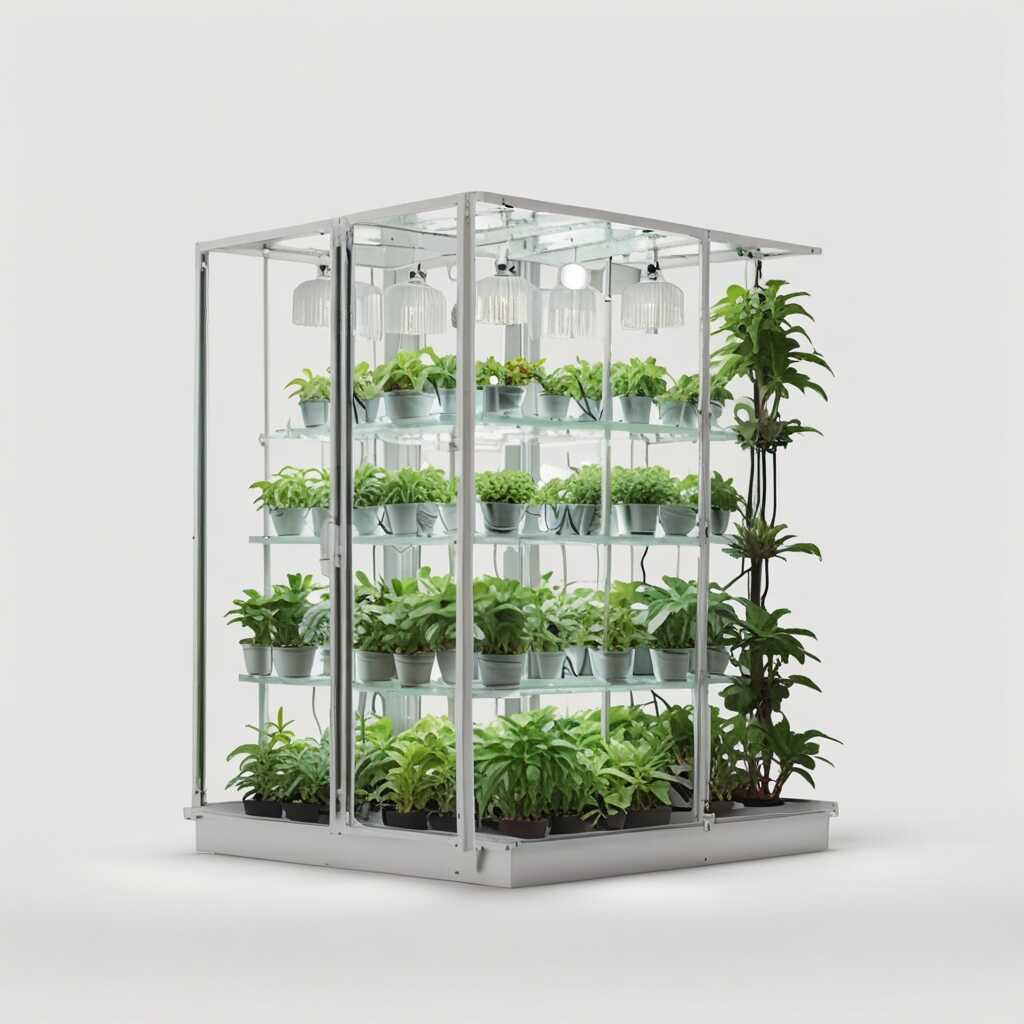
When selecting a light controller for your greenhouse, consider the essential features important for effective lighting. The key features include programming options, such as user-friendly controls that allow you to easily set schedules for sunrise and sunset simulation. Look for greenhouse lighting systems that offer energy efficiency ratings to ensure they help reduce energy costs while promoting plant growth. Compare reviews and data on the reliability of various brands to identify the ones with proven performance and durability. Good brands provide a variety of customizable light schedules, enabling you to simulate natural light cycles efficiently. Consider how many light schedules you need, since many products can manage up to 30 settings, improving the overall growth experience.
Understanding Light Controller Features for Optimal Performance
Optimal performance of a light controller depends on understanding its features. A good light controller includes daylight simulation, programmable settings, and energy efficiency. These features enhance plant growth through effective light management. Investigate if the controller provides compatibility with different lighting options such as LED or HID lights. Opt for models that allow remote operation through smart home systems, enabling you to adjust schedules conveniently. Consider timing accuracy; some advanced models can handle the transition between day and night in as little as five minutes. For best results, choose a controller that offers data logging to track the effectiveness of your light schedules over time.
Numerical Insights on Lighting Systems for Nature Simulation
- Light controllers can operate on a schedule of 24 hours.
- Many systems offer 30 to 120 different pre-set light programs.
- Users can achieve a gradual light increase over 30 minutes.
- Light controllers can handle up to 8 different light zones.
- Timers allow for daily light cycles of up to 14 hours.
- Some controllers can store settings for up to 100 days.
- Plants can grow better with 16 to 18 hours of artificial light daily.
Detailed Installation Process for Light Controllers
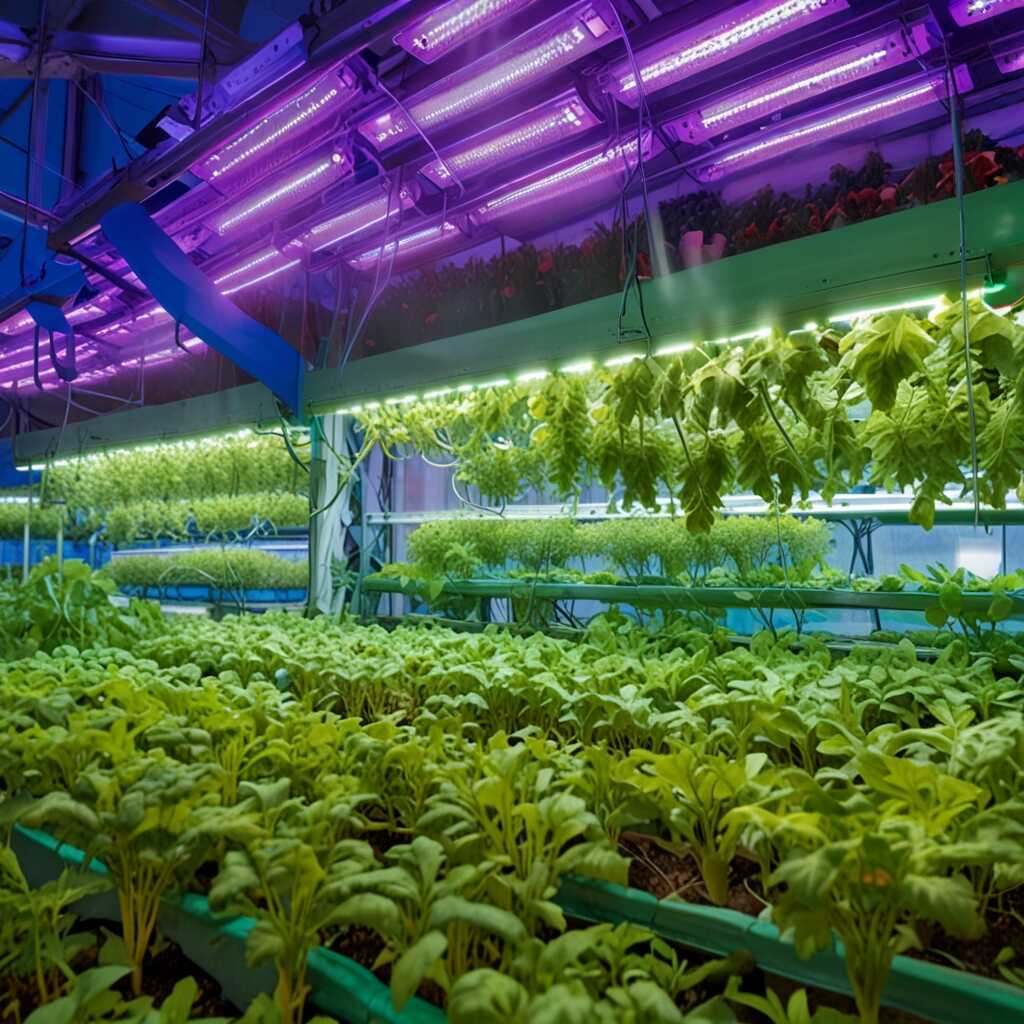
Installing light controllers in a greenhouse involves essential steps to ensure effective operation. Begin by selecting a suitable light controller based on your greenhouse size and lighting needs. Important features to consider include programmable settings, compatibility with existing lighting systems, and energy efficiency ratings. It is crucial to carefully plan the layout before installation. Clear the area of any obstacles to make the process smooth. Usually, you can expect the entire installation to take 2 to 4 hours, depending on the complexity and the number of controllers being installed.
Identifying the Right Light Controller for Your Greenhouse
When choosing a light controller for your greenhouse, consider various types and their features. Many options are available, including smart controllers that integrate with home automation systems. Look for controllers designed for specific lighting types, such as LED or fluorescent. Features like sunrise and sunset simulation are essential for mimicking natural light cycles, which enhances plant growth. Make sure the controller can handle the power requirements of your lighting setup. User reviews can provide insights into reliability and performance, helping you make an informed choice.
Best Practices for Adjusting Light Settings Effectively
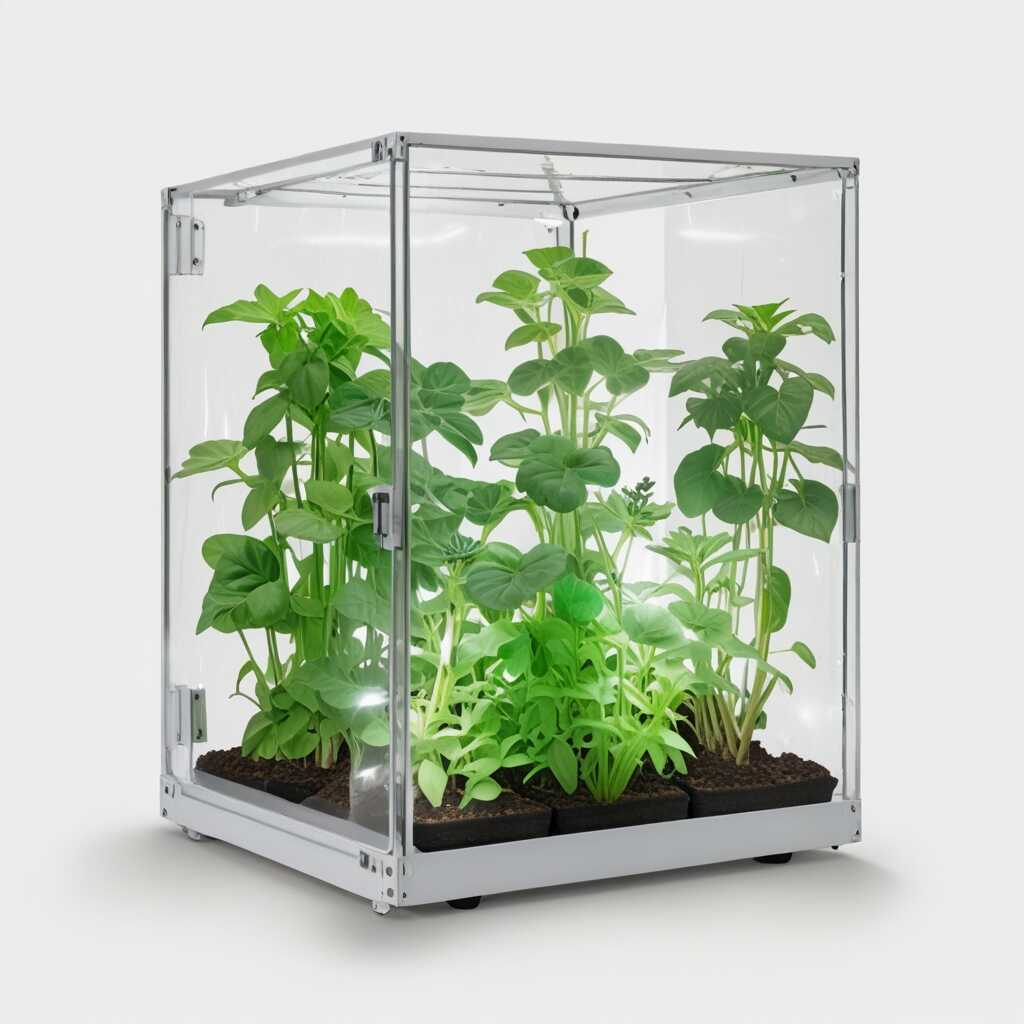
To optimize light settings for your greenhouse, focus on three key elements: light intensity, duration, and timing of light exposure. Adjust light intensity based on plant types; for example, leafy greens require less intensity compared to flowering plants. Use a timer to ensure consistent light periods that mimic natural conditions, with many plants thriving on 12 to 16 hours of light daily. Ensure that you gradually increase light intensity during the transition to simulate sunrise, and use dimmers for more control. Proper testing can help you assess the right settings effectively, ensuring healthy growth and maximum yield.
Understanding Light Requirements for Different Plant Types
Each plant species has unique light requirements that demand specific attention. For instance, succulents and cacti thrive under high-intensity light for around 14 to 16 hours, while shade-loving plants require softer, indirect light for longer periods. Research has shown that certain leafy greens enjoy 10 to 12 hours of light daily with moderate intensity. Understanding these variances helps improve lighting efficiency in your greenhouse. By adjusting your light settings to meet individual plant needs, you enhance growth performance significantly, leading to vibrant, healthy plants.
Advantages of Timing Controllers for Plant Growth
- These systems mimic natural light patterns effectively.
- Proper use enhances plant growth and health significantly.
- They reduce energy costs by operating on set schedules.
- Light controllers minimize plant stress during transitions.
- These devices can aid in flower and fruit production.
- Users benefit from flexible settings tailored to different plants.
- They ensure consistent light exposure daily for optimal growth.
Preventing Common Errors When Using Light Controllers
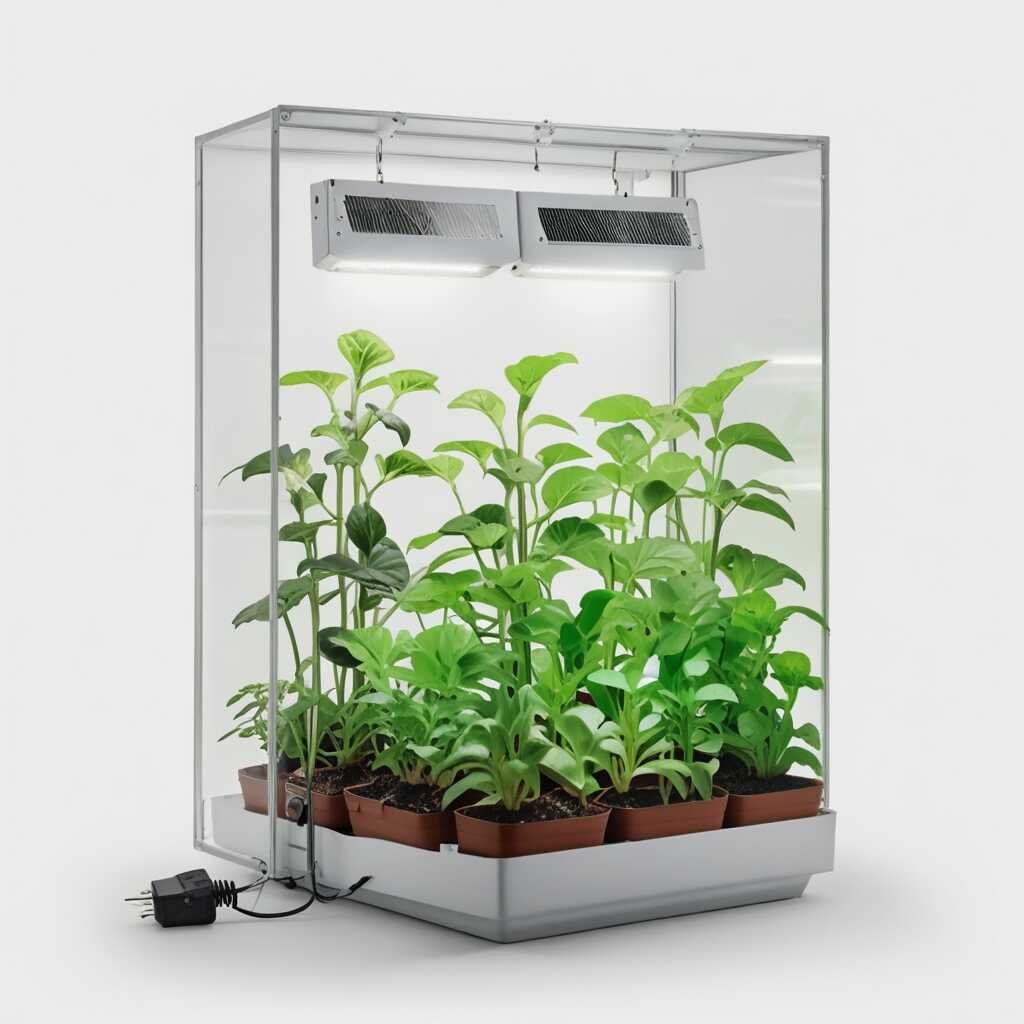
Many greenhouse owners encounter frequent mistakes when utilizing light controllers. Common errors include improper installation, incorrect light duration settings, and failure to calibrate for specific plant requirements. For instance, not synchronizing the sunrise and sunset timings accurately can lead to inconsistent plant growth. Users should regularly test their light controllers, ensuring they provide the correct light intensity based on their chosen plants. Reviews show that users who prioritize these steps can greatly enhance light controller efficiency. Optimal setup is essential for successful growth during both the vegetative and flowering stages.
Best Practices for Setting Up Light Controllers
To achieve the best performance from light controllers, conduct thorough research on specific plant needs. Understanding the light duration requirements for various species, particularly during key growth stages, is crucial. Start by calibrating the controller according to tested recommendations. Ensure the light spectrum matches what your plants require for photosynthesis. Users should correctly set the timer to replicate natural sunlight patterns as accurately as possible. Practical testing can help identify the ideal light duration for optimal growth, promoting healthier plants and increased yield.
Enhancing Your Greenhouse with Additional Automation Options
Integrating automation features in your greenhouse significantly improves plant growth. Automation helps manage climate control systems that optimize temperature and humidity levels, ensuring ideal growing conditions. Automated watering systems deliver precise amounts of water, avoiding both over- and under-watering. Together, these features create a reliable environment that enhances plant health and yield. Utilizing these advanced tools can result in faster growth rates and stronger plants by reducing manual labor and human error.
Choosing the Best Climate Control Systems for Your Greenhouse
Identifying the best climate control systems for your greenhouse requires understanding your plants’ specific needs. Modern climate control systems can manage temperature, humidity, and ventilation effectively. Look for systems that include temperature sensors and smart thermostats, which automatically adjust settings based on real-time data. Pairing these with automated watering systems improves overall reliability and efficiency. For example, combining a smart thermostat with an automated watering solution ensures your plants thrive, especially during the growing seasons.
Key Brands and Their Focus in Light Automation
- Brand A specializes in smart light systems for easy operation.
- Brand B offers budget-friendly light controllers with basic settings.
- Brand C features advanced timers that support multiple zones.
- Brand D provides customizable settings for various plant types.
- Brand E focuses on eco-friendly materials and energy-saving technology.
- Indoor gardeners often prefer Brand C for its reliability.
- New users might choose Brand B for its simplicity and cost-effectiveness.
Continuously Monitoring Plant Health After Light Controller Setup
After setting up your light controllers, consistently monitoring your plants ensures they thrive. Healthy plants usually exhibit vibrant colors, lush green leaves, and steady growth. Look for any wilting or discoloration, which signals issues. If your plants droop or develop yellow leaves, adjust your light controller settings. Greenhouses can vary in plant responsiveness, so keep a close eye on how plants react. Many leafy greens and flowering species greatly benefit from light changes, showing impressive recovery when settings are optimized. Additionally, understanding that most indoor plants generally require 12 to 16 hours of light per day helps coordinate light controller schedules effectively. This balance enhances plant growth and overall health.
Identifying Specific Plant Needs After Setup
To maximize the benefits of your lighting setup, you must identify individual plant needs post-installation. Different species react variably to light exposure and intensity. For instance, succulents require less light than ferns. Monitoring your plants allows you to determine if adjustments are needed in the duration or intensity of light. Reviewing plant behavior, such as growth rate and leaf appearance, provides key insights into whether light controller modifications are successful in enhancing plant growth. Efficient lighting systems can transform entire greenhouse environments by adjusting light based on specific plant requirements, thereby ensuring optimized conditions for every species.