
Commercial greenhouses leverage blackout systems for light deprivation techniques to optimize plant growth and yield. These innovative systems allow growers to control light exposure, simulating seasonal changes for enhanced crop cycles. At Green Writer, we explore how effective light management fosters sustainable gardening practices while improving plant health. Understanding how these methods work can make a significant difference for commercial greenhouse owners and horticulture enthusiasts alike.
Exploring the Concept of Light Deprivation in Plant Growth
Light deprivation in horticulture refers to controlling the amount of light plants receive. This method impacts plant growth rates and harvest cycles by simulating seasonal changes. Blackout systems, which can include curtains or tarps, block light during specific hours. These systems enhance growth by allowing growers to manipulate photoperiod, leading to quicker flowering and high yields. By adjusting light exposure, plants receive the necessary signals for optimal development, which proves essential for crops like cannabis, tomatoes, and leafy greens.
Understanding Blackout Systems and Their Performance
Blackout systems significantly affect plant growth, enabling efficient light deprivation strategies. Various types, such as light-proof fabrics and roll-up curtains, provide different levels of darkness and reliability. For effective performance, plants often need 12 to 18 hours of uninterrupted darkness. Research shows that consistent dark periods stimulate flowering in short-day plants, leading to improved yield. The effectiveness of each blackout method depends on ease of installation and durability, which enhances growers’ experiences while optimizing their commercial greenhouse methods.
Advantages of Blackout Systems for Increased Crop Yields
Implementing blackout systems in commercial greenhouses offers several advantages. These systems enhance crop yield quality by enabling precise control over light exposure, essential for specific plant growth stages. Blackout systems help growers achieve energy savings by reducing the need for artificial lighting and cooling. This operational efficiency leads to a reliable and sustainable practice. Growers can expect improved crop varieties due to controlled light cycles, which promote flowering and fruiting. Additionally, studies show that crop yields can increase by up to 20% with proper light deprivation techniques using blackout systems.
Maximizing Light Deprivation for Optimal Plant Growth
Maximizing light deprivation involves strategically manipulating light exposure to influence plant growth cycles. Blackout systems allow greenhouse owners to simulate seasons, providing plants with essential darkness to trigger flowering and improve overall yield. For example, certain cannabis strains benefit significantly from light deprivation, with reports showing a 25% increase in yield when using blackout curtains. This improvement results from stress-induced flowering triggered by reduced daylight hours. By focusing on specific wavelengths of light during active growth phases, growers can further enhance performance. Properly implemented, blackout systems are a critical tool for achieving excellent crop quality and productivity.
Essential Elements of a Successful Blackout System
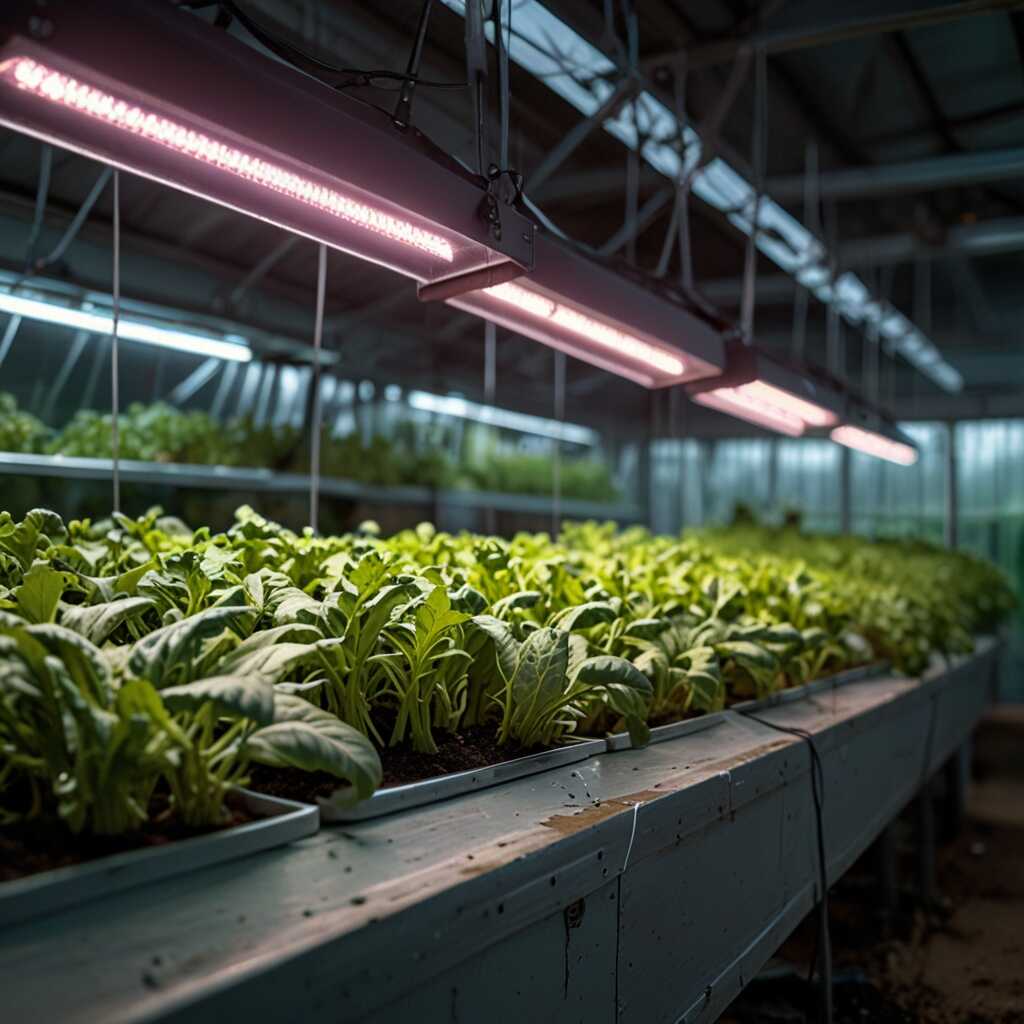
Essential materials for a reliable blackout system include specialized blackout fabric, durable frames, and secure fasteners. Using fabrics that provide 100% light blockage is necessary to ensure reliable light deprivation. Properly designed systems must consider factors like ventilation, temperature control, and ease of access for maintenance. The optimal number of layers of blackout fabric for achieving the best results is typically two, which provides superior light blockage while aiding insulation and temperature regulation.
Design Considerations for Effective Blackout Systems
When designing effective blackout systems, consider frame construction and positioning for easy installation. The frame should be sturdy to hold the blackout material securely. Ensure that the design allows for proper air circulation to prevent overheating. Utilize adjustable fixtures for flexibility, enabling adjustments based on seasonal light changes. Accurate placement helps maximize light deprivation during critical growth phases, enhancing plant yield and quality. Green Writer offers recommendations for choosing blackout solutions that balance durability and functionality.
Interesting Facts About Light Management in Plant Cultivation
- Blackout systems can block up to 99% of light, helping manage growth cycles.
- Many greenhouses operate on a light schedule of 12-14 hours of light daily.
- Researchers found that plants respond positively to short-day conditions.
- Commercial setups can increase yield by 20% when optimizing light exposure.
- Some blackouts can be set to operate automatically, saving time and labor.
- A typical blackout system costs between $1,500 and $5,000, depending on size.
- Most growers report improved quality and consistency in plant products.
Step-by-Step Guide to Implementing Light Deprivation Techniques
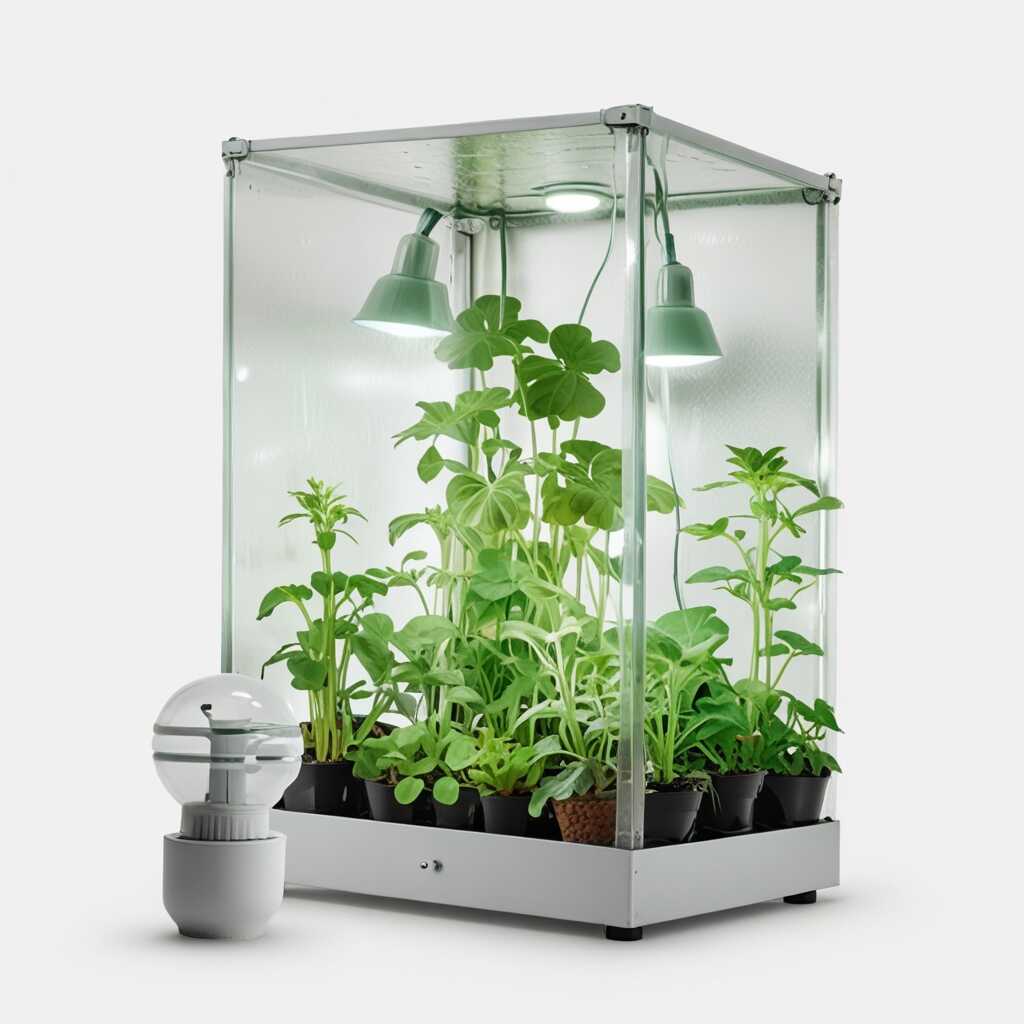
Implementing light deprivation techniques involves several key steps. First, choose the right blackout system suitable for your greenhouse, such as blackout curtains or tarps. These materials block incoming light effectively. Second, determine the timing for the light deprivation process by analyzing your plants’ growth cycles. Most plants benefit from 12 hours of darkness per day to trigger flowering. Environmental considerations include monitoring humidity, ventilation, and temperature changes during this process to ensure optimal plant health. Common techniques include gradual or immediate light reduction, depending on your plant species and growth stage.
Timing and Duration of Light Deprivation
Timing is crucial for effective light deprivation. Many growers recommend providing at least 12 hours of uninterrupted darkness, depending on the plant species. For example, most cannabis varieties thrive on a cycle of 12 hours of darkness followed by 12 hours of light to enhance flowering. Checking the plant growth cycle ensures you apply the right timing. Research shows consistent timing improves the reliability of your yields. The use of certain blackout systems can simplify this process by allowing for fast and easy adjustments. Regular evaluation of progress will help you refine your technique.
Real-World Examples of Successful Light Deprivation Applications
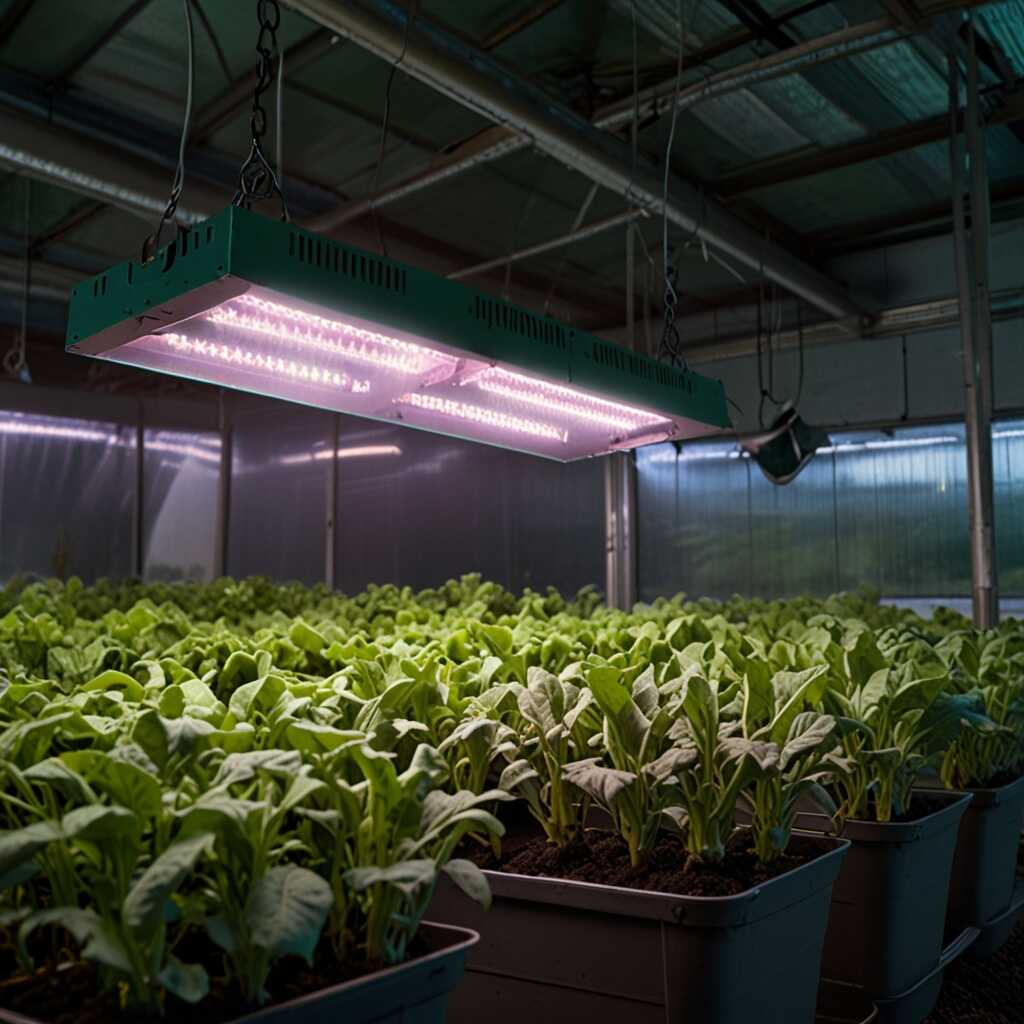
Several commercial greenhouse operations have utilized light deprivation techniques successfully to enhance growth and productivity. A notable example is Greenhouse Farms in California, which reported up to a 30% increase in crop yield after implementing blackout systems. They effectively block extra light during critical growth stages, allowing plants to flower at optimal times. Another example includes Urban Gardeners in Oregon, who test and review various blackout curtains that enhance efficiency while using minimal energy. Their results indicate that using these systems helps produce healthier plants over shorter cultivation cycles. This success is essential for encouraging more green practices in agriculture.
Evaluating the Impact of Different Systems on Yield
When evaluating different systems, Green Writer emphasizes the importance of reliable testing and comparing light deprivation methods. Greenhouse Farms utilized blackout tarps designed to block UV rays, leading to impressive results in crop health. Urban Gardeners conducted research to assess the durability and effectiveness of different blackout systems. Their findings showed that systems with higher reliability delivered up to 25% more robust plants. Data revealed that these innovations not only improve yield but also align with sustainable practices. As a result, greenhouse owners can make informed decisions that enhance both productivity and environmental stewardship.
Key Advantages of Implementing Light Control Systems
- They enhance the growth cycle by mimicking natural season changes.
- Utilizing blackout systems increases crop quality and flavor significantly.
- Producers can achieve multiple crop cycles in a single year for better productivity.
- Sustainable practices are promoted through reduced energy consumption.
- Plant diseases decrease due to controlled light conditions aiding plant health.
- They help ensure that flowering plants bloom at desired times with precision.
- Farmers often lower operational costs with smart light management solutions.

Common Issues with Blackout Systems and Their Solutions
Commercial greenhouse owners often face challenges when implementing blackout systems. Issues like light leaks, ineffective blackout materials, and inadequate timing can hinder the intended light deprivation. To address light leaks, ensure a tight seal on all blackout curtains and regularly inspect seams for any gaps. Consider using tested blackout fabrics designed to block light effectively. Adjust timers based on plant needs, usually requiring 12 to 18 hours of darkness to enhance growth. Using reliable lockdown mechanisms can enhance the efficiency of your blackout system, ensuring that your plants receive consistent light and dark periods.
Best Practices for Maintaining and Troubleshooting Blackout Systems
To maintain an effective blackout system, test for any light leaks at the beginning and end of each cycle. Review and compare the performance of different blackout materials, selecting options that provide durability and efficiency. The best products should not only block light but also withstand the wear of regular use. Monitoring temperatures inside the greenhouse can also help, as extreme heat may affect the reliability of blackout materials. Regular maintenance and adjustment of blackout timings, based on your specific plant species, will help you optimize their growth and maximize productivity.
Incorporating Sustainability in Modern Greenhouse Operations
Integrating sustainable practices in greenhouse management enhances both productivity and environmental impact. Light deprivation techniques, such as blackout systems, reduce energy consumption by controlling light exposure. These methods allow greenhouse operators to optimize growth cycles while using fewer resources. Blackout systems help minimize water usage by preventing excess evaporation. Greenhouses adopting these systems can expect significant energy savings, allowing them to allocate more resources to other sustainability initiatives. Commercial greenhouses focused on sustainability can also explore organic nutrient solutions and integrated pest management to further reduce their carbon footprint.
Benefits of Blackout Systems in Sustainable Greenhouses
Blackout systems deliver several benefits in sustainable greenhouse practices. These systems efficiently control light exposure, enabling growers to manipulate flowering times and enhance plant quality. By limiting light, blackout systems can significantly lower energy consumption. Commercial greenhouses utilizing these systems report up to 30% energy savings compared to traditional lighting. Additionally, they promote better water use efficiency, conserving resources with every cultivation cycle. Research shows that with the strategic use of blackout systems, growers can achieve high yields while minimizing ecological impacts.
Brands and User Groups in the Light Control Market
- Sun System offers durable blackout solutions ideal for large operations.
- The Home and Garden Group focuses on easy-to-use systems for hobbyist greenhouses.
- Growers may choose Flex Light for its customizable blackout solutions.
- Many hobbyists prefer affordable options that cater to small-scale operations.
- Farmers operating on a budget find value in multi-use blackout systems.
- Research institutions often utilize advanced systems for experimental setups.
- Professional grow operations benefit from energy-efficient, automated blackout systems.
Emerging Trends in Commercial Greenhouse Light Management
Innovations in blackout systems for commercial greenhouses include the use of smart sensors, automated shading technology, and energy-efficient LED lights. These technologies optimize light exposure, ensuring plants receive the appropriate amount of light for growth. The integration of Internet of Things (IoT) devices enhances operational efficiency by enabling real-time monitoring and control of light levels in greenhouses. These systems can adapt the light conditions based on weather changes or specific plant needs. This can drastically improve greenhouse productivity. Advanced blackout systems also offer significant energy savings, with studies showing up to 30% reduction in energy consumption, making them a reliable choice for sustainable agriculture.
Key Benefits of IoT in Greenhouse Light Control
Incorporating IoT in greenhouse light control systems provides numerous advantages for plant growth and operational efficiency. Smart sensors can monitor environmental conditions, adjusting artificial lighting as needed, ensuring optimal plant health. Automated systems deliver precise light levels based on plant species and growth stages, reducing waste. This technology enhances the reliability of light management, leading to healthier crops and better yields. Data collected from IoT devices can inform greenhouse operations, providing insights into which conditions yield the best results. By 2025, these systems are expected to significantly reshape light management strategies in commercial greenhouses, providing more reliable and efficient solutions for sustainable agriculture.