
How light spectrums influence flavor development in culinary herbs is an essential topic for indoor growers. Different wavelengths of light affect how herbs grow and taste, making lighting choices important. At Green Writer, we aim to provide sustainable solutions for optimal indoor plant care. Understanding light spectrums can help you enhance the flavor and health of your culinary herbs.
Understanding the Basics of Light Spectrums in Plant Growth
Light spectrums refer to the different wavelengths of light that plants use for growth. These wavelengths affect photosynthesis, which is critical for cultivating healthy herbs. Research shows that blue light (400-490 nm) enhances leaf growth, while red light (620-750 nm) promotes flowering and fruiting. Together, these light types contribute to robust flavor development in culinary herbs. The ideal light spectrum for indoor herb growing typically falls between 400-700 nm. This range encompasses both blue and red wavelengths, ensuring comprehensive plant health and flavorful herb production.
Impact of Blue and Red Light on Flavor
Blue light increases chlorophyll production, leading to darker leaves that are nutrient-rich and flavorful. In contrast, red light supports fruiting and flowering stages, which can enhance essential oil production in herbs, resulting in better taste. LEDs designed for indoor gardening often combine these wavelengths to optimize flavor and overall health of culinary herbs. Research indicates that using a full spectrum light promotes a balanced growth environment, which is essential for herbs to produce their best flavors. This combination enhances both the visual and taste profile of the plants grown indoors with adequate lighting.
The Science Behind Light and Flavor Compounds in Culinary Herbs
Different light spectrums significantly affect flavor compounds in culinary herbs through biochemical processes. Sunlight comprises numerous wavelengths that plants utilize. Each wavelength influences photosynthesis and the production of phytochemicals, which contribute to flavor and aroma. Blue light (400-500 nm) enhances leaf growth and tends to produce more vibrant flavors. In contrast, red light (600-700 nm) supports flowering and fruiting, often increasing sweetness. Research shows that a blend of blue and red light can optimize both growth and flavor, making it essential for indoor herb cultivation. These insights help gardeners select the best light setup for their plants.
Optimal Light Intensity and Its Impact on Flavor
Optimal light intensity is crucial for maximizing flavor development in culinary herbs. Studies demonstrate that an intensity of 300-600 μmol/m²/s is suitable for herbs like basil and parsley. Higher intensity can promote the production of essential oils, enhancing the aroma compounds in herbs. For example, basil exposed to higher light levels tends to produce more of the flavor compound eugenol, responsible for its aroma. Ensuring the right balance between intensity and spectrum allows home gardeners to improve the flavor profile of their herbs effectively.
Selecting Optimal Grow Lights for Indoor Herb Production
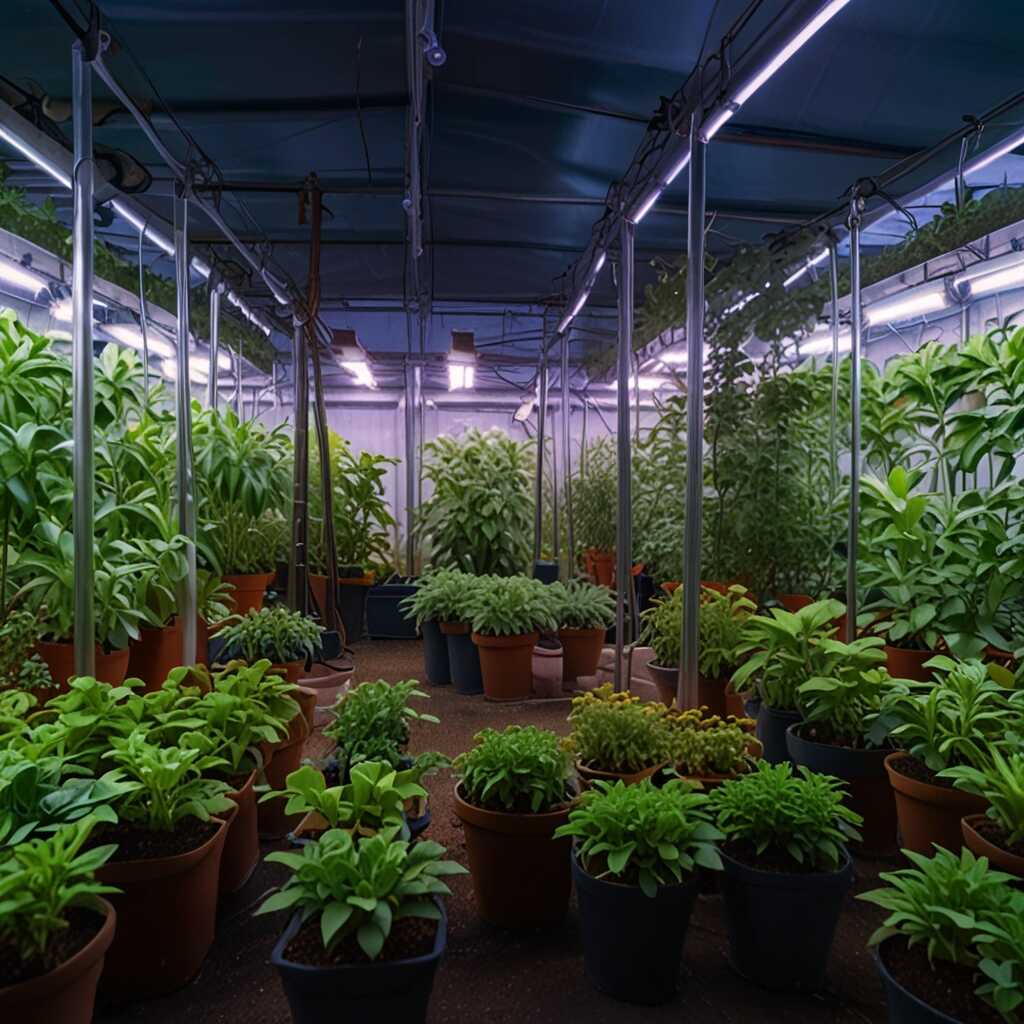
Choosing the right grow lights is essential for enhancing flavor in indoor herbs. LED grow lights are a popular choice due to their efficiency and ability to emit specific light spectrums. Blue light enhances vegetative growth, which is critical for plants like basil and cilantro. Red light promotes flowering, benefiting herbs that flower like chives. A combination of both colors can create a balanced spectrum, supporting overall plant health and flavor. For healthy indoor herb production, aim for a wattage of 20 to 40 watts per square foot. This range ensures plants receive enough light without wasting energy.
Understanding Light Spectrum Effects on Culinary Herbs
The impact of different light spectrums on culinary herbs is significant. Research shows that red light stimulates flowering while blue light enhances leaf development. For instance, basil thrives with ample blue light during the vegetative stage, resulting in robust, flavorful leaves. On the other hand, cilantro benefits from a balanced spectrum that includes both red and blue light. This combination helps develop its unique flavor profile. Experts recommend testing various light spectrums to discover which combination yields the best results for your specific herbs. Flexible LED systems allow easy adjustments based on plant growth stages.
Numerical Insights on Color Influence
- Light wavelengths range from 400 to 700 nanometers for optimal plant growth.
- Plants require around 12 to 16 hours of light daily for healthy growth.
- Certain herbs can show a flavor increase of up to 30% with the right light spectrum.
- Research shows that red and blue light spectrums significantly impact essential oil production.
- Using full-spectrum LEDs can improve growth rates by 25% for culinary herbs.
- Most indoor herb gardens need a minimum of 40 watts of light per square foot.
- Herbs grown under specific light conditions can mature 1-2 weeks faster than those without.
Light Duration and Intensity as Key Factors for Flavor Development
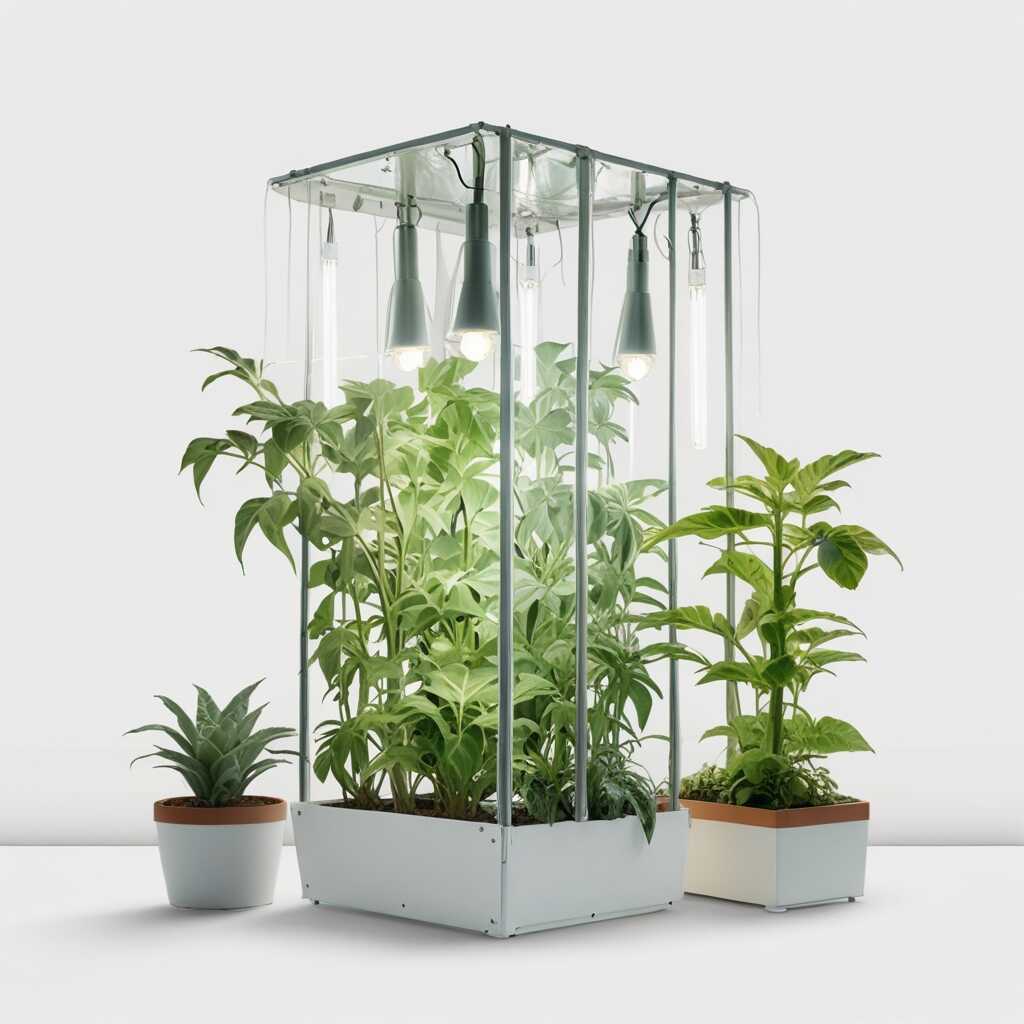
Light duration significantly impacts flavor development in culinary herbs. Longer light exposure often leads to increased concentrations of essential oils, enhancing flavor characteristics. Balance is crucial; excessive light can stress plants, affecting flavor negatively. Using the right intensity strengthens growth without sacrificing taste. Key lighting systems include LED grow lights, which efficiently provide the full spectrum required for optimum growth. Testing different schedules helps find the best duration, ensuring herbs flourish while developing their unique flavors. For best results, consider utilizing a mix of red and blue light to promote growth and enhance flavor compounds.
Finding the Right Light Schedule for Flavor Optimization
Determining the right light schedule involves understanding the specific needs of each culinary herb. Most herbs thrive on 12-16 hours of light daily, followed by 8-12 hours of darkness. This cycle mimics natural conditions, promoting strong growth and flavorful leaves. Start with an intensity of 200-400 µmol/m²/s. Monitor plants regularly to adjust lighting based on their response. Research has shown that allowing some dark periods boosts flavor molecules responsible for taste. Testing and adjusting these guidelines can ensure herbs produce maximum flavor while maintaining overall health.
The Interplay Between Nutrients and Light in Flavor Development
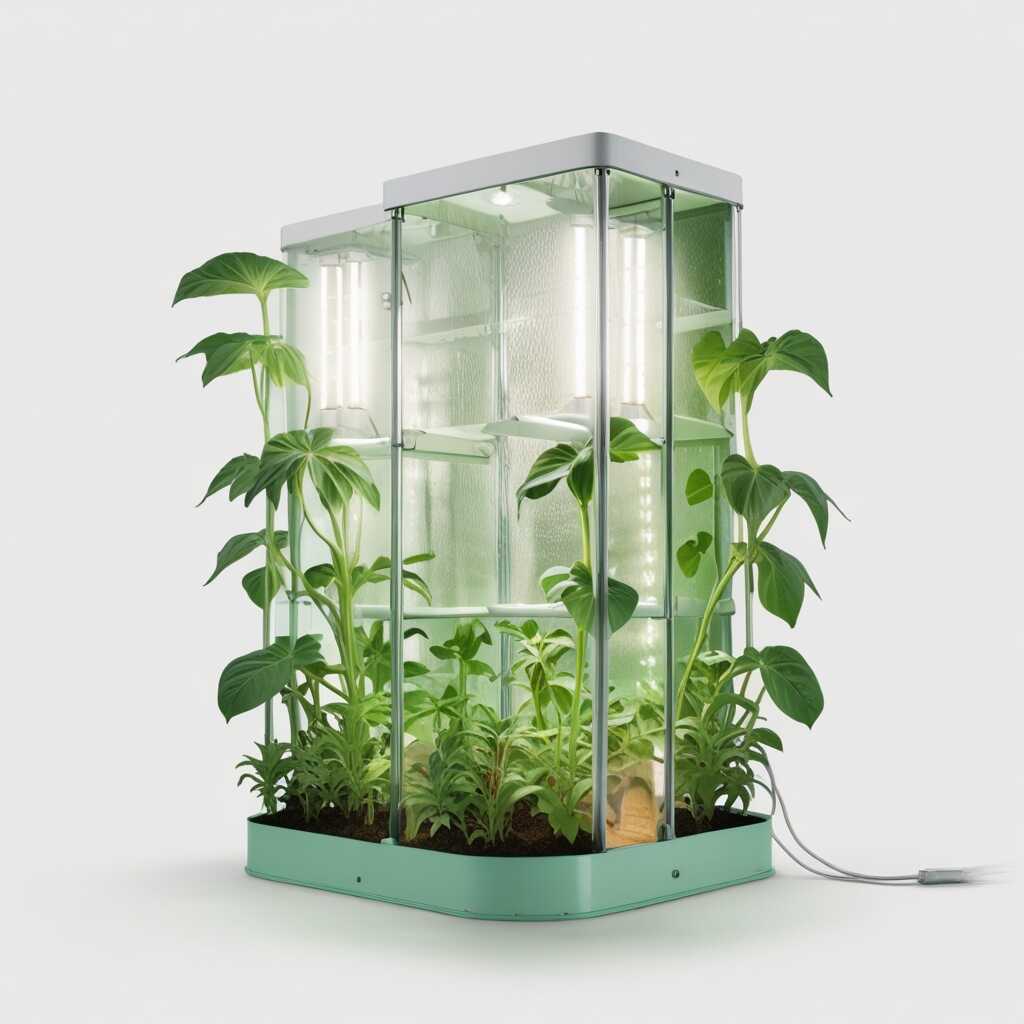
Nutrient management plays a crucial role in enhancing the flavor of culinary herbs grown indoors. Optimal nutrition complements light effects by ensuring that plants have essential elements for development. Critical nutrients for enhancing flavor include nitrogen, phosphorus, and potassium. These nutrients significantly influence plant growth and the concentration of essential oils responsible for flavor. Soil quality also impacts nutrient availability, making it vital to use high-quality potting mixes with proper drainage and nutrient retention. Regular testing of soil can help maintain the right balance. Furthermore, the ideal pH range for soil is typically between 6.0 and 7.0, providing a suitable environment for nutrient absorption. This balanced approach to soil quality and nutrient management leads to stronger flavors in herbs.
Essential Nutrients for Superior Flavor in Culinary Herbs
Culinary herbs thrive on a mix of essential nutrients that specifically enhance their flavor profiles. Nitrogen boosts leaf growth and richness of flavor, while phosphorus promotes root development and floral characteristics. Potassium improves overall plant health and increases essential oil production, crucial for flavor intensity. Micronutrients such as magnesium and calcium also support flavor enhancement. Ensuring your indoor herb garden has a nutrient-rich blend tailored for each herb type can significantly contribute to achieving robust flavors. Using liquid fertilizers at half-strength can serve as a great method for maintaining nutrient levels without overwhelming the plants.
Advantages of Optimal Light Conditions
- Increased flavor richness enhances culinary experiences with fresh herbs.
- Healthy growth improves herb yield and quality for home gardeners.
- Better light exposure can lead to higher levels of antioxidants in herbs.
- Proper light spectrums can stimulate the production of essential oils in various herbs.
- Plants develop stronger aromas, making them suitable for cooking and garnishing.
- Enhanced color vibrancy in herbs often attracts beneficial insects for pollination.
- Optimized lighting enhances plant resilience to pests and diseases.
Techniques for Monitoring and Adjusting Light Conditions
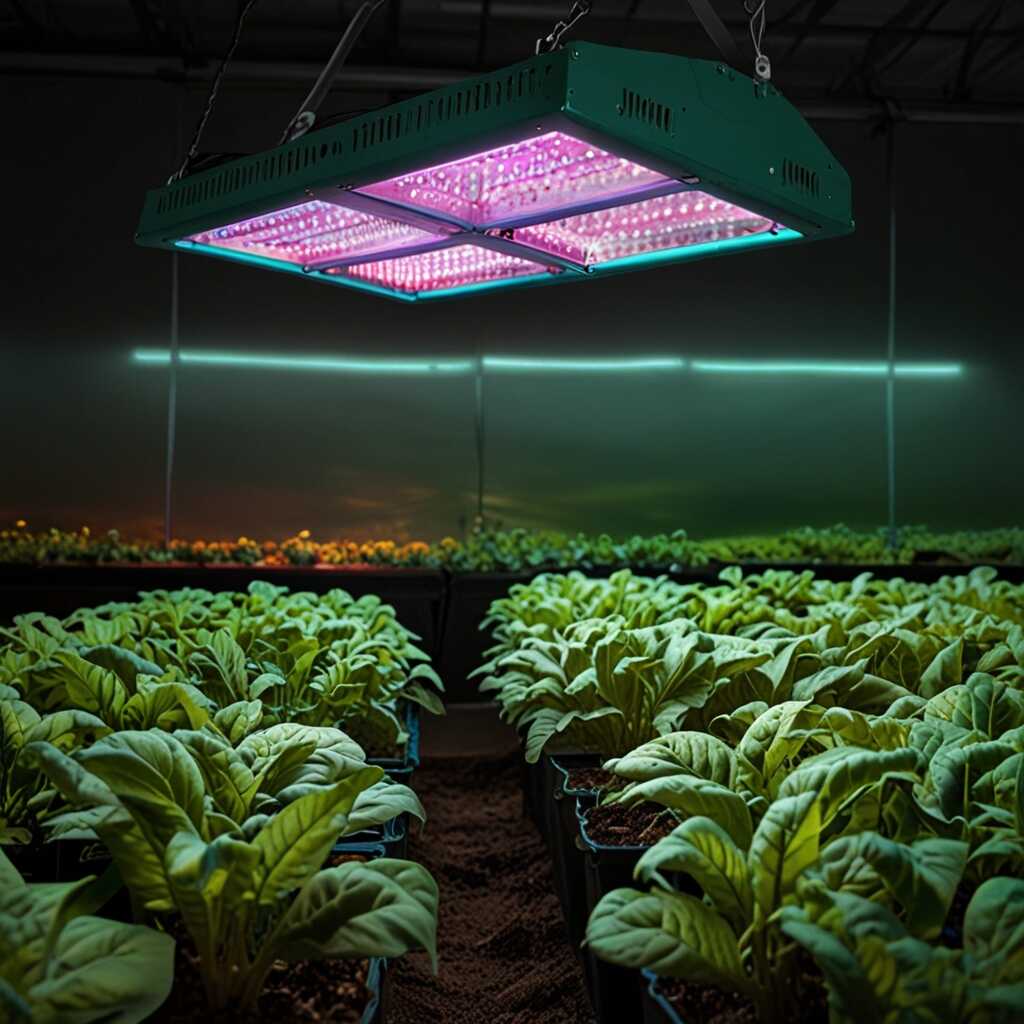
Reliable testing tools are essential for measuring light conditions in indoor herb cultivation. Light meters can help measure the intensity of light your herbs receive. Spectral analysis tools can show how different light spectrums affect flavor development. Regularly reviewing these metrics ensures you provide optimal lighting for plants like basil, mint, and parsley. Adjust the light duration based on data collected to enhance your herb’s flavor profiles. Many indoor gardeners recommend between 12 to 16 hours of light during the growing season for maximum efficiency.
Understanding Light Spectrum Effects on Flavor Development
Different light spectrums play a significant role in flavor development in culinary herbs. LEDs provide a full spectrum of light, closely resembling natural sunlight. This promotes photosynthesis and enhances the aromatic compounds in herbs. Fluorescent lights, while useful, may not offer the same efficiency. Research shows that red and blue light spectrums are particularly effective in stimulating growth, resulting in richer flavors. Ensuring a balanced light spectrum is essential for maximizing flavor and overall plant health while cultivating indoors.
Popular Culinary Herbs and Their Specific Lighting Requirements
Different culinary herbs have unique light requirements for optimal flavor development. For example, basil thrives under full-spectrum LED grow lights, needing about 12-16 hours of light daily for robust flavor. Cilantro requires slightly less light, about 10-14 hours, to develop subtle flavors. Parsley grows well with similar lighting to cilantro. Mint can handle indirect light but flourishes with 12 hours of direct light exposure. These variations in light treatment can significantly impact flavor profiles for home gardeners.
Understanding the Impact of Light Quality on Culinary Herb Flavor
Different light spectrums crucially affect culinary herb flavor development. Blue light encourages vegetative growth, important for herbs like basil, enhancing leaf production and flavor concentration. Red light facilitates flowering and can improve essential oil production in herbs like mint and cilantro. Home gardeners should aim for a balanced spectrum of red and blue wavelengths for optimal results. Studies indicate that full-spectrum LED grow lights provide both red and blue wavelengths, offering reliability in flavor enhancement. This ensures herbs grow healthier and taste richer, improving overall culinary quality.
Brands and Demographics for Indoor Herb Cultivation
- Brand A offers affordable LED lights perfect for beginners in herb gardening.
- Many urban gardeners appreciate energy-efficient lighting solutions for small spaces.
- Brand B features premium full-spectrum lights excellent for advanced growers.
- Families with children prefer safer, eco-friendly lighting options for indoor gardens.
- Brand C provides a range of smart grow lights that adjust according to plant needs.
- Home chefs favor robust lighting systems that enhance herb flavor and quality.
- Professional horticulturists seek research-backed lighting products for optimal results.
Integrating Sustainable Practices in Indoor Herb Flavor Production
Combining sustainable practices with indoor herb cultivation can greatly enhance flavor. First, using sustainable lighting solutions like LED grow lights ensures energy efficiency while providing the full spectrum needed for growth. These lights support various growth stages, crucial for flavor development. Additionally, incorporating natural gardening techniques, such as organic fertilizers and composting, can improve soil health and flavor. Regularly testing soil pH can optimize growing conditions. Indoor herbs typically require around 12 to 16 hours of light each day. Therefore, scheduling lighting effectively is essential for achieving optimal flavor that home gardeners desire.
Choosing the Best Sustainable Lighting for Flavor Enhancement
Choosing the best sustainable lighting for flavor enhancement involves understanding specific light needs of culinary herbs. LED grow lights are highly recommended due to their durability and energy efficiency. Full spectrum LED lights operate in the 400-700nm range, which supports chlorophyll production and enhances flavor compounds. Positioning these lights 12-24 inches above your herbs ensures optimal light exposure without burning. Regularly adjusting the height as plants grow maintains consistent light coverage. Consistent light for about 14 hours a day is ideal for robust flavor development. Utilizing light timers can aid in maintaining this schedule without extra effort.