
Exploring Smart Home Technology in Modern Grow Light Systems unveils the latest advancements in gardening innovation. This integration enhances indoor gardening by providing efficient lighting solutions with easy control. Green Writer highlights how smart grow lights improve plant health and simplify gardening tasks. Readers will discover the benefits of these systems and their role in sustainable living.
What is Smart Home Technology and Its Applications in Gardening
Smart home technology refers to devices and systems that connect to the internet, allowing users to monitor and control their home remotely. In gardening, these technologies integrate advanced features such as smart grow light systems, soil moisture sensors, and automated irrigation systems to enhance the indoor gardening experience. Smart grow lights adapt to plant needs by adjusting light intensity and spectrum, ensuring optimal growth conditions. Automation tools streamline watering and lighting schedules, making it easier for indoor gardeners to maintain ideal conditions without constant monitoring. This reliable technology can help improve plant health and growth, making it essential for modern indoor gardening.
How Smart Grow Lights Work with Automation
Smart grow lights work by utilizing sensors to monitor the environmental conditions of indoor plants. They can adjust their light output based on factors such as the time of day and specific plant growth stages. For instance, during the flowering phase, these lights may shift to emit more red wavelengths to support bloom development. Homeowners can automate these adjustments using smartphone apps, even when away from home. This level of control ensures plants receive the correct light spectrum and duration, enhancing their growth potential. Many users have reported improvements in plant health and yield thanks to these energy-efficient solutions that save time and effort.
Advantages of Smart Grow Light Systems for Plant Growth
Smart grow light systems offer significant energy savings by utilizing LED technology, which consumes less power while providing adequate light. These systems monitor plant conditions and adjust light intensity and duration. The integration of sensors and timers enhances plant health by ensuring optimal light exposure. User convenience is a key feature, allowing gardeners to control lighting through smartphone applications. Most smart grow light systems deliver an impressive lifespan of over 50,000 hours, reducing the need for frequent replacements.
Key Features Contributing to Improved Plant Health
Smart grow light systems include features such as automated light schedules and spectrum adjustments that cater to various plant growth stages. These systems use advanced sensors to detect light intensity and ambient conditions. They provide specific wavelengths that enhance photosynthesis and improve overall plant health. With the ability to fine-tune light conditions according to plant needs, users can achieve better growth results. Research shows that proper light management can lead to healthier, more vibrant plants in indoor settings.
Essential Features of High-Quality Smart Grow Lights
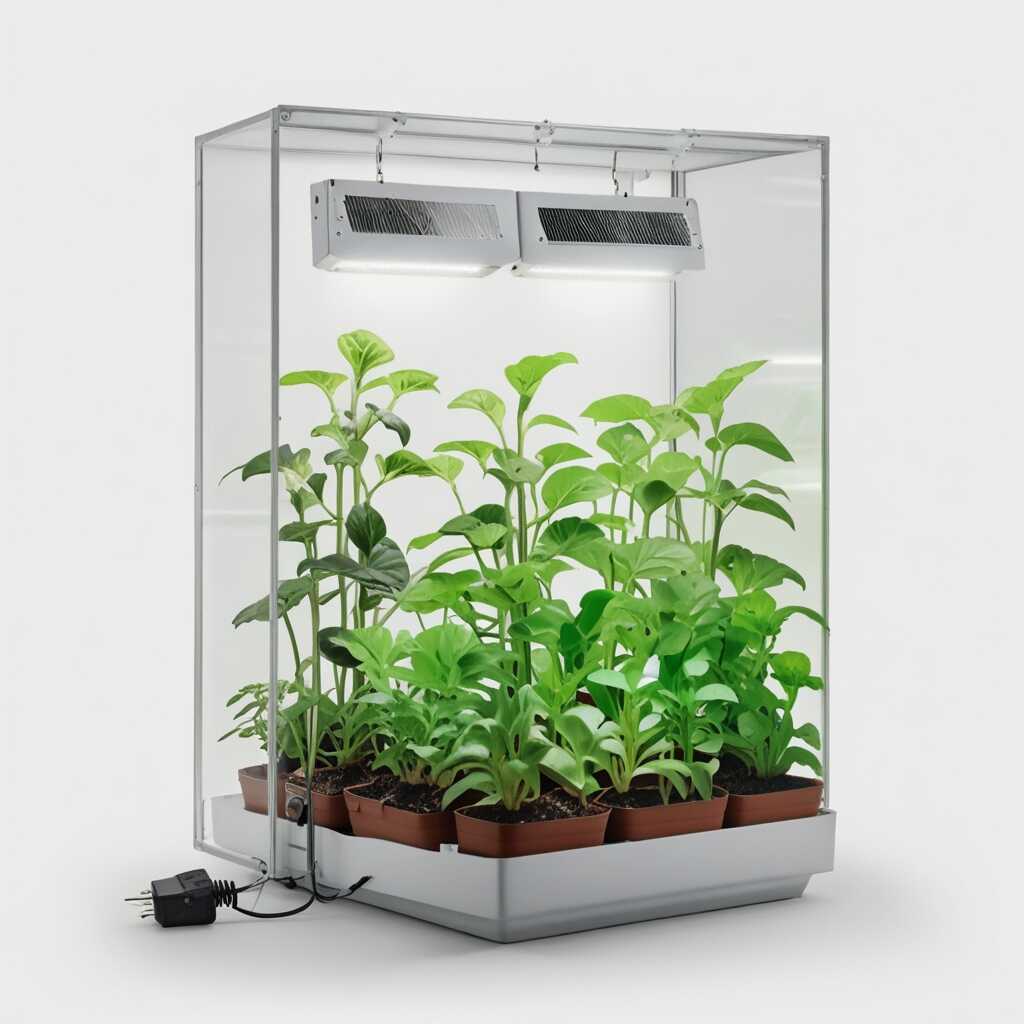
When choosing high-quality smart grow lights, consider three essential features: app connectivity, programmable schedules, and energy efficiency. App connectivity enables remote control and monitoring of light settings via smartphone. This feature enhances user experience and simplifies indoor gardening management. Programmable schedules allow users to automate on/off cycles, ensuring plants receive consistent light exposure. Energy-efficient smart grow lights save on electricity bills and reduce environmental impacts. Reliable options are usually LED models that can last over 50,000 hours, outperforming traditional options. Comparing different brands helps identify which offers the best features for your indoor garden.
Evaluating Smart Grow Light Energy Efficiency
Analyzing energy efficiency in smart grow lights is pivotal for sustainable indoor gardening. Look for models with Energy Star ratings, as these meet stringent efficiency criteria. The best smart grow lights can drastically decrease energy consumption while maximizing light output. For instance, a quality LED grow light can save up to 75% more energy than traditional bulbs. Efficient models provide full-spectrum light that meets plant growth needs without excess power draw. Researching user reviews and independent testing reports reveals the performance of different brands, ensuring you select a reliable option for your gardening setup.
Key Statistics about Innovative Plant Illumination
- Smart grow lights use an average of 40% less energy than traditional lighting.
- Over 70% of indoor gardeners report improved plant growth with smart lighting.
- Some models last over 50,000 hours, reducing replacement frequency.
- Many smart grow lights support remote operation via smartphone apps.
- Plants under smart lights can grow up to 30% faster than under regular bulbs.
- Smart lighting can save users up to $100 annually on energy bills.
- Research shows that plants typically thrive with specific light spectrums between 400-700nm.
How Smart Technology Enhances Indoor Plant Care Practices
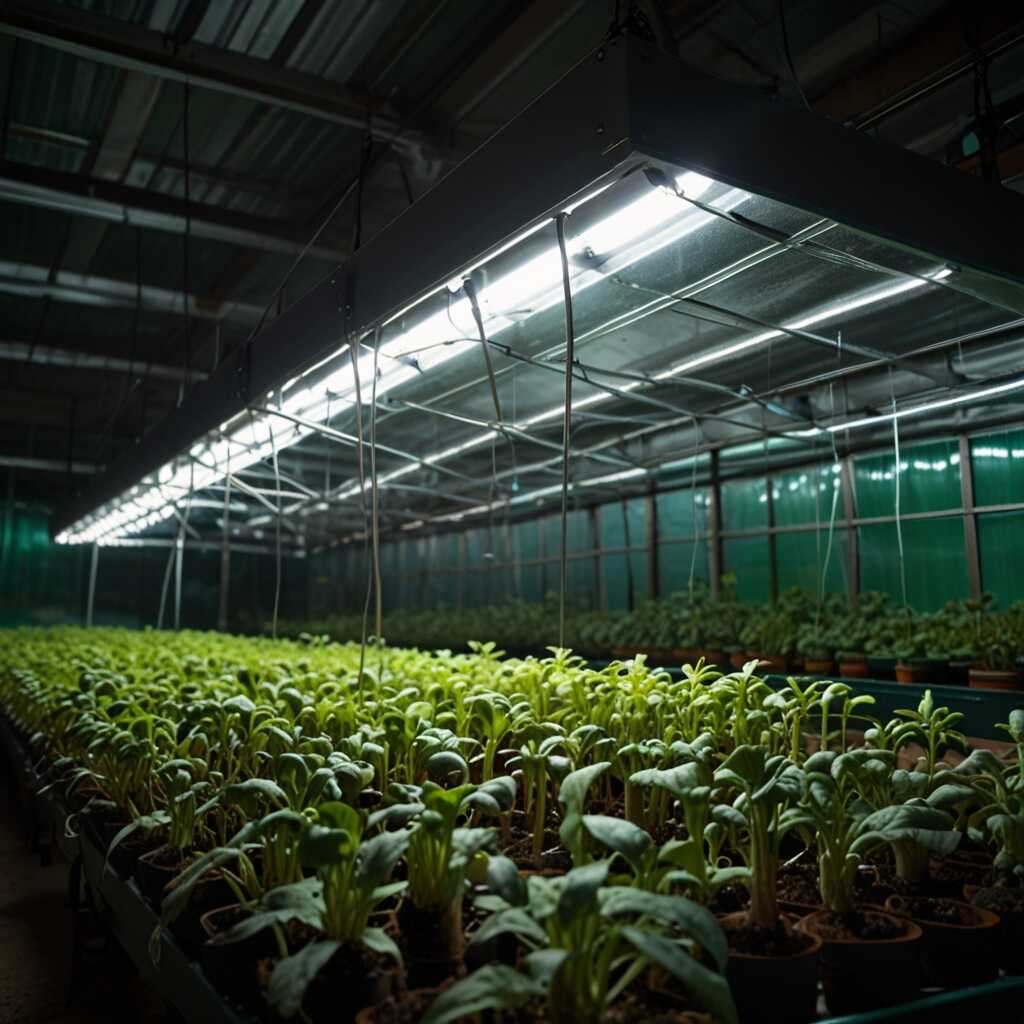
Smart grow lights significantly improve the health of indoor plants by providing tailored light conditions. These devices use smart monitoring to assess factors like light intensity and duration. With automated lighting schedules, plants receive the ideal light at the right times. Smart technology collects data on plant responses—a method shown to enhance growth cycles. Reviews indicate that many indoor gardeners notice healthier foliage and quicker flowering times by using smart grow lights. These systems often include features such as remote control, ensuring that gardeners can adjust settings from anywhere. The results lead to impressive plant vitality.
Key Features of Smart Grow Lights
Smart grow lights include advanced features that enhance indoor gardening experiences. They often come with built-in sensors that monitor moisture levels and light exposure. This data is crucial for understanding plant needs. Many models also allow integration with home automation systems, enabling users to adjust light settings through voice commands. Users can schedule light cycles based on the particular growth stages of plants. These systems help ensure optimal growth environments, making the process simple and effective. Reviews of smart grow lights emphasize their energy efficiency and long lifespan, providing both functionality and cost savings.
Guide to Selecting the Right Smart Grow Light for Different Plants
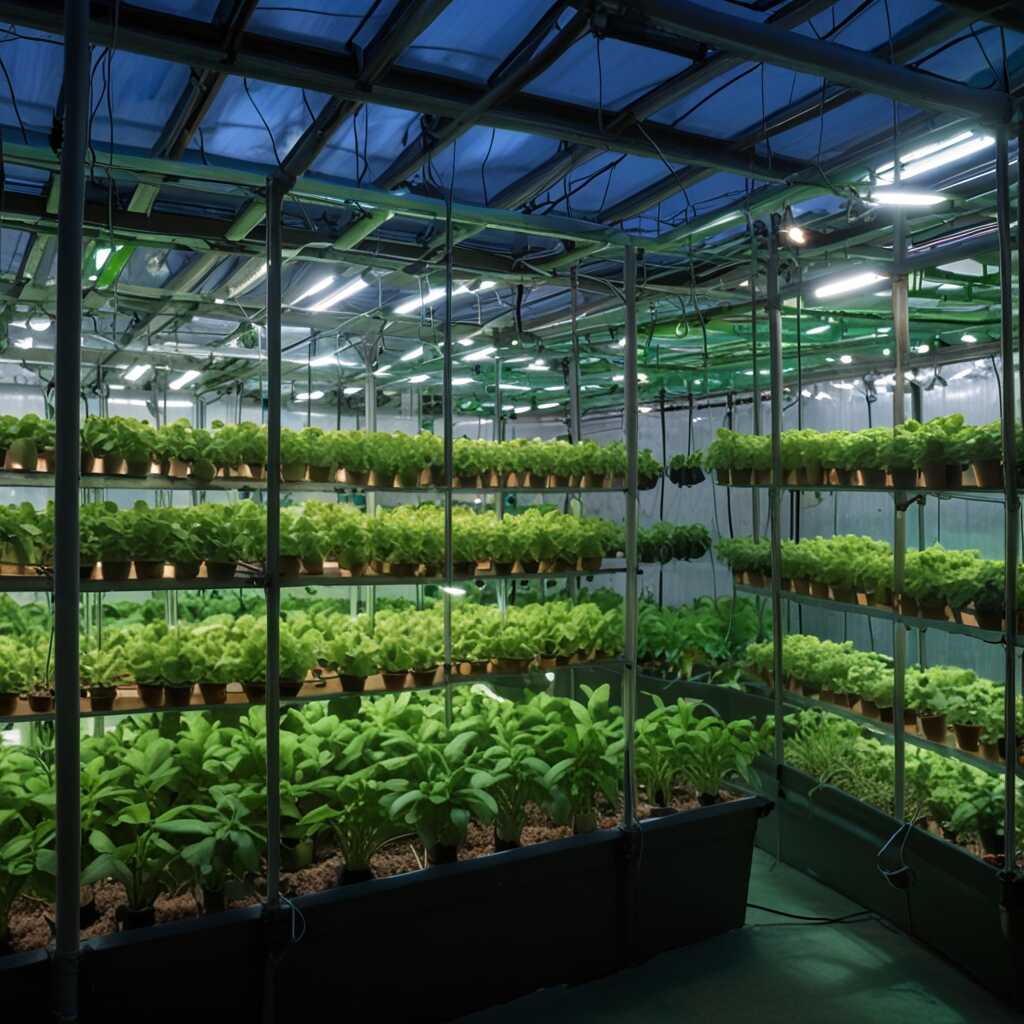
Choosing the right smart grow light involves considering essential factors like light spectrum, intensity, and timing. Each indoor plant has unique lighting needs. Succulents thrive under bright, direct light for 12 to 14 hours daily, making full-spectrum LED lights ideal. On the other hand, leafy greens and herbs prefer moderate light intensity. For flowering plants, smart grow lights that mimic sunlight’s spectrum are crucial for stimulating blooms. Evaluate your space’s conditions, such as natural light availability and room temperature, as these influence your light choice. Always look for energy-efficient models to save costs while enhancing plant growth.
Evaluating Light Spectrum and Plant Type
Understanding the relationship between light spectrum and plant type is crucial for indoor gardening success. Different plants have varying needs based on their growth stages. For example, seedlings require a blue light spectrum to promote healthy foliage. During the flowering phase, a red spectrum light becomes essential to support blooming processes. Smart grow lights enable users to adjust light settings according to specific plant needs, ensuring all stages are met. Brands like Green Writer recommend lights with adjustable spectrums to accommodate these variations, enhancing overall plant health. Utilizing high-quality smart grow lights helps ensure longevity and produces excellent results in your indoor garden.
Advantages of Smart Tech in Indoor Agriculture
- Smart grow lights provide customizable lighting schedules for plants.
- Users benefit from remote monitoring using connected applications on smartphones.
- These lights adapt to various growth stages, optimizing light output for different needs.
- Smart lighting improves energy efficiency, reducing overall electricity costs.
- Automated systems enhance plant care by delivering light at the right times.
- Users enjoy peace of mind, knowing their plants receive optimal light even when away.
- Smart grow lights often come with built-in timers, making operation easy.
Step-by-Step Guide to Installing Smart Grow Light Systems
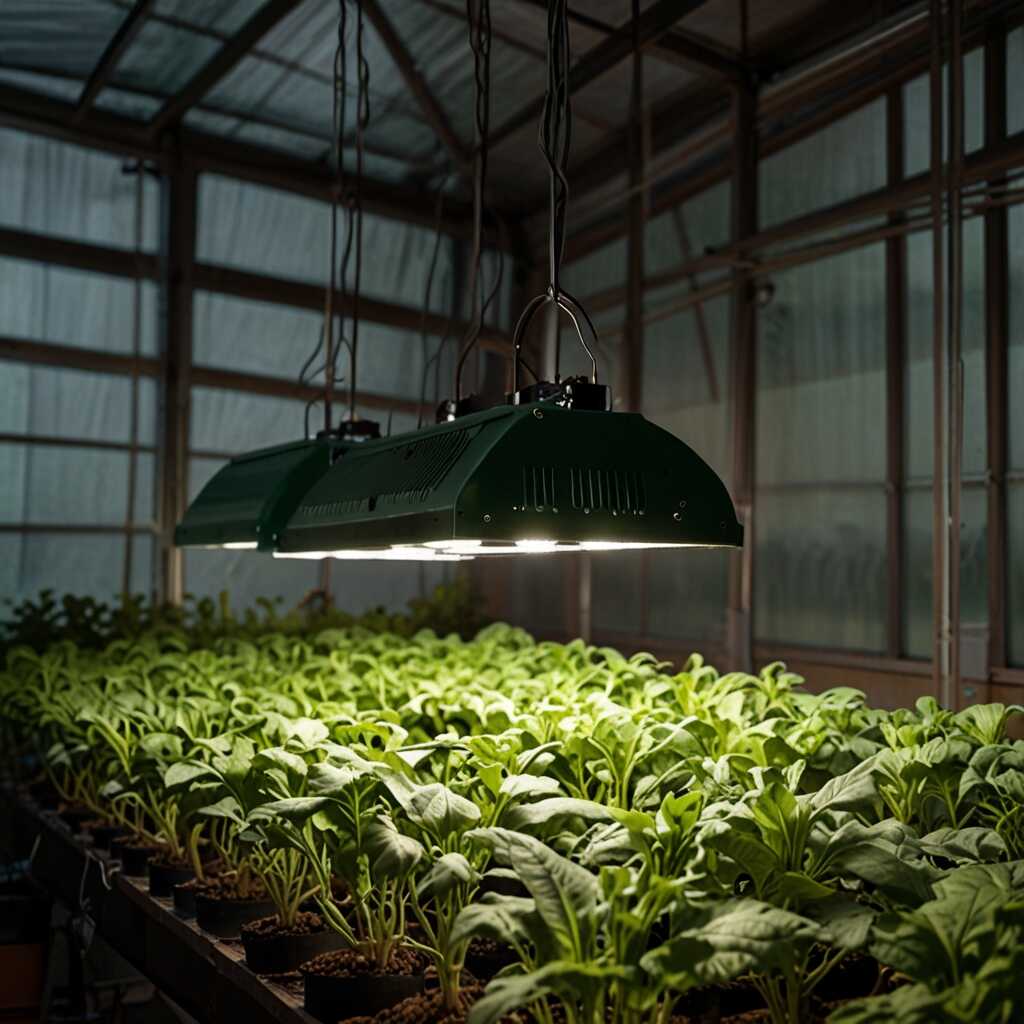
To ensure proper placement of smart grow light systems, assess your indoor garden’s space. Consider the height and type of plants you are growing. Place lights 12 to 24 inches above the canopy to avoid burning leaves. Choose smart grow lights that offer adjustable height features for flexibility. When installing, look for models with energy efficiency ratings to reduce electricity costs. The average wattage requirement for smart grow lights ranges from 20 to 40 watts per square foot. This helps provide adequate light intensity for optimal plant growth.
Choosing the Right Smart Grow Light System for Your Space
Choosing the right smart grow light system involves analyzing your indoor setup’s size, plants’ light needs, and energy consumption. Look for grow lights that include full spectrum capabilities to support various growth stages. Features like timers, adjustable intensity, and app controls can enhance convenience and reliability. Testing different light positions can improve your indoor plant setup’s overall effectiveness. Review performance data from different brands to find the best quality options for your gardening goals.
Leading Brands Innovating in Smart Grow Light Technology
Several brands stand out in smart grow light technology, including Philips Hue, GE Lighting, and Xiaomi. These brands are known for their reliability and quality performance in indoor gardening solutions. Philips Hue offers user-friendly smart lights designed for flexibility, enabling users to adjust settings through a mobile app. GE Lighting provides advanced features such as automatic light cycles that mimic natural sunlight, ensuring optimal growth conditions. Xiaomi integrates smart sensors to monitor plant health, proving itself to be a very good choice for tech-savvy gardeners. Together, these brands deliver efficient systems that enhance indoor gardening through innovation and user experience.
Key Features of Top Smart Grow Light Brands
Top smart grow light brands offer an impressive array of features that enhance indoor gardening efficiency. Many lights include built-in Wi-Fi, allowing users to control settings remotely from their smartphones. Advanced models come equipped with full spectrum lighting, which is essential for supporting various plant growth stages, from seedling to flowering. Some brands integrate features for automatic adjustment based on plant needs and environmental conditions, helping plants thrive. User-friendly interfaces make the setup process straightforward, ensuring a comfortable experience for both beginners and experts. These innovations result in high-quality performance that meets the demands of modern indoor gardeners.
Notable Brands in Smart Indoor Lighting Solutions
- Brand A offers user-friendly software and smart control options.
- Brand B excels in energy efficiency and advanced spectrum settings.
- Brand C focuses on affordability, making it popular among beginners.
- Brand D features extensive customer support and warranty options.
- Brand E markets high-performance lights for serious horticulturists.
- First-time buyers appreciate Brand C for its simplicity and effectiveness.
- Tech-savvy gardeners favor Brand A due to its advanced features and compatibility.
Upcoming Trends and Innovations in Smart Gardening Tools
Key trends in smart garden technology include the integration of artificial intelligence (AI) and the Internet of Things (IoT) into innovative grow lights. These advancements enhances user experience by providing real-time data about plant health, light exposure, and moisture levels. Various manufacturers are now offering smart grow lights that can be controlled remotely through mobile apps. By 2025, research indicates that over 60% of plant caregivers will likely adopt smart technology to improve their gardening practices. This shift will help enhance efficiency in managing indoor plants and ensuring optimal growth conditions.
Understanding AI Integration in Smart Grow Lights
Smart grow lights are designed to incorporate AI technology, allowing users to monitor and adjust their indoor gardens effectively. For instance, these lights provide insights into optimal light cycles based on specific plant types. They analyze data about plant growth and adjust the light spectrum accordingly. This feature ensures that plants receive the essential wavelengths needed for different growth stages. Smart grow lights can be controlled via mobile apps, enabling easy adjustments from anywhere. This integration creates a more reliable and efficient way to maintain healthy indoor gardens while also promoting sustainable gardening practices.