
Light spectrum optimization involves selecting specific wavelengths of light to maximize plant growth, flowering, and fruit production in indoor gardening. This technique typically increases yields by providing plants with the exact light frequencies they need for photosynthesis and development during different growth stages.
Importance of Light Spectrum for Plant Health and Yield
Matching light spectrum to specific crop needs is crucial for optimal yield and plant health. Different crops, like tomatoes, peppers, and lettuce, require unique light spectrums for growth and fruiting. Blue light enhances vegetative growth, while red light is essential for flowering and fruiting. By understanding crop-specific lighting needs, indoor gardeners can create optimal conditions that enhance growth and ensure reliability. This approach provides plants with the essential wavelengths they require for photosynthesis and overall vitality. However, spectrum optimization requires careful monitoring and may increase initial equipment costs compared to standard lighting.
Understanding Crop-Specific Lighting Needs
Crops have unique lighting requirements based on their growth stages. For example, during the vegetative stage, tomatoes thrive under a spectrum rich in blue light (400-500nm). In contrast, during flowering, they need more red light (600-700nm) to stimulate fruit production. Peppers also benefit from blue light early on but require a balance of red light as they mature. Lettuce benefits from a full spectrum of light that includes both ends of the spectrum to maximize photosynthesis. By tailoring lighting to these growth stage requirements, gardeners enhance yield performance and support healthier plants. Comprehensive grow light reviews help identify the best spectrum options for specific crops and growing conditions.
Differentiating Between Light Spectra for Various Crops
Different crops require specific light spectra for optimal growth and yields. For instance, tomatoes benefit from wavelengths around 400-500 nm for vegetative growth and 610-700 nm during the flowering phase. Peppers also thrive under similar conditions but may require slightly more red light during flowering. Lettuce, on the other hand, prefers cooler light with a higher blue spectrum (420-460 nm). Understanding this light spectrum analysis empowers indoor gardeners to make informed lighting choices that specifically support each plant’s unique growth stages and nutritional needs. Testing shows that using the correct spectrum enhances both fruiting and overall plant health.
Optimal Wavelengths for Maximum Yield
To achieve maximum yield, it is essential to provide the right wavelengths tailored for each crop. For tomatoes and peppers, incorporating substantial red light during flowering has proven effective, as this wavelength encourages fruit development. Blue light enhances leaf development, which significantly impacts overall yields. Lettuce benefits from a balance of blue light for germination and red light to stimulate rapid growth. These crop-specific lighting strategies ensure that indoor gardeners can optimize their setups for maximum efficiency and productivity, leading to more fruitful harvests. The key limitations include higher energy costs for full-spectrum systems and the need for regular spectrum adjustments as plants mature.
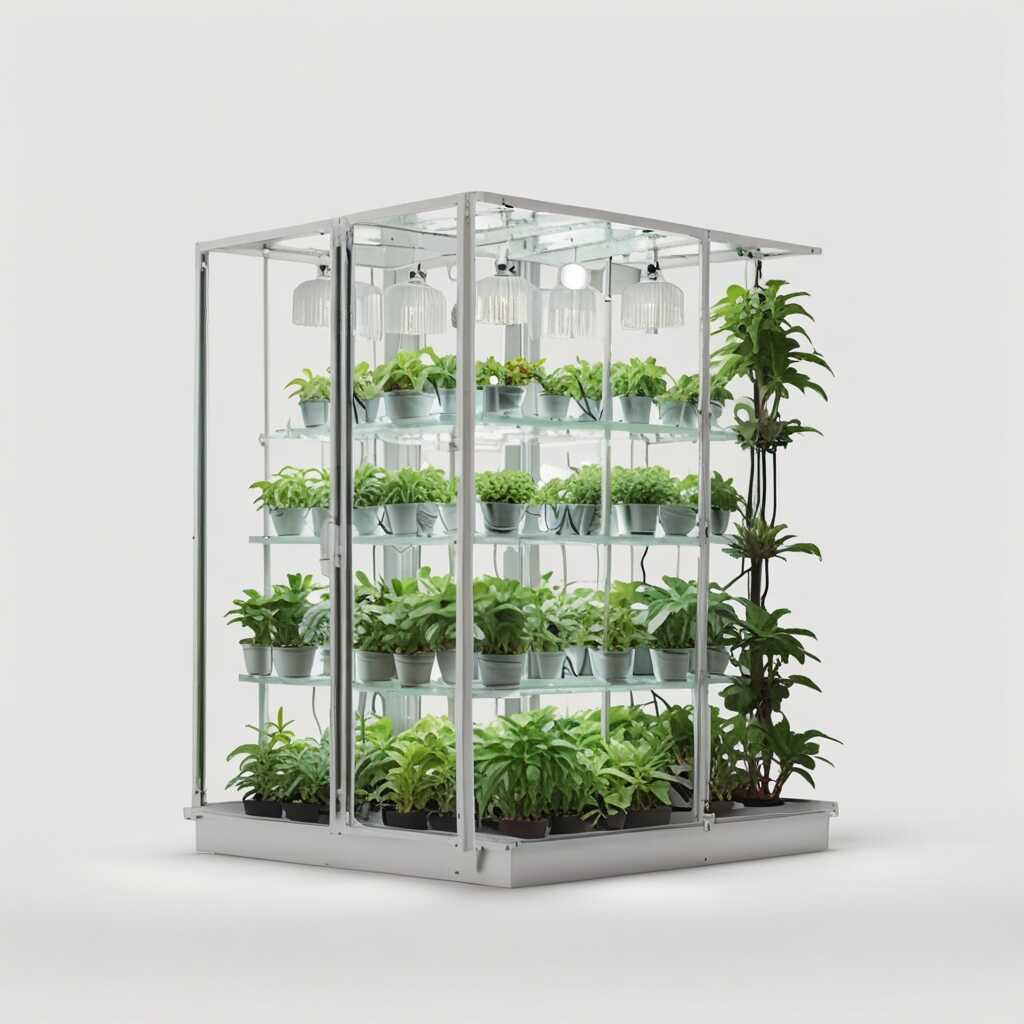
Selecting the Best Grow Lights Based on Crop Needs
Choosing grow lights requires understanding your crop’s light requirements. Different crops, like tomatoes and peppers, thrive under varying spectrums. Leafy greens need a fluorescent light spectrum, while flowering crops perform better with full-spectrum LEDs. Essential factors include the growth stage and light intensity. Fruiting crops often need higher light intensity compared to seedlings. Detailed comparison tables help evaluate grow lights for efficiency and performance. Testing different lights can enhance your crop yields and health significantly.
Understanding Crop Light Requirements
Crops such as tomatoes, cucumbers, and strawberries have specific light needs that can enhance their growth. Fruiting crops generally require a light intensity range of 300-600 µmol/m²/s during peak growing periods. Full-spectrum lights provide wavelengths between 400-700nm, supporting photosynthesis successfully. Red light promotes flowering, while blue light encourages vegetative growth. Selecting the right light spectrum helps maximize yields, ensuring crops receive adequate photosynthesis throughout their growth stages. This knowledge can lead to successful indoor gardening when combined with proper timing and positioning techniques.
Essential Light Requirements for Effective Crop Growth
- Plants usually thrive better under 12-16 hours of light daily.
- Specific wavelengths, such as 450 nm, benefit leafy growth.
- Red light (around 660 nm) encourages better flowering and yields.
- Light intensity should be about 400-800 μmol/m²/s for healthy growth.
- Optimal temperature for light periods is between 70-80°F (21-27°C).
- Different crops may require varying spectrums for best results.
- Some crops can significantly increase their yields with proper spectrum adjustment.
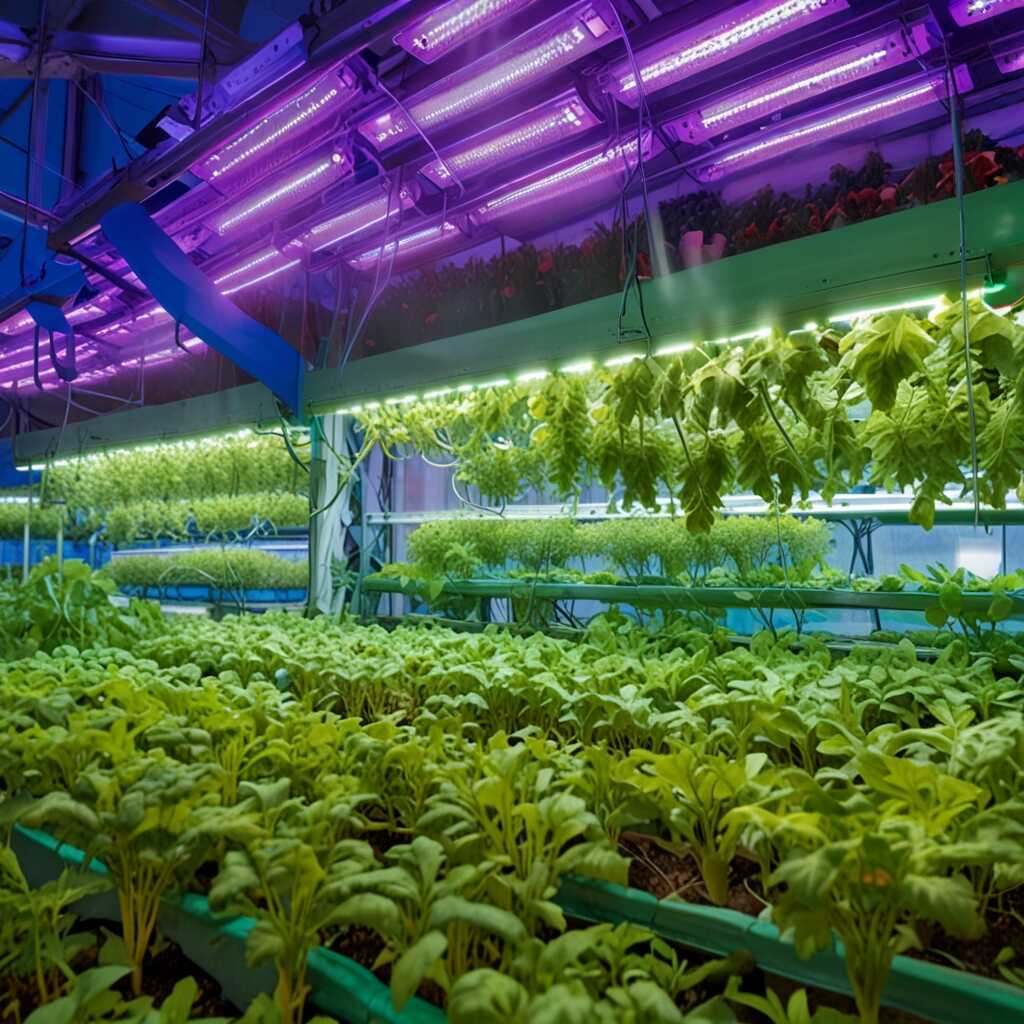
Benefits of Full Spectrum Lights for Indoor Crops
Full spectrum lights are essential for maximizing indoor crop production. They replicate natural sunlight, covering wavelengths from 400 to 700 nanometers. This range supports photosynthesis, leading to healthier plants. Full spectrum lights enhance all growth phases, from seedling to flowering. These lights improve nutrient uptake and can result in greater yields compared to traditional lights. Performance analysis shows that plants under full spectrum lights experience faster growth rates, providing higher quality fruits and vegetables. Choosing the right full spectrum lights ensures reliable performance for various crops, including tomatoes, peppers, and herbs.
How Full Spectrum Lights Support Specific Plant Needs
Different plants have unique light requirements for optimal growth. Full spectrum lights cater to these needs effectively. For instance, leafy greens such as lettuce thrive with blue light, which emphasizes vegetative growth. Conversely, flowering plants like cucumbers prefer red light for their maturation phase. Specific wavelengths, when used correctly, enhance flowering and fruiting capabilities significantly. By adjusting light spectrums based on plant type, indoor gardeners can achieve impressive results, with some crops yielding substantially more than those grown with traditional lighting. Understanding these needs allows for tailored lighting strategies that enhance overall indoor gardening success.
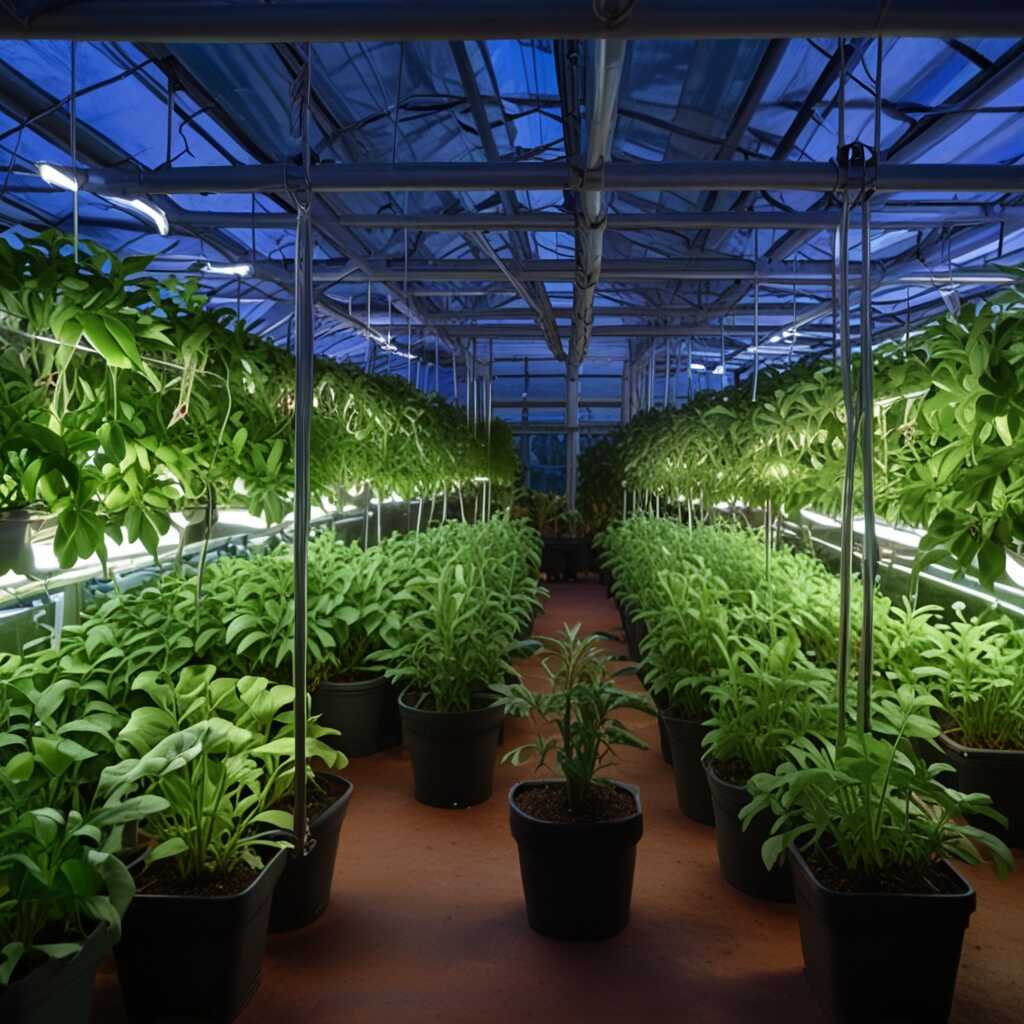
Understanding the Role of Light Duration in Plant Development
Light duration plays a critical role in plant growth and development. Different crops require specific light cycles for optimal results. For instance, germination benefits from 16-24 hours of light daily. This duration ensures that seeds transition successfully into seedlings. Flowering cycles depend on the plant species. Some, like tomatoes, thrive on 12 hours of light and 12 hours of dark. Others may require longer light periods, enhancing fruiting and yields. Balancing light and dark periods helps prevent stress, ensuring plants produce high-quality fruits. The main limitation is higher electricity costs with extended lighting periods.
Identifying Ideal Light Durations for Specific Fruit Crops
For indoor fruiting crops, understanding their light duration needs is essential. For example, peppers and cucumbers generally require around 16 hours of light. This duration encourages robust growth and fruiting. Conversely, strawberries benefit from 12-14 hours of light. Keeping these crops on a proper light cycle enhances their yields significantly. Using timers can ensure consistency, enabling plants to develop efficiently. Indoor gardeners should regularly monitor growth to fine-tune light durations. This attention helps maximize the potential of each crop while managing energy costs effectively.
Advantages of Tailoring Light Spectrum for Agriculture
- Improved growth rates lead to faster harvesting times.
- Optimized light spectrum helps enhance fruit size and quality.
- Energy efficiency lowers electricity bills for indoor growers.
- Increased crop yield supports sustainable food production.
- Better pest resistance arises due to healthier plants.
- Diverse light spectrums promote all growth stages effectively.
- Customized lighting enhances the overall plant health and appearance.
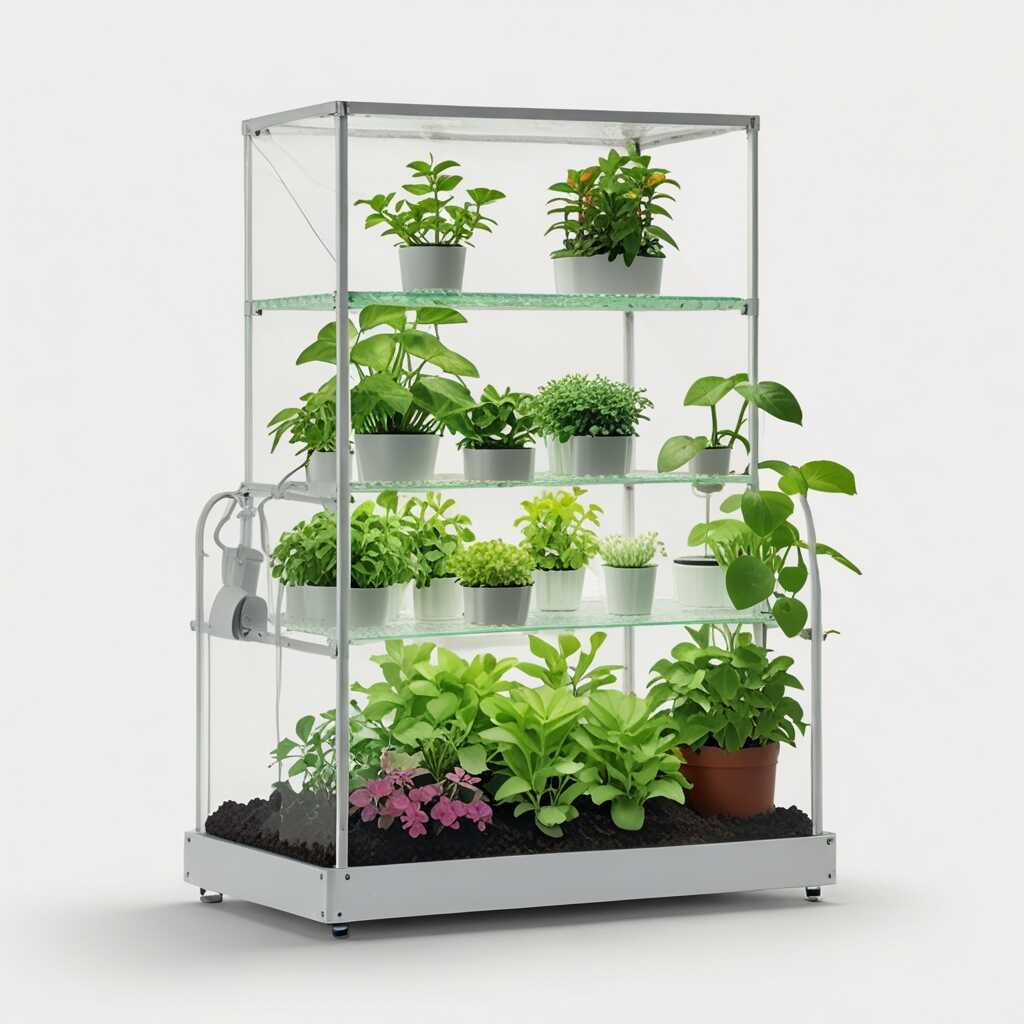
Avoiding Common Lighting Errors in Indoor Gardening
Indoor gardeners often make mistakes with lighting that can hinder plant growth. Common errors include placing grow lights too far from plants, using the wrong light spectrum, and neglecting to adjust light intensity. Too great a distance can lead to weak, elongated plants. Each plant species, like tomatoes and peppers, thrives under specific light spectra, crucial for successful yields. For optimal results, ensure the grow light provides full spectrum lighting that supports every growth stage. Furthermore, it is essential to regularly adjust the light as plants grow to prevent issues like leaf burn. Understanding safety requirements helps prevent common lighting mistakes that can damage plants or equipment.
Understanding the Impact of Light Spectrum on Different Crops
The light spectrum requires careful consideration for various crops, including tomatoes, peppers, and herbs. Tomatoes, for example, benefit most from light that includes both red and blue wavelengths. Red light promotes flowering and fruiting, while blue light supports leaf growth. For peppers, similar light requirements apply. On the other hand, herbs may require less overall light intensity but still thrive under a balanced spectrum. By understanding these needs, gardeners can enhance plant health and yields. Regular testing of light levels ensures the setup is effective, keeping plants thriving and producing abundantly.
Measuring and Adjusting Light Intensity Effectively
To measure light intensity for your indoor plants, you can use a light meter. This device provides reliable and accurate readings of light levels in your growing area. Quality light meters for indoor gardening include the Apogee SQ-520 and the LI-250A Light Meter, which offer excellent reliability and performance. Aim for around 500 to 1000 lumens per square foot for fruiting crops, as this range supports healthy growth and optimal light conditions. Light meters typically cost between $100-500 depending on accuracy requirements and features needed.
Understanding Light Intensity Measurement Tools
Light intensity measurement tools are essential for indoor gardening. Choosing the right light meter can greatly enhance your gardening experience. Consider devices like the Sekonic L-858D or the Extech LT300 that deliver accurate data. These meters allow you to adjust light conditions effectively, ensuring your plants receive the best possible exposure. With proper light adjustment techniques, you can maximize yields and improve fruiting. Testing and adjusting your light based on reliable readings helps maintain plant health and promotes growth. Proper testing methodology ensures accurate light measurements for optimal growing conditions.
Key Equipment and Use Cases for Growing Lights
- LED systems offer energy-efficient lighting, perfect for small growers.
- Full spectrum fixtures provide comprehensive lighting, ideal for commercial operations.
- Budget-friendly options specialize in affordable solutions for hobbyists and beginners.
- Professional systems benefit from customizable light spectrums.
- Urban gardeners appreciate compact solutions for limited space.
- Hydroponic enthusiasts require precise light management for optimal yields.
- Family gardeners enjoy enhanced plants due to effective light solutions.
Innovative and Sustainable Gardening Practices for Modern Growers
Eco-friendly techniques for optimizing light spectrum include using LED grow lights designed for different growth stages. These provide a wide range of wavelengths, enhancing plant health and fruiting. Modern growers incorporate technologies like full spectrum LED systems, which are proven to improve crop yields significantly. Utilizing the correct light spectrum can lead to substantial yield increases. This approach highlights the effectiveness of these systems in producing healthier plants that are more efficient in nutrient use, ultimately helping to meet sustainability goals. Final verdict on sustainable lighting shows promising results for environmentally conscious growers.
Choosing the Right Light Spectrum for Specific Crops
Choosing the right light spectrum for specific crops is essential for maximizing growth and yield. Different plant types, such as tomatoes and lettuce, respond uniquely to various light wavelengths. For instance, tomatoes thrive with red light during fruiting, while blue light is effective during vegetative growth. Perfecting the light spectrum by integrating LED grow light technology tailored to specific crop needs enhances floral development and fruit quality. This specificity ensures that indoor gardeners can efficiently utilize energy, significantly improving sustainability efforts and crop productivity. The main challenge remains the higher upfront investment required for quality spectrum-adjustable lighting systems.