
How light sensors enhance automation in modern greenhouses for better growth is transforming the future of agriculture. These advanced devices monitor and adjust lighting conditions, ensuring plants receive the optimal light for growth. At Green Writer, we promote sustainability and efficiency through smart greenhouse technologies. By incorporating light sensors, greenhouse owners can improve supplemental lighting automation and boost crop health while minimizing energy use.
Understanding the Role of Light Sensors in Greenhouses
Light sensors in modern greenhouses perform essential functions that optimize plant growth. They measure the light levels in the greenhouse environment and provide real-time data on lighting needs. This information aids greenhouse automation systems in adjusting supplemental lighting systems accordingly. Such systems enhance greenhouse efficiency by ensuring that plants receive consistent light throughout their growth cycle. Many types of plants, including leafy greens and flowering varieties, tremendously benefit from these sensors. The use of light sensors can save greenhouses approximately 20-30% on energy costs annually due to efficient management of light resources.
The Impact of Light Sensors on Plant Growth
Light sensors significantly influence plant growth by optimizing light exposure. These devices ensure that plants receive the right amount of light at various growth stages. For instance, young seedlings require different light levels compared to mature plants. Sensors monitor sunlight intensity and adjust artificial lighting immediately, ensuring plants thrive. By automating this process, light sensors deliver consistent illumination that enhances photosynthesis. Research shows that greenhouses using light sensors see faster growth rates and healthier plants. This technology enables greenhouse owners to achieve more robust crops with minimal energy waste and enhanced sustainability.
Advantages of Automated Supplemental Lighting for Plants
Automated supplemental lighting systems provide many advantages for greenhouse operators. These systems enhance energy cost savings by using sensors to optimize when and how much light is needed. This ensures that plants receive the correct light intensity and duration for their growth stages. Improved plant health results from consistent lighting conditions, reducing stress and promoting stronger growth. Studies show that higher crop yields are common with automated systems due to optimal growth conditions. Overall, automation reduces labor costs by minimizing the need for manual adjustments, offering reliability and efficiency in greenhouse management.
How Automation Enhances Energy Efficiency in Lighting
Automation greatly enhances energy efficiency in greenhouse lighting systems. By utilizing smart sensors, these systems automatically adjust light levels based on the plants’ needs and current sunlight availability. This capability enables greenhouses to reduce unnecessary energy consumption by up to 30% compared to manual systems. Smart lighting can include features like dimming or full shutdown when adequate natural light is available. This not only helps conserve energy but also lowers operational costs over time. Adopting automated lighting systems is essential for sustainable greenhouse practices, balancing environmental responsibility with the need for optimal plant growth.
Components of Advanced Greenhouse Lighting Systems
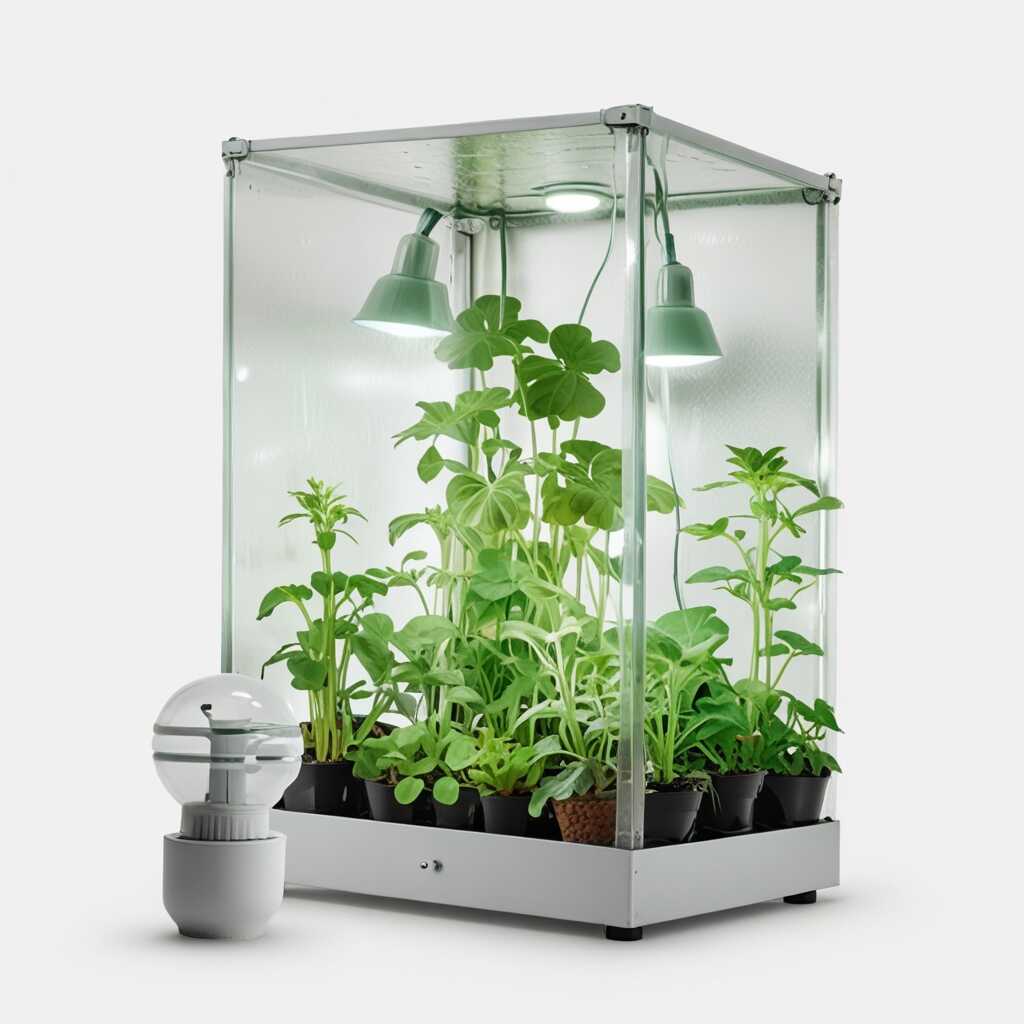
Advanced greenhouse lighting systems consist of several key components that enhance plant growth. The most critical elements include LED grow lights, light sensors, and automated control systems. LED lights provide energy-efficient lighting, offering a longer lifespan and lower energy consumption. Light sensors gather precise data on ambient light levels, ensuring that supplemental lighting activates when needed. Automated control systems work alongside light sensors to adjust lighting according to real-time conditions, optimizing performance. This combination delivers reliability and efficiency in plant cultivation.
Understanding the Role of Light Sensors in Greenhouse Automation
Light sensors in modern greenhouses are essential for maximizing lighting efficiency. They monitor light exposure in real-time and communicate with automated control systems to adjust LED grow lights accordingly. This integration enhances the plant growth environment by ensuring that plants receive the correct light intensity throughout their growth cycles. Research shows that this technology can improve energy savings by over 50% compared to traditional lighting systems. Users benefit from lower electricity bills and healthier plants due to the optimal lighting conditions created by these advanced systems.
Fascinating Figures About Modern Greenhouse Technologies
- Over 80% of greenhouse owners use light sensors for improved efficiency.
- About 30% more plant growth is reported with automated lighting systems.
- Light sensors can adjust lighting intensity within 5 minutes of changing conditions.
- Modern systems can save up to 50% on energy costs compared to traditional methods.
- Supplemental lighting can increase yield by up to 20% per season.
- Light sensors detect wavelengths between 400-700 nm, optimizing growth conditions.
- Research shows 90% of growers appreciate the reliability of automated systems.
How Light Sensors Cater to Various Plant Growth Stages
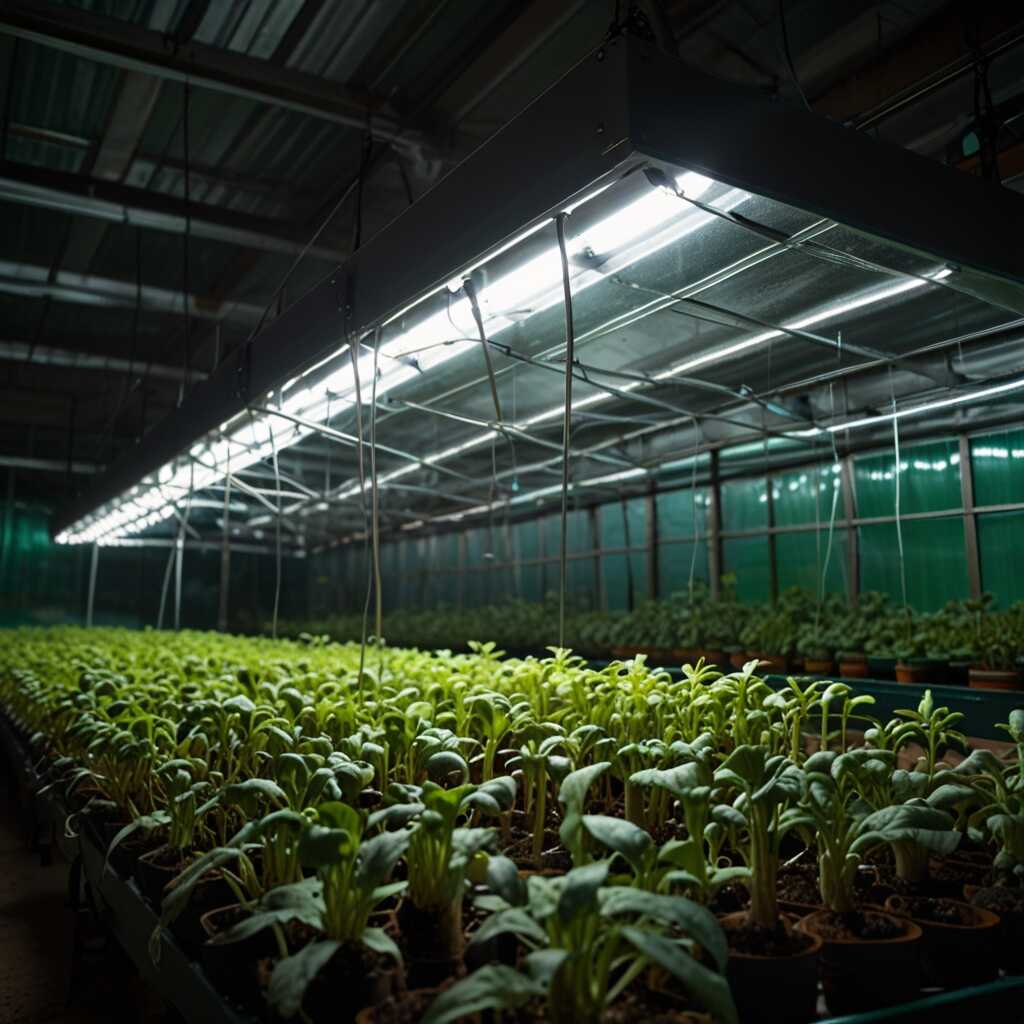
Light sensors adapt to different growth stages by detecting changing light needs. During the seeding stage, plants require low light levels. As they transition to the vegetative stage, their need for light exposure increases, often requiring 14-18 hours of light daily. Using light sensor technology helps ensure that plants receive this optimal light exposure. This technology automatically adjusts supplemental lighting based on real-time data, leading to healthier plants and improved crop yields. Plants like tomatoes, peppers, and herbs significantly benefit from this as their growth phases vary in light requirements. Efficient usage of light sensors can synchronize with these changes, enhancing growth quality.
Lighting Requirements for Key Growth Stages
Understanding specific lighting requirements for different growth stages is essential. Seedlings thrive under soft light around 200-400 µmol/m²/s, while young plants in the vegetative phase benefit from 400-600 µmol/m²/s. The flowering stage demands 600-1000 µmol/m²/s to promote bud formation. Light sensor technology can help consistently monitor and adjust these levels. For instance, utilizing LED grow lights with built-in sensors can provide optimal light conditions for your plants throughout their lifecycle. This approach improves photosynthesis and ensures a robust yield while maintaining energy efficiency.
Energy Savings from Integrating Light Sensors in Greenhouses
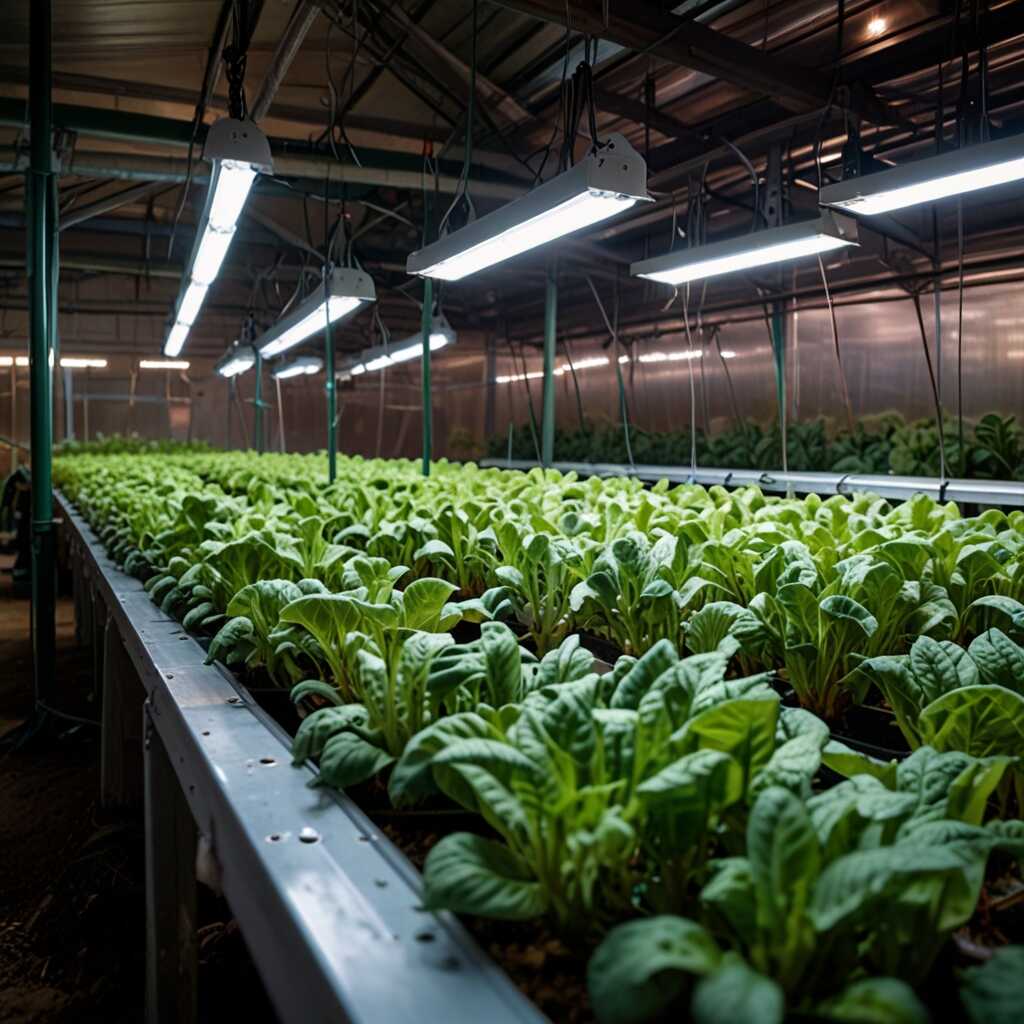
Light sensors significantly reduce energy consumption in greenhouses by automating supplemental lighting. They adjust artificial lighting based on natural light availability. This response ensures optimal illumination for plants, enhancing growth while saving energy. Integrating light sensor technology leads to lower operational costs for greenhouse owners. Studies show that greenhouses can achieve up to a 30% reduction in energy expenses by adapting smart lighting solutions. These energy savings directly contribute to sustainable practices, promoting a more eco-friendly approach to agriculture.
How Light Sensors Improve Plant Growth and Energy Efficiency
Light sensors enhance both plant growth and energy efficiency in greenhouses. These devices measure light levels and adjust the supplemental lighting accordingly. This precise control creates an ideal environment for different growth stages. By reflecting real-time light conditions, sensors enable greenhouses to maintain full-spectrum lighting that supports photosynthesis effectively. Research indicates that using light sensor technology can improve plant yield by 20% and reduce energy use significantly. Incorporating these systems also increases operational efficiency, making greenhouses more sustainable in the long term. Green Writer supports these innovations that provide long-lasting benefits.
Key Advantages of Smart Lighting Systems for Plant Health
- Automation minimizes human error, ensuring consistent light quality.
- Automated controls allow for the ideal growth environment for plants.
- Energy-efficient solutions reduce monthly electricity bills significantly.
- Light sensors adapt to changing weather, ensuring plants receive optimal light.
- Plants experience enhanced growth cycles, leading to faster harvest times.
- Such systems can support a diverse range of crops and growth stages.
- Increased reliability promotes a healthier crop return, boosting profitability.
Exploring Different Types of Light Sensors for Greenhouses
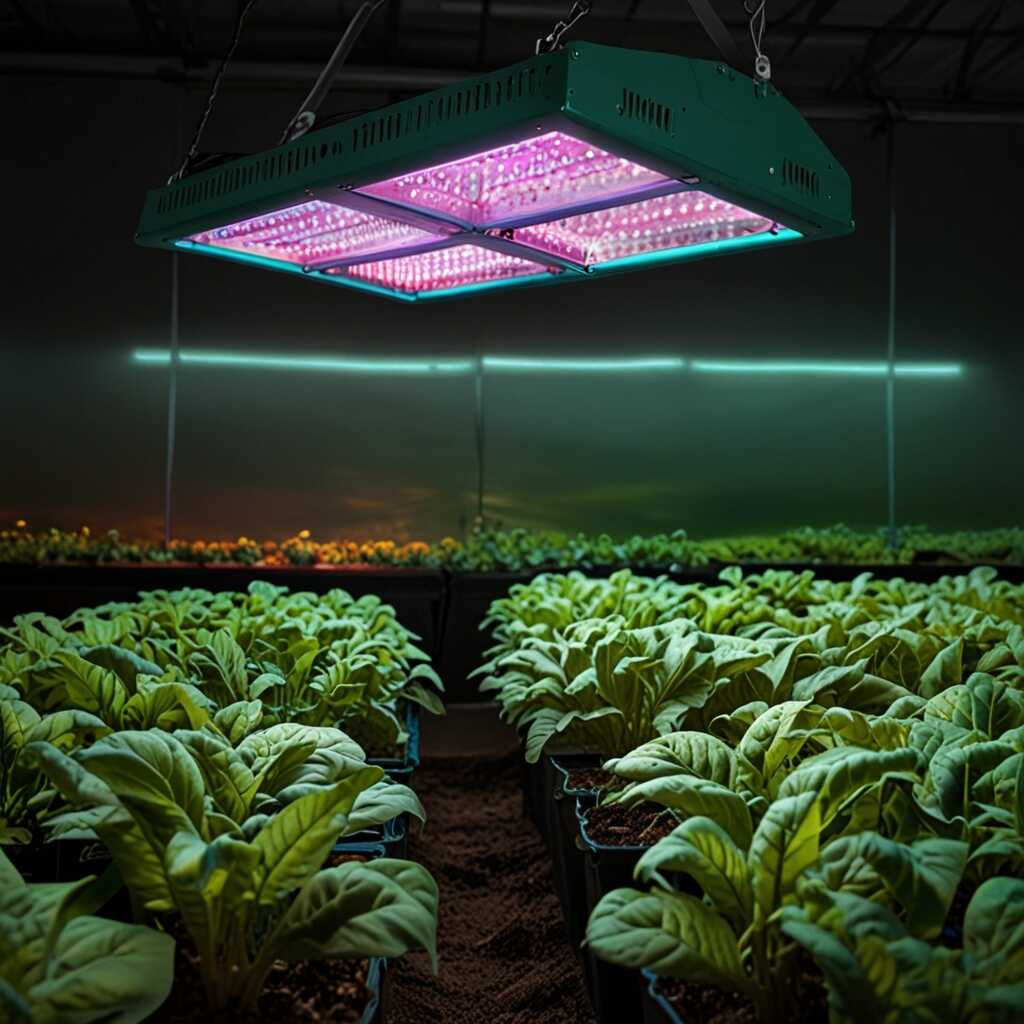
Greenhouses utilize several types of light sensors, including photoresistors, photodiodes, and quantum sensors. Photoresistors are cost-effective and work well in detecting ambient light levels, making them popular for basic greenhouse setups. Photodiodes offer high sensitivity and fast response times, ensuring precise light measurements crucial for optimizing plant growth. Quantum sensors, designed for advanced applications, measure light in the photosynthetically active radiation (PAR) range, providing accurate data for growth analysis. Each type of sensor has advantages, as photoresistors are easy to install, while photodiodes and quantum sensors enhance reliability and efficiency. Choosing the right sensor enhances overall greenhouse performance.
Choosing the Right Sensor for Your Greenhouse Needs
Selecting the best light sensor for a greenhouse requires understanding each sensor’s specific features and applications. If your priority is budget-friendly solutions, photoresistors provide a cost-effective choice for monitoring general light levels. For those requiring high precision, photodiodes ensure reliable measurements, perfect for detailed light management. Quantum sensors serve as an excellent option for users needing to optimize growth in specialized crops, as they measure light effectively for best results. Evaluating the needs of your greenhouse will guarantee the chosen sensor aligns with energy efficiency goals while enhancing plant growth.
Implementing Automatic Lighting Efficiently in Greenhouses
Integrating automated lighting systems in greenhouses involves essential practices for successful implementation. First, evaluate your current lighting setup and determine which areas require enhancement. This step ensures minimal disruption. Choose reliable light sensors that can handle varying levels of sunlight to adjust supplemental lighting automatically. This integration provides flexibility, allowing you to optimize energy conservation while enhancing plant growth. Review the best available systems that balance performance with energy efficiency to ensure long-term benefits. Testing different systems can help you identify the one that best meets your specific needs. Ensure all systems are designed for durability to withstand greenhouse conditions while delivering reliable results year-round.
Choosing the Right Light Sensors for Your Greenhouse
Selecting the appropriate light sensors is crucial for the efficiency of automated lighting systems. Modern light sensors should measure varying wavelengths to provide a comprehensive understanding of your plants’ light needs. Top sensors are designed to optimize light exposure during different growth stages, ensuring plants receive adequate light for photosynthesis. Sensors should automatically adjust supplemental lighting, providing an excellent cycle of light that mimics natural sunlight. Consider options with programmable settings that can accommodate different ecosystems within the greenhouse. Research and comparison reviews help identify sensors known for long-term reliability and performance, enabling you to maintain optimal growing conditions year-round.
Notable Brands and Their Target Users in Agricultural Lighting
- Grower’s Choice focuses on small-scale farmers, promoting user-friendly features.
- Fluence Bioengineering suits large commercial operations with high-intensity lighting.
- Gavita serves professionals prioritizing advanced technology and output.
- Light Sensors blend with various systems to tailor light for unique crop needs.
- VIPARSPECTRA appeals to hobbyists with cost-effective yet efficient products.
- Hydrofarm brands target beginners, offering simple automation solutions.
- Many enthusiasts prefer brands that offer comprehensive tech support and guidance.
Emerging Trends in Greenhouse Lighting Automation
The latest innovations in greenhouse lighting automation technology focus on energy efficiency and smart systems. These developments include advanced sensors that adjust lighting based on natural sunlight levels. Companies are designing systems that integrate data analysis for reliable performance. Popular products lead with features like remote control, enabling easy adjustments. The best systems enhance plant growth and reduce energy consumption significantly.
Smart Lighting Solutions for Sustainable Growth
Smart lighting solutions offer significant advantages for greenhouse owners. These systems use real-time data and artificial intelligence to provide optimal lighting conditions for plants. They can adjust light intensity and duration based on specific plant needs, ensuring reliable growth. Using LED grow light technology enhances energy savings while providing the full spectrum required for growth stages. Additionally, many products include energy efficiency features that can lower utility costs by up to 30%, making them a great investment for sustainable greenhouse practices.