
Grow lights are artificial lighting systems that provide specific light wavelengths to help indoor vines photosynthesize and thrive. These LED or fluorescent fixtures supplement natural sunlight for greenhouse cultivation, enabling year-round vine growth in low-light environments. Most indoor gardeners use full-spectrum LED grow lights, which typically cost between $30-200.
Understanding Grow Light Requirements for Indoor Vines
Indoor vines need consistent light exposure to maintain healthy photosynthesis and vigorous growth patterns. Most vine species require 12-16 hours of daily light exposure, with intensity levels between 500-1000 lumens per square foot. Different vine varieties have varying light requirements – pothos and spider plants thrive with moderate light levels, while flowering vines like passionflower need higher intensity lighting. The key benefits of using grow lights include faster growth rates, stronger stems, and enhanced foliage color throughout winter months.
Inadequate lighting leads to common problems including leggy growth, pale leaves, and reduced vine vigor. Signs of insufficient light include elongated internodes, smaller leaf size, and weak climbing ability. Conversely, excessive light can cause leaf burn, evidenced by brown spots or bleached appearance on foliage.
What Types of Grow Lights Work Best for Indoor Vines
LED grow lights are the most efficient option for indoor vine cultivation, offering full-spectrum lighting while consuming 50-80% less energy than traditional alternatives. Full spectrum LED lights deliver red and blue wavelengths essential for both vegetative growth and flowering stages. These fixtures typically last 50,000+ hours and generate minimal heat, reducing the risk of plant stress.
Fluorescent grow lights serve as budget-friendly alternatives, costing $15-60 compared to LED systems ranging from $50-300. However, fluorescent lights produce more heat and require closer positioning to plants, typically 6-12 inches above foliage. High-intensity discharge (HID) lights offer powerful output but consume significantly more electricity and generate excessive heat for most indoor vine applications.
How Much Do Grow Lights Cost for Indoor Vine Growing
Initial grow light investment varies considerably based on technology and coverage area requirements. Basic LED panels suitable for small vine collections cost $30-80, while comprehensive systems for larger installations range from $150-500. Operating costs depend on wattage and usage duration – a typical 45-watt LED fixture running 14 hours daily costs approximately $2-4 monthly in electricity.
Quality LED grow lights offer better long-term value despite higher upfront costs. These fixtures typically provide 5-10 years of reliable service, while fluorescent tubes require replacement every 1-2 years. Energy savings from LED technology often offset initial investment within 12-18 months of regular use.
Comparing Different Grow Light Technologies and Their Costs
When evaluating grow light options, consider both purchase price and operational expenses over time. LED systems excel in energy efficiency, consuming 25-45 watts per square foot compared to fluorescent lights requiring 40-60 watts. LED grow lights often provide this superior efficiency while delivering optimal light spectra for vine development.
Fluorescent fixtures remain popular for budget-conscious gardeners, offering adequate performance for shade-tolerant vines like pothos or heartleaf philodendron. However, these lights require more frequent replacement and positioning adjustments as vines grow. Professional-grade systems with timers and dimming capabilities typically cost $200-600 but provide precise control over lighting conditions.
What Light Spectrum Do Indoor Vines Need for Optimal Growth
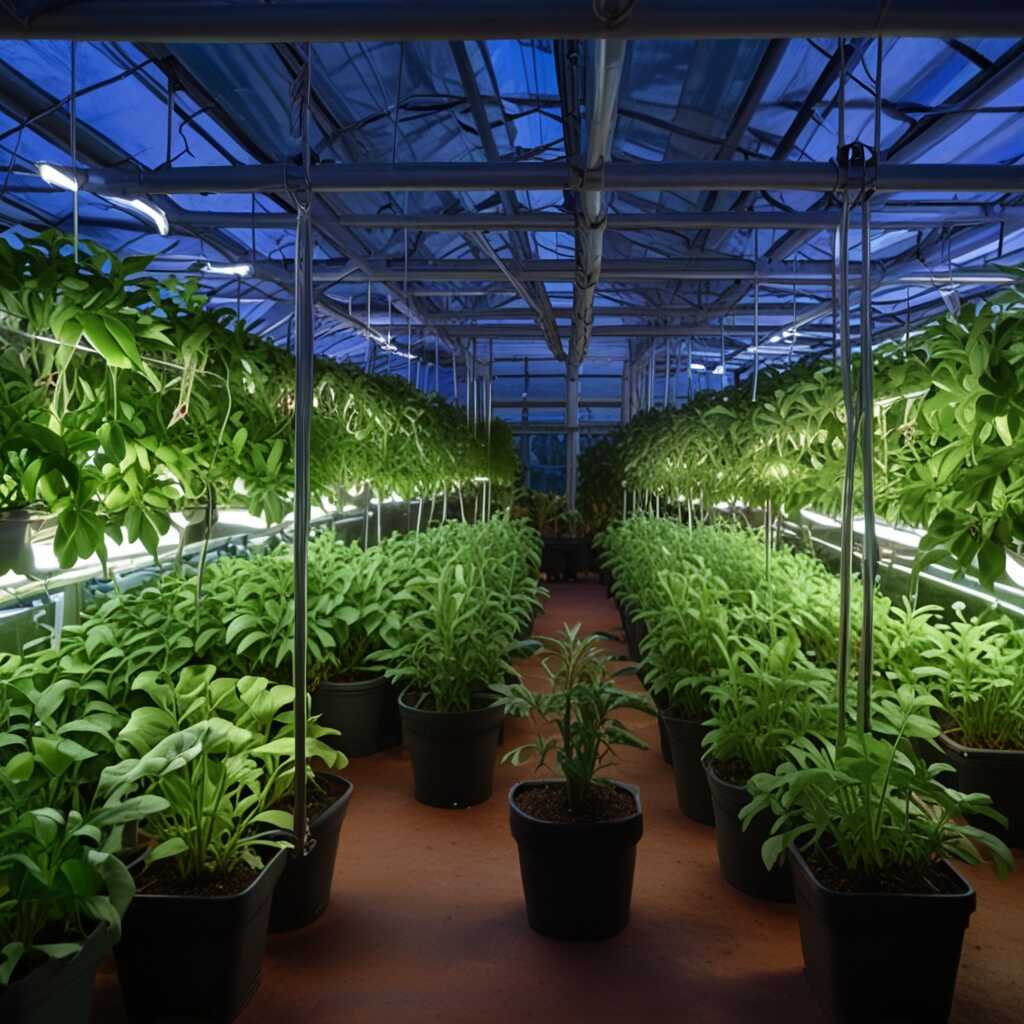
The ideal light spectrum for indoor vines includes blue wavelengths (400-500nm) for vegetative development and red wavelengths (600-700nm) for flowering and fruiting processes. Full-spectrum grow lights that mimic natural sunlight provide the complete range of wavelengths vines need throughout different growth phases. Most indoor vines respond well to lights offering 6500K color temperature during vegetative stages and 3000K for flowering periods.
Blue light promotes compact growth, strong stems, and healthy leaf development in climbing vines. Red light becomes crucial when vines reach maturity and begin producing flowers or fruits. Green and yellow wavelengths, while less critical, contribute to overall plant health and natural appearance under artificial lighting.
How to Select the Right Light Intensity for Different Vine Species
Light intensity requirements vary significantly among indoor vine species, with measurements typically expressed in photosynthetic photon flux density (PPFD). LED grow lights are excellent for providing adjustable intensity levels to match specific vine needs. Low-light vines like pothos thrive with 100-300 PPFD, while high-light species such as grape vines require 400-800 PPFD.
Distance from light source directly affects intensity levels reaching plant foliage. LED panels positioned 12-24 inches above vines typically provide appropriate light levels without causing heat stress. Using a light meter helps ensure optimal intensity distribution across your vine growing area, preventing both insufficient lighting and photodamage.
Light Requirements for Common Indoor Vine Species
- Pothos: 100-300 PPFD, 12-14 hours daily exposure
- Heartleaf Philodendron: 200-400 PPFD, 10-12 hours daily
- Spider Plant: 300-500 PPFD, 12-16 hours daily
- English Ivy: 400-600 PPFD, 14-16 hours daily
- Grape Vines: 600-800 PPFD, 14-18 hours daily
- Passionflower: 500-700 PPFD, 12-14 hours daily
- Hoya Species: 300-500 PPFD, 12-16 hours daily
How to Set Up Grow Lights for Maximum Indoor Vine Benefits
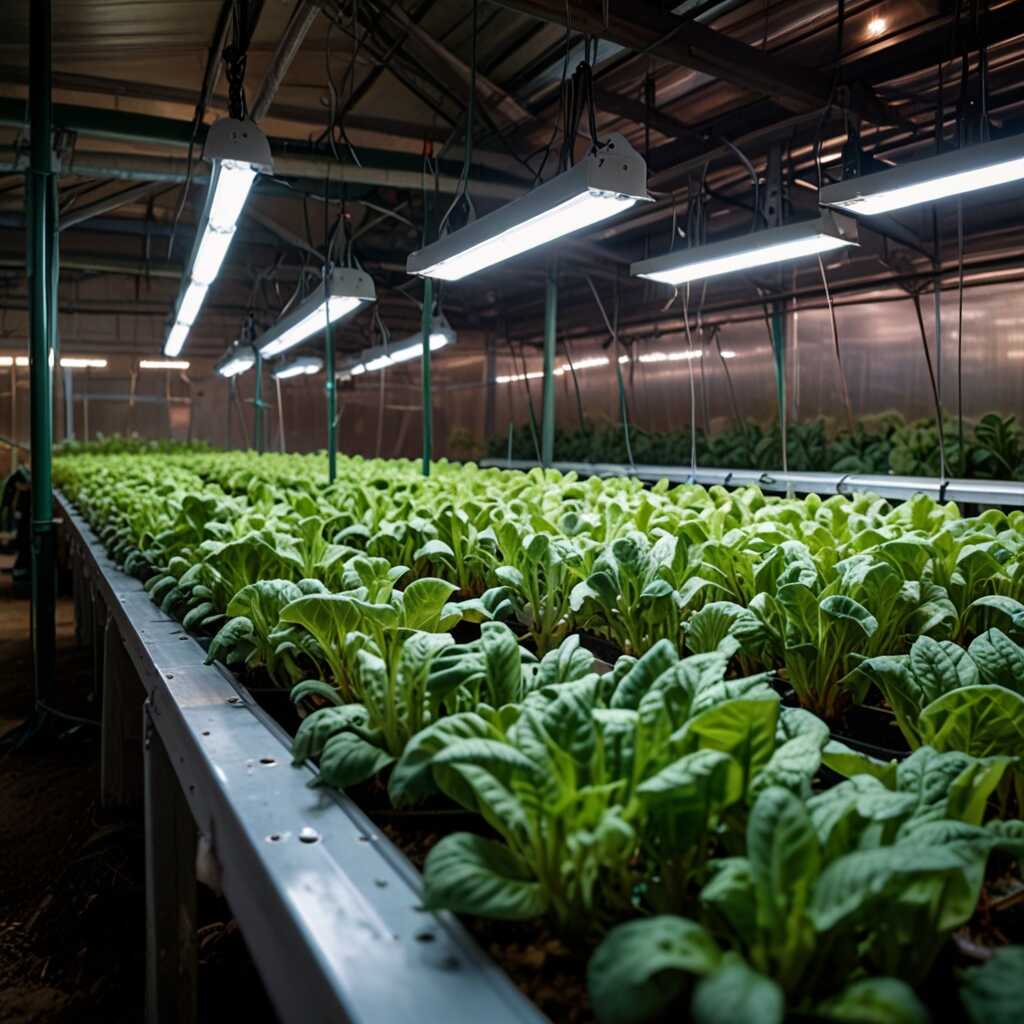
Proper grow light installation begins with positioning fixtures 12-24 inches above vine foliage, depending on light intensity and plant height. LED grow lights 12-24 inches above plants prevent leaf burn while ensuring adequate light penetration to lower vine sections. Adjustable hanging systems allow for height modifications as vines grow and spread.
Even light distribution requires strategic fixture placement to eliminate shadows and dark spots. Using multiple smaller lights often provides better coverage than single large units, especially for sprawling vine displays. Reflective materials behind growing areas can increase light efficiency by up to 30%, maximizing the benefit from your lighting investment.
Timer systems ensure consistent photoperiods, which are crucial for healthy vine development. Most indoor vines benefit from 12-16 hour light cycles, mimicking natural daylight patterns. Gradual light transitions using dimmer controls can reduce plant stress compared to abrupt on/off switching.
Common Mistakes When Installing Grow Lights for Vines
Positioning lights too close causes heat stress and leaf burn, while excessive distance reduces light intensity below effective levels. Many gardeners underestimate coverage area requirements, resulting in uneven growth patterns across their vine collection. Insufficient ventilation around grow lights can create hot spots that damage sensitive vine species.
Inadequate support structures for lights pose safety risks and limit adjustment flexibility as plants grow. Using extension cords or overloading electrical circuits with high-wattage lights creates fire hazards. These installation errors can be costly, potentially damaging both equipment and plants while creating unnecessary safety concerns.
What Problems Can Occur with Grow Lights and Indoor Vines
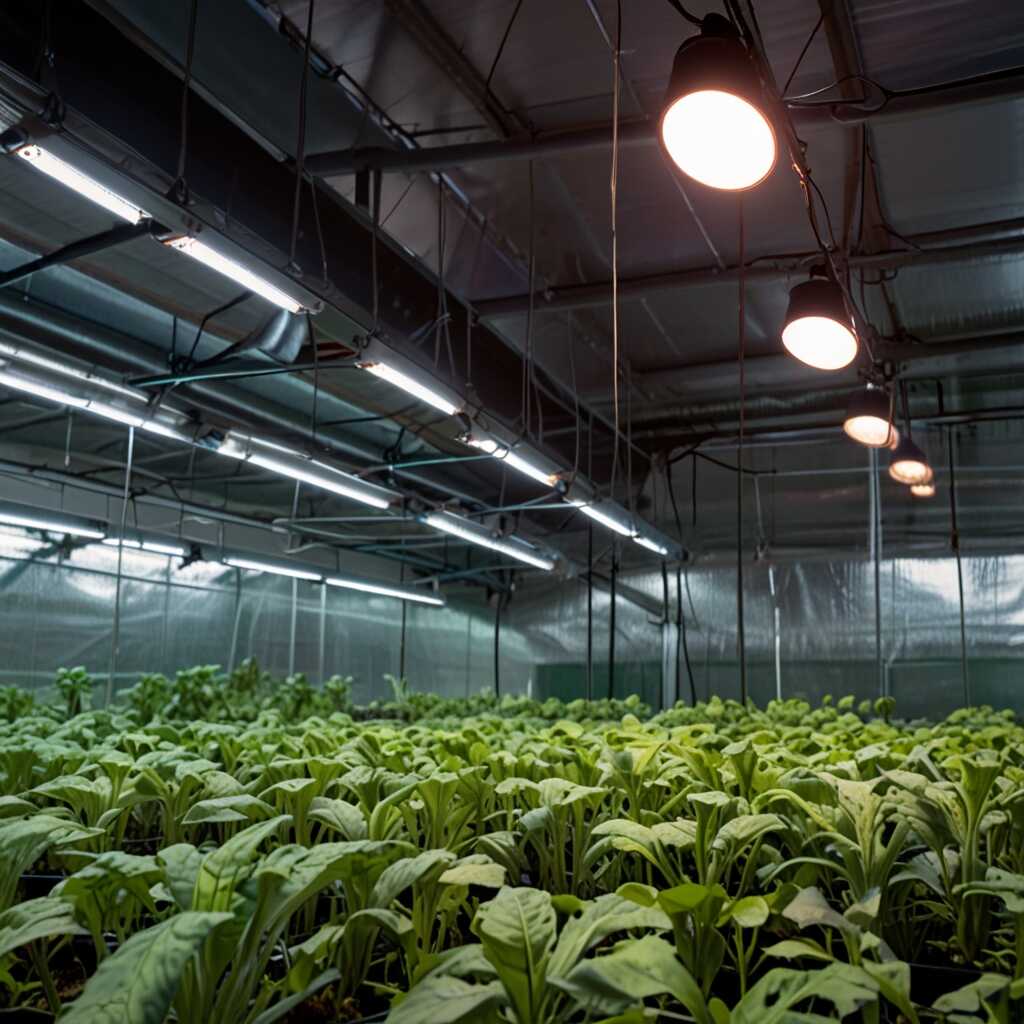
Common grow light problems include insufficient light intensity leading to weak, elongated growth patterns in vines. Excessive heat from improperly positioned lights causes leaf scorch, wilting, and stunted development. Poor light distribution creates uneven growth, with some vine sections thriving while others remain weak and spindly.
Light burn appears as bleached or brown spots on leaves closest to fixtures, indicating excessive intensity or improper distance. Inadequate photoperiods disrupt natural growth cycles, potentially preventing flowering in vine species that require specific day-length triggers. Electrical issues such as flickering lights or inconsistent power supply can stress plants and reduce growth rates.
Energy costs can become problematic when using inefficient lighting systems or running lights longer than necessary. Some gardeners experience poor plant performance due to using incorrect light spectra for their specific vine varieties. Regular monitoring helps identify these issues before they significantly impact plant health.
How to Troubleshoot Grow Light Issues with Indoor Vines
Diagnosing grow light problems requires systematic observation of both plant responses and equipment performance. Check light distance first – move fixtures further away if leaves show burn symptoms, or closer if growth appears weak and elongated. Monitor daily light duration using timers to ensure consistent photoperiods.
Measure light intensity with a PAR meter or smartphone light meter app to verify adequate coverage across your vine growing area. Compare light measurement results against recommended levels for your specific vine species. Adjust fixture height, add supplemental lights, or reduce intensity based on plant responses and measurement data.
Signs Your Grow Lights Need Adjustment
- Leggy growth with long internodes indicates insufficient light intensity
- Brown or bleached leaves suggest excessive light or heat stress
- Slow growth rates may indicate inadequate photoperiod duration
- Pale or yellowing foliage often results from incorrect light spectrum
- Uneven growth patterns across plants indicate poor light distribution
- Higher than expected electricity bills suggest inefficient lighting systems
- Frequent equipment failures indicate overheating or electrical problems
Smart Energy Management for Indoor Vine Grow Lights
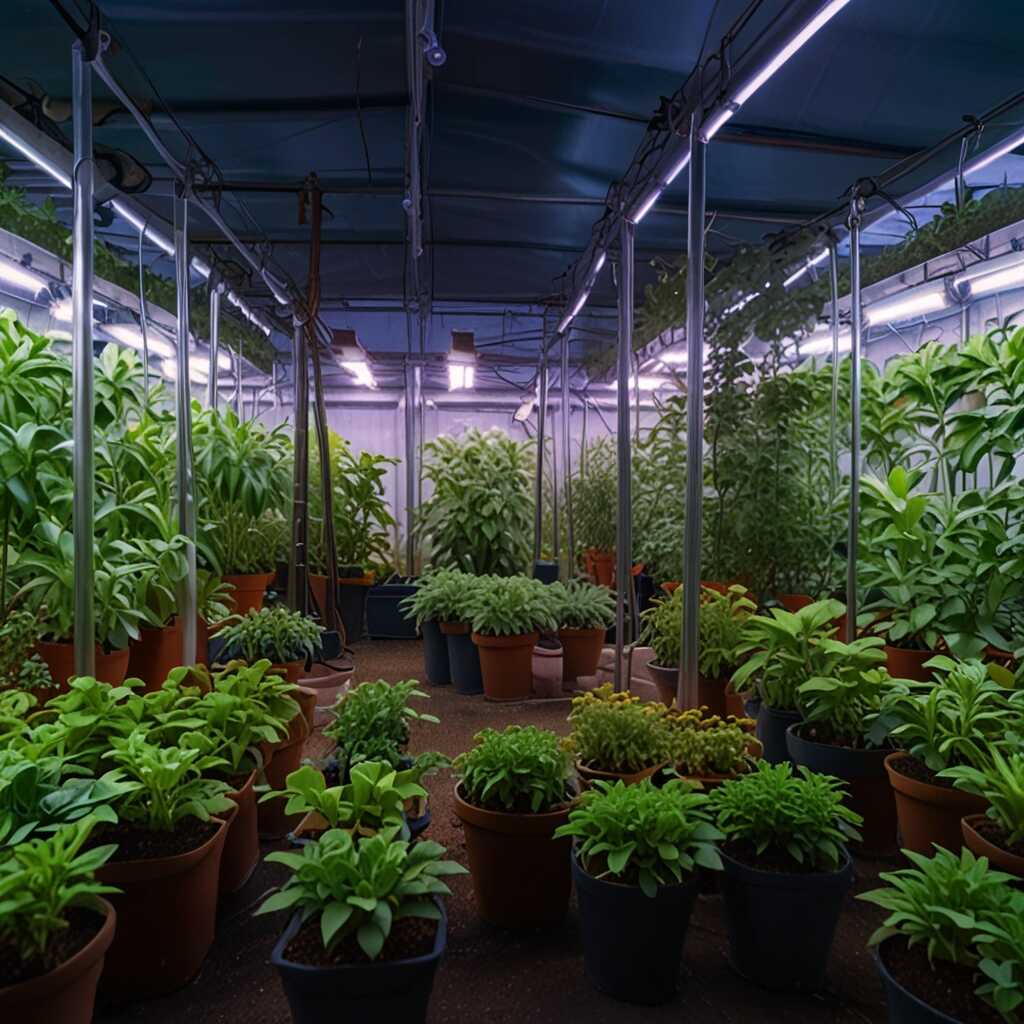
Energy-efficient grow light management significantly reduces operational costs while maintaining optimal plant health. Grow lights help maintain optimal plant conditions when used strategically with timers and sensors. LED grow light technology provides the best energy efficiency, consuming 40-70% less electricity than fluorescent or HID alternatives while delivering superior light quality.
Smart timers with multiple programming options allow precise control over daily light cycles, automatically adjusting for seasonal changes or different growth phases. Dimmer controls enable intensity adjustments based on plant needs and ambient light conditions, further reducing energy consumption. These automated systems typically pay for themselves through energy savings within 6-12 months.
Seasonal light management takes advantage of natural daylight variations, reducing artificial lighting when ambient light levels increase. During summer months, many indoor vines require only 4-8 hours of supplemental lighting compared to 12-16 hours during winter. This adaptive approach can reduce annual electricity costs by 30-50%.
What Are the Long-term Costs of Growing Vines with Artificial Lighting
Long-term costs include initial equipment purchase, electricity consumption, and periodic replacement of bulbs or fixtures. LED systems typically cost $0.50-1.50 daily to operate for small vine collections, while fluorescent systems cost $1.00-3.00 daily for comparable coverage. Over five years, LED lights often cost $200-400 less in electricity compared to other technologies.
Maintenance costs vary significantly between lighting types – LED fixtures require minimal maintenance with 50,000+ hour lifespans, while fluorescent tubes need replacement every 8,000-15,000 hours. Factor in replacement costs when calculating total ownership expenses, as frequent bulb changes can add $50-150 annually to operating budgets.
What Limitations Should You Know About Grow Lights for Vines
Grow lights cannot perfectly replicate all aspects of natural sunlight, potentially limiting some vine species’ full development potential. Initial investment costs range from $100-500 for quality systems, which may strain budgets for casual gardeners. Energy consumption adds $10-40 monthly to electricity bills depending on system size and usage patterns.
Heat generation remains an issue with some light types, requiring adequate ventilation and potentially additional cooling costs. Light fixtures need regular cleaning to maintain efficiency, and bulbs require periodic replacement in fluorescent systems. Limited coverage area means larger vine collections need multiple fixtures, increasing both initial and operational costs.
Some vine species with specific photoperiod requirements may not respond optimally to artificial lighting schedules. Complex growth requirements involving temperature fluctuations, humidity changes, and seasonal dormancy periods cannot be addressed through lighting alone.
When Are Grow Lights Not the Best Solution for Indoor Vines
Grow lights may not be cost-effective for very large vine collections where natural greenhouse lighting would be more economical. LED grow lights are an excellent choice for most situations, but some vine species requiring specific environmental conditions may need more comprehensive growing systems.
In rooms with abundant natural light, supplemental grow lights may provide minimal benefits while adding unnecessary energy costs. Temporary or seasonal growing situations might not justify the investment in quality lighting equipment. Consider natural alternatives like south-facing windows or seasonal outdoor growing when artificial lighting costs outweigh benefits.
Alternative Solutions for Different Growing Situations
- South-facing windows provide natural light for moderate-light vine species
- Seasonal outdoor growing eliminates lighting costs during warm months
- Greenhouse structures offer better cost efficiency for large vine collections
- Light shelves and mirrors can redirect natural light to shadowed areas
- Cold frames extend growing seasons without electrical costs
- Community gardens provide outdoor growing space for urban gardeners
- Plant rotation systems maximize natural light exposure for multiple vines
Maximizing Benefits from Indoor Vine Grow Light Systems
Grow lights for indoor vines offer year-round gardening opportunities while improving indoor air quality and aesthetic appeal. Properly lit vine displays create living walls, natural room dividers, and attractive focal points that enhance home environments. Reliable grow lights provide optimal light conditions that enable exotic vine species cultivation impossible with natural light alone.
Strategic placement of grow lights enables vertical gardening systems that maximize growing space in small apartments or homes. These installations can produce fresh herbs, decorative foliage, and even small fruits throughout winter months. The psychological benefits of maintaining green spaces during darker months provide additional value beyond plant production.
Creating Successful Indoor Vine Gardens with Artificial Lighting
Successful indoor vine gardens combine appropriate light selection with proper plant placement and care routines. Grow lights that offer full spectrum capability support diverse vine species with varying requirements. Start with easy-care varieties like pothos or spider plants while learning optimal lighting techniques, then expand to more challenging species.
Integration with home automation systems allows remote monitoring and adjustment of lighting schedules. Smart plugs, timers, and light sensors can optimize energy usage while maintaining ideal growing conditions. Detailed performance analysis reveals which combinations of lighting duration, intensity, and spectrum produce the best results for specific vine varieties in your growing environment.