
Optimizing plant spacing for fixed lighting in commercial growing is crucial for maximizing yield. Proper spacing enhances light distribution and promotes healthier plant growth. At Green Writer, we provide practical guidance on how to arrange your plants effectively within your fixed lighting setup. This approach not only boosts productivity but also aligns with eco-friendly practices that support sustainable gardening.
Understanding the Importance of Plant Spacing for Healthy Growth
Plant spacing is critical for commercial growers due to its significant impact on light accessibility, airflow, and overall plant health. Proper plant spacing improves light penetration, allowing each plant to receive adequate sunlight or artificial light from fixed lighting systems. Inadequate spacing can lead to overcrowding, diminishing light efficiency. It can also restrict airflow between plants, creating a humid environment that fosters mold and disease. The ideal distance between plants depends on the species and growth habits but generally ranges from 12 to 36 inches to ensure optimal growth while maintaining health.
Determining the Ideal Spacing for Different Plant Types
Determining the ideal spacing for various plant types is essential for maximizing yields. For leafy greens like lettuce, a spacing of 12 to 18 inches provides sufficient room for growth and airflow. In contrast, larger plants such as tomatoes may require 24 to 36 inches between each plant. Research shows that correctly spaced plants have enhanced photosynthesis rates and improved nutrient uptake due to better access to water and light. Each plant type has unique growth patterns that can hinder or enhance overall health, so understanding these specific needs helps achieve the best results in commercial growing environments.
Essential Factors Influence Effective Plant Spacing Decisions
Several key factors influence how growers determine plant spacing. Light distribution efficiency is crucial. Proper spacing allows light to reach each plant evenly. This ensures optimal growth. Plant growth patterns also play an essential role. Understanding how plants grow, including their height and spread, helps in making informed spacing decisions. For instance, taller plants may need more space to avoid shading shorter ones. In many cases, optimal spacing techniques suggest plants should be between 6 to 12 inches apart, depending on their size and growth habits. Furthermore, germination rates could improve with proper spacing as adequate airflow reduces the risk of disease.
Understanding Light Distribution for Better Plant Spacing
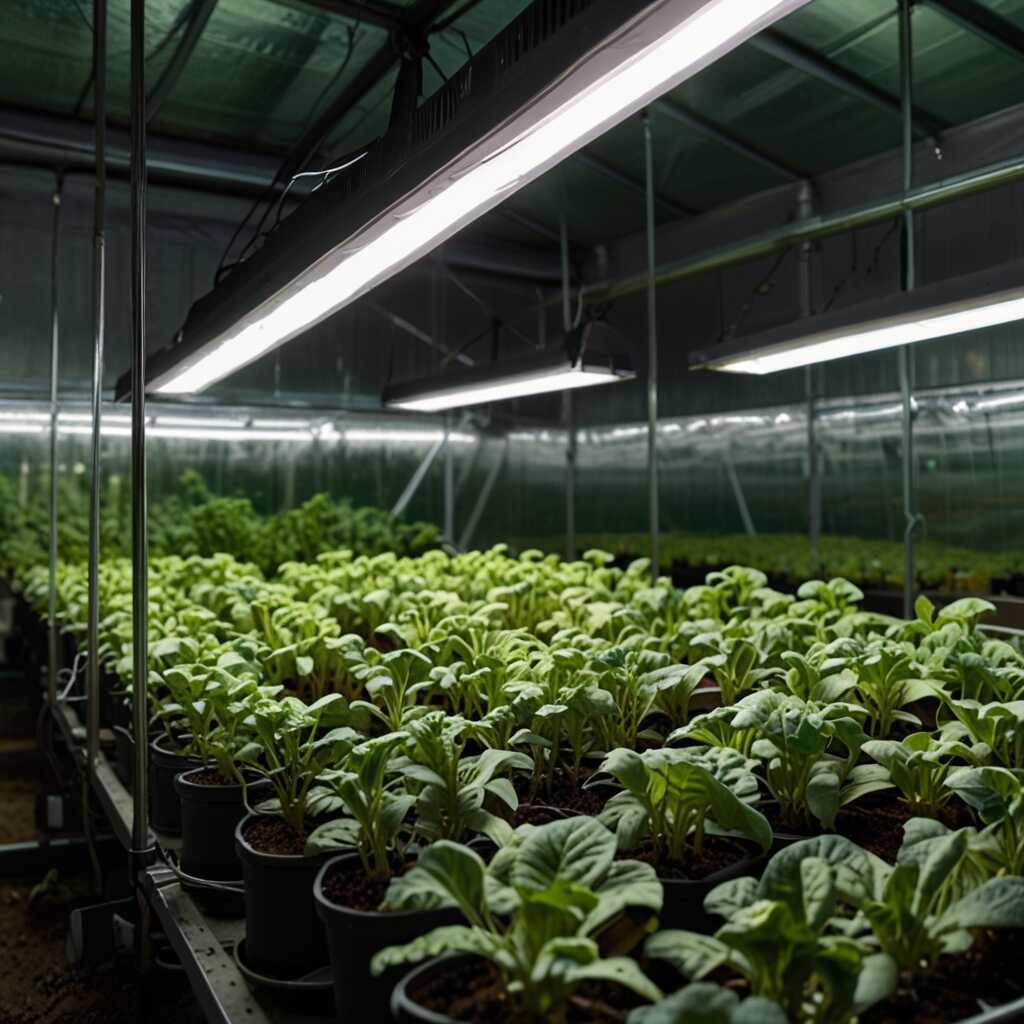
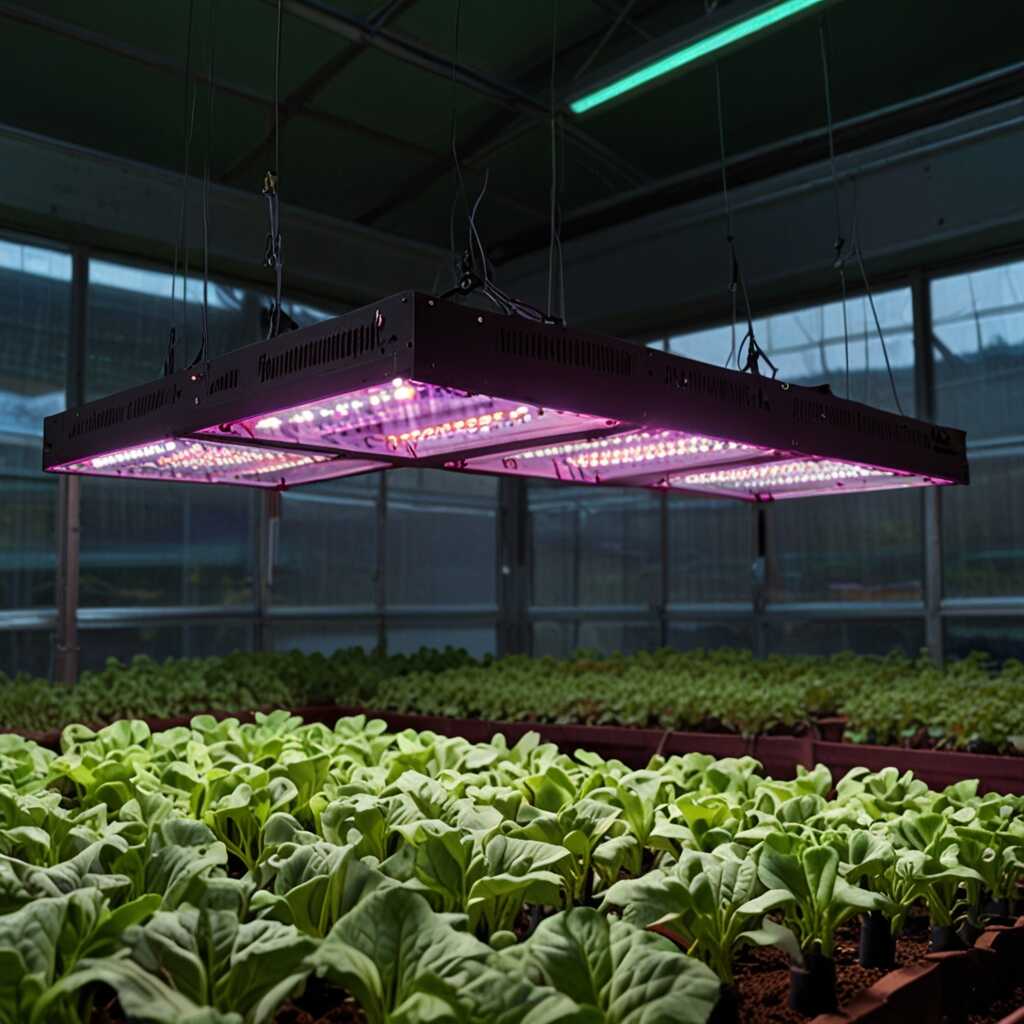
Light distribution efficiency is vital for maximizing plant yield and health. Fixed lighting setups need careful planning to ensure all plants receive adequate light. For instance, LED grow lights can provide full spectrum lighting, which supports various growth stages. The position of the lights and the height of the plants must be considered. Shadows from larger plants can stunt the growth of those nearby. By ensuring each plant has sufficient space and light, you enhance growth and overall efficiency. Regular adjustments based on plant height and maturity help maintain optimal light distribution. This attention to detail allows growers to achieve better results in their commercial setups.
Effective Techniques for Measuring and Adjusting Plant Density
Measuring plant density involves using a grid or visualization layout to assess how many plants fit into a given area. Key methods include counting plants per square foot and utilizing spacing calculators equipped with specific crop demands. These tools help optimize spacing for better growth outcomes. Different lighting setups like high-intensity LEDs or fluorescent might require adjustments in spacing. For example, crops that thrive under full spectrum light may benefit from closer spacing due to the efficient light penetration. Ideal plant densities usually range between 6 to 12 plants per square foot, depending on the crop type. Understanding the allowed density helps prevent overcrowding while maximizing yield.
Adjusting Spacing for Optimal Growth and Yield
Adjusting spacing is crucial to enhance photosynthesis and airflow around plants. If plants receive sufficient light and air, they grow healthier and more vigorously. For instance, leafy greens thrive with closer spacing, while larger fruiting crops like tomatoes need more room to develop. Consider using plant supports to maximize vertical space in areas with limited horizontal space. Tools like laser distance measures can provide accurate spacing adjustments, allowing growers to layout efficiently. Additionally, regular reviews of growth patterns enable fine-tuning of spacing strategies for future planting cycles.
Key Numerical Metrics for Effective Plant Arrangement
- A typical plant spacing can range from 6 to 12 inches, depending on the species.
- Plants benefit from a light intensity of 200-400 µmol/m²/s for optimal growth.
- Industry standards recommend at least 30% spacing for air circulation.
- Most fixed lighting setups should produce light for 12-16 hours daily.
- Plants require different light exposure stages: 18-24 hours of light during growth.
- A 30W LED grow light can cover approximately 4 square feet effectively.
- Using reflective surfaces can increase light efficacy by up to 50% in specific setups.
Identifying Common Mistakes in Plant Spacing Strategies
Growers often make several mistakes regarding plant spacing, which can hinder optimal growth. Common errors include overcrowding plants, ignoring light distribution, and not considering plant size at maturity. Overcrowding prevents air circulation, leading to pests and diseases. Ignoring light distribution can cause some plants to receive inadequate light, stunting growth. Lastly, failing to consider the mature size of plants can result in competition for nutrients and space, ultimately reducing yield.
Factors Influencing Optimal Plant Spacing
When determining optimal plant spacing, growers should consider various factors. Light availability is crucial; plants need sufficient light to thrive. The type of growth, whether vertical or bushy, is essential for spacing decisions. Additionally, the cropping system, such as hydroponics or soil-based, influences spacing. Environmental factors like humidity and temperature also play a role in spacing. Testing different encroachments can help identify the best configuration.
Exploring the Impact of Fixed Lighting on Plant Spacing
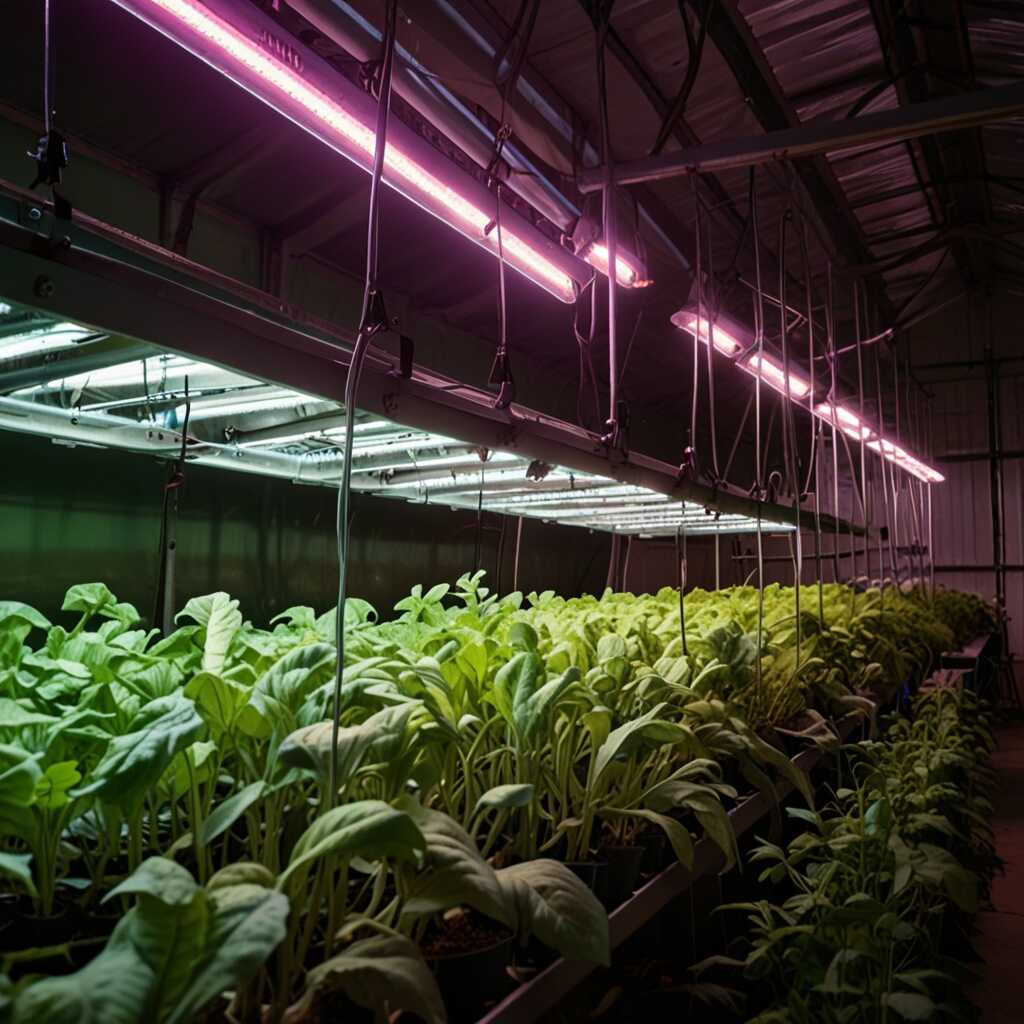
The relationship between fixed lighting configurations and plant spacing is crucial for maximizing growth and yield. Fixed lighting intensity impacts how closely plants can be spaced. Higher intensity lights may allow for shorter distances between plants without sacrificing growth. Different light spectrums affect photosynthesis, influencing spacing needs. For example, LED systems designed for specific plant types, such as tomatoes or peppers, often require specific spacing for ideal light coverage. Spacing varies by plant type and lighting setup, ranging from 12 to 18 inches for large crops under optimal fixed lighting systems. Understanding these relationships helps growers ensure reliable plant health and yield.
Understanding the Relationship Between Light Spectrum and Plant Growth
Different light spectrums have distinct effects on plant growth rates and health. Blue light promotes vegetative growth, while red light encourages flowering. When utilizing fixed lighting systems, like full-spectrum LEDs, growers can design specific setups that enhance these stages. For instance, a fixed system may involve maintaining a distance of 15 inches between flowering plants to ensure adequate light coverage without overcrowding. Research shows that plants like lettuce thrive when spacing is at least 6 to 12 inches apart under proper fixed lighting conditions. This spacing allows for excellent air circulation and phototropic responses, ensuring that plants utilize the available light efficiently.
Advantages of Strategic Plant Layouts with Set Lighting
- Optimally spaced plants grow healthier due to increased access to light.
- Efficient spacing reduces competition among plants for resources.
- This method improves air circulation, lowering disease risk.
- Plants arranged well can yield up to 25% more harvestable produce.
- Proper layouts streamline maintenance and care procedures.
- It enhances the aesthetic appeal of growing spaces for customer satisfaction.
- Customized layouts can maximize energy savings and overall efficiency.
Monitoring Growth for Optimal Spacing Adjustments
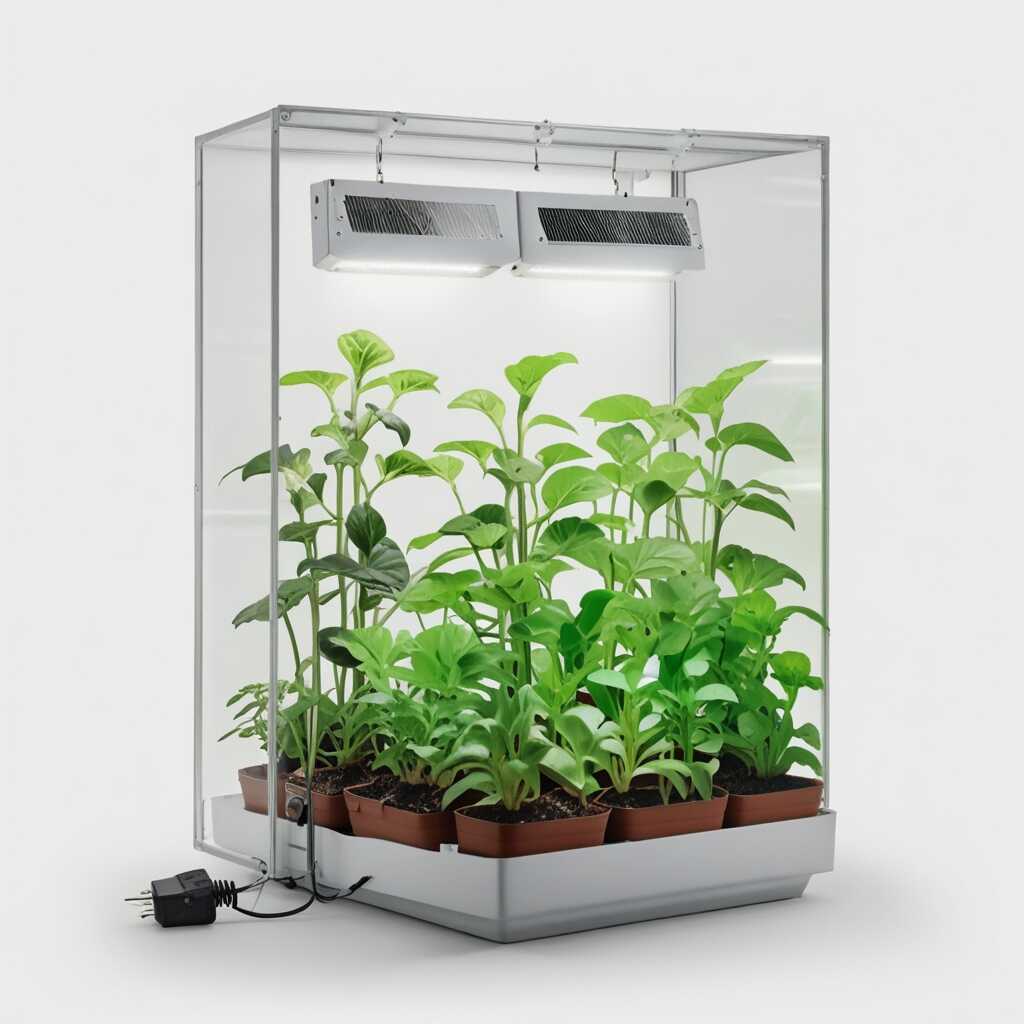
Effective monitoring of plant growth involves regularly checking for signs of health and development. Growers can utilize tools such as calibrated sensors, manual observation, and growth charts. Information gathered helps in making informed decisions about spacing adjustments as plants mature. Different plant varieties, such as tomatoes, cucumbers, and lettuce, may require unique spacing strategies based on their growth patterns. With fixed lighting systems, maintaining optimal spacing can enhance light distribution and promote better yields.
Adjusting Spacing Based on Growth Stages
Adjusting spacing requires an understanding of each plant’s growth stages. For example, seedlings may initially require closer spacing for warmth and humidity retention. As they mature, adjusting spacing allows for better air circulation and light penetration. For tomatoes, an optimal spacing of 24 to 36 inches is recommended. Cucumbers thrive with a spacing of 36 inches, while lettuce benefits from 12 to 18 inches. Regular monitoring helps growers ensure that plants receive adequate resources while managing spacing efficiently.
Real-World Success Stories of Plant Spacing Optimization
Successful plant spacing strategies used by commercial growers include examples from hydroponic farms, greenhouse operations, and vertical farms. For instance, a hydroponic lettuce farm found optimal spacing at 12 inches apart, enhancing airflow and light distribution. Research indicates that tomatoes benefit from narrower spacing of 18 inches, allowing for better light capture while maximizing each plant’s growth potential. Increased yields often reach 20% over traditional spacing methods in these environments. Reviews from growers show that careful monitoring leads to reliable results.
Effectiveness of Plant Spacing on Crop Variety
Different crop varieties respond uniquely to optimized plant spacing. For instance, leafy greens thrive with tighter spacing, allowing them to compete efficiently for light. In contrast, tomato plants require more room for their sprawling branches. A study found that leafy greens produced a 30% higher yield when spaced 10 inches apart compared to 16 inches. This data proves that understanding each crop’s needs delivers significant improvements in overall performance. Applying these findings helps indoor farming enthusiasts make informed choices on spacing layouts, ultimately enhancing productivity and sustainability.
Brands and Users Valuing Optimal Plant Arrangement Strategies
- General Hydroponics provides reliable systems for nutrient management in spaced setups.
- SunBlaster makes effective lighting systems ideal for small spaces.
- Commercial growers benefit from advanced systems improving yield and growth.
- Retail nurseries often seek enhanced layouts to attract more customers.
- Research facilities focus on utilizing space effectively for experiments.
- Urban gardeners enjoy precise layouts that optimize limited resources.
- Biodegradable pots and modern planting trays are increasingly popular among eco-friendly users.
Innovative Trends in Plant Spacing and Indoor Agriculture
Recent innovations in plant spacing optimize indoor agriculture practices for commercial growers. Technologies such as sensors and AI enhance reliability and efficiency in managing grow operations. These advancements enable real-time data collection and analysis, providing insights into ideal spacing that ensures maximum light exposure and air circulation. For example, using AI algorithms can lead to the identification of optimal configurations based on varying plant growth stages. A common guideline is to space plants about 12 to 18 inches apart, but careful testing can help increase this distance for specific crop types to maximize yields.
Leveraging Sensor Technology for Enhanced Growth
Sensor technology plays a critical role in fine-tuning plant spacing in indoor agriculture. These sensors monitor light levels, temperature, and humidity in real-time. For instance, sensors can detect how plants respond to specific distances from light sources, helping growers adjust spacing accordingly. This approach allows for better air circulation and reduces the spread of diseases. By analyzing data generated from these sensors, farmers can make informed decisions that enhance plant health and optimize space, leading to more efficient indoor environments. Overall, integrating sensor technology improves overall yield and plant quality.