
The “Complete Comparison of Passive and Active Cooled LED Grow Lights” explores the key differences between these two cooling methods. Understanding these differences is essential for greenhouse owners and indoor gardening enthusiasts choosing the right lighting for their plants. This article, brought to you by Green Writer, highlights the advantages and efficiency of passive and active cooled LED grow lights. With a focus on sustainability, we aim to provide practical advice suitable for various plant types and environments.
Essential Principles of LED Grow Lights for Greenhouses
LED grow lights work by emitting specific wavelengths of light that plants use for photosynthesis. Unlike traditional lighting systems, they produce minimal heat, enhancing energy efficiency. This property ensures that more energy gets used for growth instead of wasted as heat. In addition, LED lights have a longer lifespan compared to incandescent or fluorescent lamps, lasting approximately 50,000 hours. This durability reduces the need for frequent replacements, offering reliable lighting solutions for greenhouse owners. Different types of LED grow lights are designed to support specific plant growth stages, making them essential in maximizing yield. They also come in various spectrums, which can help in promoting healthy vegetative and flowering stages of plants.
Choosing the Right Spectrum for Different Plant Stages
Selecting the correct light spectrum is crucial for optimal plant growth in greenhouses. LED grow lights can provide full spectrum light ranging from blue (400-500 nm) to red (600-700 nm), which are essential for different plant needs. During the vegetative stage, plants benefit from blue light as it supports leaf development. In contrast, red light assists in flowering and fruiting stages. Using LED grow lights with tailored spectrums can improve plant quality significantly. For greenhouse owners, understanding these specific light requirements will enhance plant performance and reduce energy waste.
Key Differences Between Passive and Active Cooling Methods
Passive cooling systems rely on natural airflow and heat dissipation, requiring no additional energy. They usually feature heat sinks that dissipate heat away from the LEDs. Active cooling systems use fans or liquid cooling to enhance airflow, drastically improving heat management and extending lifespan. Active systems can achieve up to 20% better efficiency than passive ones, especially in high-intensity setups. Each method has distinct advantages based on the greenhouse conditions and plant growth requirements. Passive cooling systems are reliable and quiet, best suited for low-density installations. In contrast, active cooling is often optimal for high-density plant setups, where temperature control is essential for optimal growth.
Efficiency and Suitability for Different Plant Types
Understanding the efficiency profiles of passive and active cooling systems helps greenhouse owners select the ideal LED grow lights. Active cooling systems enhance temperature management under high light conditions, improving overall plant growth rates. They are especially valuable in tropical or high-heat environments where increased humidity can exacerbate overheating. Devices with active cooling can handle larger heat loads, promoting better energy efficiency. Conversely, passive systems are well-suited for lower intensity grow operations and can help save energy costs. Assessing specific plant types, such as tropical versus arid plants, is crucial in deciding the most effective cooling method.
Evaluating Energy Use and Cost Implications of Grow Lights
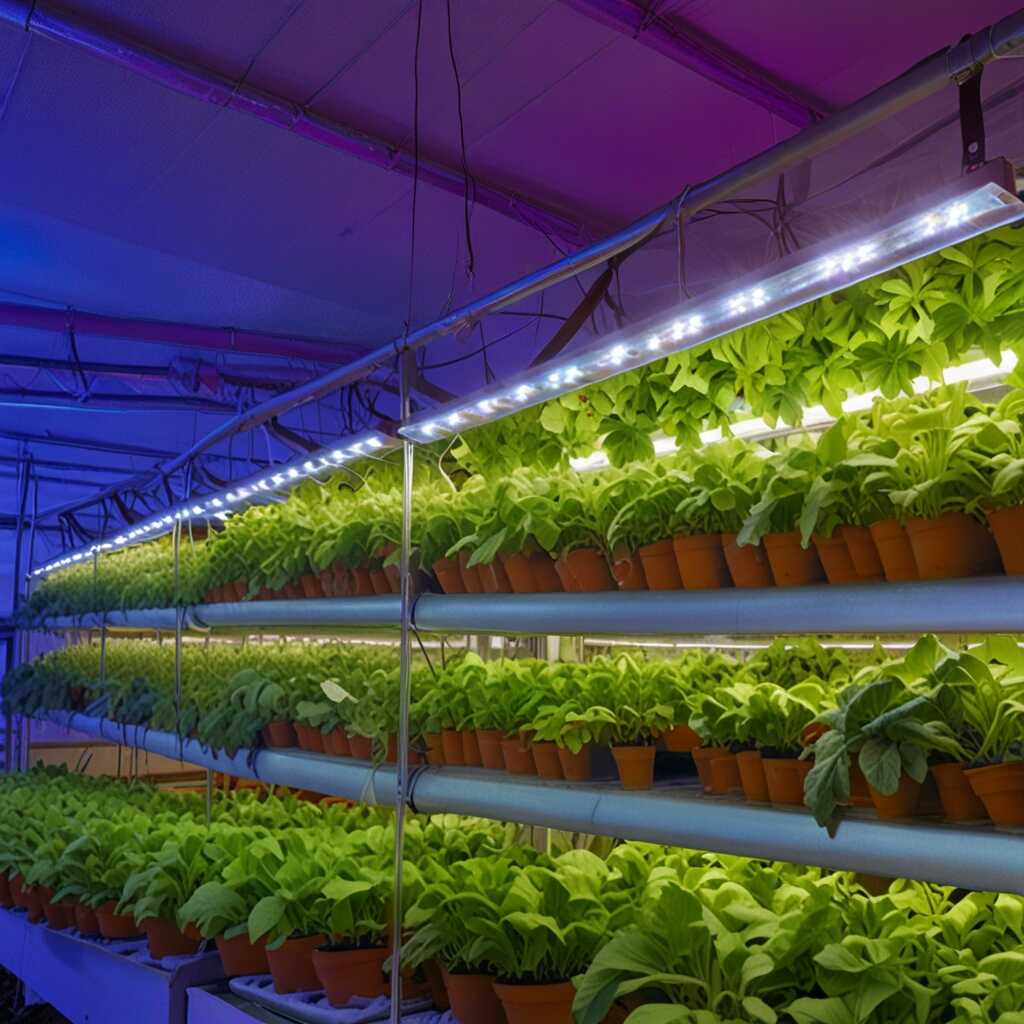
Understanding energy consumption rates is crucial for greenhouse owners and indoor gardening enthusiasts. Passive cooled LED grow lights generally use less energy compared to active cooled systems. Active cooled lights require fans for operation, which adds to energy use. Evaluating both types aids users in determining the cost-effectiveness of their lighting systems over time. For plant types, active cooled lights might be necessary for heat-sensitive plants, while passive systems suit most others. Choosing the right system can significantly influence long-term energy costs.
Understanding Cost Savings with LED Grow Lights
The average cost savings per year when using energy-efficient LED grow lights are notable. Users can save anywhere from $100 to $300 annually compared to traditional lighting systems. With proper research and testing, selecting the most efficient LED grow lighting can enhance plant growth while minimizing energy expenses. Green Writer provides comparisons of models to help users identify the best options for different environmental needs. An energy-efficient grow light not only ensures healthy plants but also creates financial benefits in the long run.
Key Numerical Insights on LED Grow Light Technologies
- Active cooled LED systems can dissipate heat effectively, extending lifespan to over 50,000 hours.
- Passive cooled LED lights typically cost 20-30% less than their active counterparts for installation.
- Plants under active cooled systems have reported growth rates up to 30% faster.
- Passive cooled options often generate noise levels below 20 decibels, ideal for quiet environments.
- Active cooled systems usually consume 10-20% more electricity than passive systems.
- Installation of active cooling systems can be completed in about 2-3 hours.
- Passive systems rarely require additional cooling solutions, saving extra maintenance time.
Influence of Cooling Systems on Plant Development and Vitality
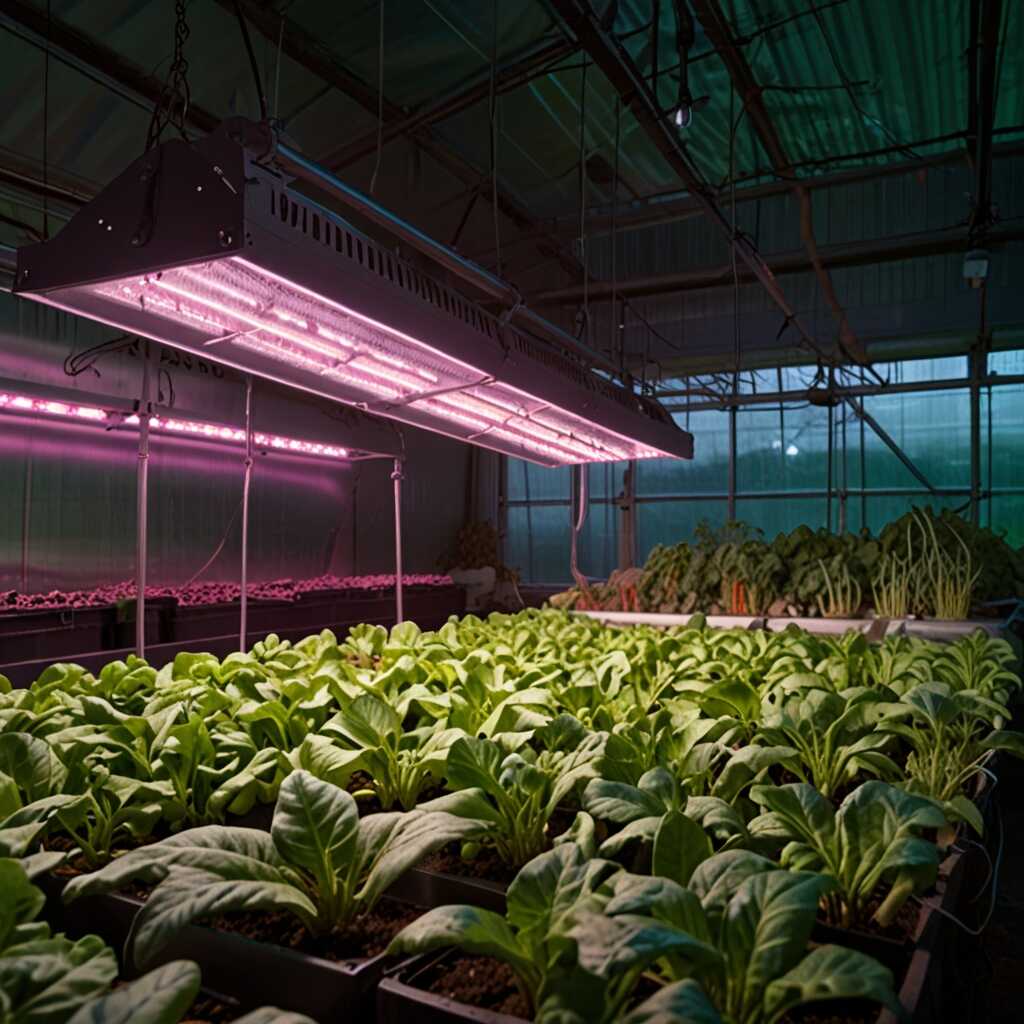
Passive and active cooling systems significantly impact plant growth rates and health. Passive cooling systems, which often rely on natural airflow and conduction, can maintain lower temperatures that benefit delicate plant types, such as seedlings. Active cooling systems use fans or liquid cooling methods, ensuring more consistent temperature control. This can enhance performance, especially for high-heat plants like tomatoes and peppers, which thrive at warmer temperatures. Understanding the unique needs of each plant can help users select the best lighting solution. The temperature range for passive cooling systems generally maintains between 70°F to 80°F, effectively encouraging optimal growth while minimizing stress on plants.
Optimal Temperature Management for Plant Growth
Optimal temperature management is crucial for robust plant growth, particularly when using different cooling systems. Passive cooling systems excel in maintaining stable temperatures conducive to various growth stages, supporting seedlings during delicate early phases. In contrast, active cooling systems provide rapid temperature adjustments, enabling growers to create ideal environments for heat-loving plants. Temperature fluctuations can stress plants, leading to wilt or stunted growth. For instance, maintaining a temperature of 75°F to 80°F for tomatoes ensures excellent fruiting behavior. Users should carefully monitor temperatures using reliable thermometers and adjust their chosen cooling method accordingly for best results.
Best Installation Practices for LED Grow Lights in Greenhouses
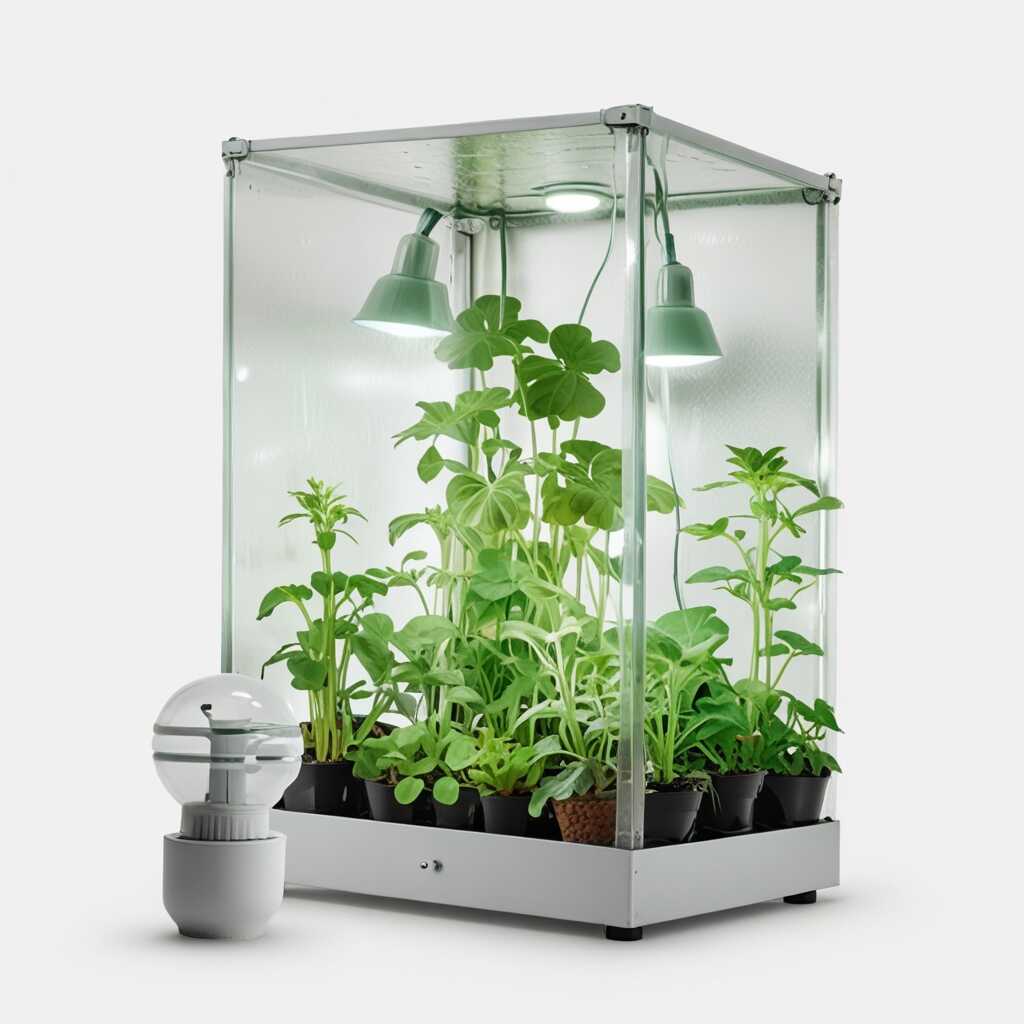
Effective installation of passive and active cooled LED grow lights ensures maximum efficiency and improved plant growth outcomes. For passive cooled lights, install them 12 to 24 inches above plant canopy for optimal light distribution. Active cooled lights have fans that cool, allowing installation closer to plants, about 8 to 16 inches. Proper spacing is essential to avoid light overlap; maintain at least 24 inches between fixtures. Testing different heights and adjustments based on plant types provides better results. Each greenhouse design brings unique variables, which may influence where and how to install lights.
Considerations for Greenhouse Types When Installing LED Grow Lights
Various greenhouse designs significantly impact the installation of LED grow lights. In traditional glass greenhouses, use high-intensity lighting to penetrate the glass effectively. In polycarbonate structures, a balance between light intensity and heat management is crucial. Orienting lights at a 30-degree angle can enhance light penetration for taller plants. Different plant types also dictate spacing; for instance, leafy greens benefit from close light positioning while larger flowering plants may require more distance. Regularly review installation positions to adapt to growth stages, ensuring consistent light exposure and optimal performance throughout the growing cycle.
Advantages of Different Cooling Approaches in Grow Lights
- Active cooled lights allow for higher light intensity without overheating risks.
- Passive cooled systems are simpler, with fewer moving parts, leading to lower maintenance.
- Active systems can support more complex plant species like orchids or roses efficiently.
- Passive system users often enjoy affordability and effective usage in hobby gardening.
- Active cooling maintains consistent temperatures, promoting healthy plant growth.
- Users prefer passive systems for ease of setup and reduced energy costs over time.
- Active cooled designs encourage versatile setups, easily adjustable for various plant needs.
Maintenance Requirements for Passive versus Active Cooling Systems
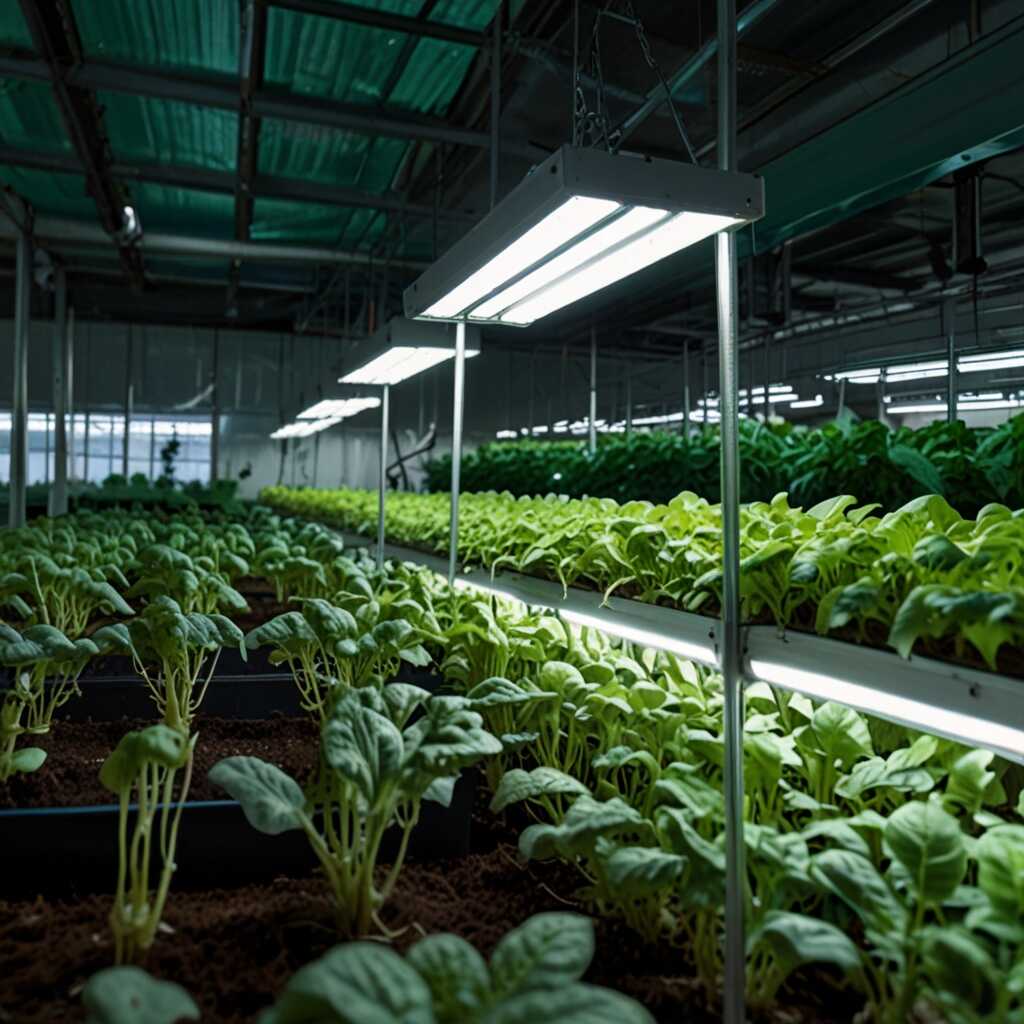
Passive cooled LED grow lights usually require minimal maintenance. These systems rely on natural airflow and design to dissipate heat. Users should regularly check for dust accumulation on heatsinks and ensure air vents remain clear. In contrast, active cooled systems often include fans or pumps, requiring more frequent checks. Users must monitor fan functions to avoid overheating, which can affect light performance. Overall, understanding these maintenance needs allows users to choose options that suit their resource availability and effort level for sustainable long-term operation.
Frequency and Process of Maintenance
Active cooled LED grow lights typically need maintenance at least twice a year. This includes cleaning fan blades and checking for wear or damage. Regular testing ensures cooling systems function effectively. Additionally, users should inspect and replace fans if they show signs of inefficiency or noise. Keeping an operational log helps track any recurring issues with fans, allowing for proactive adjustments. This reliable approach enhances the performance of active cooling systems, ensuring they operate optimally and provides durability for future use.
Environmental Advantages of Energy-Efficient LED Lighting
Energy-efficient LED grow lights contribute to the environment by using less electricity compared to traditional lights. They reduce carbon emissions by lowering energy consumption. Using LED lights also means fewer resources are needed for electricity generation, which helps decrease pollution and preserve natural habitats. LED grow lights are designed to last longer, offering a lifespan over 50,000 hours. This reliability ensures that fewer lights end up in landfills, enhancing sustainability. Their efficiency allows for better light absorption by plants, promoting their growth with minimal energy waste. Many greenhouse owners choose LED lights for their eco-friendly benefits.
Comparing Energy Consumption of LED vs. Traditional Lighting
Energy-efficient LED grow lights can save up to 75% energy compared to traditional grow lights. Over a year, this saving translates into significant reductions in energy bills and greenhouse gas emissions. For example, if a conventional grow light uses 400 watts, an equivalent LED system might only require 100 watts for similar performance. This reduced energy footprint means that switching to LED will not only save money but also enhance eco-friendliness within any greenhouse operation. As a result, energy-efficient lighting proves to be a very good choice for sustainability advocates and greenhouse owners.
Demographic Insights and Usage Scenarios for LED Light Technologies
- Professional greenhouse owners prefer active cooled systems for high-demand crops.
- Indoor gardening enthusiasts often lean towards passive cooled setups for ease of use.
- Horticulture students study both types for projects on sustainable practices.
- Research on active cooled LED designs showcases superior plant growth potential.
- Sustainability advocates champion passive cool options for their eco-friendly designs.
- New gardeners favor passive systems for cost-effectiveness and simplicity.
- Lighting tech researchers focus on exploring efficiencies in both cooling systems.
Innovations on the Horizon for LED Grow Light Technology
Recent innovations in LED grow light technology include enhanced cooling systems and higher energy efficiency. New designs focus on passive and active cooling benefits. Advanced materials are now being tested to improve heat dissipation, prolonging the lifespan of lights while maintaining optimal performance. By 2025, energy efficiency for these lights is expected to improve by 20 to 30 percent, offering significant savings for greenhouse operators. This data helps users future-proof their greenhouse operations and select the best lighting solutions.
Upcoming Trends in Energy Efficiency
Upcoming trends in energy efficiency for LED grow lights include integration with smart technology. Many manufacturers are designing lights that can adapt to environmental conditions, adjusting intensity based on temperature and humidity. These systems enhance energy savings while ensuring plants receive optimal light. Companies are also improving how LED lights achieve full-spectrum output, allowing for better growth at all stages. New models are being tested for durability and performance, targeting reliable and long-lasting usage in various greenhouse environments.