
The effects of artificial light cycles on plant circadian rhythms and growth are significant in indoor gardening. Plants depend on light cycles to regulate their internal clocks, affecting their development. Understanding this relationship helps gardeners optimize plant health and growth using proper lighting techniques. Green Writer focuses on providing guidance for effective indoor planting, emphasizing energy-efficient lighting options and sustainable practices.
Introduction to Plant Circadian Rhythms and Their Significance
Circadian rhythms are internal biological clocks that regulate many processes in plants, such as photosynthesis, hormone release, and flowering times. These rhythms operate on a roughly 24-hour cycle and are crucial for maintaining plant health. Understanding circadian rhythms helps indoor gardening practices by allowing gardeners to optimize light cycles, simulate natural conditions, and improve growth efficiency. By aligning light schedules with a plant’s natural rhythm, you enhance its overall health and development. Research supports that consistent light cycles can influence flowering, fruiting, and nutrient uptake across various species.
Impact of Light Cycles on Plant Health
Manipulating light cycles can significantly enhance plant health and growth. For example, studies show that increasing light exposure during the day can lead to higher photosynthesis rates and better growth metrics. Certain plants, like tomatoes and orchids, thrive under specific light durations. Adjusting light cycles enables indoor gardeners to mimic natural sunlight patterns, essential for optimal flowering and fruiting. Research indicates that plants may yield 20% more produce when provided with precise light cycles tailored to their growth needs. Knowing how to modify light conditions can greatly improve indoor gardening practices.
How Different Light Types Affect Plant Circadian Rhythms
Different light types significantly influence plant circadian rhythms. Studies show that LED lights can enhance growth rates due to their specific wavelengths. Blue light, found in LEDs, is essential for promoting leaf growth and regulating flowering. In contrast, fluorescent lights provide a broader spectrum but often lack the intensity provided by LEDs. Natural sunlight remains the most effective for regulating plant circadian rhythms; it provides the full spectrum and varying intensity essential for optimal health. Research indicates plants thrive on about 12 to 16 hours of light exposure when using artificial sources.
Understanding Light Wavelengths for Optimal Plant Growth
Light wavelengths play a crucial role in plant circadian rhythms and overall health. Blue light, ranging from 400 to 500 nanometers, is vital for photosynthesis and development. Red light, from 600 to 700 nanometers, helps with flowering and fruiting. Research indicates that combining both blue and red light maximizes plant growth. Many indoor gardeners benefit from using full spectrum LED grow lights, designed to provide essential wavelengths for each growth stage. This combination ensures plants receive all necessary light, enhancing growth and health, leading to successful indoor gardening.
Summary of Research on Artificial Lighting and Plant Behavior
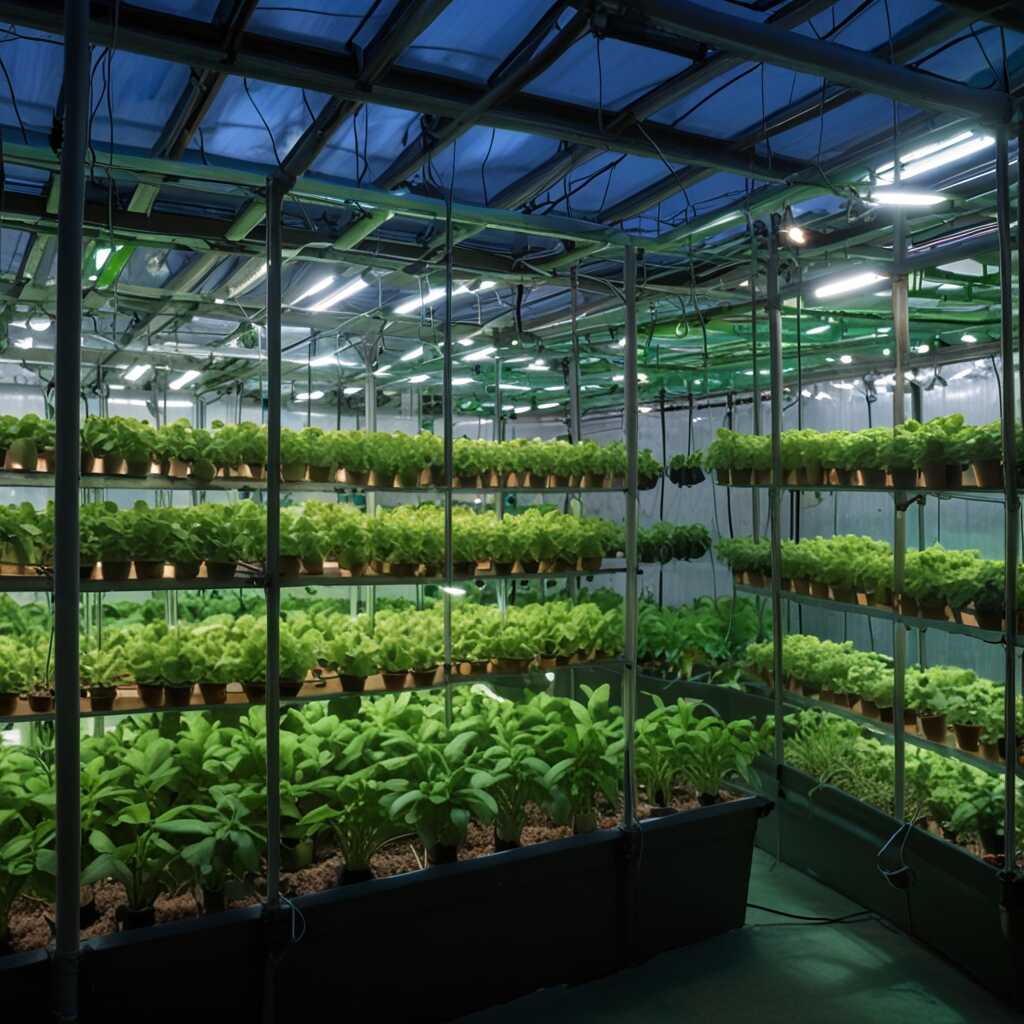
Research studies indicate that artificial light cycles greatly influence plant behavior and growth. Key findings show that plants exposed to tailored light wavelengths exhibit improved growth rates and flowering duration. Studies suggest that species like tomatoes and basil respond favorably to full-spectrum LED lights. These cycles, when properly implemented, can lead to a growth improvement of 30% or more compared to traditional methods. Testing different light durations also reveals that longer exposure times enhance photosynthesis, further boosting plant health.
Specific Plant Responses to Artificial Lighting
Recent studies focused on specific plant species, such as lettuce, strawberries, and orchids. Research demonstrates that lettuce thrives under a 16-hour light cycle using blue and red spectrum lights, resulting in vibrant colors and higher nutrient content. Strawberries show improved fruiting when exposed to 14 hours of light daily. Orchids benefit from consistent light exposure, enhancing blooming cycles. Understanding these specific responses can help indoor gardening enthusiasts optimize their gardening methods and select the best lighting options for various plant species.
Key Data Points on Light Exposure and Plant Growth
- Plants require about 12 to 16 hours of light each day for optimal growth.
- Studies show a 25% increase in growth rates using artificial light.
- Brightness levels around 400 to 700 µmol/m²/s favor plant development.
- Color temperature between 5,000K to 6,500K enhances photosynthesis efficiency.
- Artificial light can effectively replace natural sunlight up to 85% of the time.
- Plants exposed to consistent light cycles show improved health and resilience.
- Use of LED lights can reduce energy consumption by up to 75% compared to traditional bulbs.
Natural Daylight Versus Artificial Light Effects on Plant Growth
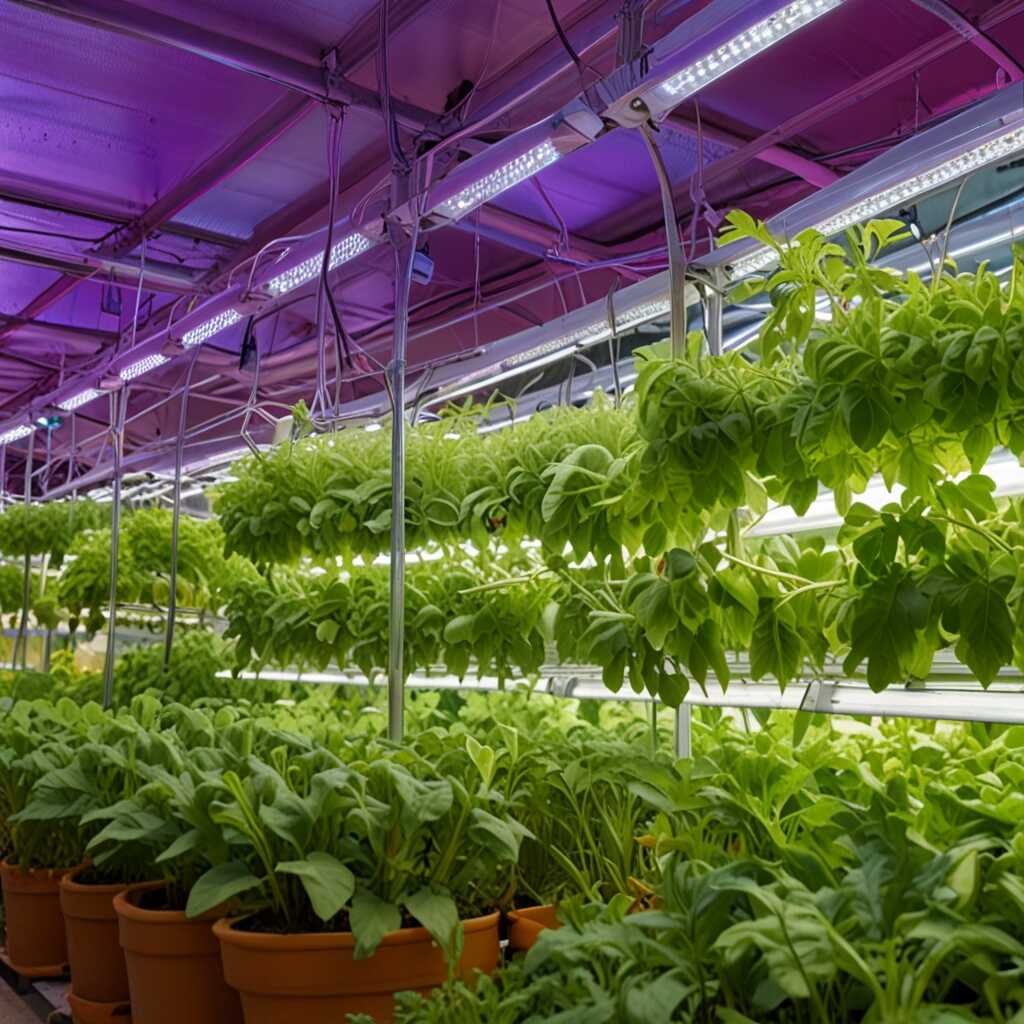
Natural daylight provides a full spectrum of light that influences plant growth through its blue and red wavelengths. Artificial light, such as LED, fluorescent, and incandescent, can differ significantly in spectral output, which affects photosynthesis and flowering. For instance, LED lights efficiently deliver specific wavelengths that enhance photosynthesis efficiency while making them ideal for indoor gardening strategies. The light type alters the plant’s physiological processes, which may result in differences in growth rates and flowering times. Each plant species has its light preferences, ensuring optimal growth by mimicking natural conditions. Research has shown that using full-spectrum LED lights can improve flowering and fruiting in many indoor plants, providing a reliable option for indoor gardeners.
Understanding Light Duration and Its Effects on Plant Development
Light duration, or photoperiod, directly influences plant development, particularly flowering and fruiting. Indoor plants often require 12 to 16 hours of light per day for optimal growth. Research indicates that too little light can prevent flowering in short-day plants, while long-day plants may not bloom without sufficient darkness. LED lights, designed for energy efficiency, can handle extended use without significant energy costs. An excellent practice for indoor gardening is to use timers to automate light exposure, enhancing plant care efficiency. Ensuring consistent light cycles creates a reliable growth environment, improving the overall health and yield of plants.
Best Practices for Lighting Different Types of Houseplants
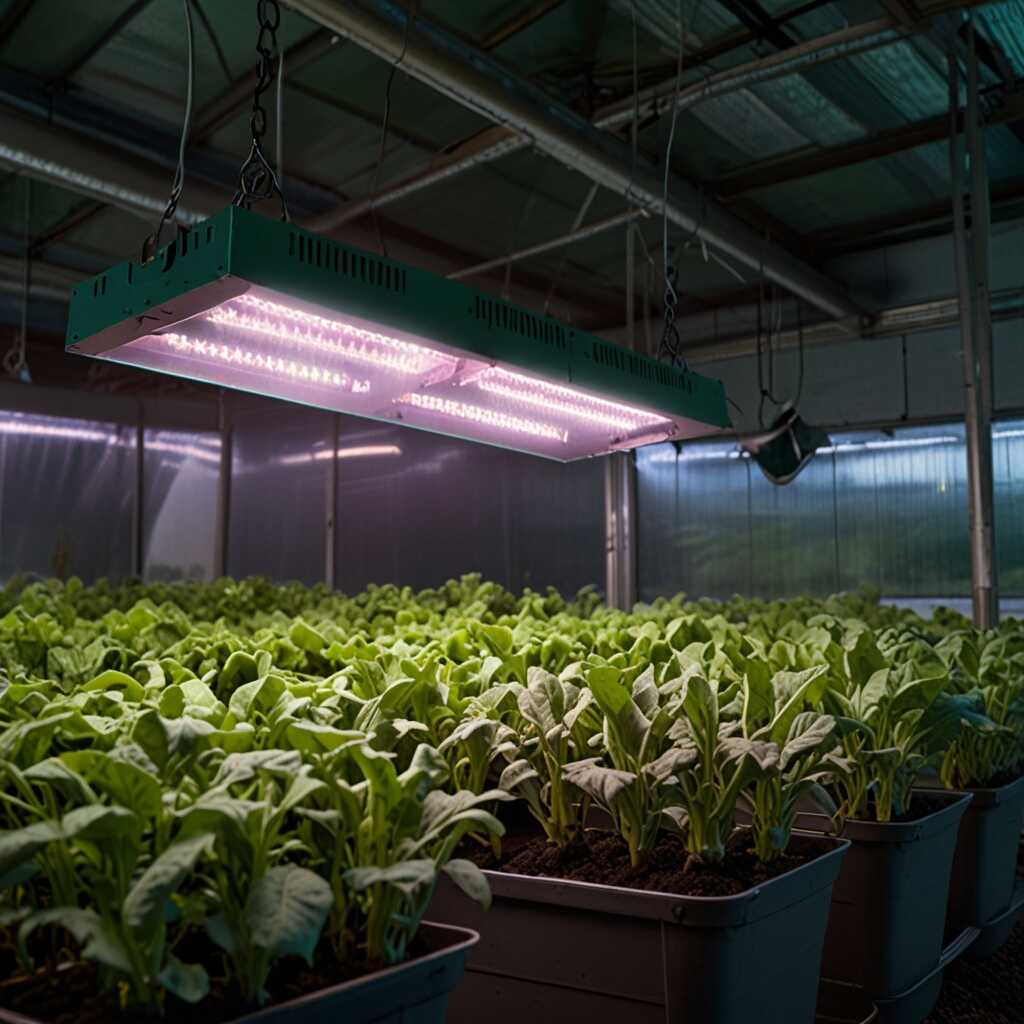
Understanding the best lighting practices can enhance your indoor gardening experience. Low-light houseplants, like snake plants and pothos, thrive with 10-12 hours of indirect light. Succulents and cacti require brighter light, needing at least 12-16 hours of direct sunlight. Position grow lights 12-24 inches above your plants, depending on the light’s intensity. This promotes healthy growth and prevents scorching. It is essential to monitor how different plants respond, ensuring that your setup matches their requirements.
Identifying Light Requirements for Specific Plant Types
Different houseplants have unique light requirements that gardeners must understand for optimal growth. Ferns typically thrive in low to moderate ambient light, needing about 8-10 hours of indirect light daily. On the other hand, flowering plants like orchids require bright, filtered light for 10-14 hours. For optimal plant health, consider using full-spectrum grow lights that provide a balanced light spectrum. These lights enhance growth and flowering by mimicking natural sunlight. It is crucial to test and track each plant’s response to ensure tailored light exposure meets their individual needs.
Advantages of Controlled Lighting for Plants
- Artificial light cycles improve plant growth consistency throughout the year.
- Plants experience enhanced flowering and fruiting triggered by specific light patterns.
- These light cycles can effectively suppress unwanted growth and elongation.
- Plants can thrive in spaces with limited natural light availability.
- Adjustable artificial lighting promotes exposure to various light spectrums.
- Convenient light schedules help gardeners manage timing and plant care better.
- Indoor growth environments benefit the ecosystem by reducing air pollutants.
Strategies for Replicating Natural Light Cycles Indoors
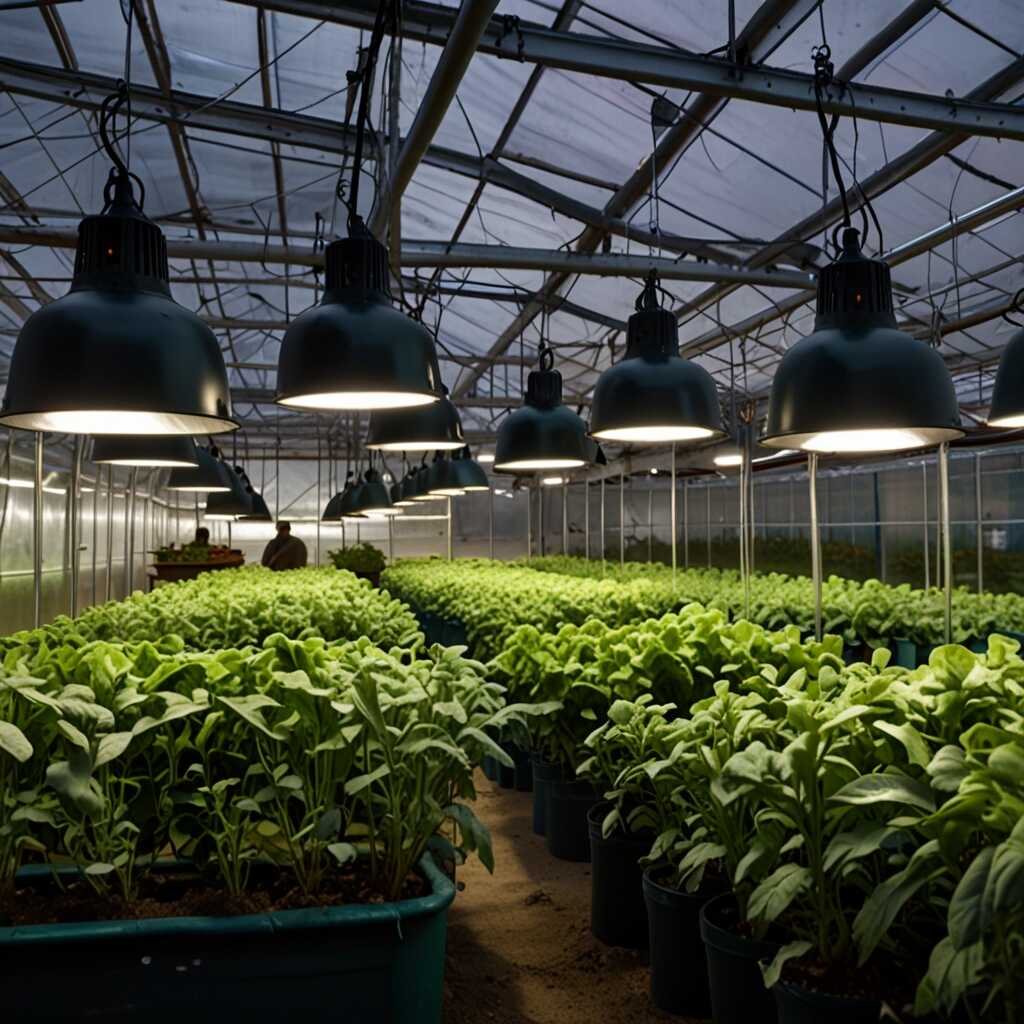
To effectively mimic natural light cycles for indoor plants, it is vital to implement consistent photoperiods. Most plants thrive in a light exposure of 12 to 16 hours daily, followed by a dark period of 8 to 12 hours. Key practices include utilizing full spectrum grow lights that emit both blue and red light, ensuring a balanced growth environment tailored to specific plant needs. For instance, blue light supports vegetative growth, while red light encourages flowering and fruiting stages. Regular monitoring allows gardeners to adjust for individual plant requirements to enhance growth and health.
Optimal Light Spectrum for Plant Growth
Understanding the optimal light spectrum for various indoor plant species is essential for maximizing their health. Plants utilize blue light (400-500 nm) for photosynthesis, fostering robust leaf development. In contrast, red light (600-700 nm) plays a critical role during flowering and fruiting stages. Combining these spectrums in an LED grow light setup ensures that plants receive the necessary wavelengths for each growth phase. Additionally, full spectrum lights can provide a broader range of light, promoting overall plant vitality and improving growth outcomes. Research supports that varying the light spectrum in accordance with plant needs can significantly enhance indoor gardening success.
Challenges and Solutions in Using Artificial Grow Lights
Using artificial grow lights presents challenges such as light exposure issues, energy efficiency, and improper light spectrum usage. Light overexposure can cause leaf burning, stressing plants. To avoid this, ensure a proper distance between lights and plants. Energy efficiency varies among lighting types like LEDs and fluorescents. LEDs provide better energy efficiency, lasting longer and using less power. Choosing the right light spectrum is essential for plant health. For example, grow lights with full spectrum coverage cater to all growth stages. Regular testing of lighting duration and placement is necessary for optimal results.
Understanding Different Light Types and Their Benefits
Different types of artificial grow lights include LED, fluorescent, and HID bulbs. LEDs are often the best choice for indoor gardening. They provide a broad light spectrum that supports photosynthesis across all plant stages. LEDs use about 30% less energy compared to fluorescent lamps and have a lifespan of over 50,000 hours. Fluorescents produce lower heat, making them ideal for small spaces but are less efficient over time. HID lights deliver high intensity but consume more electricity and generate significant heat. When selecting grow lights, consider energy efficiency and the specific needs of your plants.
Brands and Demographics Interested in Artificial Lighting Solutions
- Indoor gardeners prefer brands like Viparspectra for affordable LED solutions.
- Professional growers may opt for Gavita for advanced lighting systems tailored to large operations.
- Hobbyist gardeners often choose Roleadro for energy-efficient grow lights.
- Eco-conscious consumers focus on sustainability when selecting light products.
- Beginner gardeners benefit from brands that provide user-friendly setup instructions.
- People interested in urban gardening value compact and efficient lighting solutions.
- Shoppers often seek recommendations for products that support plant health and vibrant growth.
Emerging Trends in Plant Biological Research and Lighting Technologies
Research increasingly focuses on the relationship between artificial light cycles and plant circadian rhythms. Studies show certain light wavelengths can improve specific growth phases like flowering. Innovative lighting technologies, such as full-spectrum LEDs, enhance growth efficiency by providing a broad spectrum of light. Experts recommend around 12 to 16 hours of light exposure for optimal plant growth. This ongoing research delivers practical insights for indoor gardening enthusiasts aiming to maximize plant health.
Latest Innovations in Lighting Technologies for Plants
New lighting technologies are transforming how plants grow indoors. Full-spectrum LED lights are designed to mimic natural sunlight effectively, supporting all growth stages. Some fixtures are equipped with smart technology, allowing users to adjust spectra and light cycles easily. Research indicates these advanced systems can improve plant health by synchronizing with their natural circadian rhythms. Choosing the right lighting not only enhances efficiency but also boosts the overall quality of plant growth.