
Selecting the best grow lights for blooming tropical plants can significantly enhance your indoor gardening experience. The right lighting not only encourages healthy growth but also ensures your plants thrive during their blooming periods. At Green Writer, we understand the importance of energy efficiency and sustainability in your gardening journey. This guide will offer invaluable insights into the ideal grow lights tailored for tropical plants, boosting their blooming potential while promoting overall plant health.
The Role of Light in Tropical Plant Growth and Blooming
Light is essential for tropical plants, affecting their growth and blooming phases. It provides the energy plants need for photosynthesis, the process that converts light into chemical energy. Different colors in the light spectrum influence plant development stages, from vegetative growth to blooming. For instance, red light encourages flowering, while blue light promotes leaf growth. Most tropical plants thrive with about 12 to 16 hours of light daily during their blooming phases. Using efficient grow lights can help simulate these ideal conditions, ensuring optimal plant health and flower production.
Understanding Light Spectrum and Tropical Plants
The color spectrum of grow lights is crucial for tropical plant health. Plants respond differently to various wavelengths. Blue light, typically ranging from 450 to 495 nm, enhances leaf growth and photosynthesis. Red light, between 620 to 750 nm, is critical for flowering and fruiting stages. Grow lights designed to emit a full spectrum can support the entire lifecycle of tropical plants. This ensures that all phases, from seedling to bloom, receive adequate light. Reliable grow lights can handle the specific needs of tropical plants, providing efficient lighting solutions essential for indoor gardening success.
Overview of Grow Light Types for Indoor Use
LED grow lights provide energy efficiency, durability, and have a long lifespan compared to fluorescent and HID lights. LED lights consume less electricity, which can help reduce energy costs. Fluorescent lighting is typically less expensive upfront but has a shorter lifespan. HID lights, although powerful, generate more heat and require careful placement to avoid overheating plants. Each light type has its unique advantages that can enhance indoor gardening, depending on the specific plants and growth stages.
Choosing the Right Grow Light for Your Tropical Plants
Selecting the right grow light for tropical plants like orchids, anthuriums, and philodendrons is essential. LED grow lights are excellent for these plants as they emit wavelengths specifically designed to enhance photosynthesis. Optimal performance can be achieved by using around 30 to 50 watts per square foot of grow space. This ensures adequate light intensity while maintaining energy efficiency. Always consider the specific needs of your tropical plants and adjust the distance and duration of light exposure accordingly.
Advantages of LED Grow Lights
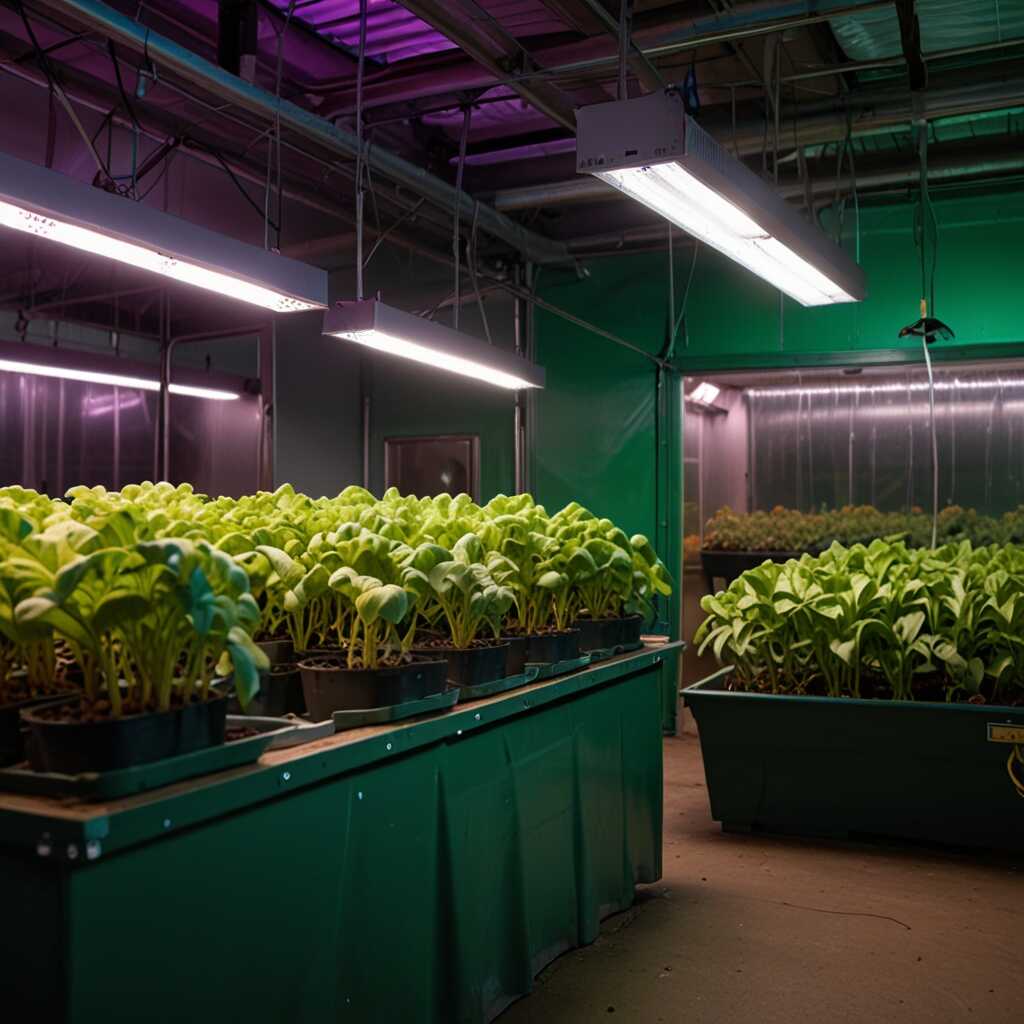
LED grow lights offer significant benefits for blooming tropical plants. They provide energy efficiency, using up to 75% less electricity than traditional grow lights. This helps reduce energy bills while supporting your indoor garden. LED lights last longer, often exceeding 50,000 hours, delivering consistent light required for plant health. They also produce less heat, ensuring that your plants remain at optimal temperatures, preventing stress. Reduced heat output allows for closer placement to plants, directly enhancing their blooming potential. Overall, LED grow lights improve flowering stages while minimizing energy consumption.
Optimizing Light Spectrum for Tropical Plant Growth
Choosing the right light spectrum is crucial for tropical plants. LED grow lights are designed to emit specific wavelengths that tropical plants thrive on. These lights provide full spectrum coverage, mimicking natural sunlight. This includes blue light for vegetative growth and red light, essential for flowering. By utilizing this full spectrum, you can ensure your tropical plants receive the nutrients they need for healthy blooms. Regularly adjust the distance between the light and the plants based on their growth stages. This will help in optimizing the overall growth performance.
Interesting Figures on Lighting for Indoor Plants
- Full-spectrum lights can support plant growth across all stages of life.
- Over 50,000 hours is the lifespan of quality LED grow lights.
- Plants need about 12-16 hours of light for optimal blooming.
- LED grow lights usually consume up to 70% less energy than traditional lamps.
- Light color temperatures between 2700K and 6500K benefit tropical plants.
- Using reflective surfaces can boost light intensity by about 30%.
- A proper light distance is usually about 12-24 inches above plants for even coverage.
Importance of Light Spectrum in Flowering Plant Growth
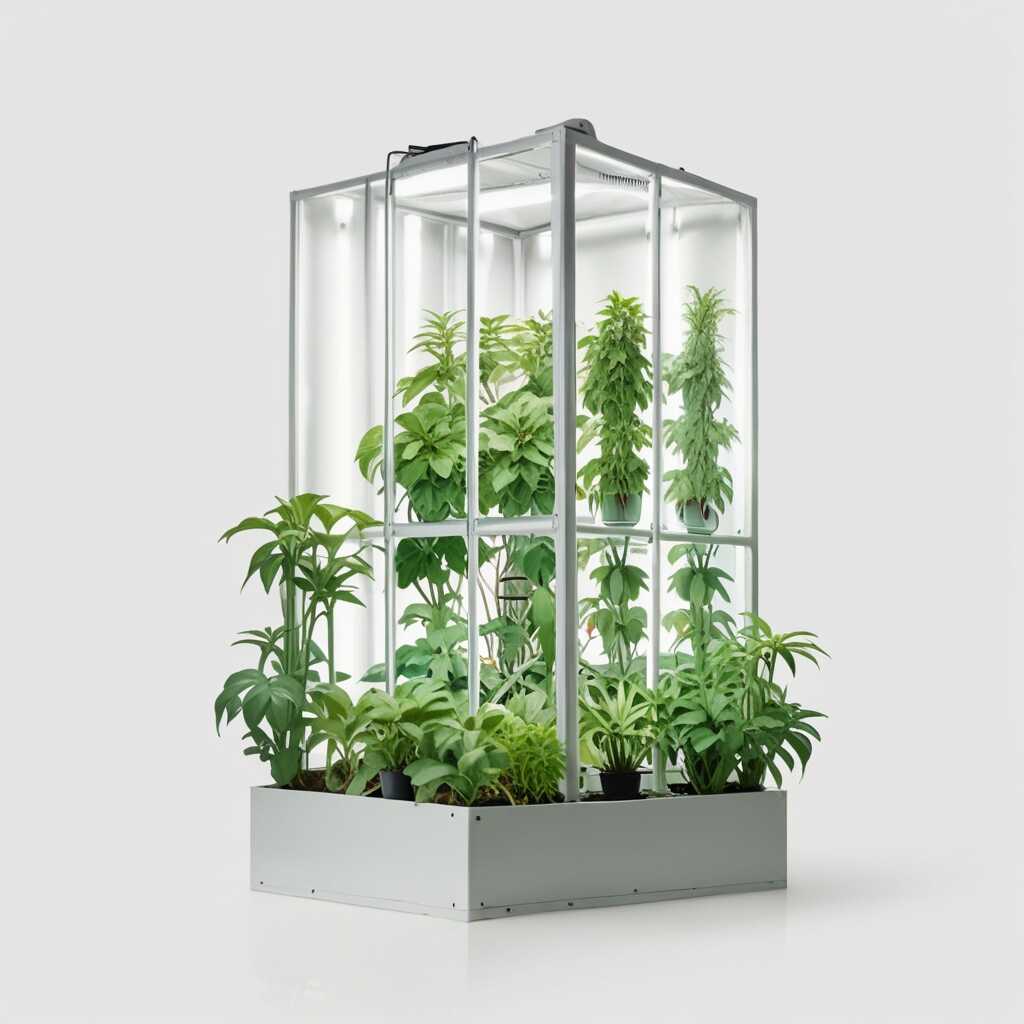
The light spectrum is essential for flowering tropical plants as different wavelengths affect their growth cycles. For instance, red light (around 620-750 nm) is critical for promoting blooms, while blue light (around 450-495 nm) supports vegetative growth. Using a full-spectrum grow light helps ensure that plants receive the necessary light for all growth stages. Research shows that incorporating both red and blue light can significantly enhance flowering. Generally, a light with a ratio of about 2:1 red to blue light is optimal for encouraging blooms.
How Does Blue Light Affect Flowering in Tropical Plants?
Blue light plays a vital role in maintaining healthy foliage and compact growth in tropical plants. It regulates chlorophyll production, which is essential for photosynthesis. Plants exposed to an adequate amount of blue light grow sturdier with more robust stems and leaves. This stability allows them to channel more energy into flowering when they receive the appropriate red light later in their growth cycle. Many indoor gardeners use full-spectrum grow lights designed to deliver both blue and red wavelengths to ensure optimal blooming conditions.
Effective Strategies for Setting Up Grow Lights
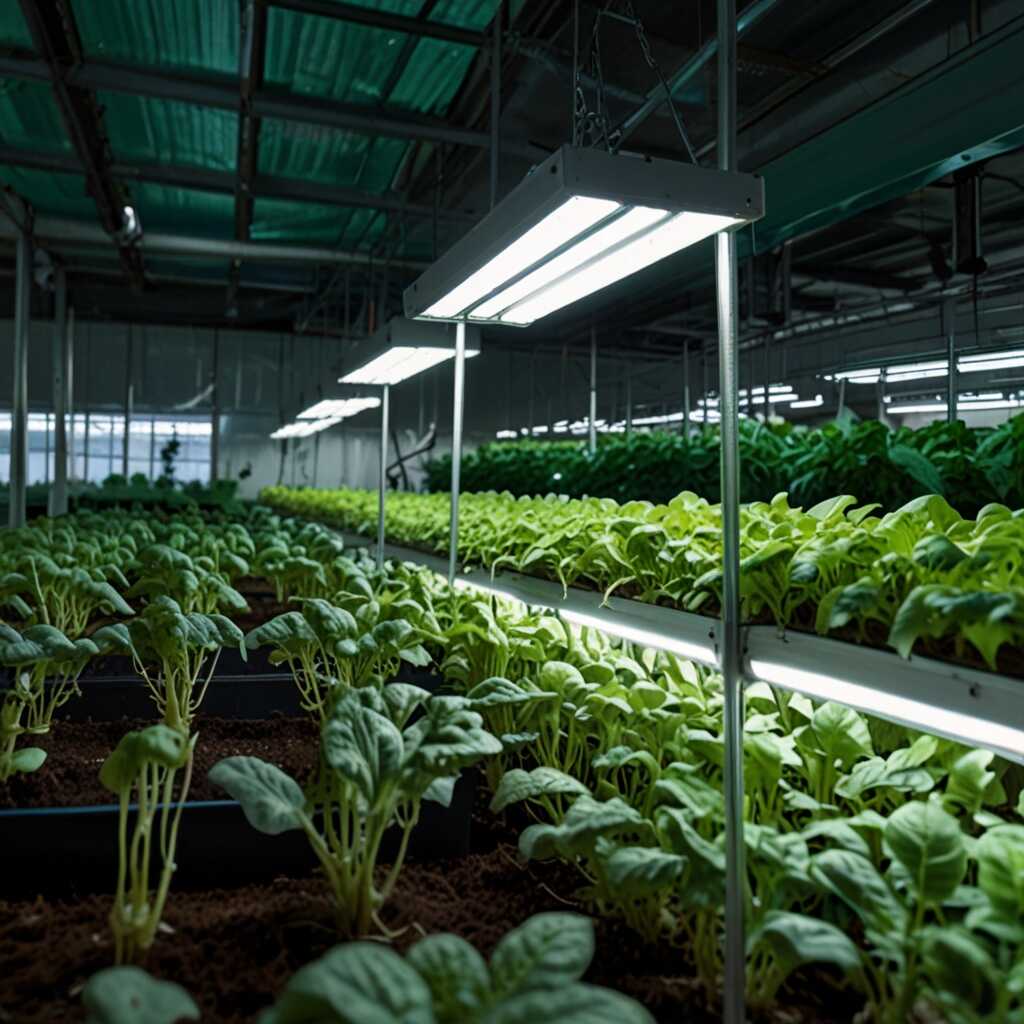
Positioning grow lights correctly is essential for maximizing light exposure for tropical plants. Aim to place lights 12 to 24 inches above the plants. This distance ensures adequate light intensity without causing overheating. Different types of grow lights, such as LED and fluorescent, offer varying effectiveness. LED grow lights are energy-efficient and provide full spectrum lighting, which is ideal for flowering plants. Generally, tropical plants thrive with 12 to 16 hours of light exposure daily. This amount helps promote healthy growth and blooming, while also preventing light stress.
Optimizing Light Exposure for Flowering
Optimizing light exposure is crucial for indoor tropical plants, especially during their blooming phase. LED grow lights yield impressive results as they produce a full spectrum that encourages flowering. Position grow lights 12 to 18 inches above the plants to enhance their exposure. Additionally, keep the lights on for 14 to 16 hours daily, which facilitates healthy blooming. It’s important to rotate plants under the lights every week. This practice ensures all sides receive even lighting. Regularly check the temperature near and above the plants. Maintaining a comfortable temperature will enhance their health and blooming potential.
Positive Impacts of Quality Plant Lighting
- Improved plant growth leads to healthier blooms and foliage.
- LED grow lights help tropical plants thrive indoors, saving energy.
- Plants become more resilient to pests with proper lighting conditions.
- Enhanced photosynthesis results from utilizing full-spectrum options.
- Plants with good lighting improve indoor air quality by filtering toxins.
- They create an inviting atmosphere that enhances home aesthetics.
- Steady lighting schedules help regulate flowering cycles for blooming.
Adjusting Light Conditions for Optimal Plant Health
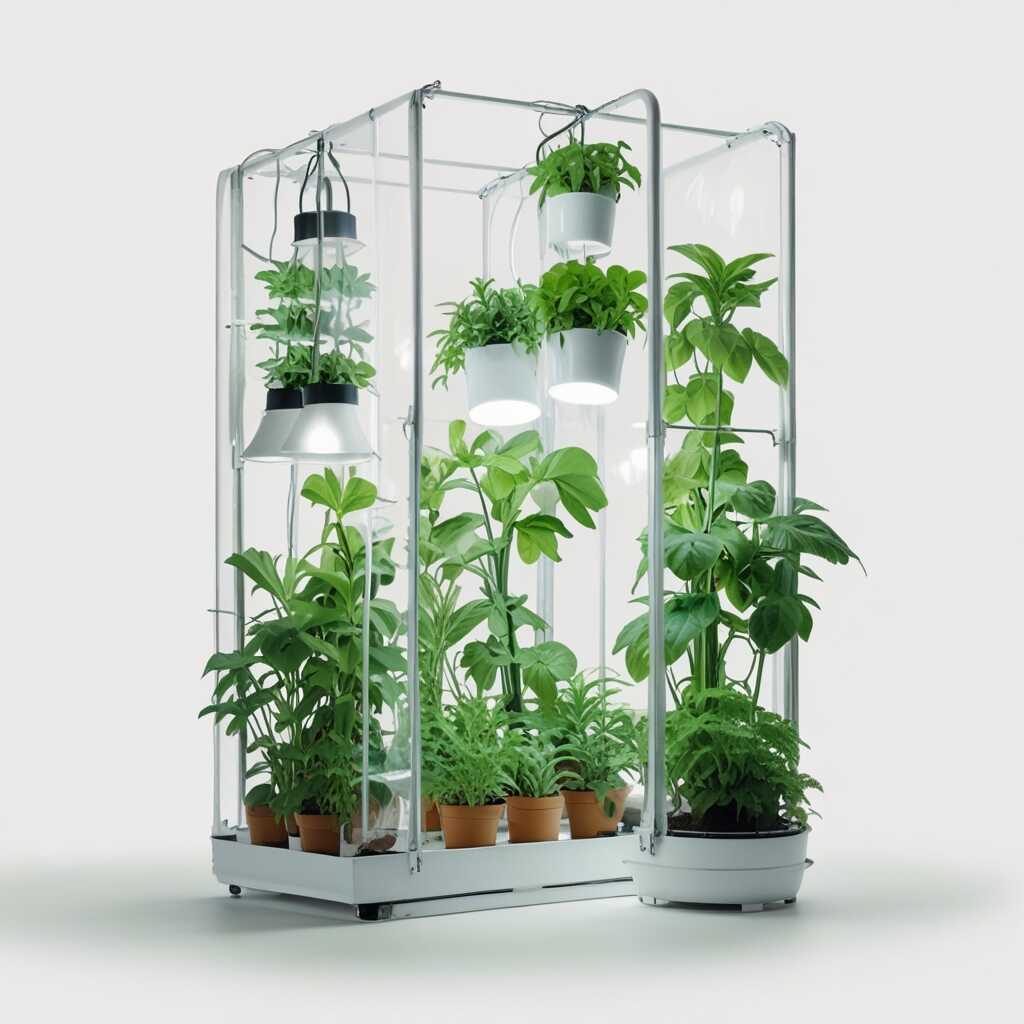
Monitoring your tropical plants is essential for determining if their light conditions meet their needs. Look for signs such as leaf discoloration, drooping, or stunted growth as indicators of inadequate lighting. If leaves turn yellow, consider if the plant receives too much or too little light. Observing your plants closely helps ensure they thrive. Evaluate changes in growth patterns to adjust light conditions appropriately. Grow light types can greatly affect their health, with full-spectrum lights often providing the best balance for blooming. Ideal light duration varies by species; most tropical plants flourish with 12-16 hours of light per day.
Understanding Plant Response to Light Adjustments
Understanding how your plants respond to light adjustments is crucial for maintaining vibrant indoor gardens. Start by observing their growth rate and flower production. If your plants are actively growing and flowering, they are likely receiving optimal light. Experiment with different grow light types, like LED and fluorescent, to find which enhances performance best. Regularly checking moisture levels can also reveal how light affects their overall health. Your experience will guide you in making adjustments, ensuring reliable growth patterns while promoting blooming potential for tropical plants.
Exploring Eco-Friendly Grow Light Solutions
Eco-friendly grow light solutions include LED lights that are energy-efficient and long-lasting. These lights are designed to minimize energy consumption while providing optimal light for indoor tropical plants. Studies indicate that LED grow lights can last over 50,000 hours, making them a durable choice. Compared to traditional lighting options like incandescent bulbs, LED grow lights significantly reduce carbon footprints while enhancing plant health. Energy efficiency comparisons show that LEDs use about 75% less energy than incandescents, leading to lower utility bills. Additionally, full-spectrum LED lights offer the best results for various growth stages, improving blooming potential for tropical plants.
Choosing the Right Spectrum for Tropical Plants
Selecting the right spectrum in grow lights is crucial for tropical plants. Full-spectrum grow lights provide essential wavelengths that mimic natural sunlight. These lights enhance plant growth, particularly during the blooming stage. Research shows that plants exposed to full-spectrum light develop stronger blooms and healthier foliage. For example, a grow light with a spectrum of 400-700nm is proven to deliver the best results. This full spectrum enables plants to photosynthesize effectively, improving overall health and vitality. With various options available, choosing lights designed specifically for tropical plants can make a significant difference in their growth and blooming success.
Popular Brands and Their Target Audiences
- Spider Farmer targets serious indoor gardeners wanting advanced features.
- Vivosun offers affordable options for beginners and casual enthusiasts.
- VIPARSPECTRA suits hobbyists who want both quality and value.
- Growers House supports commercial growers aiming for bulk production.
- Hortilux caters to professional growers requiring high-performance results.
- Fluence focuses on eco-conscious producers wanting energy-efficient systems.
- Generic brands attract budget shoppers needing basic lighting solutions.
Creating a Suitable Indoor Environment for Tropical Plants
Tropical plants thrive in environments that mimic their native habitats. The ideal indoor humidity level for these plants is around 60% to 80%. This high humidity can be achieved with humidifiers or pebble trays. The best temperature range for flourishing tropical plants is between 65°F to 80°F (18°C to 27°C). Species such as the Bird of Paradise and Bromeliads particularly flourish in these temperatures. For optimal lighting, grow lights should be used for 12 to 16 hours daily. Position these lights 12 to 24 inches above your plants to enhance their growth.
Essential Care for Maintaining Ideal Humidity and Temperature
Maintaining the right humidity and temperature not only enhances tropical plant health but also improves their aesthetics. Humidity can be monitored using a hygrometer placed near your plants. To maintain levels, mist the leaves daily, particularly during dry winter months. A temperature range of 70°F (21°C) to 75°F (24°C) is very good for most tropical varieties. For light placement, set your grow lights on a timer to ensure consistency and reliable performance throughout the day. Excellent positioning of lights is crucial for encouraging healthy growth and vibrant foliage.