
The impact of light sources on leaf temperature for indoor plants can significantly influence their growth and health. Different light sources, such as LED and fluorescent lights, affect how plants absorb light and regulate temperature. Understanding these effects helps indoor gardeners optimize their plant care routines while creating a better environment for their green companions. Green Writer aims to guide eco-conscious homeowners and plant enthusiasts in selecting suitable lighting options to promote sustainable living and healthy indoor gardens.
Understanding How Light Affects Leaf Temperature in Plants
Different light sources impact leaf temperature significantly. LED grow lights typically generate less heat compared to conventional bulbs. This lower heat production can help maintain a more stable leaf temperature, beneficial for plants. Full spectrum lighting closely mimics natural sunlight, promoting optimal leaf growth and health. Fluorescent lights also used widely, are cooler than incandescent bulbs, reducing the risk of overheating. Understanding these relationships helps indoor gardeners select appropriate lighting for their plants.
Optimal Leaf Temperature Range for Indoor Plants
The optimal leaf temperature for most indoor plants ranges from 70°F to 85°F (21°C to 29°C). Staying within this range ensures plants photosynthesize effectively, leading to healthy growth. Leaf temperatures below this range can slow metabolism and growth. Temperatures above can induce stress and inhibit proper water absorption. Using LED grow lights efficiently achieves and maintains this ideal temperature, ensuring plants thrive, even under varying room conditions. Monitoring leaf temperature regularly is essential in ensuring optimal plant performance.
Exploring Types of Light Sources Suitable for Indoor Gardens
Indoor gardeners can choose from several light sources, each with unique features. LED grow lights are energy-efficient, lasting up to 50,000 hours. They are designed to simulate natural sunlight and enhance plant growth stages. Fluorescent lights are another option, offering good reliability and efficiency, especially for seedlings. Incandescent lighting is less efficient, producing more heat and consuming more energy. Each type of light varies in the hours needed to support plant health effectively. Most indoor plants thrive with 12-16 hours of light daily.
Choosing the Best Light Source for Your Indoor Plants
Selecting the best light source depends on the specific needs of your indoor plants. LED grow lights provide the most energy-efficient solution, supporting different growth stages with full-spectrum options. They offer low heat output, minimizing the risk of damaging sensitive leaves. Fluorescent lights work well for seedlings and small plants, ensuring a good balance of light quality and cost. Incandescent lights, while easily accessible, often underperform in energy efficiency and can lead to increased energy bills. Research indicates that using LED lights can reduce energy consumption by up to 75% compared to incandescent options, making them a sustainable choice for eco-conscious homeowners.
Significance of Leaf Temperature in Plant Growth and Development
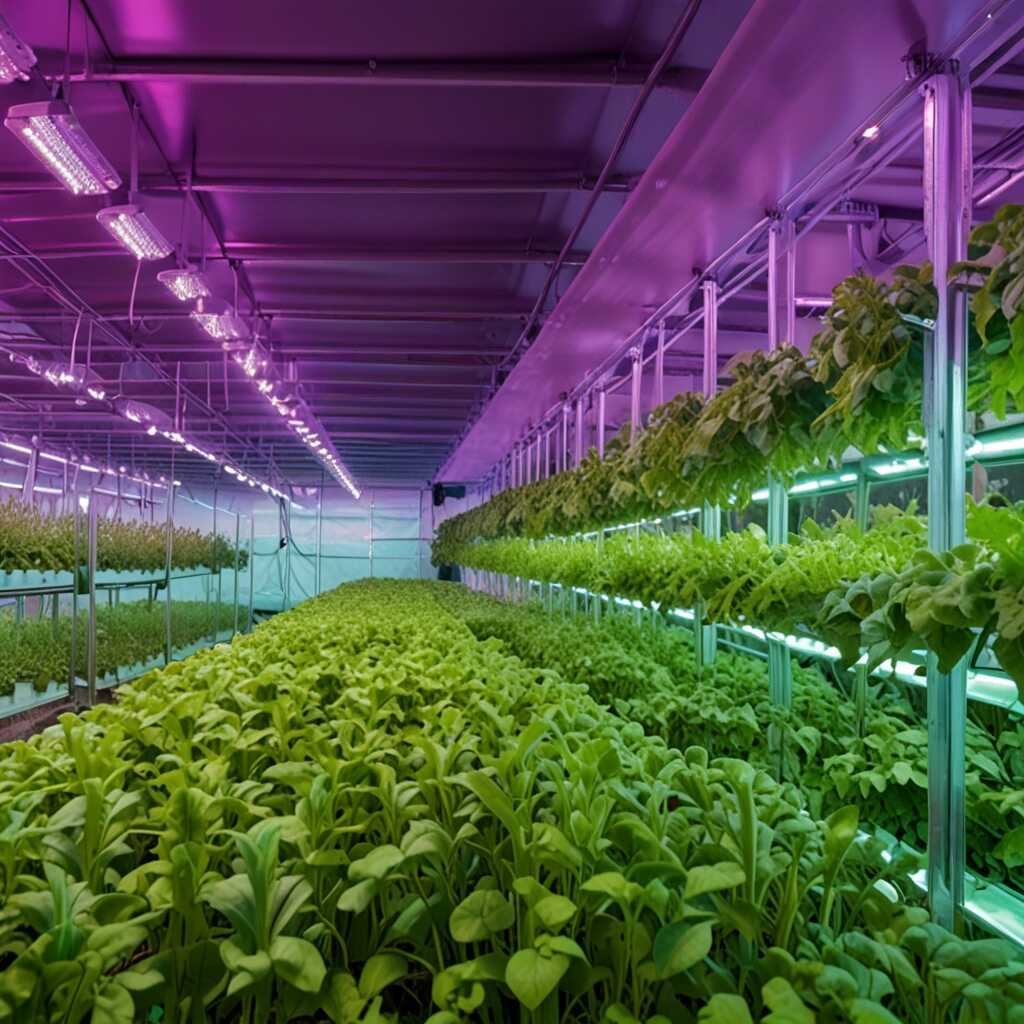
Leaf temperature plays a crucial role in plant growth. It directly impacts photosynthesis, respiration, and transpiration processes. Optimal leaf temperature enhances these physiological processes, promoting healthy growth. Different light sources, such as LED grow lights or fluorescent bulbs, can significantly affect leaf temperatures. Properly managing these temperatures is essential for ensuring indoor plants thrive. Research shows the optimal leaf temperature generally ranges from 70°F to 85°F (21°C to 29°C). This range helps achieve the best growth results, enabling plants to display robust health.
How Light Sources Impact Leaf Temperature
Different light sources have varying effects on leaf temperature. For example, LED grow lights emit less heat than traditional bulbs, which can help maintain an ideal temperature for plants. Indoor gardening techniques that utilize full spectrum lighting help ensure leaf temperatures remain within that optimal range. These techniques improve the efficiency of photosynthesis and other biological processes essential for plant growth. Using a reliable thermometer to monitor leaf temperature ensures plants receive the best lighting conditions for their respective growth stages. Proper testing and experience in managing light exposure can lead to improved results in indoor gardening.
Key Numerical Insights on Heat Variation in Indoor Foliage
- Leaf temperature can vary by 10°F to 20°F based on light type used.
- LED grow lights can reduce leaf temperature by 4°F compared to traditional bulbs.
- Plants can absorb up to 90% of light energy provided by their grow lights.
- Studies show that optimal leaf temperatures range between 70°F to 85°F.
- Higher temperatures can cause leaf stress and reduced growth rates.
- Plants receiving more light typically exhibit a 20%-30% increase in photosynthesis.
- Leaf temperature adjustments can occur within 5 minutes of changing light sources.
Techniques for Accurately Monitoring Leaf Temperature Indoors
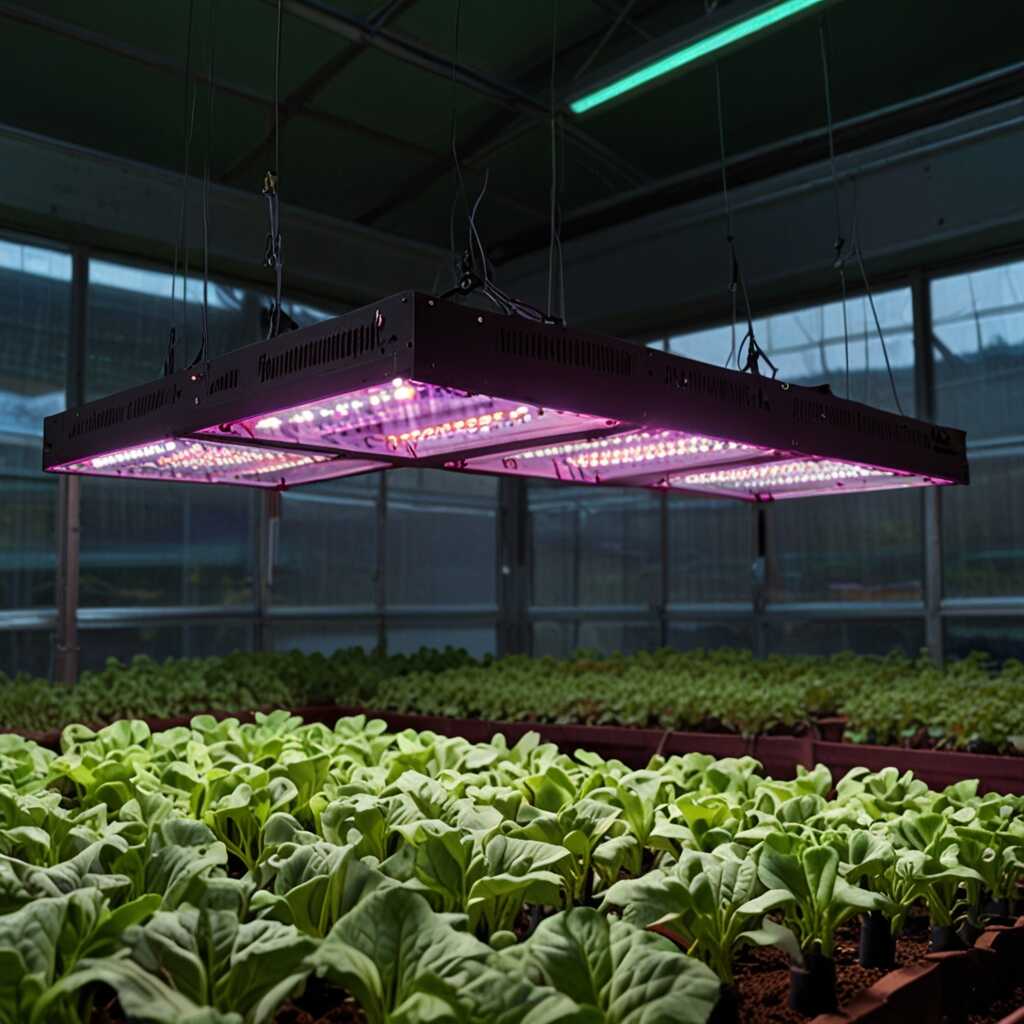
Reliable methods for monitoring leaf temperature indoors include infrared thermometers, thermocouples, and data loggers. Infrared thermometers provide quick surface temperature readings without contact, which is useful for sensitive leaves. Thermocouples can be placed directly on the leaf surface for accurate measurements. Data loggers help track temperature changes over time, providing detailed results essential for understanding plant responses to lighting. When selecting instruments, consider features like durability and measurement range to ensure they meet your gardening needs.
Best Instruments for Measuring Leaf Temperature
When looking for the best instruments for measuring leaf temperature, ensure they include features that enhance performance. Infrared thermometers should offer accuracy within 2 degrees Celsius. Look for models with a laser guide for easy targeting. Thermocouples should be flexible and able to handle high humidity. Data loggers need to provide real-time tracking and data storage capabilities. Select reliable instruments known for their durability, offering good warranty conditions. This selection will greatly enhance your indoor gardening experience, allowing you to maintain optimal leaf temperature for flourishing plants.
Advantages of Using Full Spectrum Lighting for Plant Growth
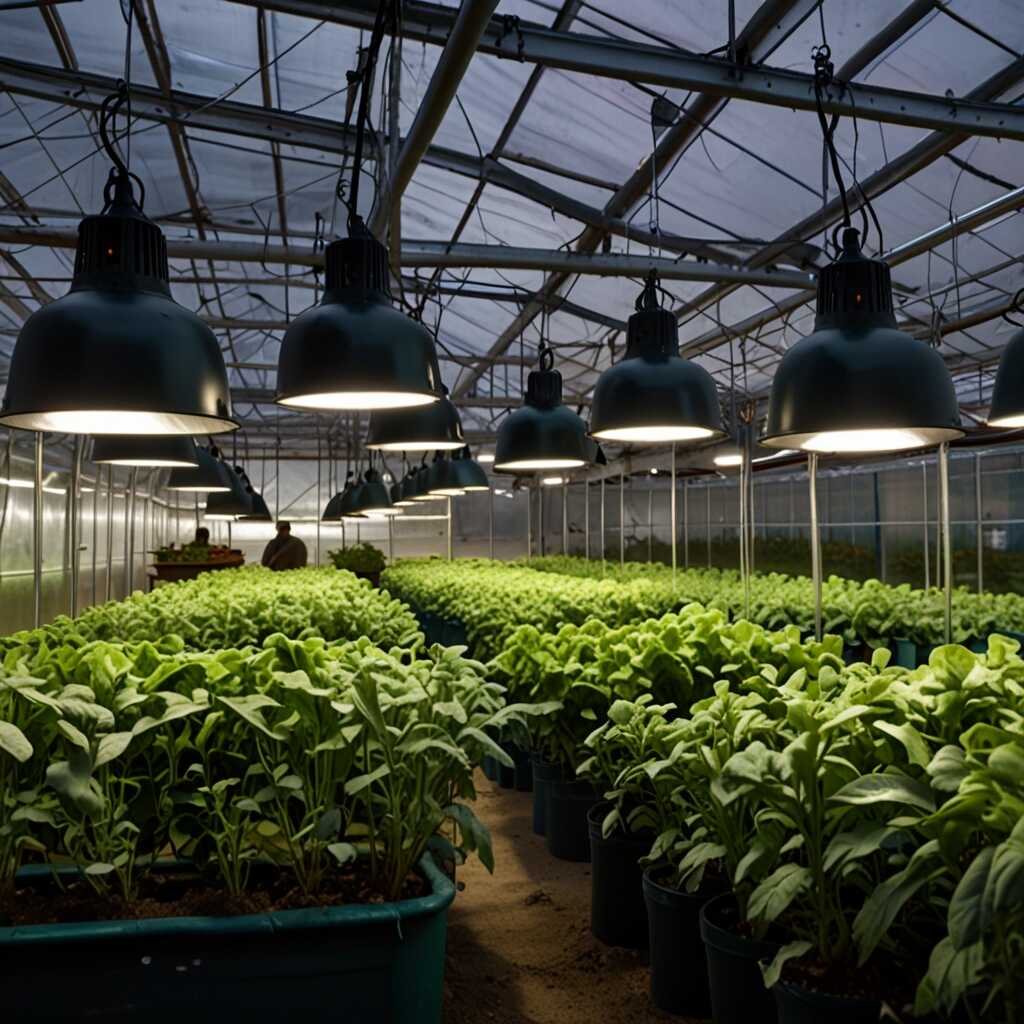
Full spectrum lighting provides essential wavelengths that support indoor plant growth across various stages, including germination, vegetative growth, and flowering. Different types of plants, such as tomatoes and basil, thrive under this lighting because it mimics natural sunlight. Research shows that the right full spectrum lights can enhance growth rates by up to 25% weekly. This increased efficiency results from maintaining optimal leaf temperatures, promoting photosynthesis and vitality in plants.
How Full Spectrum Lighting Enhances Leaf Temperature
Full spectrum lighting plays a vital role in regulating leaf temperature in indoor plants. This type of lighting distributes heat evenly and maintains a stable environment, minimizing stress on plants. Studies reveal that maintaining an optimal leaf temperature range helps maximize photosynthesis rates and prevents issues like leaf curl or discoloration. When plants are consistently provided with full spectrum lighting, they exhibit greater overall health and improve their ability to thrive indoors, further contributing to your indoor gardening success.
Advantages of Understanding Light Influence on Plant Heat
- Appropriate light sources improve plant health and vigor.
- Using the right lights can lead to greater yields and growth.
- Proper heating helps prevent diseases associated with stress.
- Choosing the right lighting prevents leaf burn and sun damage.
- Humidity levels can stabilize when plants grow optimally.
- Understanding heat enables better timing for watering and fertilizing.
- Improved leaf temperatures increase photosynthesis efficiency.
Understanding the Relationship Between Light Intensity and Temperature
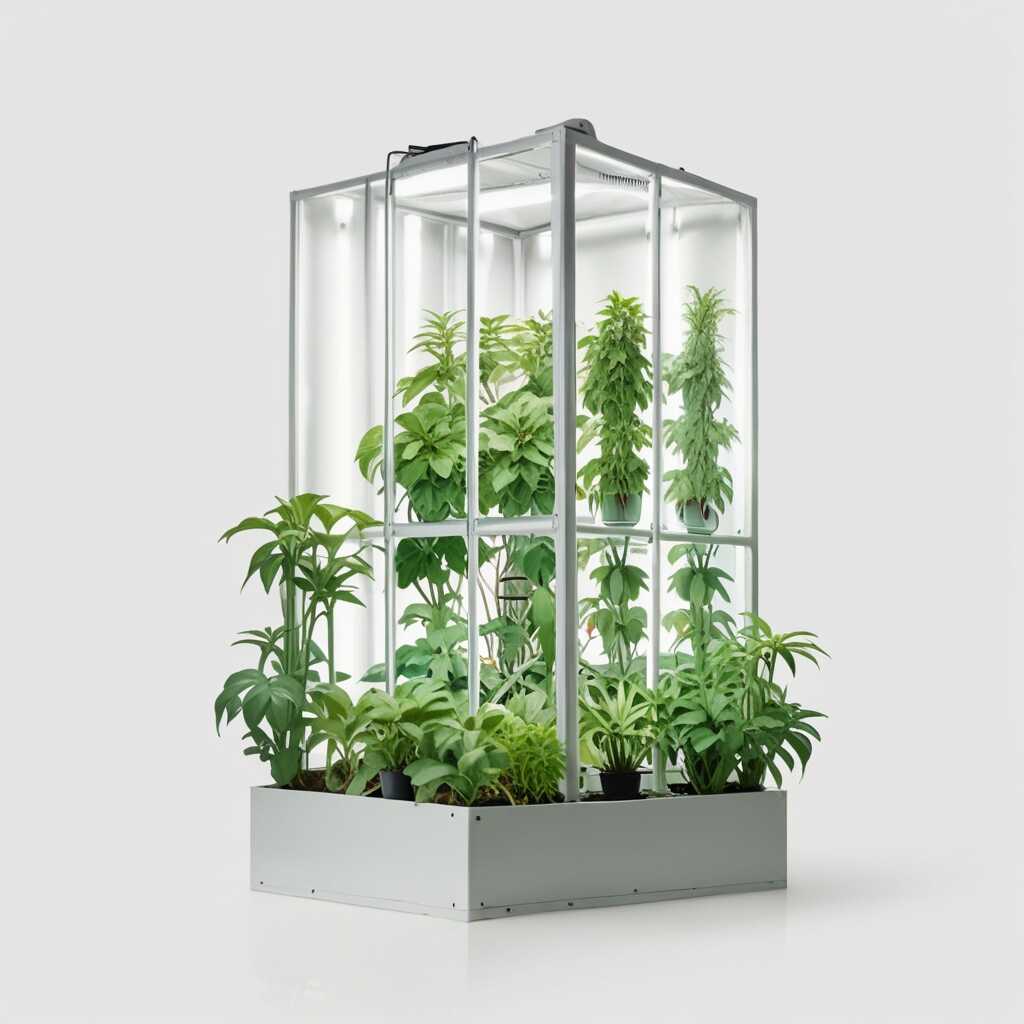
Light intensity significantly impacts leaf temperature in indoor plants. Higher light intensity typically raises leaf temperature due to increased absorption of light energy. Different types of light sources, like LED and fluorescent lights, can produce varying heat outputs affecting leaf temperature dynamics. For example, LED grow lights tend to run cooler than traditional incandescent bulbs. Awareness of light duration exposure is essential as prolonged exposure to high-intensity light can lead to overheating. Identifying the optimal light intensity range for each plant type enhances their growth and prevents stress caused by excessive heat.
Exploring Optimal Light Intensity Levels for Indoor Plants
The optimal light intensity levels for indoor plants generally fall within 200 to 800 micromoles per square meter per second. Each plant species has unique needs. For instance, leafy greens thrive at lower intensities, while fruiting plants prefer higher levels. Testing different light sources provides data on how they affect leaf temperature and growth efficiency. Regular monitoring helps gardeners understand how light impacts their plants. Conducting reliability tests ensures the chosen light sources deliver consistent results without overwhelming their plants.
Avoiding Common Mistakes When Using Indoor Grow Lights
Indoor gardeners often make mistakes when using grow lights. Choosing the wrong type of light can hinder plant growth. Each light type, like LED or fluorescent, has unique effects on plants. Some gardeners underestimate the importance of light duration. For most indoor plants, 12-16 hours of light each day is essential for healthy growth. Selecting lights without considering plant types can also lead to poor performance. Ensure your grow light matches your plants’ needs for the best results.
Understanding Light Types and Their Impact
Different grow light types significantly influence indoor plant growth performance. LED lights are energy-efficient and deliver a full spectrum of light. They can handle varying plant stages from germination to flowering. Fluorescent lights, while less efficient, are affordable and suitable for seedlings. The spectrum of light provided by LEDs enhances photosynthesis, enabling faster growth and healthier plants. Choose a grow light that offers proper wavelengths for your specific plants. This research helps prevent common mistakes and boosts overall gardening success.
Brands and Their Appeal for Indoor Plant Lighting Solutions
- Hydrofarm offers varieties suited for beginners but may lack advanced options.
- Germination Station provides multi-purpose kits, appealing to inexperienced growers.
- Sunblaster lights ensure efficient energy use, catering to eco-conscious users.
- Fluence Bioengineering gives professional-grade options for serious enthusiasts.
- GE Grow Lights are easily available but have limited spectrum choices.
- General indoor gardeners favor brands with great warranties and customer service.
- Plant scientists often select high-performance brands for research and studies.
Guidelines for Selecting the Best Grow Lights for Your Plants
When selecting grow lights for indoor plants, consider several factors. The type of plant and its growth stage are crucial. Seedlings need less light than mature plants. Assess the light spectrum range. Blue light supports vegetative growth while red light encourages flowering. Fixture energy efficiency matters too. LED grow lights provide superior efficiency and longevity compared to fluorescent options. Reviews show LEDs can last over 50,000 hours. Wattage varies based on pot size. For a 2-gallon pot, 20 to 40 watts of LED light works well. A 5-gallon pot may require 40 to 80 watts. These choices enhance plant growth and health.
Comparing Different Types of Grow Lights
When comparing LED and fluorescent grow lights, several key factors influence performance and efficiency. LED grow lights have proven to be more energy-efficient, delivering about 90% more usable light for plants. They generate less heat, making them safer for foliage. Fluorescent lights are generally less expensive upfront but consume more energy over time. Additionally, LEDs provide a full spectrum of light, ensuring all plant growth stages receive proper wavelengths. Choosing the right type can dramatically improve results. Research indicates that plants under LED lighting grow faster and yield more healthy produce. Make informed decisions based on your plants’ requirements.