
Exploring photoperiod responses of long-day and short-day plants reveals how light duration affects plant growth. Understanding these responses can enhance your indoor gardening experience and lead to healthier plants. At Green Writer, we provide insights into the specific needs of long-day and short-day plants, helping you optimize your indoor garden. This article will offer practical advice on using grow lights for your plants’ varying light requirements.
Understanding the Photoperiod and its Importance for Plants
Photoperiod refers to the duration of light exposure that plants receive in a 24-hour period. This aspect of their environment is essential for their development. It influences processes such as flowering and growth stages. Long-day plants require more than 14 hours of light for successful flowering, while short-day plants typically require less than 12 hours. Long-day plants like spinach and lettuce thrive with extended light, often producing flowers and seeds when days are longer. Conversely, short-day plants such as chrysanthemums only bloom when nights are longer, making light duration critical. Overall, understanding these differences helps gardeners create the right lighting conditions indoors.
Specific Light Requirements for Flowering
Different plants have unique light preferences, making the right light duration vital. Long-day plants, for instance, flourish and bloom when they receive at least 14 hours of light, encouraging robust growth and flowering. In contrast, short-day plants need less than 12 hours of light to trigger their flowering processes. Understanding the specific light durations required can significantly enhance your indoor gardening experience, ensuring plants receive adequate exposure. Utilizing grow lights effectively can help replicate these conditions. Quality light systems, like LED grow lights, provide the right wavelengths conducive to each plant’s requirements. This way, you can enjoy a vibrant garden throughout the year.
Characteristics and Care of Long-Day Plants
Long-day plants are characterized by their need for extended daylight periods, typically requiring 14 to 18 hours of light daily to thrive. These plants rely on longer daylight to trigger flowering and promote healthy growth. Examples of popular long-day plants that flourish indoors include spinach, lettuce, and certain varieties of petunias. When growing these plants, ensuring proper light conditions is essential for their successful development.
Best Lighting Practices for Long-Day Plants
For long-day plants, providing optimal light conditions involves using full-spectrum grow lights that mimic natural sunlight. Full-spectrum lights include blue and red wavelengths, which support effective photosynthesis. Position lights about 12 to 24 inches above the plants to prevent burning while ensuring adequate light absorption. Long-day plants benefit from consistent light schedules, and using timers can help achieve this. Experimenting with different durations can enhance plant performance and yield, helping gardeners understand what works best for their specific varieties.
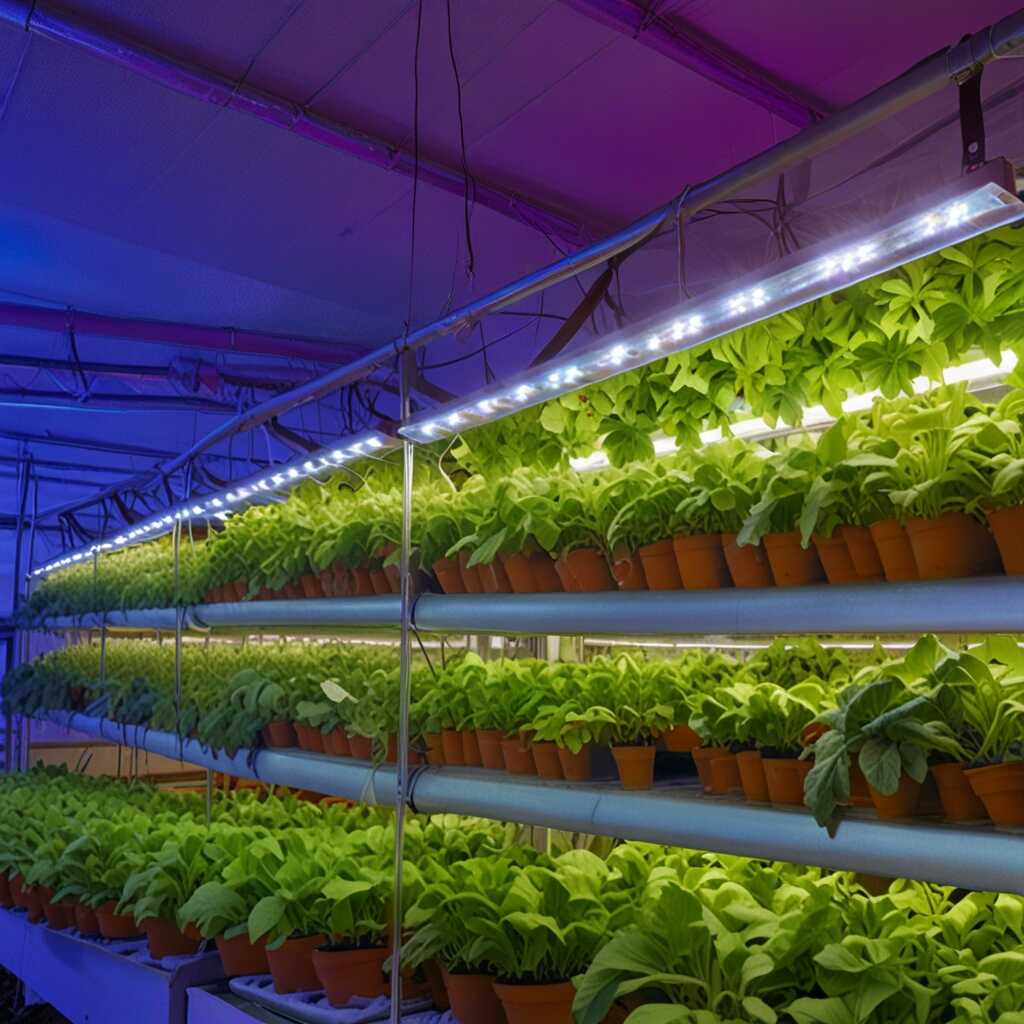
How Short-Day Plants Thrive with Limited Light
Short-day plants thrive by depending on specific light and dark cycles. Typically, they require a minimum of 12 hours of uninterrupted darkness to trigger blooming. This makes plants like poinsettias, chrysanthemums, and some types of strawberries classified as short-day plants. They are designed to adapt to seasonal shifts, responding to the shorter daylight hours of fall and winter. Providing the right light conditions is essential for indoor gardeners who want to successfully cultivate these plants. Grow lights can help queue the darkness needed to ensure proper growth and flowering.
Understanding the Ideal Conditions for Short-Day Plants
Understanding the ideal conditions for short-day plants involves knowing their light cycles. These plants need at least 12 hours of complete darkness each day. While periods of light are beneficial, too much light can prevent them from blooming. Indoor gardeners should consider using blackout curtains or timers for their grow lights to simulate these dark periods. It is essential to maintain a stable, cool temperature during their dark cycle to enhance blooming. The right balance of light and darkness will lead to the best results in indoor gardening. Following these practices improves the chances of vibrant blooms.
Statistical Insights on Plant Light Preferences
- Long-day plants flourish with 14-18 hours of light daily.
- Short-day plants thrive with light durations under 12 hours.
- Approximately 30% of flowering plants are classified as long-day varieties.
- Over 40% of major crops depend on specific light conditions, including long-day and short-day plants.
- Plants can sense light wavelengths from 400 to 700 nanometers effectively.
- Studies show that photoperiod impacts plant yield by over 25% in some species.
- Grow lights can extend effective day length by up to 18 hours, ensuring plant growth.
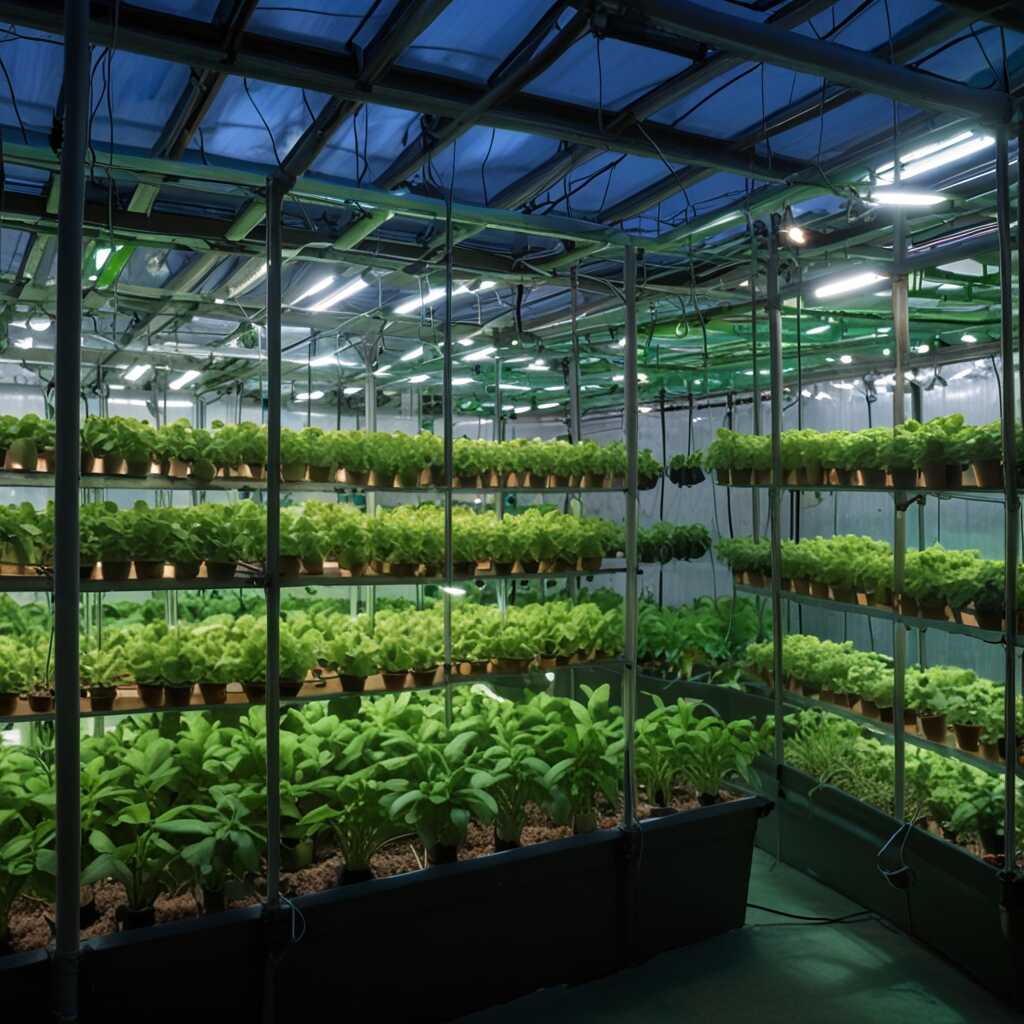
How Grow Lights Support Plant Photoperiod Requirements
Grow lights simulate natural light conditions by providing specific light wavelengths that meet the needs of long-day and short-day plants. They help maintain the essential photoperiod that these plants require for optimal growth. For long-day plants, grow lights emit light for around 14 to 16 hours, promoting flowering and growth. Conversely, short-day plants require less light, typically about 10 to 12 hours. When selecting grow lights, lighting types like LED and fluorescent are effective for indoor gardening solutions. These lights provide energy efficiency and long-lasting performance. Each type offers unique features suitable for different plant growth stages and can enhance overall plant health.
Choosing the Right Grow Light for Your Indoor Garden
When choosing grow lights for your indoor garden, consider the specific needs of your plants. Long-day plants thrive under LED lights, which can provide the full spectrum necessary for effective growth. The best LED lights can handle various growth stages, from seedlings to flowering. Short-day plants may perform better with a timed light schedule using lower-efficiency lights. Always compare the reliability and efficiency of different brands, ensuring you select lights that provide consistent performance. Good reviews from other indoor gardeners can guide your choice. Proper light duration coupled with the right type of grow light ensures your plants flourish in an environment that mimics their natural habitat.
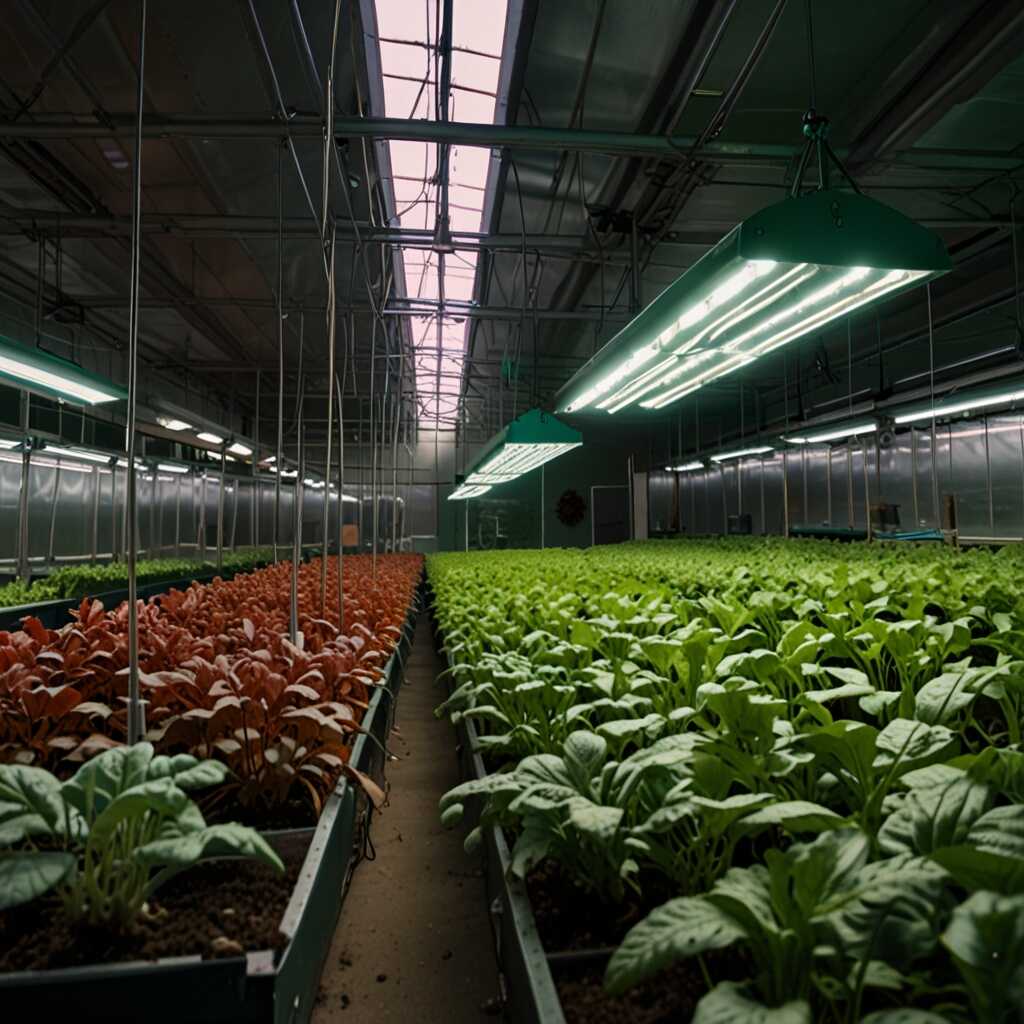
Analyzing the Effects of Light Quality on Plant Growth
Light quality significantly impacts the growth of long-day and short-day plants. Long-day plants, like spinach and clover, thrive with 14-18 hours of light. Short-day plants, like chrysanthemums and other flowering species, prefer 10-12 hours of light to encourage blooming. Understanding these differences helps indoor gardeners choose the right light duration. Plants need the ideal light quality to ensure optimal growth. Full spectrum light provides essential wavelengths for different growth phases. This means your choice in LED grow lights can enhance plant health by delivering the specific light needed for each plant type.
Understanding the Importance of Light Spectrum
The light spectrum plays a crucial role in plant health and growth stages. Different wavelengths of light affect photosynthesis, germination, and flowering. For example, blue light (400-500nm) supports vegetative growth, while red light (600-700nm) promotes flowering and fruit development. Long-day plants benefit from higher blue light exposure during the growing season, boosting leaf growth and overall health. Short-day plants thrive with red light as they approach their bloom phase. Indoor gardeners can optimize growth by using full spectrum lights mimicking natural sunlight, ensuring plants get the right light for their specific needs.
Advantages of Optimal Light Exposure for Plants
- Boosts growth rates significantly in long-day cultivars.
- Helps short-day plants bloom and set fruits more efficiently.
- Enhances nutritional quality of produce through specific light wavelengths.
- Improves plant health by reducing stress and disease susceptibility.
- Encourages robust root systems, leading to better soil nutrient absorption.
- Allows gardeners to control blooming times and harvest schedules.
- Fosters a more vibrant indoor garden aesthetic and improved air quality.
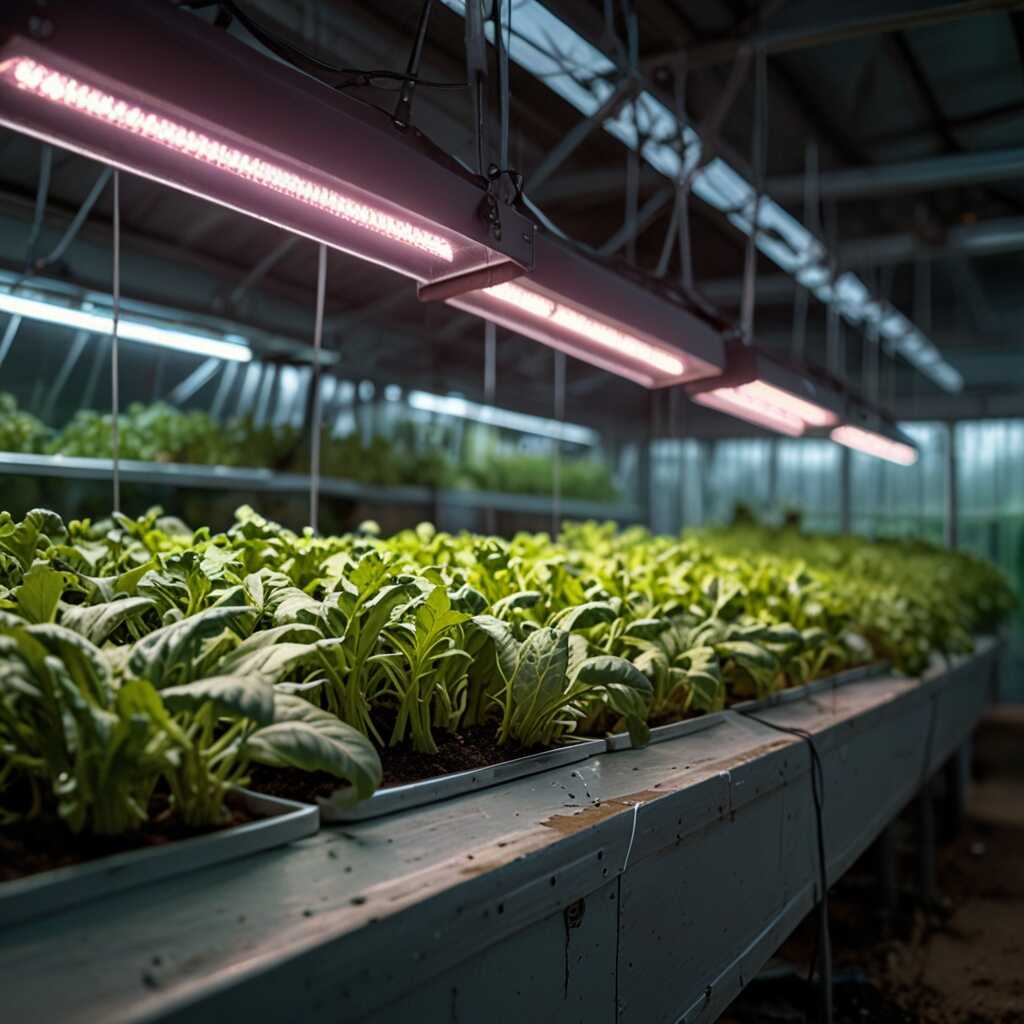
Effective Strategies for Lighting Management in Indoor Gardens
Long-day and short-day plants benefit from specific lighting arrangements. For long-day plants, choose light sources that provide at least 14 to 16 hours of light daily. For short-day plants, arrange them to receive less than 12 hours of light for optimal growth. Effective integration of artificial light sources like LED grow lights can enhance these conditions, ensuring that your plants thrive. Combining natural light and artificial sources can improve plant health significantly. Use sheer curtains to diffuse sunlight during peak hours, maximizing available light without burning the leaves. Ensure exposure to light aligns with the plants’ needs, allowing you to create an efficient indoor garden.
Understanding Light Duration for Specific Indoor Plants
Different indoor plants require various light exposures to grow effectively. Long-day plants, like spinach and lettuce, thrive with 14 to 16 hours of light. Short-day plants, including chrysanthemums, prefer less than 12 hours. Regularly monitoring and adjusting your lighting system helps maintain the right balance. Use a timer for your artificial lights. This automation delivers a consistent daily duration that supports reliable growth. Ideally, varying light periods can help mimic seasonal changes, enabling plants to adapt and flourish indoors. Understanding the needs of your specific plant type ensures effective and beneficial lighting management.
Avoiding Common Lighting Mistakes in Indoor Gardening
Indoor gardeners often overlook essential lighting requirements leading to poor plant health. Common mistakes include using inadequate light intensity, failing to consider the unique needs of long-day and short-day plants, and underestimating the importance of light duration. Different plants require specific light types for their growth stages, such as vegetative growth or flowering. It’s vital to choose the right grow light type, such as LED or fluorescent, to ensure adequate coverage. Most indoor plants typically need between 12 to 16 hours of light daily to thrive. Use timers to provide consistent lighting, enhancing the plants’ overall health.
Choosing the Right Grow Lights for Your Plants
Selecting the best grow lights is crucial for indoor gardening success. Long-day plants flourish with extended light hours, while short-day plants may require less. Full spectrum grow lights are optimal as they cater to various growth stages by emitting a balance of light wavelengths. For example, LED grow lights are highly efficient, lasting over 50,000 hours, and can simulate natural sunlight to boost indoor plant growth. Make sure to review performance specifications such as lumens and color temperature. Assess your plants’ needs and compare light features to enhance their growth effectively.
Diverse Audiences Engaging with Plant Light Research
- Horticulture students study photoperiod effects to manage plant growth.
- Indoor gardeners use insights to optimize their grow light setups.
- Plant scientists conduct research on flowering mechanisms in long-day and short-day plants.
- Eco-conscious homeowners adopt sustainable gardening practices informed by light preferences.
- Commercial growers aim to maximize production through efficient light use.
- Botanical enthusiasts appreciate the science behind plant behavior.
- Organic farmers use photoperiod knowledge to align crops with natural light cycles.
Inspiring Success Stories of Indoor Gardening with Proper Lighting
Indoor gardeners have shared remarkable stories of success using grow lights. Many found that with proper photoperiod management, plants like tomatoes and peppers thrived, producing larger fruits and higher yields. Grow lights enabled gardeners to mimic natural light conditions, allowing them to grow their favorite plants year-round regardless of seasonal changes. A multitude of users reported experiencing 30% to 50% improvements in growth rates, showcasing the effectiveness of LED grow lights. These success stories not only inspire but also offer innovative gardening ideas that can help improve your own indoor gardening practices.
Specific Plants That Thrive with Grow Lights
Specific plants like basil, lettuce, and succulents greatly benefit from photoperiod management using grow lights. These plants require precise light conditions for optimal growth. LED grow lights provide full spectrum lighting, covering all wavelengths needed for photosynthesis. For example, basil grows faster when exposed to 14-16 hours of light per day. Many gardeners have reported that by adjusting the light duration, their basil plants became bushier with a vibrant green color. This goes to show that understanding the needs of each plant and using effective grow lights can dramatically enhance indoor gardening results.