
Proper light distance adjustments prevent leggy seedlings by positioning grow lights 6-12 inches above young plants, depending on light type and seedling stage. LED grow lights work best when placed 12-24 inches away, while fluorescent lights should stay 6-12 inches from seedlings to provide adequate light intensity without causing stretching.
Essential Role of Light in Seedling Development
Light intensity directly controls seedling structure and prevents the weak, spindly growth characteristic of leggy plants. Seedlings stretch toward insufficient light sources, creating tall stems with poor stability and reduced leaf development. The optimal lighting solution involves full-spectrum LED grow lights that provide the complete wavelength range needed for photosynthesis. These lights should deliver consistent intensity between 200-400 µmol/m²/s for healthy seedling development. Positioning lights at proper distances ensures seedlings receive adequate energy without heat stress or leaf burn.
Choosing the Right Light for Healthy Seedlings
LED grow lights offer the most effective solution for preventing leggy seedlings due to their adjustable intensity and full-spectrum coverage. Comparing different grow light options reveals that LEDs provide consistent light output while generating minimal heat. Position LED lights 12-24 inches above seedlings initially, then adjust height as plants grow taller. Fluorescent lights work well for budget-conscious gardeners when placed 6-12 inches from seedlings. Both light types require 12-16 hours of daily exposure to support strong stem development and prevent stretching behavior in young plants.
Understanding Leggy Seedlings and Their Causes
Leggy seedlings are characterized by elongated, weak stems that develop when plants stretch toward inadequate light sources. This condition occurs when seedlings allocate energy to vertical growth instead of developing thick stems and robust leaves. Common causes include insufficient light intensity, improper light distance, and inadequate daily light exposure. Seedlings experiencing light stress typically show pale coloration, thin stems, and excessive height relative to their leaf development. Testing different lighting configurations demonstrates that proper light positioning eliminates stretching behavior and promotes compact, sturdy growth.
How Light Distance Affects Seedling Growth Patterns
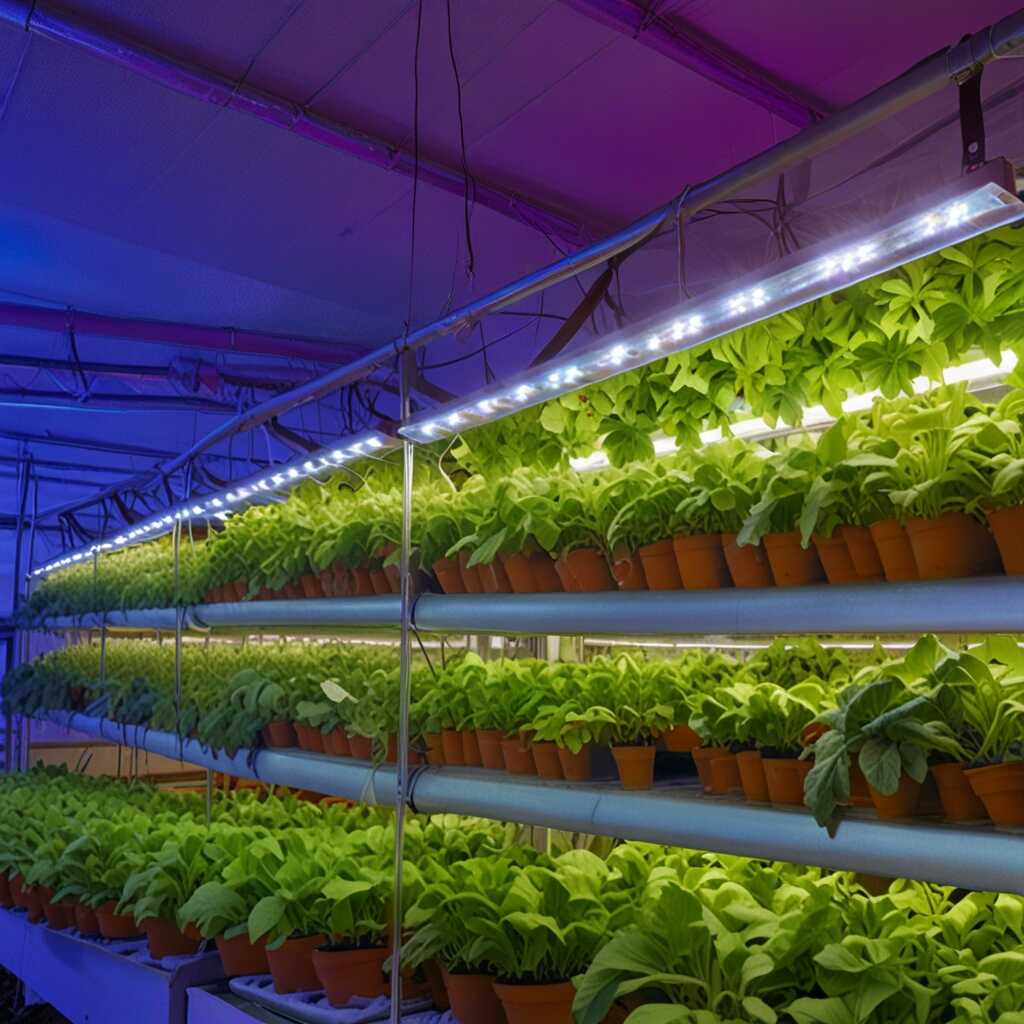
Light distance determines whether seedlings develop strong, compact structure or weak, elongated stems. When grow lights are positioned too far away, seedlings detect low light conditions and trigger elongation responses to reach the light source. This stretching behavior weakens stem structure and reduces the plant’s ability to support future growth. Conversely, lights placed too close can cause heat stress and leaf damage. The ideal distance varies by light type: LED grow lights perform best at 12-24 inches, while fluorescent lights should stay within 6-12 inches of seedling tops.
Step-by-Step Light Distance Adjustment Process
Successful light distance management requires systematic adjustments based on seedling growth stages and light type. Start by positioning LED grow lights 12-18 inches above newly sprouted seedlings, then monitor daily for signs of stretching or heat stress. Raise lights 2-3 inches weekly as seedlings grow taller, maintaining consistent distance throughout development. For fluorescent lights, begin with 6-8 inches distance and adjust upward as needed. Performance analysis of different setups shows that consistent monitoring and adjustment prevents both stretching and light burn damage.
Determining Optimal Distance for Different Light Types
LED grow lights require greater distance due to their concentrated light output and should be positioned 12-24 inches above seedlings depending on wattage. High-wattage LEDs (over 100 watts) need 18-24 inches distance, while lower-wattage units can be placed 12-15 inches away. Fluorescent lights generate less intense illumination and work best at 6-12 inches from seedling tops. T5 fluorescent fixtures provide adequate intensity at closer distances than T8 models. Compact fluorescent bulbs should stay 8-10 inches away to prevent both inadequate lighting and heat damage to delicate seedling leaves.
Quick Reference Guide for Light Positioning
- LED grow lights (under 50 watts): Position 12-15 inches above seedlings
- LED grow lights (50-100 watts): Maintain 15-18 inches distance from plants
- High-wattage LEDs (over 100 watts): Keep 18-24 inches away from seedlings
- T5 fluorescent lights: Place 6-8 inches above seedling tops
- T8 fluorescent lights: Position 8-12 inches from young plants
- Compact fluorescent bulbs: Maintain 8-10 inches distance consistently
- Adjust height weekly as seedlings grow taller to maintain optimal spacing
Comparing Grow Light Types for Seedling Success
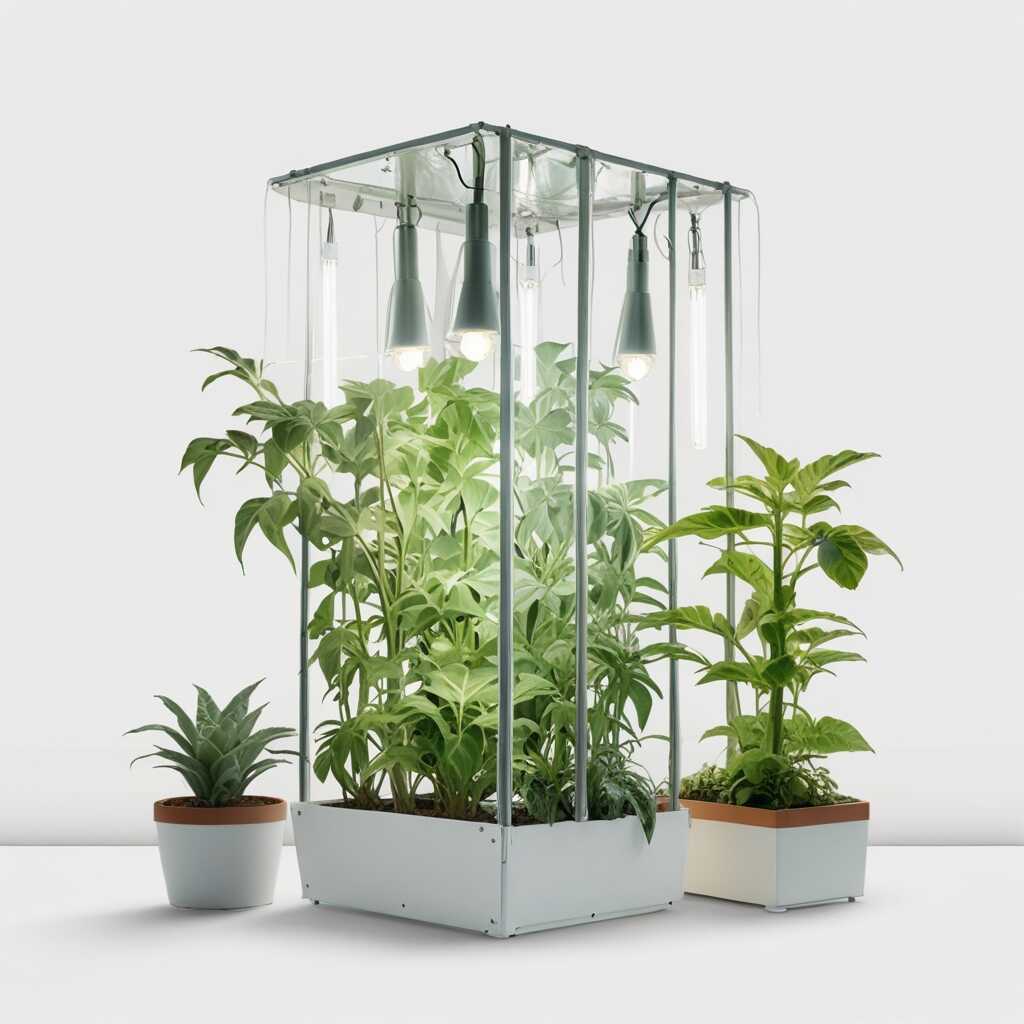
LED grow lights provide the most effective solution for preventing leggy seedlings due to their full-spectrum output and adjustable positioning capabilities. These lights deliver consistent intensity across the 400-700nm range while generating minimal heat, allowing closer placement without damaging delicate seedlings. Key attributes of quality grow lights include adjustable height mechanisms, full-spectrum output, and reliable heat management systems. Fluorescent lights offer budget-friendly alternatives with adequate intensity for small-scale seedling production, though they require closer positioning and more frequent adjustments than LED systems.
Cost Considerations for Different Lighting Options
LED grow lights typically range from $50-300 depending on coverage area and features, with quality units lasting over 50,000 hours of operation. Initial investment costs are higher than fluorescent alternatives, but energy efficiency and longevity make LEDs more economical long-term. Fluorescent grow lights cost $20-80 initially but require bulb replacements every 10,000-20,000 hours of use. Factor in electricity consumption when comparing options: LEDs use approximately 30-50% less energy than fluorescent lights while providing equivalent or superior light intensity for seedling development.
Identifying and Correcting Light-Related Problems
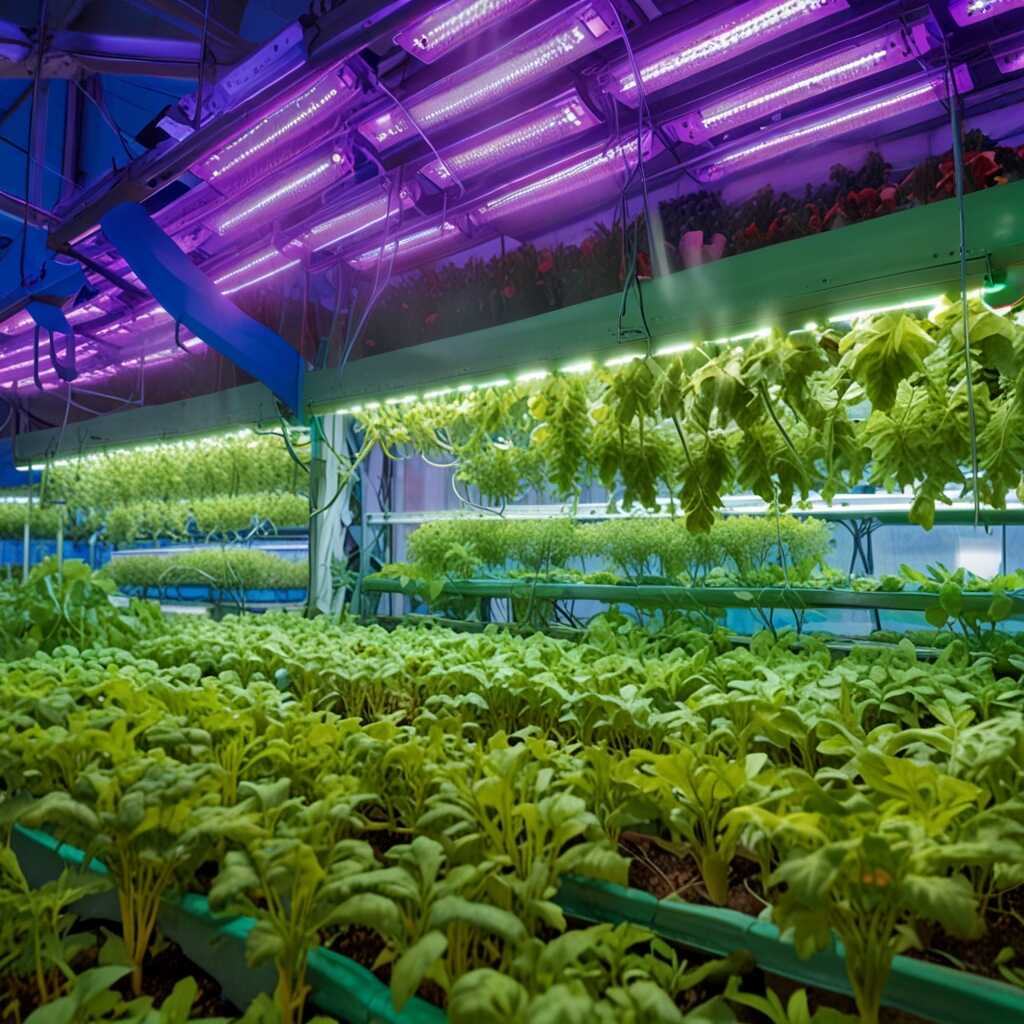
Early detection of light-related issues prevents permanent damage to seedling structure and development. Symptoms of insufficient light include elongated stems, pale leaf coloration, and excessive height relative to leaf size. Seedlings reaching toward light sources or developing thin, weak stems indicate inadequate light intensity or improper positioning. Conversely, brown leaf edges, wilting, or stunted growth suggest lights are positioned too close to seedlings. Safety requirements for grow light operation include proper ventilation, stable mounting systems, and regular monitoring to prevent overheating or electrical hazards.
Troubleshooting Common Seedling Light Problems
When seedlings show signs of stretching, immediately reduce light distance by 2-4 inches and increase daily exposure to 14-16 hours. If plants display heat stress symptoms like wilted or brown leaves, move lights 4-6 inches farther away and improve air circulation around the growing area. Uneven growth patterns indicate insufficient light coverage; adjust light position or add supplemental fixtures to ensure uniform illumination. Slow growth combined with normal appearance suggests adequate light intensity but insufficient daily exposure time.
Common Mistakes and Solutions
- Mistake: Setting lights too high initially – Solution: Start with minimum recommended distance
- Mistake: Forgetting to adjust height as plants grow – Solution: Check and adjust weekly
- Mistake: Using insufficient daily light duration – Solution: Provide 12-16 hours consistently
- Mistake: Ignoring early stretching signs – Solution: Reduce distance immediately when detected
- Mistake: Positioning lights too close initially – Solution: Follow manufacturer distance guidelines
- Mistake: Using inadequate light intensity – Solution: Upgrade to higher-quality fixtures
- Mistake: Inconsistent light scheduling – Solution: Use automatic timers for reliability
Height Management Throughout Seedling Development Stages
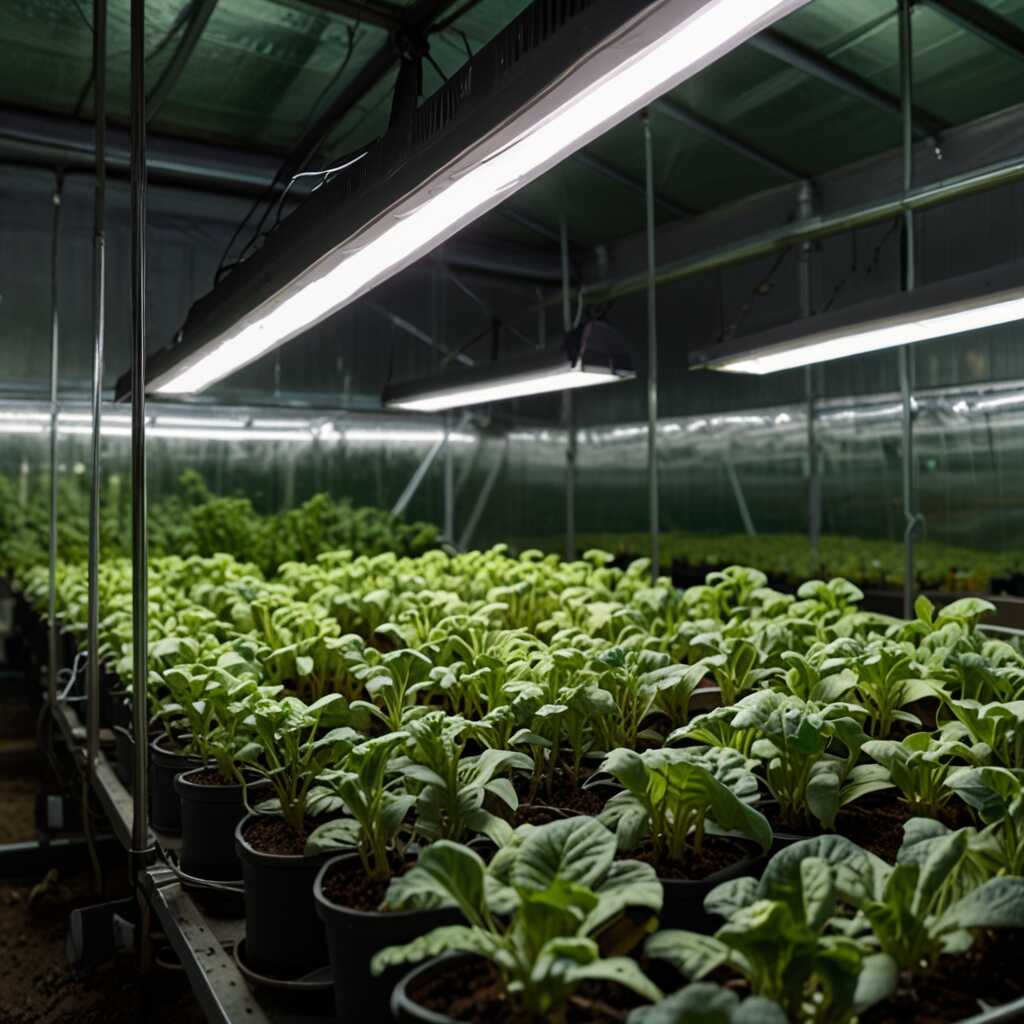
Successful seedling development requires systematic light height adjustments corresponding to plant growth stages and changing light requirements. During germination (days 1-7), position LED grow lights 12-15 inches above seed trays to provide gentle illumination without heat stress. As seedlings emerge and develop first true leaves (days 7-21), maintain consistent distance while monitoring for stretching behavior. Frequently asked questions about grow light management include optimal timing for adjustments and signs indicating distance changes are needed.
Stage-Specific Light Distance Guidelines
Germination stage requires gentle, consistent illumination with LED lights positioned 12-18 inches away to avoid disturbing delicate sprouting processes. Early seedling stage (first 2-3 weeks) benefits from lights placed 10-15 inches above plants to encourage strong stem development without stretching. Mature seedling stage (3-6 weeks) accommodates closer light positioning at 8-12 inches as plants develop stronger structure and higher light tolerance. Transplant-ready seedlings can handle lights positioned 6-10 inches away during final hardening phases before outdoor planting.
Creating Comprehensive Indoor Lighting Systems
Effective indoor lighting systems combine proper equipment selection, strategic positioning, and consistent monitoring to prevent leggy seedlings and promote healthy growth. Start with quality LED grow lights that provide full-spectrum output and adjustable height mechanisms for precise distance control. Final recommendations for grow light selection emphasize reliability, energy efficiency, and adequate coverage area for your specific growing space. Install automatic timers to maintain consistent 12-16 hour daily light cycles and use adjustable hanging systems for easy height modifications as plants develop.
Environmental Integration for Optimal Results
Temperature management works alongside proper lighting to prevent leggy seedlings and support healthy development. Maintain growing area temperatures between 65-75°F while ensuring adequate air circulation around light fixtures and plants. Humidity levels should stay between 40-70% to support seedling health without encouraging fungal problems. Combine these environmental factors with proper light distance management to create ideal growing conditions that promote compact, sturdy seedling development ready for successful transplanting.
Complete Setup Checklist for Success
- Install quality LED or fluorescent grow lights with adjustable height capability
- Position lights at manufacturer-recommended distances based on light type and wattage
- Set automatic timers for consistent 12-16 hour daily light exposure
- Monitor temperature range between 65-75°F in growing area consistently
- Maintain humidity levels between 40-70% using ventilation or humidifiers
- Check seedlings daily for signs of stretching or light stress
- Adjust light height weekly as plants grow taller to maintain optimal distance
Supporting Environmental Factors for Healthy Seedlings
Environmental conditions work synergistically with proper lighting to prevent leggy seedlings and ensure robust plant development. Temperature control maintains optimal growing conditions while proper lighting provides necessary energy for photosynthesis and structural development. Soil composition affects root development and nutrient uptake, which influences how effectively seedlings utilize available light energy. Cost analysis of complete growing systems shows that investing in quality environmental controls alongside proper lighting creates long-term value through improved plant success rates.
Soil and Nutrition Requirements for Light-Responsive Growth
Well-draining soil mixtures support healthy root development that enables seedlings to effectively utilize optimal lighting conditions. Combine equal parts peat moss, vermiculite, and perlite to create balanced growing medium with proper aeration and moisture retention. Maintain soil pH between 6.0-7.0 for optimal nutrient availability, which supports the energy processes that proper lighting enhances. Regular soil moisture monitoring prevents both drought stress and overwatering that can compromise seedling ability to respond positively to ideal light positioning and intensity.