
Reflective mulch techniques can significantly enhance plant growth by improving light utilization. This gardening method helps direct light towards plants, promoting healthier and more vigorous growth. At Green Writer, we provide insights on how using reflective mulch can support sustainability in your garden. By incorporating these techniques, you can boost the efficiency of light for your plants while contributing to eco-friendly practices.
Understanding the Basics of Reflective Mulch for Gardening
Reflective mulch is a gardening material designed to enhance light utilization for plants. It typically consists of shiny surfaces that reflect sunlight back towards the plants. This process can significantly improve light exposure for leafy greens and fruiting plants. By using reflective mulch, gardeners can create a microclimate that encourages optimal plant growth. Reflective mulch materials include aluminum foil, white plastic, and mylar. Each offers distinct advantages based on cost and effectiveness. Research shows that reflective mulch can improve light utilization by up to 30% compared to non-reflective options, highlighting its importance for both indoor and outdoor gardening. Reflective mulch is especially useful for areas with limited sunlight.
Types of Reflective Mulch Materials and Their Properties
Common materials for reflective mulch include aluminum foil, white plastic sheets, and mylar film. Aluminum foil is durable and very effective at reflecting light. It is easy to install and provides long-lasting performance. White plastic is another popular choice, known for its lightweight and straightforward application. Mylar is an advanced option that offers excellent light reflection and is often used in indoor gardening. Each type has unique properties that can enhance light utilization efficiency. Assessing the reliability of these materials through testing helps gardeners choose the best options for their specific plant needs.
How Reflective Mulch Enhances Photosynthesis in Plants
Reflective mulch enhances photosynthesis by increasing the amount of light that reaches plants. This type of mulch reflects sunlight back onto the plant leaves, enabling more light absorption. Light is essential for photosynthesis, the process that plants use to convert sunlight into energy. With a higher light intensity, plants can increase their growth rates and overall health. Studies have shown that reflective mulches can enhance light absorption by up to 30%, significantly boosting the efficiency of the photosynthesis process.
Types of Reflective Mulch and Their Effectiveness
Different types of reflective mulch, such as aluminum foil, white plastic, and mylar film, are available. Each type varies in its ability to reflect light effectively. Aluminum foil provides the highest reflective quality, ensuring maximum light reaches the plants. White plastic mulch reflects sunlight sufficiently while also keeping the soil temperature stable. Mylar film is an eco-friendly option that also offers good reflectivity and reusability. Consider these aspects while choosing the right reflective mulch to optimize plant growth.
Key Benefits of Using Reflective Mulch in Your Garden
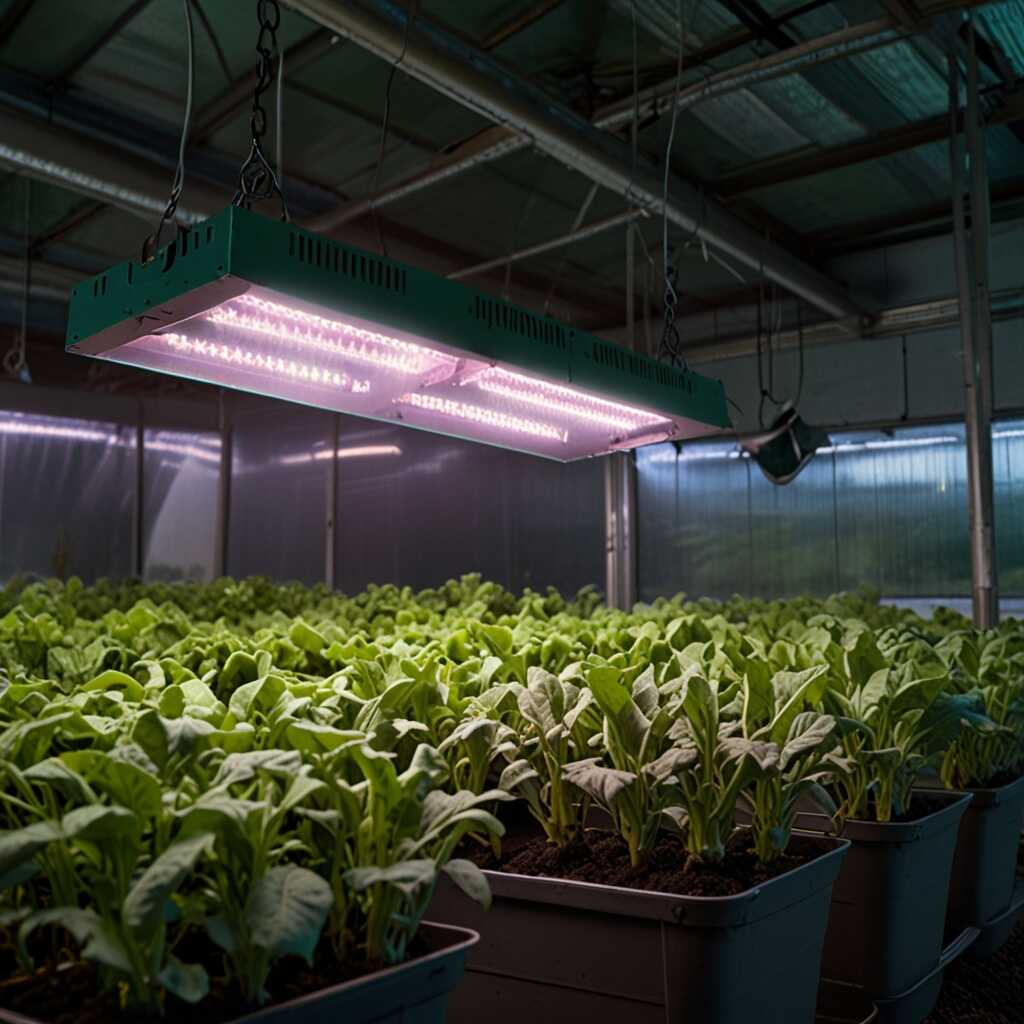
Reflective mulch offers several advantages for gardeners. It improves plant health by enhancing light utilization, which helps photosynthesis. This technique can lead to increased yields by providing more light to plants. Reflective mulch creates a microclimate that retains moisture, ensuring efficient resource use. It also repels pests due to its glare, reducing the need for chemical treatments. Using reflective mulch is an easy and eco-friendly method for enhancing gardening outcomes.
Comparing Reflective Mulch to Traditional Mulch
Reflective mulch significantly outperforms traditional mulch in various aspects. While conventional mulches may regulate temperature and retain moisture, reflective mulch optimally redirects sunlight to plants. This method enhances light spectrum availability, enabling plants to absorb more light for growth. Research indicates that plants under reflective mulch show improved health and resilience. The best performing reflective mulches are made from recycled materials, making them a sustainable choice for eco-conscious gardeners.
Fascinating Figures About Light Utilization Techniques
- Reflective mulch can increase light exposure by up to 30% for plants.
- This technique can improve yields by 10-20% depending on plant types.
- It can reduce soil temperature by 5-10 degrees Fahrenheit.
- Plants can grow faster, with some varieties maturing 1-2 weeks earlier.
- Using reflective materials can reduce water usage by 25% through lowering evaporation.
- Up to 70% of the sunlight can be directed to plant leaves with proper installation.
- Reflective mulch can enhance photosynthesis efficiency by 15-30% in certain growth stages.
Choosing the Best Reflective Mulch for Your Plants
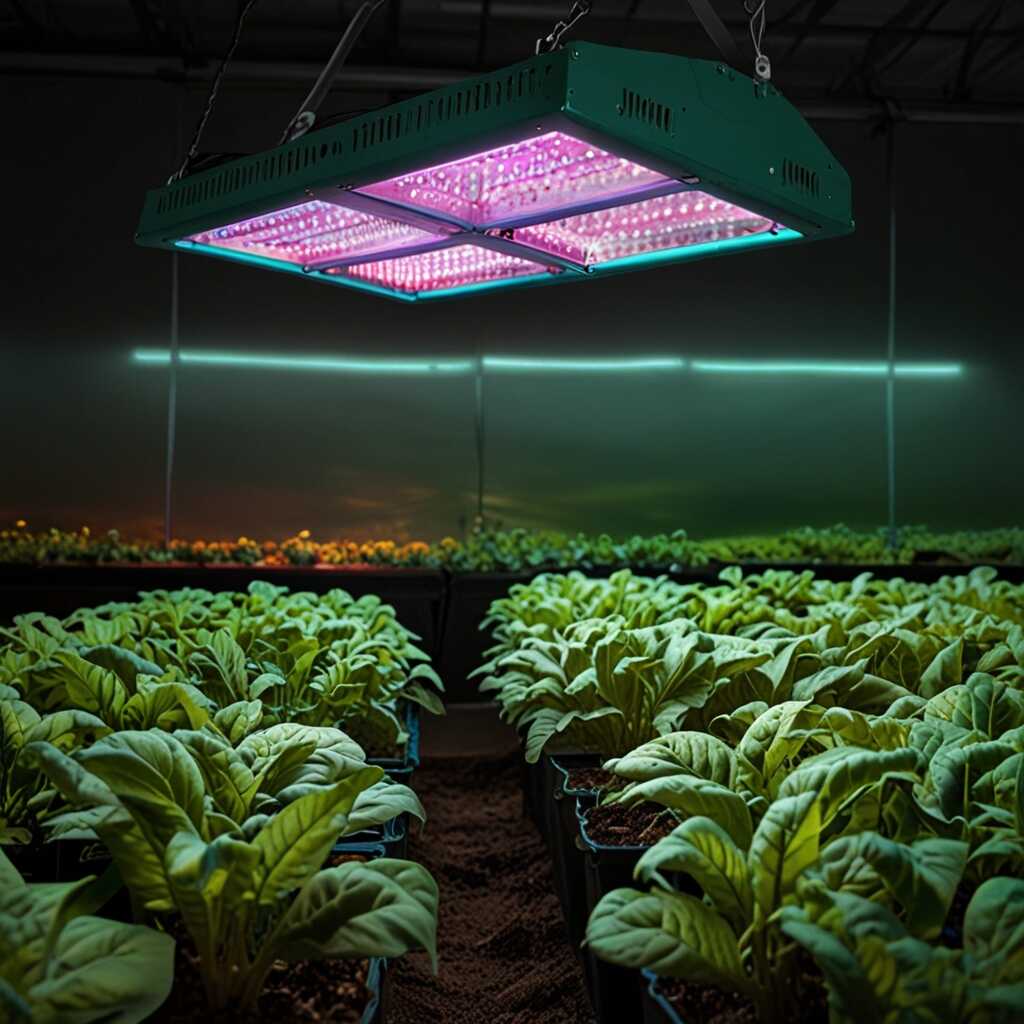
Gardeners have a variety of reflective mulch options to select from, including aluminum foil, Mylar, and metallic plastic. Each type has unique properties. Aluminum foil is highly reflective and helps to bounce light back to plants, increasing photosynthesis. Mylar mulch offers similar benefits and is lightweight, making it easy to handle. Metallic plastic mulches have varying degrees of reflectiveness and can help conserve soil moisture. The thickness of reflective mulch significantly affects its performance. Thicker mulches provide durability and long-lasting benefits but may also be more challenging to work with, especially in smaller garden spaces.
Understanding the Benefits of Different Reflective Mulch Types
Various reflective mulch types deliver distinct advantages for plant growth. Aluminum foil creates a highly reflective surface that maximizes light exposure for plants, enhancing their growth efficiency. Mylar is also very effective, as it can withstand being exposed to the elements while reflecting up to 90% of light. The durability of metallic plastic mulches enhances their usability, allowing them to last longer, even in humid environments. Proper testing shows that selecting the right type can improve yield by up to 20%. Research your options, and consider what your garden needs to achieve optimal results.
Step-by-Step Guide to Installing Reflective Mulch
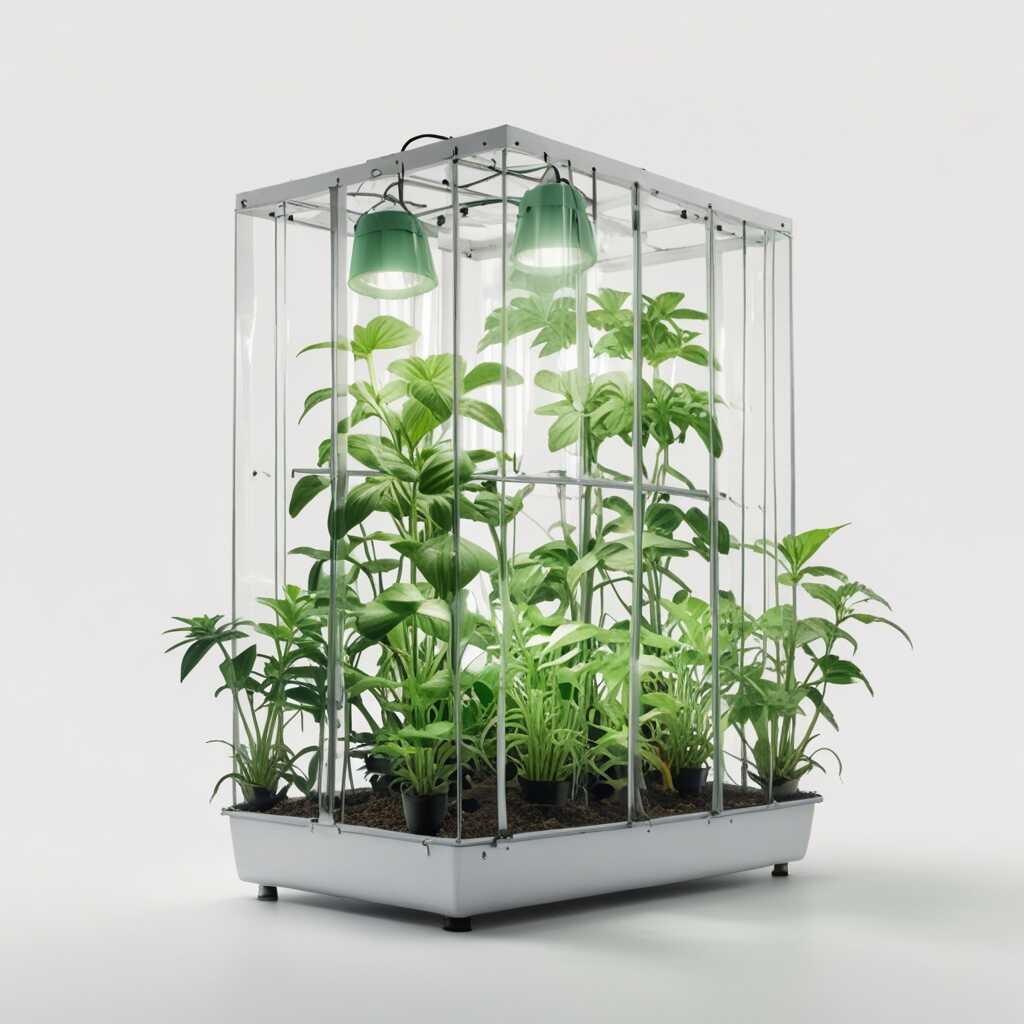
Reflective mulch enhances plant growth effectively by increasing light absorption and distribution under your plants. The right materials for reflective mulch include aluminum foil, reflective plastic, or mylar. These materials can significantly reflect sunlight back towards the plants. For optimal results, install approximately 2 to 3 inches of reflective mulch around the base of your plants. This depth ensures both moisture retention and effective light reflection. Regular maintenance includes checking for wear and tear and ensuring the mulch stays clean from debris, maximizing performance.
Essential Tips for Effective Reflective Mulch Maintenance
Maintaining your reflective mulch is crucial for achieving the best plant growth results. Regularly inspect for any discoloration or damage, as these can reduce reflective capabilities. Remove leaves and debris that accumulate on the mulch. This prevents mold and ensures the material can effectively reflect light. If your mulch is made of plastic or mylar, consider replacing it every season to maintain optimal efficiency. A well-maintained reflective mulch layer ensures that plants receive consistent light, ultimately enhancing their growth and vigor.
Key Advantages of Utilizing Light-Reflective Techniques
- This method promotes even growth and healthier plants overall.
- Reflective surfaces improve the light absorption for leafy greens and fruits.
- It minimizes weed growth by limiting the light they receive.
- Reflective mulch can boost soil temperature, aiding in seed germination.
- This technique helps conserve moisture, which is essential for plant health.
- Enhanced light exposure can lead to better fruit size and quality.
- It supports sustainable gardening by reducing the need for chemical treatments.
Avoiding Common Mistakes with Reflective Mulch Usage
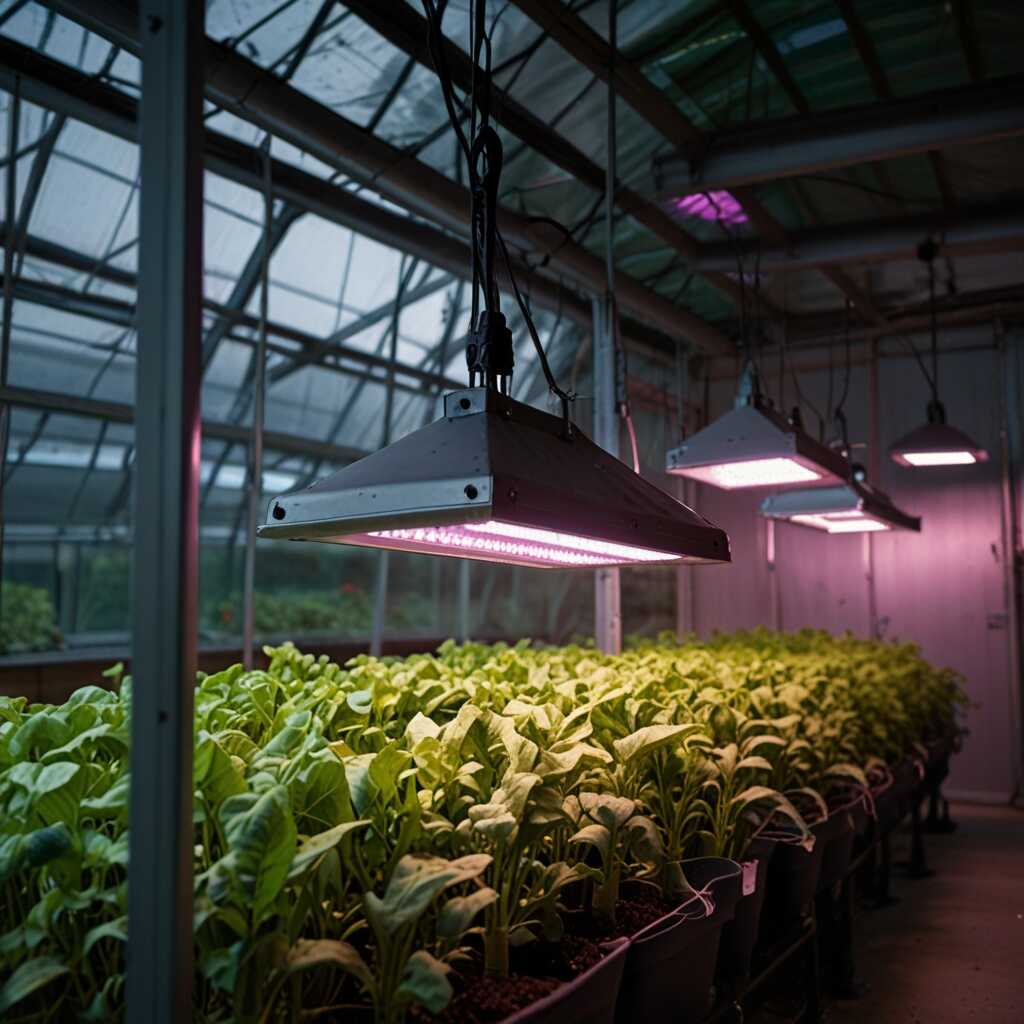
Common mistakes gardeners make with reflective mulch include applying it too late in the growing season, using it in unsuitable weather conditions, and not ensuring the mulch is positioned correctly to maximize light reflection. Gardeners must note that reflective mulch works best during peak sunlight hours to enhance light exposure for plants. It also should be positioned at an angle to adequately reflect sunlight onto the plants below. Misunderstanding the specific needs of different plants, such as tomatoes and peppers, can affect results as well. Each plant species may require a tailored approach for mulch placement, ensuring they receive the light benefits properly.
Optimal Techniques for Measuring and Applying Reflective Mulch
To achieve the best performance, gardeners should measure out reflective mulch based on their specific garden dimensions. It is advisable to use at least 2 to 4 layers per square foot for effective coverage. This thickness not only ensures good light reflection but also supports temperature regulation of the soil. Farmers who grow more sensitive plants, such as herbs or certain vegetables, should monitor how the mulch interacts with their plants. Evaluating your plants’ growth over time can provide data on what coverage works best, enabling adjustments for future planting seasons.
Comparative Analysis: Reflective Mulch vs Other Techniques
Reflective mulch enhances light utilization by directing sunlight towards plants, providing improved growth rates. It can reflect up to 90% of light compared to 10-20% with standard black or brown mulches. Alternative strategies include using light-colored surfaces, positioning plants to receive more sunlight, and incorporating mirrors or shiny materials around the garden area. Reflective mulch has proven to enhance photosynthesis efficiency significantly, making it a noteworthy option for gardeners. Additionally, using reflective or colored plastic films can also enhance light exposure and maximize growth.
Benefits of Reflective Mulch for Plant Growth
Reflective mulch provides numerous benefits for plant growth that other methods may not match. Its ability to reflect sunlight helps prevent overheating while ensuring plants receive adequate light. This approach can boost yields significantly, especially in early growing stages. Reflective mulch also assists in repelling pests by altering the light spectrum penetrating the plant canopy. Studies have shown that gardens using reflective mulch can yield up to 30% more produce compared to those using traditional methods. This combination of benefits makes reflective mulch an essential tool for gardeners aiming for sustainability and efficiency.
Common Users and Their Gardening Interests
- Home gardeners utilize these techniques for maximum yield in small plots.
- Eco-conscious growers appreciate the reduced need for pesticides.
- Urban gardeners enjoy the light-reflective traits in limited sunlight areas.
- Indoor plant enthusiasts use this to optimize growth in shaded environments.
- Community gardens integrate reflective mulch for communal vegetable plots.
- Professional growers seek effective methods to enhance crop quality.
- Garden beginners rely on these tools for easy successes in their gardening journey.
Optimizing Indoor Gardening Light with Reflective Mulch
Effective reflective mulch techniques can significantly improve light conditions in indoor gardening. Common types, such as aluminum foil and Mylar, are excellent options to boost light reflection. Combining these with indoor grow lights enhances overall efficiency for plant growth. When using reflective mulch, ensure it covers the soil surface to maximize the reflection of light. Many gardeners report up to a 30% increase in plants’ growth by using reflective surfaces paired with high-efficiency grow lights designed to deliver the right light spectrum.
Best Practices for Combining Reflective Mulch with Grow Lights
To optimize indoor gardening lighting, position grow lights 12-24 inches above the plants, depending on the light type. This distance enables plants to absorb the full spectrum while preventing light burn. Reflective mulch not only amplifies the light from grow lights but also assists in maintaining an even temperature around the plants. Regularly adjust your grow lights based on plant growth stage to enhance their efficiency. The combination of quality reflective mulch with reliable grow lights creates an environment where plants thrive and produce maximally.