
Enhancing plant secondary metabolites with specialized light formulas can significantly improve the quality of plant-derived products. By using specific light conditions, indoor gardeners can optimize plant growth and increase the concentration of beneficial compounds. Green Writer provides valuable insights into energy-efficient lighting technologies that support this process. Readers will learn how to harness the power of light to cultivate healthier plants and create eco-friendly environments.
What Are Plant Secondary Metabolites and Their Roles
Plant secondary metabolites are organic compounds that are not directly involved in growth or reproduction. These compounds play essential roles in plant health by providing defense against pests and diseases. They enhance plants’ survival and adaptiveness in varying environments. Secondary metabolites also offer significant human use applications. Common examples include alkaloids, terpenoids, and phenolics, which are utilized in pharmaceuticals and aromatherapy. Research shows that these compounds improve the quality of plant-derived products and enhance the sensory attributes of foods.
Common Types of Secondary Metabolites
Secondary metabolites fall into three main classes: flavonoids, terpenes, and alkaloids. Flavonoids are responsible for vibrant colors in plants and attract pollinators. Terpenes, known for their aromatic qualities, play a role in deterring herbivores. Alkaloids possess pharmacological properties that can provide health benefits to humans. These compounds enhance the quality of food products and medicinal applications. Understanding these types helps indoor gardeners and researchers optimize their plant cultivation practices.
The Relationship Between Light and Plant Growth Stages
Understanding the essential light requirements for plant growth stages is vital for indoor gardening success. During germination, seeds benefit most from lower light intensity as they establish roots. In the vegetative stage, plants need robust light to support leaf and stem development. Full-spectrum light mimics sunlight and promotes chlorophyll production, ensuring healthy growth. In the flowering stage, plants thrive with specific light wavelengths, particularly red and blue light. Research shows using proper light conditions can enhance the quality and yield of plant-derived products. Additionally, plants often require 12 to 16 hours of light daily during the vegetative phase for optimal growth.
Understanding Light Wavelengths and Their Impact
The impact of light wavelengths on plants cannot be underestimated. Blue light, with a wavelength around 450 nm, is crucial for vegetative growth. It promotes stronger stems and larger leaves. Red light, approximately 660 nm, is vital during the flowering stage, encouraging blooming and fruit production. Effective indoor gardening setups utilize a mix of blue and red light to cover all growth stages effectively. This dual-spectrum lighting leads to efficient growth and improved quality of plant products. Indoor gardeners should ensure their light setup includes these critical wavelengths for best results.
The Impact of Light Spectrum on Metabolite Production
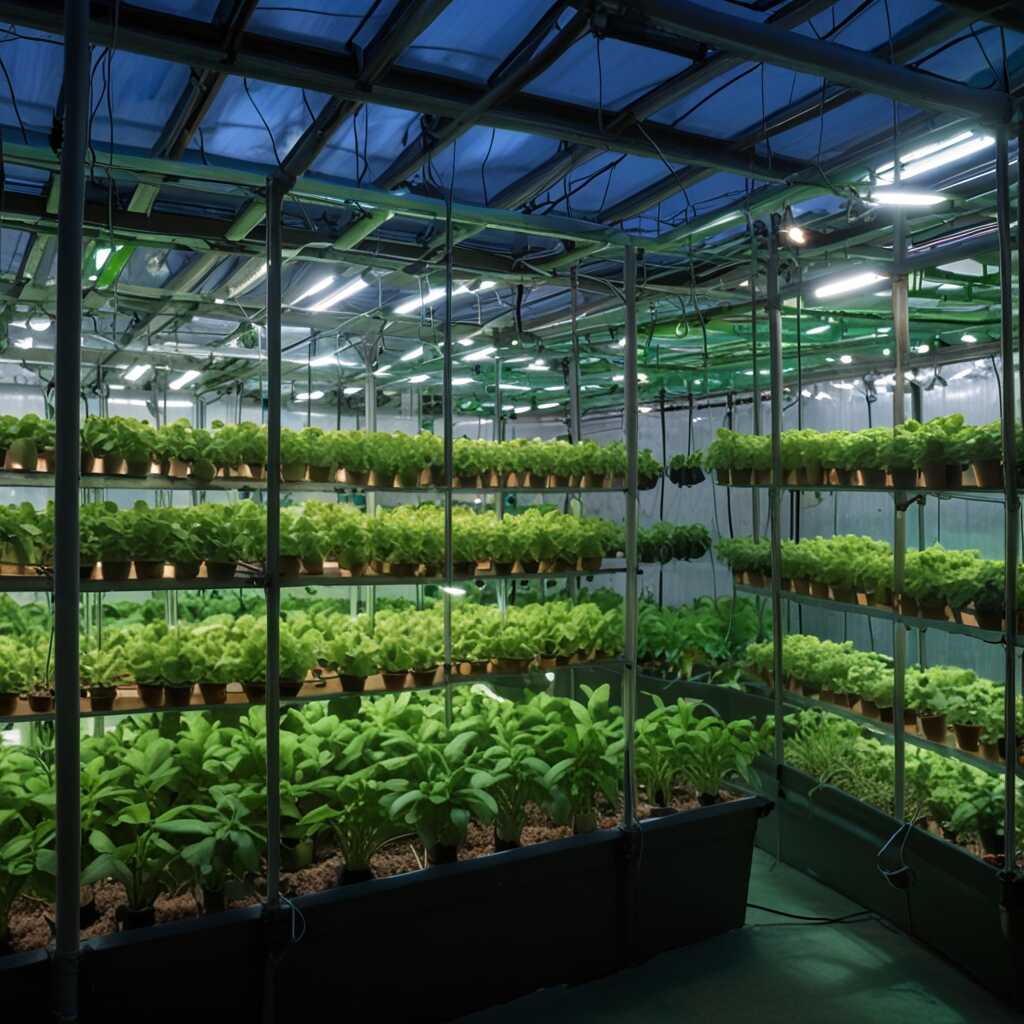
Different light wavelengths significantly influence the production of secondary metabolites in plants. Ultraviolet (UV) light, for example, helps enhance flavonoids and phenolics, which improve plant defense and can provide health benefits. Blue light is essential for chlorophyll production, which in turn supports overall plant growth and increases nutrient density. Plants grown under red light often experience enhanced flowering, leading to improved aroma and taste in fruits and vegetables. When considering full-spectrum lights, research shows they effectively enhance the overall quality and performance of plants. This knowledge enables gardeners and researchers to optimize their growing conditions and achieve higher-quality plant-derived products.
Specific Wavelengths and Their Effects
Research indicates that specific light wavelengths deliver varying effects on secondary metabolites in plants. For instance, blue light (400-500 nm) boosts chlorophyll synthesis, essential for photosynthesis, enhancing biomass and nutrient accumulation. Red light (600-700 nm) promotes flowering and fruiting, leading to richer flavors and aromas in edible plants. Additionally, the use of UV light can enhance the production of antioxidants like flavonoids and carotenoids by 20-30%, according to studies. Properly implementing these lighting strategies can result in improved quality and yields. Using full-spectrum LED grow lights efficiently combines these wavelengths to create an optimal growing environment.
Important Numbers in Plant Growth Enhancement
- 400-700 nm is the full light spectrum necessary for optimal plant photosynthesis.
- 20-40% increase in secondary metabolite production can occur with specialized light.
- 12-16 hours is the optimal duration for light exposure during growth cycles.
- 2-3 times increase in essential oils can happen with blue and red light mixtures.
- 80% of indoor gardeners use artificial lighting for plant growth.
- 50% reduction in energy consumption occurs with energy-efficient LED grow lights.
- 250% boost in flavonoids production has been observed under specific light conditions.
Exploring Innovative Lighting Research in Horticulture
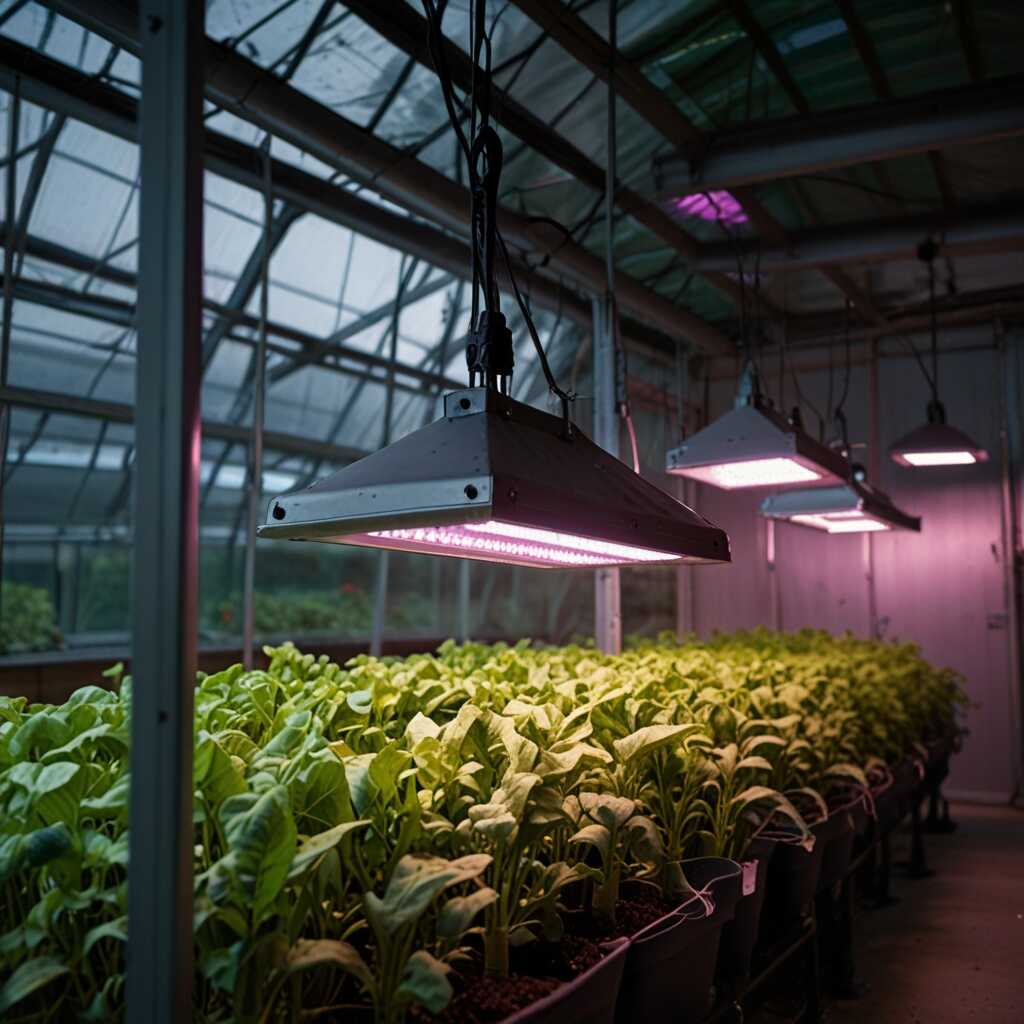
Current research on lighting technologies focuses on enhancing plant secondary metabolites through various specialized conditions. Researchers are utilizing full-spectrum LED lights that mimic natural sunlight to optimize growth. Studies indicate these lighting systems can significantly boost flavonoid and phenolic compounds in plants, improving their nutritional and medicinal value. Some key organizations such as universities and agricultural research institutes are leading these efforts, exploring how lighting impacts photosynthesis and metabolite production. Furthermore, trials have shown that certain wavelengths of light can increase metabolite production rates by up to 30%, making our knowledge of specialized lighting conditions essential for indoor gardening enthusiasts.
Understanding the Impact of Light Wavelengths on Metabolite Production
Different light wavelengths play a critical role in enhancing plant secondary metabolite production. Blue light (400-500 nm) encourages vegetative growth, while red light (600-700 nm) supports flowering and fruiting stages. Recent studies reveal that the optimal combination of these wavelengths can enhance the production of beneficial compounds, such as antioxidants and essential oils. For example, plants like basil and mint show improved flavor and health benefits when exposed to specific light formulas aimed at boosting their secondary metabolites. Understanding these effects can help indoor gardeners tailor their lighting setups to maximize the quality and efficacy of their plant-derived products, aligning perfectly with Green Writer’s mission of promoting sustainable and effective indoor gardening practices.
Implementation of Effective Lighting in Indoor Gardens
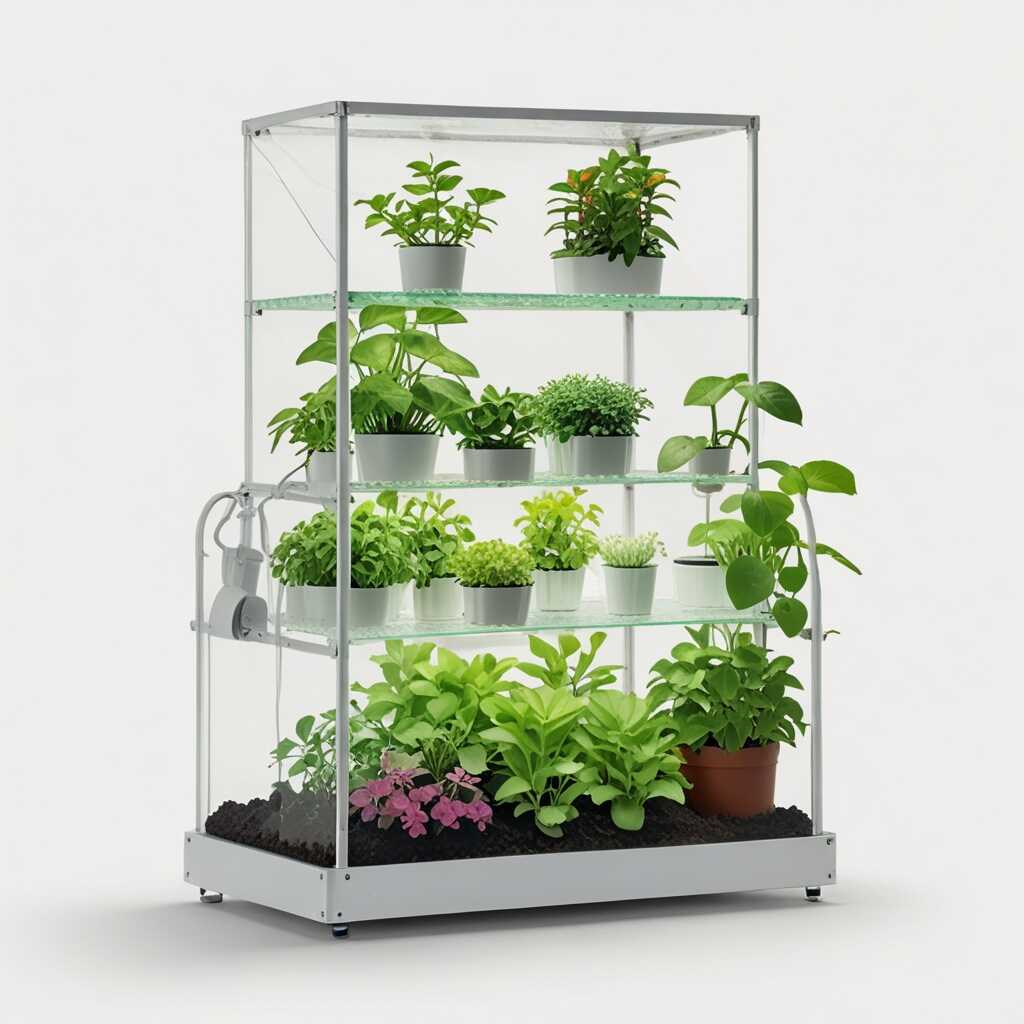
The best lighting options for enhancing secondary metabolites in plants include full spectrum LED grow lights and specialized light formulas. These lighting solutions are designed to mimic natural sunlight and provide essential wavelengths. Research shows that varying the light wavelengths can improve specific plant growth stages while boosting secondary metabolite production. For example, blue light promotes vegetative growth, while red light enhances flowering, leading to higher metabolite levels. Testing these combinations helps identify the most effective lighting strategies for your indoor garden.
Understanding Light Wavelengths for Plant Growth
Different light wavelengths significantly affect various plant growth stages and their secondary metabolite production. Blue light, in the range of 400-500nm, is crucial for leaf and stem growth. Red light, around 600-700nm, promotes flowering and fruiting. Both wavelengths work together to maximize yields. Research indicates that integrating these light types at specific ratios can enhance the richness of secondary metabolites. For example, a ratio of 3:1 (blue to red light) has proven effective for many indoor plants. This balance not only promotes strong growth but also improves the quality of plant-derived products by increasing their beneficial compounds.
Positive Outcomes from Tailored Light Conditions
- Increased antioxidant levels enhance the nutritional value of plants.
- Specialized light improves the quality of essential oils in herbs.
- Enhanced growth leads to quicker harvest cycles for indoor gardeners.
- Decreased stress levels help plants resist pests and diseases.
- Boosted flavor profiles improve the taste of fruits and vegetables.
- Higher market value arises from improved quality of plant products.
- Greater diversity of phytochemicals enriches plant medicinal properties.
Advantages of Using Optimized Light for Plant Cultivation
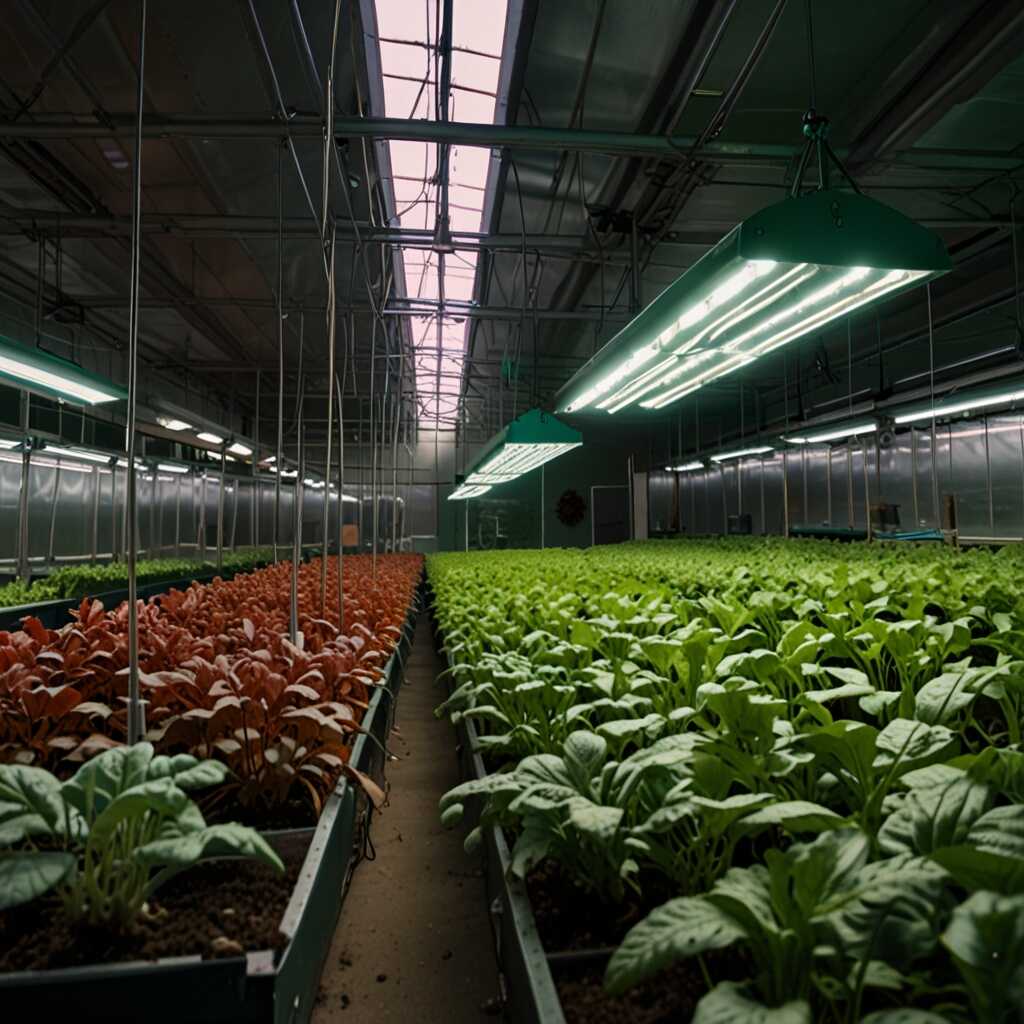
Using customized lighting, known as optimized lighting solutions, offers significant benefits for indoor gardeners and researchers. Tailored light formulas enhance plant growth and health by providing the specific light spectra plants need. Research shows that specific wavelengths boost the production of key secondary metabolites, improving the quality of plant products. These enhancements can lead to an increase in yields, with some reports indicating yields can rise by over 30% compared to traditional lighting methods. The proven effectiveness of LED grow lights ensures reliable energy efficiency while maintaining excellent performance across different plant growth stages.
Impact of Light Spectra on Plant Metabolite Production
Different light spectra play critical roles in determining plant health and primary metabolite production. Blue light enhances vegetative growth, encouraging leaf and stem development, while red light is crucial for flowering and fruiting. By using tailored light formulas, growers can target specific wavelengths that activate metabolic pathways responsible for secondary metabolite synthesis. Studies indicate that plants exposed to specific ratios of blue and red light can improve flavonoids and phenolic compounds significantly, making the final products not only more flavorful but also richer in antioxidants. Such targeted lighting solutions enable indoor gardeners to enhance both the quality and nutritional profile of plant-derived products efficiently.
Guidelines for Selecting Ideal LED Grow Lights
Choosing the right LED grow lights involves understanding the light spectrum your plants require. Different plants have unique needs based on their growth stages. For example, leafy greens thrive in full spectrum lighting, while flowering plants often need specific wavelengths to encourage blooming. Researching and comparing reliable brands helps you find lights designed for individual plant types. Efficiency is vital, as energy-efficient lights save money over time. Also, testing light intensity ensures you provide the right amount for your plants, enhancing their growth.
Understanding Light Spectrum and Plant Needs
Plants respond differently to varying light spectrums. LED grow lights that offer full spectrum lighting greatly enhance photosynthesis for all plant types. Herbs respond well to lights that include both red (around 660nm) and blue (around 450nm) wavelengths. Leafy greens thrive under blue light for vegetative growth, typically requiring around 12 to 16 hours daily. Flowering plants benefit from a higher ratio of red light, needing 14 to 18 hours per day, especially during blooming stages. Selecting lights with these spectrum features provides the reliability you seek for optimal plant performance.
Popular Consumer Groups Interested in Enhanced Growth Solutions
- Indoor gardeners appreciate improved yields and quality plants for home decor.
- Researchers explore the effects of light on specific plant nutrients and metabolites.
- Sustainability advocates seek environmentally friendly growing techniques.
- Horticulture students study the impacts of light on plant physiology for better practices.
- Chefs aim for flavorful herbs cultivated under specialized lighting conditions.
- Homeowners desire air-purifying plants that thrive with tailored light setups.
- Eco-conscious consumers prioritize plants with enhanced health benefits and fewer chemicals.
Future Perspectives on Light in Sustainable Horticulture
Emerging lighting technologies greatly influence sustainable horticulture. Innovations like LED growth lights utilize energy more efficiently, reducing electricity consumption. New full-spectrum lights mimic natural sunlight, enhancing plant photosynthesis. Various startups and research institutions are testing spectral tuning to optimize light for different growth stages. The projected market growth percentage for horticultural lighting technologies by 2025 is approximately 20%, confirming this sector’s rapid advancement. These developments promise to improve the quality and yield of indoor gardening, allowing cultivators to grow healthier plants while minimizing their environmental impact.
Innovations in Horticultural Lighting Systems
Innovations in horticultural lighting systems focus on energy efficiency and adaptability. For instance, modular LED systems allow growers to customize light spectrums based on specific plant needs. These systems can handle variability in plant growth rates and environmental conditions, ensuring reliable performance. Sensors integrated into lighting setups can monitor plant health and adjust light outputs automatically. This real-time flexibility helps enhance crop yield and quality in indoor gardening. As research continues, growers can expect more user-friendly solutions that deliver superior light quality with proven results.