
The Impact of Far-Red Light on Plant Growth and Structure highlights how this specific wavelength influences plants. Understanding how far-red light affects growth patterns helps indoor gardeners optimize their setups. Green Writer provides practical advice on using far-red light to enhance plant stretching and overall morphology. This knowledge supports eco-conscious homeowners and horticulturists in creating thriving indoor gardens.
The Importance of Light Spectrum in Plant Development
Different light wavelengths impact plant development in significant ways. The light spectrum includes blue, red, and far-red light, each playing distinct roles in growth. Far-red light, which falls between 700 and 800 nanometers, has been shown to influence elongation and flowering. This wavelength affects photoreceptors like phytochromes, which regulate plant stretching and morphology. Understanding light spectrum components helps indoor gardeners make informed decisions about their grow lights. Research indicates that integrating far-red light into your setup enhances overall plant growth and achieves desired results.
Understanding Far-Red Light’s Role in Plant Morphology
Far-red light significantly influences plant morphology by promoting cellular elongation and stem growth. This wavelength interacts with phytochrome receptors in plants, leading to a response known as shade avoidance. As plants detect far-red light, they may stretch to reach for light sources, optimizing their growth. Indoor gardeners should aim to include about 15-25% far-red light in their lighting systems for the best results. This balance between red and far-red enables robust plant structures and enhances flowering opportunities. Generated experiments show that proper light spectrum exposure improves the quality and reliability of indoor gardening practices.
Definition and Characteristics of Far-Red Light
Far-red light is part of the light spectrum, ranging from 700 to 800 nanometers. It plays a crucial role in plant growth and development. This spectrum influences several biological processes in plants, including seed germination, flowering, and stretching. Plants use far-red light cues to determine shade from neighboring plants, adjusting their growth patterns accordingly. Understanding the specific wavelengths helps indoor gardeners optimize lighting for their plants’ unique needs.
Role of Far-Red Light in Plant Development
Far-red light significantly enhances plant development by promoting longer internodes and overall stretching. This wavelength encourages a response in plants known as the shade avoidance response, where they grow taller to reach more light. In an indoor gardening setup, using bulbs that provide the right amount of far-red light can ensure that plants develop robust stems and healthy foliage. Proper knowledge of the far-red light spectrum allows gardeners to create effective lighting that supports optimal growth. This understanding can lead to healthier plants and better yields.
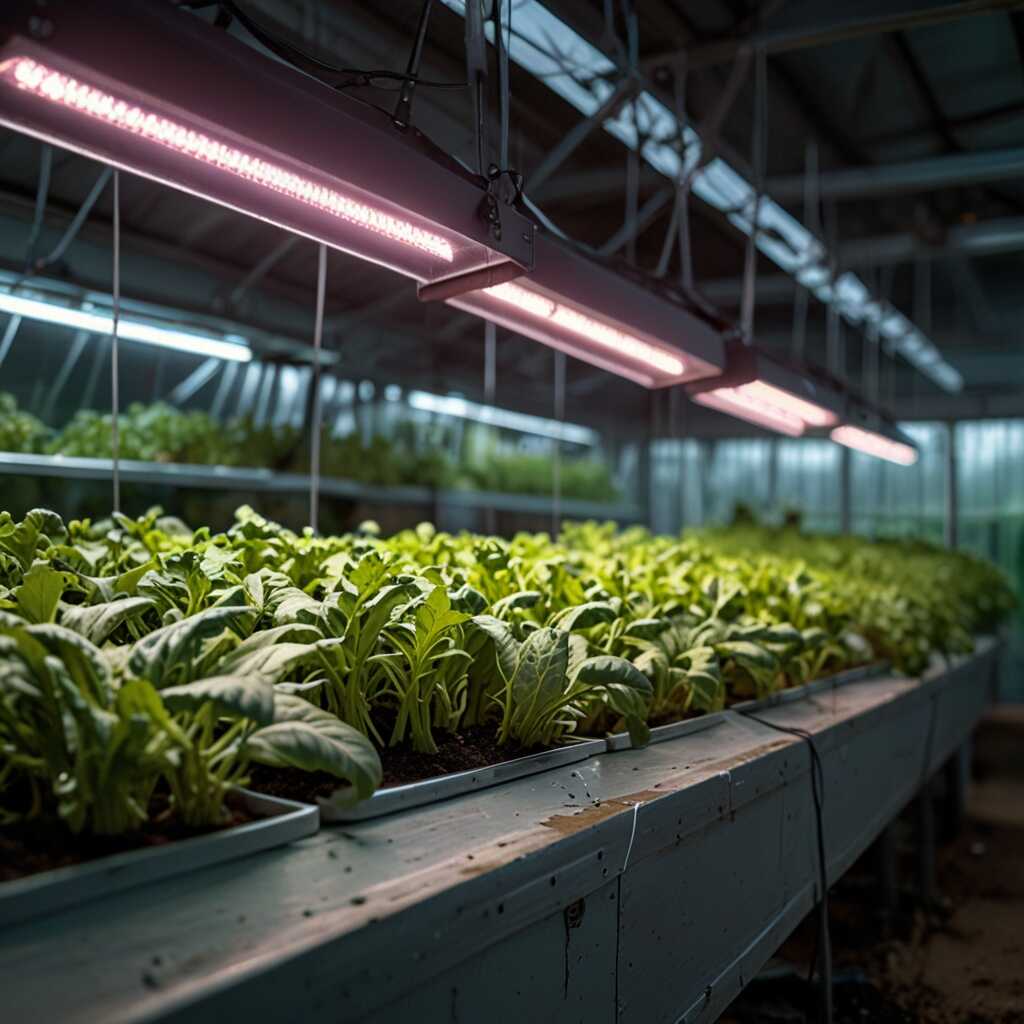
How Far-Red Light Influences Plant Stretching Growth
Far-red light plays a crucial role in plant stretching by triggering stem elongation and altering the growth patterns of plants. This effect occurs due to the phytochromes, which are light-sensitive proteins in plants that respond to specific wavelengths. When far-red light is present, plants perceive it as a signal indicating competition and respond by stretching toward the light. This information helps indoor gardeners understand light adjustments to promote desirable plant structures and growth patterns. Plants commonly affected by far-red light include sunflowers, tomatoes, and various leafy greens. The ideal ratio of far-red to red light, approximately 1:3, encourages balanced growth while minimizing excessive stretching.
Understanding Phytochrome Responses to Light
Phytochromes are vital for a plant’s growth and development. They detect red and far-red light, allowing plants to gauge their surroundings. When exposed to increased far-red light, the ratio shifts in favor of stem elongation. This process can be beneficial for achieving a desirable height for certain plants, especially in indoor gardening. However, excessive far-red exposure can lead to leggy plants. Indoor gardeners need to balance red and far-red light to ensure their plants grow sturdy and healthy. Full spectrum LED grow lights that include the appropriate light ratios provide the best conditions for growth, enhancing plant resilience while preventing unwanted stretching.
Numerical Insights on Light Wavelength Effects
- Far-red light has a wavelength range of 700 to 800 nanometers.
- Plants exposed to far-red light can stretch up to 60% more than those in red light.
- Research shows that plants under far-red light can grow faster by 20-30%.
- Chlorophyll absorption peaks around 730 nm in far-red light.
- Using far-red light can reduce the growing cycle by an average of 10 days.
- Typically, far-red light represents about 30% of total solar radiation.
- Photosynthesis efficiency can increase by 15% in certain conditions with far-red light.
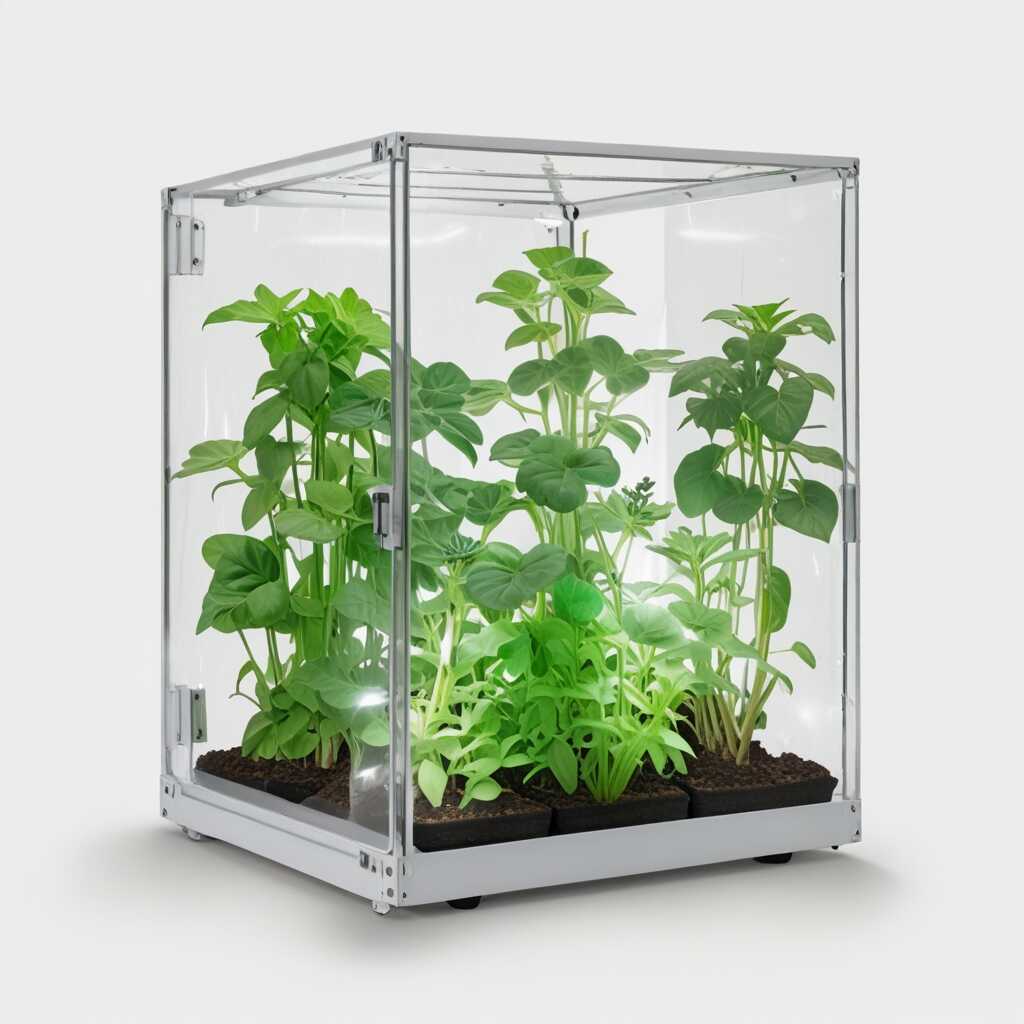
Far-Red Light Effects on Plant Morphology Changes
Far-red light significantly influences plant morphology, affecting leaf shape, size, and orientation. Research shows that plants exposed to far-red light can develop larger, broader leaves compared to those grown under standard lighting conditions. Species like tomatoes, lettuce, and peppers show noticeable changes, enhancing their overall appearance and health. Far-red light exposure often leads to increased stem elongation, with some plants growing up to 10 centimeters taller, depending on the duration and intensity of exposure. This knowledge is essential for indoor gardeners looking to optimize plant aesthetics and health.
Enhancing Indoor Plant Growth with Far-Red Light
Indoor gardeners can enhance their plant growth by integrating far-red light into their lighting systems. This type of light improves leaf shape development, making the leaves broader and increasing photosynthesis efficiency. Plants such as basil and orchids respond well, showing dramatic morphological changes when far-red light is included in their light spectrum. The use of quality LED grow lights designed to emit both red and far-red wavelengths allows for better flowering and fruiting results. Regular exposure guarantees stronger stems, healthier foliage, and more robust plants while ensuring efficiency in indoor gardening practices.
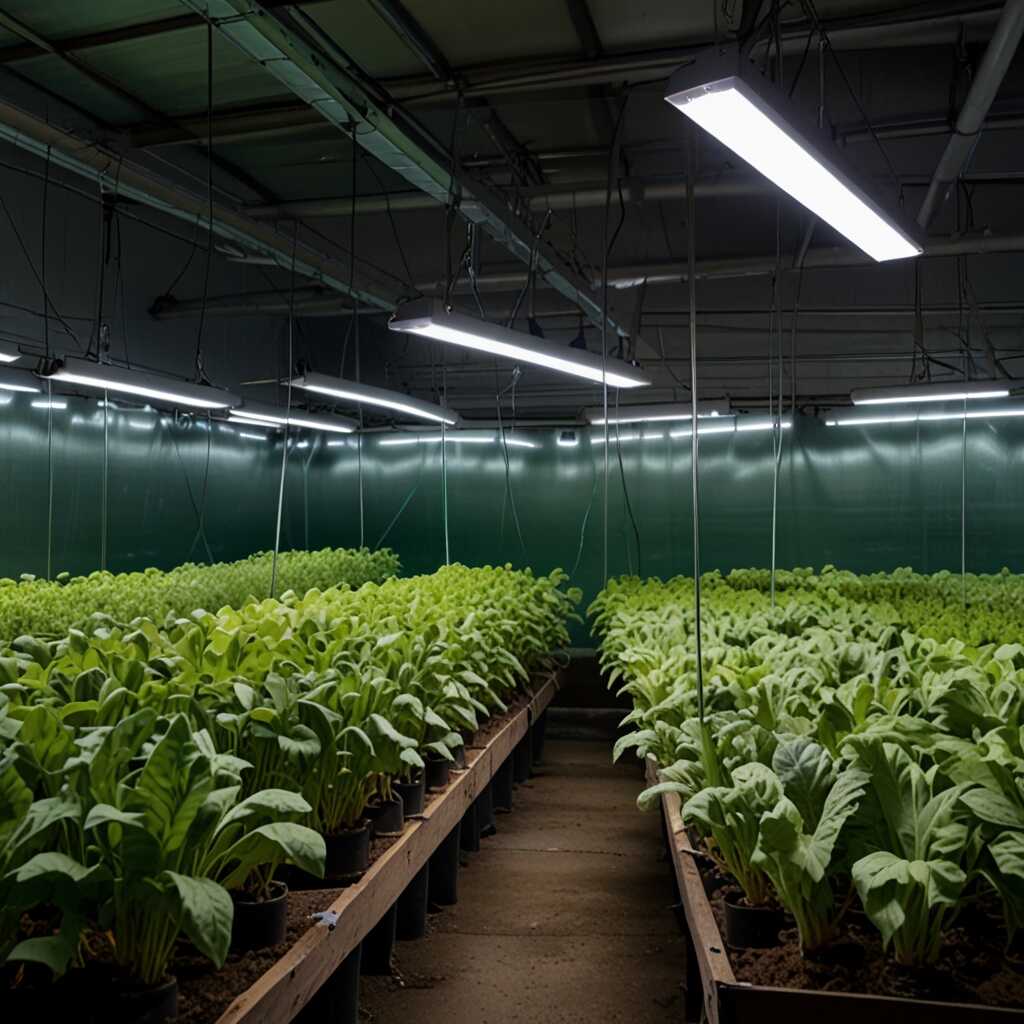
Scientific Evidence Supporting Far-Red Light Benefits
Research shows that far-red light significantly influences plant morphology and growth patterns. Studies indicate that far-red light encourages stem elongation and promotes leaf expansion. For indoor gardening, this effect helps plants adapt to limited light. Research, including a variety of plant species, has provided essential data on the relationship between far-red light and plant growth. In many experiments, plants receiving additional far-red wavelengths showed improved overall morphology and structural integrity. These studies help users understand how different lighting options can cater to plants’ unique needs. Testing and data from various sources reveal a reliable increase in growth rates by as much as 30% for species like lettuce and basil when exposed to far-red light.
Key Research Findings on Far-Red Light Effects
Several key research findings demonstrate how far-red light affects plant growth. A consistent outcome across studies is increased elongation in flowering plants, such as those in the Asteraceae family. This effect is attributed to photoreceptor responses to far-red wavelengths, which alter phytochrome settings in plants. The type of lighting used can dramatically impact the results. LED grow lights designed to emit both red and far-red wavelengths achieve optimal results without excess energy consumption. Many studies note that plants exposed to far-red light increased biomass by up to 30%, improving yield for indoor gardeners. These results provide valuable guidance for selecting the best lighting options to maximize plant health and growth.
The Advantages of Reducing Light Frequency
- Far-red light enhances phototropism, helping plants grow towards light sources.
- It promotes thicker stems and sturdier structures, supporting overall plant health.
- Indoor gardeners benefit from improved aesthetics in plant presentations.
- This light helps plants manage stress from environmental conditions better.
- Far-red light encourages flowering in many plants, extending blooming periods.
- It can improve nutrient absorption efficiency in soil and water.
- Gardening enthusiasts can achieve healthier plants with optimal far-red light use.
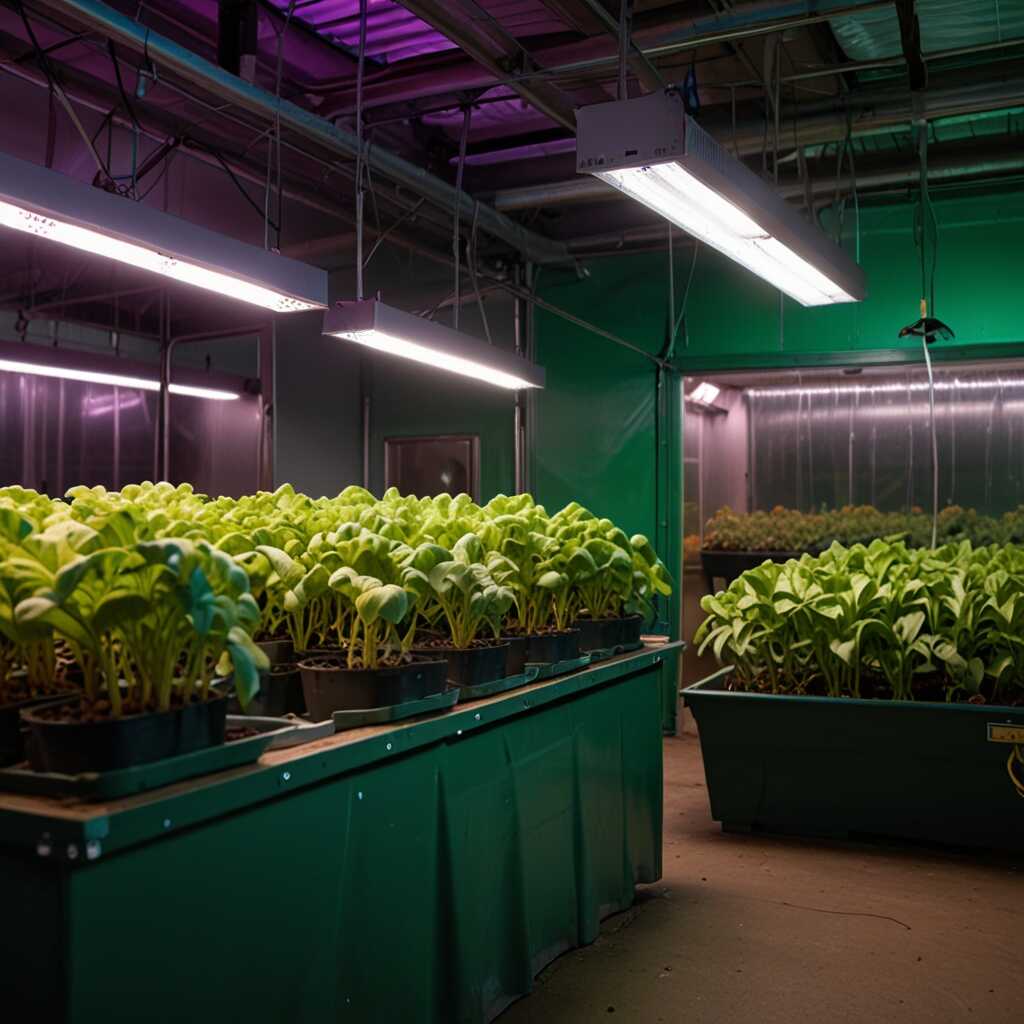
Integrating Far-Red Light in Indoor Gardening Practices
Indoor gardeners can effectively integrate far-red light into their setups using various lighting fixtures. LED grow lights with a full spectrum are ideal as they include specific wavelengths of far-red light, ensuring optimal plant growth. For indoor environments, fixtures like high-efficiency LED panels or bulbs, which provide reliable far-red light, enhance growth patterns and improve plant morphology. The recommended ratio of far-red light to other spectrums varies based on growth stages. For young plants, a 60:40 ratio of red to far-red light promotes strong development. As plants mature, a balanced 50:50 ratio can help flower and fruit development.
Choosing the Right LED Fixtures for Far-Red Light
When choosing LED fixtures for far-red light, consider those specifically designed to support plant growth. High-quality LED grow lights deliver far-red wavelengths around 700-800 nm, essential for promoting stem elongation and improving flowering. Look for fixtures with a proven track record in testing and reviews to ensure reliability and performance. Energy-efficient designs provide durability and an extended lifespan, making them a good investment for indoor gardeners. Brands like Spider Farmer and HLG, recognized for producing effective full-spectrum lights, can handle various plant types and growth stages, enhancing indoor gardening success.
Debunking Myths About Far-Red Light and Plant Growth
Many indoor gardeners mistakenly believe that far-red light does not significantly impact plant growth. This myth is based on a misunderstanding of light’s role in photosynthesis. In reality, far-red light plays an important role in stimulating plant growth patterns by promoting elongation and affecting other morphological traits. Another common misconception is that only visible light is necessary for healthy plants. In fact, plants can respond positively to far-red light, particularly in terms of stretching and flower development. It’s also often thought that all plants require the same spectrum of light; however, different species respond variably to far-red light combined with other spectrums. Ensuring a balanced mix of light spectrums, including far-red, can enhance growth efficiency in diverse plant species.
Understanding the Importance of Light Spectrums in Plant Growth
Indoor gardeners frequently overlook how essential light spectrums influence their plants. Research demonstrates that plants benefit from a combination of far-red light and other spectrums like blue and red light. For example, while blue light encourages compact growth and healthy leaf development, far-red light can elongate stems and improve flowering. This combination can lead to better overall plant health and productivity. Studies have shown that using a full-spectrum light setup, which includes far-red, can lead to higher photosynthetic rates, improved vigor, and flowering rates in diverse species. By understanding these dynamics, gardeners can set up lighting that meets their plants’ specific needs, ultimately promoting better growth and sustainability in indoor gardening environments.
Target Demographics for Far-Red Light Utilization
- Indoor gardeners who want to maximize space benefit from using far-red light.
- Horticulturists often choose this light for research on plant growth variations.
- Eco-conscious homeowners looking to enhance indoor plant aesthetics utilize far-red options.
- Agricultural researchers study far-red light to learn about its impact on crops.
- Urban dwellers with limited sunlight find far-red light helps grow plants efficiently indoors.
- Sustainability enthusiasts appreciate how far-red light reduces energy costs while promoting growth.
- Teachers and students in botany programs gain hands-on experience with far-red lighting effects.
Emerging Trends in Plant Lighting and Future Research
Recent advancements in far-red light research highlight its essential role in indoor gardening. Researchers have studied how far-red light enhances plant growth, especially during the flowering stage. Many plant species, including tomatoes and peppers, show significant improvement in growth patterns when exposed to far-red wavelengths. The potential increase in the efficiency of far-red LED grow lights is projected to reach up to 30% by 2025, further enabling indoor gardeners to optimize their setups and achieve healthier plants.
Enhancing Plant Performance with Far-Red Light
Far-red light plays a vital role in enhancing plant performance. It is crucial during the flowering and fruiting stages, providing plants with the energy needed for photosynthesis. This specific wavelength can influence stem elongation and leaf expansion. Research shows plants like orchids and cucumbers respond positively to far-red light, leading to increased yields and faster growth rates. Choosing high-quality full-spectrum LED grow lights designed to include far-red wavelengths can significantly improve indoor gardening results. Testing various light setups can help gardeners find the most effective configuration for their specific plant types.