
Optimizing grow light timing can significantly reduce peak electricity costs for greenhouse operators. By adjusting the schedule of grow lights, you can take advantage of lower energy rates during off-peak hours. Green Writer emphasizes sustainable practices to help you maximize energy efficiency in your indoor gardening setup. Implementing these strategies not only saves money but also supports eco-friendly living and responsible energy use.
Understanding How Peak Electricity Rates Affect Greenhouses
Peak electricity rates are the highest charges for power during specific times when demand is greatest. These rates significantly affect greenhouse operators as grow lights consume considerable energy. By optimizing grow light timing to avoid peak hours, greenhouse operators can reduce energy consumption, leading to substantial cost savings. Studies show that greenhouse operators can save up to 30% on electricity costs by strategically scheduling grow light usage during off-peak times.
Maximizing Cost Savings Through Light Scheduling
Maximizing cost savings involves scheduling grow lights to turn on during off-peak hours typically late at night or early in the morning. Most electricity providers offer lower rates during these hours. By utilizing energy-efficient LED grow lights, greenhouse operators can further enhance savings. Research indicates that switching to LED technology can reduce energy consumption by up to 75% compared to traditional lighting. This combination of time scheduling and energy-efficient lighting can greatly improve financial performance for greenhouse operations.
Advantages of Smart Light Scheduling for Cost Reduction
Scheduling grow light operations in greenhouses provides multiple benefits. First, it reduces electricity costs by utilizing energy during off-peak hours when rates are lower. Second, strategic light scheduling enhances energy efficiency by ensuring that grow lights are only used when plants require light. This method supports healthy plant growth, as consistent light exposure aligns with their natural growth cycles. Implementing such techniques can also minimize wasteful energy consumption, allowing operators to maintain an eco-friendly operation while maximizing crop yields. Research shows that using strategic light scheduling can lead to significant cost reduction, achieving savings of up to 30% in electricity bills.
How to Implement Optimal Light Timing in Greenhouses
Greenhouse operators can adopt several methods to achieve optimal light timing. Start by assessing your local utility’s peak and off-peak hours. Use timers or smart lighting systems that automatically adjust light schedules according to this data. Integrating light sensors can further optimize usage, ensuring that grow lights activate only when natural light levels are insufficient. It’s crucial to review and test your lighting setup regularly to ensure maximum efficiency. By prioritizing energy efficiency and cost reduction techniques, operators can make significant progress towards a more sustainable greenhouse operation while promoting healthy plant growth.
Effective Techniques to Schedule Grow Lights Economically
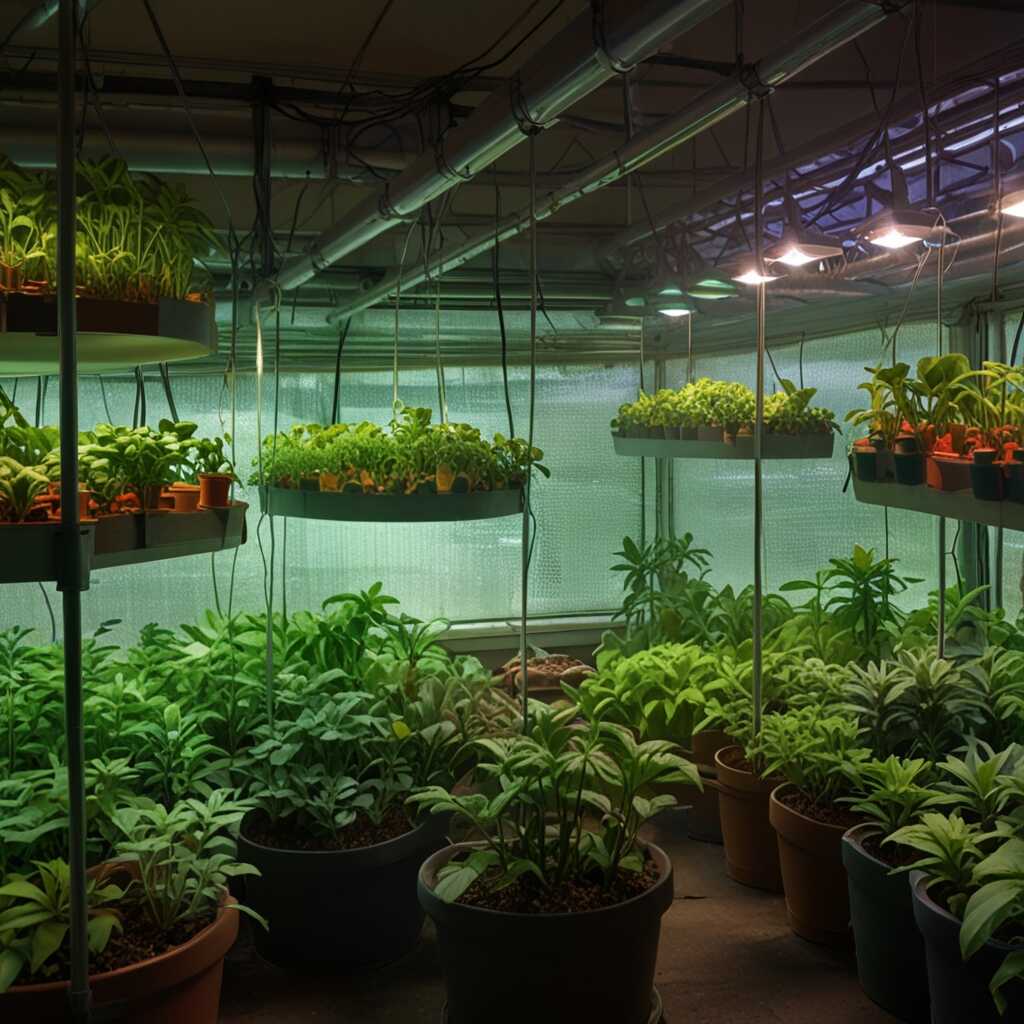
Scheduling grow lights during off-peak hours helps reduce energy costs significantly. Start by researching your local electricity rates to identify times when rates are lower. You can use timers to automate the lighting schedule, ensuring lights operate when rates are lowest. Align your light timing with natural daylight hours, enhancing photosynthesis and plant health. Consider staggering light schedules for different plant varieties and their specific growth needs. This method maximizes energy cost efficiency while maintaining optimal plant health.
Utilizing Automation for Efficient Grow Light Control
Automation and timers are essential tools for optimizing grow light schedules. Use programmable timers to set specific on and off times for each group of plants. For instance, a lighting cycle of 16 hours on and 8 hours off can enhance growth for many plants. Utilize smart timers that adjust based on real-time electricity rates, ensuring grow lights only operate during off-peak hours. This technology not only saves money but also simplifies the grow light management process, making it easier to maintain reliable, effective lighting conditions for all plants in your greenhouse.
Key Statistics on Light Usage and Electricity Costs
- 85% of greenhouse operators use grow lights to optimize plant growth.
- Electricity costs can rise by up to 30% during peak hours.
- Grow lights can account for 50% of a greenhouse’s total energy use.
- Proper timing can reduce energy costs by 20%.
- Switching to LEDs can lower energy consumption by 40% compared to traditional lights.
- Studies show plants grow well with 12-16 hours of light daily.
- Peak electricity rates often occur between 4 PM and 8 PM.
Leveraging Automation for Grow Light Management
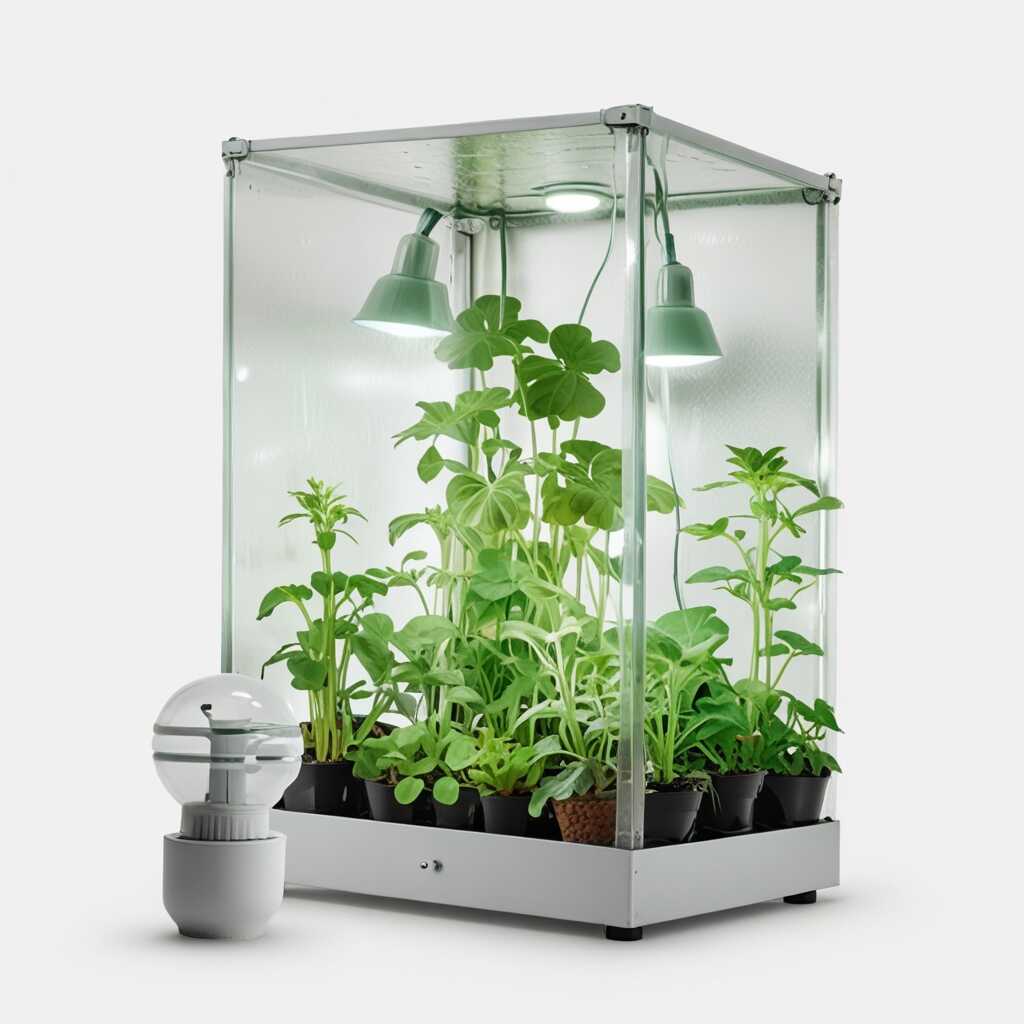
Automation tools greatly help manage grow lights by providing reliable scheduling and control. These tools include software that adjusts light timing based on real-time data. Modern technology options involve smart control systems that integrate with weather forecasts, ensuring optimal lighting conditions. Implementing automation systems for grow lights typically costs around $300 to $1,500 depending on the scale of the operation and features included. Using these systems enhances energy efficiency by reducing electricity costs during peak hours.
Types of Automation Systems for Grow Lights
Automation systems for grow lights can include timers, smart sensors, and cloud-based applications. Timers allow for basic scheduling, while smart sensors adjust lighting based on the ambient light conditions in the greenhouse. Cloud-based applications offer remote access, enabling greenhouse operators to monitor and adjust their grow light schedules conveniently. These systems provide data-driven insights into energy consumption, helping users make informed decisions. By automating grow light management, operators can ensure plants receive the right amount of light while significantly lowering energy costs, ultimately supporting sustainable practices promoted by Green Writer.
The Role of Light Spectrum in Energy-Efficient Growth
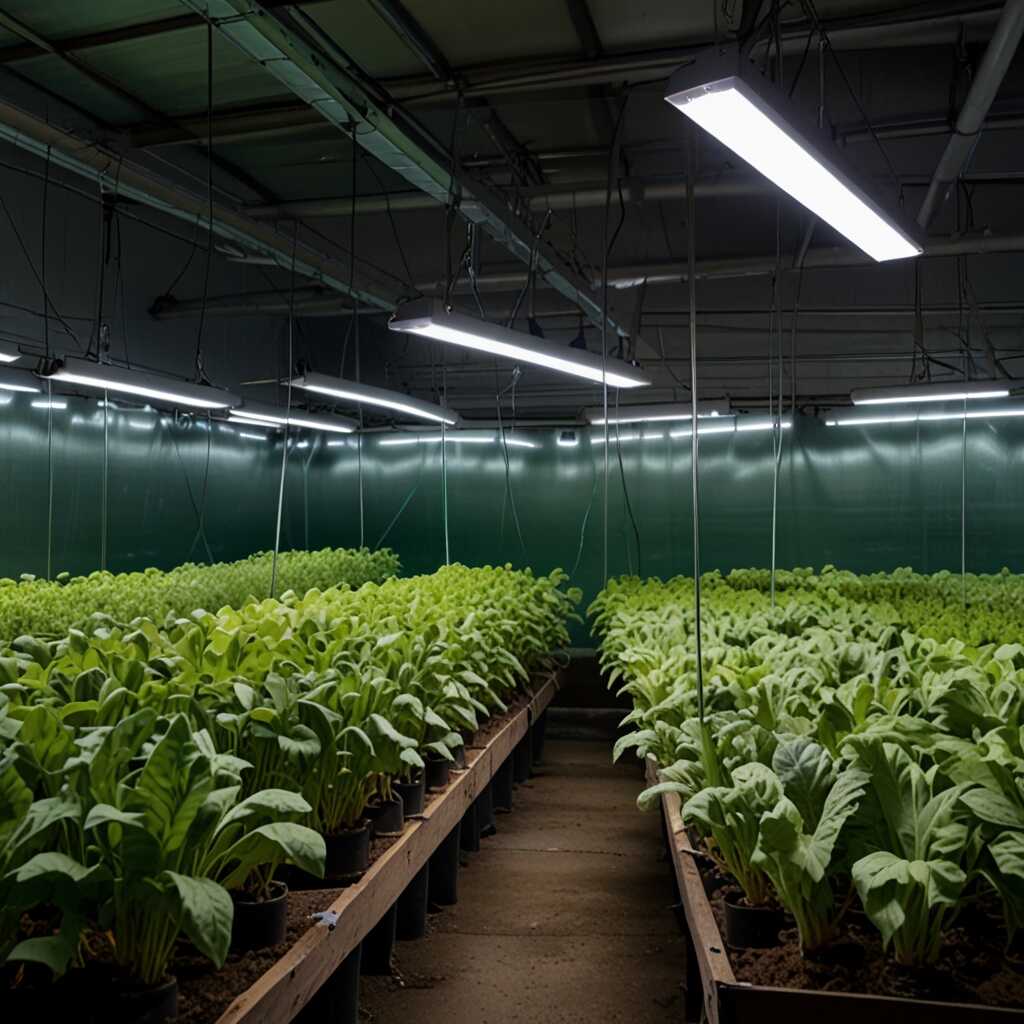
The light spectrum significantly influences plant growth, with different wavelengths supporting various stages. Blue light (400-500nm) promotes vegetative growth, enhancing leaf development and overall strength. Red light (600-700nm) is essential during the flowering stage, stimulating blooming and fruiting. Utilizing a combination of these wavelengths allows greenhouse operators to adjust their light timing effectively. By scheduling light exposure to coincide with specific growth phases, operators improve energy efficiency. LED grow lights are particularly beneficial, as they can be tailored to emit the appropriate light spectrum for each growth stage. This ensures maximum growth with minimum electricity costs.
Choosing the Best Grow Lights for Different Growth Stages
Selecting the best grow lights involves understanding the specific light spectrum needs for various stages of indoor plant growth. LED grow lights provide flexibility, allowing users to choose options that emit both blue and red spectrums. This adaptability ensures that plants receive the right amount of light at each growth phase. For instance, seedlings benefit most from a higher blue light ratio, while flowering plants thrive under red light. As a result, greenhouse operators can efficiently enhance plant development while minimizing energy consumption by using the right lighting setups tailored to their plants’ requirements.
Advantages of Smart Light Scheduling for Growers
- Reduces overall electricity bills significantly over time.
- Minimizes energy usage during peak rate periods, saving costs.
- Implements sustainable practices that benefit the environment.
- Improves plant health and growth by using optimal light conditions.
- Encourages responsible resource use among agricultural businesses.
- Enhances user satisfaction by ensuring better crop yields.
- Allows for better planning of energy expenses throughout the year.
Exploring Energy-Efficient Lighting Solutions for Greenhouses
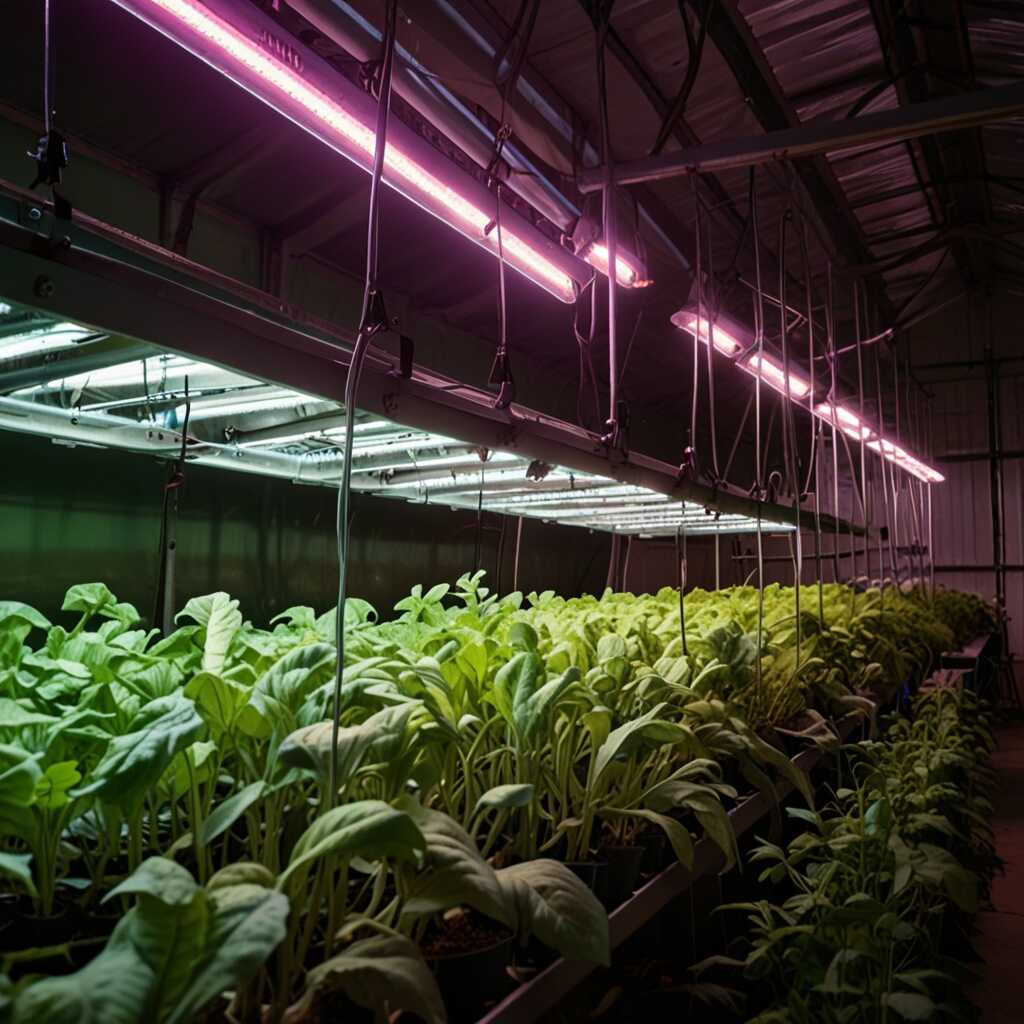
Greenhouse operators should consider energy-efficient lighting options like LED grow lights. These lights outperform traditional lighting in many aspects, including energy consumption and plant growth quality. LED grow lights can reduce electricity costs substantially. Studies show operators can save up to 50-70% on energy expenses by switching. Traditional lights often consume more power for less effective growth. This makes LEDs a proven, reliable choice for those focusing on sustainability and cost-saving.
Comparative Analysis of LED and Traditional Lights
LED grow lights provide significant advantages over traditional lighting systems. They have a longer lifespan of over 50,000 hours, reducing the need for frequent replacements. Their efficiency allows operators to deliver the perfect light spectrum for every growth phase. Traditional lights tend to operate at higher temperatures, which can affect plant health. They draw more power and can lead to increased electricity bills during peak usage hours. Switching to LED provides a sustainable solution that enhances plant productivity while lowering operational costs.
Strategies for Monitoring and Reducing Electricity Usage
Greenhouse operators can efficiently monitor electricity consumption by using advanced energy meters that provide real-time data. These meters help track consumption patterns, enabling operators to pinpoint peak usage times. By analyzing this data, they can determine the impact of grow light adjustments on electricity bills over time. For instance, shifting lighting schedules to off-peak hours leads to significant energy savings. Research indicates that over a year, optimizing grow light timing can save operators between 10-30% on electricity costs.
Using Energy Meters for Effective Monitoring
Energy meters are essential tools for greenhouse operators looking to optimize electricity usage. These devices offer detailed insights into energy consumption at different times. By conducting regular assessments, operators can review usage data and identify high-consumption periods. This information is invaluable in making informed decisions about adjusting grow light schedules to enhance energy efficiency. A well-reviewed energy meter not only tracks usage effectively, but also provides actionable data for improving overall performance.
Demographics and Use Cases for Smart Lighting in Agriculture
- Indoor gardeners seek systems to ensure optimal plant growth.
- Small-scale operators want to minimize overhead costs efficiently.
- Commercial growers benefit from advanced energy-saving technologies.
- Youth gardening programs emphasize sustainable practices.
- Urban farmers prefer compact lighting options for limited spaces.
- Schools incorporate grow lights for educational gardening projects.
- Homeowners with small gardens seek effective energy solutions.
Success Stories: Cost Savings Through Optimized Light Usage
Greenhouse operators across the country have successfully reduced their electricity costs through optimized lighting practices. For example, a commercial greenhouse in California implemented an advanced light timing system using LED grow lights. They transitioned to a schedule that utilized natural daylight effectively, resulting in a 30% reduction in electricity costs annually. Another case from Oregon highlights a medium-sized greenhouse that switched to full spectrum lights, specifically designed for maximum efficiency. This change enabled them to achieve a 25% decrease in energy expenditure. These stories illustrate how various lighting strategies can lead to significant cost savings for operators.
Key Strategies for Reducing Lighting Costs
Implementing effective lighting schedules is essential for reducing electricity costs in greenhouse operations. Many greenhouse operators have found success by utilizing timers and light sensors that optimize grow light usage based on natural sunlight availability. One strategy involves utilizing LED grow lights that have proven to last over 50,000 hours. Opting for full spectrum lights designed specifically for plant growth can ensure that different growth stages receive the proper wavelengths. Furthermore, integrating user-friendly scheduling software can help operators fine-tune their light timings. This practice enhances energy efficiency and leads to significant cost reductions, making it an essential approach for sustainable greenhouse management.