
Choosing energy-efficient grow lights can significantly lower greenhouse costs and enhance plant growth. With the right lighting, you can optimize energy use while providing your plants with the best conditions for development. At Green Writer, we focus on helping greenhouse owners and indoor plant growers select sustainable lighting solutions that save money on energy bills. Understanding the benefits of energy-efficient grow lights empowers you to cultivate plants sustainably and effectively.
Exploring Efficient Lighting Solutions for Greenhouse Plants
Choosing the best lighting solutions for greenhouse plants involves understanding the energy-efficient grow lights available. LED lights are a top choice because they offer long-lasting performance and help improve plant growth stages through optimal light spectrum usage. When selecting grow lights, consider crucial factors like energy consumption, light intensity, and the specific needs of your plants. Energy-efficient options generally last around 50,000 hours, providing a great balance of reliability and performance, ensuring your greenhouse operates cost-effectively.
Understanding Optimal Light Spectrum for Plant Growth
A comprehensive understanding of optimal light spectrum enhances the growth of your greenhouse plants. Different wavelengths affect various growth stages, from seedling development to blooming. For instance, blue light (400-500nm) promotes vegetative growth, while red light (600-700nm) encourages flowering. Full-spectrum LED grow lights provide a balance of these wavelengths, fostering healthy plant development efficiently. Utilizing the right light spectrum can lead to increased yields and healthier plants while reducing energy usage, aligning with sustainable practices.
Advantages of Implementing LED Grow Lighting
LED grow lights provide numerous advantages over traditional lighting options. They are energy efficient, consuming up to 70% less electricity. This significantly lowers greenhouse operating costs. LED lights have a longer life span, lasting over 50,000 hours compared to 1,000 hours for some traditional bulbs. Their design ensures proper light wavelengths, enhancing plant growth stimulation at every growth stage. This technology helps deliver quality light while minimizing heat output, which protects plant health. Studies show that plants under LED lighting grow healthier, demonstrating improved yields and quality.
How LED Grow Lights Improve Plant Health and Yield
LED grow lights are especially effective in promoting plant health and increasing yield. Their ability to produce specific light spectra, from blue for vegetative growth to red for flowering, meets the exact needs of plants. This enhances photosynthesis rates, leading to faster growth and higher yields. Energy efficient lighting minimizes unnecessary light waste, ensuring plants receive the optimal light duration for maximum growth. Research indicates that switching to LED technology can boost yield by 20% or more. For greenhouse owners seeking to cultivate plants sustainably while increasing productivity, LEDs are a proven solution.
Understanding the Role of Full Spectrum Lighting
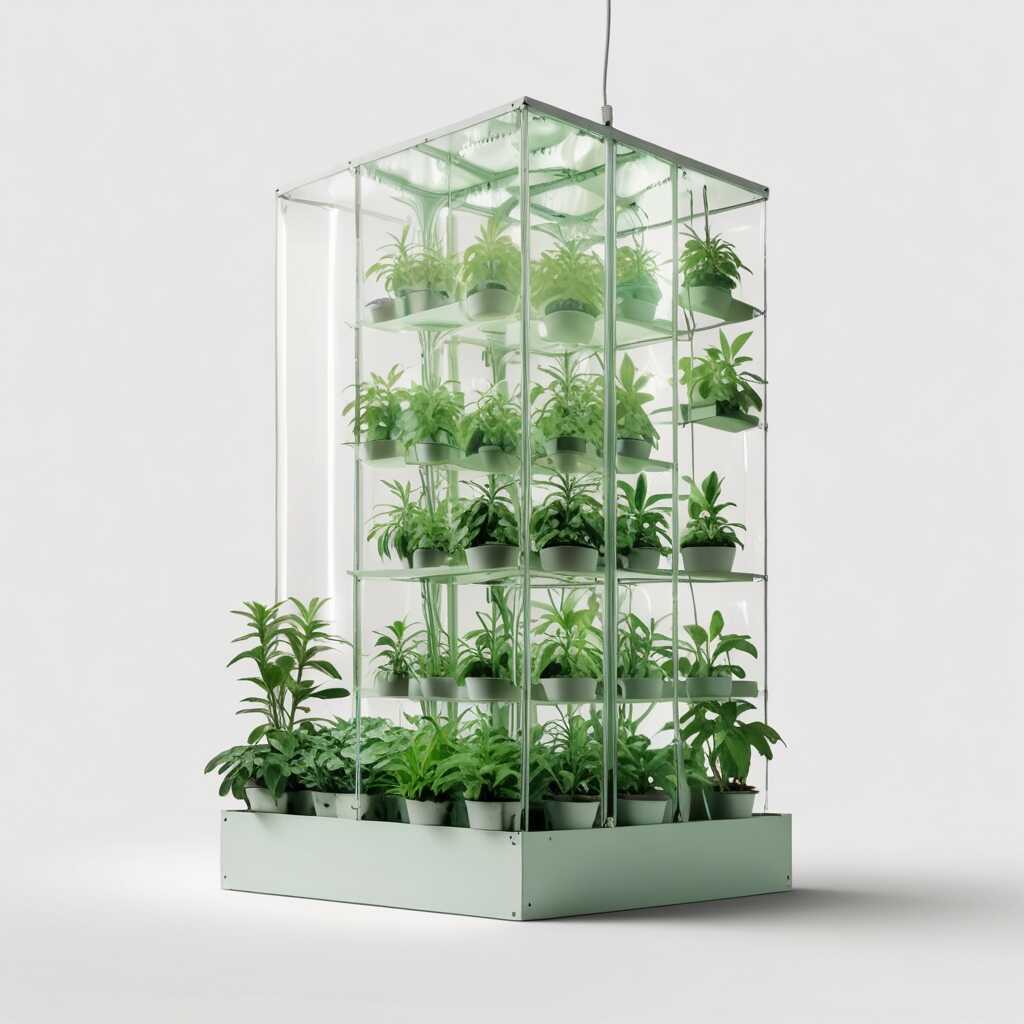
Full spectrum lighting refers to grow lights designed to mimic natural sunlight, covering a range of wavelengths from 400 to 700 nanometers. This spectrum is essential for plants during all growth stages. Seedlings need blue wavelengths for vegetative growth, while red wavelengths support flowering and fruiting. Different plant types, from leafy greens to flowering varieties, require specific spectrums for optimal health. Energy efficient grow lights can provide this full coverage, enhancing plant growth and reducing energy costs.
Benefits of Full Spectrum Lighting for Plant Health
Full spectrum lighting promotes robust plant health by supplying the necessary light to support photosynthesis. For example, leafy vegetables thrive under blue wavelengths, while flowering plants blossom best in red. Each growth stage demands a different spectrum, making it essential to choose the correct light. Studies show that plants under optimal light wavelengths respond better, yielding more fruit and healthier foliage. This reliability ensures that your greenhouse operates efficiently while meeting the specific needs of your plants.
Key Statistics on Energy Efficient Lighting Options
- LED grow lights use up to 75% less energy than traditional bulbs.
- Many LED lights last over 50,000 hours, ensuring long lifespan.
- Light spectrum variations help plants grow better in different stages.
- Energy-efficient lights can reduce greenhouse costs by 30% annually.
- The average energy-saving for greenhouse owners can reach $1,000 yearly.
- Some LED options emit no heat, lowering air conditioning costs in greenhouses.
- Plant growth under these lights can accelerate by an average of 20%.
Essential Features to Look for in Grow Lights
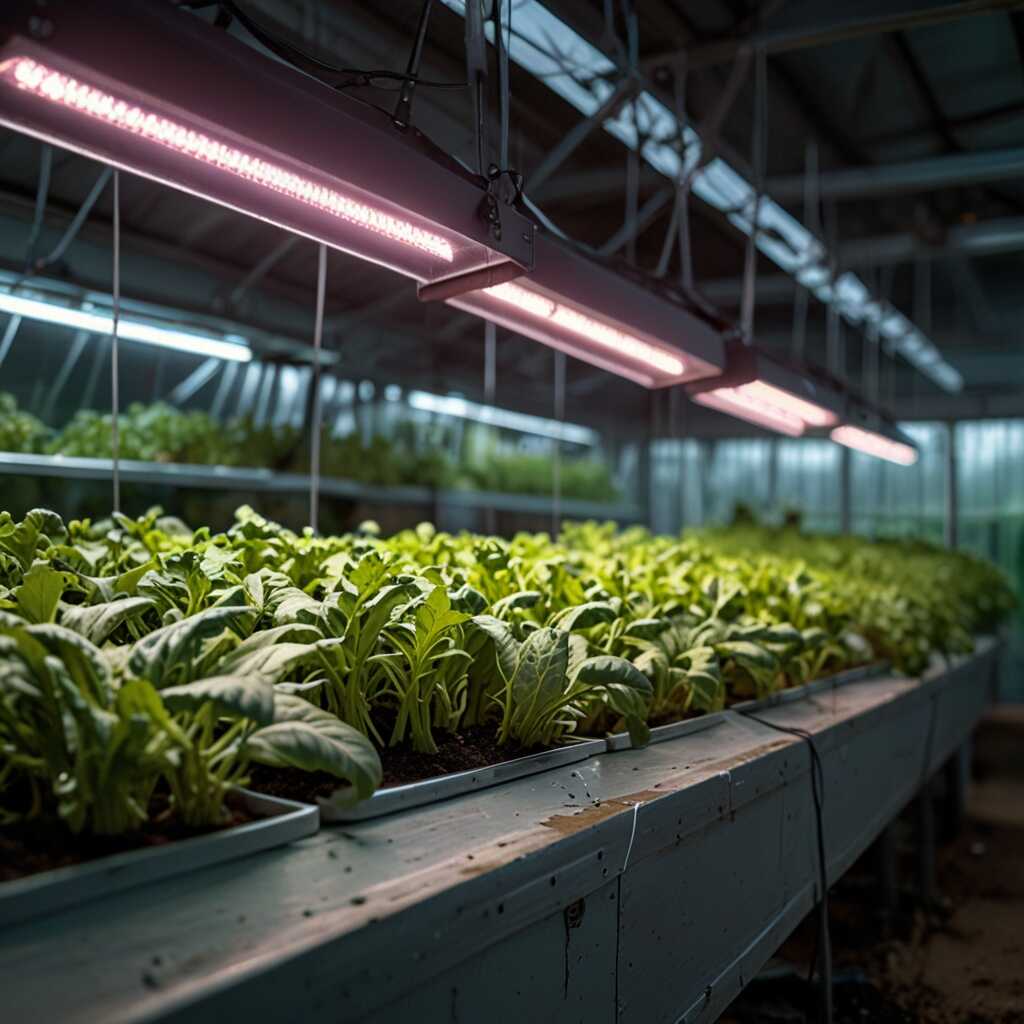
When selecting grow lights, consider the power output, which is measured in watts. Look for lights that provide full-spectrum lighting for different plant growth stages, from seedlings to flowering. Compare energy-efficient grow lights such as LED and CFL options that offer low energy consumption and high output. Thermal heat management is vital for ensuring optimal temperature control and preventing plant damage. The dimensions of your grow lights should fit your growing area, providing adequate coverage for your plants. Research reliable brands and read reviews to ensure performance and durability.
Understanding Power Output for Optimal Plant Growth
The power output of grow lights indicates how much energy they consume and the intensity of light they provide. For optimal plant growth, choose lights that provide between 30 to 50 watts per square foot. This ensures your plants receive adequate light, enhancing their growth rates and overall health. Energy-efficient grow lights, particularly LED options, offer excellent power output while using less energy. This is beneficial for maintaining lower energy bills. Always consider the specific light needs of your plants, as different stages of growth require varying light intensity.
Cost Analysis of Different Grow Light Technologies
Understanding the cost analysis of grow lights helps greenhouse owners make informed decisions. LED grow lights typically offer a lower operating cost compared to traditional incandescent lights. Studies show an average monthly energy cost of $20 for LEDs compared to $80 for incandescent solutions. Over the lifespan of LED lights, which can exceed 50,000 hours, users experience substantial savings on utility bills. Traditional grow lights usually last around 1,000 to 2,000 hours. This difference ensures that LEDs not only lower immediate costs but also enhance long-term profitability for greenhouse growers.
Detailed Operating Costs of LED vs. Incandescent Grow Lights
When evaluating operating costs, LED grow lights generally consume about 50% less energy than traditional incandescent options. This efficiency significantly translates to lower electricity bills. For example, running a 300-watt LED can cost approximately $15 per month, while a comparable incandescent grow light can cost over $60 monthly. Additionally, LED technology is designed for long-lasting performance, making it an excellent investment compared to the shorter lifespan of incandescent lights. This cost efficiency enables greenhouse owners to focus budgetary resources on other essential areas of operation, improving overall profitability.
Advantages of Using Environmentally Friendly Lighting
- They significantly lower electricity costs for greenhouse operations.
- Energy-efficient grow lights promote sustainable practices in agriculture.
- They enhance plant growth by providing the right light spectrum.
- Using these lights can increase yield and overall plant health.
- They generate less heat, reducing cooling costs and improving climate control.
- Many options have longer lifespans, which cuts down on replacement frequency.
- Using eco-friendly lighting helps limit overall carbon emissions.
Effective Strategies for Setting Up Your Grow Light System
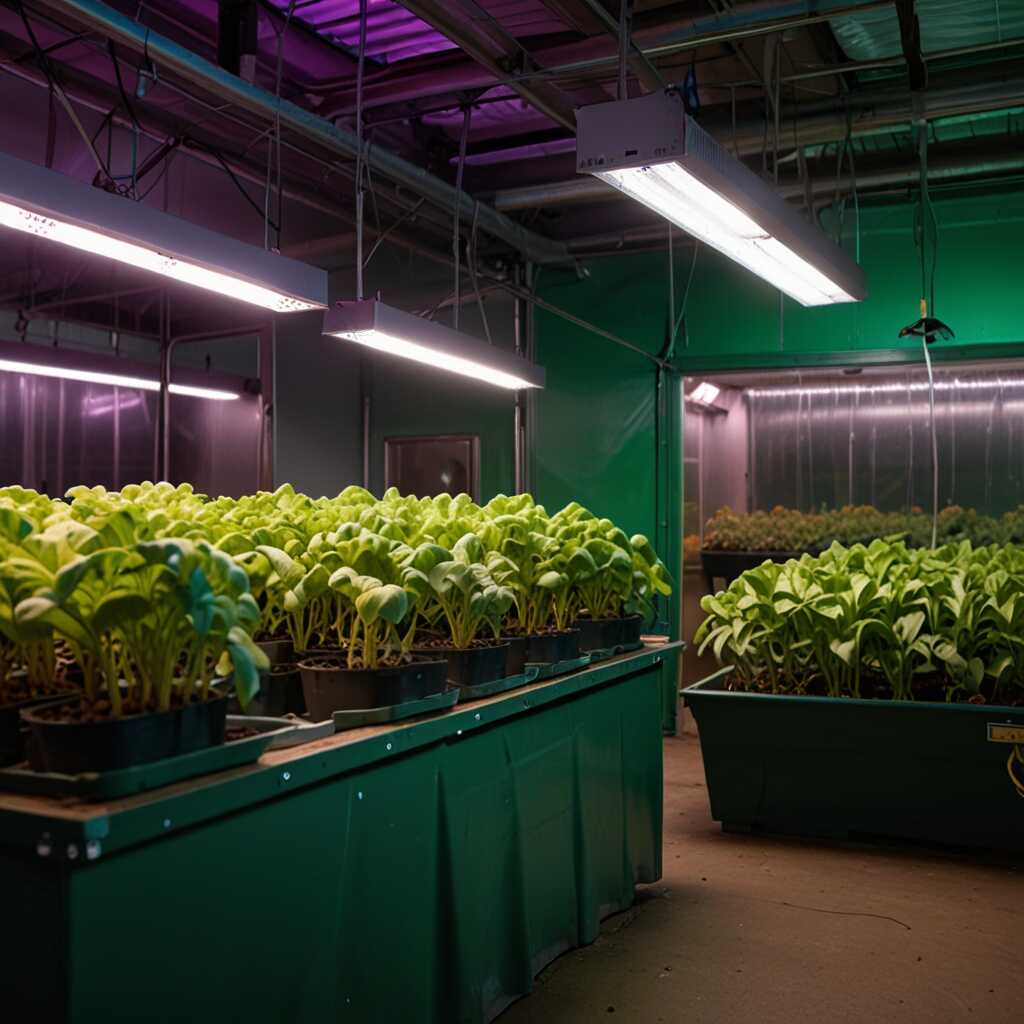
Understanding best practices for setting up your grow light system is essential for maximizing efficiency. Position LED grow lights at a distance of 12 to 24 inches above your plants. This distance enhances coverage and provides optimal light intensity. Different types of grow lights, such as full spectrum and specialized ones, significantly impact energy efficiency and plant growth. Research shows that full spectrum lights support the vegetative and flowering stages of plants. Choose lights designed to emit specific wavelengths to encourage growth at different stages. Regularly review the placement of your lights for any needed adjustments to ensure ideal light distribution.
Optimal Light Positioning for Diverse Plant Growth
Proper positioning of grow lights is crucial for improving plant health and maximizing light efficiency. LED grow lights should be positioned about 12 to 18 inches from the top of the plants, depending on the light’s power. Higher wattage lights may require greater distance to prevent leaf burn. During the vegetative stage, plants benefit from 16 to 18 hours of light daily. Conversely, reduce this to 12 hours as plants transition to the flowering stage. Utilize light spectrum data to select lights that provide the specific wavelengths needed for your plants’ growth phases. Expert reviews indicate that maintaining this balance can dramatically enhance plant productivity.
Techniques to Track Energy Consumption of Grow Lights
To monitor energy consumption of grow lights, users can utilize tools like smart plugs and energy meters. Smart plugs allow users to measure power usage and track outdoor monitoring data through apps. Energy meters plug directly into the outlet, offering a reliable reading of wattage used by the lights. Understanding the data from these tools helps growers examine their energy usage patterns, enabling tailored decisions for energy efficiency. Keeping records of energy consumption provides insights into the best practices for reducing costs.
Analyzing Energy Consumption Data for Grow Lights
Analyzing data from energy tracking tools is essential for identifying usage trends and potential savings. LED grow light efficiency typically measures below 200 watts, while traditional lighting systems can exceed 400 watts. Cross-referencing the power usage from smart plugs or meters with the plant growth cycles helps highlight times when energy use is high. By comparing this data, greenhouse owners can implement energy-saving strategies such as adjusting light schedules or investing in high-efficiency fixtures. This thorough analysis greatly enhances overall cost management in greenhouse operations.
Popular Brands and Their Applications in Lighting Solutions
- Brand A thrives in home gardens, providing excellent light for small-scale growers.
- Brand B offers commercial solutions with robust technology for greenhouse setups.
- Brand C is popular among hobbyists, focusing on plants with specialized needs.
- Brand D provides a balanced spectrum, great for all growth stages of various plants.
- Brand E is user-friendly, attracting beginners who want easy installation.
- Brand F features eco-conscious materials, appealing to sustainability advocates.
- Brand G targets professional horticulturists, enhancing the efficiency of large operations.
Innovations to Watch in Energy Efficient Grow Lights
The grow light industry is changing quickly, focusing on energy-efficient technology. New LED grow lights are emerging that offer better efficiency and longer lifespans. Many models are now designed to provide full-spectrum lighting, promoting healthier plant growth. Companies like Philips and California LightWorks are developing innovative features such as smart controls and sensors for automated operation. Research indicates that modern LED grow lights can save energy costs by over 50%, which can significantly reduce greenhouse operation costs. This reliability is essential for sustaining profitable and eco-friendly growing practices.
Key Features of Advanced Energy-Efficient Grow Lights
Advanced energy-efficient grow lights now include features like dimmable settings, programmable timers, and smart technology integration. These features enhance user experience by allowing precise control of light intensity and timing. Some brands integrate sensors that adjust light levels based on ambient conditions, ensuring plants receive optimal exposure. This technology improves the overall performance of indoor gardens while making it easy for growers to manage their energy consumption effectively. Additionally, reviews and comparisons between models can help you find the best fit for your unique growing needs, ensuring you select high-quality options that are both durable and efficient.