
Choosing the right grow lights for medicinal and aromatic plant greenhouses can significantly enhance your gardening success. Selecting energy-efficient lighting options promotes healthy plant growth while also supporting sustainability in your greenhouse. At Green Writer, we provide guidance on the latest grow light technologies, focusing on how different light spectra influence plant health. Understanding these factors helps you create thriving environments for your herbal plants, ensuring your indoor gardening efforts are both effective and environmentally friendly.
Understanding the Importance of Grow Lights in Greenhouses
Grow lights are essential for greenhouse environments because they mimic sunlight, ensuring plants receive the light needed for photosynthesis. They enhance plant health by providing the right spectrum of light necessary for different growth stages. High-quality grow lights help build resilience in medicinal and aromatic plants by delivering consistent light levels, even on cloudy days or during winter months. Choosing energy-efficient lighting options, such as LED grow lights, also reduces energy costs, providing excellent performance over time. The best lights will offer a full spectrum, including red and blue wavelengths, which are crucial for active growth and flowering.
Recommended Features for Grow Lights
When selecting grow lights, focus on features that enhance plant health and energy efficiency. Look for full spectrum lights, as they support all growth stages of medicinal plants. Check for adjustable light settings to accommodate different plant needs throughout their lifecycle. Consider the energy consumption of the lights; LED options are often the most effective in terms of longevity and efficiency. A reliable grow light should run for at least 12 to 16 hours daily to ensure optimal growth conditions. Brands with proven data and user reviews will guide you toward the best lighting solutions for your greenhouse.
Examining Various Types of Grow Lights Suitable for Greenhouses
This section explores three primary types of grow lights for greenhouses: LED, fluorescent, and halide. LED grow lights are energy-efficient and have a long lifespan, making them reliable for extended use. They emit a full spectrum of light that enhances plant growth, but they can be initially costly to purchase. Fluorescent lights are less expensive and ideal for seedlings. They provide good light penetration for small plants but may not be effective for larger ones. Halide grow lights deliver excellent light intensity and cover a wide area, enhancing flowering and fruiting but consume more energy. Understanding these grow light options helps you select the best fit for your greenhouse needs.
Comparing Performance and Specifications of Grow Lights
Comparing performance metrics of grow lights helps ensure you choose the right type. LED grow lights can consume around 200 watts per hour, offering great energy efficiency. Fluorescent lighting uses approximately 40 to 50 watts, making it a cost-effective choice for seedlings. Halide grow lights can consume over 400 watts per hour, providing intense light but at higher energy costs. Research by experts showed LED lights can improve plant growth by up to 50% compared to halide. Reliability and efficiency drive the selection process, enabling gardeners to make informed decisions about their greenhouse setups.
Understanding Light Spectrum Requirements for Plant Growth
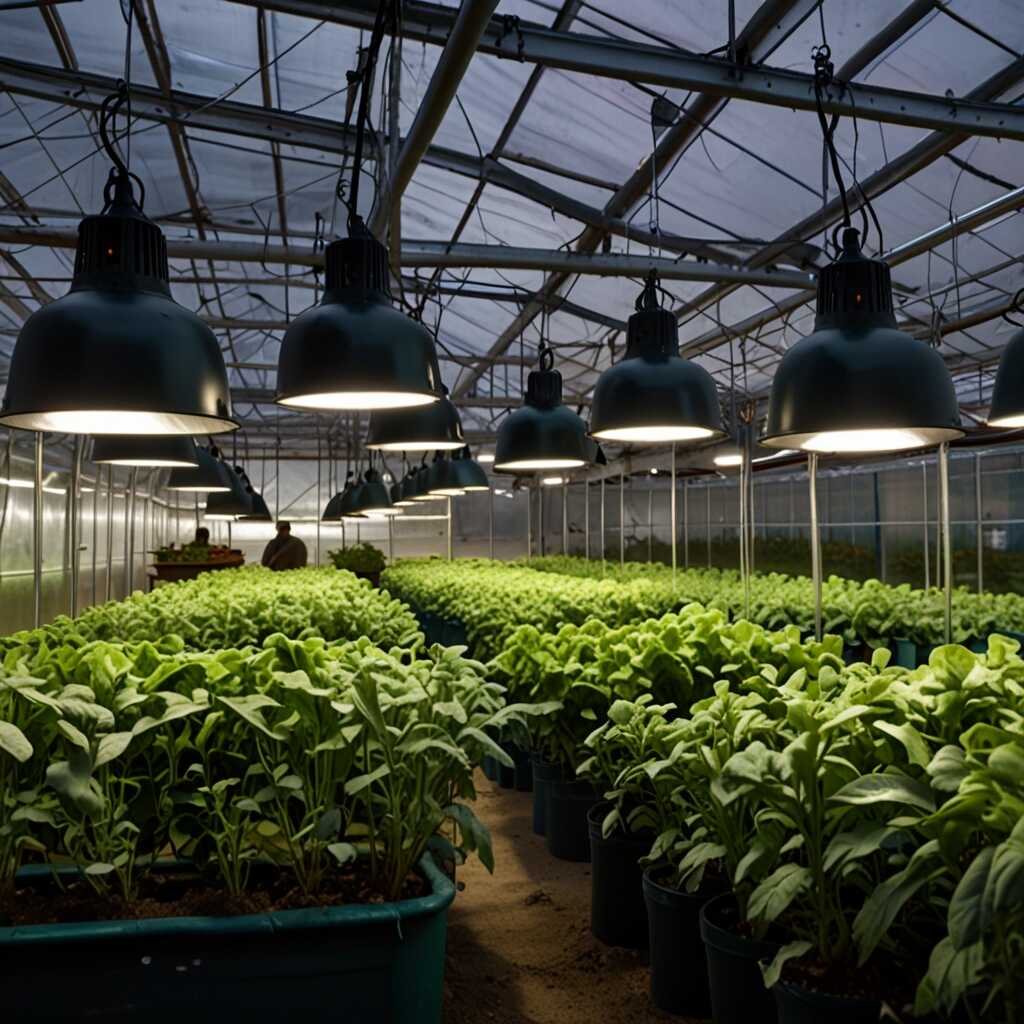
Different light spectrum requirements significantly impact the health of medicinal and aromatic plants. Light is crucial for photosynthesis. Medicinal plants thrive under specific wavelengths. Blue light (400-500nm) enhances vegetative growth, while red light (600-700nm) promotes flowering. Using a full spectrum light setup provides a balanced spectral output. This helps ensure all growth phases are supported effectively. The ideal light spectrum range typically lies between 400 and 700nm. This range covers both blue and red wavelengths, enhancing plant growth stages. Selecting grow lights with proven efficiency in this spectrum helps maximize yields.
Identifying the Best Grow Lights for Optimal Spectral Output
To choose the best grow lights, assess their spectral output. Full spectrum lights include all necessary wavelengths for plant growth. LEDs designed for plant growth often include both blue and red diodes. This combination provides reliable performance for all growth stages. The most effective grow lights deliver around 300-700nm, targeting essential key light spectrums. Many modern LEDs, designed specifically for horticulture, can handle multiple growth cycles. This enables better outcomes while remaining energy-efficient. User reviews and testing on multiple plants help make informed decisions. Focus on lights that offer high efficiency while producing a balanced spectrum.
Key Figures Related to Indoor Plant Lighting Systems
- LED grow lights can last over 50,000 hours compared to other types.
- Full spectrum lights can cover light wavelengths from 400 to 700 nm.
- Plants grow best at temperatures between 65°F and 75°F.
- Increased yields can reach up to 20% when using proper lighting.
- Energy-efficient lights can reduce electricity costs by up to 70%.
- Adjustable lighting setups can alter light intensity and duration easily.
- It typically takes 12-16 hours of light for optimal plant growth.
Evaluating Energy Efficiency and Cost Implications of Grow Lights
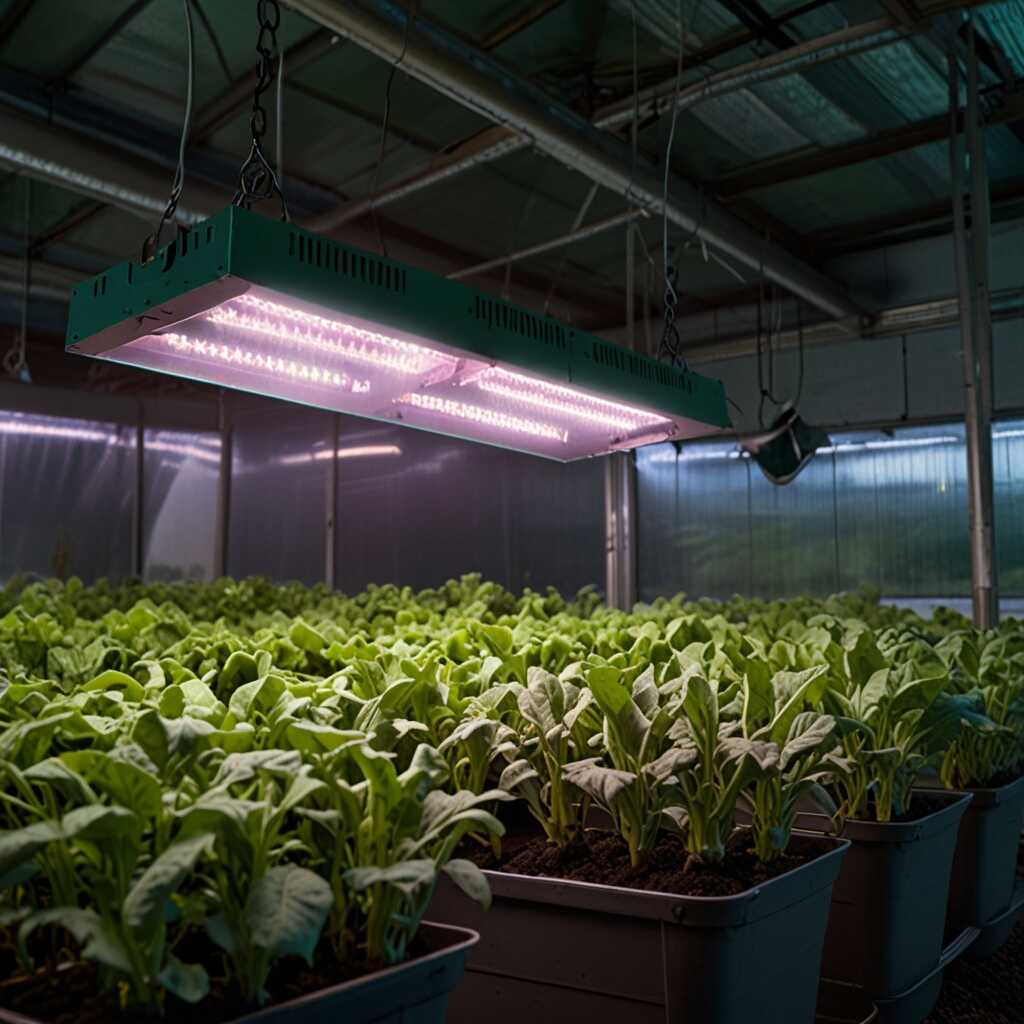
To evaluate energy efficiency in grow lights, look for energy efficiency ratings, wattage, and light output. Energy-efficient lights produce more light per watt, enhancing plant growth while saving money. Popular grow light options on the market include LED, fluorescent, and HID lights. Among these, LEDs are often the most cost-effective solution due to their high energy efficiency ratings. They typically have a lifespan of 50,000 hours, much longer than traditional incandescent and fluorescent lights, which average around 1,000 to 20,000 hours. Understanding these factors helps users make informed decisions about environmentally friendly lights that fit their budget.
Understanding LED Grow Light Advantages
LED grow lights outperform many traditional lights in terms of energy efficiency and performance. They use up to 75% less energy and provide a full spectrum of light, enhancing plant health. LED lights produce minimal heat, which reduces cooling costs in greenhouses. Additionally, their durability means fewer replacements and less waste. This longevity is crucial for sustainability advocates seeking to reduce their environmental impact. By investing in high-quality LED grow lights, gardeners save money in the long run while ensuring reliable performance for their medicinal and aromatic plants.
Strategic Placement of Grow Lights for Optimal Coverage
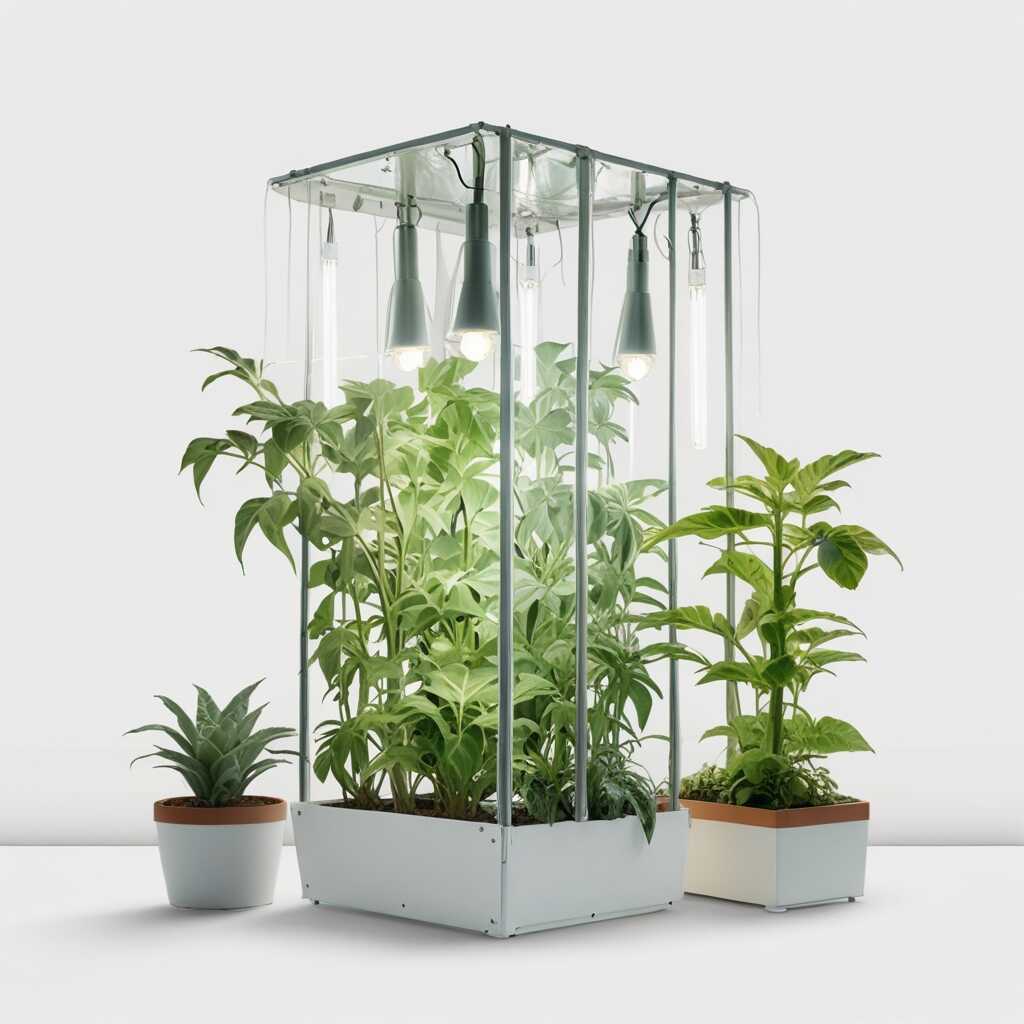
Proper positioning of grow lights is essential for maximizing light distribution in a greenhouse. Start by placing lights 12 to 24 inches above the plants. This height ensures sufficient light penetration without causing heat stress. Arrange the lights evenly to avoid shadowing; uneven coverage can lead to poor growth. For best results, consider using fixtures that allow for height adjustments. Some setups may include reflectors to increase light efficiency, directing more light towards the plants. Furthermore, review how various shapes and sizes of lights affect coverage area and ensure that every plant receives adequate lighting.
Height and Distance for Optimal Plant Growth
Height and distance critically influence how well plants thrive under grow lights. Generally, placing lights too close can lead to heat damage, while positioning them too far away can reduce light intensity. Most LED grow lights perform well at heights of 12 to 24 inches. For a 10×12 greenhouse, maintain a distance of 2 to 3 feet between multiple grow lights to ensure even coverage across all plants. Regularly monitor plant response and adjust the height and distance based on the specific needs of your medicinal and aromatic plants. This strategy enhances overall plant health and growth rates, ensuring a successful greenhouse gardening experience.
Advantages of Properly Selected Plant Lighting
- Improves photosynthesis, boosting plant health and growth.
- LED grow lights are ideal for cultivating medicinal plants in greenhouses.
- Enhances flower production and essential oil quality in aromatic varieties.
- Reduces the chance of disease and pest infestations among plants.
- Allows for year-round gardening, regardless of seasonal changes.
- Minimizes heat output, keeping greenhouse temperatures more stable.
- Supports lower energy consumption, aligning with sustainability goals.
The Importance of Light Timing and Duration for Plant Health
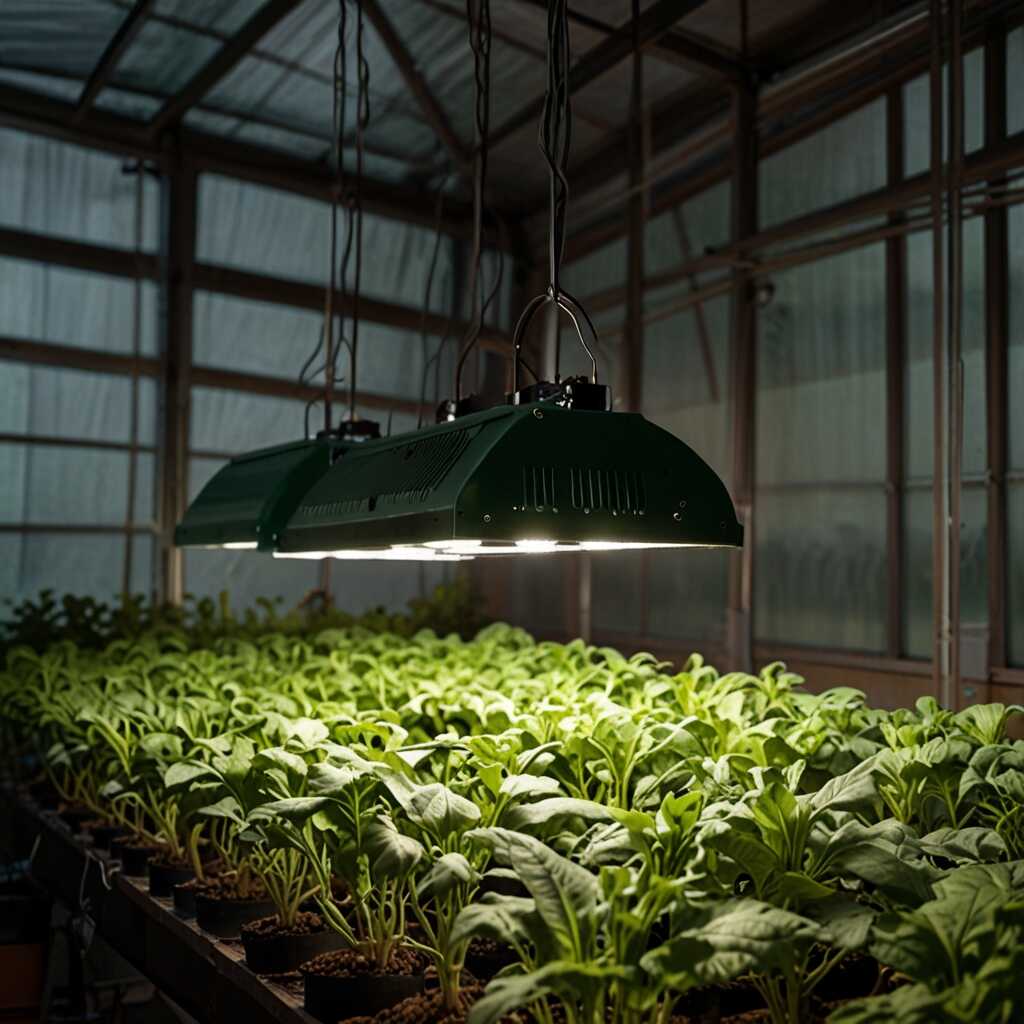
Light timing and duration are essential for plant health and growth in medicinal plant greenhouses. Factors such as the type of plants, geographic location, and the season impact light schedules. It’s crucial to replicate natural light conditions as closely as possible. This helps plants undergo their growth stages effectively. Each plant species has specific needs for light duration. For instance, leafy herbs may thrive with 12-16 hours of light, while flowering plants generally require between 14-18 hours. Proper lighting not only ensures robust growth but also improves the quality of herbs produced.
Understanding Plant-Specific Light Requirements
Each type of medicinal plant has unique light needs that influence their growth and yield. Leafy greens like basil and mint flourish with 12-16 hours of bright light per day. On the other hand, flowering medicinal plants such as chamomile or lavender may require 14-18 hours of light. Research indicates that varied wavelengths enhance different plant stages, from seedling to full bloom. Users should monitor their plants closely. Using a reliable light meter can help determine if the light intensity meets their plants’ requirements. Green Writer provides insights on maximizing light efficiency to support healthy growth.
Adjusting Grow Lights Based on Plant Growth Response
Monitoring plant responses to grow lights is crucial for ensuring their health. Check the leaves regularly. Yellowing leaves may signal under-lighting. Conversely, burnt leaf tips indicate over-lighting. Adjust light height and intensity based on these signs for optimal plant health. Measuring light intensity is essential. Use a light meter to ensure your plants receive adequate levels. Aim for full spectrum grow lights, which can provide the right wavelengths for healthy growth. The best results come from regular adjustments based on plant feedback. Keeping a grow light journal helps track these changes effectively.
Identifying Signs of Lighting Stress in Plants
Identifying signs of lighting stress is crucial for maintaining optimal growing conditions. Under-lighting frequently results in leggy growth, where plants stretch towards the light source. You may notice stunted growth or fewer blossoms as well. Over-lighting typically shows as leaf burn and discoloration. Leaves may become crispy at the edges or curl. An ideal light duration for medicinal and aromatic plants is about 12 to 16 hours daily. This duration ensures plants receive enough energy for robust growth. Balancing these factors helps you create an ideal environment in your greenhouse.
Target Audiences and Common Use Cases for Plant Grow Lights
- Home gardeners want to grow herbs for personal use or culinary delights.
- Horticulturists focus on sustainable practices to enhance plant cultivation.
- Greenhouse owners seek to maximize yield from medicinal plant crops.
- Indoor gardening enthusiasts love experimenting with unique aromatic plants.
- Sustainability advocates promote eco-friendly solutions for modern agriculture.
- Families aim to create indoor gardens for educational and health benefits.
- Commercial growers invest in energy-efficient systems for profit maximization.
Accessing Additional Resources and Community Support for Grow Lights
Several online forums focus on grow lights for greenhouses. These communities provide reliable testing reviews and practical advice. Websites like Reddit’s r/hydroponics and the Growers Network are excellent starting points. Users share experiences, discuss brands, and provide recommendations based on proven data. Many members have valuable insights on which grow lights perform best in greenhouse settings for medicinal plants. The average cost range for quality grow lights is widely discussed, providing essential comparisons for users. Expect to pay between $150 to $600 based on features and technology.
Enhanced Learning Through Community Engagement
Engaging with community support groups enhances your understanding significantly. These groups often include experienced growers who review various grow lights. They provide insights into energy efficiency and plant health, sharing detailed comparisons between brands like Mars Hydro and VivoSun. Participating in discussions helps you research the best grow light options tailored to your greenhouse needs. Users frequently recommend sharing specific experiences with different grow light types and their efficiency. Community members often post comparisons of prices, features, and effectiveness to clarify which products deliver excellent performance in growing medicinal and aromatic plants.