
Choosing grow lights for your greenhouse automation systems is essential for optimizing plant growth and efficiency. Selecting the right lighting technology can significantly enhance your plants’ health while aligning with sustainable gardening practices. At Green Writer, we provide guidance on how to choose suitable grow lights that work seamlessly with automation systems. Our focus on energy-efficient solutions ensures that your gardening efforts contribute positively to both your plants and the environment.
Understanding the Role of Light in Plant Growth for Greenhouses
Light plays a crucial role in plant growth within greenhouses. Plants require light for photosynthesis, which transforms light energy into chemical energy. Inadequate light affects their growth and health, leading to weak and leggy plants. Proper lighting sustains optimal conditions for plant development by regulating processes such as flowering and fruiting. Different types of grow lights, including LED and fluorescent, can enhance plant growth efficiency. A well-designed greenhouse should utilize the right light spectrum for photosynthesis, typically ranging from 400 to 700 nanometers, ensuring ideal photosynthesis conditions for plants.
Selecting the Best Grow Lights for Your Greenhouse
Choosing the right grow lights involves understanding their spectrum and efficiency. LED grow lights are a standout option as they provide full spectrum lighting, ideal for various growth stages, including germination and flowering. These lights consume less energy compared to traditional bulbs while offering a lifespan of over 50,000 hours, contributing to long-term savings. Consider lights that provide adjustable spectrums to match plant needs throughout their lifecycle. A reliable system of grow lights will result in enhanced photosynthesis and overall plant health, ensuring a productive gardening experience. Green Writer offers expert advice on effective grow light technology to help greenhouse owners make informed choices.
Comparing Different Types of Grow Lights for Automation
Choosing the right grow lights for greenhouse automation is crucial for optimizing plant growth. LED grow lights offer energy efficiency, a long lifespan, and low heat emission, making them perfect for automated systems. HID grow lights deliver intense light and are favored for larger setups, but their heat output can be a challenge. Fluorescent grow lights are more budget-friendly and reliable for smaller spaces but may lack the intensity of LEDs and HIDs. Each type provides unique benefits and challenges that can influence your decision based on your greenhouse system and desired outcomes.
Key Considerations When Choosing Grow Lights
When selecting grow lights, consider factors like energy efficiency, light spectrum, and heat output. LED grow lights yield excellent results with a spectrum tailored for different growth stages, improving efficiency and reducing energy costs. HID grow lights require more ventilation due to their heat output, making them less compatible with some automated systems. Fluorescent lights can offer quick setups and lower initial costs, but they often need to be replaced more frequently. Each light type enhances productivity differently, so understanding these key aspects will help you make an informed choice that aligns with your greenhouse automation goals.
Essential Features of Grow Lights for Automated Systems
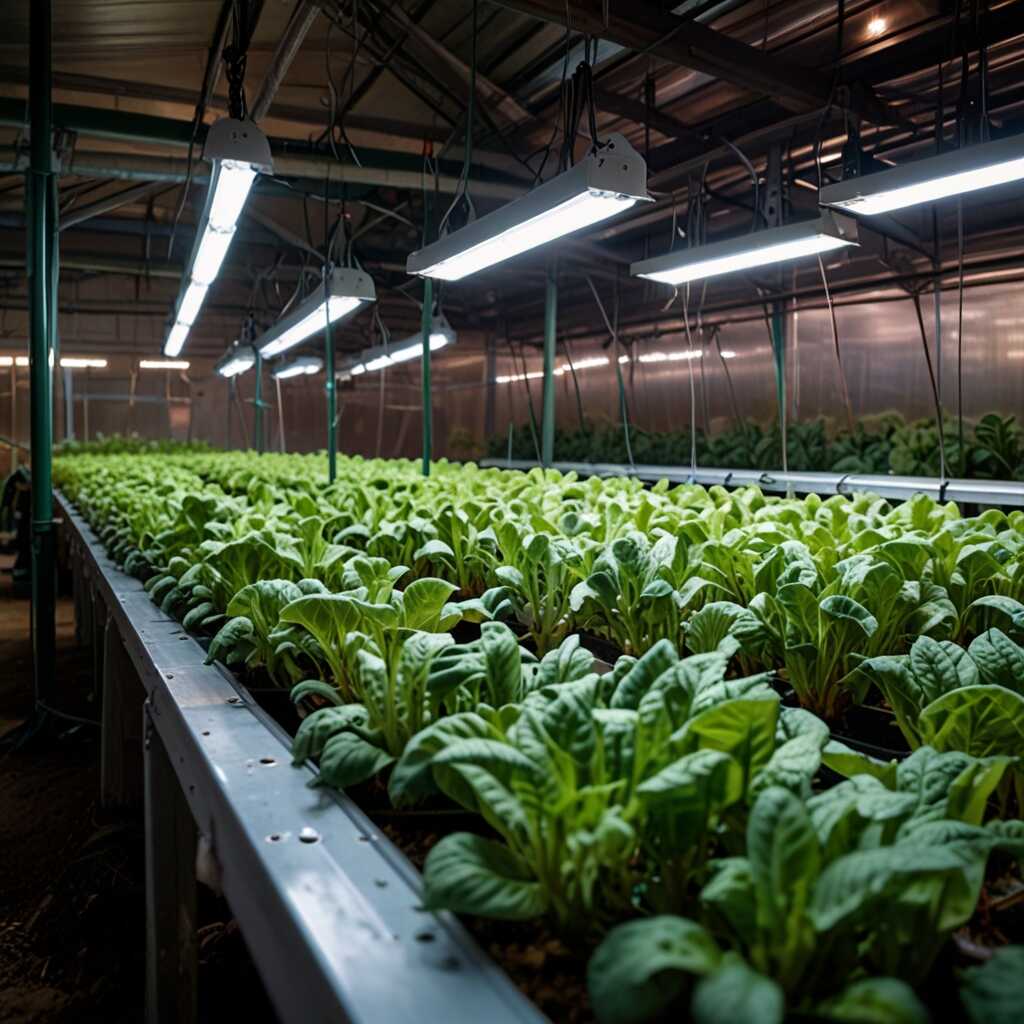
When selecting grow lights for automated greenhouses, essential features include light spectrum, intensity output, and smart connectivity. The light spectrum, which ranges from blue to red wavelengths, crucially affects photosynthesis and plant growth stages. Adjustable intensity allows users to cater light levels to specific plants and growth phases. Smart connectivity options enable integration with automation systems, facilitating real-time monitoring and adjustments. Energy-efficient LED grow lights typically range from 50 to 300 watts, providing great options for varying greenhouse sizes. Reviews of different models emphasize their reliability and performance, ensuring plants receive the optimal light conditions for growth.
Understanding Light Spectrum for Plant Growth
Light spectrum plays a vital role in plant growth and development. Full spectrum grow lights include wavelengths from 400 to 700 nm, effectively supporting both vegetative and flowering stages. Plants require blue light for healthy leaf development and red light for flowering and fruiting. Energy-efficient LED grow lights often feature customizable spectrum settings. This flexibility allows growers to fine-tune lighting according to specific plant needs. Studies show that plants exposed to the optimal light spectrum enhance photosynthesis, increasing yield and growth rates. Research on various models helps determine the best spectrum for your specific greenhouse setup.
Key Figures to Consider When Selecting Lighting Options
- LED grow lights can last over 50,000 hours, significantly reducing replacement costs.
- Full-spectrum lights cover wavelengths from 400 to 700 nm for optimal plant growth.
- Energy-efficient grow lights can lower your electricity bill by 30% compared to traditional lights.
- Plants may need approximately 12 to 16 hours of light daily during growth periods.
- Use lights placed 12 to 36 inches above plants, depending on the light strength.
- About 90% of users notice faster growth with adequate lighting systems.
- Automated systems can adjust lighting based on plant growth stages, improving efficiency.
Ensuring Compatibility with Greenhouse Automation Systems
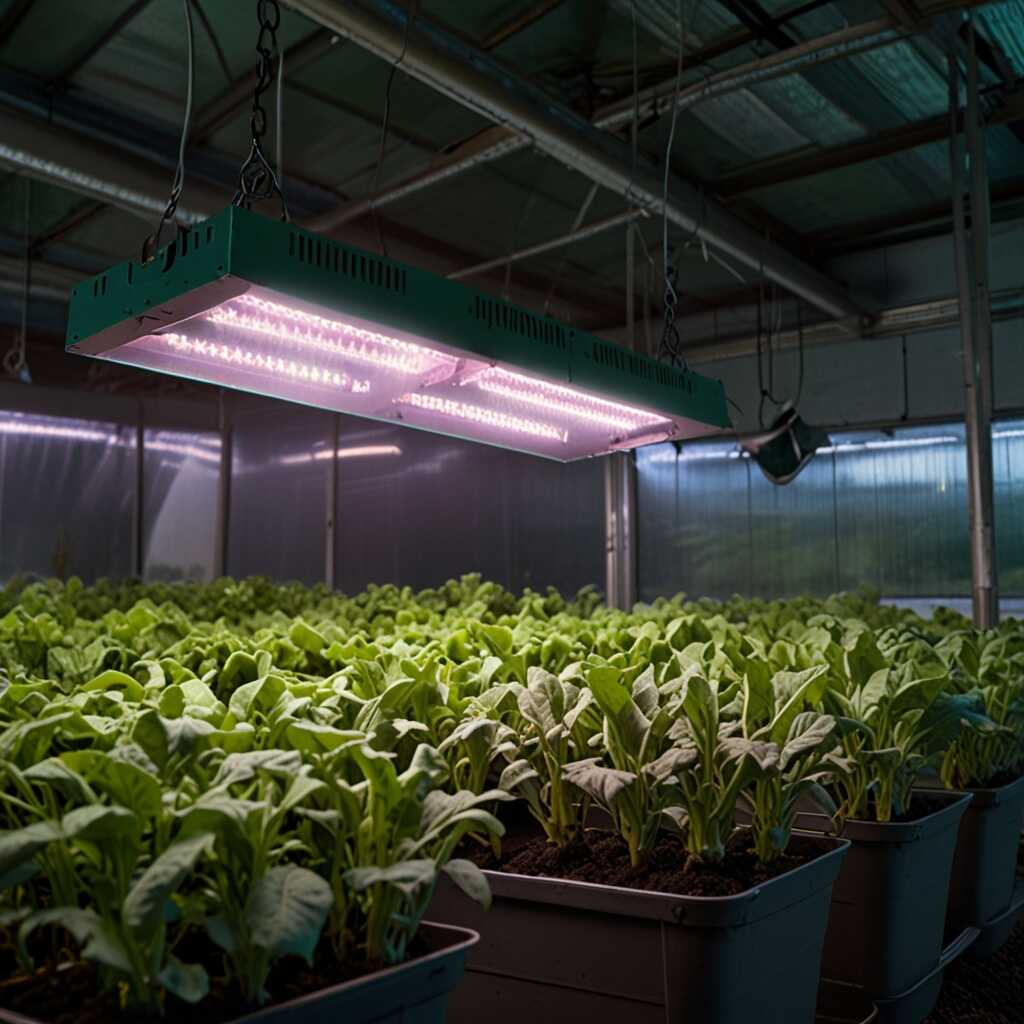
Selecting the right grow lights to ensure compatibility with greenhouse automation systems is crucial. Begin by examining the light’s compatibility with your existing setup. Look for features like integrated dimmers and timers that can synchronize with automation. LED grow lights are a popular choice due to their energy efficiency and low heat output. Evaluate the energy efficiency ratings of the grow lights you are considering. This data will help you determine how much energy they can save and improve overall functionality. For optimal results, test different wattage ranges to find the best fit for your automated system, ensuring reliability and effectiveness.
Selecting the Right Type of Grow Light for Automation
Selecting the right type of grow light for your greenhouse automation involves understanding the suitability of LED and fluorescent options. LED grow lights are designed to enhance plant growth stages and offer low energy consumption. Their long lifespan, often exceeding 50,000 hours, makes them a proven choice for sustainability. In comparison, fluorescent lights may require higher wattage to provide sufficient light output. This can increase energy costs and affect the efficiency of your greenhouse automation system. Prioritize grow lights that deliver consistent performance and can adapt to your plants’ specific needs throughout their growth cycles.
Evaluating Energy Efficiency of Grow Light Options
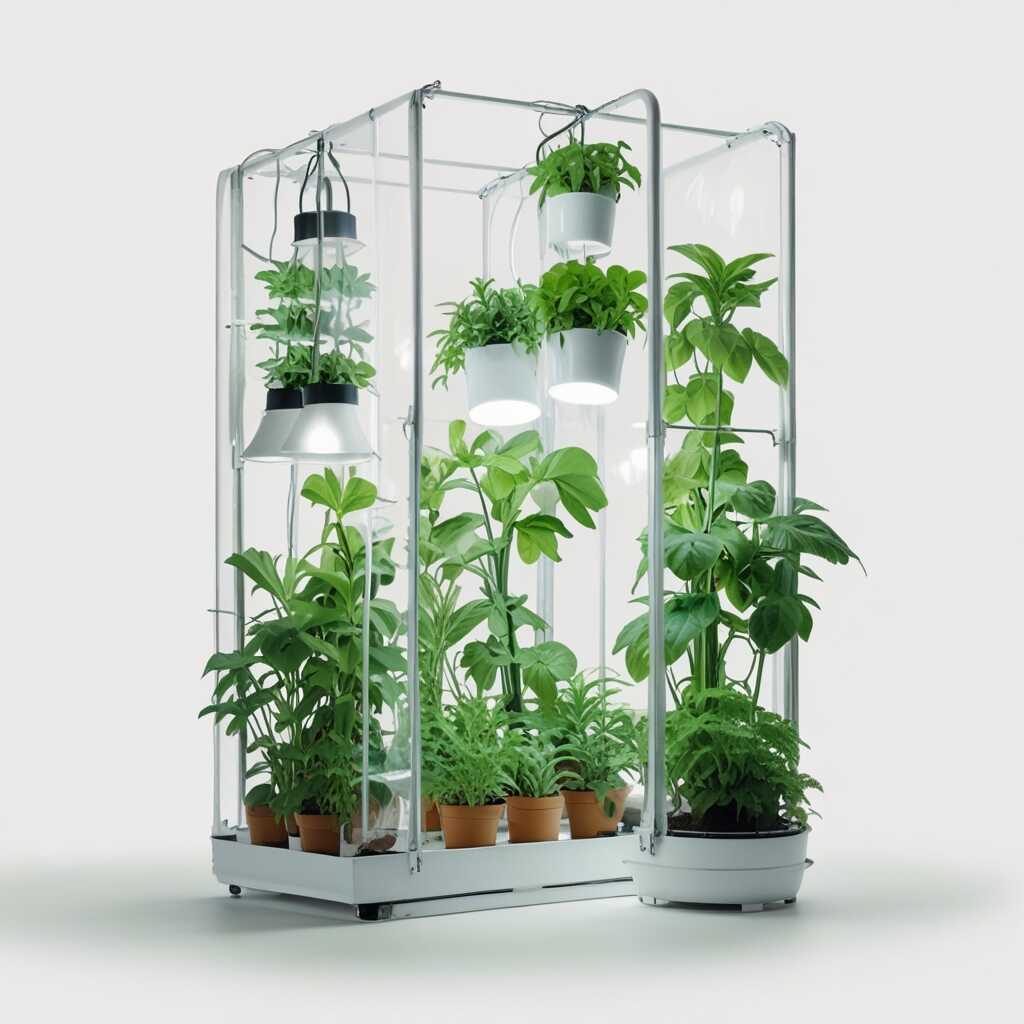
Energy efficiency is essential when choosing grow lights for greenhouses. Selecting energy-efficient grow lights can significantly reduce operational costs. LED grow lights often outperform traditional lighting in efficiency and lifespan. They typically consume less power while providing adequate light for plant growth. This not only helps businesses save on electricity but also enhances sustainability practices by reducing carbon footprint. A comparison of different types reveals that LEDs can last over 50,000 hours, whereas traditional options may only last around 1,000 hours. Reviews show that investing in quality, energy-efficient grow lights ensures better reliability and performance over time.
Comparing Light Spectrum Efficiency in Different Grow Lights
Different grow lights offer unique light spectrum efficiencies critical for plant growth. LED grow lights provide a full spectrum, including the blue and red wavelengths that plants require for photosynthesis. This ensures better growth rates and results in healthier plants. A comparison of fluorescent lights shows they may provide limited spectrum efficiency, affecting overall plant health and yield. Research indicates that continuous exposure to the right light spectrum can enhance vegetative growth and flowering. Choosing lights designed for specific plant types helps maximize energy use and improves efficiency, ensuring better long-term results.
Advantages of Integrating Light Systems in Plant Cultivation
- Energy-saving designs help decrease environmental impact and utility costs.
- Advanced lighting can boost plant yield through enhanced growth stages.
- Automated systems ensure consistent lighting, critical for plant health.
- Customizable light spectrums support different plant species and growth phases.
- Reducing shadowing improves air circulation and light access for all plants.
- Wavelength range enhances photosynthesis, promoting lush foliage and blooming.
- Convenience in setup allows for easier management of indoor gardens or greenhouses.
Identifying Light Quality and Its Effect on Plants
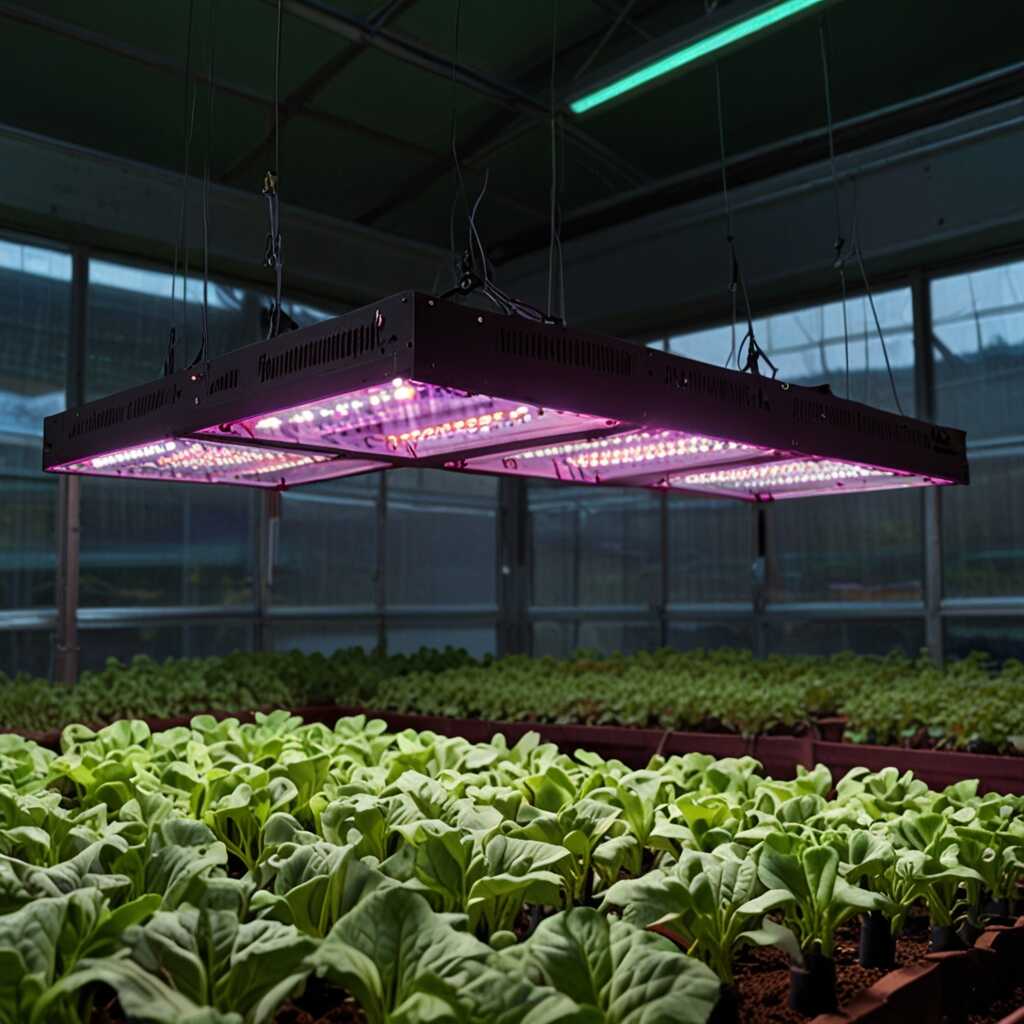
Measuring light quality is essential for maximizing plant growth. Key parameters to focus on include light intensity, light spectrum, and duration of exposure. Light intensity is measured in lumens or PAR (photosynthetically active radiation) to ensure plants receive adequate energy. The light spectrum informs you of the different wavelengths beneficial for specific growth stages. You can use tools like light meters and spectrometers for precise measurements. Understanding that most plants usually need about 12 to 16 hours of light daily helps formulate efficient growing strategies.
Understanding Light Spectrum for Plant Health
The light spectrum plays a critical role in plant health. Different wavelengths support various growth stages of a plant. Blue light (400-500 nm) is vital for vegetative growth, while red light (600-700 nm) is essential for flowering. Using full spectrum LED grow lights ensures you cover all necessary wavelengths. These lights enhance hormonal balance and photomorphogenesis, enabling plants to thrive. With reliable testing and comparison of product reviews, growers can make informed decisions on the best lighting solutions for their greenhouses.
Budgeting for Grow Light Technologies in Your Greenhouse
Understanding the cost differences between LED grow lights and traditional options is essential for greenhouse owners. LED grow lights typically have a higher initial purchase price but offer long-term energy efficiency. These fixtures often last over 50,000 hours, reducing replacement frequency and maintenance costs. In contrast, traditional lights are cheaper upfront but consume more electricity and require replacement sooner. Careful budgeting can involve investing slightly more initially to optimize energy savings and performance. Prioritize brands with proven reliability and excellent reviews to ensure you select the best products for your needs.
Maximizing Value Within Your Grow Light Budget
To maximize value within your grow light budget, start by analyzing energy efficiency ratings and lifespan data of each option. Consider features such as full spectrum output and dimmable settings. Look for growers’ reviews to compare how different types perform under specific conditions. Some LED grow lights may provide more efficient light output, resulting in better plant growth while using less energy. Setting a clear budget that factors in both initial costs and ongoing energy consumption can help ensure long-term savings and productivity.
Noteworthy Brands and Their Unique Offerings
- Brand A offers flexibility for varied plant types but has a higher initial cost.
- Brand B provides beginner-friendly options that are easy to set up but may lack efficiency.
- Brand C specializes in full spectrum lights, essential for diverse growth stages but might be less durable.
- Brand D focuses on energy efficiency and long lifespan, appealing to eco-conscious users.
- Brand E features budget-friendly options but with limited spectrum coverage, suitable for novice gardeners.
- Brand F targets professional growers, offering advanced features but at a steep price point.
- Brand G is great for small indoor spaces, as it fits compact areas but may struggle with high light needs.
Future Innovations in Grow Lights and Automation Technologies
Recent advancements in grow light technology focus on enhancing energy efficiency and plant growth optimization. LED grow lights have become essential, providing a full spectrum of light that supports various plant stages. Innovations include smart sensors that monitor plant health and automatically adjust light levels, ensuring optimal conditions. These automated systems can handle complex variables, resulting in better reliability and consistent plant performance, making them ideal for greenhouse automation. By 2025, the market for automated grow light systems is projected to grow significantly, reflecting increased demand for efficient, sustainable gardening solutions.
Integration of Smart Sensors with Grow Lights
The integration of smart sensors with grow lights offers a new level of control in greenhouse automation. These sensors provide data on temperature, humidity, and light levels. This information helps optimize lighting schedules and intensity, enhancing plant growth. For instance, when sensors detect low light levels or specific plant stress indicators, the system can automatically adjust the grow light’s output. This synergy between lighting and sensor technology is designed to maximize energy efficiency while ensuring plants receive the best possible conditions to thrive. Automated systems are becoming very good at providing reliable, real-time adjustments based on actual growing conditions, making them a smart investment for serious growers.