
Choosing the right grow lights is essential for successful greenhouse fruit production. The right lighting can significantly enhance plant growth, helping you maximize your yield. At Green Writer, we provide guidance on selecting effective grow lights, focusing on energy-efficient options that match the specific needs of your plants. Understanding the best grow light technologies can transform your greenhouse into a thriving space for delicious, homegrown fruits.
The Importance of Grow Lights in Greenhouse Cultivation
Grow lights play a critical role in greenhouse cultivation by replicating sunlight. They provide essential light to plants during low-light seasons, ensuring reliable growth. The benefits of using grow lights include improved fruit production and enhanced plant health. Selecting the right grow lights ensures optimal growth conditions. Features like full spectrum lighting are essential as they emit wavelengths best suited for photosynthesis. For effective fruit growth, continuous testing and reviews of different lighting types help identify which provides the best results. Most fruit-bearing plants benefit from grow lights that are on for at least 12 to 16 hours per day.
Choosing the Right Grow Lights for Your Greenhouse
When selecting grow lights for greenhouse cultivation, consider efficiency and durability. Full spectrum lighting is crucial as it mimics natural sunlight, supporting all growth stages from seedling to harvest. Choose LED grow lights for their energy efficiency and long lifespan, usually exceeding 50,000 hours. Look for reliable brands that offer products with proven performance records. Compare features such as wattage, coverage area, and heat output. Ensuring grow lights have adjustable settings helps adapt to different plant needs and enhances overall fruit production quality.
Overview of Popular Grow Light Types for Greenhouses
There are three main types of grow lights commonly used in greenhouses: LED, fluorescent, and HID lights. LED grow lights provide excellent energy efficiency, lasting up to 50,000 hours, which reduces long-term costs. They support various growth stages through full-spectrum light. However, they can have a higher upfront cost. Fluorescent lights are affordable and work well for seedlings and leafy greens, but their lifespan and efficiency are lower than LEDs. HID lights, known for their intensity, are great for large-scale operations yet consume more power and may generate excess heat.
Comparing Efficiency of Different Grow Light Types
Efficiency comparison is crucial in selecting the right grow light for your greenhouse. LED grow lights usually operate between 20 to 30 watts per square foot, delivering high-quality light while using less electricity. In comparison, fluorescent lights usually require 35 to 100 watts per square foot, generating significant heat. HID lights generally consume around 400 to 1,000 watts, making them less efficient over time. Understanding the power consumption of these grow lights helps in calculating long-term operational costs, maximizing your greenhouse’s yield.
Essential Features to Consider When Selecting Grow Lights
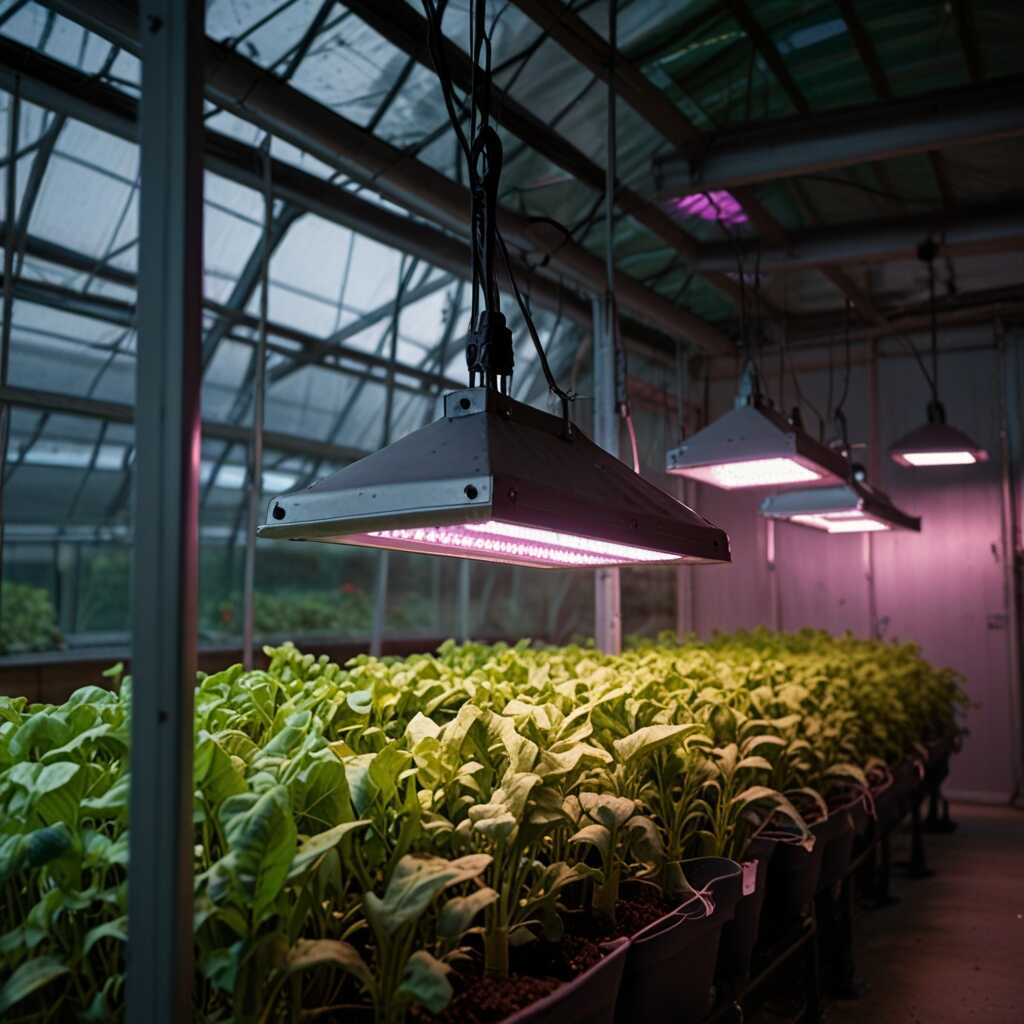
The light spectrum is crucial for fruit production. Plants thrive under full spectrum lights that mimic natural sunlight, promoting growth and flowering. High-quality LEDs typically measure light wavelengths from 400 to 700 nanometers, covering both blue and red spectrums essential for photosynthesis. Reliable brands of grow lights include Philips and Mars Hydro, which have strong reviews and customer experience backed by proven performance. The average lifespan of LED grow lights exceeds 50,000 hours, ensuring durability and less frequent replacements. Proper choice of lighting system enhances fruit yield and overall plant health in greenhouses.
Understanding Full Spectrum Lighting Benefits
Full spectrum lighting provides varied wavelengths of light essential for different plant growth stages. During vegetative stages, blue light (400-500nm) supports robust leaf growth. In contrast, red light (600-700nm) encourages flowering and fruiting, making it critical for greenhouse fruit production. Selecting lights with adjustable spectrums allows you to customize settings based on specific plants and their growth phases. A well-designed grow light system ensures efficiency, providing the right light at the right time, significantly improving your yields. Investing in full spectrum LEDs pays off by enhancing plant growth and increasing your harvests.
Essential Numbers to Know When Choosing Lighting Solutions
- Plants require between 12 to 16 hours of light daily for optimal growth.
- Bright grow lights typically emit between 400 to 700 nanometers of light.
- LED lights consume up to 75% less energy than traditional bulbs.
- Growing fruit indoors can increase yields by 50% or more with proper light.
- An average LED grow light lasts over 50,000 hours versus 1,000 hours for incandescent lights.
- Proper light placement can increase temperature by 5 to 10 degrees Fahrenheit.
- Full spectrum lights cover all growth phases, enhancing fruiting and flowering stages.
Evaluating Cost and Efficiency of Grow Lighting Options
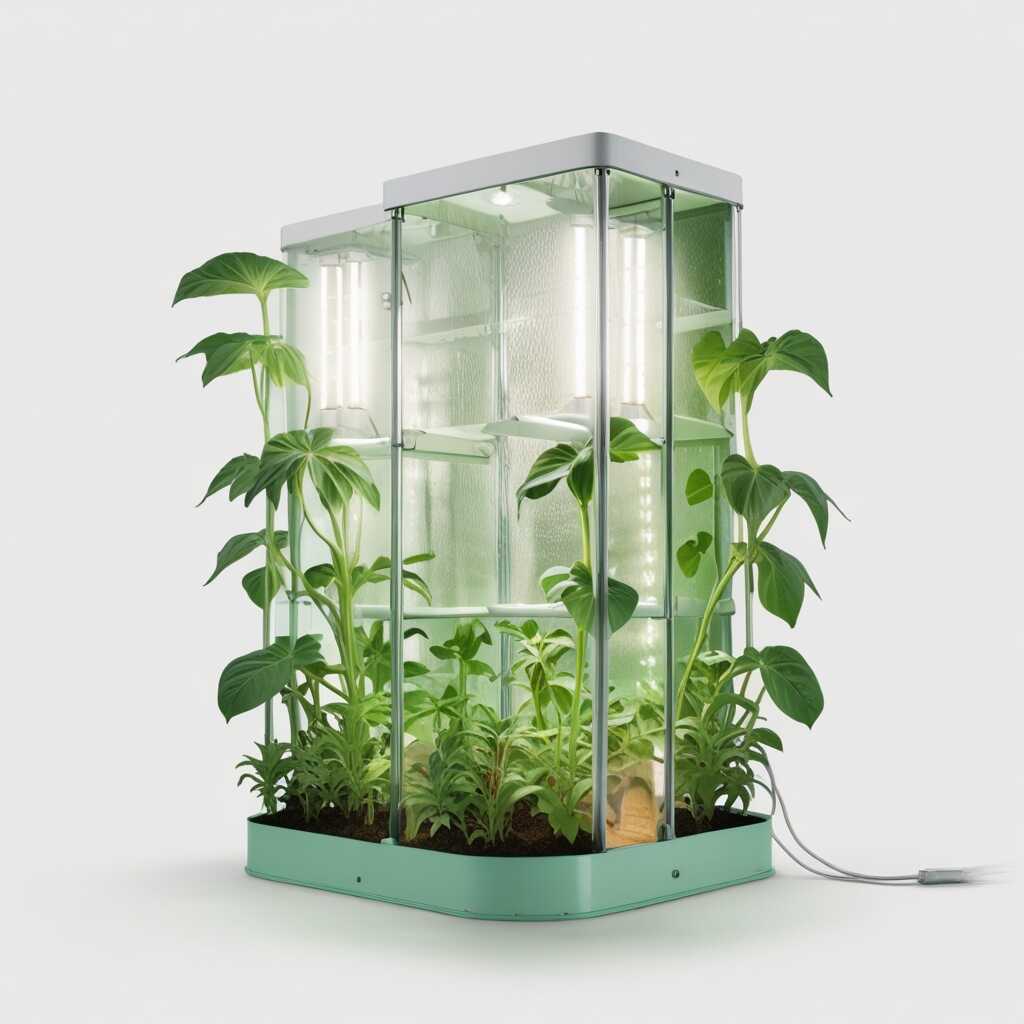
When evaluating the cost of grow lights, consider key factors like initial purchase price, energy consumption, and lifespan. LED lights usually cost more upfront than fluorescent lights, but their energy efficiency can lead to lower utility bills. Different types of grow lights have various efficiencies measured in wattage versus output. For instance, LEDs can produce similar light levels while using fewer watts than traditional options. Research shows the average annual energy cost for LED grow lights can range from $30 to $120, depending on usage and rates. This information helps greenhouse owners make informed decisions about the best option for their fruit production needs.
Comparing the Efficiency of Different Grow Light Types
Comparing grow light types like LED, fluorescent, and incandescent reveals important differences in performance and efficiency. LED grow lights stand out due to their long lifespans, often exceeding 50,000 hours. They provide the full spectrum of light essential for all growth stages, making them ideal for fruit production. The energy efficiency of LEDs can enhance fruit growth while reducing electricity costs. Fluorescent lights are cheaper initially but consume more energy over time, leading to higher long-term costs. Comprehensive testing and reviews show that LEDs frequently outperform fluorescent lights in terms of plant health and yield. This makes them the most reliable choice for sustainable greenhouse operations.
Understanding the Role of Light Spectrum for Different Growth Stages
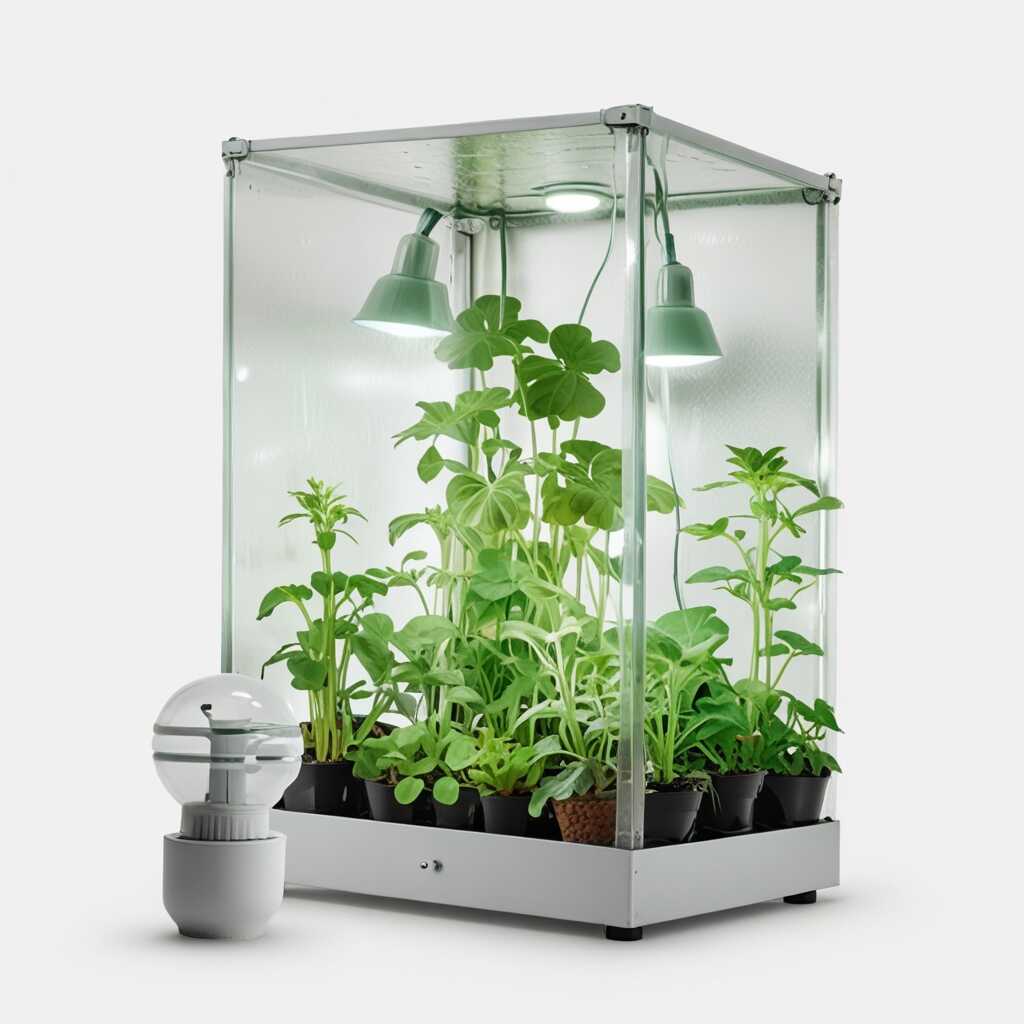
Light wavelengths play a key role during vegetative and flowering growth stages. Growers should choose light spectra based on plant needs. During the vegetative phase, plants thrive with blue light (400-500 nm). This spectrum enhances leaf growth and structure. For the flowering stage, red light (600-700 nm) is essential, as it promotes blooming and fruiting. Using a combination of both ensures reliability in growth. Research shows that providing these specific wavelengths can maximize fruit production. Plants generally need 12-16 hours of light a day during the vegetative stage and 10-12 hours during flowering.
Choosing the Right Grow Light for Your Plants
Selecting the optimal grow light can significantly enhance plant health and productivity. LED grow lights are preferred as they deliver the necessary light spectrum efficiently. Choosing full-spectrum lights mimics natural sunlight while targeting essential wavelengths. The best grow lights are those that provide a mix of blue and red wavelengths. Using a good timer can help in maintaining the required daily light hours for your plants. This will ensure that each growth stage receives adequate light for effective development, leading to a higher yield.
Key Advantages of Utilizing Lighting Systems for Plants
- Enhanced growth rates lead to faster fruit maturity and harvest times.
- Optimized lighting can significantly improve the quality of the produce.
- Energy-efficient options reduce electricity costs for greenhouse owners.
- Proper light use supports healthy plant development and reduces pests.
- Controlled lighting schedules help simulate seasonal changes and maximize yields.
- Using grow lights allows for year-round fruit production, regardless of outdoor conditions.
- LED technology produces less heat, creating a safer environment for sensitive plants.
Best Practices for Installing Grow Lights Effectively
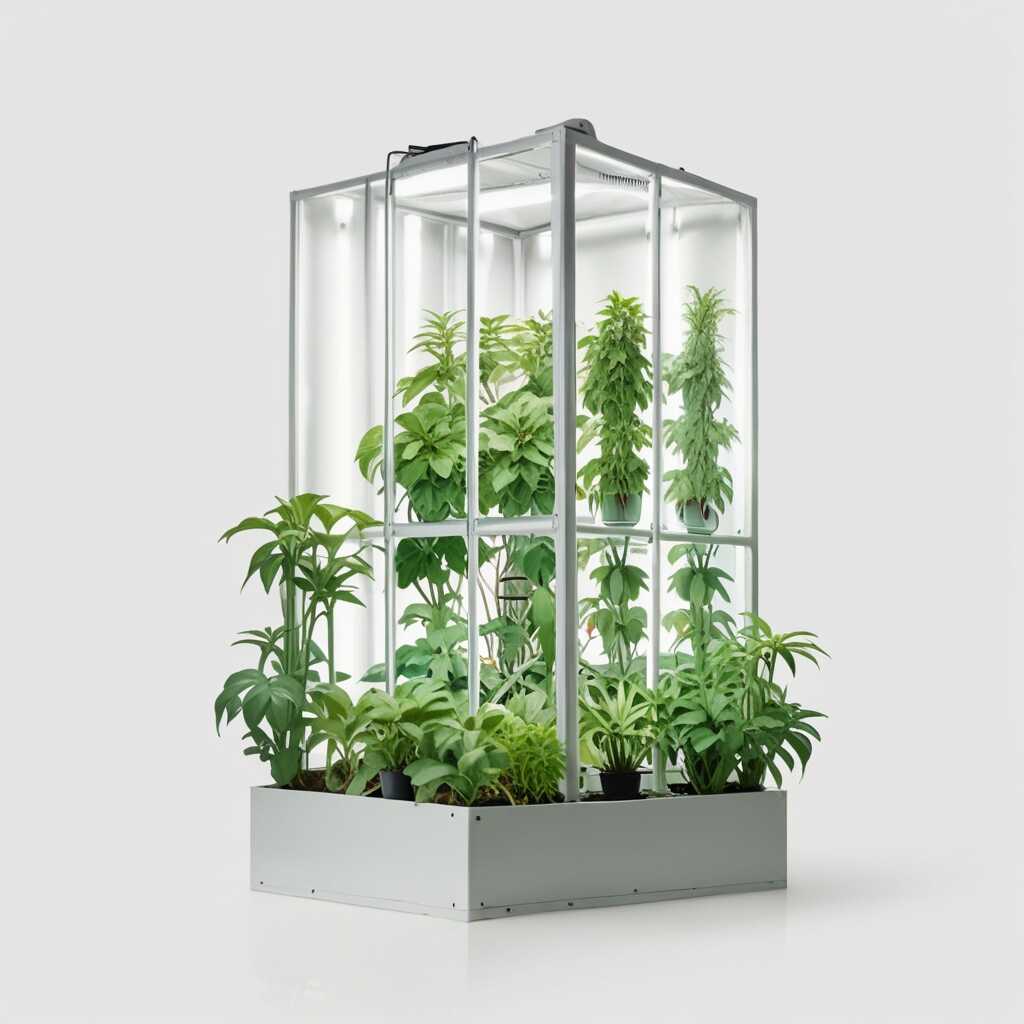
When installing grow lights in a greenhouse, key factors include light intensity, spectrum, and distance. Ensure the light fixtures are positioned to provide adequate light exposure for all plants. The type of grow lights also plays a role. LED grow lights offer a full spectrum that caters to various growth stages. Position your lights at the recommended distance, typically 12 to 24 inches above the plant canopy, depending on the light type and intensity. Regularly check positioning to maintain optimal light levels during plant growth phases.
Understanding Optimal Light Spectrum for Plants
Understanding the light spectrum is crucial for plant health. Grow lights emit different wavelengths that affect photosynthesis. Full spectrum lights include blue light for vegetative growth and red light for flowering. Research shows that plants thrive with a balanced spectrum. Set your lights to provide ample blue light during the seedling stage, then transition to a higher red spectrum as plants mature. This strategy enhances growth and ensures robust fruit production, allowing your greenhouse to maximize yields.
Tips for Maintaining Grow Lights and Ensuring Their Efficiency
Essential maintenance tasks for grow lights include cleaning the fixtures, checking electrical connections, and adjusting the height regularly. Cleaning the grow light fixtures removes dust and debris that can block light, ensuring optimal lighting conditions. Proper care of grow lights significantly improves fruit production because it provides plants with consistent energy they need for photosynthesis. The average lifespan of LED grow lights is typically around 50,000 hours. By keeping your lights well-maintained, you enhance their performance and efficiency, ultimately supporting healthier fruit plants over time.
Effective Cleaning Techniques for Grow Lights
Effective cleaning techniques for grow lights can help prevent dust buildup that impacts lighting quality. Regularly wipe down the glass or plastic cover of the grow lights with a soft cloth using a mild soap solution to eliminate grime. Ensure the fixtures remain dry after cleaning to avoid moisture damage. Additionally, use a vacuum cleaner with a brush attachment to clear any dust settled in and around the grow lights. This maintenance not only extends the longevity of your lighting but also enhances the performance of your plants, promoting vigorous fruit production.
Top Brands and Their Unique Offerings for Plant Light Solutions
- Brand A offers high-output LED solutions ideal for large greenhouse spaces.
- Brand B specializes in budget-friendly options but may have a shorter lifespan.
- Brand C features customizable lighting setups perfect for diverse plant types.
- Brand D provides full-spectrum lights that closely mimic natural sunlight.
- First-time growers benefit from Brand A’s user-friendly installation guides.
- Urban gardeners might prefer Brand C for its compact design and adaptability.
- Brands like B and D attract sustainable living advocates due to eco-friendly practices.
Avoiding Common Selection Mistakes for Grow Lights
Many individuals make typical errors when selecting grow lights for their greenhouses. Common mistakes include failing to consider light spectrum requirements and ignoring energy-efficient lighting options. These choices can lead to poor growth results and wasted energy costs. For instance, some growers might choose grow lights with inadequate spectrum coverage, which impacts photosynthesis negatively. Additionally, neglecting to review product performance ratings can result in selecting unreliable lights. Proper research, testing, and reviews help ensure you choose quality grow lights designed for enhancing fruit production.
Understanding Light Spectrum Requirements for Fruit Production
The light spectrum is crucial for effective greenhouse fruit production. Different fruit plants have unique light needs. For example, red and blue lights are essential for photosynthesis and flowering. Grow lights that deliver a full spectrum (400-700 nm) are best for catering to these varying needs. Many LEDs provide this spectrum efficiently and have a lifespan exceeding 50,000 hours. Research shows that plants respond better to full-spectrum lighting, enhancing growth rates and fruit yield significantly. By choosing lights with correct spectrum and efficiency ratings, you can achieve impressive results in your greenhouse.