
Choosing the right grow lights is essential for developing stronger stems and reducing leggy growth in plants. The right lighting can provide the necessary spectrum and intensity to support robust plant health. At Green Writer, we focus on helping indoor gardening enthusiasts find effective grow light solutions. By understanding grow light types and their impact on plant growth, you can enjoy thriving plants in your eco-conscious home.
Understanding Plant Light Needs for Healthy Growth
Plants require specific light exposure to thrive indoors. They need adequate intensity, duration, and spectrum. Bright, indirect light is essential for photosynthesis. Full spectrum grow lights can enhance stem strength and minimize leggy characteristics. High-quality grow lights designed for various plant species can boost overall indoor plant health. Most indoor plants need about 12 to 16 hours of light daily to grow strong stems without becoming leggy. Consistent light helps plants develop sturdy structures and vibrant foliage.
Types of Grow Lights for Improved Plant Growth
Different grow lights serve various purposes for indoor plants. LED lights are known for energy efficiency and longevity, lasting over 50,000 hours. These lights deliver a full spectrum of light that promotes growth and prevents leggy plants. Fluorescent lights work well for seed starting and young plants, providing bright, cool light. Incandescent lights are less efficient and should be avoided as they emit too much heat. Choosing the right type of grow light can enhance your plants’ health and resilience.
Exploring Different Types of Grow Lights Available
Indoor gardening enthusiasts can choose from different types of grow lights, including LED, fluorescent, and HID. LED grow lights are the most efficient option, providing full-spectrum lighting that supports various plant growth stages. Fluorescent grow lights are a cost-effective choice for beginners, offering a reliable light source for small plants. HID grow lights deliver high-intensity output, suitable for larger setups but consume more energy. In general, LED grow lights offer the best performance, reducing leggy growth and enhancing stem strength.
Comparing Efficiency and Lifespan of Grow Light Types
When comparing grow light types, LED grow lights stand out with an average lifespan exceeding 50,000 hours. This long-lasting feature allows gardeners to minimize replacement costs. Fluorescent grow lights typically last around 7,000 to 15,000 hours, making them less durable. HID grow lights can last between 10,000 to 24,000 hours but require regular bulb changes. LED grow lights are also more energy-efficient, consuming less power while delivering excellent light quality. This efficiency provides consistent support for plant growth stages without excessive energy costs.
The Role of Light Spectrum in Plant Development
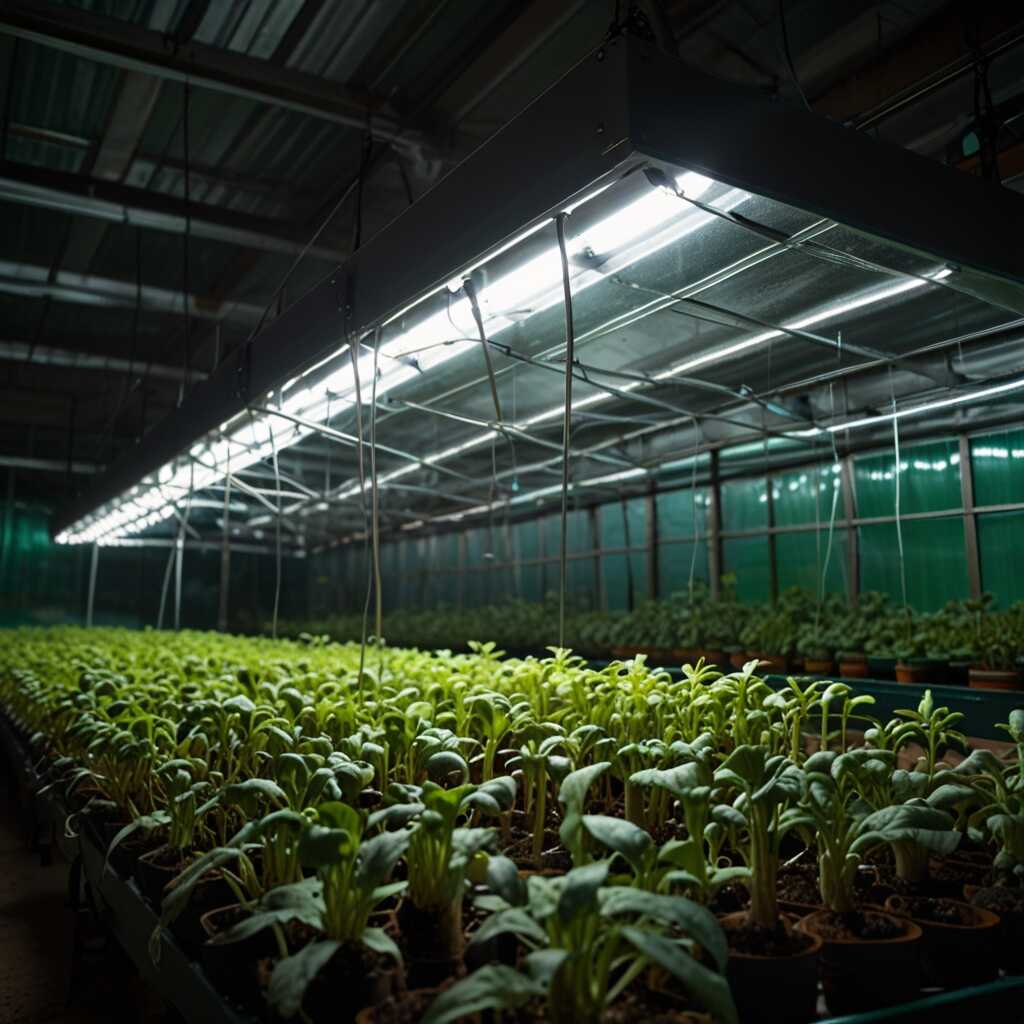
Different light wavelengths play critical roles in plant growth stages. Blue light (400-500nm) promotes vegetative growth, resulting in short and strong stems. Red light (600-700nm) supports flowering and fruiting stage, enabling plants to produce blossoms and fruits effectively. Full spectrum lights include all wavelengths, providing comprehensive support throughout the plant’s life cycle. Traditional grow lights often lack this depth, which may lead to leggy growth and weaker stems. Users can greatly benefit from selecting lights that offer a balance of both blue and red wavelengths to optimize plant health and reduce leggy growth.
Understanding Essential Wavelengths for Healthy Plants
Essential wavelengths for optimal plant health range from 400 to 700nm, covering both blue and red spectrums. Blue light, particularly around 450nm, enhances leaf growth and thickens stems, ensuring a sturdy plant structure. In contrast, red light around 660nm promotes flowering and fruit production. “Full spectrum lights” deliver these optimal wavelengths. This ensures plants receive balanced energy for all growth stages. The best grow lights also include far-red wavelengths (700-800nm) which can aid in flowering timing and overall plant health. Reliable testing data shows that plants exposed to a full spectrum of light demonstrate stronger growth overall. This enhances plant vitality and overall aesthetics.
Fascinating Figures Related to Plant Lighting
- Wavelengths between 400-700nm support plant growth stages.
- LED grow lights can last over 50,000 hours on average.
- A typical indoor plant needs 12-16 hours of light daily.
- Plants respond best to a color temperature of around 5000-7000K.
- Full spectrum lights can enhance photosynthesis by up to 20%.
- Effective lighting can reduce leggy growth by promoting sturdier stems.
- On average, one LED grow light uses about 30 watts of energy.
Determining the Right Duration of Light Exposure
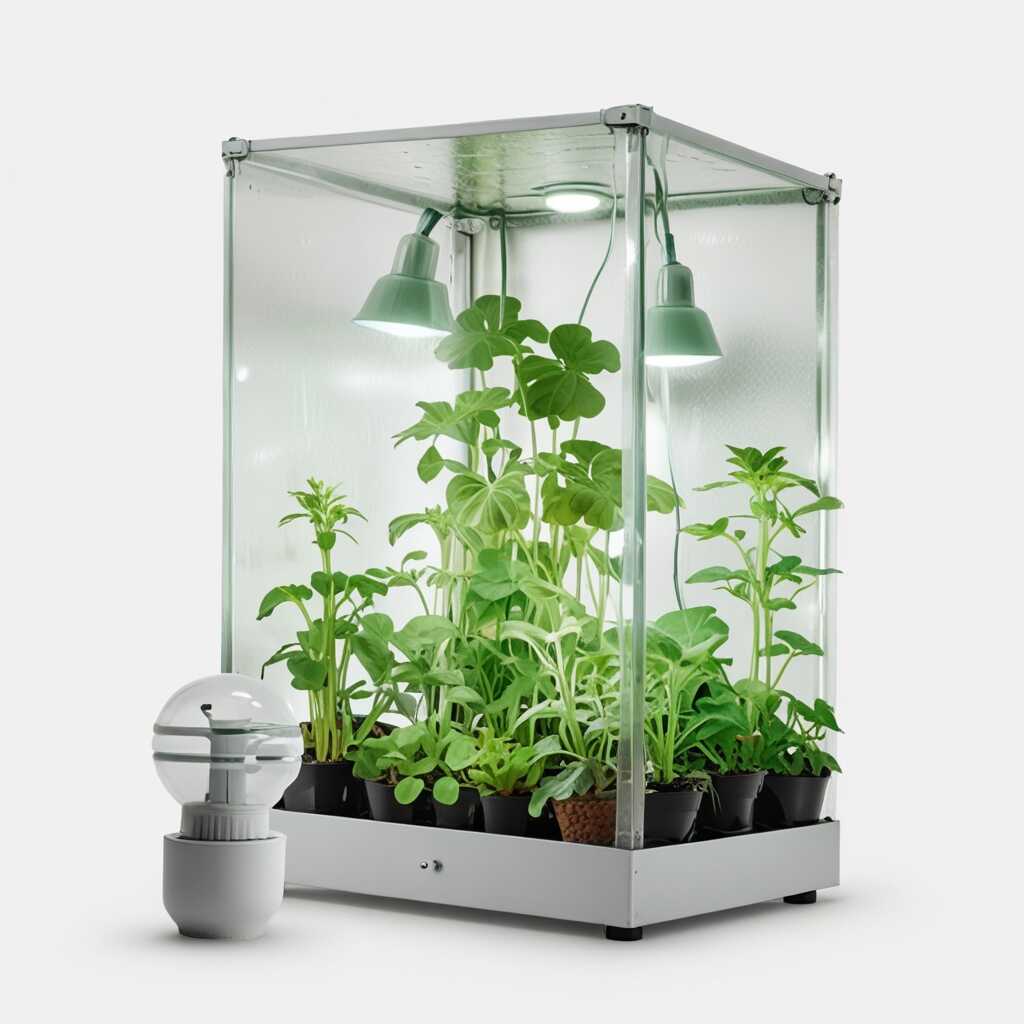
Light duration plays a crucial role in achieving strong stems and preventing leggy growth in plants. Each plant type has varying light duration needs. For example, small herbs prefer around 12-14 hours of light daily for optimal growth. Many flowering plants thrive with about 14-16 hours. Adjusting light timings allows plants to access the intensity necessary for photosynthesis, enhancing their strength. Many users experience less legginess by following these specific timings tailored to their plant types.
Understanding Different Light Needs of Popular Indoor Plants
Different indoor plants require distinct light exposure durations to thrive. For instance, peace lilies prefer 12-14 hours of light to boost their growth without becoming leggy. Conversely, pothos plants can thrive with about 10-12 hours of daily light. Adjusting the duration of light exposure ensures each plant receives adequate energy for sturdy stem development. By using reliable full spectrum grow lights, users can easily manage these timings to optimize plant health and prevent leggy growth.
Optimal Placement of Grow Lights for Best Results
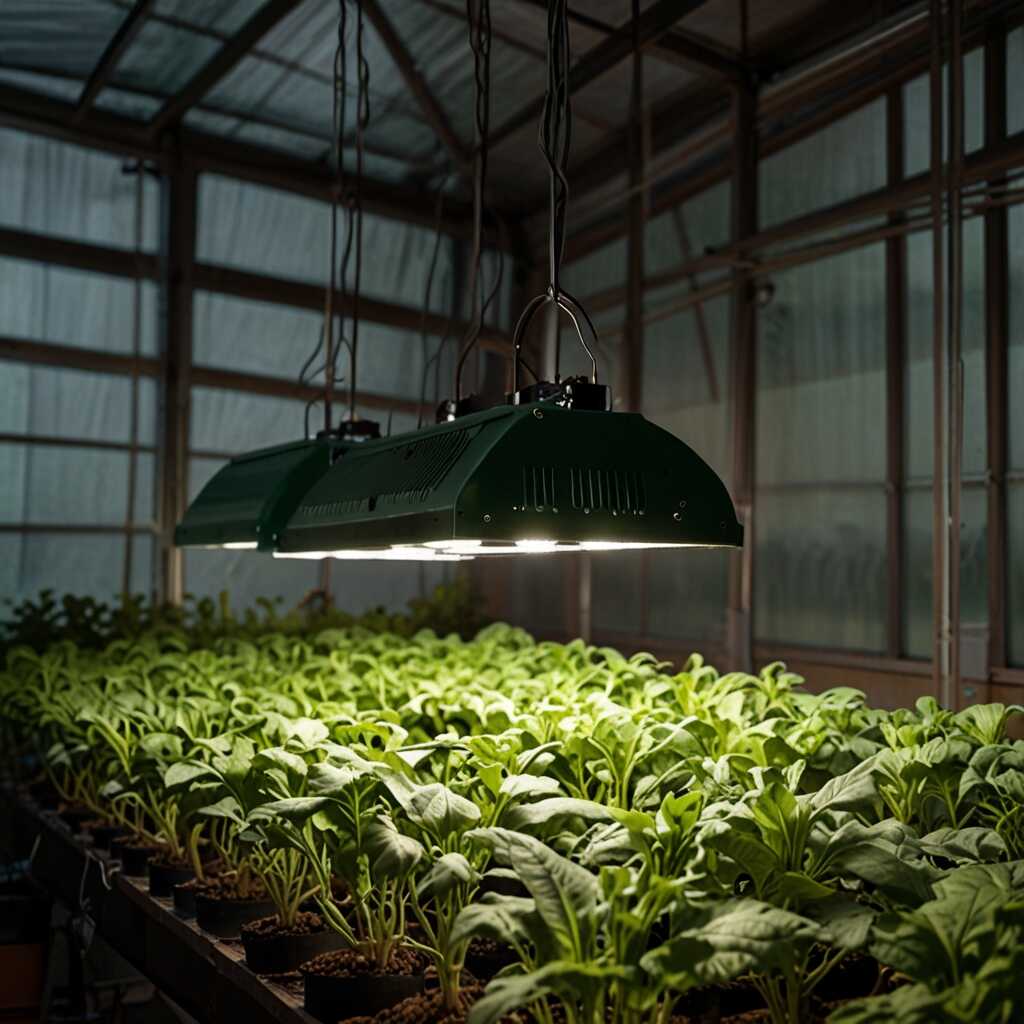
Proper placement of grow lights is crucial for maximizing light coverage area and promoting healthy plant growth. The ideal distance for hanging grow lights above plants typically ranges from 12 to 24 inches, depending on the type of light. LED grow lights provide high light intensity with low heat output, allowing you to place them closer to plants. Different types of lights affect optimal placement. For example, full spectrum lights perform well at various distances, but fluorescent tubes must be closer because they emit less light. The angle of grow lights matters too. Positioning them at a 30-degree angle can enhance light penetration. This ensures that lower leaves receive adequate light, reducing the risk of leggy growth.
Key Strategies for Adjusting Grow Light Position
Adjusting the grow light position is essential for achieving the best results in indoor gardening. First, consider light intensity levels. Monitor how your plants respond to the light by observing their growth patterns. If plants are stretching toward the light, they may need closer placement. Use adjustable grow lights to fine-tune distance quickly. Another strategy is to rotate plants periodically to ensure all sides receive equal exposure. Keeping track of plant height considerations is vital. As plants grow, remember to raise the lights accordingly to maintain the ideal distance. Taking these steps helps enhance healthy growth and reduces the risk of leggy plants.
Positive Effects of Optimal Lighting Choices
- Enhanced stem strength leads to more stable plants.
- Well-lit plants grow more compact, preventing leggy development.
- Better lighting improves overall plant health and vitality.
- Increased light exposure boosts flowering and fruiting stages.
- Plants become more resilient to pests and diseases with ideal light.
- Proper lighting conditions enhance overall aesthetics of plant displays.
- Higher efficiency lights save energy, benefiting the environment.
Avoiding Common Mistakes with Indoor Grow Lighting
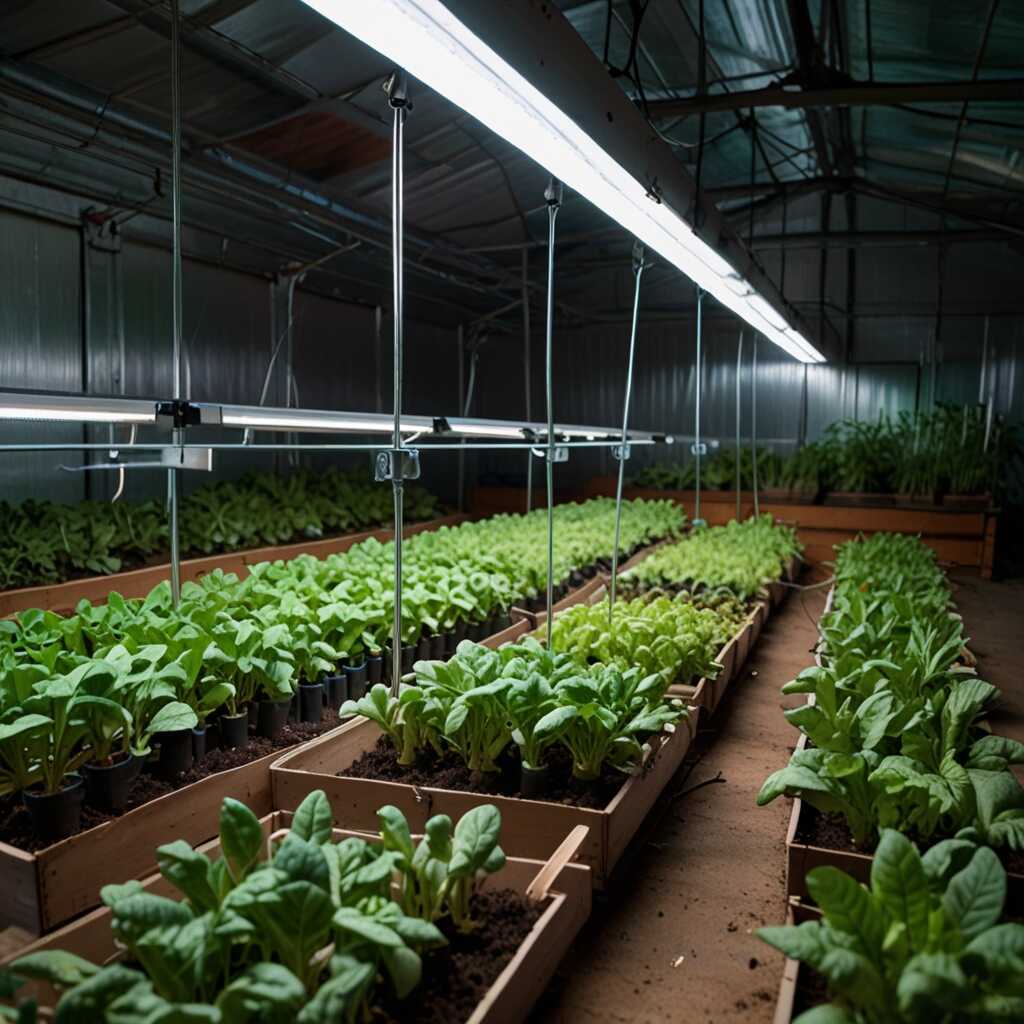
Common mistakes with indoor grow lighting hinder plant growth. Users often overlook light intensity. Insufficient light can lead to leggy plants with weak stems. Overexposure causes leaf burn. Using the wrong type of grow light also affects plant health. Fluorescent lights are less effective than LED grow lights for indoor gardening. Proper grow light placement is essential. If lights are too far away, plants won’t receive enough light. If too close, they can get burned. Finding the right balance fosters strong and healthy plants.
Understanding Light Intensity and Plant Health
Light intensity plays a crucial role in plant health. Plants need adequate light to undergo photosynthesis effectively. Each type of plant may require different levels of light intensity. For example, low-light plants like snake plants thrive with less light, while flowering plants need brighter conditions. LED grow lights provide a full spectrum that boosts growth. Ideally, maintain a distance of about 12 to 24 inches from the top of the plants, depending on the light’s wattage and intensity. This distance helps plants absorb light without risking damage.
Essential Maintenance Tips for Grow Lights Longevity
To maintain grow lights for optimal performance, regularly check and clean the light fixtures to remove dust and debris. Dust can block light and reduce efficiency, causing plants to suffer. Ensure that the lights are positioned correctly for even coverage. Grow lights should be replaced based on their type; LED lights typically last around 50,000 hours, while fluorescent options can wear out around 20,000 hours. Regular testing will help ascertain when to replace your grow lights to ensure strong, healthy plants. Always refer to reviews to learn the best replacement timing for the specific brands you choose.
Understanding the Lifespan and Efficiency of Different Grow Lights
Understanding the lifespan and efficiency of different types of grow lights helps you make educated choices for your plants. LED grow lights offer a lifespan of about 50,000 hours and provide high energy efficiency, making them a top choice for eco-conscious gardeners. Fluorescent grow lights generally last for 15,000 to 20,000 hours, but they consume more energy and may not be as effective in promoting growth compared to LEDs. Regular monitoring of light output can help you identify when lights need replacing, ensuring that your plants receive the reliable lighting they need for robust growth.
Popular Brands and Their Impact on Plant Growth
- Brand A offers affordable LED lights but lacks full spectrum options.
- Brand B provides high-quality full spectrum lights, ideal for diverse plants.
- Brand C specializes in compact designs, suitable for small spaces.
- Brand D focuses on energy-efficient models, reducing utility costs.
- Brand E is perfect for beginners, offering user-friendly lighting systems.
- Brand F features advanced tech for serious gardeners, including timers.
- All mentioned brands help indoor gardeners achieve better plant health.
Creating a Balanced Indoor Garden with Proper Lighting
Grow lights play a vital role in enhancing plant health. They provide the essential light spectrum required for photosynthesis, which improves growth and strength. Combining grow lights with proper watering, temperature control, and fertilization ensures plants receive balanced care. Using full-spectrum LED lights helps mimic natural sunlight, promoting strong stems and reducing leggy growth. This combination fosters an optimal environment for healthy indoor plants.
Integrating Other Care Practices with Grow Lights
To create a balanced indoor garden, consider combining grow light efficiency with other plant care practices. Factors like humidity control, proper potting soil, and regular pruning significantly affect plant health. Maintaining humidity between 40-60% helps prevent stress and encourages growth. Additionally, using high-quality potting soil enriches plants with essential nutrients. Regularly assessing plant health and adapting care routines enhances overall performance, ensuring growth stability and visual appeal.