
Grow lights are artificial lighting systems that provide specific light spectrums to support indoor plant photosynthesis and growth when natural sunlight is insufficient. These energy-efficient devices typically range from $20-200 depending on type and coverage area, with LED models offering the best long-term value through reduced electricity costs and extended lifespans exceeding 50,000 hours.
What Are Grow Lights and How Do They Work
Grow lights work by emitting specific wavelengths of light that plants absorb for photosynthesis, the process converting light energy into plant food. Different plant species have varying light spectrum requirements throughout their growth cycles. Blue light (400-500nm) promotes vegetative growth and compact foliage, while red light (600-700nm) encourages flowering and fruit development. Full spectrum grow lights combine multiple wavelengths to support all growth stages, from seed germination through harvest. Most indoor plants require 12-16 hours of artificial lighting daily to thrive, particularly during winter months when natural daylight hours decrease significantly.
Benefits of Using Grow Lights for Indoor Plants
The primary benefits include year-round growing capability regardless of weather conditions, precise control over light timing and intensity, and the ability to grow light-hungry plants in low-light indoor spaces. Energy-efficient LED grow lights can reduce electricity costs by up to 80% compared to traditional incandescent bulbs while providing targeted light spectrums. Additional advantages include faster plant growth rates, increased flowering and fruiting, prevention of leggy or weak growth, and the flexibility to position plants anywhere indoors without relying on window placement.
Limitations and Considerations for Grow Light Systems
Key limitations include initial setup costs ranging from $50-500 for complete systems, ongoing electricity expenses, and the need for proper ventilation to manage heat output from high-intensity lights. Some grow lights generate significant heat that can damage sensitive plants if positioned too closely. Additionally, different plant species require specific light schedules and intensities, making it challenging to grow diverse plants under the same lighting system. Users must also replace bulbs periodically, with LED lights lasting longest but fluorescent and HID lights requiring more frequent replacement.
Key Factors When Selecting Grow Lights for Different Plants
When selecting grow lights for indoor plants, prioritize four essential factors: light intensity measured in lumens or PPFD, light spectrum coverage, energy efficiency ratings, and heat emission levels. Light intensity determines how much photosynthetic energy reaches your plants, with high-light plants like tomatoes requiring 400-600 PPFD while low-light plants like pothos thrive with 100-200 PPFD. Different types of grow lights produce various light spectrums crucial for different growth stages and plant types. Energy consumption directly impacts operating costs, with LED systems typically using 30-50% less electricity than fluorescent alternatives. Heat emission affects both plant health and cooling costs, making low-heat LED systems preferable for most indoor applications.
Understanding Light Spectrum Requirements for Plant Growth
The light spectrum enables plants to perform essential biological functions beyond basic photosynthesis. Blue wavelengths (400-500nm) promote sturdy stem development and compact growth, making them ideal for leafy greens like lettuce and herbs. Red wavelengths (600-700nm) trigger flowering hormones and fruit development in plants like peppers and strawberries. Far-red light (700-800nm) influences plant architecture and flowering timing, while green light (500-600nm) penetrates deeper into plant canopies for improved photosynthesis efficiency. Full spectrum lights combining these wavelengths provide the most versatility for mixed plant collections and changing growth requirements.
Cost Analysis for Different Grow Light Types
LED grow lights typically cost $50-300 initially but offer the lowest operating expenses at roughly $0.30-0.80 per day for a 4×4 foot growing area. Fluorescent systems cost $20-100 upfront with moderate operating costs around $0.50-1.20 daily for similar coverage. HID lights require $80-200 initial investment but consume more electricity at $1.00-2.00 daily operating costs while generating substantial heat requiring additional ventilation expenses. When calculating total cost of ownership over five years, LED systems typically prove most economical despite higher upfront costs.
Types of Grow Lights Available for Indoor Gardens
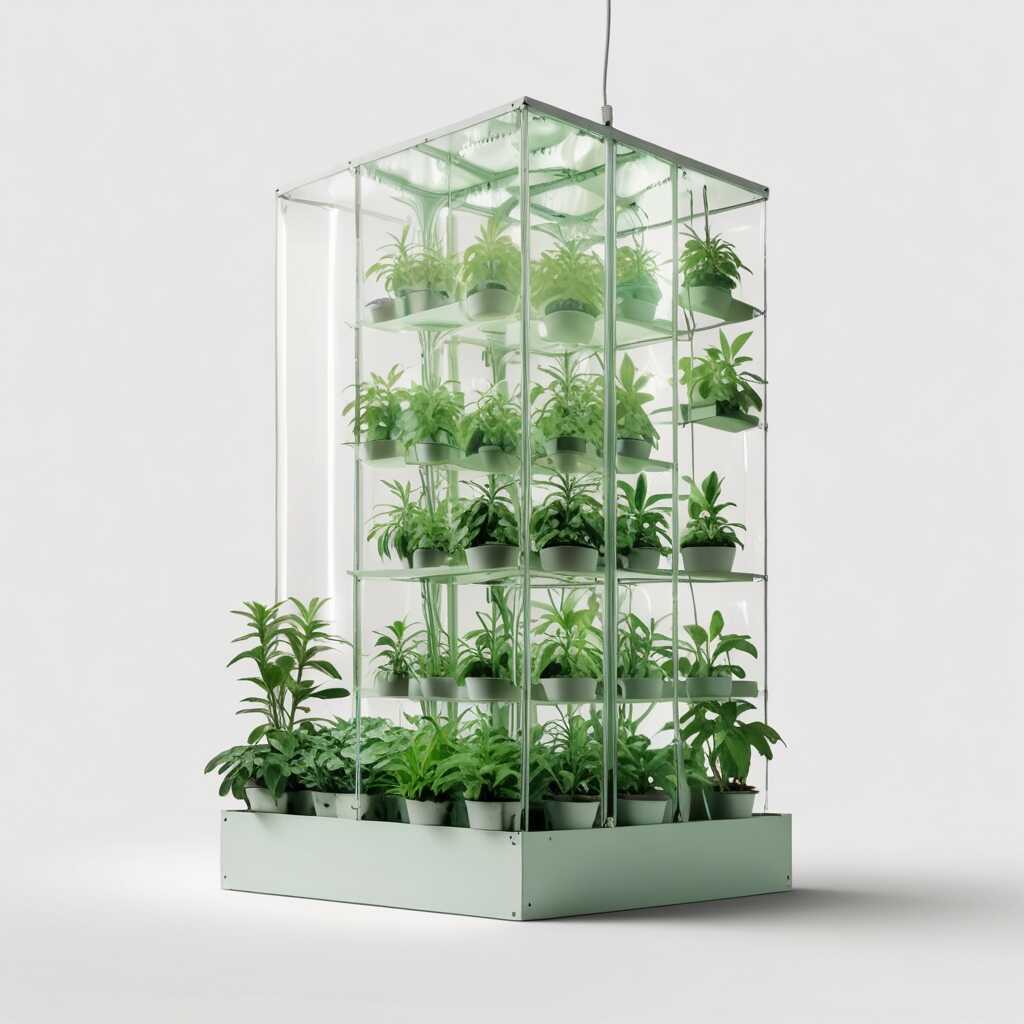
The three main types of grow lights include LED (Light Emitting Diode), fluorescent, and HID (High Intensity Discharge) systems, each suited for different applications and budgets. LED lights excel in energy efficiency, longevity, and spectrum control, making them ideal for most home growing situations with their 50,000+ hour lifespans and customizable wavelengths. Fluorescent lights provide a good spectrum for seed starting and low-light plants at affordable prices, typically lasting 8,000-15,000 hours with gentler light output. HID lights deliver intense illumination perfect for large plants and commercial applications but consume significant electricity and generate substantial heat requiring proper ventilation systems.
LED Grow Lights: Best Choice for Most Indoor Gardeners
LED grow lights represent the most advanced and practical option for indoor plant cultivation, offering precise spectrum control, minimal heat production, and exceptional energy efficiency. These systems can be programmed to provide specific red-to-blue ratios optimized for different plant species and growth stages, with many models featuring dimming capabilities and timer controls. Quality LED panels typically cost $1-3 per watt of power but provide 2-3 times the photosynthetic efficiency of older technologies. Their cool operation allows closer placement to plants (12-24 inches) without heat damage, while their modular design enables scalable lighting solutions for growing collections.
Fluorescent and HID Options for Specific Applications
Fluorescent lights work exceptionally well for seed starting, microgreens, and shade-tolerant plants due to their broad, gentle light distribution and affordable operating costs. T5 and T8 fluorescent tubes provide even coverage across large areas at roughly half the initial cost of equivalent LED systems. HID lights, including Metal Halide (MH) for vegetative growth and High Pressure Sodium (HPS) for flowering, deliver the highest light intensity available for demanding plants like cannabis or large fruiting vegetables. However, HID systems require ballasts, reflectors, and substantial ventilation due to their significant heat output and higher electricity consumption.
Key Performance Metrics for Grow Light Comparison
- LED grow lights typically last 50,000+ hours with 90% efficiency retention throughout their lifespan.
- Most indoor plants require 12-16 hours of artificial lighting daily during active growing periods.
- Optimal light spectrum ranges from 400-700nm with specific peaks at 450nm (blue) and 660nm (red).
- Light intensity requirements vary from 100-200 PPFD for low-light plants to 400-600 PPFD for high-light species.
- Energy-efficient grow lights can reduce electricity costs by 60-80% compared to traditional lighting options.
- Proper lighting systems can increase plant growth rates by 25-50% compared to natural light alone.
- LED systems typically pay for themselves within 2-3 years through energy savings and improved plant yields.
Matching Light Requirements to Specific Plant Species
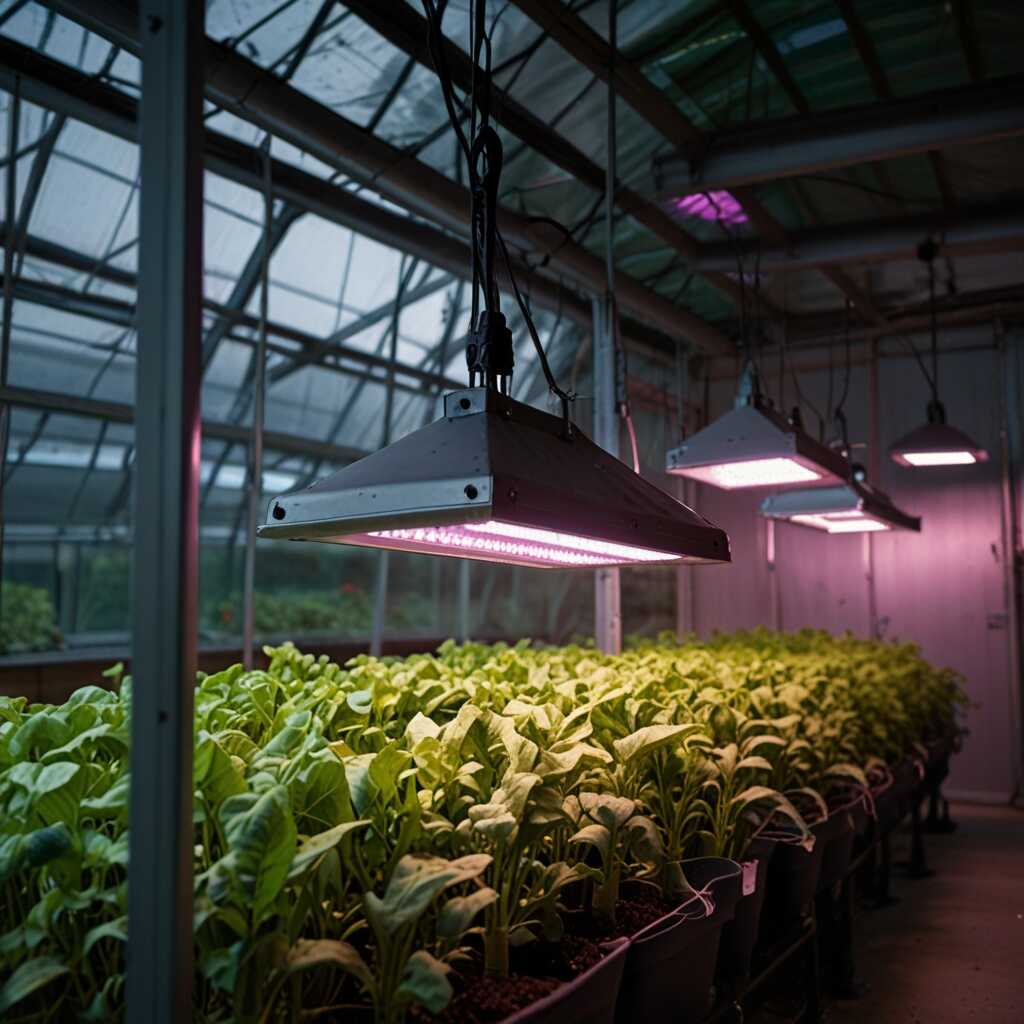
Understanding light requirements for indoor plant species enables successful cultivation by matching artificial lighting to each plant’s natural habitat and growth patterns. Low-light plants such as snake plants, ZZ plants, and pothos thrive under 100-200 PPFD and tolerate 10-12 hours of daily lighting, making them perfect for energy-efficient fluorescent systems. Medium-light plants including monstera, rubber plants, and most houseplants require 200-400 PPFD with 12-14 hours of daily exposure, typically succeeding under mid-range LED panels. High-light plants like succulents, herbs, and flowering varieties need 400-600+ PPFD with 14-16 hours of intense lighting, demanding full-spectrum LED or HID systems for optimal results.
Selecting Lights for Popular Indoor Plant Categories
Leafy greens like lettuce, spinach, and kale grow best under blue-heavy LED spectrums (6500K color temperature) positioned 12-18 inches above the canopy, requiring 14-16 hours of daily lighting at 300-400 PPFD intensity. Flowering plants including tomatoes, peppers, and cannabis benefit from full-spectrum LEDs with strong red components (3000K-4000K) during flowering stages, needing 400-600 PPFD for 12 hours daily. Herbs such as basil, cilantro, and parsley thrive under balanced full-spectrum lighting at 250-350 PPFD for 14-16 hours, while succulents and cacti require intense lighting at 400-500 PPFD for 12-14 hours to maintain compact growth and vibrant coloration.
Adjusting Light Settings for Different Growth Stages
Seedlings and young plants require gentler lighting conditions with 150-250 PPFD intensity positioned 18-24 inches away to prevent burning delicate new growth. Vegetative growth stages benefit from blue-dominant spectrums at 300-500 PPFD placed 12-18 inches from plant tops to encourage leafy development and strong stems. Flowering and fruiting stages demand red-enhanced full-spectrum lighting at maximum intensity (400-600 PPFD) positioned 8-12 inches above plants to trigger reproductive hormones and support heavy fruit development. Mature plants in maintenance mode can receive moderate lighting at 200-300 PPFD to sustain health without promoting excessive growth.
Optimizing Light Positioning and Timing for Maximum Growth
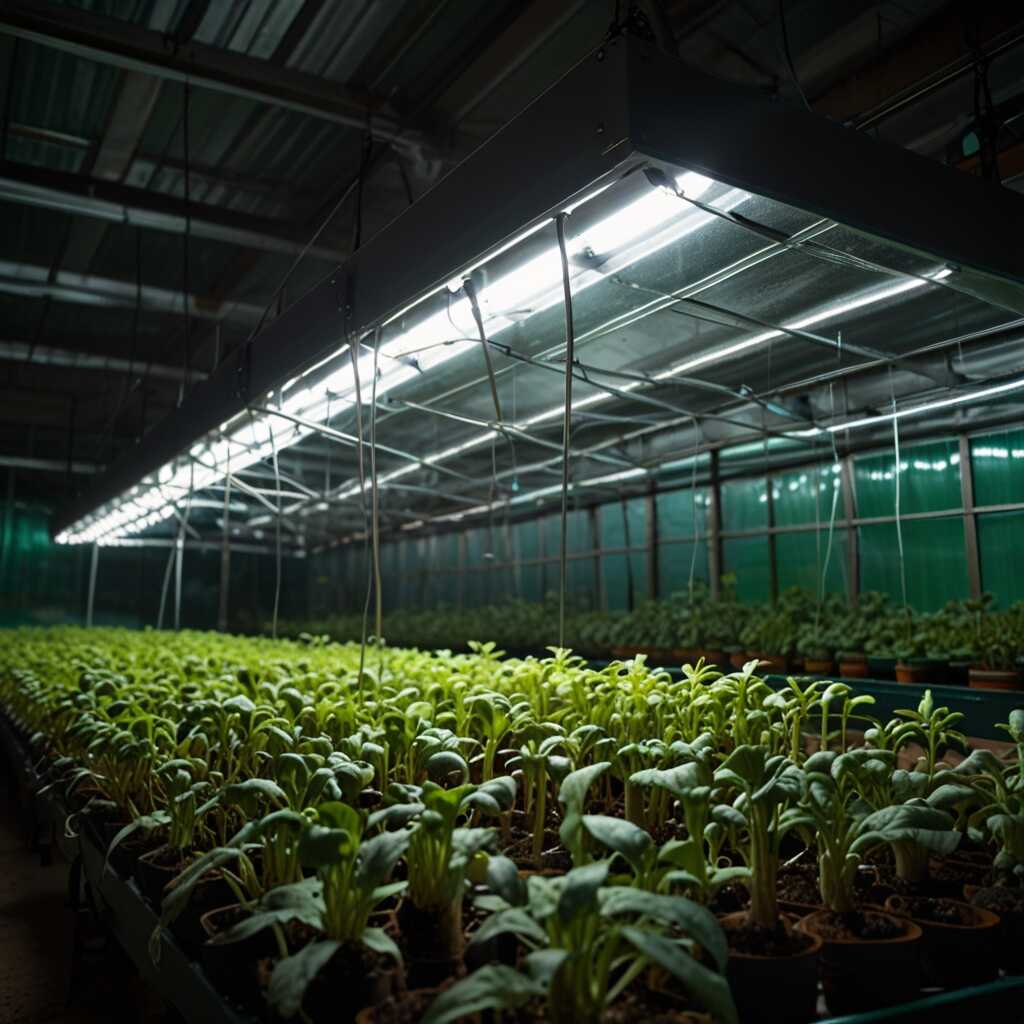
Proper light positioning involves placing grow lights 12-36 inches above plants depending on light intensity and plant sensitivity, with high-intensity LED and HID systems requiring greater distances to prevent light burn. The types of indoor plants you grow determine optimal positioning strategies, with light-sensitive species like African violets needing 24-36 inches clearance while light-hungry plants like tomatoes can handle closer placement at 12-18 inches. Adjust light angles and use reflectors to ensure uniform coverage across your growing area, eliminating shadows that create uneven growth patterns. Most houseplants require 12-16 hours of daily lighting, but this varies by species and growth stage, with some plants needing specific dark periods to trigger flowering cycles.
Creating Effective Light Schedules for Different Plant Types
Different indoor plants have distinct light timing requirements that mimic their natural growing conditions and seasonal patterns. Leafy greens and herbs perform well with 14-16 hours of continuous lighting throughout their growth cycle, as they don’t require dark periods for flowering. Fruiting plants like tomatoes and peppers need 12-14 hours of light during vegetative growth, then 10-12 hours during flowering to trigger fruit development. Photoperiod-sensitive plants require specific day/night cycles, with short-day plants needing less than 12 hours of light to flower while long-day plants require 14+ hours to initiate blooming.
Measuring and Adjusting Light Intensity
Use a PAR meter or smartphone app to measure Photosynthetic Photon Flux Density (PPFD) at plant canopy level, ensuring your plants receive appropriate light intensity for their species and growth stage. Monitor plants for signs of light stress including leaf bleaching, brown spots, or excessive stretching, which indicate the need for distance or intensity adjustments. Gradually acclimate plants to new lighting conditions by starting with lower intensities and shorter durations, then increasing over 7-10 days to prevent shock. Consider seasonal adjustments to lighting schedules, providing more intense lighting during winter months when natural daylight hours decrease significantly.
Benefits of Proper Lighting for Indoor Plant Success
- Enhanced growth rates: Optimal lighting promotes 25-50% faster development compared to inadequate lighting conditions.
- Reduced energy costs: LED grow lights can decrease electricity usage by 60-80% versus traditional lighting options.
- Full spectrum lighting supports all growth phases, significantly improving flowering and fruiting success rates.
- Increased yields: Adequate lighting can boost harvests by 30-60% for edible plants and herbs.
- Year-round growing: Grow lights enable consistent plant cultivation regardless of seasonal light variations.
- Customizable environments: Advanced systems allow precise control over light spectrums, timing, and intensity levels.
- Improved plant health: Proper lighting prevents common issues like leggy growth, poor flowering, and nutrient deficiencies.
Avoiding Common Mistakes with Indoor Grow Lighting
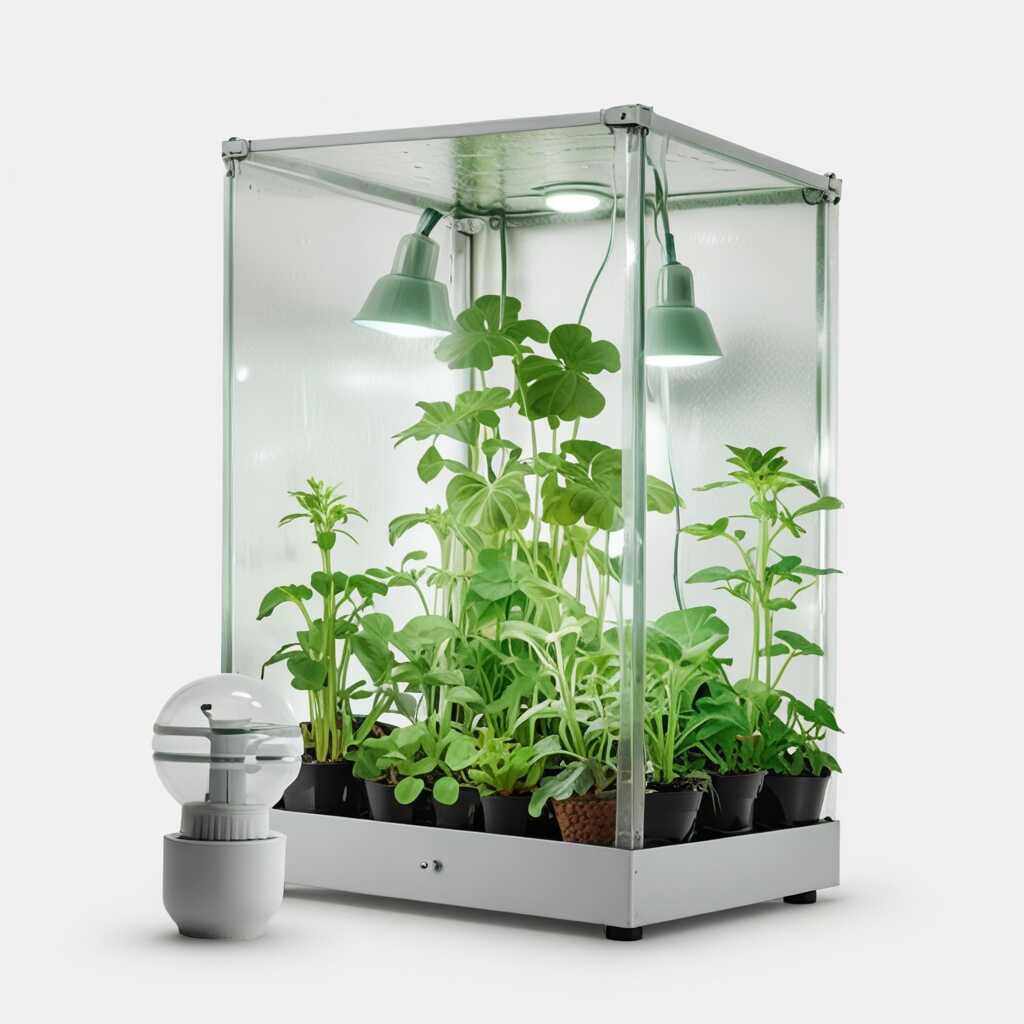
The most frequent mistakes include providing too much or too little light intensity, using inappropriate light spectrums for specific growth stages, and positioning lights at incorrect distances from plants. Overexposure typically causes leaf bleaching, brown spots, and stunted growth, while insufficient lighting leads to leggy stretching, pale foliage, and poor flowering. Many gardeners also fail to adjust lighting schedules as plants mature, continuing seedling light regimens for adult plants that require different intensities and durations. Understanding that each plant species has unique photoperiod requirements prevents timing errors that can disrupt flowering cycles and reduce yields significantly.
Proper Light Duration and Intensity Management
Most indoor plants thrive with 12-16 hours of daily lighting, but specific requirements vary dramatically between species and growth stages. Vegetative plants generally tolerate longer light periods (14-18 hours) to maximize photosynthesis and growth rates, while flowering plants often require shorter days (10-12 hours) to trigger reproductive cycles. Avoid the common mistake of using maximum light intensity throughout all growth stages, as seedlings need gentler conditions while mature plants can handle higher intensities. Monitor your plants closely for stress signs and adjust accordingly, remembering that consistent moderate lighting often produces better results than irregular intense lighting sessions.
Temperature and Ventilation Considerations
High-intensity grow lights generate substantial heat that can damage plants and create uncomfortable growing conditions if not properly managed. Maintain growing area temperatures between 65-75°F during light periods and 60-70°F during dark periods for optimal plant metabolism. Install adequate ventilation systems when using HID lights or high-wattage LED arrays, as excessive heat can cause leaf curl, wilting, and reduced flowering. Position fans to create gentle air circulation around plants, which strengthens stems and prevents fungal issues while helping regulate temperature and humidity levels in your growing space.
Energy Efficient Grow Light Technology and Cost Savings
Energy efficient grow lights, particularly LED technology, provide substantial long-term savings through reduced electricity consumption and extended operational lifespans exceeding 50,000 hours. LED systems consume 30-50% less electricity than fluorescent alternatives and up to 80% less than traditional HID lighting while producing equivalent or superior plant growth results. This efficiency translates to annual savings of $100-400 for typical home growing operations, with larger commercial setups saving thousands annually. Modern LED grow lights also generate minimal heat, reducing cooling costs and allowing closer placement to plants without risk of thermal damage or stress.
Comparing Total Cost of Ownership for Different Technologies
When evaluating grow light investments, consider both initial purchase price and long-term operating expenses including electricity, replacement bulbs, and cooling costs. LED grow lights typically cost $100-300 initially but operate for 8-10 years with minimal maintenance and low electricity consumption of $50-150 annually for home applications. Fluorescent systems cost $30-100 upfront with moderate annual operating costs of $80-200 and bulb replacements every 1-2 years. HID systems require $80-250 initial investment plus $200-500 annual operating costs due to high electricity consumption and frequent bulb replacements, making them least economical for most home growers despite their intense light output.
Environmental Benefits of Efficient Grow Lighting
Energy-efficient grow lights reduce carbon footprints by decreasing electricity demand and greenhouse gas emissions associated with power generation. LED technology contains no mercury or hazardous materials unlike fluorescent bulbs, making disposal safer and more environmentally responsible. The extended lifespan of quality LED systems reduces manufacturing waste and packaging materials over time compared to frequently replaced conventional lighting options. Additionally, efficient lighting enables local food production, reducing transportation emissions and packaging waste associated with commercially grown produce while providing fresher, more nutritious harvests year-round.
Popular Grow Light Brands and Their Target Applications
- Budget-friendly LED brands offer reliable performance for beginner gardeners starting small-scale indoor growing projects.
- Premium manufacturers provide advanced spectrum control and smart features for serious hobbyists and commercial growers.
- Fluorescent specialists focus on affordable, proven technology suitable for seed starting and low-light plant cultivation.
- Professional-grade systems target commercial operations requiring maximum efficiency, durability, and precise environmental control.
- Eco-friendly companies emphasize sustainable manufacturing and energy efficiency for environmentally conscious consumers.
- DIY-focused brands cater to hobbyists who enjoy building custom lighting systems for unique growing requirements.
- Decorative lighting manufacturers combine plant growth functionality with attractive designs for home integration.
Essential Tools and Setup Guide for Successful Indoor Growing
Essential equipment for indoor growing includes quality grow lights matched to your plant species, timers for consistent light schedules, adjustable hanging systems for proper positioning, and monitoring tools like thermometers and PAR meters. Reliable grow lights form the foundation of any successful indoor garden, with selection based on plant requirements, growing space size, and energy efficiency preferences. Full-spectrum LED grow lights deliver both optimal plant growth and long-term value through energy savings and extended lifespans. Supporting equipment includes ventilation fans for temperature control, reflectors for light efficiency, and power strips with surge protection for electrical safety in humid growing environments.
Step-by-Step Setup Process for Grow Light Systems
Begin by measuring your growing space and calculating light coverage requirements, allowing 25-50 watts of LED power per square foot depending on plant types and desired intensity levels. Install adjustable hanging hardware rated for your light’s weight plus safety margin, positioning fixtures to provide even coverage across your growing area. Connect timers to automate lighting schedules appropriate for your plants, starting with 12-14 hours daily for most species and adjusting based on plant response and growth stage requirements. Test your system gradually, monitoring plant health and adjusting light height, duration, and intensity over the first 2-3 weeks until optimal growing conditions are established and maintained consistently.
Maintenance and Troubleshooting for Long-Term Success
Regular maintenance includes cleaning light fixtures monthly to remove dust and debris that reduces light output, checking connections for corrosion or looseness, and monitoring plant health for signs of lighting problems. Replace worn timers, damaged cords, and failing components promptly to maintain consistent growing conditions and prevent plant stress. Keep detailed records of lighting schedules, plant responses, and equipment performance to optimize your system over time and identify patterns that improve growing success. Troubleshoot common issues like uneven growth by adjusting light positioning, poor flowering by modifying photoperiods, and slow growth by increasing light intensity or extending daily lighting duration as appropriate for your specific plant species.