
Choosing the right LED grow lights for hydroponic greenhouses is crucial for maximizing plant health and productivity. The right lights not only support optimal growth but also help save energy, making them a smart investment. At Green Writer, we believe understanding the benefits of different LED options is essential for sustainable gardening. This article will guide you through selecting energy-efficient LED grow lights tailored to your plants’ specific needs while promoting eco-friendly practices.
Understanding the Basics of LED Grow Light Technology
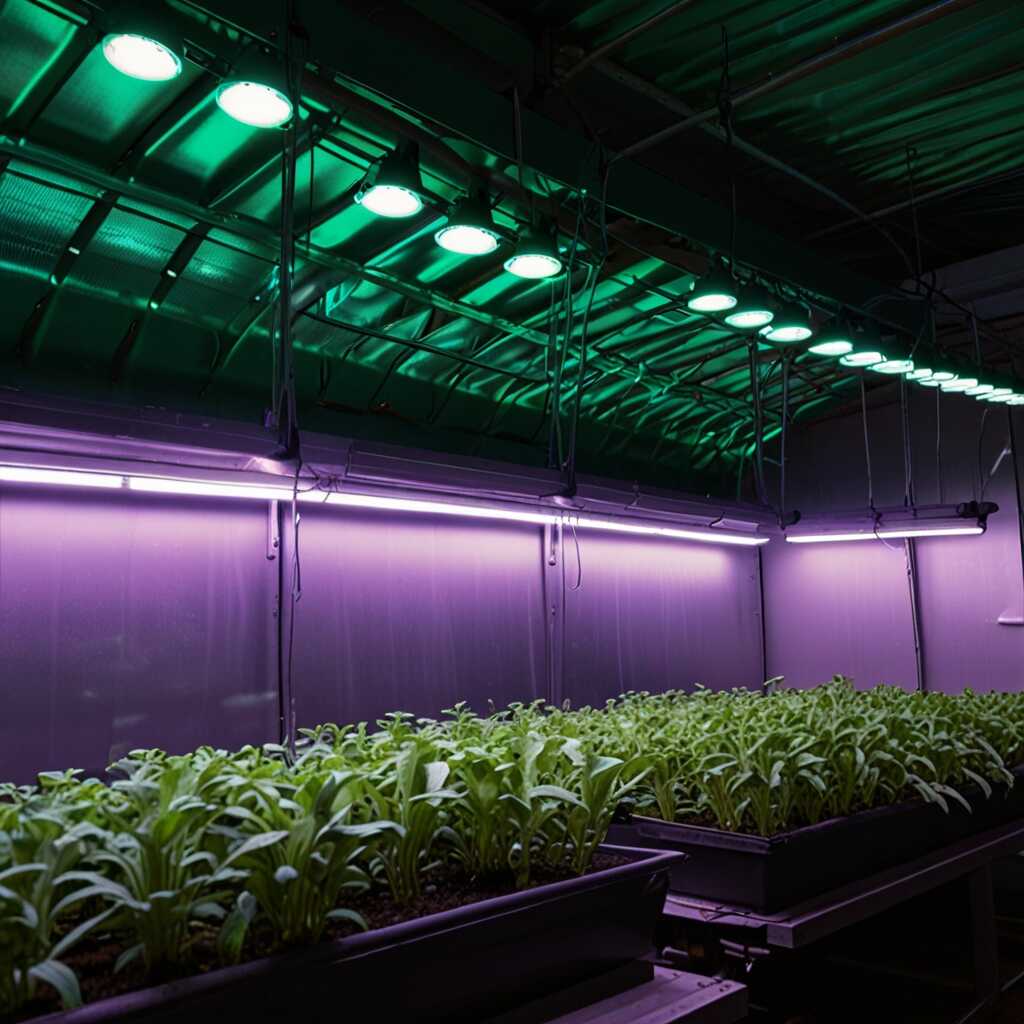
LED grow lights are essential for optimizing plant growth in hydroponic greenhouses. These lights emit specific light wavelengths that directly impact plant growth and development. Different wavelengths play a crucial role in photosynthesis, affecting processes from germination to flowering. For instance, blue light (400-500nm) is vital for vegetative growth, while red light (600-700nm) enhances flowering and fruiting. Compared to traditional lighting options like HPS or fluorescent, LED grow lights offer greater energy efficiency and can last over 50,000 hours, ensuring reliable performance throughout their lifespan.
Key Features of Effective LED Grow Lights
Choosing the right LED grow lights can greatly enhance your hydroponic setup. Look for full-spectrum lights that cover all essential wavelengths for plant growth. This ensures your plants receive balanced light, improving photosynthesis and maximizing yields. Consider lights with heat management features that prevent overheating, as efficient heat dissipation ensures durability and reliability. Many modern LED grow lights also come with adjustable spectrums, allowing you to customize light settings based on the growth stage of your plants. This adaptability enhances efficiency and promotes healthy growth, making them a superior choice for hydroponic greenhouse operators.
Identifying the Best Light Spectrum for Different Plants
Choosing the right light spectrum is crucial for plant development. During the vegetative stage, hydroponic plants thrive with a light spectrum that includes blue wavelengths, typically around 400-500 nm. This spectrum boosts leaf growth and overall plant structure. For flowering plants, the red spectrum, particularly between 600-700 nm, is essential as it promotes blooming and fruit production. Hydroponic setups should ideally provide 12 to 16 hours of light daily to optimize growth, although the exact duration can vary by plant species.
Understanding the Importance of Full Spectrum Light
Full spectrum light encompasses all wavelengths from UV to infrared, mimicking natural sunlight. LED grow lights that offer full spectrum functionality provide hydroponic plants with the balanced light necessary throughout all growth stages. These lights enhance photosynthesis and support healthy growth. They allow growers to adjust settings based on the plant’s needs, making them a more reliable choice for indoor gardening. Research shows that full spectrum lights can improve yield and plant quality by ensuring that plants receive the essential light wavelengths for their specific growth phases.
Assessing the Energy Efficiency of LED Grow Lighting
LED grow lights offer significant energy efficiency when compared to traditional lighting options. They use up to 75% less electricity than HPS and fluorescent lights while producing similar or even higher levels of light output. This efficiency translates into substantial cost savings over time. For instance, a hydroponic system that switches from HPS to LED can dramatically lower its electricity bills. LED lights also have a lifespan exceeding 50,000 hours, reducing the need for frequent replacements and minimizing waste. Research shows that adopting LED technology can help greenhouse operators maximize their plant growth potential while maintaining eco-friendly practices.
Understanding Cost Savings from LED Grow Lights
Key Numerical Facts About Grow Light Systems
- LED lights consume up to 80% less energy than incandescent bulbs.
- High-quality LED grow lights can last over 50,000 hours.
- Optimal light spectrum ranges from 400 to 700 nanometers.
- Hydroponic systems can reduce water usage by up to 90%.
- Most LED grow lights produce heat less than 58 degrees Celsius.
- Plants exposed to proper light grow an average of 25% faster.
- Many LEDs emit light in specific color ranges beneficial for growth.
Determining the Appropriate Wattage for Optimal Growth
Choosing the right wattage for your LED grow lights is essential for healthy plant growth in hydroponic systems. Generally, the recommended wattage ranges from 25 to 50 watts per square foot based on plant type and growth stage. Avoid common mistakes like choosing too low wattage, which can hinder photosynthesis, or too high, which may cause heat stress. LED grow lights provide a more efficient light spectrum for plant needs, ensuring proper development while saving on energy costs. Research shows that LED lights deliver up to 90% more efficient lighting compared to traditional systems, enhancing growth during critical stages.
Understanding Power Requirements for Different Plant Types
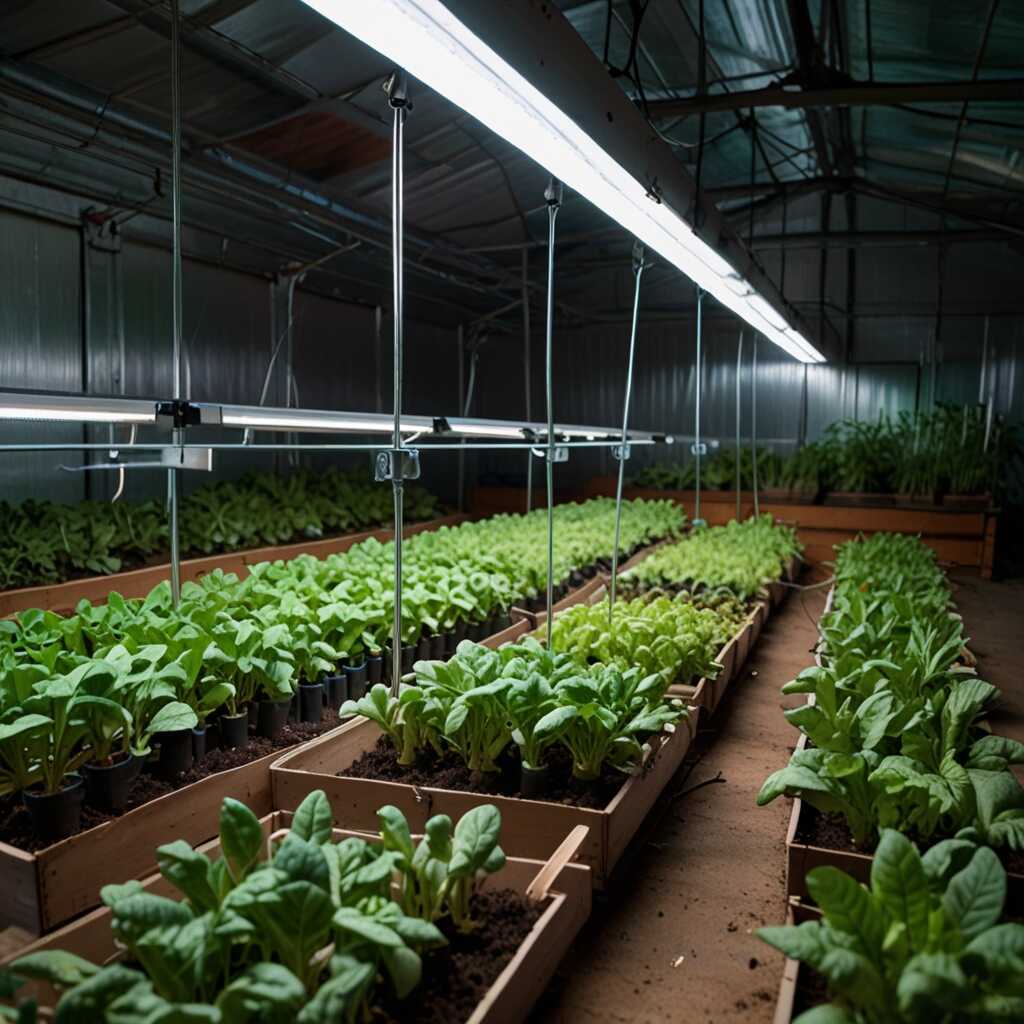
Power requirements can vary significantly among different plants in a hydroponic setup. Leafy greens like lettuce need less wattage, around 25 watts per square foot, since they thrive under moderate light. In contrast, flowering plants such as tomatoes may require up to 50 watts per square foot to enhance their blooming. By considering specific plant needs, you ensure each type receives the optimal wattage selection for growth. Testing your setup and adjusting based on plant response can improve efficiency and yield. A reliable LED grow light with adjustable spectrum features is ideal for adapting light intensity as plants mature.
Maximizing Light Coverage Through Proper Placement
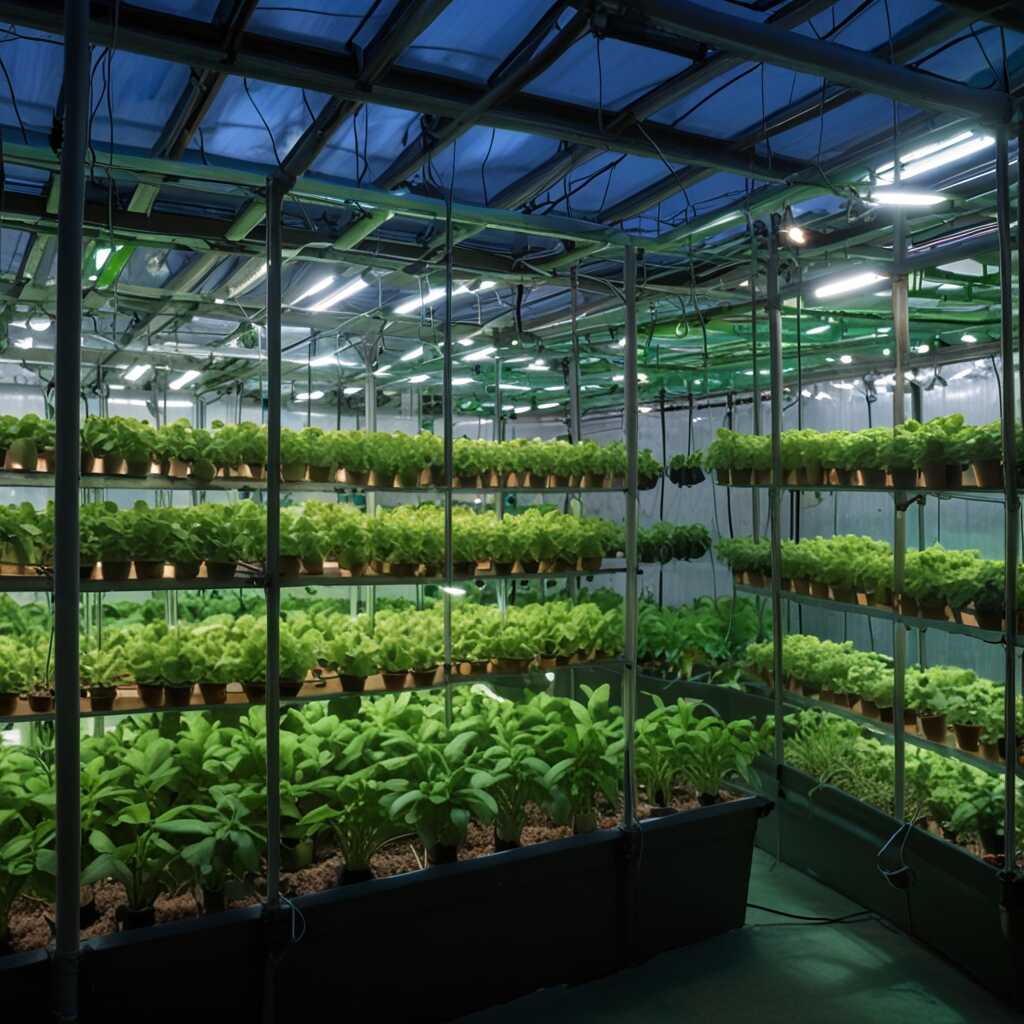
To ensure optimal performance of LED grow lights, place them 12 to 24 inches above your plants, depending on the light’s intensity. Factors including plant height, type, and growth stage influence the light position. For instance, seedlings require less intensity and can be closer to the lights than flowering plants. Aim for even light distribution across your greenhouse to enhance growth. Using multiple lights can prevent shadowy spots, ensuring every plant receives adequate coverage for efficient photosynthesis.
Understanding Light Intensity Requirements by Plant Stage
Different growth stages demand varying light intensity from your LED grow lights. Seedlings thrive under lower light levels, needing about 200 to 400 µmol/m²/s. Vegetative plants benefit from moderate intensity, around 400 to 600 µmol/m²/s. Flowering or fruiting plants require the highest levels, approximately 600 to 900 µmol/m²/s. Utilize a light meter for precise measurement, ensuring your plants receive what they need for optimal health. Adjust placement based on these requirements, facilitating enhanced photosynthesis and overall growth in your hydroponic greenhouse.
Advantages of LED Plant Lighting Solutions
- They enhance photosynthesis for healthier growth.
- LED lights lower energy bills due to their efficiency.
- They produce less heat, reducing cooling costs.
- LED grow lights are customizable for different plant needs.
- Long lifespan means fewer replacements and less waste.
- They come in full spectrum designs for all growth stages.
- LEDs can help eliminate space constraints in urban gardening.
Managing Heat Levels with LED Grow Lights
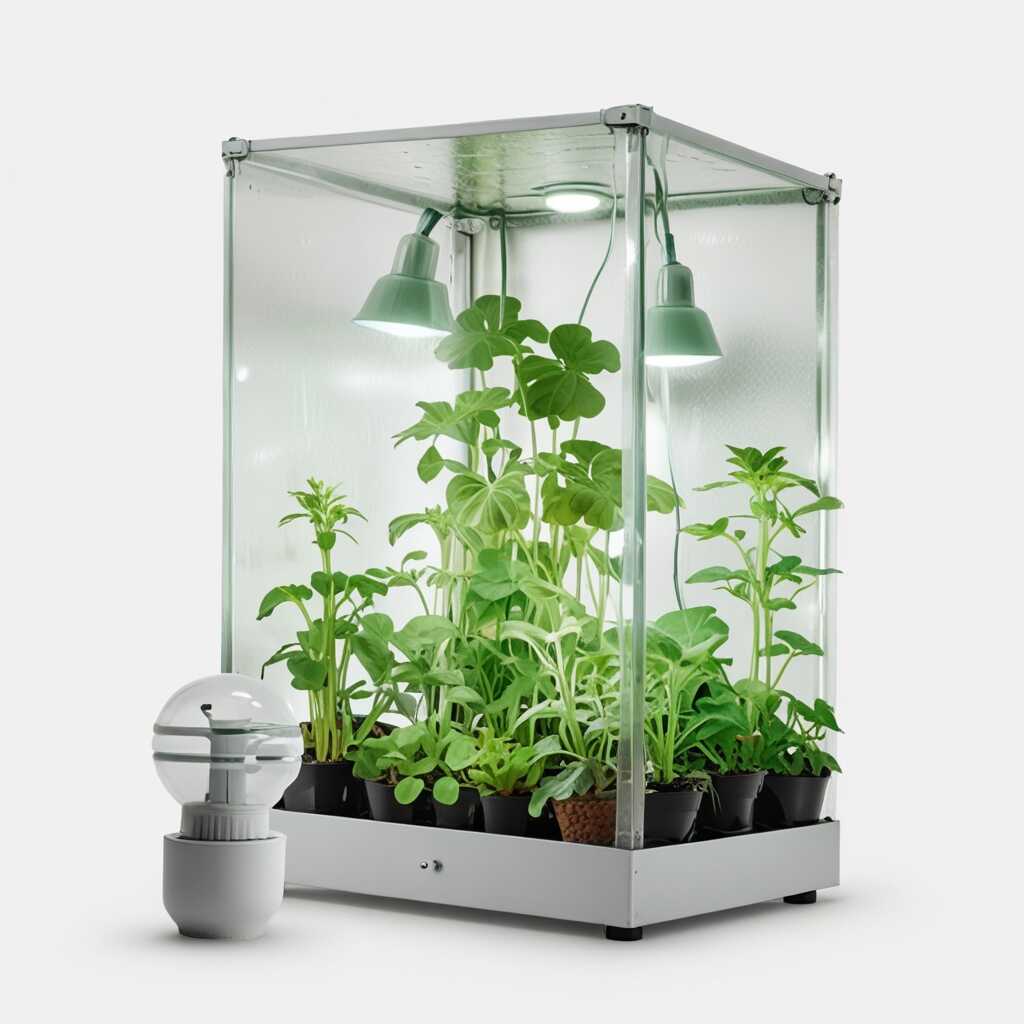
Managing heat levels with LED grow lights is essential for plant health. LED lights produce less heat compared to other light sources, yet they generate some warmth that affects plant growth. To maintain ideal temperature levels, ensure that your LED lights are positioned at an appropriate distance from the plants. This distance typically ranges from 12 to 24 inches. Use additional fans or ventilation systems to promote air circulation, aiding in consistent temperature control. Regularly monitor temperature and humidity levels with a reliable thermometer and hygrometer to ensure optimal conditions. Brands like Spider Farmer and HLG have efficient designs that minimize heat buildup, contributing to healthier plant growth.
Best Techniques for Temperature Control Under LED Lights
To achieve effective temperature control under LED grow lights, use temperature sensors and smart controllers. These devices will provide real-time data to help manage heat output. For instance, the optimal temperature range for most plants is between 70°F to 80°F during the day. At night, keeping temperatures around 60°F to 70°F can enhance growth efficiency. Set your LED grow lights on a timer to regulate daily light exposure effectively. This method not only conserves energy but also reduces unnecessary heat generation. Implementing these temperature control solutions will enhance plant health and maximize productivity in your hydroponic greenhouse environment.
Comparing Prices and Features of LED Grow Lights
This section will help readers compare LED grow lights based on essential features and prices. Key features to consider include light spectrum, energy efficiency, watts used, and build quality. Popular brands like Spider Farmer, VIPARSPECTRA, and Horticulture Lighting Group offer reliable options. Prices typically range between $100 to $600, depending on the features. Most LED grow lights last around 50,000 hours, which means they provide long-term value for growing needs.
Essential Features for LED Grow Light Comparison
When evaluating LED grow lights, focus on features that directly impact plant growth. The light spectrum plays a crucial role as different wavelengths enable plants to grow at various stages, such as vegetative and flowering phases. Energy efficiency is another significant aspect, affecting your electricity bills. Check the wattage to ensure the light can handle the size of your greenhouse. Research user reviews and expert evaluations for insights on reliability and performance. Reliable brands typically provide warranties, helping you feel secure in your purchase.
Brands and Use Cases for Grow Light Solutions
- Brand A targets indoor gardeners with limited space.
- Brand B appeals to eco-conscious consumers due to its sustainability practices.
- Brand C focuses on hydroponic greenhouse operators with high-output lights.
- Brand D serves beginners by offering user-friendly products.
- Families value healthy food and grow lights for home gardening.
- Urban dwellers invest in compact lighting for apartment gardening.
- Researchers use high-efficiency lights for plant growth experiments.
Implementing Effective Maintenance for LED Grow Lights
To ensure the longevity and optimal performance of LED grow lights, follow key steps. Regular cleaning is essential. Dust accumulation can block light and reduce efficiency. Use a soft cloth to wipe the surfaces monthly. Check connections and inspect for any flickering lights or unusual sounds. This helps identify electrical issues before they worsen. Test the lights by measuring output using a light meter for consistent performance. Consider using a scheduling system to keep track of maintenance tasks. These practices can enhance plant growth and provide energy efficiency savings in your hydroponic greenhouse.
Cleaning Techniques for Enhanced Light Output
Cleaning LED grow lights is crucial for maximizing light output. Use a damp cloth mixed with a few drops of mild soap. Avoid using harsh chemicals that could damage the components. Ensure the lights are turned off to prevent shocks. Regular cleaning every month can help maintain brightness and effectiveness. Replace any damaged parts immediately. Inspect bulbs for burnouts. Consider using a soft brush for intricate designs or corners to reach all areas. Following these cleaning techniques can significantly improve the reliability of your lights and ensure they deliver the quality needed for healthy plant growth.