
Setting up effective grow light zones for diverse plant needs is essential for successful indoor gardening. Properly zoning your grow lights not only meets the varying light requirements of your plants but also maximizes their growth potential. At Green Writer, we provide the guidance needed to create tailored lighting solutions that support your gardening endeavors. By understanding how to establish optimal light zones, you’ll help your plants thrive while caring for the environment.
Understanding Different Light Requirements for Indoor Plants
Indoor plants have varying light needs that determine their growth and health. Low-light plants like snake plants thrive in indirect light while requiring only 6-8 hours of low light daily. Medium-light plants such as pothos enjoy 8-10 hours of filtered light. High-light plants, including succulents, need 10-12 hours of bright light daily. Identifying these categories enhances your ability to configure grow light zones effectively. Plant care strategies should always align with these light requirements to ensure optimal growth conditions.
Exploring Low, Medium, and High-Light Plant Categories
Low, medium, and high-light plants each have specific light preferences that dictate their growth environment. Low-light plants usually tolerate limited sunlight and can survive in darker areas of your home. Common examples include peace lilies and snake plants. Medium-light plants need brighter, indirect light and may thrive in well-lit rooms or near windows. High-light plants require direct sunlight or bright artificial lighting for most of the day, improving their growth and vitality. Setting up grow light zones tailored for each category ensures that every plant receives the proper light intensity and duration.
Selecting Appropriate Grow Lights for Each Plant Category
When choosing grow lights, consider the specific needs of your plants. Low-light plants like snake plants benefit from warm white LED grow lights. These lights consume less energy while still providing sufficient lumens for growth. For herbs and flowering species, full spectrum lighting is essential. It mimics natural sunlight, aiding in seed germination and blooming. Succulents thrive under bright, indirect light and prefer lights that deliver higher intensity. You should use grow lights for 12 to 16 hours each day for optimal growth conditions. Monitoring each plant category’s light intensity requirements ensures healthy development and reduces stress to the plants.
Understanding Light Kelvins for Plant Growth
Light kelvins refer to the color temperature of the light emitted by grow lights. This measurement significantly impacts your plants’ growth. For vegetative growth, select lights ranging from 4,000K to 6,500K. These lights provide a cooler blue tone, which supports leafy plants and seedlings. For flowering and fruiting stages, opt for grow lights around 2,700K. These warmer tones enhance blooming and fruit development in plants. Knowing how to match light kelvins to specific plant needs improves your indoor gardening experience and results.
Designing a Grow Light Layout for Optimal Coverage and Efficiency
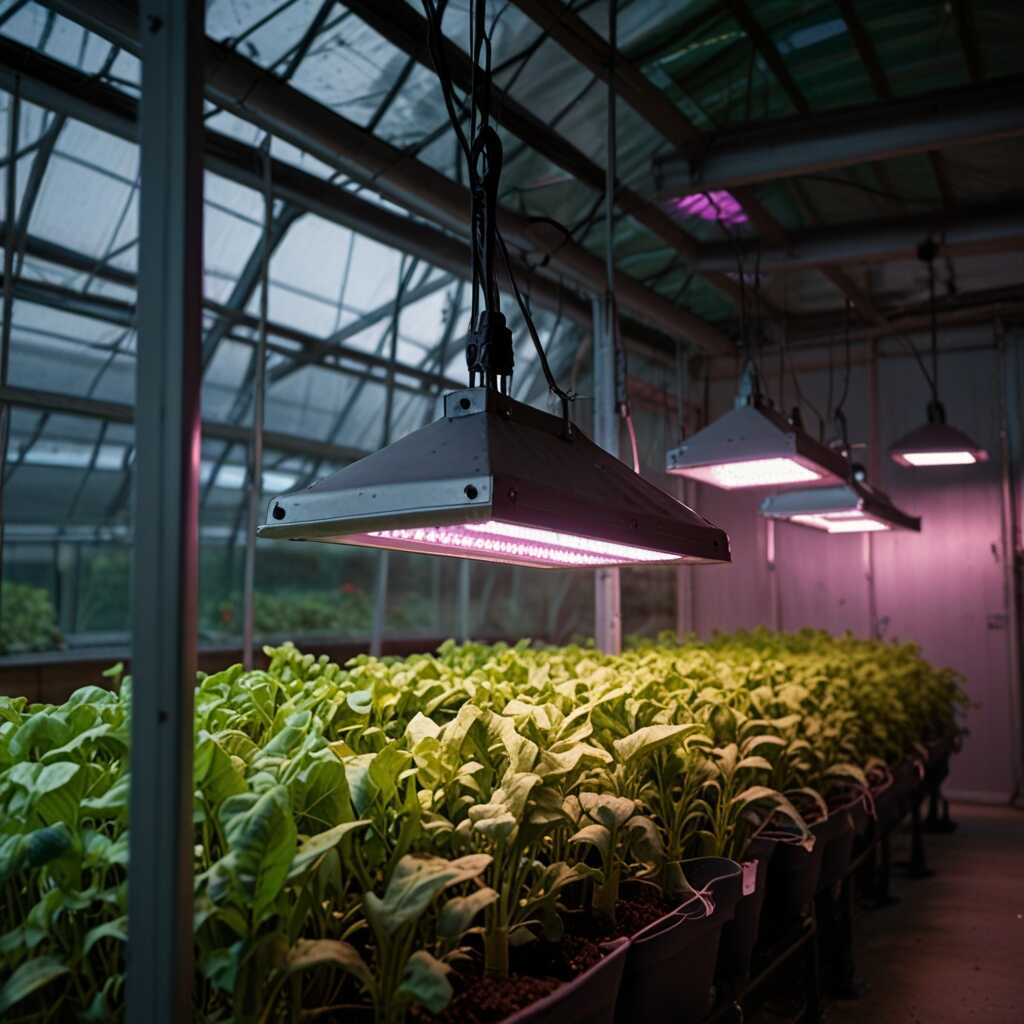
Creating a grow light layout involves understanding the light needs of your plants. Different plants require varying light intensities and durations. Group plants with similar light requirements together to form distinct light zones. For instance, low-light plants like snake plants can be positioned further from the light source. In contrast, high-light plants, such as succulents, should be placed closer to the grow lights. Consider the orientation of your grow lights to maximize coverage and ensure even distribution of light. Testing your layout regularly helps assess light efficiency and adjust positions as necessary.
Determining Light Intensity for Different Plant Types
Understanding light intensity is crucial in setting up your grow light layout. Each plant type has a specific range of light exposure. For example, herbs and leafy greens thrive under high light intensity, requiring around 12 to 16 hours of light daily. On the other hand, shade-loving plants, such as peace lilies, do well in low light and require about 8 to 10 hours. Use a light meter to measure the intensity at various zones within your indoor garden. This ensures that each plant group receives the ideal amount of light, improving growth rates and overall plant health.
Numerical Insights for Plant Lighting Setup
- Full spectrum grow lights support a range of wavelengths from 400 to 700 nm.
- Plants generally need 12-16 hours of light daily for optimal growth.
- LED grow lights last over 50,000 hours, significantly reducing replacement costs.
- Proper light zones can increase plant yield up to 30% for some species.
- Using grow lights can cut energy use by 20% compared to traditional lighting.
- Inconsistent light can delay flowering stages by over a month.
- Plants require varying light intensities, often ranging from 100 to 800 µmol/m²/s.
Managing Light Duration Based on Plant Growth Stages
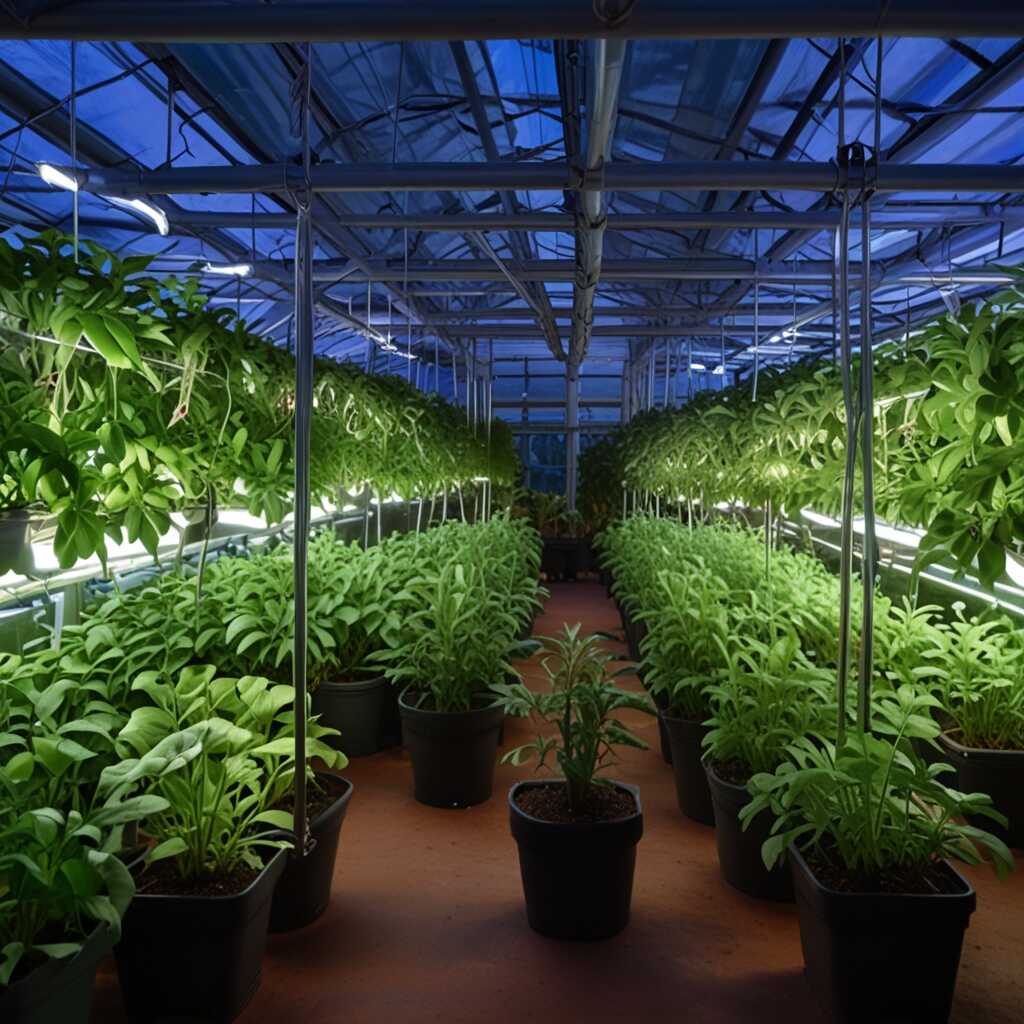
Understanding light durations is crucial for healthy indoor plants. Different plant species thrive under varied light conditions. For example, vegetables like tomatoes generally need 14 to 18 hours of light daily during the vegetative stage. In contrast, flowering plants such as orchids typically prefer 12 hours of light each day. Herbs like basil can flourish with about 12 to 16 hours of light, making them suitable for indoor gardening. Customize your lighting strategy based on these light duration requirements for optimal results.
Adapting Light Timing for Specific Plant Needs
Adapting light timing is essential for different plants. Succulents, for instance, thrive on approximately 10 to 12 hours of light, reflecting their natural habitat. In contrast, leafy greens like lettuce benefit from increased light, requiring about 16 hours daily for robust growth. Understanding plant species comparison helps you tailor your approach. High-quality LED lights provide efficient light for longer durations while minimizing energy costs. Consider investing in a timer to automate lighting schedules, ensuring consistency and enhancing the growth process throughout each specific vegetative growth stage.
Regular Assessment and Adjustment of Light Conditions
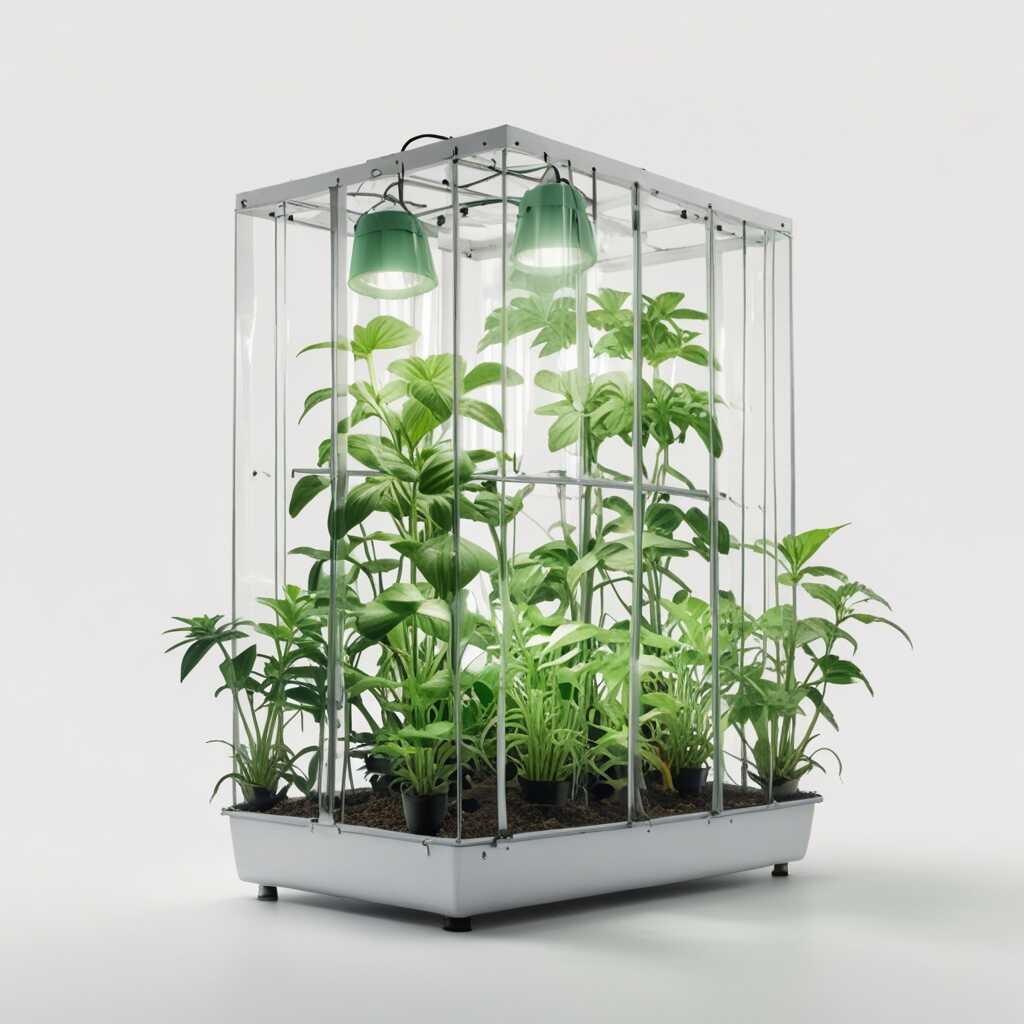
Regularly assessing plant responses to light conditions is vital for ensuring optimal growing conditions. As plants mature, their light requirements often change. Monitoring these changes helps adjust light zones effectively. Adjustments to grow light zones may include repositioning lights, changing light intensity, or altering the light spectrum based on the specific needs of the plants. The types of adjustments will depend on the growth stages of the plants, ensuring robust health and successful growth. For optimal plant growth, light conditions should be reviewed at least every two to four weeks.
Strategies for Effective Light Zone Adjustments
Creating effective light zone adjustments requires understanding individual plant needs. Different plants thrive under varying light intensities and spectrums. For example, a peace lily prefers low-light conditions while succulents often need bright, direct light. Testing light intensity using a light meter can enhance reliability. Ensuring the correct distance between lights and plants prevents damage. This way, plants receive adequate light without stress. Researching growth stages ensures adjustments align with the plant’s changing requirements. By maintaining optimal conditions, your indoor garden becomes a thriving ecosystem.
Advantages of Tailored Light Zones for Plants
- Species-specific zones improve health by meeting unique light needs.
- Effective lighting setups enhance growth speed and strength.
- Plants benefit from reduced competition for light in designated areas.
- This method helps maintain staggered harvests for continuous yield.
- Efficient energy use promotes cost savings on electricity bills.
- Customized light zones make it easier to monitor plant health.
- Plants experience fewer stress-related issues, improving overall vitality.
Integrating Grow Lights with Other Key Plant Care Strategies
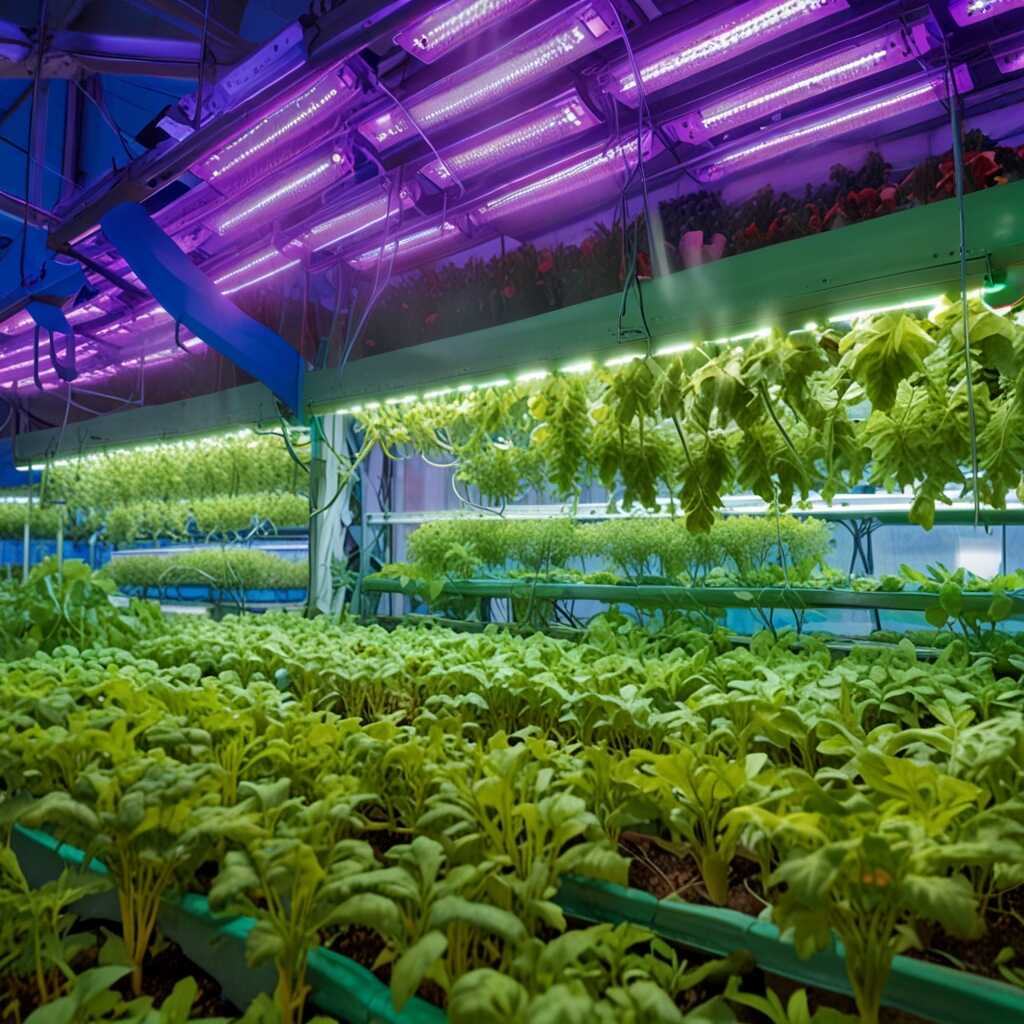
Integrating grow lights with watering schedules ensures that plants receive the essential moisture they need while optimizing light exposure. Each type of plant may have different requirements. For example, succulents may need less frequent watering and brighter light, while ferns benefit from more moisture and indirect light. Combining correct lighting with appropriate watering routines enhances overall plant health. Nutrient delivery methods like liquid fertilizers should align with both grow light conditions and watering times, preventing nutrient burn and ensuring plants absorb nutrients effectively. Communication between the different care strategies boosts plant growth and vitality.
Combining Lighting with Nutritional Needs
When planning to combine grow lights with nutrient delivery, consider the phase of plant growth. Seedlings require intense light and low nutrient doses to prevent burning. Once plants enter vegetative stages, increase nutrient delivery alongside light intensity. Use full-spectrum lights during flowering, as they stimulate bloom development. Different plants have specific nutrient absorption rates, influenced by light quality. Monitoring these nutrients can lead to healthier and more productive plants. Keeping a steady cycle of nutrient delivery in sync with grow light usage maximizes growth and health, leading to vibrant indoor gardens.
Avoiding Common Pitfalls in Grow Light Zone Setup
One common mistake is not adjusting the intensity of grow lights based on different plant types. Succulents and cacti require more light than ferns and shade-loving plants. Another error is placing lights too close or too far, leading to burned leaves or inadequate growth. Testing light levels is essential for reliable results. Additionally, neglecting to consider the arrangement of plants can diminish growth. A strategy to optimize space efficiently is grouping plants with similar light requirements together.
Understanding Plant Light Requirements for Optimal Growth
Every plant has unique light needs. For instance, flowering plants often thrive under full-spectrum lights that provide balanced wavelengths. They can handle bright light, while plants like snake plants do well in low light conditions. Establishing tailored lighting solutions enhances overall health. An ideal distance for grow lights varies, but generally, keeping them 12 to 24 inches from the plant tops is best. Use this range for most standard growing needs. Always monitor their response to ensure you make necessary adjustments. This attention to detail boosts performance and plant vitality.
Target Groups that Benefit from Customized Plant Lighting
- Hobbyist gardeners appreciate easy-to-follow light setup guides and techniques.
- Eco-conscious homeowners value energy-efficient solutions that lower costs.
- Beginners gain confidence through tailored lighting strategies.
- Indoor gardening enthusiasts often explore advanced grow light technologies.
- Urban dwellers use light zones to maximize small living spaces for gardening.
- Sustainable living advocates enjoy learning about the benefits of plants indoors.
- Plant care beginners find success in optimizing light for different needs.
Understanding the Benefits of Effective Grow Light Zoning
Properly zoning grow lights offers significant advantages for indoor gardening enthusiasts. This method enhances growth, as plants receive tailored light intensities based on their specific needs. Healthier plants result when each species thrives under optimal light conditions. Effective grow light zoning boosts energy efficiency by using only the necessary lighting for each area. This targeted approach can lead to energy savings of 20-30%, as it minimizes excessive lighting in less demanding zones. By understanding these benefits, gardeners can ensure their indoor plants achieve maximum growth potential while saving on energy costs.
How to Implement Effective Grow Light Zoning
Implementing effective grow light zoning requires careful planning based on each plant’s requirements. Start by assessing the light needs of your plants. Some plants, like succulents, need high-intensity light, while others prefer lower light conditions. Use full spectrum grow lights for general coverage. Position lights at varying heights to accommodate different plant sizes. Ensure that the lighting duration fits each plant’s growth stage, usually 12 to 16 hours daily. This strategy enhances energy efficiency and ensures that each plant receives the appropriate light, promoting improved health and a thriving indoor garden.