
The “Complete Guide to Hanging Multiple Grow Lights in Greenhouse Structures” offers essential tips for maximizing light efficiency. Properly hanging grow lights is crucial for promoting healthy plant growth and maximizing yield. This guide will help greenhouse owners and gardening enthusiasts achieve optimal light distribution using effective techniques. At Green Writer, we emphasize the importance of sustainable gardening practices that enhance both plant health and environmental awareness.
Understanding Different Types of Grow Lights for Your Greenhouse
This section focuses on various grow lights suitable for your greenhouse. The most common types include LED grow lights, full spectrum lights, and high-pressure sodium (HPS) lights. LED grow lights are energy-efficient, have a long lifespan, and provide specific wavelengths essential for different plant growth stages. Full spectrum lights replicate natural sunlight and cater to all growth phases, offering a balanced light spectrum. HPS lights are well-known for their intensity and efficiency, particularly during flowering stages. When choosing grow lights, consider the plants’ specific light requirements and energy needs. The average grow lights should be used for about 14 to 18 hours per day to ensure optimal growth.
Choosing the Right Grow Light for Your Plants
Picking the right grow light involves evaluating several factors. Consider the types of plants you grow and their specific light needs at each growth stage. For example, leafy greens typically thrive under LED grow lights due to energy efficiency, while flowering plants may prefer HPS lights for their intensity. You should also determine the area you need to cover with lighting and adjust your light height accordingly to provide even illumination. Research shows that full spectrum lights can significantly enhance growth during all plant stages. Review the specifications of each light type to ensure it meets your greenhouse’s requirements effectively.
Determining Optimal Height for Grow Lights Above Plants
The height of grow lights significantly impacts plant health and growth. For optimal lighting efficiency, consider the type of plants and their growth stages. Generally, seedlings require grow lights to be positioned 12 to 24 inches above them to prevent burning while promoting healthy growth. For vegetative plants, a height of 24 to 36 inches is ideal, ensuring effective light penetration without overwhelming them. Flowering plants should have their lights 18 to 30 inches above to enhance bloom production without stressing the plants. Always adjust the height based on how your plants respond to the lighting, ensuring they receive the best possible light without damage.
Understanding Light Levels for Different Plant Types
Diverse plant types have varied light requirements. For instance, leafy greens thrive with lights 12 to 18 inches away, as they prefer intense but short exposure. Conversely, fruiting plants require slightly higher placement of grow lights between 24 to 30 inches to accommodate their larger size and light requirements. Cacti and succulents can handle even greater heights, typically 24 to 36 inches, as they thrive under more indirect light. Regularly monitor your plants for signs of insufficient light or stress. Make adjustments to maximize the quality and quantity of plant growth while ensuring durability and performance from your grow lights. This attention to detail will enhance both plant health and your overall gardening experience.
Popular Methods for Hanging Multiple Grow Lights Safely
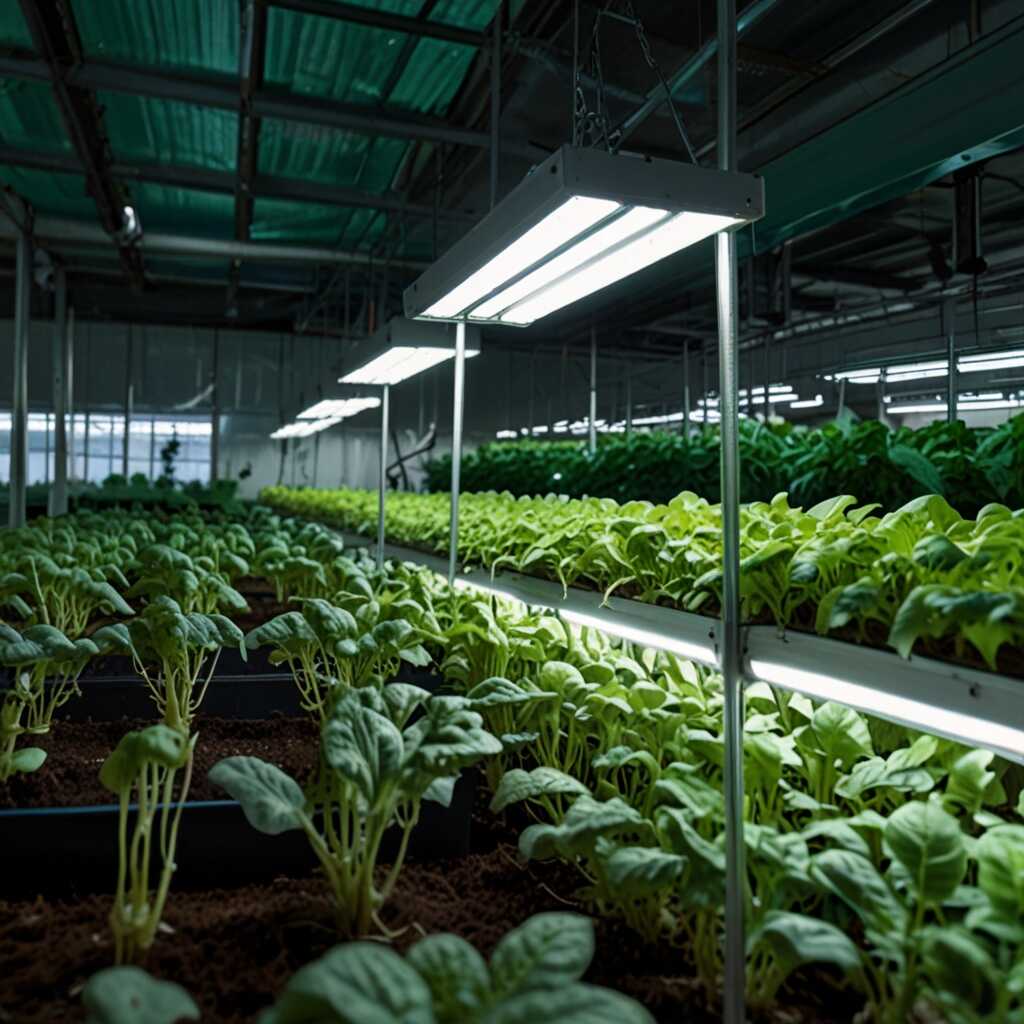
When hanging multiple grow lights, the best options include sturdy systems like hooks and chains. Hooks are easy to install and can securely hold lights of various weights. Chains offer adjustable heights, enhancing versatility. Safety is essential. Use hardware that can handle the combined weight of all lights. Testing different hanging methods helps find the most reliable solution for your greenhouse. Adjustable light methods are useful for providing the right intensity at various plant growth stages. Each option provides unique benefits, ensuring that the distribution of light is efficient.
Choosing Reliable Hanging Hardware for Grow Lights
Selecting reliable hanging hardware significantly impacts the performance of your grow lights. Use sturdy chains that can handle the weight of multiple lights and provide adjustable heights. Ensure the hooks are rated for the load to avoid accidents. The best chain options are made of durable metals and can support weights of up to 50 pounds. Adjustable light methods allow you to change the distance from plants, optimizing their growth. Look for tested and reviewed products that provide excellent quality and reliability, ensuring your setup remains secure and effective.
Key Numerical Facts Regarding Light Placement and Plant Growth
- A well-placed grow light can increase plant growth rate by 30% within two weeks.
- Proper light height is typically 12-24 inches above the plant canopy.
- Full spectrum grow lights can cover an area of about 4×4 feet effectively.
- Plants generally require 14-18 hours of light daily for optimal growth.
- LED lights can last over 50,000 hours, significantly outlasting traditional bulbs.
- Optimal temperature for plants under lights is usually between 70°F and 85°F.
- Adjusting light angles can improve coverage by 25% in larger greenhouse spaces.
Strategizing Light Placement for Even Coverage Across Your Greenhouse
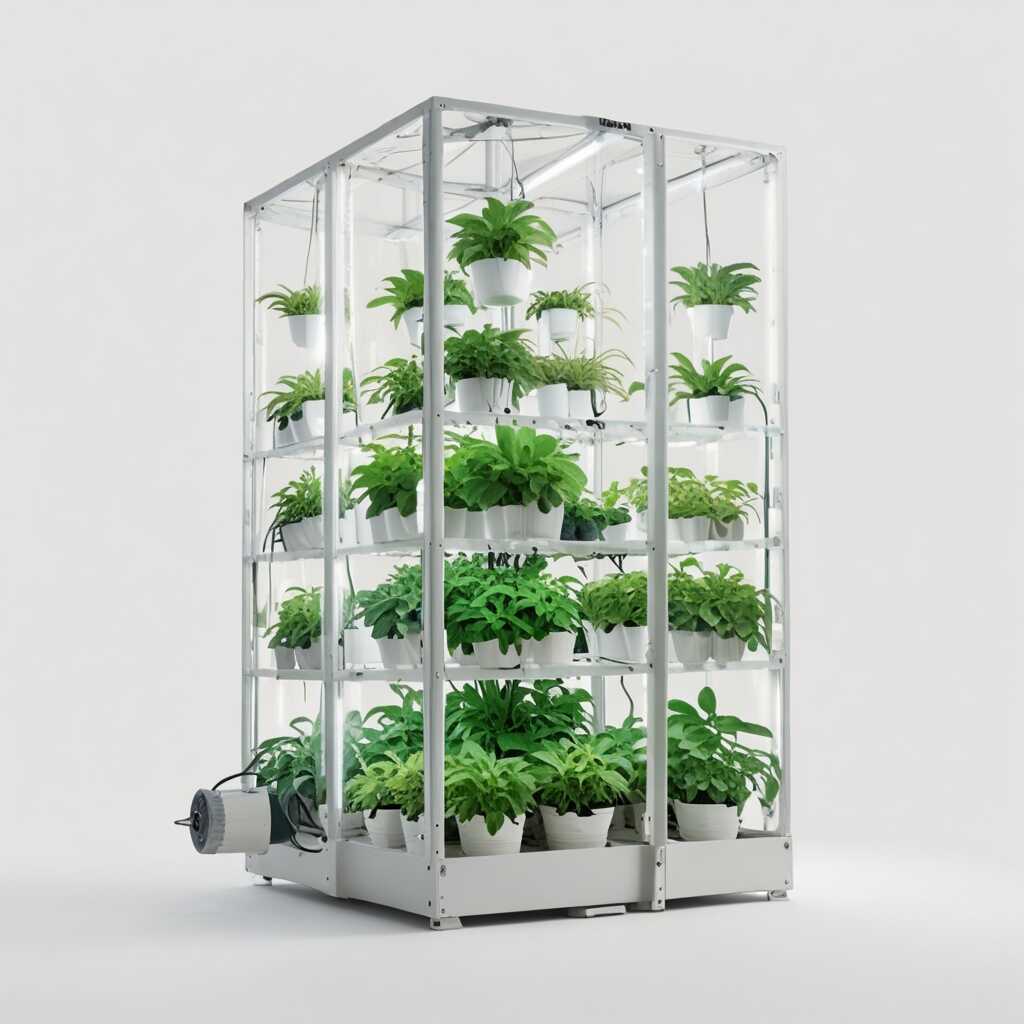
To achieve uniform light distribution for various plant heights in your greenhouse, focus on strategic grow light placement. Position lights overhead and adjust their height based on plant growth stages. Using different types of grow lights helps address different areas. LED grow lights often deliver a full spectrum, ensuring coverage across the greenhouse while minimizing energy use. Proper placement considers the entire greenhouse layout, enabling even light penetration from the highest to the lowest plants. Adjusting the distance between the grow lights and plants is essential for consistent growth. Generally, lights should be placed 12 to 24 inches from the plant tops for optimum light penetration without causing heat stress.
Effective Methods for Arranging Grow Lights
To enhance light distribution, adopt a grid pattern for grow light arrangement. This method allows for targeted illumination across all greenhouse sections. Utilizing adjustable light fixtures can further improve efficiency, enabling you to raise or lower lights as plants grow taller. Ensure full spectrum lights are used since they provide the essential wavelengths that support photosynthesis and overall plant health. Additionally, consider the layout of taller plants in specific zones. Placing shorter plants in the direct light path maximizes their exposure. Regularly review your grow light system to assess performance and make adjustments for optimal growth.
Enhancing Light Efficiency with Reflective Surfaces and Materials
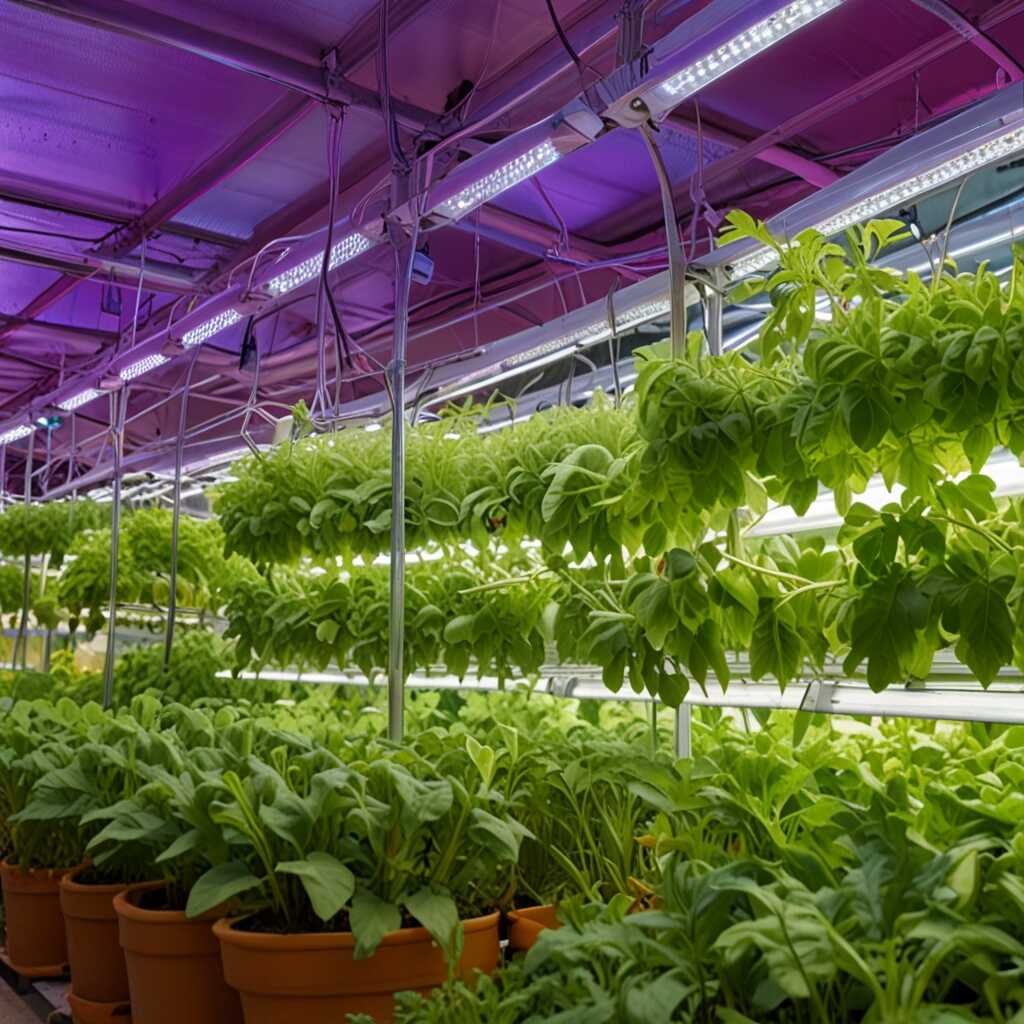
Using reflective materials in your greenhouse setup significantly boosts light efficiency. Reflective surfaces help distribute light evenly, reaching all plants effectively. They minimize shadows and ensure that every plant receives adequate illumination. Common materials include mylar, white paint, and aluminum sheets. Each option offers different benefits in terms of durability and reflectivity. Mylar provides high reflectance rates, while white paint is an excellent cost-effective solution. Proper placement of these materials can enhance overall performance and prevent energy waste. Studies indicate that reflective surfaces can reduce energy costs by up to 30% when correctly positioned.
Choosing the Right Reflective Material for Your Greenhouse
Selecting the best reflective materials for your greenhouse depends on its size and structure. Mylar is suitable for smaller setups due to its lightweight and high reflectance. It can easily cover irregular surfaces and corners. For larger commercial greenhouses, consider using durable aluminum sheets. These materials not only reflect but also withstand various weather conditions. White paint can serve as an excellent alternative for budget-conscious growers. Ensure the chosen material is applied smoothly for maximum efficiency. Research shows that properly installed reflective materials substantially increase light distribution and plant growth, making your greenhouse setup more productive.
Advantages of Utilizing Efficient Lighting Systems in Gardens
- Grow lights enhance photosynthesis, leading to healthier, faster-growing plants.
- Efficient lighting reduces energy costs, saving money on electricity bills.
- Using multiple lights can create an even light distribution across plant areas.
- Adjustable light height allows customization for different plant types.
- A well-lit greenhouse can yield crops year-round, regardless of season.
- LED lighting options generate less heat, decreasing the risk of plant scorch.
- Specialized lighting supports specific growth stages, boosting flowering and fruiting.
Best Practices for Maintaining and Caring for Your Grow Lights
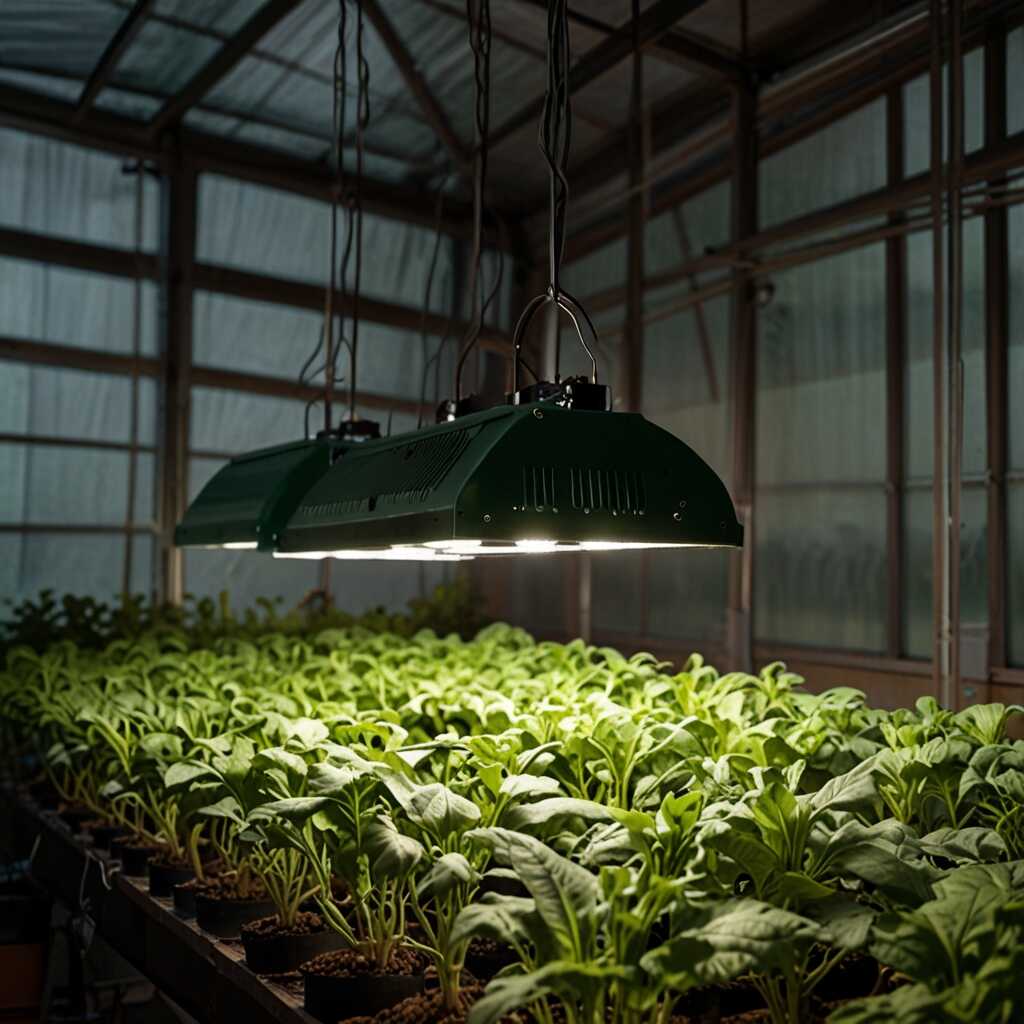
Essential maintenance tasks for grow lights include regular cleaning, inspecting for damage, and replacing bulbs as necessary. Cleaning your grow lights should be done monthly, as dust and dirt can diminish light output. Inspect your lights every few weeks, checking connections and overall condition. The typical lifespan of LED grow lights can range from 25,000 to 50,000 hours, depending on the model and usage. Consistently following these practices will enhance efficiency and reliability, ensuring optimal performance for plant growth.
Effective Cleaning Techniques for Grow Lights
Effective cleaning techniques for grow lights involve using a soft, lint-free cloth dampened with water or mild soap. Avoid harsh chemicals that can damage the fixtures. Gently wipe down the surfaces, including reflectors and lenses, to remove dust and grime. Perform this cleaning process every month to maintain good light distribution. Testing your lights’ performance after cleaning can reveal improvements in plant growth. Regular cleaning enhances the lifespan of your grow lights and supports plant health by providing consistent, reliable light.
Controlling Temperature and Humidity with Grow Lights
Grow lights can significantly impact the temperature of a greenhouse. High-intensity grow lights emit heat, which can raise the greenhouse temperature. To balance temperature fluctuations, consider using adjustable light timers. These timers regulate light exposure without excessive heat. The effectiveness of your lighting system also depends on the type of grow light used. For example, LED lights provide lower heat output compared to HID lights. Managing humidity is crucial for plant health. Using grow lights with built-in humidity controls ensures plants receive the right moisture levels. The optimal temperature for most greenhouse plants typically falls between 70°F and 80°F. Maintaining this range promotes effective plant growth and thriving conditions.
Understanding Grow Light Types for Humidity Management
Different grow light types can help manage humidity in a greenhouse environment. LED grow lights are known for their energy efficiency and low heat emission. This feature prevents excess humidity loss, creating a stable indoor climate. In contrast, traditional HID lights tend to produce more heat, potentially lower humidity levels. To optimize conditions, consider mixing light types to benefit from their unique features. Full-spectrum lights support various growth stages while maintaining humidity levels. Installing a hygrometer helps monitor humidity and temperature fluctuations effectively. Adjusting your grow light placement based on these readings ensures reliable conditions for healthy plant growth.
Understanding the Impact of Lighting Solutions on Diverse Plant Enthusiasts
- Hobbyist gardeners often seek energy-efficient plants to grow indoors.
- Commercial growers rely on advanced light technology to maximize crop production.
- Botanical schools use grow lights for educational purposes and research.
- Sustainable living advocates promote energy-efficient grow technologies.
- Urban dwellers benefit from compact, powerful lights for smaller gardening plots.
- Indoor gardening communities share tips to optimize light usage effectively.
- Floriculturists utilize tailored lighting for diverse flower species to enhance blooms.
Leveraging Smart Technology for Grow Light Automation
Using smart technology for grow light automation offers numerous benefits. It enhances efficiency by optimizing light schedules, ensuring plants receive the right amount of light daily. Timers enable consistent light cycles, which is essential for regulating plant growth stages. Sensors detect environmental changes, such as light intensity and temperature. This data helps automate adjustments to grow lights, improving reliability. Smart systems often include mobile apps that allow instant monitoring and control from anywhere. This connectivity provides peace of mind for greenhouse owners. In 2025, the average cost of smart grow light systems will vary, but users can expect prices in the range of $150 to $500, depending on features and capabilities.
How to Choose Smart Sensors for Optimal Light Management
Choosing smart sensors for optimal light management involves understanding their functionality and reliability. Look for models that offer light intensity sensors, which measure the current lighting conditions within your greenhouse. These sensors should provide accurate readings to help adjust grow light intensity automatically, ensuring your plants receive adequate light. Select sensors that are compatible with your lighting system and enable easy integration. Quality smart sensors should be durable and weather-resistant, especially for outdoor greenhouses. Features like data logging and mobile notifications provide valuable insights and can help you make informed decisions for plant care. Investments in reliable sensors enhance greenhouse lighting efficiency.