
Insect-deterrent spectrum grow lights are LED lighting systems that emit specific wavelengths between 400-700nm to repel common greenhouse pests while promoting healthy plant growth. These specialized lights combine blue light spectrums that deter aphids and whiteflies with red wavelengths that enhance photosynthesis. Most energy-efficient models cost between $80-300 depending on coverage area and features.
Understanding Insect-Deterrent Grow Light Technology
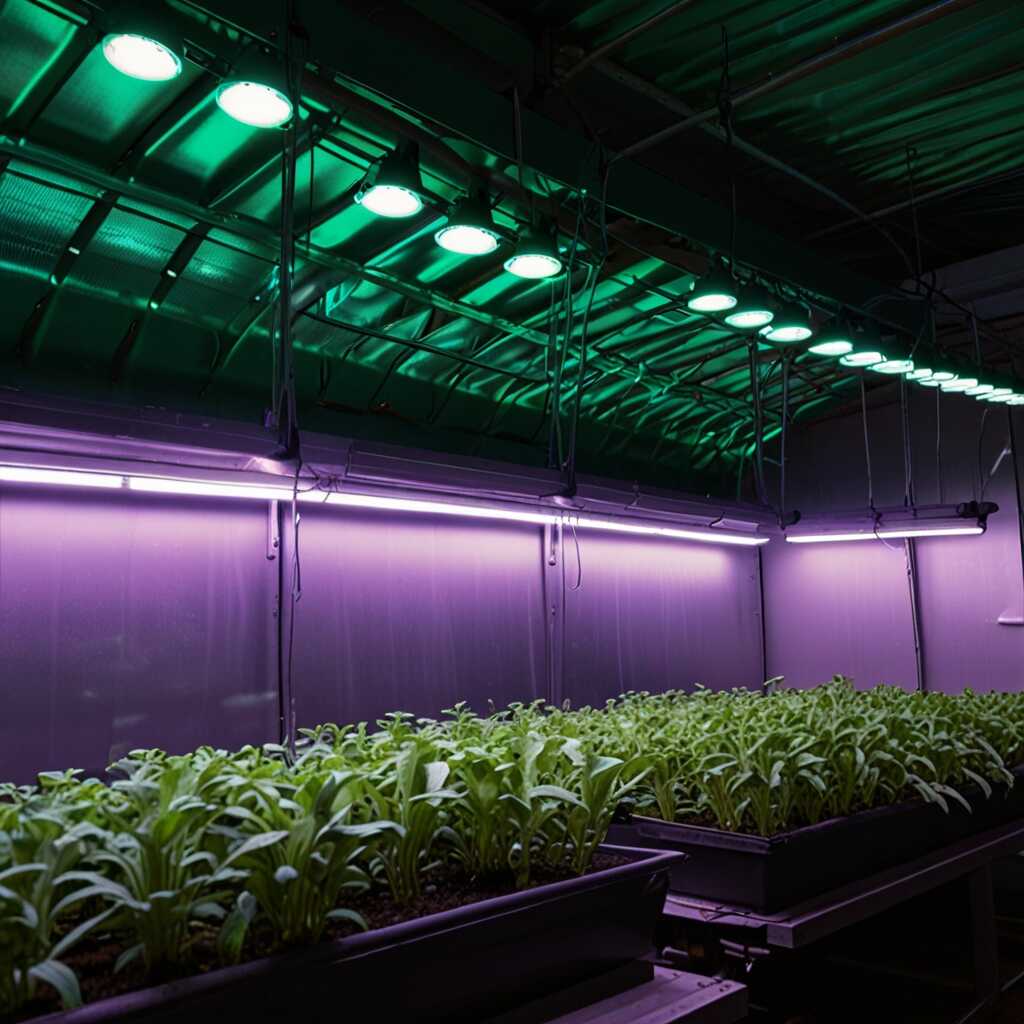
Insect-deterrent grow lights work by disrupting pest vision and navigation systems through targeted wavelength emissions. The blue light spectrum (450-470nm) confuses insects like aphids, spider mites, and whiteflies, making plants less attractive to these common greenhouse pests. Red light wavelengths (660-730nm) continue supporting plant photosynthesis while maintaining pest-repelling properties. This dual-function approach allows growers to manage pest populations without relying on chemical pesticides. The technology operates on the principle that different insects perceive light differently than plants, creating an environment hostile to pests but beneficial for crops.
Key Benefits of Spectral Pest Management
The benefits of using insect-deterrent spectrum grow lights include reduced pesticide dependency, lower pest populations, and improved plant health. Research indicates these lighting systems can reduce common greenhouse pest infestations by 50-70% when properly implemented. Energy efficiency represents another major advantage, with LED-based systems consuming 60-80% less electricity than traditional HID lighting while providing superior pest control. The lights also offer longer lifespans, typically lasting 50,000+ hours compared to 10,000 hours for conventional grow lights.
Specific Wavelengths for Effective Pest Control
Effective pest-deterrent wavelengths target specific insect vision systems while maintaining optimal growing conditions for plants. Blue wavelengths between 450-470nm are particularly effective against soft-bodied insects like aphids and whiteflies, which rely heavily on visual cues for host plant location. Ultraviolet wavelengths (380-400nm) disrupt navigation patterns in flying insects, reducing their ability to locate and colonize plants. Green wavelengths (500-550nm) provide minimal attraction to most pests while supporting plant chlorophyll production during specific growth phases.
Wavelength Combinations for Different Pest Types
Different pest species respond to various wavelength combinations, requiring targeted spectral approaches for maximum effectiveness. Spider mites, which are particularly problematic in dry greenhouse conditions, show strong avoidance to wavelengths around 460nm combined with far-red light at 730nm. Thrips, another common greenhouse pest, are deterred by UV-A wavelengths (365-380nm) while remaining sensitive to blue light disruption. Whitefly populations respond best to broad-spectrum deterrent lighting that includes both UV and blue wavelengths in controlled ratios.
How These Lights Integrate with Plant Growth Requirements
Insect-deterrent grow lights are designed to balance pest management with essential plant lighting needs throughout different growth stages. During vegetative growth, these lights provide high blue light intensity for strong stem development while simultaneously repelling leaf-feeding insects. The flowering stage requires increased red light output (660-680nm) for bloom production, which these systems deliver while maintaining pest-deterrent properties. Full-spectrum models adjust their output automatically, providing optimal growing conditions during day cycles and enhanced pest deterrence during evening hours when many insects are most active.
Installation Requirements and Setup Considerations
Proper installation of insect-deterrent spectrum grow lights requires careful consideration of coverage area, mounting height, and integration with existing greenhouse systems. Most residential greenhouse setups need 30-50 watts per square foot of growing space for effective pest deterrence and plant growth. Commercial installations typically require professional assessment to determine optimal light placement and spectral programming. Installation costs range from $15-25 per square foot for basic systems, while advanced programmable models can cost $40-60 per square foot including setup.
Cost Analysis for Different Greenhouse Sizes
- Small hobby greenhouses (100-200 sq ft): $800-1,500 for complete lighting systems
- Medium commercial operations (500-1,000 sq ft): $3,000-8,000 depending on automation features
- Large greenhouse facilities (2,000+ sq ft): $12,000-25,000 for professional-grade installations
- Operating costs typically range from $0.15-0.30 per square foot monthly for electricity
- Maintenance requirements include annual LED replacement (5-10% of fixtures)
- Return on investment usually occurs within 18-24 months through reduced pesticide costs
- Energy savings compared to HID systems can reach $500-1,200 annually for medium operations
Available Insect-Deterrent Grow Light Systems
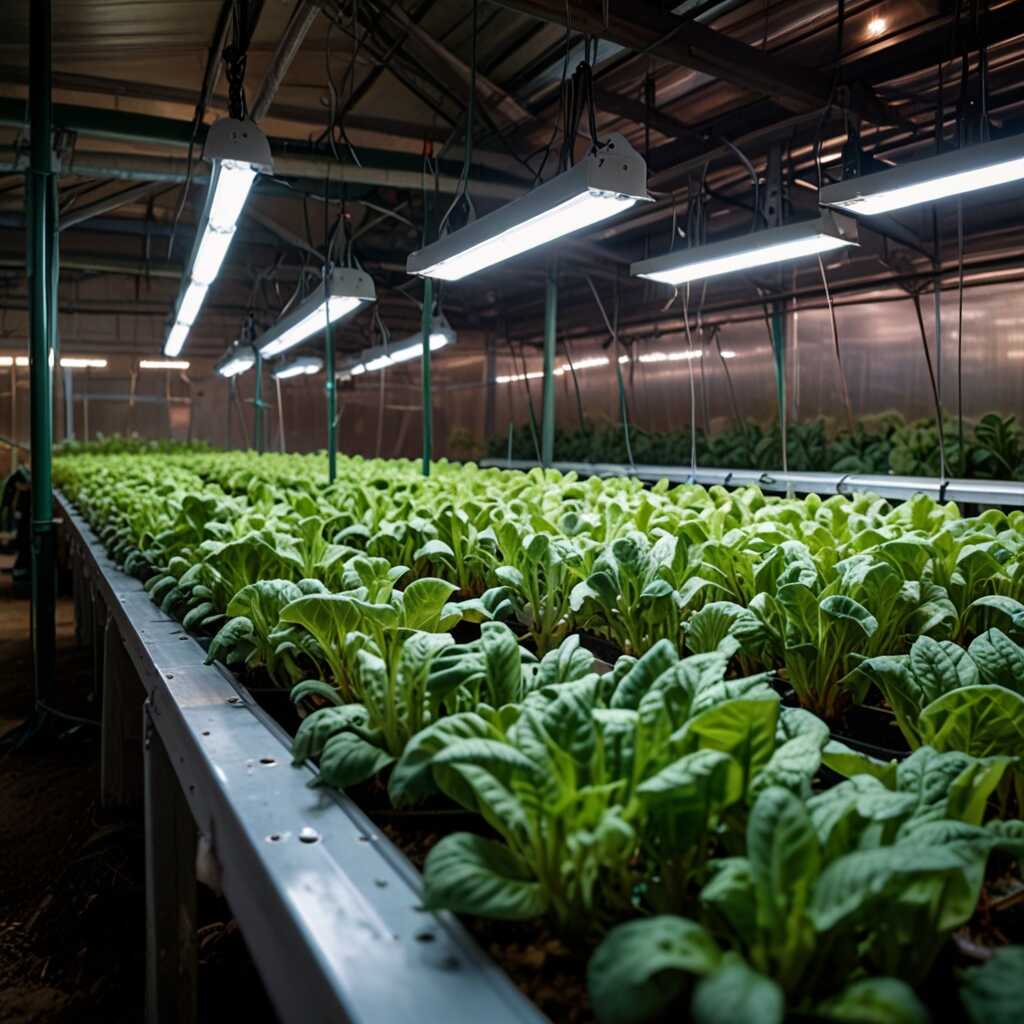
Current insect-deterrent grow light systems range from basic LED panels with fixed spectrums to sophisticated programmable units that adjust wavelengths based on pest pressure and plant growth stage. Entry-level models typically offer 2-3 spectral channels with manual controls, suitable for small greenhouse operations or hobby growers. Mid-range systems include 4-6 programmable channels with timer controls and preset pest-deterrent programs. High-end commercial units feature full-spectrum programmability, environmental sensors, and automated pest response protocols that adjust lighting based on real-time conditions.
Key Features to Consider When Selecting Systems
When selecting insect-deterrent grow lights, consider spectral range, programmability, energy efficiency, and integration capabilities with existing greenhouse management systems. Look for systems that provide both blue (450-470nm) and UV (380-400nm) wavelengths for comprehensive pest deterrence. Energy efficiency ratings should indicate at least 2.5 μmol/J photon efficacy for cost-effective operation. Programmable models allow adjustment of light cycles and intensities based on seasonal pest patterns and crop requirements.
Implementation Strategies for Maximum Effectiveness
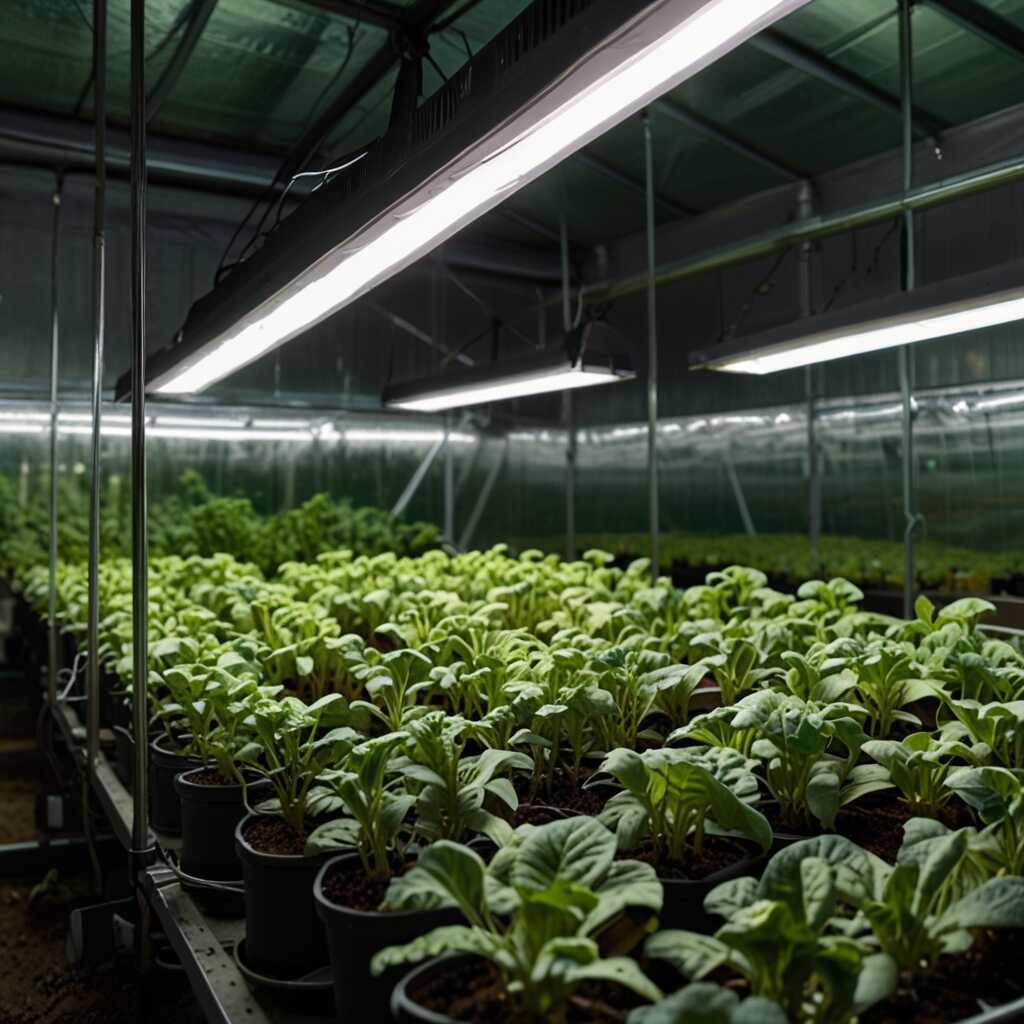
Effective implementation of insect-deterrent grow lights requires strategic placement, proper timing, and integration with other integrated pest management (IPM) practices. Position lights to provide uniform coverage across all plant canopy levels, ensuring pest-deterrent wavelengths reach potential hiding spots and breeding areas. Implement graduated lighting schedules that increase pest-deterrent wavelengths during peak insect activity periods, typically early morning and late afternoon. Combine spectral pest control with physical barriers, beneficial insects, and targeted organic treatments for comprehensive pest management that reduces chemical pesticide dependency by 70-90%.
Monitoring and Adjusting Light Programs for Pest Control
Regular monitoring of pest populations helps optimize light programs for maximum deterrent effectiveness while maintaining plant health and productivity. Weekly pest scouting identifies which insects are present and their population levels, allowing for targeted wavelength adjustments. Document plant responses to different light programs, noting any stress symptoms or growth changes that might indicate spectrum imbalances. Adjust UV and blue light intensity based on pest pressure, increasing deterrent wavelengths during outbreaks and reducing intensity during low pest periods to minimize plant stress.
Common Pest Response Patterns to Different Wavelengths
- Aphids show 60-80% population reduction under 460nm blue light exposure
- Whiteflies avoid areas with combined UV-A (365nm) and blue (450nm) wavelengths
- Spider mites are deterred by far-red (730nm) combined with blue light ratios
- Thrips populations decrease by 40-70% with consistent UV exposure
- Fungus gnats avoid environments with high UV-B (280-315nm) wavelengths
- Most beneficial insects remain unaffected by pest-deterrent wavelengths
- Plant stress indicators appear when UV exposure exceeds 12 hours daily
Comparing Traditional and Advanced Pest-Deterrent Lighting
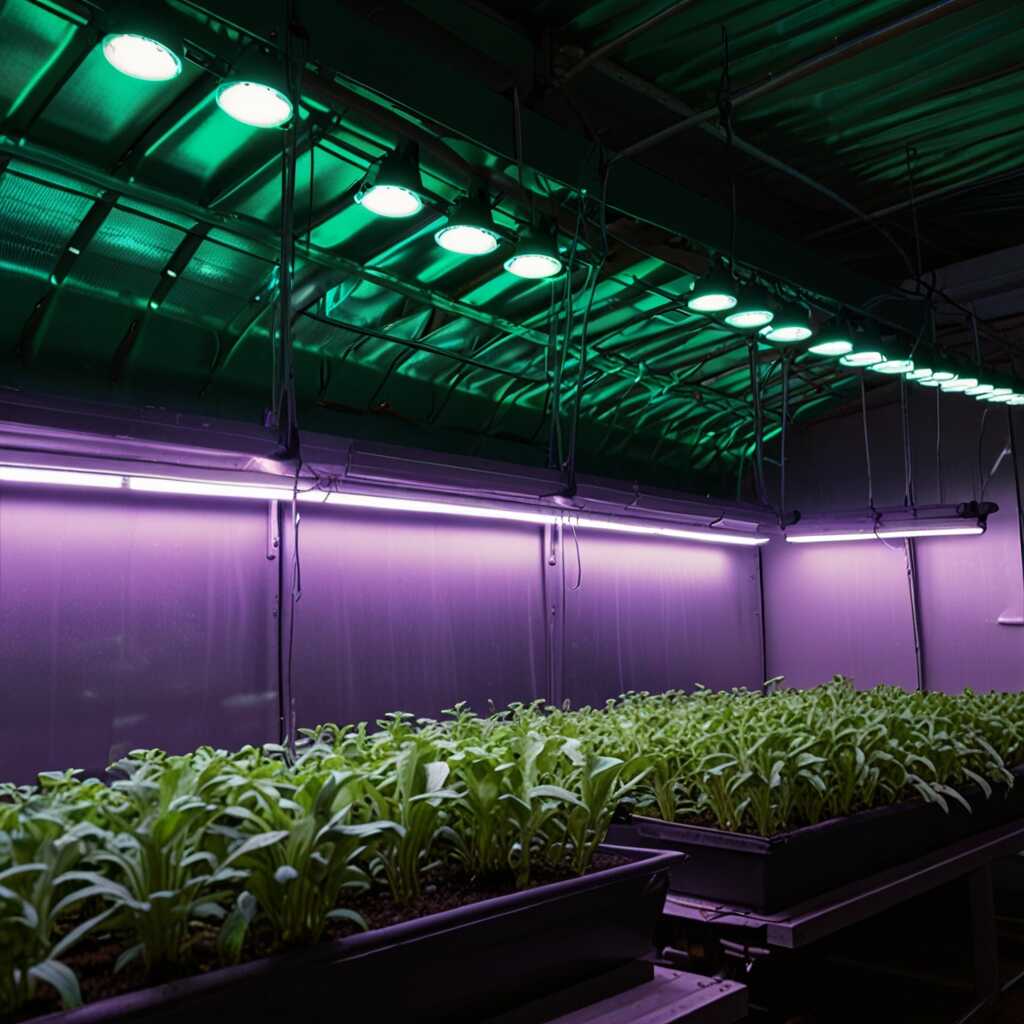
Traditional grow lights focus solely on plant photosynthesis without considering pest management, often creating attractive environments for insects through broad-spectrum white light emissions. Modern insect-deterrent systems integrate targeted pest control wavelengths while maintaining optimal growing conditions for plants. Advanced LED systems offer precise spectral control, allowing growers to adjust pest-deterrent intensity without compromising plant health. These newer systems typically reduce pest populations by 50-70% compared to traditional lighting while providing 20-30% better energy efficiency.
Limitations and Considerations for Pest-Deterrent Lighting
While insect-deterrent grow lights offer significant benefits, they have limitations that growers should understand before implementation. These systems are most effective against soft-bodied, visually-oriented pests and may have limited impact on soil-dwelling insects or those that locate hosts through chemical cues rather than visual attraction. Initial investment costs are 2-3 times higher than traditional grow lights, though operational savings typically offset this within 18-24 months. Some plant species may show sensitivity to UV wavelengths, requiring careful spectrum balancing to avoid leaf damage or growth suppression.
Environmental and Economic Benefits of LED Pest Management
LED-based insect-deterrent grow lights contribute significantly to sustainable greenhouse operations through reduced pesticide use, lower energy consumption, and decreased environmental impact. These systems typically reduce chemical pesticide applications by 60-80%, improving worker safety and reducing contamination risks in food crops. Energy consumption decreases by 40-60% compared to traditional HID lighting systems, resulting in lower carbon footprints and operational costs. The longer lifespan of LED components (50,000+ hours) reduces waste generation and replacement frequency, supporting circular economy principles in agricultural operations.
Economic Return on Investment Analysis
The economic benefits of insect-deterrent LED grow lights become apparent within 12-24 months of installation through multiple cost-saving mechanisms. Reduced pesticide costs typically save $200-500 annually per 1,000 square feet of greenhouse space, depending on previous chemical usage levels. Energy savings range from $300-800 annually for medium-sized operations, with larger facilities seeing proportionally greater savings. Labor costs decrease by 15-25% due to reduced pest monitoring and treatment requirements, while crop losses from pest damage typically decrease by 30-50%.
Long-term Sustainability Metrics
- Pesticide reduction: 60-80% decrease in chemical applications
- Energy efficiency: 40-60% lower electricity consumption than HID systems
- Carbon footprint: 35-50% reduction in greenhouse gas emissions
- Waste reduction: 70% fewer lighting component replacements over 10-year period
- Water quality: Reduced pesticide runoff improves local water systems
- Worker safety: 90% reduction in chemical exposure incidents
- Certification benefits: Supports organic and sustainable farming certifications
Case Studies and Implementation Success Stories
Commercial greenhouse operations across various climates have successfully implemented insect-deterrent spectrum grow lights with measurable results in pest reduction and crop quality improvement. A tomato greenhouse in California reduced whitefly populations by 75% after installing programmable LED systems with UV and blue wavelength pest deterrence capabilities. An herb production facility in Colorado eliminated 80% of aphid infestations while maintaining harvest quality and increasing energy efficiency by 45%. These success stories demonstrate the practical effectiveness of spectral pest management across different crop types and growing conditions.
Selecting the Right System for Your Growing Operation
Choosing appropriate insect-deterrent grow lights depends on greenhouse size, target crops, local pest pressure, and budget considerations. Small hobby operations (under 200 sq ft) typically benefit from fixed-spectrum LED panels with basic pest-deterrent wavelengths, costing $800-1,500 for complete coverage. Medium commercial operations require programmable systems with environmental sensors and automated controls, ranging from $3,000-8,000 depending on features and coverage area. Large commercial facilities need professional assessment to design custom lighting systems that integrate with existing climate control and pest management protocols.