
Pulsed lighting systems are energy-efficient greenhouse technologies that deliver light in controlled bursts rather than continuous illumination, reducing energy consumption by up to 40% while enhancing plant growth through optimized photosynthesis. These specialized LED systems work by providing intense light pulses followed by dark periods, mimicking natural sunlight patterns more effectively than traditional continuous lighting. Popular brands like Philips and Osram offer reliable pulsed lighting solutions that typically cost between $200-800 per fixture, depending on coverage area and features.
How Pulsed Lighting Systems Enhance Plant Growth and Reduce Energy Costs
Pulsed lighting systems work by delivering high-intensity light bursts followed by brief dark intervals, allowing plants to process light more efficiently during photosynthesis. This approach reduces energy waste since plants cannot utilize continuous light beyond their photosynthetic capacity. Research indicates that pulsed lighting can increase growth rates by 15-25% compared to traditional systems while consuming 30-50% less electricity. The technology optimizes light absorption by matching natural circadian rhythms, which helps plants allocate energy more effectively between light and dark reactions. Greenhouse operators typically see improved leaf development, stronger stems, and enhanced flowering when implementing these systems across different crop types.
Benefits Across Different Plant Growth Stages
During germination, pulsed lighting provides gentle, controlled illumination that prevents heat stress while promoting uniform sprouting rates. The technology delivers optimal red and blue light spectrums during vegetative growth, encouraging healthy leaf expansion and root development. When plants transition to flowering, pulsed systems can be programmed to provide specific light ratios that trigger reproductive responses more effectively than continuous lighting. Greenhouse operators report that specialized grow light systems deliver consistent results across multiple growing cycles, with some facilities achieving 20-30% higher yields compared to conventional lighting methods.
What Energy Savings Can Greenhouse Operators Expect from Pulsed Lighting
Energy savings from pulsed lighting systems typically range from 30-50% compared to traditional HID or continuous LED systems, translating to significant cost reductions for commercial greenhouse operations. A medium-sized greenhouse using 50kW of traditional lighting can expect to reduce consumption to 25-35kW with pulsed systems, saving $2,000-4,000 annually depending on local electricity rates. The savings occur because pulsed lighting delivers light only when plants can effectively use it for photosynthesis, eliminating waste during periods when plants are processing previously absorbed light. These systems also generate less heat, reducing cooling costs by an additional 10-20% in climate-controlled environments.
Real-World Implementation Results
Commercial greenhouse facilities across North America report substantial energy reductions after switching to pulsed lighting technologies. One lettuce production facility in California documented a 35% decrease in lighting costs while maintaining crop quality and harvest schedules. Canadian tomato growers have achieved similar results, with some operations reporting payback periods of 18-24 months on their pulsed lighting investments. The technology proves most effective in controlled environment agriculture where lighting performance directly impacts operational efficiency and crop yields throughout year-round production cycles.
Essential Features to Consider When Selecting Pulsed Lighting Systems
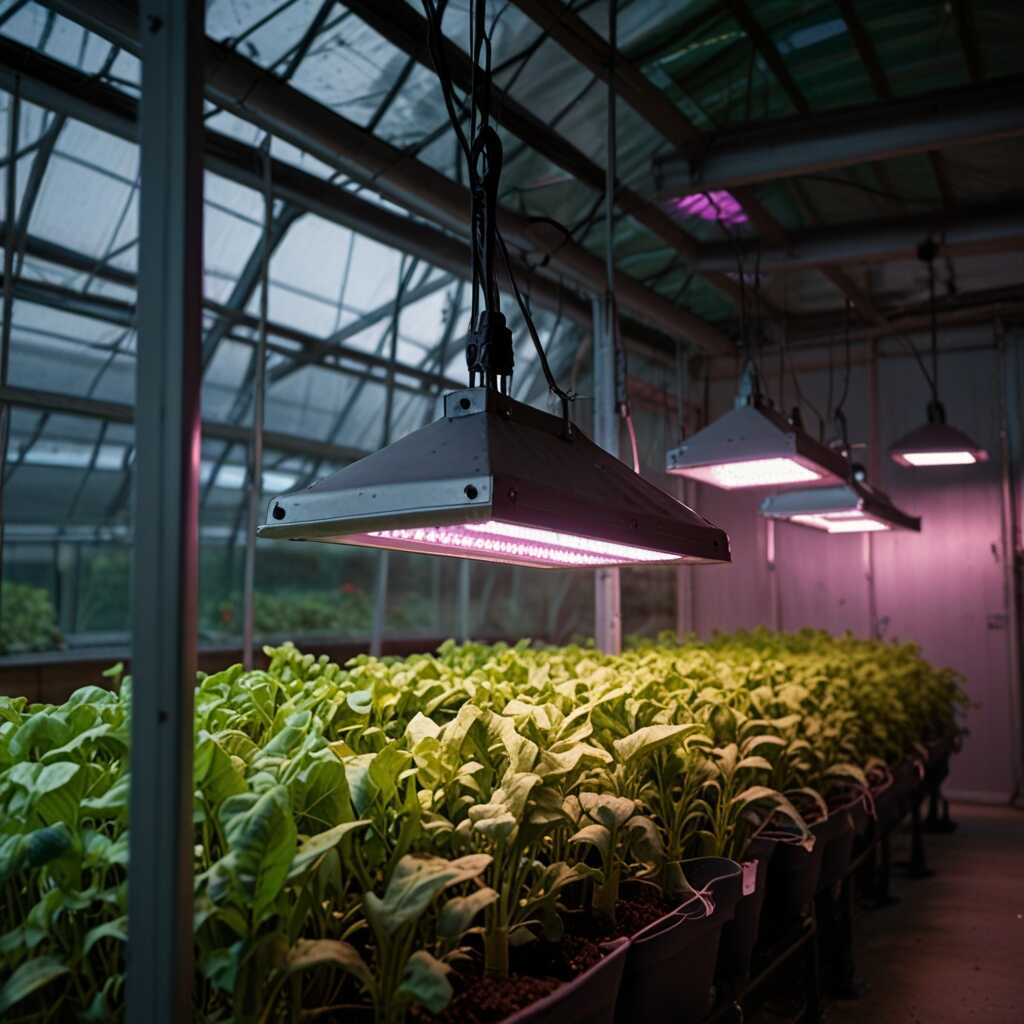
When evaluating pulsed lighting systems, greenhouse operators should prioritize adjustable pulse frequency settings that accommodate different plant species and growth stages. Quality systems offer pulse rates ranging from 50-200 Hz with customizable duty cycles between 10-90%, allowing precise control over light delivery. Look for full-spectrum LED arrays that provide both photosynthetic and morphogenic wavelengths, typically including red (660nm), blue (450nm), and far-red (730nm) components. Reliable systems include built-in cooling mechanisms, sturdy aluminum housing for greenhouse humidity conditions, and programmable controllers that integrate with existing automation systems.
Compatibility Requirements for Different Crops
Leafy greens like lettuce and spinach respond well to higher pulse frequencies (100-150 Hz) with blue-heavy spectrums during vegetative growth. Fruiting crops such as tomatoes and peppers benefit from lower frequencies (50-100 Hz) with increased red wavelengths during flowering and fruit development. Cannabis cultivation requires specialized lighting schedules that trigger specific physiological responses during different growth phases. Most quality pulsed lighting systems allow spectrum and frequency adjustments through digital controls, enabling greenhouse operators to optimize settings for their specific crop requirements and growing environments.
Cost Analysis for Pulsed Lighting Implementation
- Entry-level pulsed LED fixtures typically cost $200-400 per unit for small greenhouse applications.
- Commercial-grade systems range from $500-800 per fixture with advanced control features and higher output.
- Installation costs generally add $50-100 per fixture depending on existing electrical infrastructure.
- Annual energy savings often range from $300-600 per fixture in commercial operations.
- Typical payback periods fall between 18-30 months for most greenhouse implementations.
- Replacement costs are minimal since quality LED systems last 50,000-100,000 hours of operation.
- Maintenance requirements are low, usually involving basic cleaning and occasional controller updates.
How Pulsed Lighting Compares to Traditional Greenhouse Lighting Methods
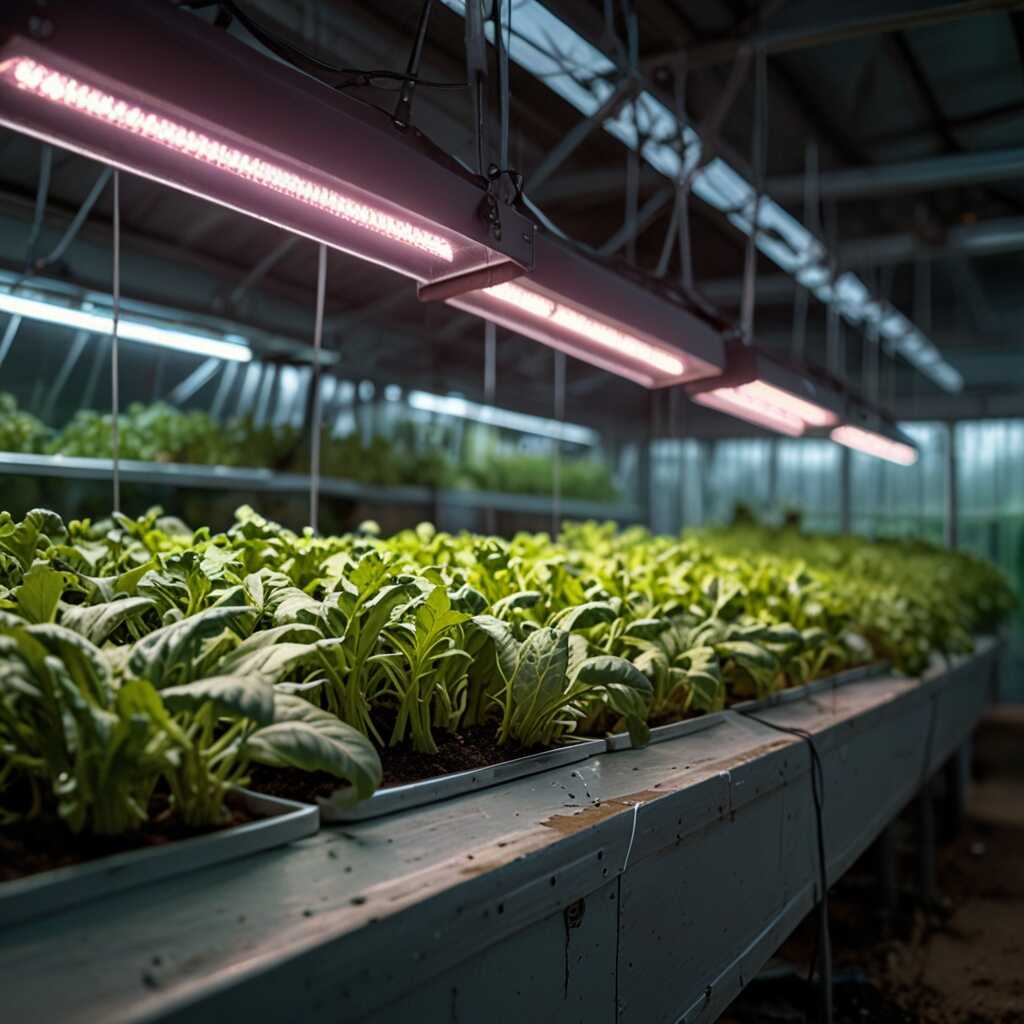
Pulsed lighting systems outperform traditional HID lighting in both energy efficiency and plant response, using 40-60% less electricity while providing more precise spectral control. Compared to continuous LED systems, pulsed technology offers 15-25% additional energy savings through optimized light delivery timing that matches plant photosynthetic cycles. High-pressure sodium lights generate significant heat and require frequent replacement, while pulsed LEDs operate cooler and last 5-10 times longer with minimal maintenance requirements. The initial investment for pulsed systems typically ranges 20-40% higher than basic continuous LEDs, but the energy savings and improved crop performance usually justify the cost difference within two growing seasons.
Limitations and Considerations for Pulsed Lighting
Pulsed lighting systems require more sophisticated control electronics than traditional lighting, potentially increasing complexity for greenhouse operators unfamiliar with advanced automation. Some sensitive plant species may experience stress from rapid light changes, particularly during initial adaptation periods when transitioning from continuous lighting. The technology works best in controlled environments where external light can be managed, making it less suitable for greenhouses with significant natural light penetration. Installation costs can be 15-30% higher than conventional systems due to specialized controllers and wiring requirements, though these expenses are typically recovered through energy savings within 18-24 months.
Top Manufacturers of Pulsed Lighting Technologies for Commercial Greenhouses
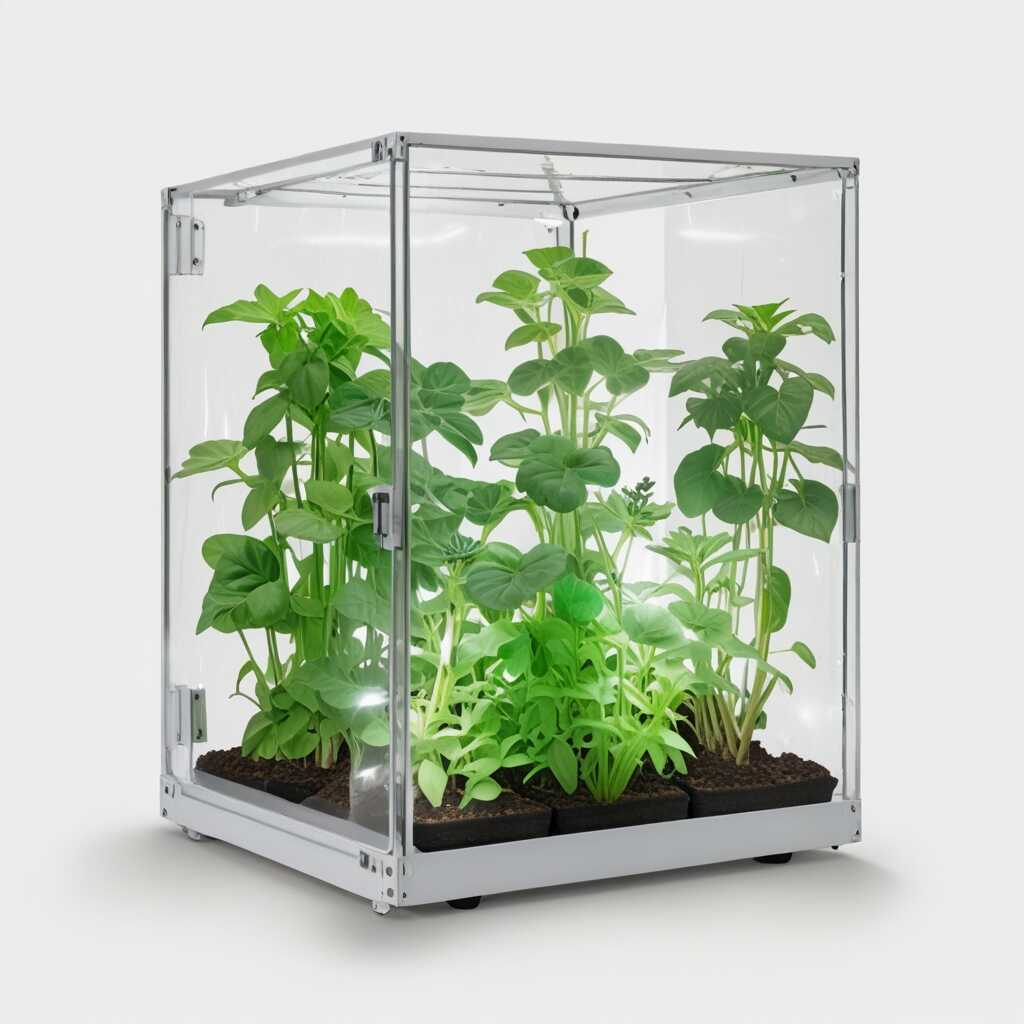
Philips Lighting leads the commercial pulsed lighting market with their GreenPower LED series, offering research-backed systems with proven performance in large-scale greenhouse operations. Osram provides reliable pulsed lighting solutions through their Phytofy platform, which includes comprehensive spectrum and timing controls suitable for various crop types. Fluence Bioengineering specializes in cannabis and specialty crop applications, offering high-intensity pulsed systems designed for maximum yield optimization. Other notable suppliers include Signify (formerly Philips Lighting), Lumileds, and Cree, each offering different approaches to pulsed lighting technology with varying price points and feature sets.
Supplier Selection Criteria and Support Services
When choosing a pulsed lighting supplier, prioritize companies that offer comprehensive technical support, including installation guidance and crop-specific programming assistance. Look for manufacturers who provide detailed photometric data, energy consumption specifications, and real-world case studies from similar greenhouse operations. Quality suppliers offer warranties of 5-7 years on LED components and 2-3 years on electronic controls, with responsive customer service for troubleshooting and system optimization. Many leading suppliers also provide financing options and performance guarantees that help greenhouse operators justify their investment and achieve expected energy savings.
Implementation Timeline and Requirements
- Site assessment and lighting design typically require 2-4 weeks for commercial installations.
- Equipment procurement and delivery generally take 6-8 weeks for standard systems.
- Installation and commissioning usually complete within 1-2 weeks depending on greenhouse size.
- Staff training on system operation and programming typically requires 2-3 days of instruction.
- System optimization and fine-tuning continue for 4-6 weeks after initial installation.
- Full integration with existing automation systems may take additional 2-4 weeks.
- Regular maintenance schedules should be established within the first month of operation.
Documented Energy Savings and ROI from Pulsed Lighting Implementations
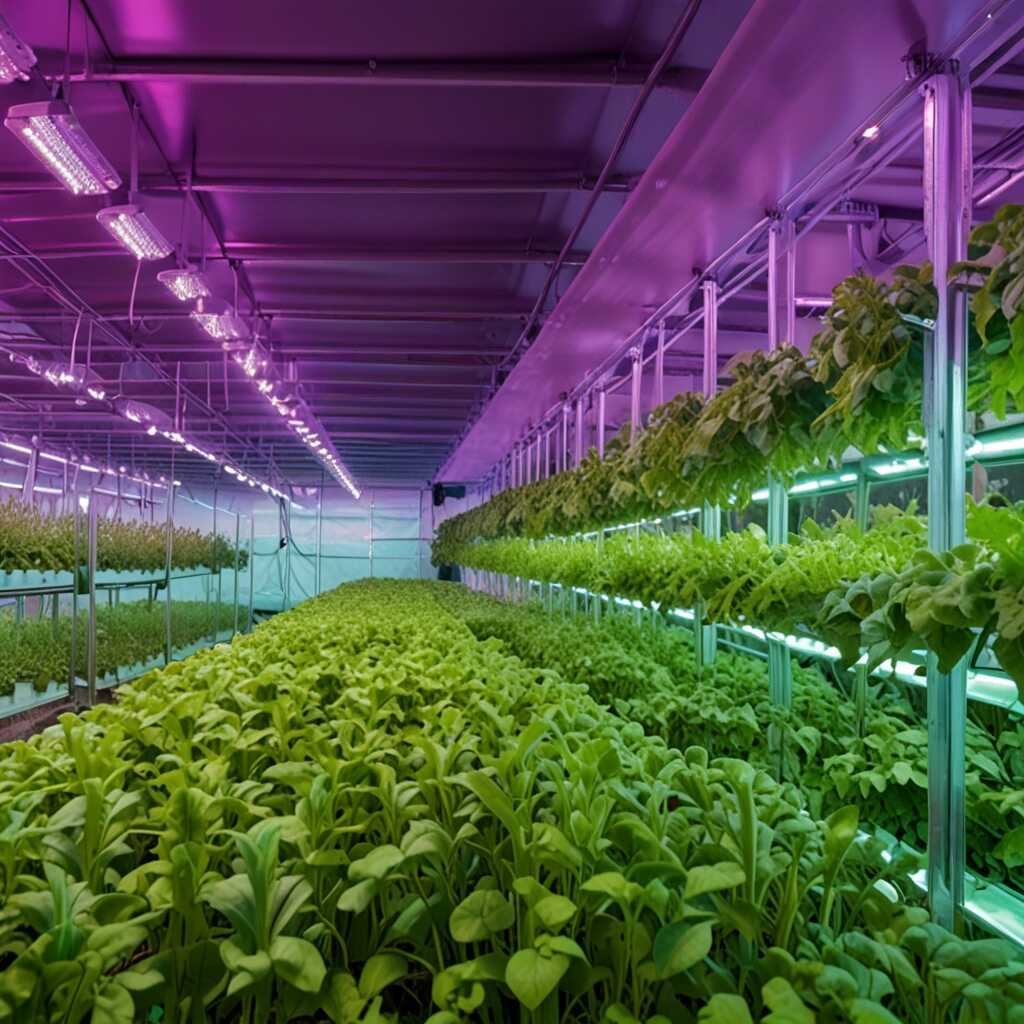
Greenhouse operations implementing pulsed lighting systems consistently report energy reductions between 30-50% compared to their previous lighting methods, with some facilities achieving even greater savings when upgrading from older HID systems. A tomato production facility in Ohio reduced annual lighting costs from $45,000 to $28,000 after installing pulsed LED systems, while maintaining production levels and improving fruit quality. Lettuce growers in Arizona documented similar results, with one operation saving $18,000 annually on a $35,000 system investment, achieving payback in less than two years. These real-world results demonstrate the financial viability of pulsed lighting technology for commercial greenhouse applications.
Steps for Calculating Your Potential Savings
To estimate energy savings potential, greenhouse operators should first document their current lighting energy consumption by monitoring kilowatt-hour usage during peak growing seasons. Calculate existing lighting costs by multiplying monthly kWh consumption by local electricity rates, then factor in demand charges if applicable to commercial operations. Research pulsed lighting systems with similar coverage areas and compare their energy specifications to current equipment, typically expecting 35-45% reduction in consumption. Include installation costs, financing options, and available utility rebates when calculating payback periods, which generally range from 18-36 months depending on system efficiency and local energy costs throughout the operational analysis.
Best Practices for Installing and Operating Pulsed Lighting Systems
Successful pulsed lighting implementation begins with proper system design that considers plant height, canopy density, and desired light levels throughout the growing area. Install fixtures at appropriate heights to ensure uniform light distribution while avoiding hot spots or shadowed areas that can affect plant development. Program pulse frequencies and duty cycles based on specific crop requirements, starting with manufacturer recommendations and adjusting based on plant response over several growing cycles. Integrate pulsed lighting controls with existing environmental systems to coordinate lighting, temperature, and humidity management for optimal growing conditions.
Optimization Techniques for Maximum Efficiency
Monitor plant response closely during the first few weeks after installation, adjusting pulse frequency and intensity based on observed growth patterns and any signs of light stress. Use light meters to verify uniform distribution across the growing area, repositioning fixtures if necessary to eliminate uneven coverage. Maintain regular cleaning schedules for LED fixtures to prevent dust accumulation that reduces light output and system efficiency. Document energy consumption patterns and crop performance data to establish baseline metrics for ongoing system optimization and performance evaluation throughout multiple growing seasons.
Common Installation Challenges and Solutions
- Electrical infrastructure may require upgrades to handle new control systems and dimming capabilities.
- Existing mounting systems might need reinforcement to support heavier LED fixtures safely.
- Control programming can be complex initially but becomes routine with proper training and documentation.
- Plant adaptation periods typically last 1-2 weeks as crops adjust to new lighting patterns.
- Integration with existing automation requires careful planning and potential software updates.
- Staff training is essential for proper operation and basic troubleshooting of pulsed systems.
- Backup systems should be considered for critical growing operations during equipment maintenance.
Future Developments in Pulsed Lighting and Sustainable Greenhouse Technologies
Emerging pulsed lighting technologies focus on adaptive systems that automatically adjust pulse parameters based on real-time plant monitoring and environmental conditions. Researchers are developing AI-driven controllers that learn from plant responses and optimize lighting schedules without manual intervention, potentially increasing energy savings beyond current 40-50% levels. Next-generation systems will likely integrate with Internet of Things (IoT) sensors to create fully automated growing environments that respond to individual plant needs throughout the cultivation cycle. These advances promise to make pulsed lighting technology more accessible to smaller greenhouse operations while improving efficiency for large commercial facilities.
Integration with Smart Agriculture Technologies
Future pulsed lighting systems will communicate with other smart agriculture technologies, including nutrient delivery systems, climate controls, and pest management equipment to create coordinated growing environments. Machine learning algorithms will analyze plant growth data to predict optimal lighting schedules days or weeks in advance, maximizing efficiency while minimizing energy consumption. Wireless communication protocols will enable remote monitoring and control of multiple greenhouse facilities, allowing operators to manage lighting systems from centralized control centers. These technological advances will help greenhouse operators achieve even greater energy savings while improving crop consistency and reducing labor requirements for system management and optimization across their entire operation.