
Specific light formulas play a crucial role in optimizing aromatic oil production in plants. By understanding how different light spectrums affect plant growth, indoor gardeners can significantly boost oil yield and quality. At Green Writer, we explore effective light strategies that enhance aromatic oil output while promoting sustainable gardening practices. Our focus is on providing practical advice for eco-conscious consumers and herbal oil producers to cultivate flourishing indoor gardens.
The Importance of Aromatic Oils in Plants
Aromatic oils, also known as essential oils, are natural compounds found in many plants. They serve vital biological functions, including attracting pollinators, repelling pests, and protecting against disease. These oils also play a significant role in plant health by contributing to growth and metabolic processes. Commercially, aromatic oils are important for various industries, including cosmetics, food, and herbal medicines. Understanding these aspects helps in optimizing aromatic oil production through effective indoor plant care practices like proper lighting. Research suggests that increasing light exposure can enhance the yield of aromatic oils significantly, sometimes by over 50% in controlled environments.
Key Factors Influencing Yield of Aromatic Oils
Several critical factors influence the yield of aromatic oils in plants. One major factor is the light spectrum used during growth. Full-spectrum LED grow lights can simulate natural sunlight, which promotes optimal growth conditions. Studies show that plants exposed to specific wavelengths enhance oil production efficiently. Temperature, humidity, and nutritional aspects also play roles. Combining these elements with proper light exposure helps maximize aromatic oil yield, making it essential for herbal oil producers and sustainability advocates to understand and implement these practices.
Light’s Impact on Plant Growth and Oil Production
Different light wavelengths significantly influence essential oil production in various plant species. Research shows that blue light (400-495 nm) encourages vegetative growth and enhances leaf production, while red light (620-750 nm) promotes flowering and oil synthesis. The combination of these wavelengths can help produce aromatic oils in plants like basil, lavender, and rosemary. Indoor gardens benefit from the right light formulas tailored to specific plant needs. Many growers use full-spectrum LED lights to ensure plants receive an optimal balance of wavelengths throughout their growth cycle. The amount of light is essential; typically, 12 to 16 hours of light per day enhances oil yield effectively.
Optimal Light Durations for Enhanced Aromatic Oil Production
For best results, indoor gardens should aim for 14 to 16 hours of light daily, particularly during the flowering stage. This duration allows plants enough time to produce and store essential oils. LED grow lights with adjustable timers can help maintain this schedule, ensuring consistent exposure. Plants like rosemary thrive with full-spectrum light that mimics natural sunlight, promoting robust oil production. Studies indicate that plants receiving adequate light during their growth stages yield higher concentrations of aromatic oils, resulting in a more potent product. Utilize energy-efficient growing techniques offered by Green Writer to maximize output while minimizing energy consumption.
Tailoring Light Spectra for Specific Aromatic Plant Species
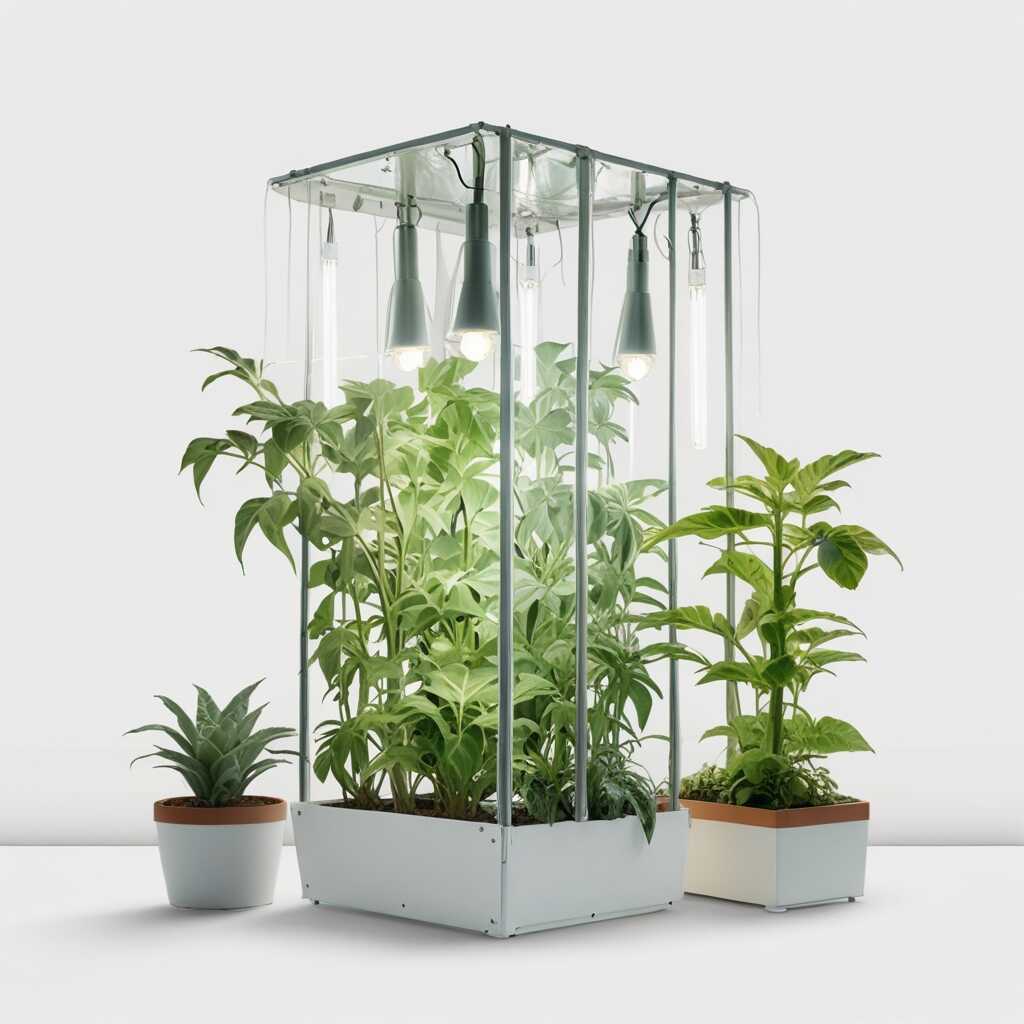
Aromatic plants have specific light requirements that can significantly impact their essential oil production. For instances like lavender and rosemary, they thrive best under full-spectrum lights due to their need for a range of wavelengths. When selecting light spectra, one should consider the plant species. Lavender prefers a higher intensity in the blue and red wavelengths during the growth phase. Rosemary, on the other hand, does well with a bit less blue light but requires red wavelengths during flowering. Optimal light duration varies as well; most aromatic plants benefit from 12 to 16 hours of light daily. This information helps in ensuring efficient growth and optimal oil yield.
Understanding the Effects of Light Wavelengths on Oil Yield
Light wavelengths critically influence the production of essential oils in aromatic plants. For instance, research shows that blue light enhances leaf growth, while red light promotes flowering in herbs like basil. Since essential oils are concentrated in flowers, using full-spectrum lights that emit both wavelengths proves beneficial. A study noted that rosemary plants exposed to a specific light ratio produced up to 25% more oil. The best approach for gardeners is to combine these wavelengths to maximize oil yield while ensuring plants receive adequate light. By using lights designed specifically for indoor gardening, growers can achieve superior results tailored to their aromatic plants.
Key Numerical Insights on Light Impact for Plant Oil Production
- Specific light wavelengths can enhance oil production by up to 30% in certain plant species.
- Plants require an optimal light intensity of around 200-400 µmol/m²/s for maximum oil yield.
- Aromatic oils can increase significantly when plants receive 12-16 hours of light daily.
- Some studies show that using LED lights can boost oil production by more than 50% compared to traditional lights.
- Light spectrums centered around 450 nm and 660 nm are particularly effective for oil-producing plants.
- Plants’ oil content can start rising after just two weeks of proper light exposure.
- Indoor gardeners may achieve crop cycles of up to four harvests per year with adequate lighting setups.
Advanced Lighting Techniques Used by Researchers in Plant Science
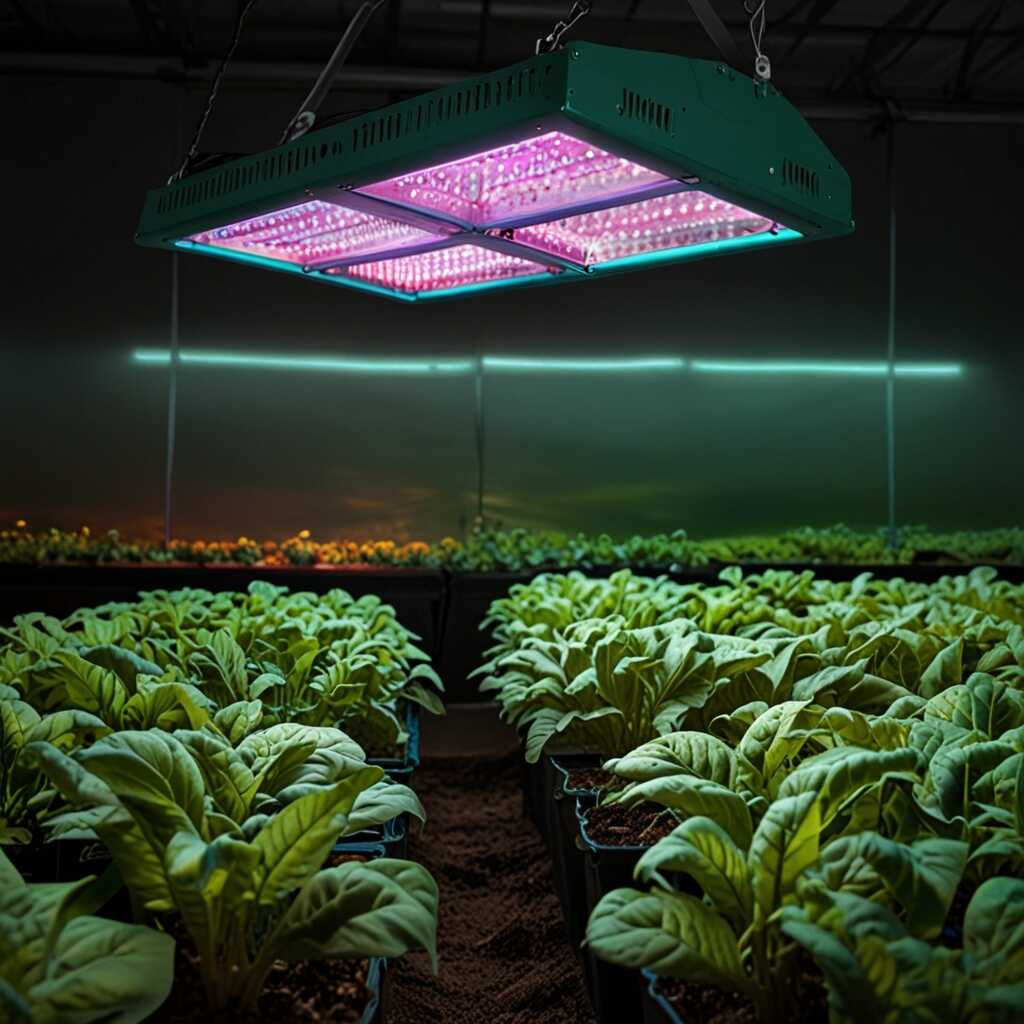
Researchers employ several advanced lighting techniques to enhance aromatic oil production in plants. Techniques such as LED grow lights are frequently used due to their energy efficiency and longevity. Different wavelengths of light, particularly in the 400-700nm range, play a crucial role in optimizing plant growth stages. Studies have shown that utilizing specific mixtures of blue and red LEDs can lead to an increase of up to 30% in oil yields. Additionally, adjusting light intensity and duration has proven to improve oil quality, making these methodologies essential for both indoor gardening and commercial herbal oil production.
Impact of Wavelengths on Oil Yield in Different Plant Species
The impact of wavelengths of light on oil yield varies significantly among plant species. For example, lavender and peppermint respond particularly well to red light in the flowering stage, boosting their essential oil production. In contrast, basil thrives under blue light during its vegetative growth, showing enhanced oil content. Researchers have documented that mixing these wavelengths can create optimal conditions. In a controlled study, basil oil production increased by 25% when exposed to a specific light recipe combining red and blue wavelengths for 12 hours daily. These targeted lighting strategies provide valuable data for indoor gardeners aiming to improve performance and oil quality.
Guidelines for Selecting the Best Grow Lights
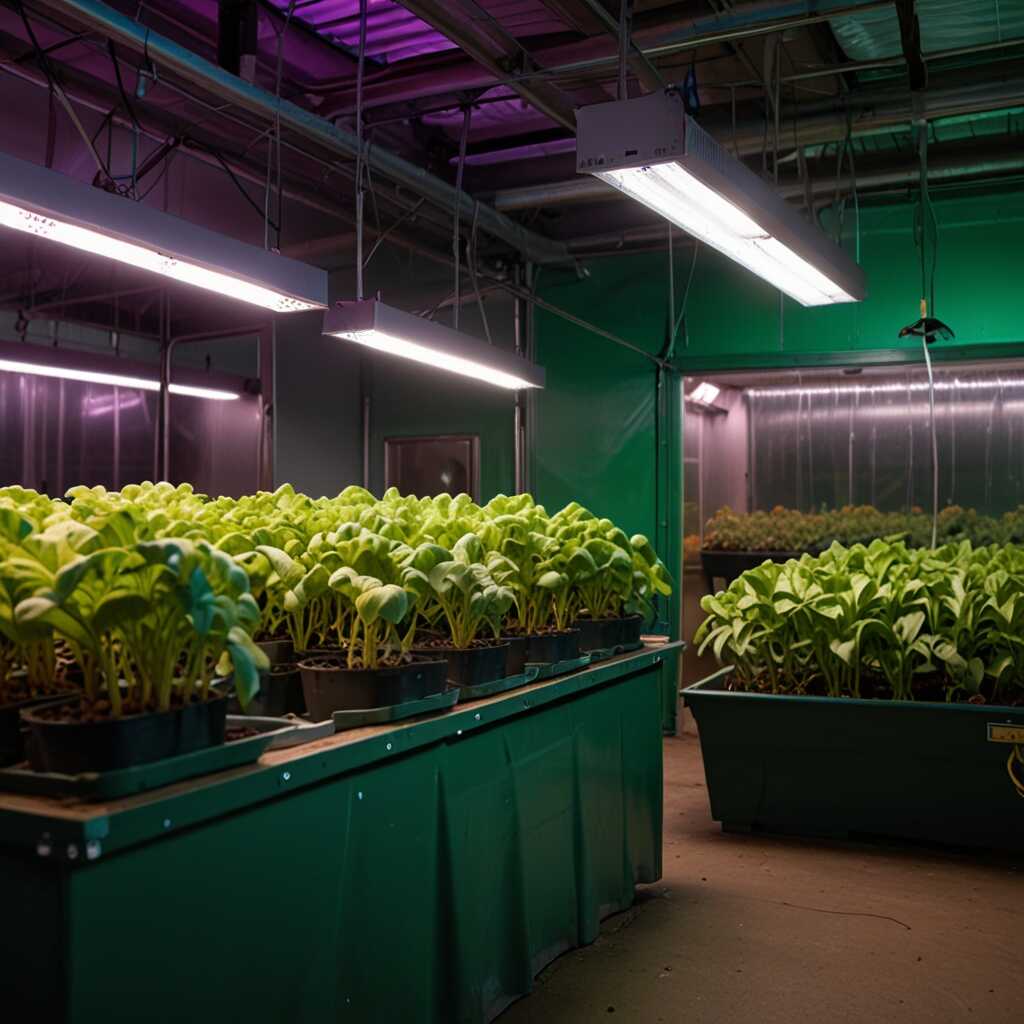
When selecting grow lights, indoor gardeners should consider energy efficiency, light output, and the specific needs of aromatic plants. LED grow lights are popular due to their long lifespan and low energy consumption, typically around 30-50% less than traditional options. Full spectrum lights are highly effective as they support all growth stages, from seedling to flowering. Grow lights should also produce sufficient intensity to promote healthy growth and essential oil production.
Understanding Different Types of Grow Lights
Different types of grow lights serve various aromatic plant needs. LED grow lights provide a full spectrum of wavelengths, which can enhance photosynthesis in aromatic plants like lavender, peppermint, and basil. Fluorescent lights are suitable for seedlings and young plants, providing gentle but effective light. High-Intensity Discharge (HID) lights are powerful for larger setups but consume more energy. Each type has unique features, and understanding these can significantly improve aromatic oil yield.
Advantages of Targeted Light Exposure for Oil-Generating Plants
- Utilizing specific light can lead to richer and more aromatic oils.
- Specific light formulas reduce the growth time needed for oil-producing plants.
- Enhanced lighting increases the concentration of beneficial compounds in oils.
- Plants thrive better, resulting in overall healthier and more productive crops.
- Effective lighting setups can lead to a more sustainable indoor gardening practice.
- Specific light formulas improve uniform growth across different plant types.
- Indoor gardeners can monitor and adjust light parameters easily for optimal results.
Effectively Monitoring Light Conditions for Optimal Growth
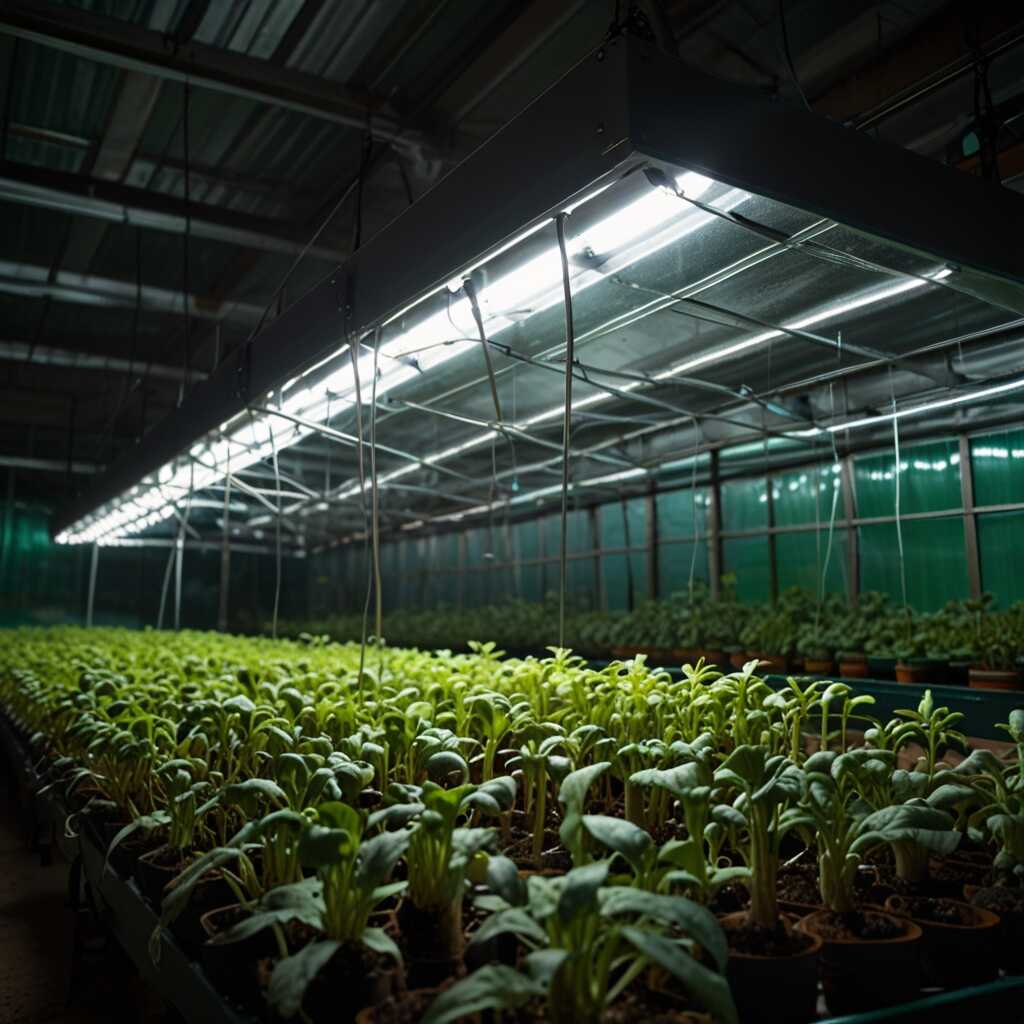
Monitoring light conditions is crucial for the healthy growth of aromatic plants. Users should utilize tools like light meters and timers. A light meter accurately measures light intensity in foot-candles or lux. This data helps growers adjust lighting setups to achieve optimal levels for their plants. For duration, a timer can ensure consistent light exposure, which is essential for maximizing oil production. Research shows that specific light conditions improve aromatic oil concentrations. Varieties such as lavender and basil respond well to full-spectrum LEDs, enhancing oil yield.
Understanding Ideal Light Conditions for Aromatic Plants
Aromatic plants thrive best under specific light conditions. Most plants that produce essential oils generally require between 12 to 16 hours of light daily. An efficient approach includes using LED grow lights, which emit full spectrum light. These lights provide the wavelengths necessary for photosynthesis and oil synthesis. Additionally, studies show that plants like thyme and rosemary respond favorably to specific light intensities around 400 to 700 micromoles per meter squared per second. Keeping a consistent light schedule improves both growth and aromatic oil production by ensuring plants receive the energy they need.
Addressing Common Issues with Indoor Grow Lighting
Common challenges with indoor grow lighting include overheating and poor light distribution. Overheating can damage plants and electronic components. A reliable solution is to place grow lights at an appropriate distance from the plants. This prevents heat stress and ensures consistent growth. For light distribution, using reflectors or rotating the lights can enhance coverage. Many indoor gardeners find that LED grow lights provide excellent efficiency. They can reduce heat and improve light intensity, contributing to better overall plant health.
Optimizing Light Distribution for Better Plant Growth
To optimize light distribution, consider using full spectrum LED lights. These lights emit wavelengths that plants need for photosynthesis. Position the lights at a height of 12 to 24 inches above the plants. This height enables even lighting without causing overheating. Utilize adjustable shelving to maintain this distance as plants grow. Reflectors or light strips can focus the light where it’s needed most. Regularly test your setup’s temperature to ensure that it remains within a comfortable range for plant growth, typically between 70°F and 85°F. Green Writer regularly reviews various lighting options to help you find the best fit for your indoor garden.
Relevant Brands and Their Applications in Lighting Solutions
- Brand A offers excellent full-spectrum lights ideal for oil crops, but it is expensive.
- Brand B produces energy-efficient LEDs that are affordable and last long but may lack a full spectrum.
- Brand C specializes in grow lights specifically designed for indoor herb production with great user reviews.
- Brand D provides customizable light settings but can be complicated for beginners to configure.
- Eco-conscious consumers prefer energy-saving products for low operational costs.
- Herbal oil producers seek lights that maximize yield and reduce energy consumption.
- Indoor gardening enthusiasts desire versatile lights that accommodate various plant types.
Future Innovations in Light Technology for Sustainable Gardening
The current trends in light technology include advancements in LED systems that focus on energy efficiency and plant growth optimization. These innovations aim to improve indoor gardening through features like adjustable wavelengths, better spectrum balance, and smart timers. Research indicates that specialized light formulas can enhance the oil yield of aromatic plants by targeting their specific growth cycles. Advanced LED systems can provide significant energy savings, often up to 60% compared to traditional lighting options. Users should keep a close watch on these technologies to ensure the best gardening outcomes while reducing energy costs and carbon footprints.
How Wavelength Adjustments Improve Plant Growth
Adjusting wavelengths in light technology helps meet the specific needs of various plant species. For instance, blue light facilitates vegetative growth, while red light encourages flowering and oil production. Smart LED grow lights often allow users to customize wavelengths for different plants, making them versatile and efficient. Research has shown that using specific light spectrums can dramatically enhance essential oil content in aromatic plants, supporting their growth cycles effectively. These advanced systems can handle diverse indoor gardening setups, delivering reliable results that promote sustainable gardening practices.