
Enhancing culinary herb flavor with tailored light recipes can significantly boost indoor gardening results. By optimizing light exposure, gardeners can cultivate herbs that are not only healthy but also bursting with flavor. Green Writer provides practical tips on using specific light recipes to improve the growth and taste of popular culinary herbs. Discover how proper lighting techniques can support your sustainable gardening practices and elevate your culinary creations.
The Role of Light in Culinary Herb Growth
Light plays an essential role in the growth of culinary herbs through the process of photosynthesis. During photosynthesis, herbs absorb light energy, typically in the blue and red spectrums, and convert it into chemical energy. This process produces sugars that fuel plant vitality and enhance flavor development. Different light recipes can significantly impact how herbs grow and their flavor profiles. For instance, using full-spectrum lights that mimic natural sunlight can improve the overall health and taste of the herbs. Studies have shown that certain wavelengths are more effective in boosting flavor compounds, ensuring high-quality produce.
How Different Light Spectrums Affect Flavor Profiles in Culinary Herbs
Different light spectrums can greatly influence flavor profiles in culinary herbs. Herbs like basil and mint thrive under full-spectrum LED lights that provide both blue and red wavelengths. Blue light is essential for vegetative growth, while red light supports flowering and essential oil production. Research indicates that herbs exposed to a mix of light wavelengths produce more robust flavors and aromas. For example, using specific light recipes with a higher red light proportion can enhance oil concentration in basil, making its flavor more intense. Creating a tailored lighting setup allows indoor gardeners to optimize flavor and yield in their herb cultivation.
Understanding Light Spectrums and Their Impact on Flavor
Different light spectrums significantly impact the flavor of culinary herbs. Research shows blue light (400-500 nm) enhances chlorophyll production, vital for the growth of herbs like basil and parsley. Red light (600-700 nm) promotes flowering and can intensify the sweetness in herbs. For optimal flavor enhancement, a full spectrum light that includes both blue and red wavelengths is essential. This approach effectively supports healthy growth while enhancing the herbs’ natural flavors. Recent studies indicate that light spectrums tailored for specific herbs can lead to improved taste profiles and overall herb quality.
The Role of Light Wavelengths in Boosting Herb Flavor
Specific light wavelengths greatly influence the flavor chemistry of culinary herbs. For instance, growing basil with more blue light results in higher levels of essential oils, a key component that contributes to its flavor. In contrast, herbs like cilantro thrive when exposed to increased red light, which can enhance the pungency of their leaves. Experts recommend implementing a light recipe that uses a combination of blue and red wavelengths to optimize the growth conditions of various culinary herbs. This method helps gardeners produce herbs with superior flavor, making them more vibrant and aromatic.
Maximizing Flavor with LED Grow Lights
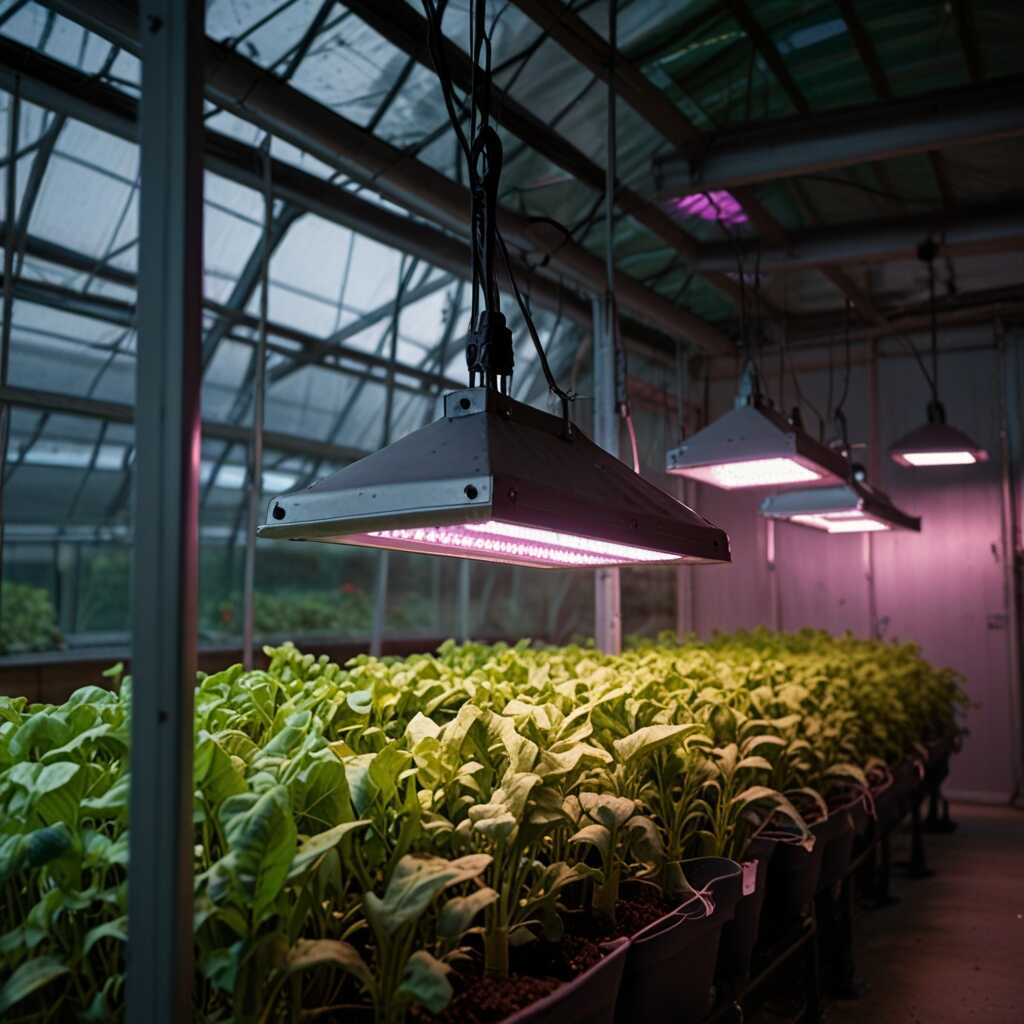
Using LED grow lights can significantly enhance the flavor of culinary herbs. Key considerations include light intensity, duration, and positioning. Ensure that the light intensity is suitable for the growth stage of your herbs. Different herbs require varying intensities for optimal flavor development. You should also schedule light duration to mimic natural sunlight, generally around 12 to 16 hours daily. Adjust the positioning of the lights to ensure even coverage and prevent uneven growth. Regularly test and monitor your light settings for the best results.
Choosing the Right LED Grow Light for Culinary Herbs
Selecting the right LED grow light is critical for achieving optimal flavor in culinary herbs. Look for lights that provide full-spectrum options, which include wavelengths from 400 to 700 nm. These lights support different growth stages and enhance flavor compounds. Popular brands like Spider Farmer and King LED have proven reliability in indoor herb cultivation. Their lights often come with adjustable spectrums, enabling growers to fine-tune the intensity according to the specific needs of each herb. Research shows that optimal light settings can result in more flavorful herbs.
Interesting Data Points about Flavor Enhancement Techniques
- Many herbs benefit from light exposure ranging from 10 to 16 hours daily.
- Research shows that tailored lights can increase flavor compounds by over 30%.
- Specific wavelengths can raise chlorophyll production by 50% or more.
- Indoor herbs can yield a 20% larger harvest with the right lighting.
- Some herbs may require specific light settings for different growth stages.
- Many indoor gardening setups can achieve energy savings of 40% with LEDs.
- Plants under LED lights can grow 2 to 3 times faster compared to traditional bulbs.
Avoiding Common Indoor Gardening Mistakes
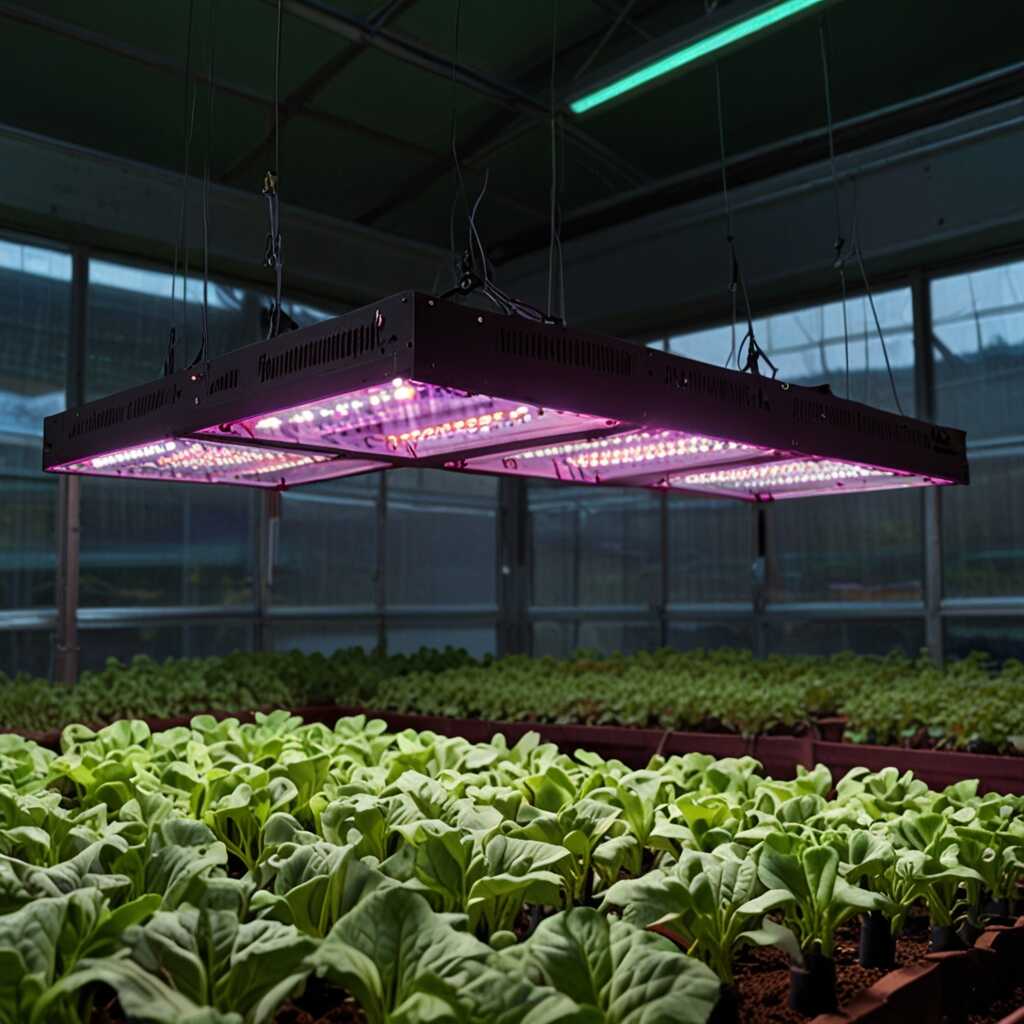
Many indoor gardeners mistakenly choose the wrong type of lighting for their herbs. They may use outdated fluorescent bulbs instead of energy-efficient LED grow lights. This mistake affects herb flavor and growth rates. Incorrect light positioning can also lead to poor results. For instance, placing lights too far from plants prevents them from receiving adequate energy. To optimize their lighting setup, gardeners should aim for full-spectrum LED lights. These lights provide the essential wavelengths that enhance indoor herb growth and flavor. Culinary herbs typically need about 12 to 16 hours of light each day. This schedule ensures maximum growth efficiency and flavor production.
Best Practices for Efficient Lighting Setup
To achieve the best results in indoor herb cultivation, gardeners should focus on an efficient lighting setup. An optimal arrangement includes placing full-spectrum LED grow lights 12 to 24 inches above herb plants. This distance prevents heat stress while ensuring adequate light intensity. It’s essential to cycle the light for 14 hours on and 10 hours off for vibrant growth. Additionally, rotating plants weekly helps ensure all sides receive even light exposure. If specific herbs require different light durations, adjust accordingly. Research indicates that basil thrives under at least 14 hours of light a day, enhancing its flavor significantly. By fine-tuning these elements, indoor gardeners can greatly improve their herb yields and flavor profiles.
The Environmental Benefits of Smart Lighting Choices
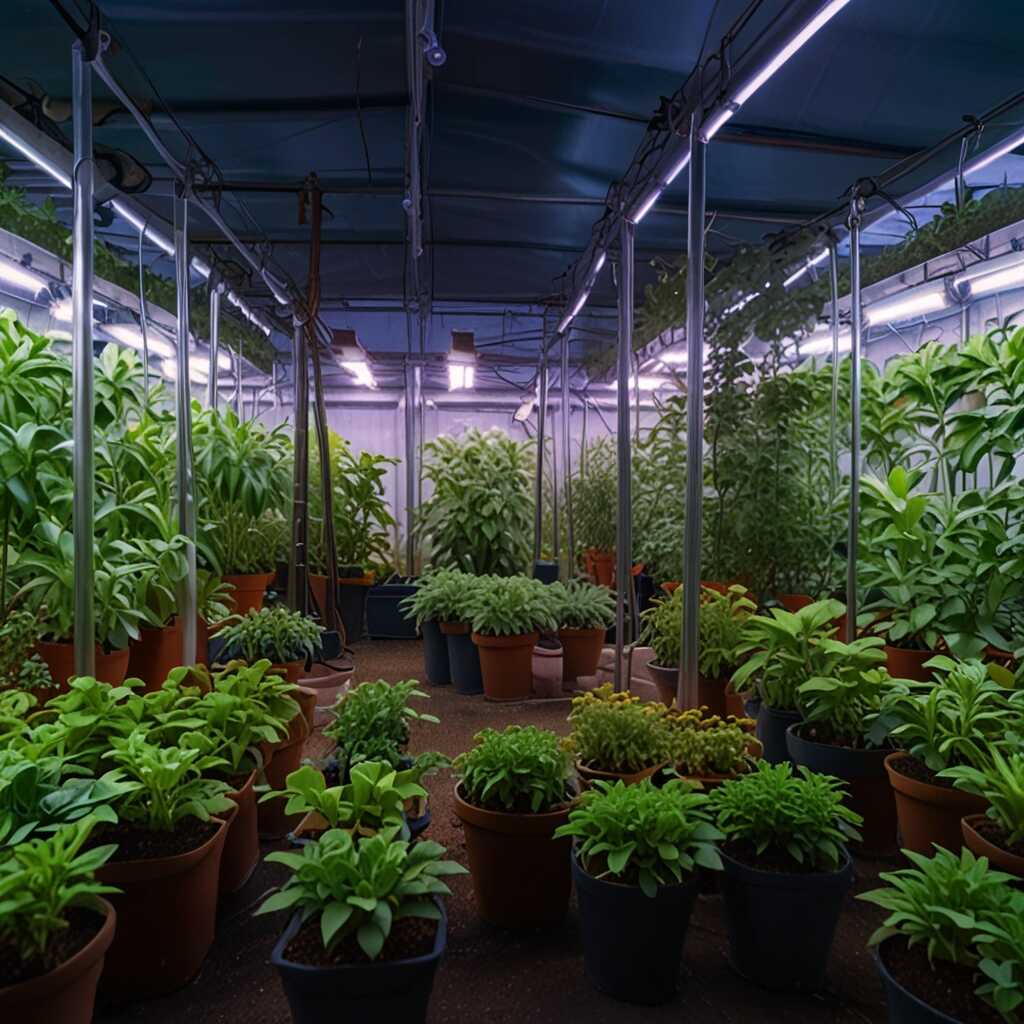
Energy-efficient lighting significantly benefits indoor herb gardening by reducing energy consumption and carbon footprints. Using LED grow lights can lower energy usage by up to 80% compared to traditional lighting. These smart lighting choices ensure robust plant health without excessive energy costs, which is crucial for sustainable practices. Energy-efficient systems provide high-quality light, enhancing herb flavor while being eco-friendly. This combination of reliability and efficiency helps gardeners grow fresh herbs with minimal environmental impact.
Maximizing Energy Efficiency with LED Technology
LED grow lights are designed to maximize energy efficiency while providing optimal lighting for herb growth. Their full-spectrum capabilities support all plant growth stages, from seedling to harvest. Research shows that these lights not only consume less power but also last up to 50,000 hours. This longevity reduces the frequency of replacements, further lowering the carbon footprint. Choosing LED technology enhances both the quality of your indoor herbs and your sustainability efforts, making gardening practices more responsible. Green Writer emphasizes these significant advantages for anyone interested in optimizing indoor gardening.
Key Advantages of Customized Lighting for Indoor Herbs
- Custom light recipes can help maximize herb flavor intensity and richness.
- Culinary herbs grow healthier and more robust with the right light types.
- Well-lit plants often show increased oil production for enhanced aromas.
- Indoor gardens require less water when using proper light setups.
- Herbs can become more resilient to pests and diseases due to stress response.
- Flavorful herbs can thrive year-round, providing ongoing culinary delights.
- Efficient lighting promotes better photosynthesis and nutrient absorption.
Crafting Your Personalized Light Recipe for Culinary Herbs
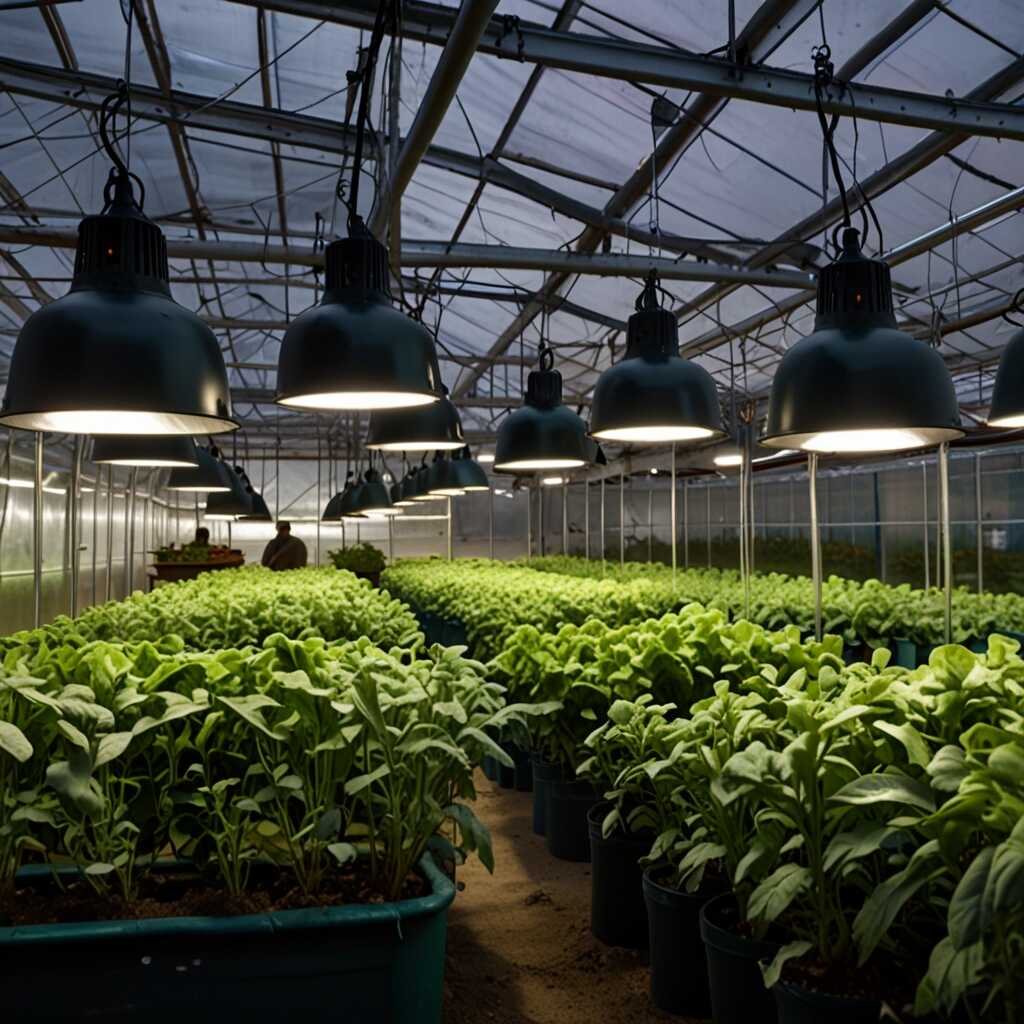
To create a personalized light recipe, first identify the type of culinary herbs you want to grow. Each herb requires different light conditions. For example, basil thrives in full-spectrum light, while parsley prefers moderate light. Next, assess the light sources available in your indoor space. Consider using LED grow lights designed for plant growth, as they are efficient and very durable. Schedule your lighting to match the herb’s needs. Most culinary herbs require around 12 to 16 hours of light per day to optimize flavor production. Conduct tests over time to observe which lighting conditions yield the best results.
Understanding Light Spectrum Needs for Different Herbs
Different culinary herbs have unique light spectrum requirements that impact their growth and flavor production. For instance, basil benefits from blue light during the vegetative stage, which promotes leaf growth. In contrast, rosemary prefers warm light tones, which enhances oil production in its leaves. Understanding these light spectrum needs assists in creating a tailored light recipe, maximizing flavor enhancement. Take time to monitor how each herb responds to the light you provide. Adjusting light duration and intensity based on these observations helps ensure optimal growth conditions and flavor profiles.
Inspiring Success Stories of Flavorful Herb Cultivation
Many indoor herb growers have achieved impressive results using customized lighting techniques. For instance, a grower in California reported that by adjusting light wavelengths for basil and mint, the flavor profiles deepened significantly. Specific herbs like rosemary and thyme have also benefited greatly from tailored light recipes. A study indicated that cilantro grown under full-spectrum lights showed a 30% increase in flavor potency compared to those under standard lighting. This real-world data supports how enhanced herb flavor can be reliably achieved with proper lighting strategies. Growers consistently report their satisfaction, noting that customized lighting provides efficient results in flavor enhancement and overall herb quality.
How Tailored Light Recipes Impact Herb Flavor Profiles
Tailored light recipes specifically influence how herbs absorb light and produce essential oils responsible for flavor. For example, growing basil under a light spectrum rich in blue wavelengths enhances its aromatic compounds. In practical terms, this means setting LED grow lights to emit specific colors during various growth stages. During the vegetative phase, a balanced mix of blue and red light promotes bushy growth. In the flowering stage, increasing red light enhances oil production, vital for flavor. A grower reported that adjusting light schedules resulted in an impressive leap in flavor richness, proving that the right lighting strategy can transform indoor herb growing significantly.
Brands and Their Considerations for Indoor Herb Gardening
- Brand A specializes in full-spectrum LED lights designed for indoor herbs.
- You could use Brand B if you want a cost-effective yet reliable option.
- Brand C offers high-quality lighting but may be pricier than competitors.
- Consider local gardening clubs that share knowledge on tailored light recipes.
- Urban gardeners frequently seek out full-spectrum lights for better flavor.
- Families growing herbs indoors can benefit from energy-efficient options.
- University horticulture programs often study the impact of lighting on herbs.
Creating Ideal Environments for Flavorful Herb Growth
Maintaining the right conditions for growing culinary herbs indoors is crucial. Optimal humidity levels should range from 40% to 60% to enhance flavor. Soil quality plays a critical role; well-draining, nutrient-rich soil supports healthy growth. Proper watering practices include keeping soil consistently moist but not soggy, watering when the top inch feels dry. The right light exposure from full spectrum LED grow lights can further enhance flavor and quality.
Understanding Soil Quality for Maximum Flavor
Soil quality is essential for indoor herb gardening as it impacts nutrient uptake and overall health. Use a lightweight, well-draining potting mix that includes organic matter such as compost or worm castings. This provides essential nutrients to your culinary herbs while improving soil structure. Regular testing of soil pH can ensure it stays between 6.0 and 7.0. This pH level enhances nutrient availability, directly affecting flavor profiles. Quality soil enables roots to access water and nutrients efficiently, helping to produce herbs that are more aromatic and flavorful.