
Light recipes for microgreens are customized lighting schedules that specify intensity, duration, and spectrum for optimal growth. These targeted approaches can increase yields by 20-40% compared to generic lighting. Successful recipes typically combine 12-16 hours of full-spectrum LED illumination with specific wavelength ratios. Popular combinations include blue-red ratios for leafy greens and balanced spectrums for herbs, ensuring healthy development from germination to harvest.
How Light Impacts Microgreen Growth and Health
Light recipes directly influence photosynthesis rates, nutrient uptake, and overall plant vigor in microgreens. The intensity of light affects chlorophyll production, with higher intensities generally promoting faster growth rates. Users should consider using full spectrum grow lights that replicate natural sunlight conditions. These lighting systems provide wavelengths from 400-700nm, supporting every growth stage from seed germination through harvest. Research indicates that microgreens receiving proper light recipes develop stronger root systems and higher concentrations of vitamins and antioxidants compared to those grown under inadequate lighting.
What Light Recipes Work Best for Different Microgreen Varieties
Different microgreen varieties respond to specific light recipe formulations based on their botanical families and growth characteristics. LED grow lights are highly reliable for delivering consistent light recipes across multiple growing cycles. Brassica microgreens like broccoli and kale thrive with blue-heavy recipes (60% blue, 40% red), while herbs like basil prefer balanced spectrums. Sunflower microgreens benefit from red-dominant recipes during their final growth phase, typically requiring 14-18 hours daily exposure. Quality grow lights from manufacturers reviewed by Green Writer can maintain these precise recipes consistently, ensuring reproducible results for indoor gardening enthusiasts.
Comparing Various Light Sources for Microgreen Light Recipes
LED grow lights offer efficiency with programmable light recipes, low heat generation, and energy consumption of 25-50 watts per square foot. They excel at delivering precise wavelength combinations required for effective light recipes. Fluorescent lighting provides decent coverage for basic light recipes but lacks the spectrum control needed for advanced formulations. Incandescent lights cannot support proper light recipes due to their limited spectrum and excessive heat output, making them unsuitable for microgreen cultivation. Understanding these differences helps growers select appropriate technology for implementing light spectrum recipes that enhance specific microgreen varieties.
Understanding Light Intensity Requirements for Effective Recipes
Light intensity forms the foundation of successful microgreen light recipes, with most varieties requiring 200-400 µmol/m²/s for optimal development. LED grow lights provide precise intensity control essential for recipe implementation. Fluorescent lights typically deliver 100-200 µmol/m²/s, which works for basic recipes but limits growth potential. Light recipes must account for distance from source, with intensities decreasing significantly beyond 12 inches from fixtures. Successful recipes adjust intensity based on growth stage, starting with lower levels during germination and increasing as plants develop their true leaves.
Why LED Grow Lights Excel for Microgreen Light Recipes
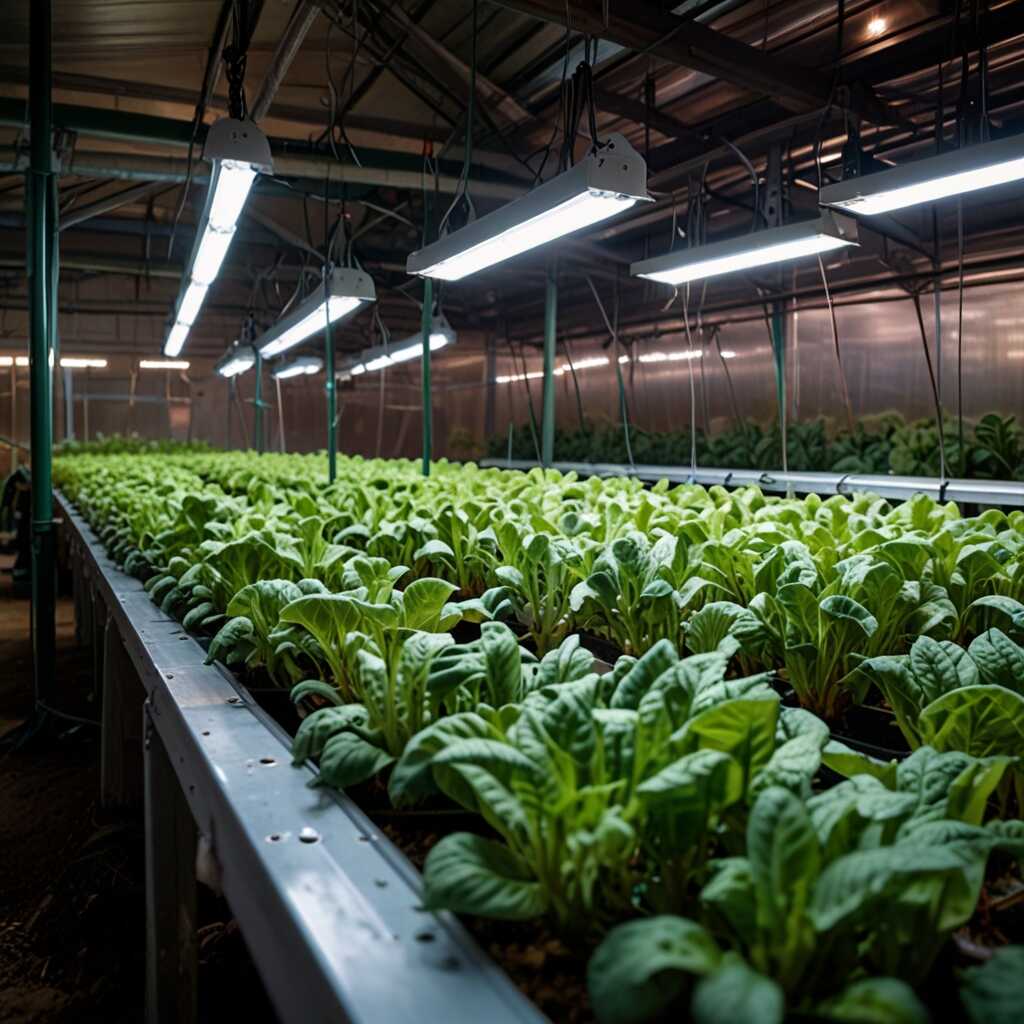
LED grow lights offer superior capabilities for implementing precise microgreen light recipes. Their programmable spectrum control allows growers to create custom recipes with specific blue-to-red ratios. Energy efficiency reaches 2.5-3.0 µmol/J, significantly higher than traditional lighting options. LED systems maintain consistent output throughout their 50,000+ hour lifespan, ensuring light recipes remain accurate over time. Heat generation stays minimal, preventing temperature fluctuations that could disrupt carefully planned growing recipes and potentially damage sensitive microgreen seedlings.
How to Select LED Systems for Light Recipe Implementation
When selecting LED grow lights for microgreen light recipes, prioritize systems with individual channel control for different wavelengths. Full-spectrum capabilities enable recipe flexibility across multiple microgreen varieties within the same growing space. Look for fixtures offering timer integration and dimming functions, which are essential for implementing complex light recipes. Brands reviewed on Green Writer typically feature models with smartphone app control, allowing precise recipe adjustments and monitoring. Quality LED systems include efficient heat dissipation and provide even light distribution across the growing area, ensuring recipe effectiveness.
Essential Specifications for Light Recipe Success
- Microgreen light recipes typically require 12-18 hours of daily illumination depending on variety.
- Optimal light recipes deliver 200-400 µmol/m²/s intensity for most microgreen types.
- Blue wavelengths (400-500nm) should comprise 40-60% of vegetative light recipes.
- Most LED grow lights supporting recipe implementation operate 50,000+ hours reliably.
- Red wavelengths (600-700nm) enhance flavor compounds when included in harvest-stage recipes.
- Light recipes maintain growing temperatures between 65-75°F for optimal results.
- Timer systems ensure consistent recipe delivery throughout growing cycles.
How Full Spectrum Light Enhances Microgreen Light Recipes
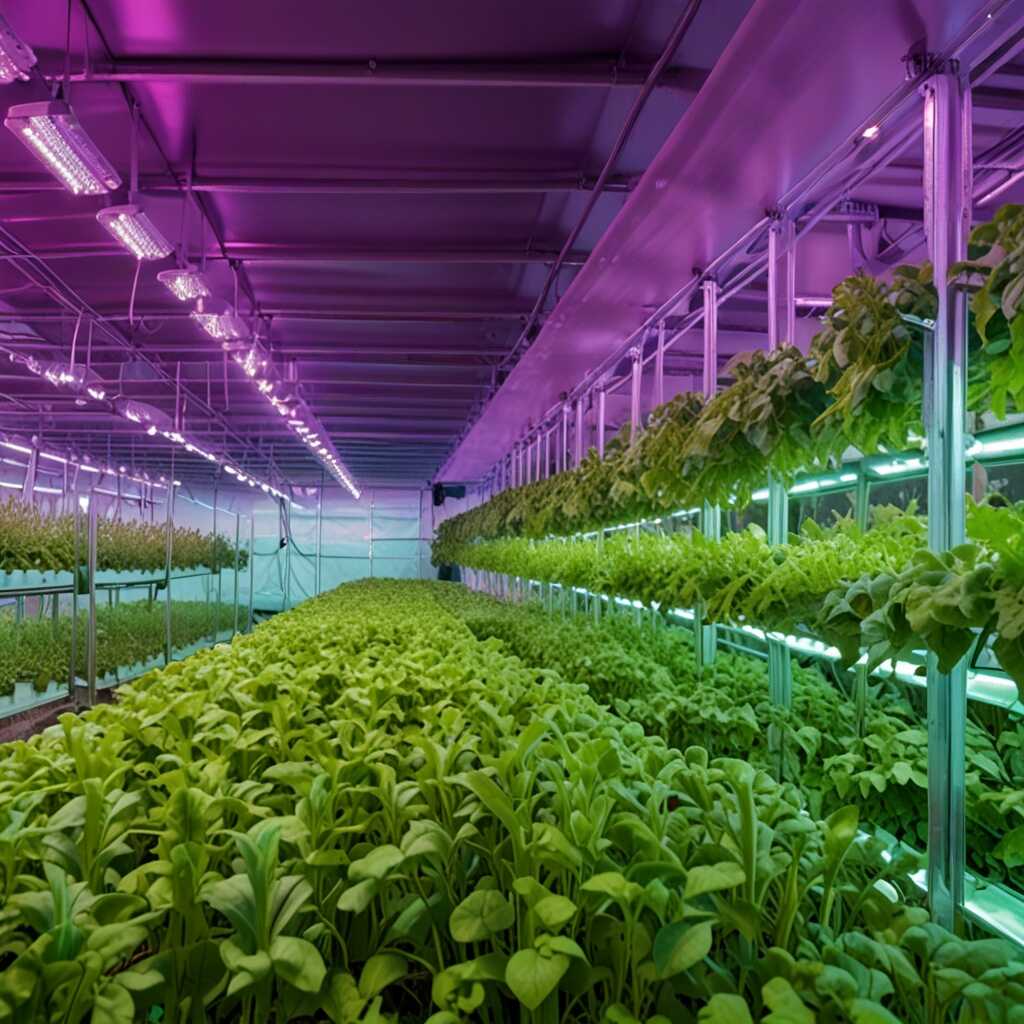
Full spectrum light recipes include wavelengths from 380-780nm, mimicking natural sunlight for comprehensive microgreen development. These recipes support photosynthesis, photomorphogenesis, and secondary metabolite production throughout all growth stages. Blue wavelengths (400-500nm) in light recipes promote compact, sturdy growth and chlorophyll development. Red wavelengths (600-700nm) enhance biomass accumulation and influence flavor compound synthesis. Successful light recipes balance these wavelengths based on desired outcomes, with leafy microgreens benefiting from blue-heavy recipes while fruiting varieties respond better to red-enhanced formulations.
What Makes Light Recipes More Effective Than Standard Lighting
Light recipes outperform standard lighting by targeting specific plant responses through carefully controlled wavelength combinations and timing. During germination phases, effective recipes use low-intensity broad spectrum light to encourage even emergence. Vegetative growth recipes emphasize blue wavelengths to promote leaf development and prevent stretching. Pre-harvest recipes may reduce overall intensity while maintaining spectrum balance to concentrate flavors and nutrients. This targeted approach contrasts with standard lighting, which provides constant, unchanging illumination regardless of plant development stage or desired outcomes.
Optimal Light Intensity and Duration in Microgreen Recipes
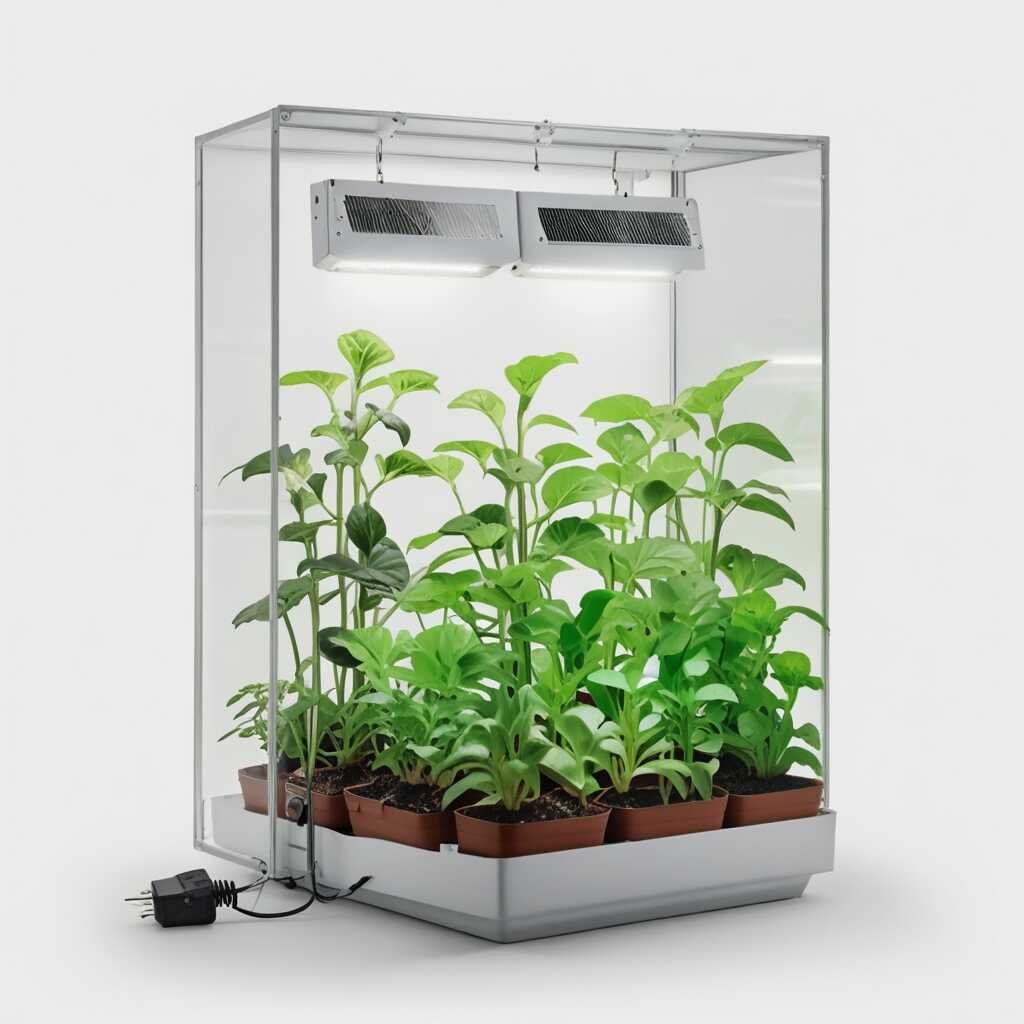
Effective microgreen light recipes specify 200-400 µmol/m²/s intensity delivered over 12-18 hour periods, depending on variety requirements. LED grow lights excel at maintaining these precise parameters throughout growing cycles. Intensity requirements vary by microgreen type, with delicate varieties like lettuce succeeding at lower intensities while robust varieties like sunflower benefit from higher levels. Light recipes adjust duration based on ambient conditions, extending periods during cloudy weather or reducing them in bright environments. Daily light integral (DLI) calculations help optimize recipes, with most microgreens requiring 10-20 mol/m²/day for healthy development.
How to Calculate and Adjust Light Recipe Parameters
Light recipe calculations begin with determining daily light integral requirements for specific microgreen varieties. LED grow lights enable precise measurement and adjustment of recipe parameters through built-in sensors and controls. Monitor plant response indicators like leaf color, stem length, and growth rate to fine-tune recipes. Successful recipes account for seasonal variations, ambient light contributions, and growing environment factors. Recipe effectiveness improves when growers maintain detailed logs of parameters and plant responses, enabling continuous optimization.
Benefits of Implementing Proper Light Recipes for Microgreens
- Light recipes can increase microgreen yields by 20-40% compared to standard lighting approaches.
- Targeted recipes enhance nutritional content, particularly vitamin C and antioxidant concentrations.
- Consistent recipe implementation reduces growing time by 10-30% for most varieties.
- Proper recipes minimize common problems like stretching, poor color development, and weak stems.
- Recipe flexibility allows year-round cultivation of diverse microgreen varieties indoors.
- Well-designed recipes improve visual appeal and market value of harvested microgreens.
- Energy-efficient LED recipes reduce electricity costs while maintaining optimal growing conditions.
Designing Customized Light Recipes for Specific Microgreen Varieties
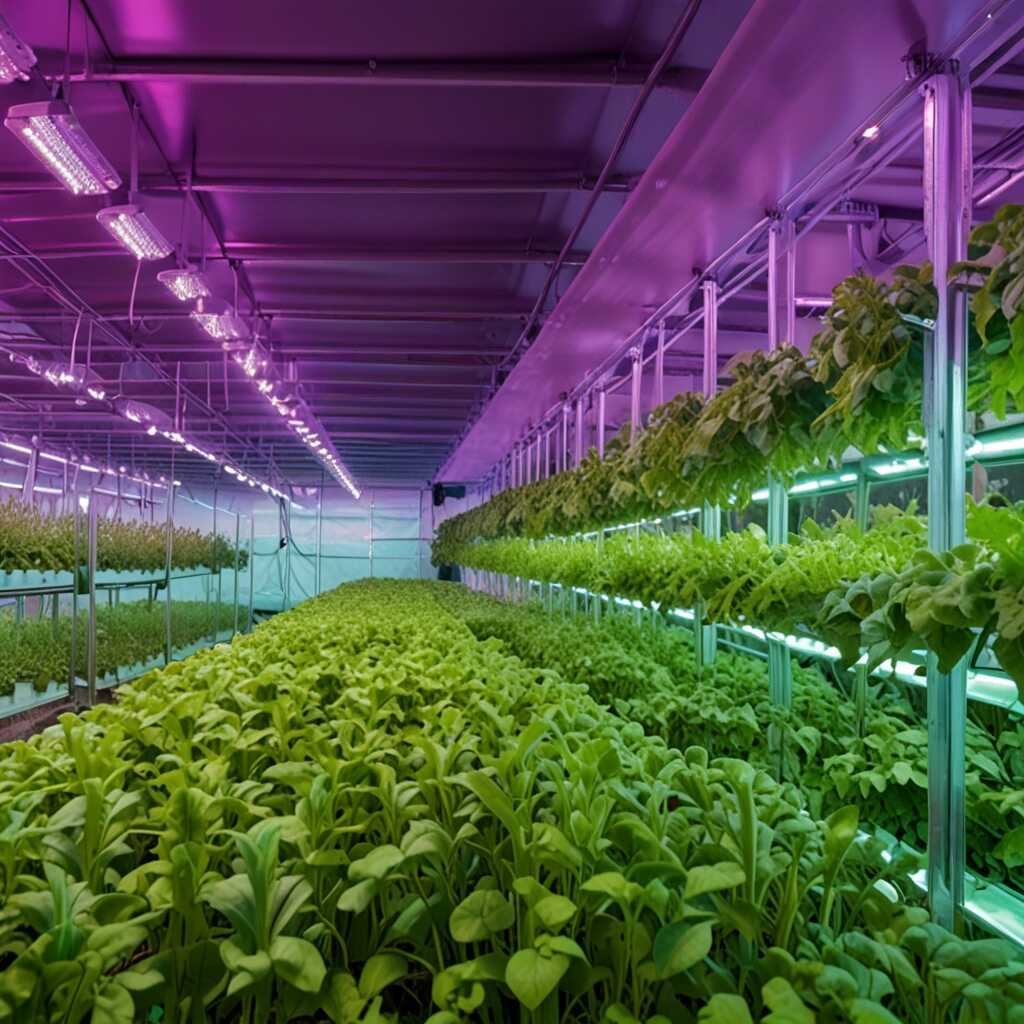
Light recipes require customization based on microgreen family, growth habits, and intended harvest stage. Brassica varieties like broccoli and radish thrive with blue-dominant recipes (60% blue, 35% red, 5% green) delivered for 14-16 hours daily. Herb microgreens benefit from balanced spectrum recipes with equal blue and red components plus supplemental green and far-red wavelengths. Sunflower microgreens respond well to red-enhanced recipes during their rapid growth phase, typically requiring 16-18 hours of illumination. Recipe development involves testing different combinations while monitoring growth rate, color development, and final quality to optimize outcomes for each variety.
What Light Recipe Components Affect Microgreen Quality
Light recipe quality depends on spectrum composition, intensity levels, photoperiod duration, and timing consistency. Spectrum composition influences morphology, with blue wavelengths promoting compact growth and red wavelengths encouraging stem elongation. Intensity affects photosynthesis rates and biomass accumulation, while photoperiod duration impacts overall development timing. Recipe timing consistency ensures predictable results across multiple growing cycles. Advanced recipes incorporate spectrum shifts during growth phases, starting with blue-heavy formulations for establishment and transitioning to balanced or red-enhanced recipes for finishing.
Cost-Effective Strategies for Implementing Microgreen Light Recipes
Implementing light recipes cost-effectively starts with selecting appropriately sized LED systems that match growing area requirements. Position lights 6-12 inches above microgreen trays to maximize efficiency while maintaining proper intensity levels. Budget-conscious growers can begin with basic programmable LED fixtures costing $50-200, gradually upgrading to advanced systems with individual channel control. Timer integration reduces labor costs while ensuring consistent recipe delivery. Energy costs typically range from $10-30 monthly for small-scale operations, with LED efficiency making recipes economically viable for hobbyist and commercial growers alike.
Common Light Recipe Mistakes and How to Avoid Them
Common light recipe mistakes include using excessive intensity that wastes energy and may stress plants. Many beginners fail to adjust recipes for different growth stages, applying the same parameters throughout the entire cycle. Proper full spectrum grow lights help avoid spectrum imbalances that can cause poor color development or abnormal growth patterns. Inconsistent timing disrupts plant circadian rhythms and reduces recipe effectiveness. Temperature management becomes critical when implementing high-intensity recipes, as excessive heat can negate lighting benefits and damage sensitive microgreen tissues.
Popular Brands and User Demographics for Light Recipe Implementation
- Mars Hydro offers reliable LED systems for basic recipe implementation, popular among beginners.
- Spider Farmer provides advanced spectrum control features preferred by experienced growers.
- Home gardeners typically start with simple recipes before advancing to complex formulations.
- Commercial microgreen producers invest in sophisticated systems for precise recipe control.
- Urban farming enthusiasts appreciate compact LED fixtures suitable for apartment growing.
- Educational institutions use recipe-capable systems for teaching sustainable agriculture concepts.
- Health-conscious consumers grow nutrient-dense microgreens using optimized light recipes.
Adjusting Light Recipes Throughout Microgreen Growth Cycles
Light recipes require strategic adjustments as microgreens progress through germination, vegetative growth, and harvest-ready stages. Initial recipes use low intensity (100-200 µmol/m²/s) broad spectrum light to encourage uniform germination across seed varieties. Vegetative phase recipes increase intensity to 300-400 µmol/m²/s while emphasizing blue wavelengths for compact, healthy growth. Pre-harvest recipes may reduce overall intensity while maintaining spectrum balance to concentrate flavors and prevent overgrowth. Advanced growers implement gradual transitions between recipe phases rather than abrupt changes, ensuring smooth plant adaptation and optimal development outcomes.
Understanding Recipe Timing for Maximum Microgreen Quality
Recipe timing optimization involves coordinating light schedules with natural plant rhythms and harvest goals. Most microgreen varieties benefit from consistent 14-16 hour photoperiods throughout their growing cycle, though some herbs prefer slightly longer exposure. Harvest timing affects recipe requirements, with quick-harvest varieties (7-10 days) needing intensive recipes while slower varieties (14-21 days) benefit from gentler approaches. Successful recipes account for ambient light contributions, reducing artificial lighting during bright weather and extending periods during overcast conditions. Advanced LED systems enable automatic recipe adjustments based on environmental sensors and predetermined schedules.