
The best light spectrum for growing fruits indoors combines blue wavelengths (400-500nm) for vegetative growth with red wavelengths (600-700nm) for flowering and fruiting. Full spectrum LED grow lights provide this optimal balance, mimicking natural sunlight while consuming up to 80% less energy than traditional lighting systems.
Understanding Grow Light Spectrum and Its Role in Plant Health
Light spectrum wavelengths directly influence every stage of indoor fruit development, from seedling emergence to harvest. Blue light wavelengths between 400-500nm promote strong vegetative growth by encouraging leaf and stem development in plants like tomatoes and strawberries. Red light wavelengths from 600-700nm trigger flowering responses and enhance fruit production by stimulating reproductive processes. Full spectrum grow lights combine these essential wavelengths with supplemental green light (500-600nm) that penetrates deep into plant canopies. This comprehensive approach ensures plants receive balanced nutrition throughout their growth cycle, resulting in healthier plants and improved yields for indoor gardeners.
How Different Wavelengths Affect Indoor Fruit Plants
Each wavelength serves specific functions in plant physiology and fruit development. Blue light enhances photosynthesis efficiency and creates compact, sturdy plant structures essential for supporting heavy fruit loads. Red light activates phytochrome responses that control flowering timing and fruit set in species like peppers and eggplants. Far-red wavelengths (700-800nm) influence stem elongation and can help plants reach optimal heights in confined indoor spaces. Some growers choose LED grow lights designed specifically to provide adjustable spectrum ratios for different growth phases. Understanding these wavelength functions enables precise control over plant development, allowing gardeners to optimize both plant structure and fruit production simultaneously.
What is Full Spectrum Lighting and Its Importance
Full spectrum lighting refers to artificial light sources that emit wavelengths across the entire visible light range, closely replicating natural sunlight conditions. This lighting approach is crucial for indoor fruit production because it supports all photosynthetic processes and plant development stages simultaneously. Unlike narrow-spectrum lights that focus on specific wavelengths, full spectrum systems provide balanced coverage from ultraviolet (UV) through infrared (IR) ranges. Research indicates that utilizing full spectrum LED grow lights can increase fruit yields by providing consistent light quality throughout growing seasons. Modern LED systems typically last 50,000 hours or more, offering long-term reliability for serious indoor gardeners.
Benefits of Full Spectrum Lighting for Different Fruit Types
Different fruit species respond uniquely to full spectrum lighting conditions, with each requiring specific spectral emphasis during key growth phases. Tomatoes thrive under balanced blue-red ratios during vegetative stages, then benefit from increased red light during flowering and fruit development. Strawberries perform exceptionally well with higher blue light percentages early in growth, transitioning to red-dominant spectrums for flower induction and berry formation. Citrus fruits require consistent full spectrum exposure with moderate UV inclusion to develop proper flavor compounds and essential oils. Green light wavelengths (500-600nm) support overall plant health by penetrating leaf layers and contributing to internal photosynthetic processes. Understanding these species-specific preferences allows growers to optimize lighting schedules for maximum fruit quality and harvest yields.
Light Wavelengths That Enhance Flowering and Fruit Setting
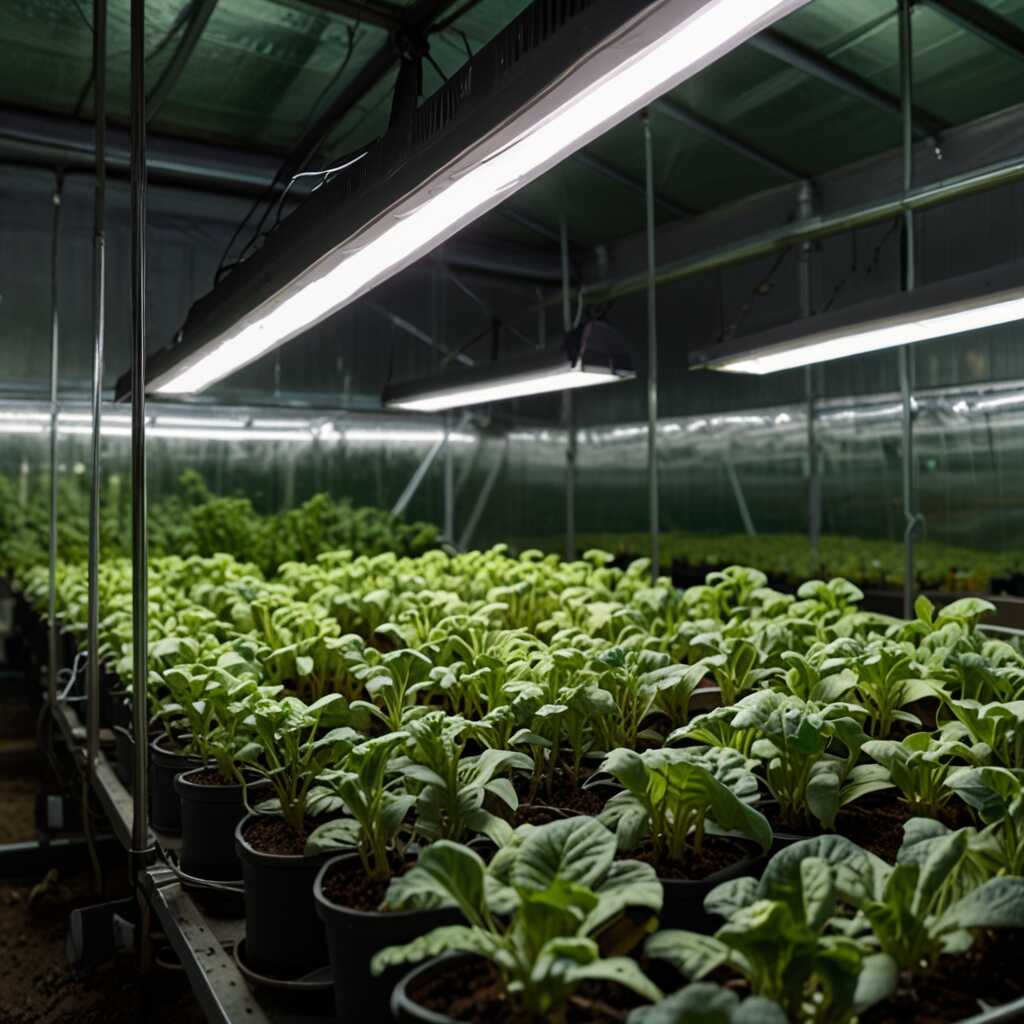
Specific wavelength combinations trigger flowering responses and enhance fruit development in indoor growing environments. Red wavelengths between 620-700nm activate phytochrome responses that signal plants to begin reproductive phases, resulting in increased flower formation and fruit set. Deep red wavelengths around 660nm prove particularly effective for initiating flowering in day-neutral plants like everbearing strawberries. Blue wavelengths continue playing supporting roles during flowering by maintaining compact plant structure and supporting continued photosynthesis. A properly balanced grow light spectrum combines these wavelengths with supplemental far-red light to optimize both flowering intensity and fruit quality development.
Optimal Lighting Strategies for Maximum Fruit Production
Implementing effective lighting strategies requires understanding both plant biology and practical growing constraints in indoor environments. For maximum fruit production, use full spectrum LED systems positioned 12-24 inches above plant canopies to ensure adequate light penetration without causing heat stress. Maintain consistent daily light intervals of 12-16 hours for most fruiting plants, with shorter photoperiods for species requiring dark periods to trigger flowering. Monitor plant responses closely and adjust spectrum ratios based on growth phases – emphasizing blue light during vegetative growth and increasing red light during flowering and fruiting periods. Professional growers often use programmable LED controllers to automate these spectrum adjustments throughout growing cycles.
Key Specifications for Indoor Fruit Growing
- 400-700 nm wavelength range provides essential photosynthetic light for fruit plants.
- 50,000+ hour lifespan makes LED grow lights cost-effective for long-term growing.
- 12-24 inches represents optimal distance between grow lights and plant canopies.
- 12-16 hours daily light exposure supports healthy fruit development in most species.
- 6-12 different fruit varieties can successfully grow under proper indoor lighting.
- Cost ranges typically span $100-800 for complete indoor fruit growing light systems.
- Energy savings of 60-80% compared to traditional HID or fluorescent lighting systems.
Advantages of LED Grow Lights for Indoor Fruit Cultivation
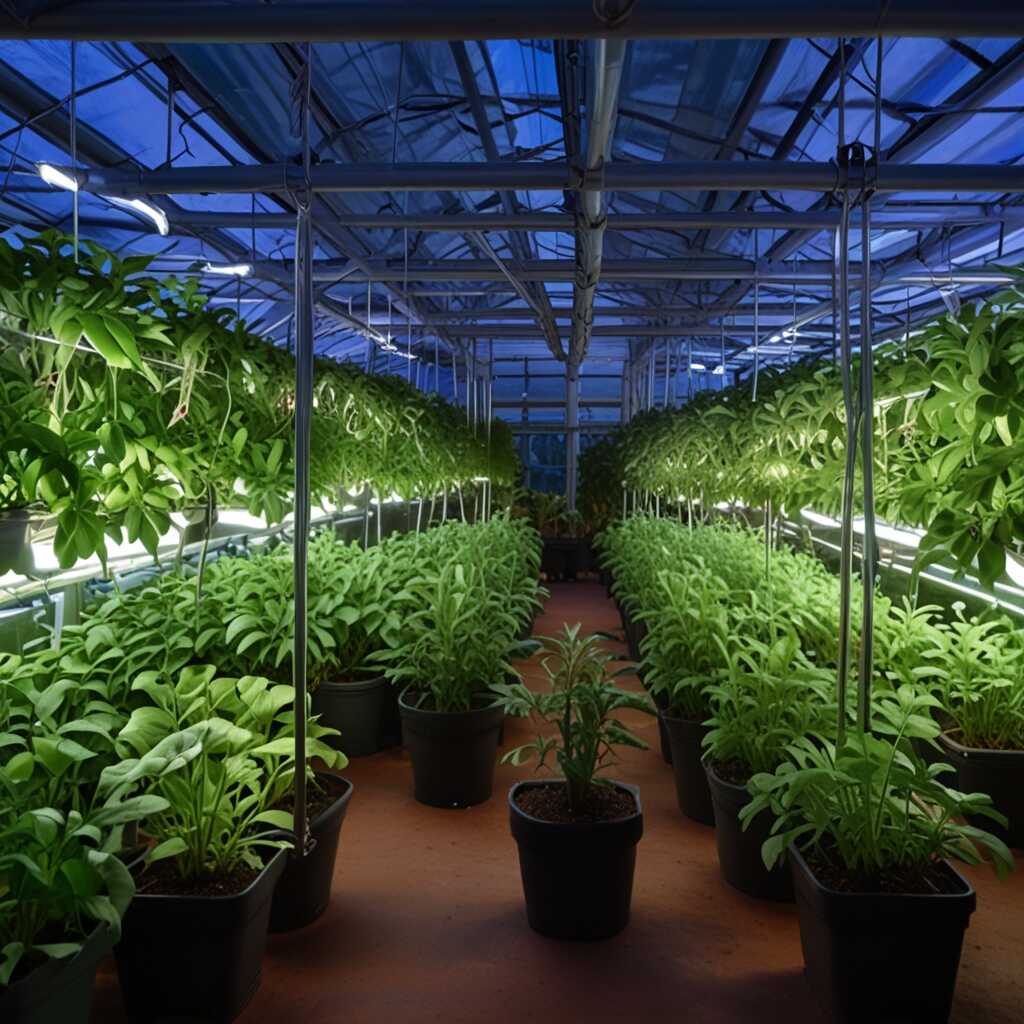
LED grow lights offer numerous advantages for indoor fruit cultivation, making them the preferred choice for serious indoor gardeners. Energy efficiency represents the most significant benefit, with quality LED systems consuming 60-80% less electricity than traditional HID or fluorescent alternatives while producing equivalent light output. Longevity provides additional value, as premium LED fixtures typically operate for 50,000 hours or more before requiring replacement. Heat management improves growing conditions since LEDs produce minimal heat compared to traditional lights, allowing closer placement to plants without risking heat damage. Spectrum control enables precise wavelength adjustment throughout growing cycles, optimizing plant responses during vegetative growth, flowering, and fruiting phases.
LED Performance Compared to Traditional Lighting Options
When comparing LED grow lights to traditional lighting technologies, LEDs demonstrate superior performance across multiple categories important for indoor fruit growing. Energy consumption drops dramatically with LEDs, typically using 200-400 watts to replace 1000-watt HID systems while maintaining equivalent growing results. Heat production decreases significantly, reducing cooling costs and creating more stable growing environments for temperature-sensitive fruit plants. Spectrum quality improves with LEDs since they can produce specific wavelengths rather than broad-spectrum light with unwanted heat-generating wavelengths. Lifespan advantages become apparent over time, as LEDs often last 5-10 times longer than traditional bulbs, reducing replacement costs and maintenance requirements for indoor growing operations.
Guidelines for Selecting Ideal Grow Lights for Indoor Fruits
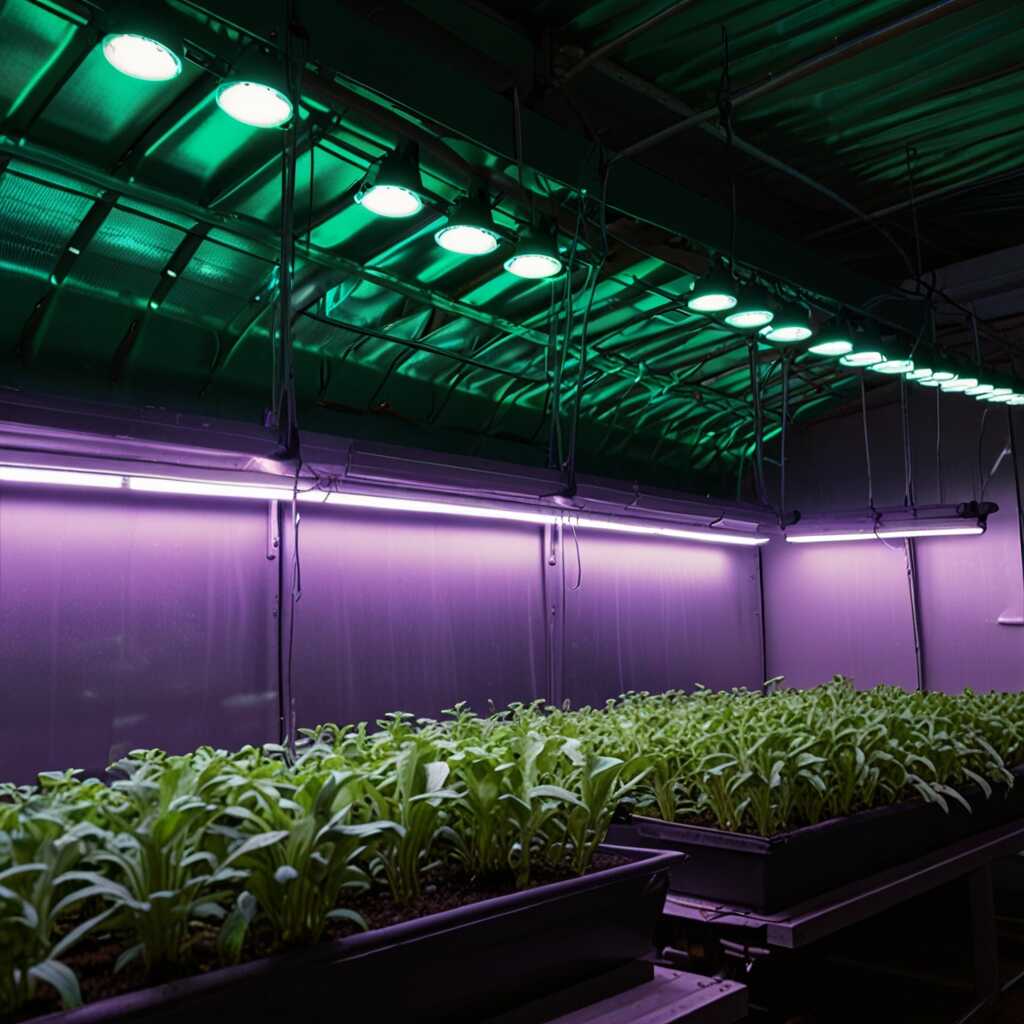
When selecting grow lights for indoor fruit cultivation, consider growing space dimensions, target fruit species, and available electrical capacity. Growing area size determines required light coverage, with most quality LED systems providing effective coverage for 2-4 square feet per fixture. Fruit plant requirements vary significantly – leafy herbs need less intense lighting than heavy-fruiting tomatoes or peppers. Electrical considerations include available circuit capacity and voltage requirements, as high-output growing operations may require dedicated electrical circuits. Budget constraints typically range from $100-300 for basic home growing setups to $500-1500 for comprehensive indoor fruit production systems. Research indicates that investing in quality full spectrum LED systems provides better long-term value than cheaper alternatives that may require frequent replacement or produce inferior results.
Understanding Different Grow Light Technologies for Fruit Production
Choosing appropriate grow light technology requires understanding the capabilities and limitations of available options for indoor fruit growing. LED grow lights dominate the market due to superior energy efficiency, longevity, and spectrum control capabilities that make them ideal for fruit production. Fluorescent lights work adequately for low-light fruits like leafy greens but lack intensity for heavy-fruiting plants like tomatoes or peppers. High-intensity discharge (HID) lights provide powerful output but generate excessive heat and consume significant electricity, making them less suitable for home growing applications. Full spectrum LED systems that include both blue and red wavelengths with supplemental green light offer the most versatile solution for growing multiple fruit varieties. Quality LED systems typically last 50,000 hours while maintaining consistent light output, providing reliable performance for serious indoor fruit cultivation.
Benefits of Proper Indoor Fruit Growing Lighting
- Accelerates photosynthesis rates, reducing time from planting to harvest in many fruit varieties.
- Provides essential wavelengths that boost flowering and fruit production in indoor environments.
- Enables year-round fruit growing regardless of external weather or seasonal conditions.
- Supports robust plant health through balanced spectrum nutrition throughout growing cycles.
- Reduces plant stress factors associated with inadequate or inconsistent lighting conditions.
- Offers complete environmental control for optimal growing conditions in any indoor space.
- Encourages diverse fruit variety cultivation, expanding options beyond locally available species.
Timing Light Exposure for Optimal Growth Phases
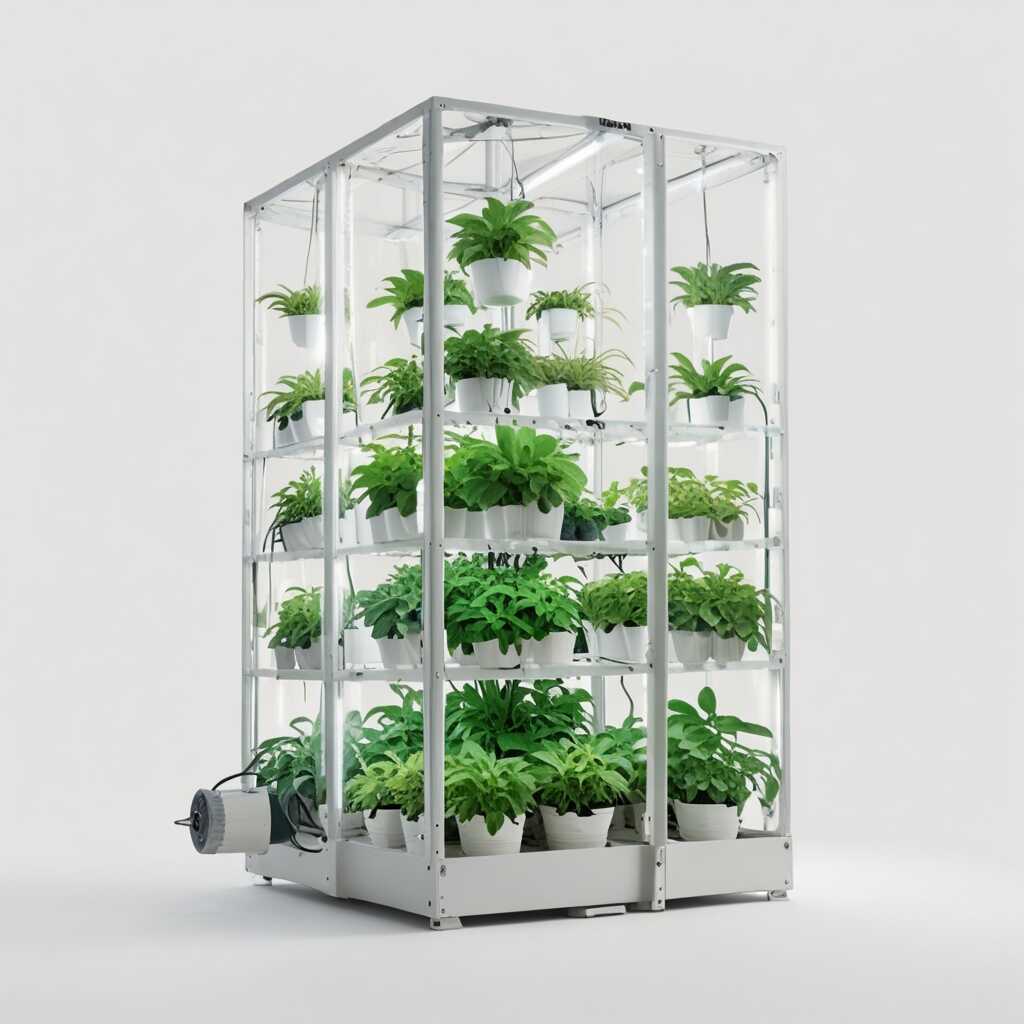
Light duration scheduling plays a crucial role in maximizing indoor fruit production by aligning artificial lighting with plant biological rhythms. Vegetative growth phases typically require 16-18 hours of daily light exposure to promote rapid leaf and stem development in young fruit plants. Flowering phases often need reduced light periods of 12-14 hours daily to trigger reproductive responses in photoperiod-sensitive species like tomatoes and peppers. Fruiting phases benefit from consistent 14-16 hour photoperiods that support continued photosynthesis while allowing adequate dark periods for nutrient translocation. Some fruits like strawberries adapt to shorter 10-12 hour photoperiods, while tropical species may require extended 16-18 hour lighting throughout their growing cycle. Automated timers help maintain consistent schedules that optimize plant responses while managing energy consumption efficiently.
Species-Specific Light Requirements for Common Indoor Fruits
Different fruit species have evolved unique photoperiod requirements that must be considered when designing indoor growing systems. Tomatoes perform best with 14-16 hour photoperiods throughout most of their growing cycle, with slight reductions to 12-14 hours during early flowering to encourage fruit set. Peppers thrive under similar lighting schedules but can tolerate slightly longer photoperiods during vegetative growth phases. Strawberries demonstrate flexibility with photoperiods ranging from 10-14 hours depending on variety, with day-neutral cultivars adapting to consistent lighting schedules. Citrus fruits require consistent 12-14 hour photoperiods with particular attention to maintaining dark periods that allow proper fruit development and sugar accumulation. Understanding these requirements enables growers to optimize lighting schedules for specific fruit varieties while maximizing both plant health and fruit production yields.
Avoiding Common Pitfalls with Grow Light Usage Indoors
Common mistakes with grow light spectrum selection include choosing inappropriate wavelength ratios, incorrect fixture placement, and excessive light duration that can stress plants. Many beginners select lights based solely on price rather than spectrum quality, resulting in poor plant performance and disappointing harvests. Fixture placement errors commonly involve positioning lights too close (causing heat stress) or too distant (reducing light intensity below effective levels). Photoperiod mistakes include running lights continuously without providing essential dark periods that plants need for proper metabolic functions. Heat management becomes critical in enclosed growing spaces where multiple fixtures can create temperature problems that stress fruit plants and reduce yields. Understanding these common issues helps growers avoid expensive mistakes while establishing successful indoor fruit production systems.
How to Choose the Right Spectrum for Specific Fruit Varieties
Selecting appropriate light spectrums for specific fruit varieties requires understanding both plant biology and practical growing constraints. Heavy-fruiting plants like tomatoes and peppers benefit from balanced blue-red spectrums during vegetative phases, transitioning to red-dominant lighting during flowering and fruiting periods. Light-feeding fruits like lettuce and leafy greens perform well under blue-dominant spectrums that promote compact growth and leaf development. Strawberries require balanced spectrums with adequate blue light for vegetative growth and sufficient red light for flower and fruit development. It’s essential to research spectrum specifications and performance data before purchasing fixtures to ensure compatibility with target fruit varieties. Quality LED systems should provide reliable operation for 50,000 hours while maintaining consistent spectrum output throughout their operational lifespan.
Target Applications for Indoor Fruit Growing
- Homeowners enjoy fresh fruits year-round using efficient LED grow light systems.
- Urban gardeners maximize limited space with vertical growing techniques and compact lighting.
- Educational institutions demonstrate sustainable agriculture through controlled environment growing.
- Indoor farming enthusiasts rely on spectrum optimization for consistent fruit production.
- Sustainability advocates promote energy-efficient growing methods using LED technology.
- Community gardens implement shared indoor growing spaces with professional lighting systems.
- Smart home integrators incorporate automated growing systems with programmable lighting controls.
Cost Analysis and Budget Planning for Indoor Fruit Growing
Indoor fruit growing lighting costs vary significantly based on system size, quality level, and intended growing capacity. Entry-level LED grow light systems suitable for small-scale home growing typically range from $100-300 and can support 2-4 square feet of growing space. Mid-range systems costing $300-800 provide broader coverage and better spectrum control, supporting 4-12 square feet of growing area with multiple fruit varieties. Professional-grade systems range from $800-2000 and offer comprehensive coverage for serious indoor fruit production operations. Operating costs depend primarily on electricity consumption, with efficient LED systems typically consuming 100-400 watts during operation. Monthly electricity costs usually range from $15-60 for home growing setups, depending on local utility rates and daily operating hours. Initial investment costs are typically recovered within 2-3 years through reduced grocery costs and improved fruit quality.
When Indoor Fruit Growing May Not Be Cost-Effective
Certain situations make indoor fruit growing less economical compared to purchasing commercially grown fruits. Small-scale operations growing low-value crops like basic lettuce may struggle to justify equipment costs compared to store prices. Limited growing space prevents economies of scale needed to offset initial equipment investments in many residential situations. High local electricity rates can make operating costs prohibitive for energy-intensive growing operations using multiple high-output fixtures. Lack of technical knowledge or time commitment often leads to poor results that don’t justify equipment costs for casual growers. Climate conditions that already support year-round outdoor growing reduce the value proposition of indoor systems. These limitations should be carefully considered before investing in indoor growing equipment to ensure reasonable returns on investment.
Integrating Sustainable Approaches into Indoor Gardening Practices
Sustainable indoor fruit growing practices minimize environmental impact while maximizing growing efficiency and long-term viability. Energy-efficient LED grow lights represent the foundation of sustainable indoor growing, consuming 60-80% less electricity than traditional lighting while providing superior plant growth results. Solar power integration can offset electricity consumption for off-grid or environmentally conscious growing operations. Organic growing methods eliminate synthetic chemicals while maintaining healthy soil biology essential for nutrient uptake and plant health. Water conservation techniques like drip irrigation and recirculating hydroponics reduce water consumption while ensuring consistent plant nutrition. Composting organic waste creates nutrient-rich growing media while reducing household waste streams that would otherwise require disposal.
Selecting Energy-Efficient Lighting Technology for Sustainable Growing
Energy-efficient lighting technology selection plays a crucial role in creating sustainable indoor fruit growing operations. LED grow lights are universally recommended due to their exceptional efficiency, longevity, and spectrum control capabilities that optimize plant growth while minimizing energy consumption. Quality LED systems provide full spectrum coverage that supports all growth phases while lasting 50,000 hours or more, significantly reducing replacement waste and long-term operating costs. Programmable controllers enable precise light scheduling that matches plant needs while avoiding unnecessary energy consumption during non-critical periods. Heat management advantages of LED technology reduce cooling costs while creating more stable growing environments. Smart timers and sensors can optimize energy usage by adjusting light intensity and duration based on plant responses and environmental conditions.