
Transitioning seedlings from propagation lights to main grow lights is a crucial step for healthy plant growth. This process helps ensure that seedlings receive the right amount of light and energy as they develop. At Green Writer, we provide valuable tips to help indoor gardeners and plant enthusiasts make this transition smoothly while maintaining optimal lighting conditions. By following our guidelines, novice growers can ensure their plants thrive under the new lighting setup.
Why Proper Lighting Matters for Seedling Health and Growth
Proper lighting plays a crucial role in seedling health and growth. The essential light conditions for healthy seedling growth include the right intensity, duration, and spectrum. Light intensity affects how much energy seedlings receive for photosynthesis, directly impacting their development. Different types of seedlings respond uniquely to varying light durations, emphasizing the importance of tailored light schedules. For optimal photosynthesis, research shows that light spectrum measurements should prioritize wavelengths between 400 and 700 nanometers, known as the photosynthetically active radiation (PAR) range. Using these conditions ensures seedlings can thrive during their crucial growth stages.
How Different Seedling Types Respond to Light Conditions
Seedling types such as tomatoes, peppers, and herbs exhibit varying light condition needs for optimal development. Tomatoes prefer a light intensity of 200 to 400 μmol/m²/s for robust growth, while peppers thrive in similar ranges. Herbs such as basil and parsley need approximately 300 μmol/m²/s. Light duration is also critical; most seedlings require 14 to 18 hours of light daily to maximize photosynthesis. Utilizing full spectrum grow lights ensures that seedlings receive the right wavelengths, thus enhancing their growth rates and overall health. Properly assessing these light needs can significantly improve seedling performance, ensuring reliable and sturdy plants for your indoor garden.
Understanding the Key Differences Between Light Systems
Propagation lights typically feature lower intensity and are designed for the early growth stages of seedlings. They provide adequate light for germination and growth without overwhelming young plants. In contrast, main grow lights offer higher intensity and full spectrum light that supports robust growth during all plant stages. Seedlings thrive under propagation lights for 12-16 hours daily, ensuring they receive sufficient light without stress. As seedlings transition, main grow lights can be used for up to 18 hours daily, enhancing their development and ensuring optimal health.
Benefits of Full Spectrum Light for Seedling Transition
Full spectrum light is crucial when transitioning seedlings from propagation to main grow lights. This type of lighting includes all wavelengths essential for photosynthesis, making it ideal for various plant growth stages. Full spectrum lights help seedlings develop strong stems, rich green leaves, and abundant roots, enabling better nutrient absorption. Using full spectrum lights for about 18 hours daily allows seedlings to flourish by mimicking natural sunlight. Growers can enhance the durability and resilience of plants, preparing them for successful growth in the main growing phase.
Identifying the Right Time for Seedlings to Transition
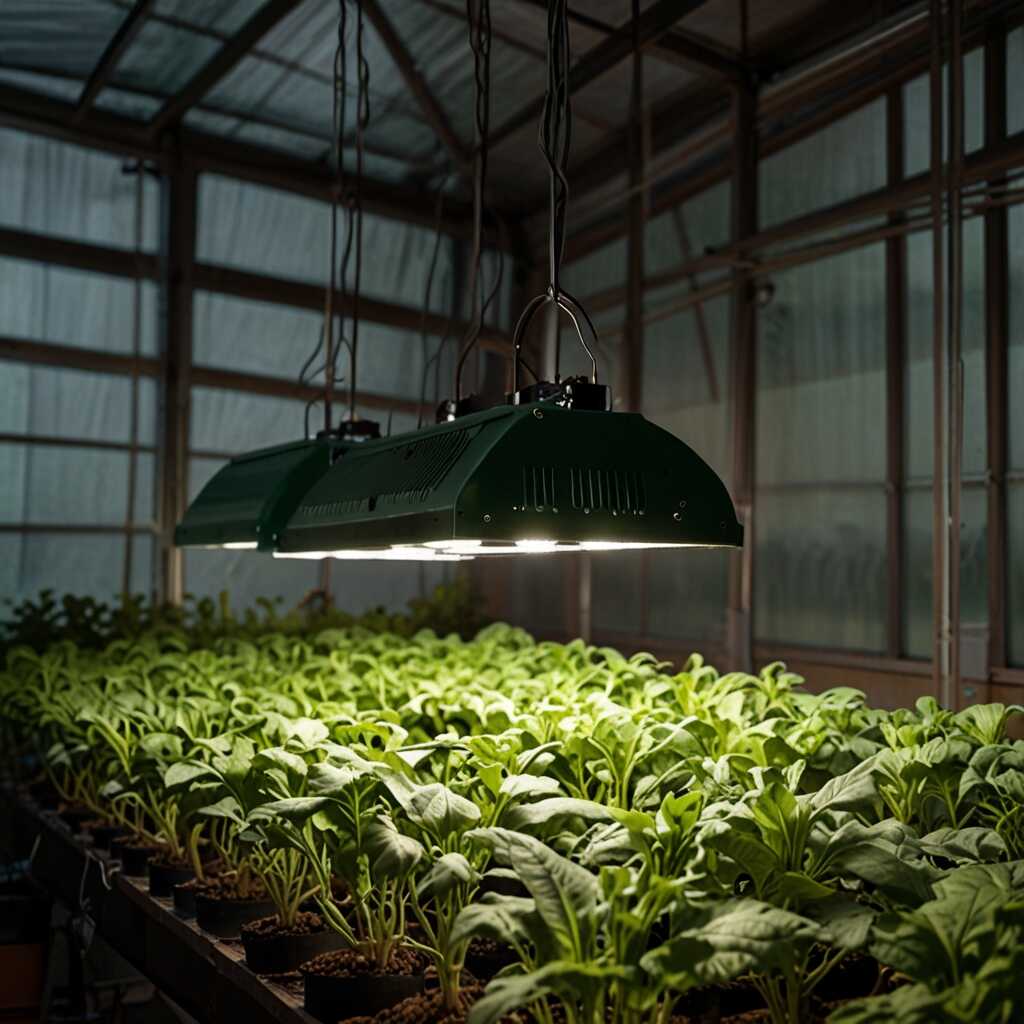
Seedlings show specific signs of readiness when they are prepared to move from propagation lights to main grow lights. Look for healthy leaf development, which includes vibrant colors and sturdy structures. Seedlings should have two to four sets of true leaves, indicating strong growth. Another indicator is when seedlings start to exhibit signs of stretching or legginess, suggesting that they are seeking more light. Check the color of the leaves; darker green hues typically signal adequate light exposure. Ensuring the right balance of humidity and temperature also contributes to their readiness for fresh lighting conditions. The ideal duration for light exposure under propagation lights is generally around 12 to 16 hours daily.
Key Factors Influencing Seedling Transition
Several key factors influence the transition of seedlings from propagation lights to main grow lights. One critical factor is the genetic characteristics of the plant species, which affect growth patterns and light requirements. Additionally, monitor the seedlings’ growth pace; consistent vertical growth and leaf expansion indicate they can handle higher light intensities. Consider the environmental conditions like humidity and temperature within your growing area; seedlings thrive in an environment that avoids drastic changes. By evaluating these factors, you can create optimal lighting conditions that enhance seedling health and promote vigorous development during their transition.
Key Data Points for Seedling Lighting Transition
- Optimal light distance for seedlings is around 12-24 inches based on light intensity.
- Recommended duration of light exposure is 14-16 hours daily for healthy growth.
- Transition periods should last 1-2 weeks to avoid shock.
- Propagation lights provide 100-200 micromoles of light intensity on average.
- Main grow lights often exceed 200 micromoles, promoting faster growth.
- Monitoring soil moisture levels daily prevents over or under-watering during the transition.
- Seedlings should be exposed to the new grow lights incrementally, around 30 minutes more every few days.
Effective Methods for Gradually Transitioning Seedlings
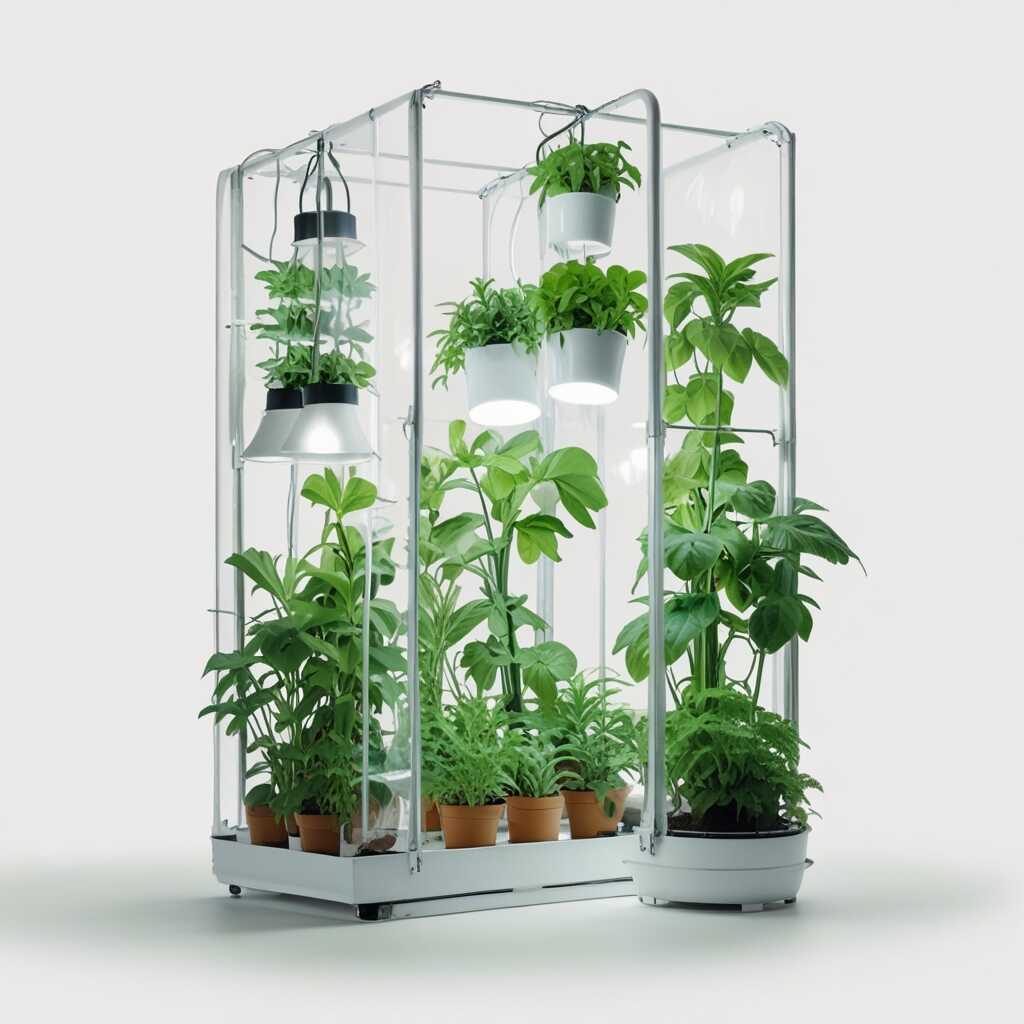
Effective methods for transitioning seedlings include gradually increasing light intensity, adjusting light duration, and monitoring plant responses. Begin by placing seedlings under the main grow lights for a limited time, for example, two hours a day. Over the course of one to two weeks, gradually increase exposure to six hours or more, depending on the specific light type and its intensity. Ensure that seedlings are at least 12 to 18 inches away from the grow lights to avoid light burn. Observing changes in leaf color and growth pattern helps determine the success of the transition. Providing a buffer period, where seedlings are offered partial shade, can minimize stress during this vital change.
Understanding Light Intensity and Distance for Seedlings
Understanding light intensity and distance is crucial for successful seedling transition. LED grow lights deliver intense light energy that seedlings need for growth. Keep seedlings about 12 to 18 inches from full-spectrum lights to ensure they receive adequate energy without being overwhelmed. Light intensity decreases as the distance from the source increases. Shorter distances provide ample light but can lead to stress. Adjust the duration of exposure based on plant reactions. Seedlings can acclimatize at their own pace, ensuring healthy development while maximizing light efficiency.
Tailoring Light Settings for Various Seedling Types
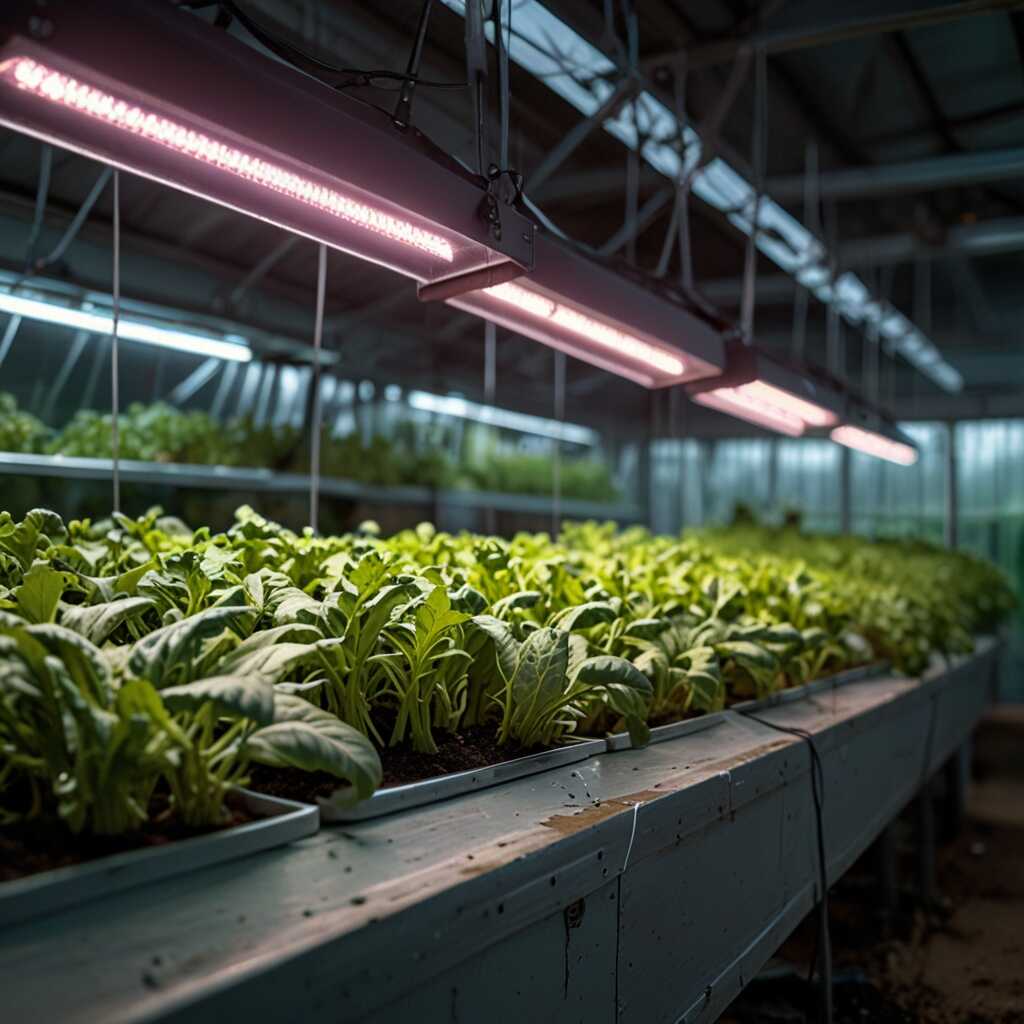
Seedlings have diverse light requirements based on species. For example, tomatoes and peppers thrive in full spectrum light, needing 12-16 hours daily. Conversely, shade-loving plants like ferns or certain herbs can survive with fewer hours. Understanding the light needs helps ensure healthy growth. Bright light seedlings typically show vigorous growth and strong stems, while low light seedlings prefer indirect light to avoid burning. Tailoring light exposure to match growth requirements keeps seedlings developing optimally.
Customizing Light Duration for Specific Seedlings
Adjusting the duration of light exposure is vital for different seedlings. Most seedlings need 12-16 hours of light per day for optimal growth. This range enhances photosynthesis, allowing plants to convert sunlight into energy efficiently. Some low-light seedlings, like snake plants, thrive with only 6-8 hours of indirect light. Accurate timing ensures that seedlings receive adequate light while preventing stress from too much brightness. By monitoring your plants and adjusting the duration, you help them flourish.
Advantages of Moving Seedlings to Standard Grow Lighting
- Main grow lights support more robust growth and faster maturation for seedlings.
- Full-spectrum lighting aids in photosynthesis, enhancing overall plant health.
- Seedlings develop stronger stems under brighter, quality light sources.
- Using energy-efficient main grow lights reduces electricity use while improving light quality.
- Seedlings gain resilience against pests and diseases with optimal light conditions.
- Transition leads to higher yields when plants reach their full growth potential.
- Indoor gardeners can enjoy healthier plants resulting in better aesthetics and air quality.
Common Challenges in Lighting Transition
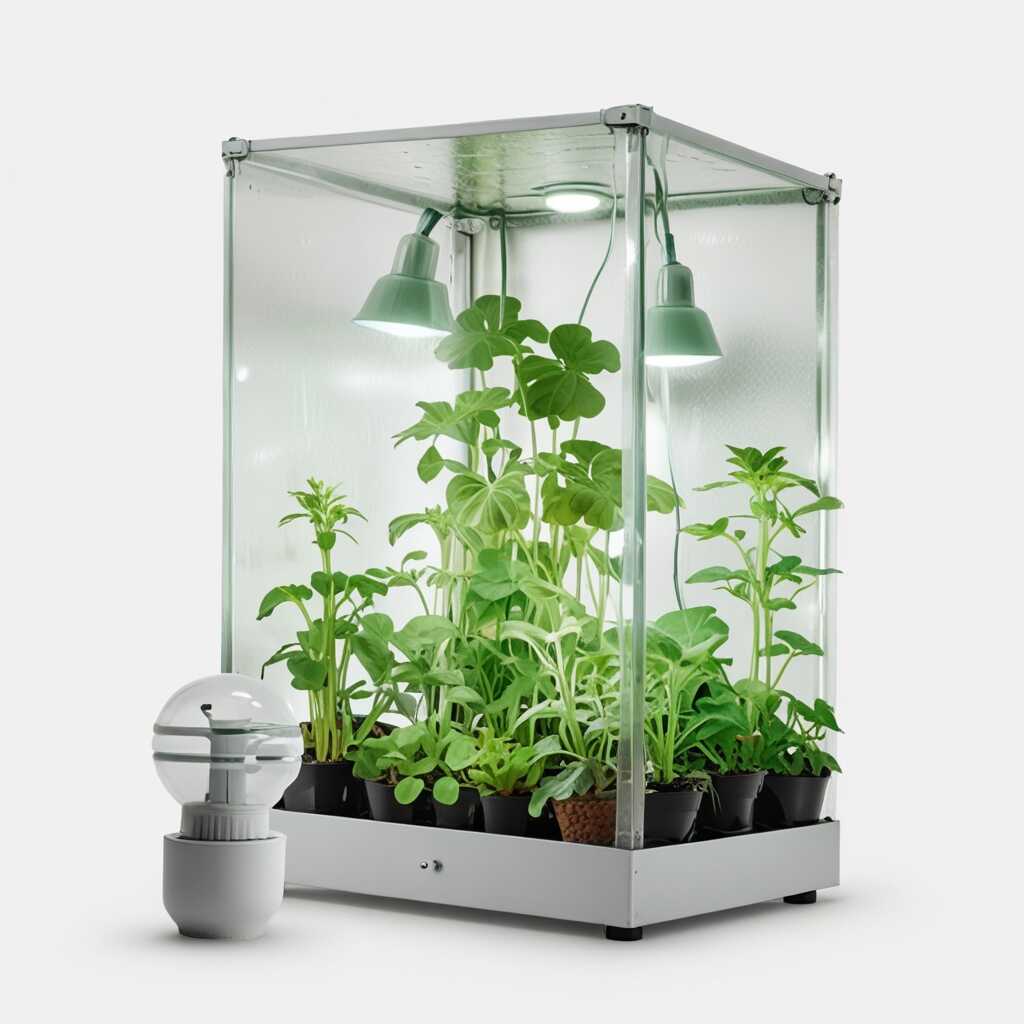
Transitioning seedlings from propagation lights to main grow lights presents several challenges. Seedlings may experience stress from increased light intensity. Insufficient acclimatization can lead to leaf burn or stunted growth. Adjusting the distance between seedlings and the new lights helps minimize stress. Monitoring temperature and humidity also ensures optimal growing conditions. The type of grow light affects seedling response. LED grow lights provide specific wavelengths beneficial for growth, but must be introduced gradually. Proper light duration is vital. Start with shorter exposure times, gradually increasing as seedlings adapt. This helps them adjust without stress.
Light Intensity and Seedling Health
Light intensity plays a critical role in seedling health during transition. Propagation lights are typically less intense compared to main grow lights. Begin by placing seedlings further from the new lights, ensuring they receive lower intensity initially. Observe the seedlings closely for signs of stress such as wilting or leaf discoloration. If they display healthy growth, gradually lower the distance to increase exposure. Testing different light distances can help determine the optimal setup for your seedlings. Proper management of light intensity results in robust plants ready for full growth.
Time Management Tips for Light Adjustments and Seedling Care
Timing plays a crucial role when transitioning seedlings from propagation lights to main grow lights. Start with a gradual light adjustment. Begin by placing seedlings under main grow lights for about 4 hours daily. Gradually increase this duration by 1 hour every few days until they reach a total of 12-16 hours of light exposure daily. Monitor their response throughout this testing phase. Adjust based on seedling health. Observe signs of stretching or leaf burn, which signal that light exposure needs tweaking. Transitioning too quickly can stress seedlings, while taking it slow offers better reliability. Maintaining a structured care schedule helps you keep track of light adjustments accurately, ensuring each seedling receives proper care during this critical growth phase.
Creating an Effective Care Schedule for Seedlings
An effective care schedule maximizes seedling growth during the transition to main grow lights. Begin by documenting light exposure times and seedling reactions. Note when you increase light hours and how the seedlings respond. A simple chart helps track daily light exposure, watering schedules, and environmental conditions. Pair consistent light intervals with water management and humidity control. Many gardeners find success watering seedlings every 2-3 days, depending on the growing medium. This routine provides seedlings with the perfect balance of moisture and light they need. Utilizing proper management techniques enhances overall plant health and growth rates.
Top Brands and Their Characteristics for Grow Lights
- Brand A: Known for affordability, but may lack advanced spectrum features.
- Brand B: Offers full-spectrum lighting and high durability, ideal for serious growers.
- Brand C: Compact design suits limited spaces, though light intensity is lower.
- Brand D: Professional-grade lights provide excellent results, but at a higher cost.
- Beginners often benefit from affordable brands, allowing budget-friendly testing.
- Experienced gardeners favor brands that provide extensive light spectrums and features.
- Eco-conscious growers appreciate energy-efficient brands that lower carbon footprints.
Essential Tools and Resources for Successful Seedling Growth
When transitioning seedlings, several tools can enhance their growth and health. Essential items include reliable LED grow lights that offer an efficient light spectrum tailored for seedling development. Accessories like light timers ensure seedlings receive the right amount of daily exposure. Additional items such as reflective surfaces can direct light efficiently, increasing the effectiveness of your lighting setup. With testing and research confirming these tools’ reliability, using them properly supports seedlings as they adapt to brighter conditions.
Best Practices for Optimal Seedling Lighting
Seedlings perform best with a light schedule of 12 to 16 hours per day. This schedule mimics natural sunlight and promotes vibrant development. Utilize quality LED grow lights that deliver the spectrum ideal for seedlings, especially in the blue wavelength, which supports healthy vegetative growth. Keep lights approximately 12 to 24 inches above the seedlings’ tops, adjusting as they grow. Regular monitoring of growth and light intensity helps ensure seedlings thrive during this critical transition. Quality and reliability of lighting systems will significantly impact seedling health.