
Understanding grow light diffusion techniques is essential to preventing light burn in plants. Proper diffusion can protect delicate foliage from overly intense illumination. At Green Writer, we aim to help indoor gardeners and plant care enthusiasts avoid common lighting mistakes. By implementing effective diffusion methods, you can ensure your plants thrive while enjoying a beautiful and eco-friendly indoor garden.
Importance of Proper Light for Thriving Indoor Plants
Proper light is essential for indoor plant health. The right type of light enhances plant vitality and growth. Different plants require specific light spectra for optimal photosynthesis. Factors like light intensity and duration significantly influence growth rates. Most indoor plants thrive with 12 to 16 hours of light daily for best results. Using full spectrum lights offers the best quality for various growth stages. It mimics natural sunlight, enabling plants to develop strong root systems and lush foliage. When plants receive adequate light quality, their overall wellbeing improves, reducing the possibility of light burn.
Optimal Lighting Conditions for Different Indoor Plants
Different indoor plants have varying needs for light. For example, low-light plants like snake plants require less intense illumination. High-light plants, such as succulents, thrive with bright, direct light for 12 to 16 hours. It is crucial to test the light conditions to ensure the plant’s specific requirements are met. Using energy-efficient LED grow lights can provide the best spectrum for growth, including both blue and red wavelengths. These lights help simulate natural sunlight, aiding in proper flower and foliage development. By adjusting light intensity as needed, indoor gardeners can ensure plants stay healthy and vibrant.
Identifying Light Burn in Indoor Plants
Light burn occurs when plants receive excessive light, leading to damaged leaves. Signs include yellowing, browning, and crispy leaf edges. Different plants show varying reactions. For example, succulents may develop white spots while leafy greens can turn brown. Early identification is essential to rescue your plants. Regularly check leaf color and texture, as this will help in providing timely interventions.
Common Signs of Light Burn in Popular Indoor Plants
Common indoor plants like peace lilies and snake plants are vulnerable to light burn. Peace lilies typically exhibit curling leaves and brown tips when exposed to excessive light. Snake plants may develop faded or discolored leaves indicating stress. Monitor these plants closely under strong light conditions. The best approach is to limit intense light exposure to a maximum of six hours daily to avoid these adverse effects. Understanding each specific plant’s tolerance will enhance your indoor plant care strategy.
Understanding the Science Behind Light Burn
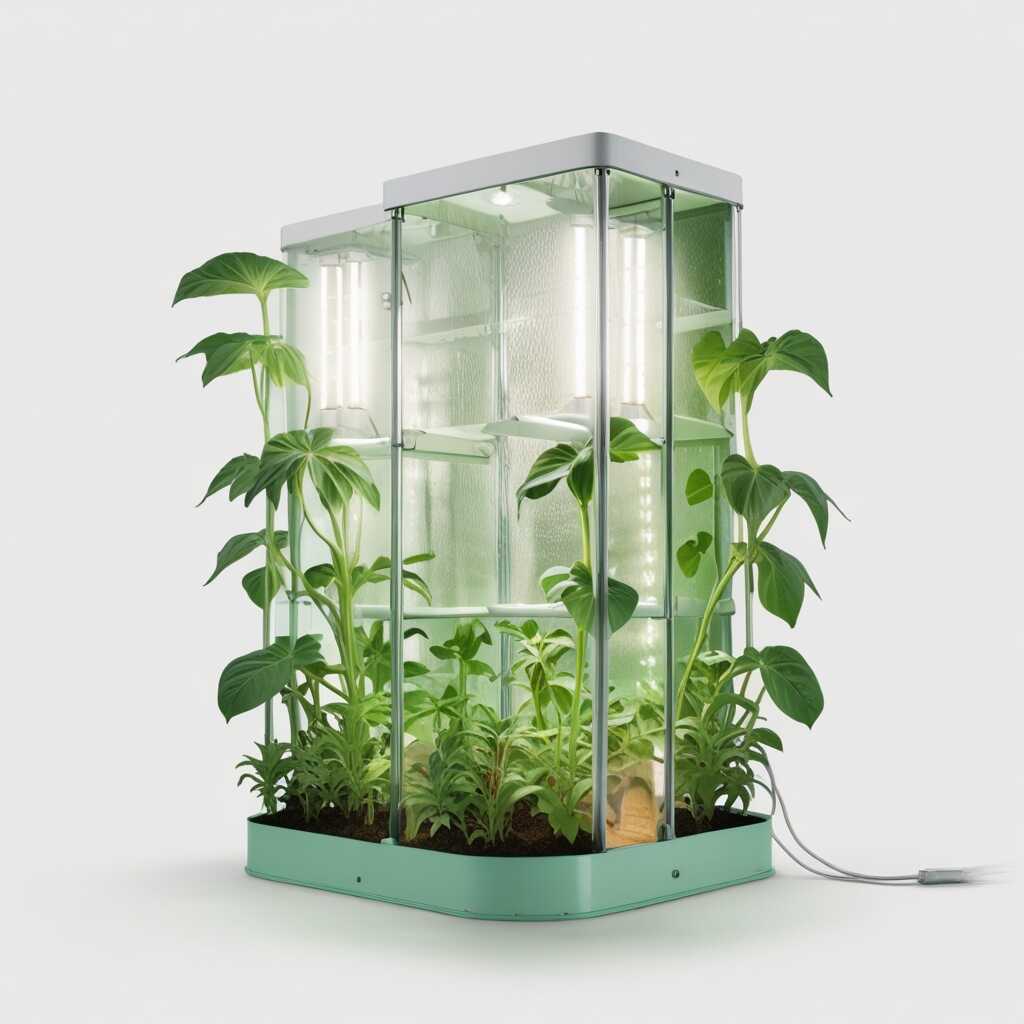
Light burn, or light stress, occurs when indoor plants receive too much light intensity for their requirements. Main causes include excessive exposure to strong grow lights, inadequate distance from the light source, and prolonged light duration. Various factors contribute, such as environmental conditions like temperature and humidity. Plants such as succulents and certain tropical species are particularly susceptible to light burn. They require specific light levels to thrive. When provided with higher intensities than they can tolerate, they show signs of stress such as leaf scorching, discoloration, or wilting. Understanding your plants’ needs helps prevent these issues.
Identifying Signs of Light Stress in Plants
Recognizing light stress in plants is essential for maintaining their health. Common signs include yellowing leaves, crispy edges, and browning tips, indicating too much light. Splashed light burn spots may appear on leaves, indicating severe stress. Different plants react based on their natural light preferences. For example, low-light plants like ferns will show signs of distress at lower intensity levels than sun-loving plants like tomatoes. Regular inspection of your plants allows for early detection. Adjusting lighting conditions helps enhance plant health and prevent permanent damage.
Key Figures in Plant Lighting Safety
- Plants may suffer from light burn if exposed to over 25% of intense light.
- LED grow lights can last over 50,000 hours, providing consistent lighting.
- A proper light height is usually 12-24 inches for most indoor plants.
- Plants can receive around 12-16 hours of light per day for optimal growth.
- Using a diffuser can reduce light intensity by up to 50%.
- About 75% of indoor gardeners face issues with light burn at some point.
- Proper light setups can improve plant yield by approximately 30% or more.
Advantages of Employing Diffusion Techniques for Grow Lights
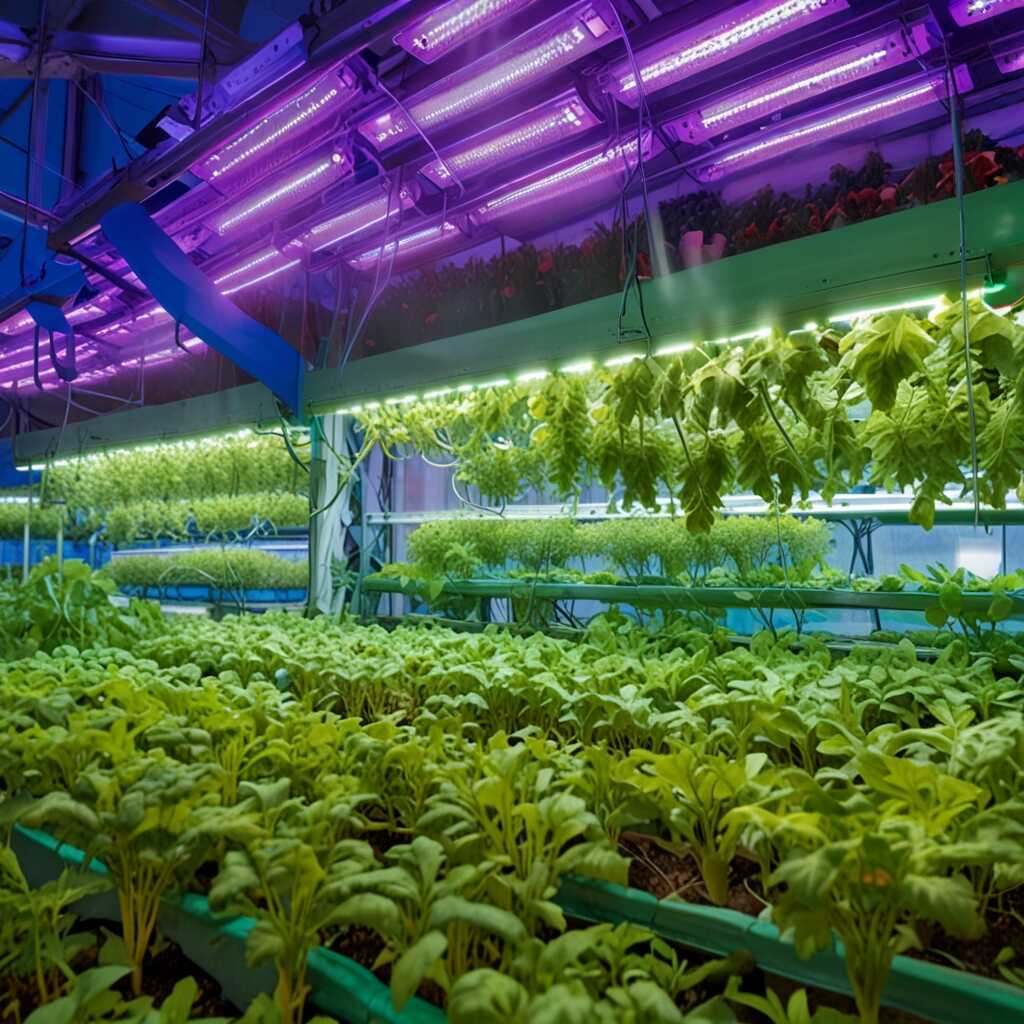
Using diffusion techniques with grow lights provides several key benefits. These methods enhance light distribution, allowing light to reach more areas of the plant evenly. Improved light distribution reduces the risk of light burn by dispersing light intensity that could otherwise harm sensitive plant tissues. This technique fosters healthier plant growth as plants receive consistent light across all growth stages. Proper diffusion strategies are essential for creating a stable and effective indoor gardening environment.
Understanding Optimal Light Distribution for Plants
To optimize indoor gardening, it is crucial to understand how effective light distribution impacts plant health. Diffusion techniques can disperse grow light more evenly across a canopy, maximizing the surface area that receives light. By using materials like frosted glass or diffusion film, light penetrates plants in a more uniform manner. This approach prevents overheating in specific areas, minimizing the chances of light burn while promoting balanced growth patterns. Regular testing of light intensity at various distances from the plants, typically around 12 to 24 inches, can lead to better understanding of how to utilize diffusion effectively.
Common Grow Light Diffusion Methods Explained
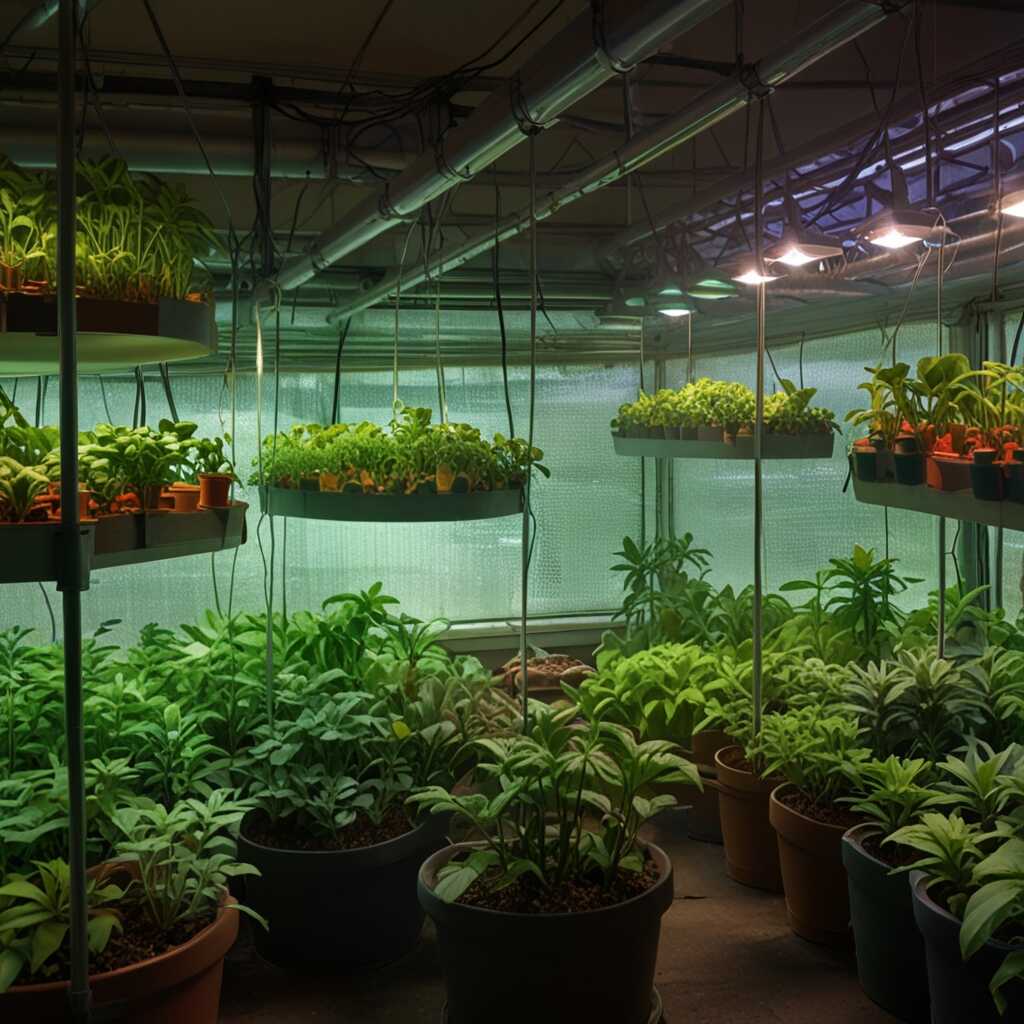
Many indoor gardeners use various light diffusion techniques to enhance plant health. Common methods include using diffusive films, light-reflecting materials like Mylar, and lampshades made from frosted glass or fabric. Each diffusion material offers unique benefits. For example, frosted glass evenly spreads light while reducing intensity, minimizing light burn. Mylar provides efficient reflection, boosting light levels without overheating plants. Diffusion also depends on how much light exposure the plants need daily, averaging around 12 to 16 hours for optimal growth. This ensures plants receive adequate light while mitigating the risks of light burn.
Best Materials for Light Diffusion
When selecting materials for light diffusion, several options stand out. Frosted acrylic panels are popular for their durability and light diffusion efficiency. They spread light uniformly while maintaining a comfortable temperature for plants. Polycarbonate diffusion films are also reliable, providing excellent light distribution. Mylar sheets can enhance light without direct burn, making them an effective choice for cost-conscious gardeners. Consider the light output needed and the specific growth stage of your plants when choosing a diffusion material. These choices will directly impact overall plant growth and health by controlling light intensity and distribution.
The Upsides of Smart Lighting Approaches
- Proper lighting prevents stress, helping plants grow healthier.
- Effective light diffusion techniques minimize risks of scorching leaves.
- Balanced light promotes better photosynthesis and lush foliage.
- Grow light technologies provide consistent results with less energy.
- Reduced light intensity aids in optimizing flowering stages effectively.
- Healthy plants improve indoor air quality and elevate living spaces.
- Effective diffusion leads to improved overall plant vigor and resilience.
Choosing the Right Type of Grow Light for Your Plants
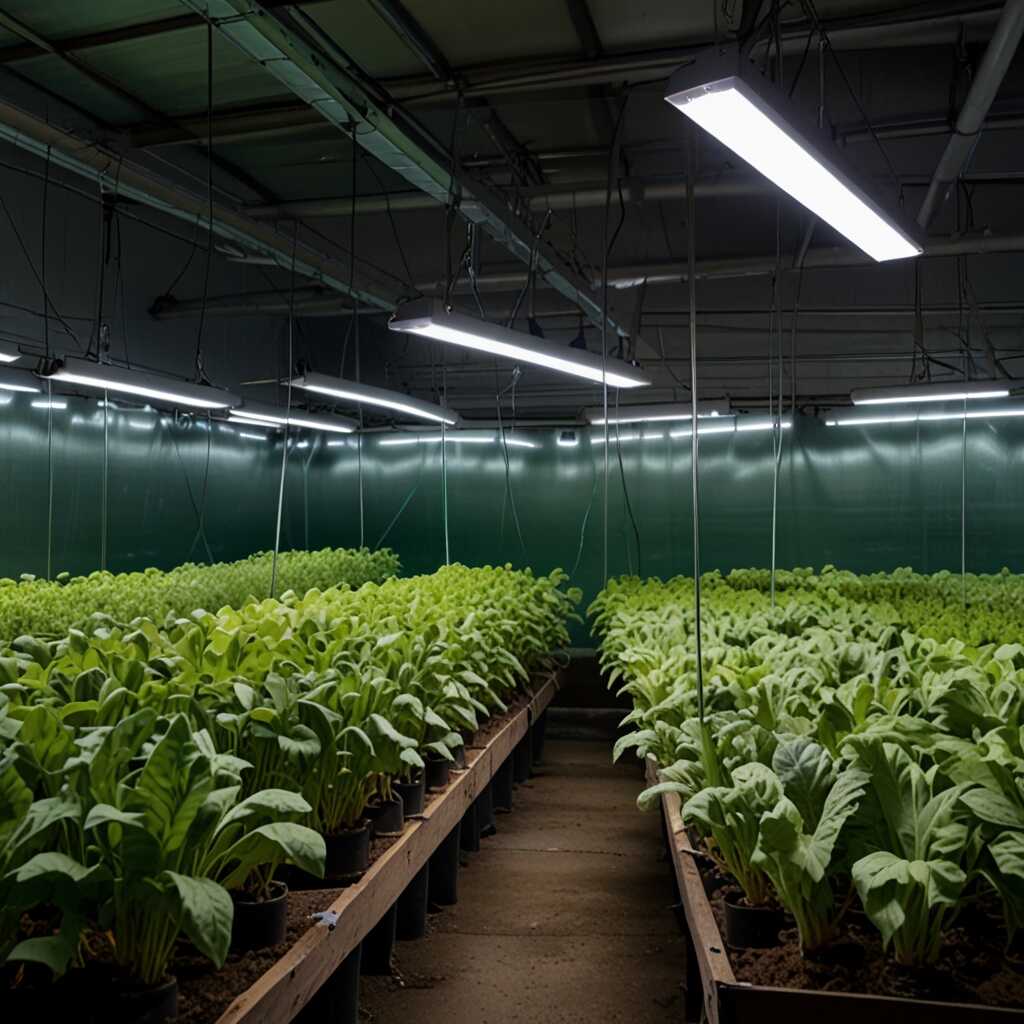
Choosing the right grow light involves considering several factors. You must evaluate the specific light spectrum needs of your plants, such as how much red and blue light they require. For instance, leafy greens like lettuce thrive under blue light, while flowering plants such as orchids benefit from red light. Additionally, consider the wattage of your grow light, as many plants do well with a range between 15 to 30 watts per square foot. This information helps you select a grow light that is efficient and designed to promote healthy growth.
Understanding Light Spectrum Types for Indoor Plants
Light spectrum plays a crucial role in indoor gardening. LED grow lights typically provide a full spectrum that mimics sunlight, which is excellent for photosynthesis. Plants like succulents and cacti may require specific lighting conditions; red and blue wavelengths stimulate their growth effectively. For example, those wavelengths promote flowering and fruiting in plants. Research indicates that grow lights with a balanced spectrum enhance plant health and growth rates. You should select lights based on individual plant needs to optimize their growth cycles and yields.
Best Practices for Using Grow Lights Effectively
Positioning grow lights appropriately is crucial to prevent light burn in plants. Place lights at least 12 to 24 inches above the plants to avoid direct heat. Different plant species require different light spectrums. For instance, leafy greens thrive under blue light, while flowering plants prefer red light. The optimal exposure time for most plants ranges between 12 to 16 hours per day. Adjust this duration based on your specific plant type and growth stages. Consider using timers to maintain consistency. This helps ensure an environment where your plants can flourish without the risk of light burn.
Understanding Light Spectrum and Plant Needs
Understanding each plant’s light spectrum needs enhances your indoor gardening experience. Plants thrive when exposed to specific light wavelengths. For instance, blue light (400-500 nm) encourages strong vegetative growth. Red light (600-700 nm) supports flowering and fruiting stages. Knowing these parameters helps when selecting grow lights. Full-spectrum LED grow lights provide an effective balance that covers all necessary wavelengths. They offer reliable performance and are energy efficient, making them ideal for diverse indoor gardens. Research shows full-spectrum lights improve plant health and yield significantly. Test different lights to see which works best for your specific plants.
Popular Brands and Their Plant Light Offerings
- Brand A provides affordable LED solutions but lacks extensive features.
- Brand B offers high-end full-spectrum lights suitable for all plant stages.
- Brand C is known for energy-efficient options that reduce bills but are pricier.
- Brand D’s lights have excellent customer reviews but limited warranties.
- Beginners often prefer brands with user-friendly designs and easy setup.
- Experienced growers benefit from brands offering advanced control systems.
- Eco-conscious consumers favor brands that focus on sustainable production.
Steps to Help Plants Recover from Light Burn Issues
Recognizing signs of light burn is essential for indoor gardeners. Yellowing leaves, leaf curling, and brown edges indicate damage. Indoor gardeners should immediately adjust lighting. Reducing light intensity is critical. Move the grow light higher or use diffusers to soften direct exposure. Monitoring plant health ensures recovery. Provide shade during peak light hours and maintain consistent humidity. Watering techniques play a role; ensure the soil is not overly dry or soggy. After addressing these issues, patience is key. It typically takes several weeks for a plant to fully recover.
Rehabilitation Techniques for Affected Plants
To rehabilitate plants suffering from light burn, adjust the light source to prevent further damage. Consider using energy-efficient LED grow lights with adjustable brightness. Place plants in a location with indirect sunlight to aid recovery. Regularly assess nutrient levels in the soil, ensuring they are balanced. If the plant is severely burnt, prune damaged leaves. This helps redirect energy towards healthier foliage. Keep humidity at optimal levels to enhance recovery. Consistent monitoring provides insight into the plant’s health, ensuring effective rehabilitation. By implementing these techniques, indoor gardeners can significantly improve the chances of their plants thriving again.