
If you want to optimize indoor plant growth, understanding factors influencing light penetration with LED grow lights is essential. Light penetration affects how well plants absorb light in dense canopies, impacting their overall health and growth. At Green Writer, we provide practical guidance on using LED technology to enhance light distribution and promote sustainability. By exploring key concepts like light wavelength and placement, you can create a thriving indoor garden that supports both your plants and eco-friendly living.
Significance of Light for Enhancing Indoor Plant Growth
Light is essential for indoor gardening. Plants use light to photosynthesize, which is vital for their growth. Different plants require varying light conditions. Some plants thrive in low light, while others need bright, direct light. When using LED grow lights, understanding your plants’ light requirements helps enhance growth. LED lamps emit specific wavelengths that optimize plant growth stages. For instance, blues (400-500nm) aid vegetative growth, while reds (600-700nm) promote flowering. Proper light penetration ensures that all parts of the plant receive adequate lighting to flourish. Using full-spectrum LED options can provide a well-rounded light source for diverse plant needs.
Understanding Light Intensity Levels for Optimal Plant Growth
Light intensity levels are measured in lumens, which reflect how much light is available to plants. Most house plants, like pothos or snake plants, thrive in 100-500 lumens. However, flowering plants may require 700-1,200 lumens for optimal growth. It is crucial to assess the location of your plants to ensure they receive the right intensity. Some areas might have light blocks from other plants or furniture. Adjusting your LED grow lights to ensure adequate intensity can effectively enhance indoor plant health. Monitoring can help you determine the right height and distance for your lights from the plants, ensuring efficient light penetration.
Basics of LED Technology for Effective Plant Lighting
LED grow lights offer several advantages for indoor plant lighting. They provide optimal light conditions by emitting the specific light spectrum essential for photosynthesis. LED lights are energy-efficient, using less electricity compared to traditional grow lights like incandescent or fluorescent bulbs. This efficiency leads to reduced energy costs. The advanced technology of LEDs enhances light penetration through dense plant canopies, ensuring that lower leaves receive adequate light. The average lifespan of LED grow lights is over 50,000 hours, making them a reliable choice for long-term indoor gardening. This durability minimizes the need for frequent replacements, providing convenience for indoor gardeners.
Understanding Light Spectrum for Plant Growth
The light spectrum is crucial in determining how well plants grow under LED lighting. Different wavelengths affect various growth stages. Blue light (400-500nm) is vital during vegetative growth. Red light (600-700nm) promotes flowering and fruit development. Full spectrum LED grow lights combine these wavelengths for comprehensive support throughout all growth phases. Research shows that using a full spectrum light significantly enhances plant health and yields. Tailoring the light spectrum to plant needs can lead to optimal photosynthesis, promoting stronger, healthier plants. Choosing the right type of LED grow light is essential for achieving the best results in indoor plant growth.
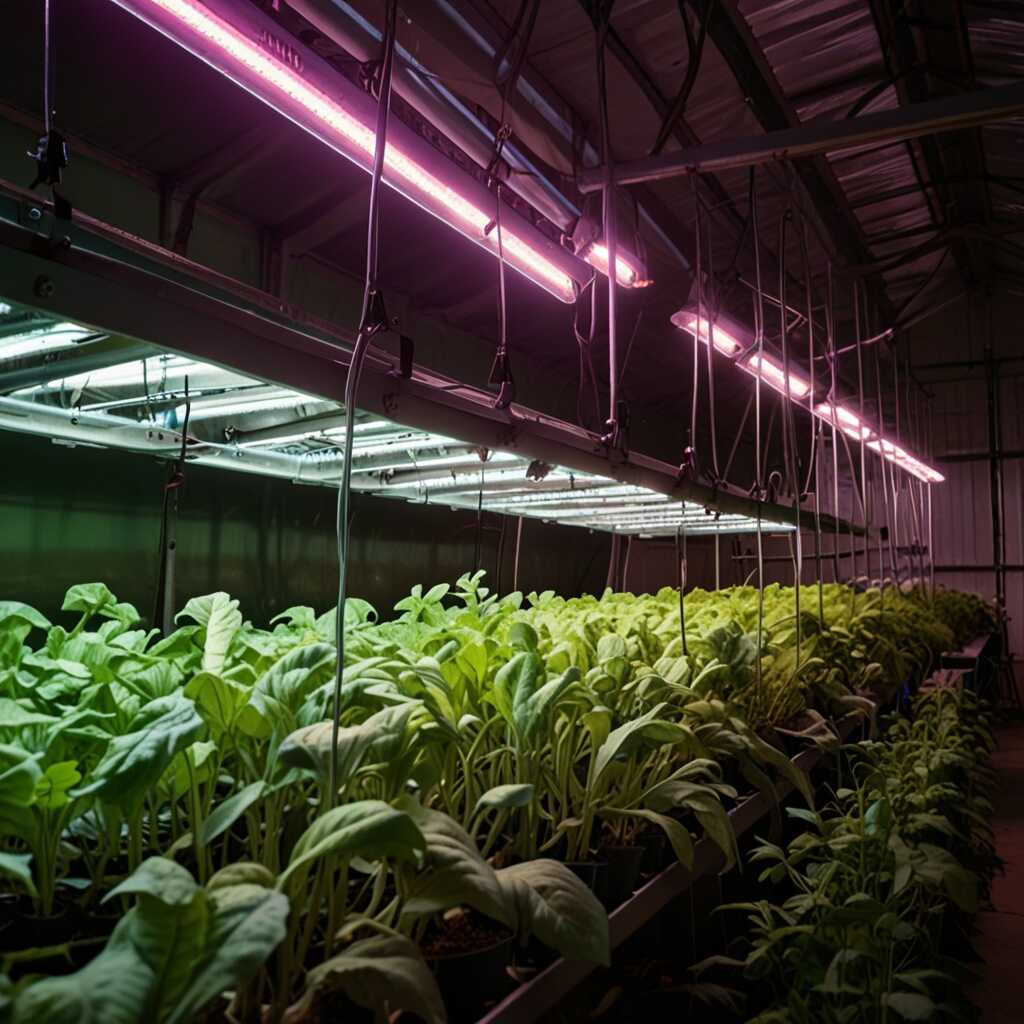
Key Factors Impacting Light Penetration in Dense Canopies
Three main factors affect light penetration in plant canopies: leaf overlap, plant height, and canopy structure. Leaf overlap can reduce light reaching lower leaves, causing light loss. Canopy structure, including the spacing of plants, also affects how light is distributed. The arrangement of leaves determines if light passes through effectively or gets blocked. Generally, leaf overlap can lead to a light loss of 30-60% in dense canopies, significantly reducing plant growth efficiency. Understanding these factors is essential for optimizing indoor gardens and ensuring that green plants thrive.
Understanding Leaf Overlap and Light Loss
Leaf overlap is critical when analyzing light penetration in dense plant canopies. Each leaf can block light from reaching those below it, and this can create inadequate light levels for lower leaves. Research indicates that overlapping leaves can result in a light loss of up to 60%. This percentage often varies based on plant species, leaf orientation, and even canopy thickness. The shape and size of leaves also play a role in light absorption. Certain plant types, like broad-leaved species, may create more overlapping surfaces than narrow-leaved plants. Understanding these dynamics can help gardeners manage their plant spacing for better light distribution and enhance the overall growth of indoor plants.
Numerical Insights on Factors Affecting Light Transmission
- LED grow lights emit lumens ranging from 300 to 1000 per fixture.
- Light can penetrate only about 30% through a dense plant canopy.
- Plants absorb different light wavelengths between 400-700 nm.
- Optimal light exposure duration for most plants is 12-16 hours daily.
- Depth of light penetration usually decreases by 50% after 2-3 feet.
- Growth rate increases by 20-30% under adequate light conditions.
- Plants typically need 40-60 watts of light per square foot.
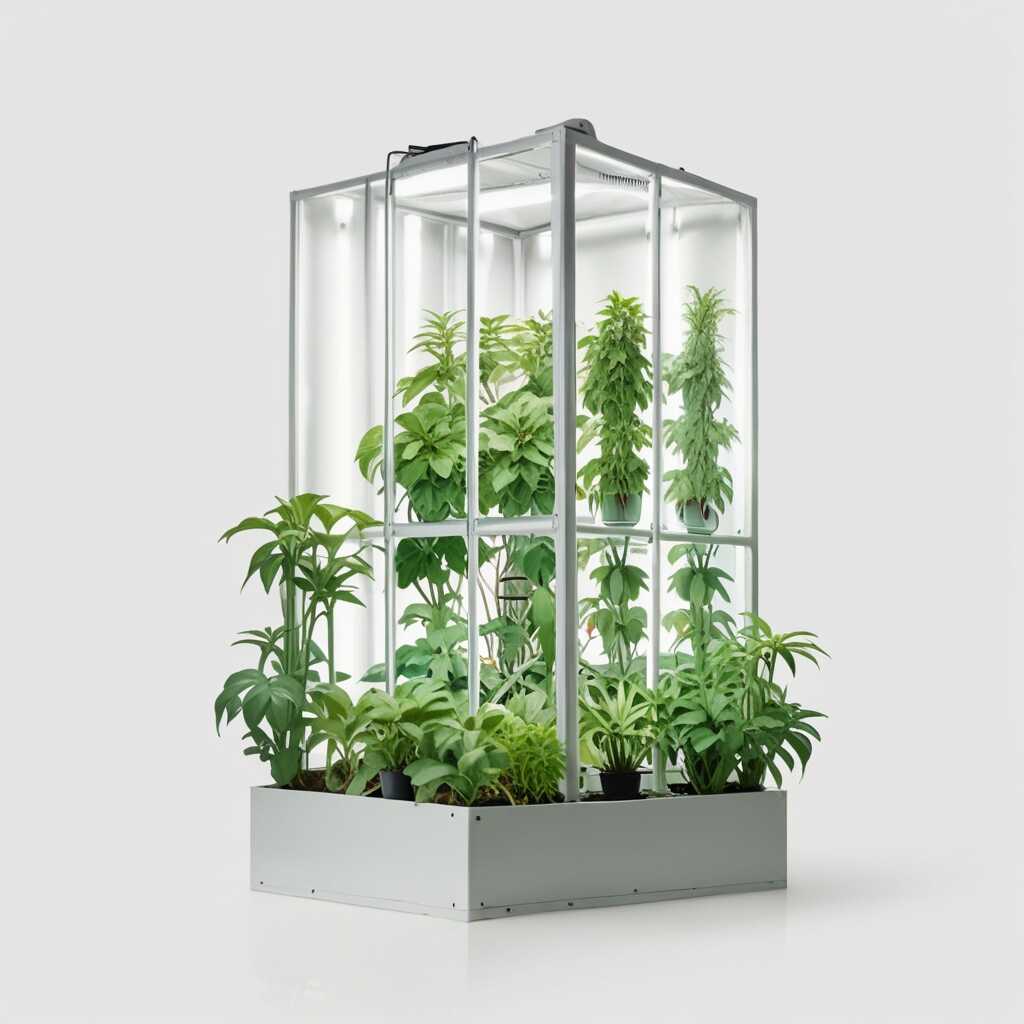
Diversity of Leaf Structures and Their Effect on Light Capture
Leaf structures significantly impact light absorption in indoor plants. Different leaf shapes, such as broad and thin, capture light differently. Broad leaves can absorb more light due to their surface area but may block light to lower leaves. Thin leaves may allow some light to pass through, benefiting lower foliage. When examining effective leaf shapes and arrangements, wider leaves positioned at the upper levels maximize light exposure. Additionally, leaves arranged at angles can enhance light capture by reducing shadow interference. In a typical indoor plant canopy, studies show that about 70% of light is lost due to leaf overlap.
Maximizing Light Capture: Leaf Shapes and Arrangements
Maximizing light capture involves understanding how leaf shapes and arrangements function together. For example, oval-shaped leaves with a slight curvature improve capture by directing light onto the leaf surface. Staggered leaf arrangements can minimize shading and promote optimal light distribution throughout the canopy. Research indicates that plants with compound leaves often perform better under low light conditions due to their ability to shade less and capture more. Ensuring diverse leaf shapes among indoor plants, like pairing broad and narrow leaves, can enhance light penetration and improve overall growth rates.
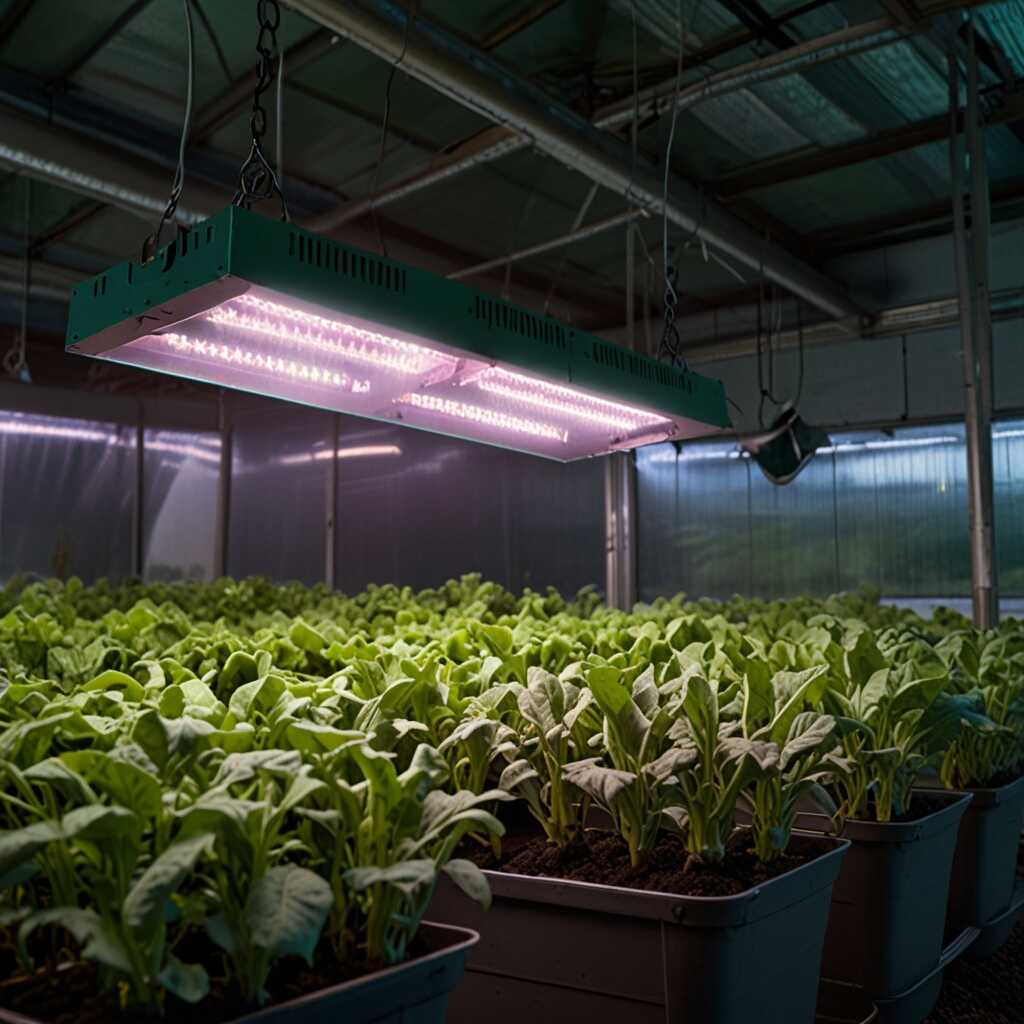
Understanding the Best Light Spectrum for Different Plants
Using the right light spectrum is essential for optimizing indoor plant growth. Different light wavelengths significantly support various plant growth stages. Blue light enhances vegetative growth, promoting overall health and leaf development. Red light influences flowering and fruiting, helping plants produce blooms and produce fruits efficiently. Full spectrum lighting offers a balanced range of wavelengths, ensuring plants receive a well-rounded light source for all growth phases. Tailoring your lighting setup to the needs of specific plants enhances their resilience and productivity.
Specific Light Spectrum Needs for Common Indoor Plants
Common indoor plants such as peace lilies benefit from full spectrum lighting, as it supports their growth and flowering. Snake plants thrive under lower light conditions but still benefit from blue light during their growing season. Pothos plants respond best when given a combination of red and blue lights, allowing for a healthy balance. Research shows that most indoor plants typically require around 12 to 16 hours of light each day, ensuring they receive enough energy to grow strong. Using LED grow lights with adjustable spectrums provides flexibility to cater to the specific light spectrum needs of each plant.
Advantages of Understanding Light Interaction with Plants
- Improved plant growth leads to healthier indoor gardens.
- Enhanced understanding of LED light allows better light placement.
- Increased energy efficiency reduces electricity costs over time.
- Allows for tailored light conditions that suit specific plant types.
- Boosts plant yields during flowering and fruiting stages effectively.
- Encourages sustainable practices in indoor gardening.
- Helps prevent over or underexposure of plants to light.
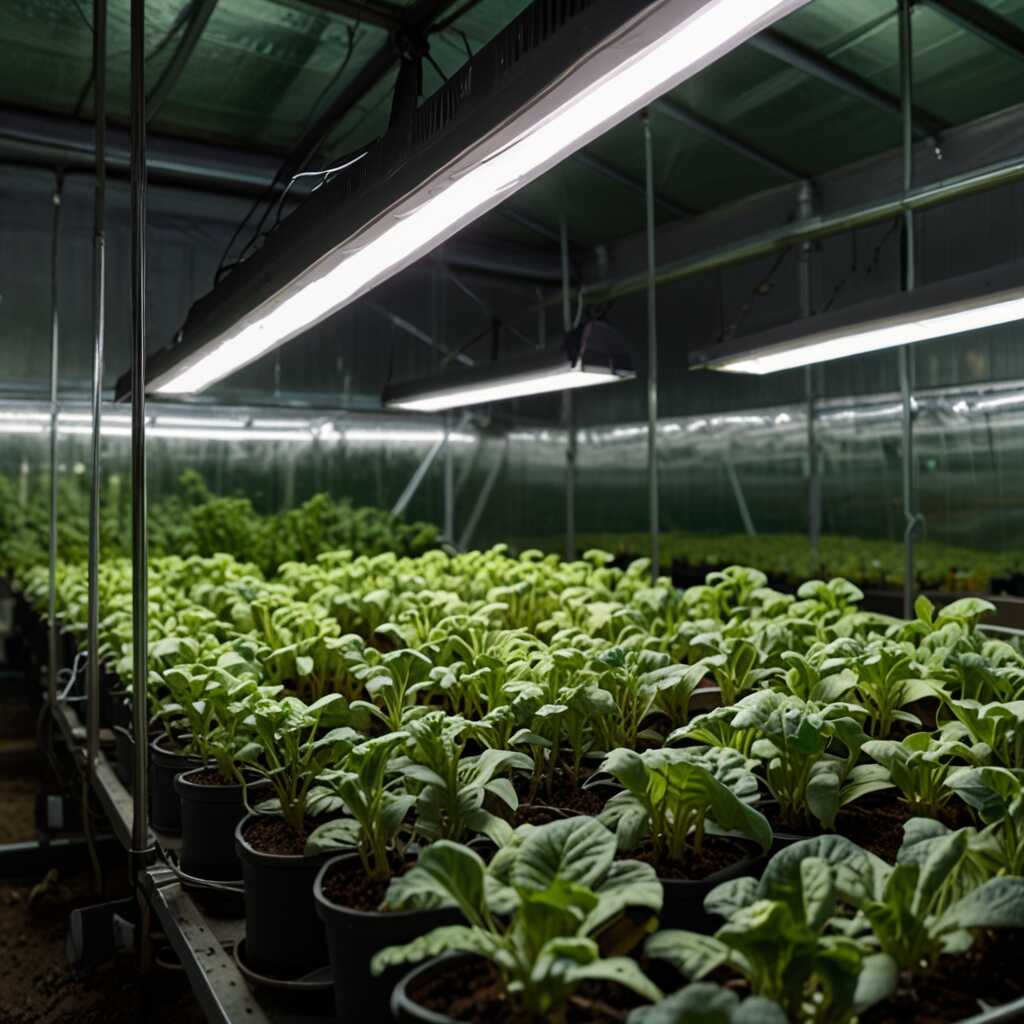
Strategies for Improving Light Distribution in Plant Canopies
Improving light distribution in dense plant canopies is essential for maximizing growth and health. Start by optimizing plant spacing. Wider spacing allows more light to reach each plant’s leaves. Adjust the LED spectrum based on plant growth stages. For optimal results, use full-spectrum LEDs that deliver wavelengths between 400-700 nm. Ensure adequate light duration, typically 12-16 hours daily, to provide sustained energy for photosynthesis. Position grow lights at the correct height to avoid light loss due to shadows. Rotate plants regularly to expose all sides to light. These strategies enhance light penetration and can lead to healthier plants.
Enhancing Light Penetration for Specific Plant Types
Different plant types require specific adjustments to improve light penetration. For example, leafy greens like lettuce thrive under bright, full-spectrum LEDs placed 12-18 inches away. On the other hand, flowering plants may require lights closer to 6-12 inches to ensure sufficient energy for blooming. Utilize reflective materials like mylar or white walls to maximize light reflection and reduce absorption. Tall plants may need to be trained or pruned to expose their lower leaves to light, enhancing overall growth. Learning the light needs of each plant helps in achieving optimal conditions for indoor gardening success.
Avoiding Common Pitfalls When Using LED Lights
Indoor gardeners often make several common mistakes when using LED lights. One frequent error is placing the lights too high or too low, which can lead to poor growth results. Adjusting lumens and spectrum is essential. Not selecting the right LED spectrum for specific plant types can also hinder growth, especially during flowering stages. Additionally, leaving lights on for too long can result in light burn, negatively affecting plant health. Monitoring the distance of your LED lights ensures they provide adequate brightness without overwhelming plants.
Understanding Optimal Light Placement and Distance
To maximize plant health, understanding the correct height for LED grow lights is critical. Most plants do best with lights kept 12 to 24 inches above the canopy. However, this distance may vary, depending on the LED light’s wattage and specific plant growth stage. For example, seedlings thrive with lights closer, around 12 inches, while mature plants need about 18 to 24 inches to prevent light burnout. Using a light meter can help determine the ideal spacing, enhancing performance and promoting healthier, greener plants in your indoor garden.
Brands and Their Target Audiences in the LED Gardening Market
- Marvelous Light offers advanced LED grow lights for professional horticulturists.
- SunGrow provides affordable options, ideal for beginners in indoor gardening.
- GrowPro features high-end products, best for serious growers seeking maximum yields.
- PlantTech focuses on eco-conscious users looking for energy-efficient solutions.
- Home gardeners often prefer user-friendly products for easy setup and use.
- Urban farming enthusiasts value versatile lights that fit small spaces.
- Indoor plant curators appreciate stylish designs that blend with home decor.
Essential Tips for Effective Setup of LED Grow Lights
Setting up LED grow lights effectively involves key factors such as light placement, angle adjustments, and height configurations. Ensure an even light distribution by placing the lights 12 to 24 inches above the plant canopy. This distance allows for optimal light penetration through the dense foliage. The height and distance can greatly influence how well plants receive light. Adjust lights based on plant types; taller plants need lights positioned higher than those with shorter growth. For many indoor plants, a lighting schedule of 12 to 16 hours per day is ideal for promoting healthy growth.
Understanding Optimal Height Adjustments for LED Grow Lights
Optimal height adjustments for LED grow lights are essential for maximizing growth. Placing lights at a height of 12 to 18 inches can greatly enhance light penetration. This height is proven to support healthy vegetative growth without causing leaf burn. Different plants react uniquely to light intensity. More sensitive plants like lettuce thrive under softer light, while fruiting plants like tomatoes appreciate more intense exposure. Testing heights at different stages of plant growth will also yield useful results. Regularly monitor plants for signs of stretching or leaf burn to adjust accordingly, ensuring the light temperature and intensity promote robust development.