
Enhancing greenhouse plants with UV light supplementation benefits plant growth and health in remarkable ways. By using UV light in greenhouses, you can support photosynthesis and strengthen plants’ natural defenses. At Green Writer, we explore the scientific advantages and practical applications of UV light for optimal plant development. Understanding these techniques can lead to healthier plants and a sustainable gardening practice.
Understanding Light Spectrum and Its Role in Plant Growth
The light spectrum consists of various wavelengths that play a crucial role in photosynthesis. Essentials include wavelengths ranging from 400 to 700 nanometers, known as the photosynthetically active radiation (PAR) range. Plants utilize blue light (400-500 nm) for vegetative growth and red light (600-700 nm) for flowering. LED grow lights and fluorescent lighting can both provide this essential light but differ in efficiency. LED lights deliver a more targeted spectrum with less energy loss, whereas fluorescent lights cover a broader spectrum but may not optimize all wavelengths effectively. Research indicates that plants exposed to optimal light spectrums grow faster, leading to better yields and healthier plants.
Importance of PAR in Enhancing Plant Growth
The photosynthetically active radiation (PAR) range is vital for maximizing plant growth and health. Within this range, blue light fosters chlorophyll production, crucial for photosynthesis, while red light stimulates flowering and fruiting. Studies show that utilizing a balanced spectrum benefits properties like leaf expansion and flowering time. Growers using LED technology can easily tailor light spectrums to meet the specific needs of each plant type. Effective PAR applications can enhance plant resilience against diseases and improve overall growth performance. Selecting the right light source, such as high-efficiency LED grow lights, ensures proper light exposure across all growth stages.
Exploring the Fundamentals of UV Light Types and Their Impact
UV light is divided into three types: UVA, UVB, and UVC. Each type has unique effects on plant growth. UVA (320-400 nm) penetrates deeper into plant tissues, encouraging flowering and fruiting. UVB (280-320 nm) plays an essential role in vitamin D production, which boosts plant health and resistance against pests. UVC (100-280 nm) is usually absorbed by the atmosphere and has limited effects on plant growth. However, controlled use of UVC can reduce diseases by eradicating pathogens. The UV spectrum typically categorizes light into wavelengths of 100 nm to 400 nm.
Understanding UVA, UVB, and UVC: Their Specific Contributions
UVA light greatly enhances photosynthesis by assisting chlorophyll production and stimulating plant growth. It helps in the synthesis of flavonoids, which act as protective agents against UV radiation. UVB light is crucial for plant health as it promotes the production of secondary metabolites that deter insects and diseases. Research shows that UVB exposure can lead to stronger, more resilient plants. UVC is largely harmful to plants if overexposed; however, it can effectively sanitize the growing environment, fostering healthier plant growth when used correctly. Each type of UV light is designed to support specific aspects of plant development, ensuring optimal greenhouse performance.
Key Advantages of Using UV Light in Greenhouse Environments
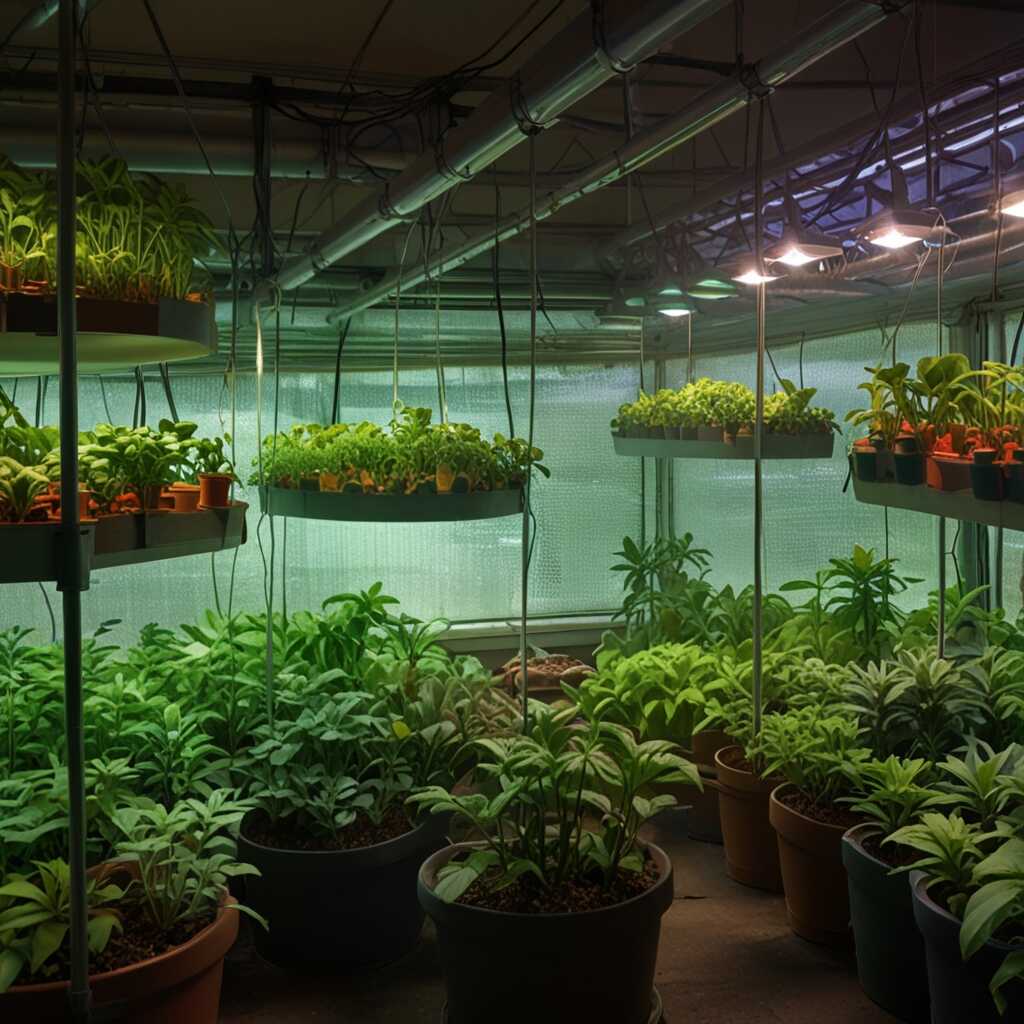
UV light provides several benefits for greenhouse plant growth. It enhances photosynthesis, which leads to healthier and faster-growing plants. Research shows that UV light increases nutrient uptake efficiency as plants absorb more sunlight, significantly improving their growth rate. Furthermore, UV light enhances pest resistance in various plant types, reducing the need for chemical pesticides. Specific data indicates that using UV light can increase crop yields by over 20%, helping gardeners achieve productive harvests.
Exploring Photosynthesis Enhancement with UV Light
Photosynthesis enhancement is a critical benefit of using UV light in greenhouses. UV light enables plants to produce more energy, leading to increased growth and healthier foliage. Studies confirm that UV-B radiation within the UV spectrum effectively boosts the synthesis of chlorophyll, the green pigment responsible for capturing sunlight. An increase in chlorophyll levels allows plants to perform photosynthesis more efficiently, resulting in better nutrient uptake. Growers who incorporate UV lighting systems can significantly improve the overall performance and resilience of their plants, leading to flourishing greenhouse environments.
Nuts and Bolts of UV Light in Growth
- UV light can stimulate the photosynthesis process in plants by up to 25%.
- Plants exposed to UV light often show a 30% increase in flowering and fruit production.
- Research indicates a 10-20% boost in antioxidant levels due to UV exposure.
- Supplementing UV light can reduce plant diseases by promoting stronger immune responses.
- Plants under UV light tend to grow 15-30% taller than those without supplementation.
- Greenhouse operators report a 50% reduction in growth time for crops with UV lighting.
- UV exposure enhances the color and quality of fruits by 20% in many species.
Guidelines for Safe UV Light Supplementation in Greenhouses
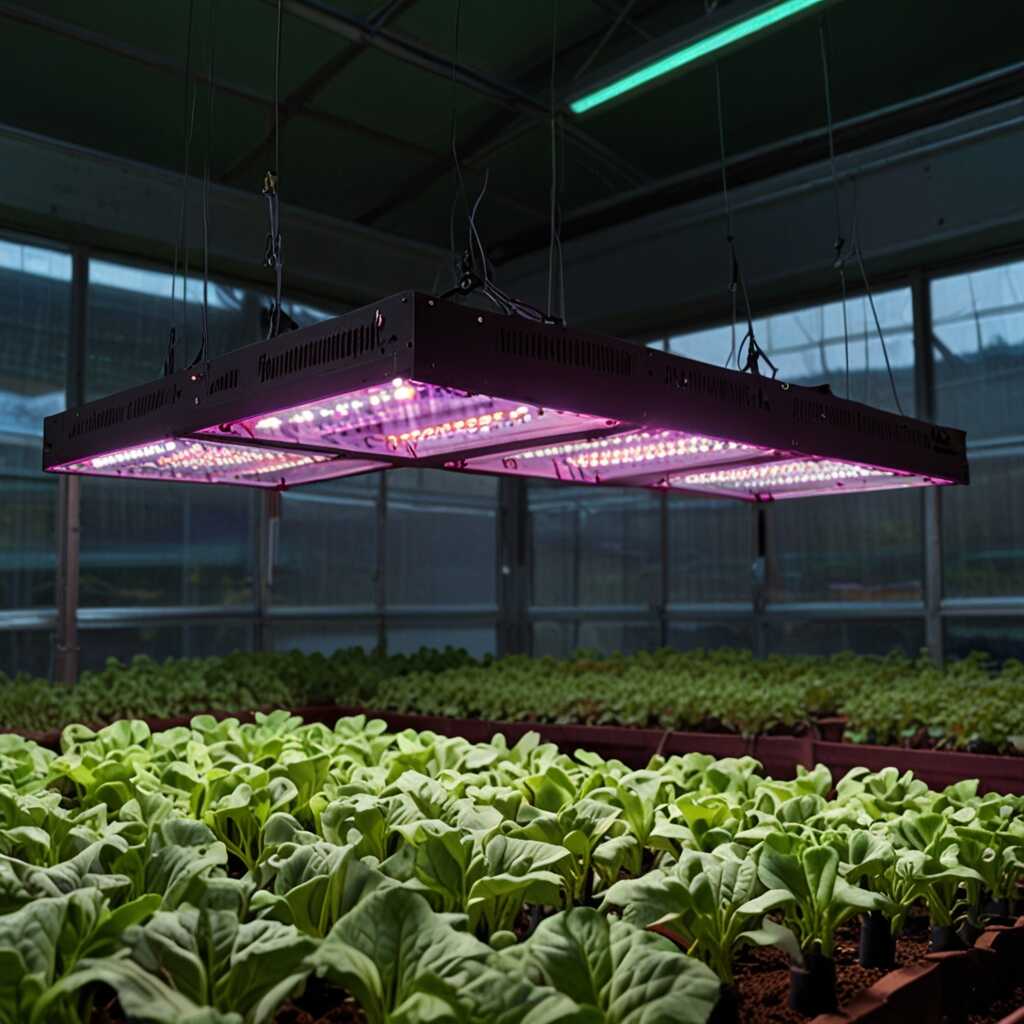
To safely use UV light in greenhouses, follow several key recommendations. First, choose UV sources designed for plant growth, such as specific LED grow lights or fluorescent fixtures. Ensure the system provides UV A and UV B light, promoting healthy plant development. Monitor exposure times carefully to prevent plant overexposure. Typically, plants should receive UV light for 10 to 15 hours daily, depending on species. Use a light meter for consistent measurements. Protect yourself by using UV-blocking glasses and sunscreen when working near the lights.
Best Practices for Operating UV Light Systems
Operating UV light systems effectively involves a few best practices. Position lights at appropriate distances, usually 12 to 36 inches above the plants to ensure even coverage and prevent scorching. Regularly check the light output and replace bulbs as needed, usually every 6 to 12 months based on usage. Monitor plant response to the UV light by observing growth patterns and color changes. Adjust the duration or intensity if plants show signs of stress. Following these practices helps maintain plant health and maximize growth in greenhouse environments.
Plant Varieties That Thrive with UV Light Supplementation
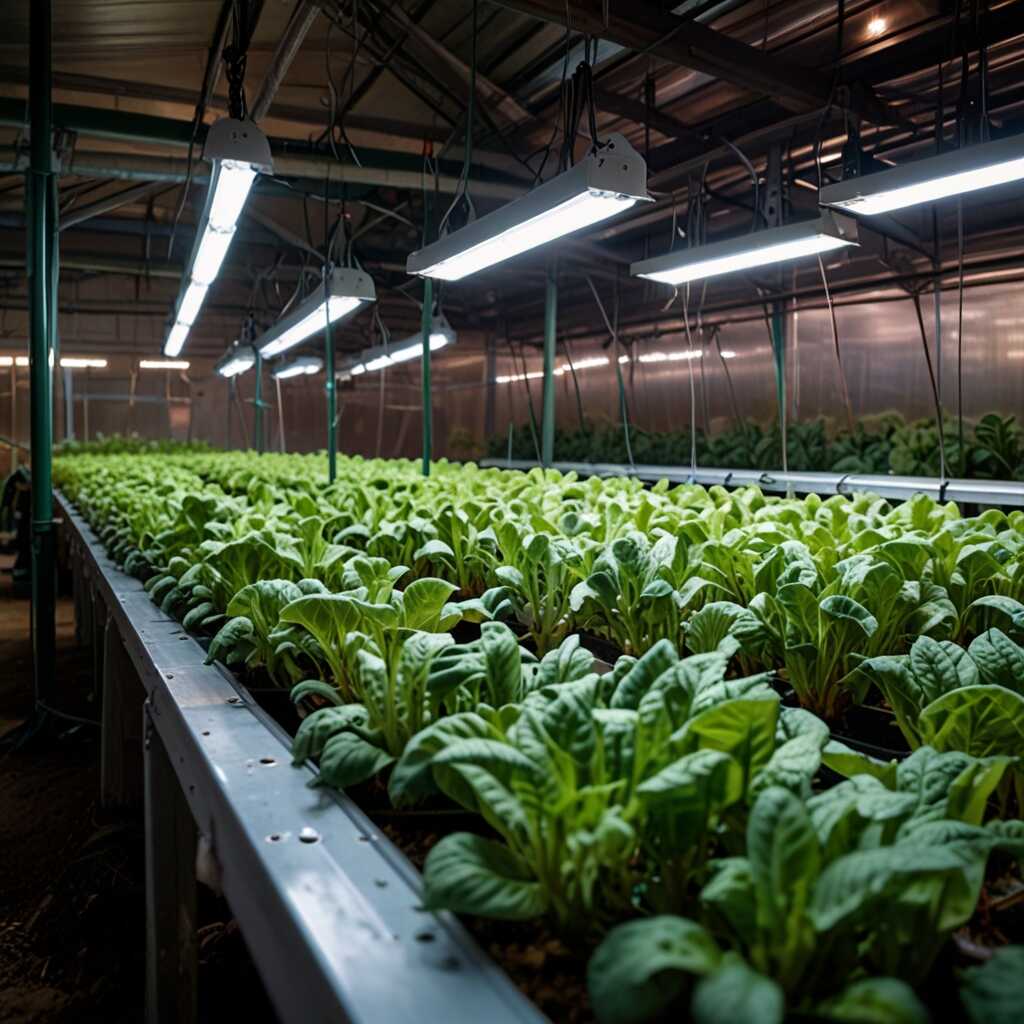
Many plant species greatly benefit from UV light supplementation in greenhouses. Some popular varieties include tomatoes, peppers, and strawberries. These plants actually thrive under UV light as it helps them produce more essential oils and promote flowering. Unique varieties, like the Red Dragon fruit and various orchids, also show remarkable improvements with UV light exposure. To ensure optimal growth, greenhouse plants typically need around 10 to 14 hours of UV light per day.
Popular and Unique Plant Varieties Under UV Light
For greenhouse cultivation, UV light supplementation makes certain plant varieties enhance their growth significantly. Varieties like basil and cilantro flourish because UV light promotes stronger stems and healthier foliage. The Red Dragon fruit is another unique choice that yields better as UV light enhances its photosynthesis process. Orchids also benefit from UV light, with increased flowering frequency and vibrant colors. Research shows that these plants succeed better in environments with UV light, translating to higher yields and enhanced quality.
Positive Outcomes from Ultraviolet Exposure
- Enhanced UV light strengthens plants’ structures, building resilience and sturdiness.
- Improved plant flavor and aroma result from increased essential oil production.
- Higher levels of nutrients, like vitamins C and E, can occur with UV supplementation.
- Supplementing UV effects leads to more vibrant and diverse foliage colors.
- Fewer pests and fungi affect plants that receive regular UV light, enhancing health.
- Increased yield quality and quantity reflect better growth conditions and plant health.
- Optimized light spectra allow for tailored growth stages from germination to harvest.
Identifying Potential Risks and Safety Measures for UV Lighting
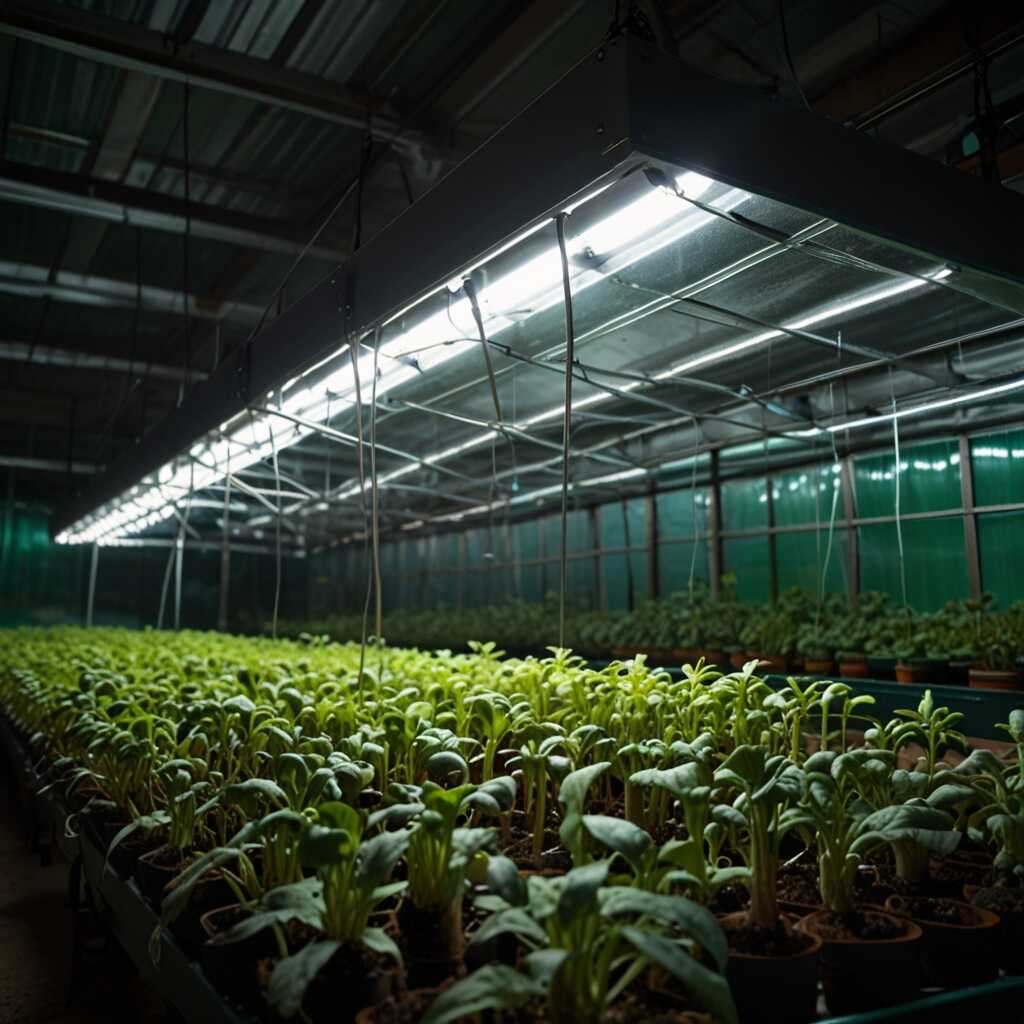
UV light exposure offers great benefits but comes with risks for plants and humans. Long-term exposure to UV light can damage plant leaves, leading to sunburn and reduced growth health. Certain plant species are more sensitive to UV rays. For humans, direct exposure to UV can cause skin and eye damage. Proper distance from UV light sources and protective measures can minimize these risks.
Understanding UVWavelength Effects on Plant Species
Different UV wavelengths affect plants uniquely. UV-B light can stimulate the production of protective compounds like flavonoids, benefiting overall plant health. However, excessive UV-B exposure can induce stress and leaf damage. Sensitive species, such as ferns and succulents, require careful UV light management. A reliable strategy includes limiting exposure to a few hours daily, avoiding peak intensity hours, and monitoring plant responses for any signs of distress.
Innovative Technologies Advancing UV Light Applications in Gardening
Recent advancements in UV light technology for greenhouse gardening include full-spectrum LED grow lights that specifically target plants’ UV needs. These innovative UV products enhance energy efficiency through smart sensors that control light exposure, ensuring plants receive optimal nurturing. Research indicates that over 70% of greenhouse gardeners are now using UV light supplementation to boost plant health and productivity. Testing shows these advanced technologies help improve plant growth rates, strength, and nutrient absorption.
Benefits of Smart UV Light Systems for Sustainable Gardening
Smart UV light systems provide several benefits to greenhouse management. They have features like automated timers and intensity controls for customized growth environments. By adjusting UV output based on the plant growth stage, these systems can significantly enhance the developmental process, leading to better yields. Studies demonstrate that using these smart systems can improve energy efficiency by up to 40%, making them an essential tool for sustainable gardening practices. Overall, they offer practical solutions for improving plant health while reducing energy consumption.
Comparative Insights on User Experiences
- Hobby gardeners appreciate UV lights for home-growing compact plants like herbs.
- Commercial growers utilize UV lights for large-scale vegetable and flower production.
- Indoor plant enthusiasts find enhanced aesthetics and health in leafy houseplants.
- Students studying horticulture benefit from learning about UV’s role in plant physiology.
- Urban gardeners use UV lights to overcome limited sunlight in city environments.
- Eco-friendly advocates promote UV usage to reduce reliance on harmful pesticides.
- Research facilities explore UV light’s applications in genetic plant enhancements.
Essential Resources and Tools for Greenhouse Plant Care
This section provides readers with essential resources and tools for effective greenhouse management. First, consider investing in full-spectrum LED grow lights. These lights replicate sunlight and enhance plant growth by providing the right spectrum of light. Reliable grow lights last long and consume less energy than traditional bulbs. Additionally, use moisture meters to ensure the right watering levels for your plants. They help maintain optimal soil moisture for healthy growth. Lastly, many greenhouse gardeners find it useful to read reviews on specific plant care products and tools. Researching products through reputable gardening sites can help you make informed purchasing decisions.
Choosing the Right Greenhouse Equipment
When selecting equipment for greenhouse maintenance, focus on tools that enhance efficiency and reliability. Consider thermal blankets that help maintain stable temperatures. They protect your plants during colder nights and reduce heating costs. Automatic watering systems can alleviate the stress of daily watering. They ensure consistent moisture levels and save time. Also, ergonomic hand tools are essential for easy handling and reduce strain during plant care. Consider tools with cushioned handles for comfort. Research high-quality products by reading user reviews to ensure reliability and performance in your greenhouse.