
Maximize propagation success with effective grow light strategies by understanding how to properly utilize grow lights. Properly implemented lighting techniques can significantly improve the health and growth of your plant cuttings. At Green Writer, we provide invaluable insights into using LED grow lights and full spectrum plant lights for thriving indoor gardening. Our focus on eco-friendly practices ensures that your plant propagation journey benefits both your home and the environment.
Understanding Grow Lights and Their Role in Plant Propagation
Grow lights simulate natural sunlight. They are crucial for plant propagation, especially in greenhouses. Different types include LED, fluorescent, and high-intensity discharge (HID) lights. LED grow lights are popular due to their energy efficiency and durability. They use less electricity and last longer than traditional bulbs. Fluorescent lights are less intense and suitable for seedlings. HID lights offer high output but consume more energy. For optimal plant growth, you should use grow lights for 12 to 16 hours a day. This duration mimics natural sunlight exposure, enhancing plant health and growth rates.
Choosing the Right Grow Light Type for Your Greenhouse
Selecting the right grow light type enhances plant propagation success. LED lights are ideal for most stages of growth due to their full spectrum capabilities. They provide the necessary wavelengths for photosynthesis, making them a popular choice. Fluorescent lights are excellent for seedlings and young plants, providing gentle lighting. HID lights are powerful and can produce significant heat, making them suitable for larger plants, but they need ventilation. Always consider the energy efficiency of your lights to reduce costs. Research the best features for your plants to ensure they receive the proper light intensity and duration.
How to Choose the Best Grow Light for Your Greenhouse Setup
When selecting grow lights for greenhouse propagation, focus on essential factors like light type, spectrum quality, and energy efficiency. LED grow lights are popular due to their low energy consumption and long lifespan, often exceeding 50,000 hours. Full-spectrum lights offer wavelengths that support all growth stages, from rooting to flowering, ensuring reliable growth. Brands like Philips and Mars Hydro provide lights that have received good reviews for their performance and durability. Always consider how much light output in lumens your plants require; typically, around 2,000 to 3,000 lumens per square foot is recommended for effective propagation.
Understanding Light Spectrum Needs for Different Plants
Different plants have unique light spectrum needs that can influence their growth during propagation. For example, blue light (400-500 nm) is critical for vegetative stages, while red light (600-700 nm) encourages flowering and fruiting. Using grow lights that deliver a balanced full spectrum can significantly enhance your greenhouse’s propagation success. Look for lights that specify their spectrum quality, ensuring they cover critical wavelengths that help plants thrive. Research reliable products that provide this flexibility, allowing for adjustments as your plants develop. Effective lighting will lead to better results and healthier plants in your greenhouse.
Strategically Placing Grow Lights for Maximum Effectiveness
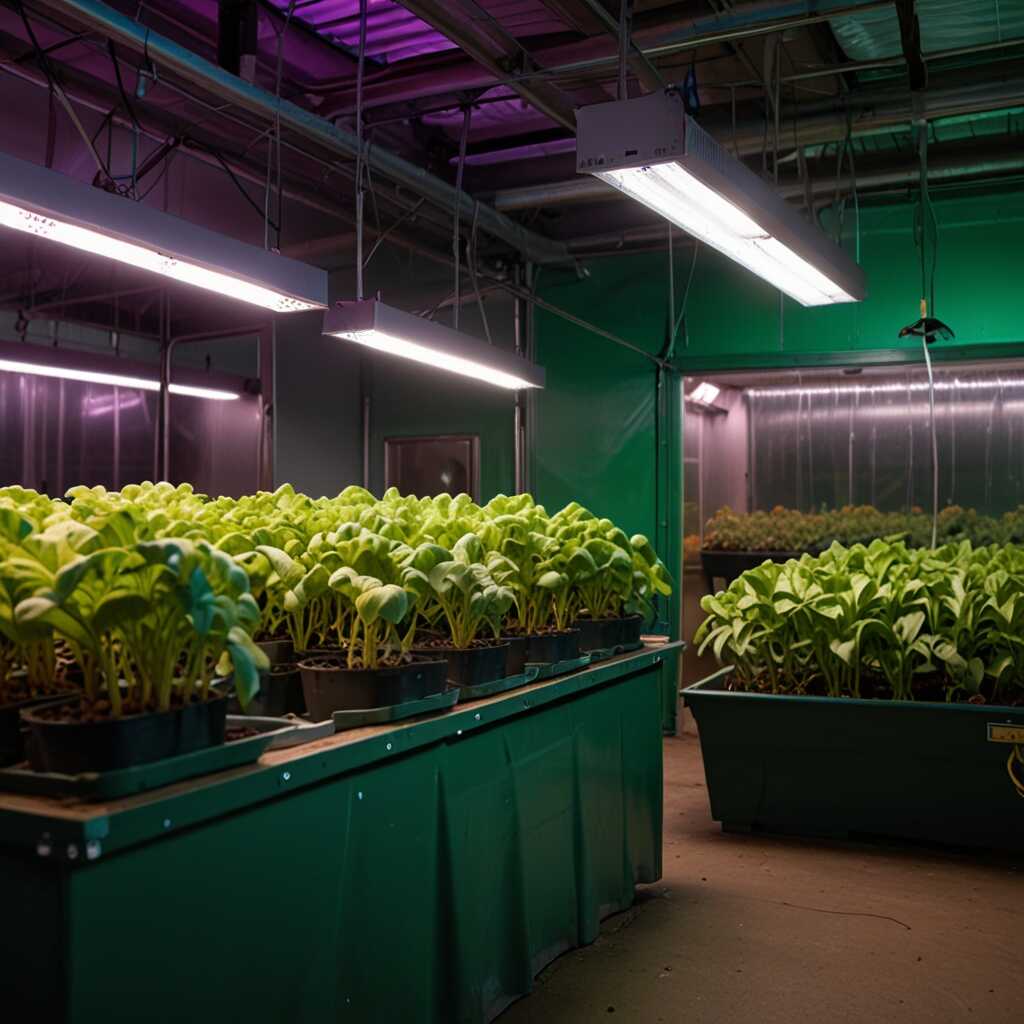
To maximize the effectiveness of grow lights, position them so they evenly illuminate all plant cuttings. Grow light positioning directly influences growth. Keep in mind the type of plants you are growing. Some plants require more light than others. Position lights at the right height to ensure adequate coverage. For most species, placing the lights about 12 to 24 inches above the plants works well. This distance helps achieve optimal light intensity without causing heat stress. You can adjust the distance based on individual plant needs. Regularly rotate your plants as they grow. This method helps to ensure all sides receive equal light, enhancing overall growth and health.
Adjusting Light Intensity Based on Plant Growth Stage
As plants grow, their light needs will change. Seedlings generally require less intense light compared to fully established plants. For seedlings, position your grow lights at a greater distance to prevent light burn. When moving to the vegetative stage, lower the lights to enhance growth. An ideal height is 12 inches for young plants and 18-24 inches for fully grown ones. Monitor the plants regularly. If you notice signs of stretching, the lights may be too far away. If leaves turn yellow, the lights might be too close. Adjusting your light intensity based on these signs improves overall growing success.
Interesting Figures Regarding Grow Light Usage
- Plants under grow lights can grow up to 50% faster compared to those receiving natural light alone.
- LED grow lights save 75% more energy than traditional incandescent bulbs.
- Optimal light duration for most cuttings is around 12-16 hours daily.
- Effective grow lights often have a lifespan exceeding 50,000 hours.
- Full spectrum lights can support plant growth in all stages, from cuttings to maturity.
- Plants thrive best with light intensities ranging from 100 to 250 µmol/m²/s.
- Using grow lights can reduce propagation failures by up to 30% with proper care.
Finding the Perfect Light Duration for Healthy Plant Growth
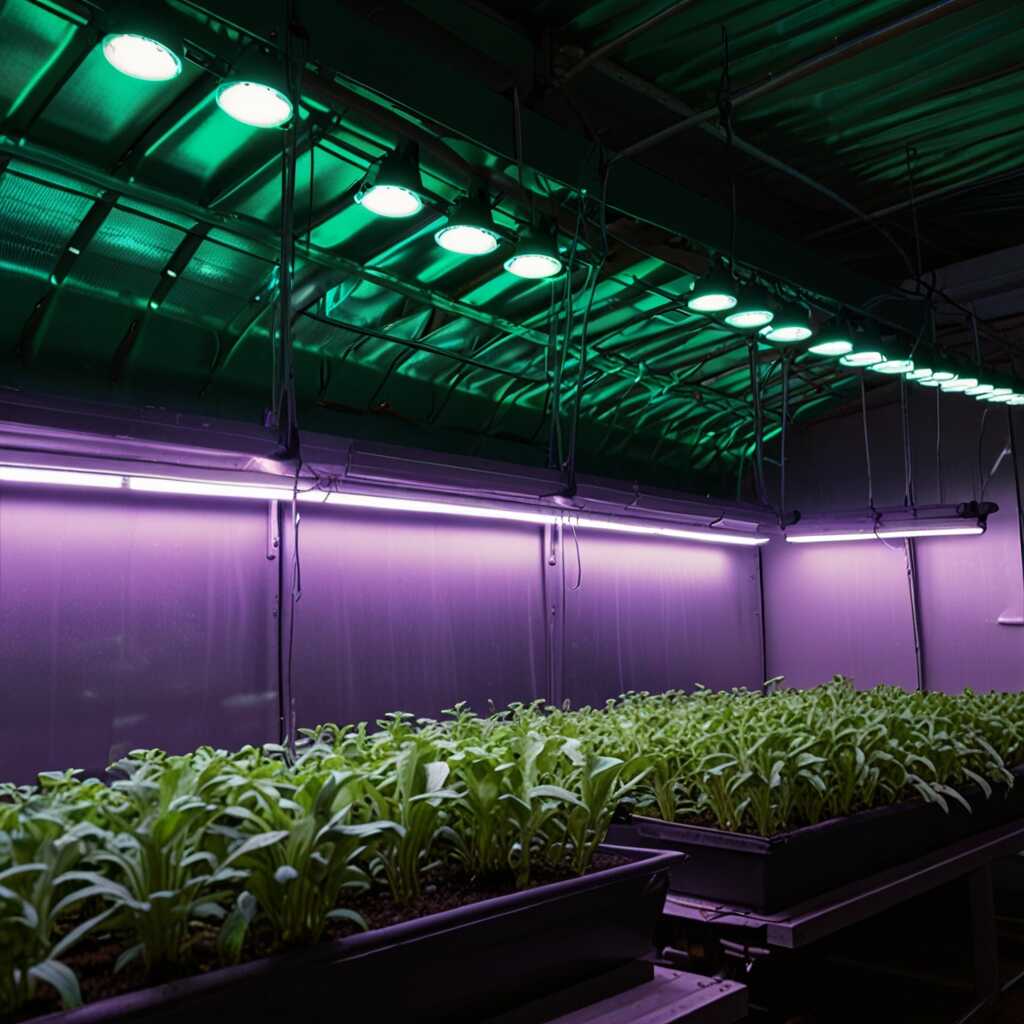
Understanding light duration is essential for the successful propagation of plant cuttings. Light duration influences how effectively cuttings develop roots and grow foliage. Most plant cuttings require about 12 to 16 hours of light daily for optimal growth. Factors such as the type of plant and the grow light used will also affect these needs. For instance, pothos and peace lilies thrive well under full spectrum LED lights, which emit various wavelengths supporting photosynthesis. Using grow lights efficiently can help manage energy consumption, ensuring your gardening hobby remains sustainable and cost-effective.
Creating an Ideal Lighting Schedule for Different Plants
When developing a lighting schedule, consider the specific needs of each plant type. Pothos typically does well with 14 hours of light, while snake plants are more adaptable, thriving on 10 to 12 hours. Peace lilies benefit from indirect light and generally prefer shorter exposure times of around 12 hours. By observing your plants regularly, you can adjust the schedule to enhance their growth. Reliable timers connected to your grow lights ensure consistency, providing a steady light duration that improves results while being energy-efficient. This strategy not only meets the plants’ needs but also aligns with sustainable practices endorsed by Green Writer.
Key Features to Consider When Selecting Quality Grow Lights
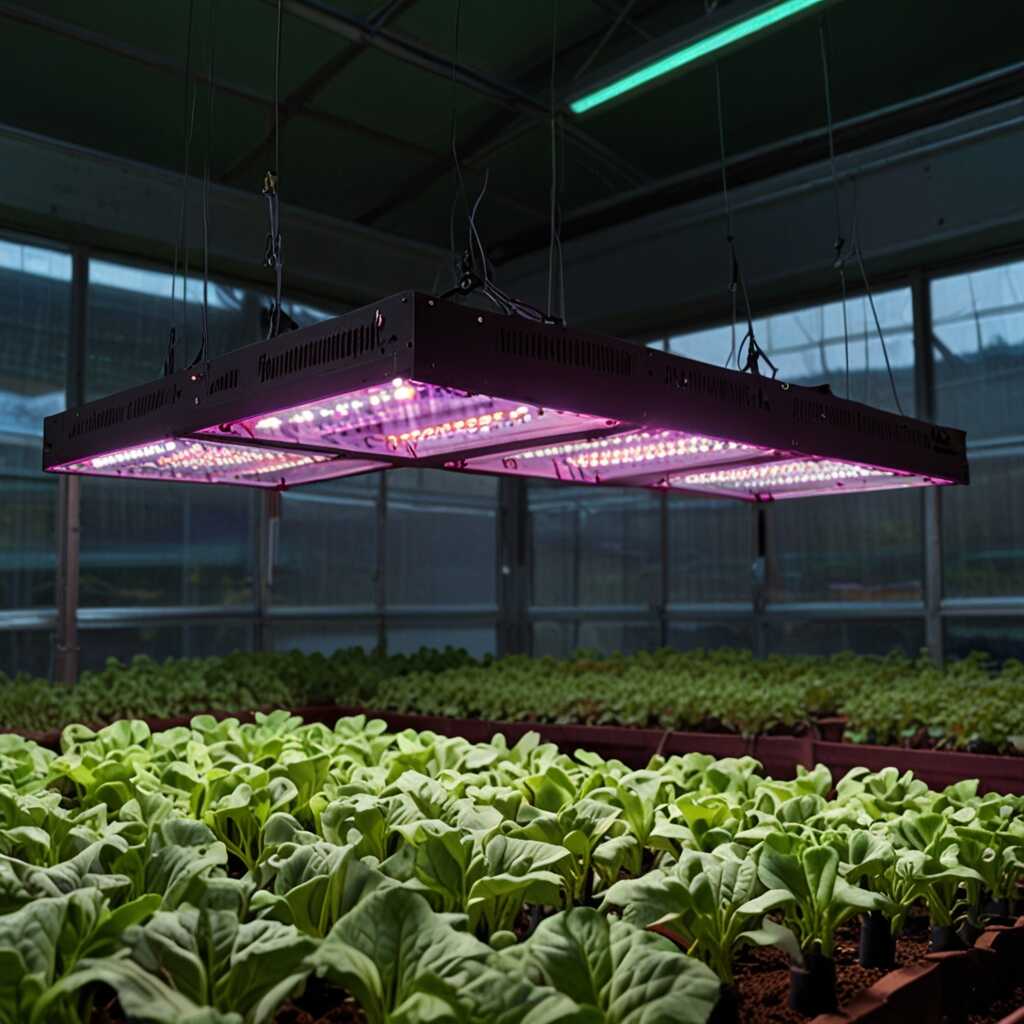
When selecting grow lights for plant propagation, consider factors like LED efficiency, light spectrum range, and wavelength compatibility. LED grow light efficiency matters as it reflects how much light the bulbs produce per watt consumed. Choose lights that provide quality output while using less power. The light spectrum range should cover full spectrum, supporting different growth stages. Wavelength compatibility is crucial; plants like blue light for vegetative growth and red light for flowering. Researching brands through reviews helps ensure you pick lights that deliver excellent results.
Understanding Light Spectrum for Optimal Plant Growth
The light spectrum is essential for ensuring healthy plant growth. Quality LED grow lights should provide a full spectrum, which includes ultraviolet, visible, and infrared light. The ideal setup includes blue light (400-500 nm) for vegetative growth and red light (600-700 nm) for flowering. Some advanced models allow users to adjust the spectrum according to plant needs. This adaptability enhances plant health and productivity. Selecting lights with this capability offers a significant advantage for effective plant propagation.
Advantages of Proper Lighting for Plants
- Grow lights mimic natural sunlight, boosting photosynthesis and growth processes.
- Effective grow light strategies help control the indoor environment for optimal growth.
- They enable year-round propagation, regardless of seasonal changes outdoors.
- Well-placed grow lights support healthy root development in plant cuttings.
- Using them can enhance color and overall appearance of plants.
- They allow flexibility in placement, giving you control over the growing conditions.
- Effective grow light systems are energy-efficient, reducing your carbon footprint.
Avoiding Common Mistakes with Grow Light Usage
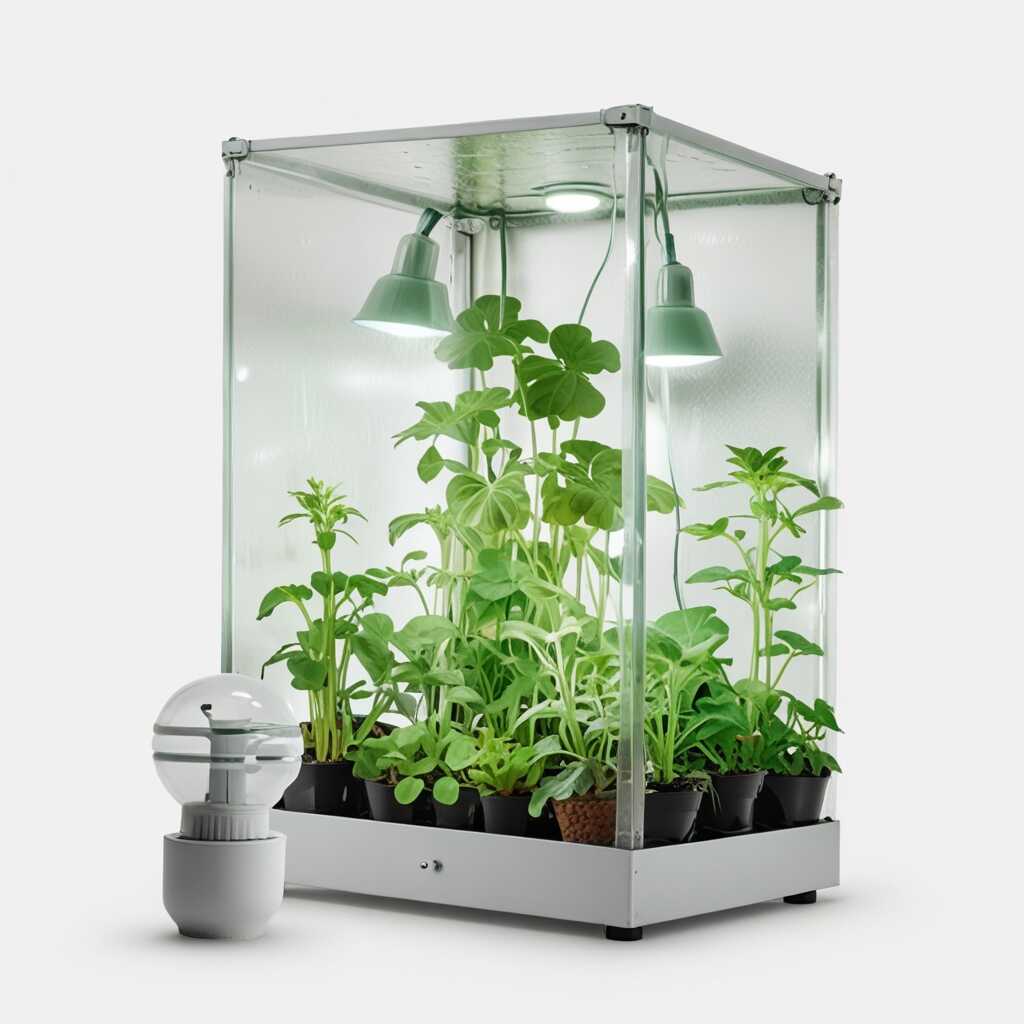
Many gardeners make critical mistakes with their grow light setups. One common error is using the wrong type of grow light. Not all lights provide the same spectrum, which can impact plant growth. Another mistake is positioning the grow lights too far or too close to the plants. This can lead to inadequate light exposure or even light burn. Understanding the light spectrum and its effects on plants is essential for healthy growth. Keeping grow lights at the proper distance not only enhances efficiency but also fosters plant health. Regularly testing your setup can help identify these mistakes early on.
Determining the Best Type of Grow Light for Your Plants
Selecting the best type of grow light for your indoor garden is crucial. LED grow lights are among the most reliable options available today. They provide a full spectrum of light that supports various plant growth stages. Research shows that plants exposed to the right light spectrum experience improved growth and health. When choosing a light, consider its energy efficiency and durability. High-quality LEDs can last over 50,000 hours while consuming less energy than traditional lights. They are designed to deliver optimal performance without excessive heat, ensuring a comfortable environment for plants. Always review your grow lights’ features to ensure they meet your gardening needs.
Assessing Plant Health and Adjusting Grow Light Conditions
Monitoring plant health involves checking for light stress signs, like yellow leaves or stunted growth. Healthy plants maintain vibrant colors and robust leaves. If you notice dull foliage, wilting, or leaf drop, the light conditions may need adjustment. Begin by adjusting the height of your grow light; a distance of 12 to 24 inches is often optimal for most plants. Assessing light levels should also involve regular testing of plant responses to varied light intensities, helping confirm if the conditions enhance propagation outcomes.
Identifying Light Stress Signs in Plants
Identifying light stress signs is essential for successful propagation. Leaves may turn yellow or become scorched at the edges due to excessive light. Conversely, inadequate light can lead to leggy growth, where plants stretch towards the light source. Regularly reviewing these signs helps maintain reliable light conditions. Adjusting grow light settings based on plant feedback enables you to optimize growth. Tracking results can enhance your propagation outcomes significantly.
Brands and Their Impact on Plant Cultivation
- Popular brands like Mars Hydro offer full-spectrum lights that are energy-efficient.
- Viparspectra’s grow lights are cost-effective but may lack some special features.
- Fluence Bioengineering specializes in commercial solutions for large-scale growers.
- Grow Light Depot serves hobbyists with a variety of options for small setups.
- GE Grow Lights are reliable for home users focusing on easy maintenance.
- SunBlaster provides specific lights designed for seed starting and propagation.
- Home gardeners appreciate simplicity in setup and usability from top brands.
Combining Grow Lights with Eco-Friendly Gardening Strategies
Grow lights can significantly support sustainable gardening practices in a greenhouse by enhancing photosynthesis and promoting healthy plant growth. Combining grow lights with eco-friendly gardening techniques, such as organic soil amendments and water conservation strategies, fosters strong plant development. Techniques like companion planting and vertical gardening maximize space and resources, creating a harmonious environment. LED grow lights offer energy-saving solutions that reduce electricity consumption by up to 80% compared to traditional lighting. This efficiency not only cuts costs but also decreases the carbon footprint associated with indoor gardening.
Integrating Companion Planting with Grow Lights
Companion planting enhances the effectiveness of grow lights by allowing plants to thrive together based on their mutual benefits. For example, planting basil alongside tomatoes improves growth, while providing natural pest control. When using grow lights, place plants like these in proximity to maximize light absorption. This approach leads to better yields while ensuring plants receive adequate light from full spectrum LED grow lights. Implementing this technique is proven to increase productivity and improve the quality of your harvest. Combining these methods with smart watering practices results in a sustainable garden that thrives under artificial lighting.