
Red to blue light ratios refer to the proportion of red wavelengths (620-700nm) versus blue wavelengths (400-500nm) in grow lights. Optimal ratios typically range from 3:1 to 5:1 red-to-blue for most vegetables, with adjustments needed during different growth phases. Seedlings thrive with 1:1 ratios while flowering plants need 4:1 ratios.
Understanding How Red and Blue Light Wavelengths Affect Vegetable Development
Red and blue light wavelengths serve distinct functions in vegetable growth processes. Red light (620-700nm) primarily drives photosynthesis and promotes stem elongation, flowering, and fruit development in tomatoes, peppers, and cucumbers. Blue light (400-500nm) regulates leaf formation, compact growth, and chlorophyll production, making it essential for leafy greens like lettuce and spinach. The ratio between these wavelengths determines plant behavior – higher red ratios encourage vertical growth and flowering, while higher blue ratios create bushier, more compact plants with denser foliage.
What Benefits Come from Adjusting Light Ratios Properly
Properly adjusted red to blue light ratios deliver multiple benefits for indoor vegetable gardens. Plants receiving optimal ratios typically show increased growth rates, improved leaf quality, and enhanced fruit production compared to fixed-spectrum lighting. Leafy greens grown under balanced ratios develop thicker, more nutritious leaves with better texture. Fruiting vegetables like tomatoes produce more flowers and set fruit more reliably when ratios shift from vegetative (1:1) to flowering (4:1) phases. Energy efficiency also improves since plants use light more effectively, reducing electricity costs while maximizing yields per square foot of growing space.
How Red Light Specifically Supports Vegetative Growth Processes
Red light drives the photosynthetic processes that fuel vegetative growth in indoor vegetables. This wavelength range activates photosystem I and II, enabling efficient energy conversion that supports rapid cell division and stem elongation. Tomatoes require approximately 60-70% red light during vegetative phases to develop strong stems and healthy root systems. Lettuce responds well to 50-60% red light, which promotes leaf expansion without excessive stretching. The 660nm wavelength within the red spectrum proves most effective for chlorophyll activation, making it crucial for establishing robust plant foundations before flowering begins.
Understanding Red Light Requirements for Different Vegetable Types
Different vegetable categories require specific red light percentages for optimal vegetative development. Fruiting vegetables like tomatoes, peppers, and eggplants thrive with 65-70% red light during their vegetative phase, supporting strong stem development needed to carry future fruit loads. Leafy greens including lettuce, spinach, and kale perform best with 50-60% red light, preventing excessive stretching while maintaining tender leaf texture. Root vegetables such as radishes and carrots benefit from 55-65% red light ratios, promoting both leaf growth and root development. Understanding these specific requirements allows growers to optimize performance analysis for their lighting setups.
How Blue Light Regulates Flowering and Compact Growth
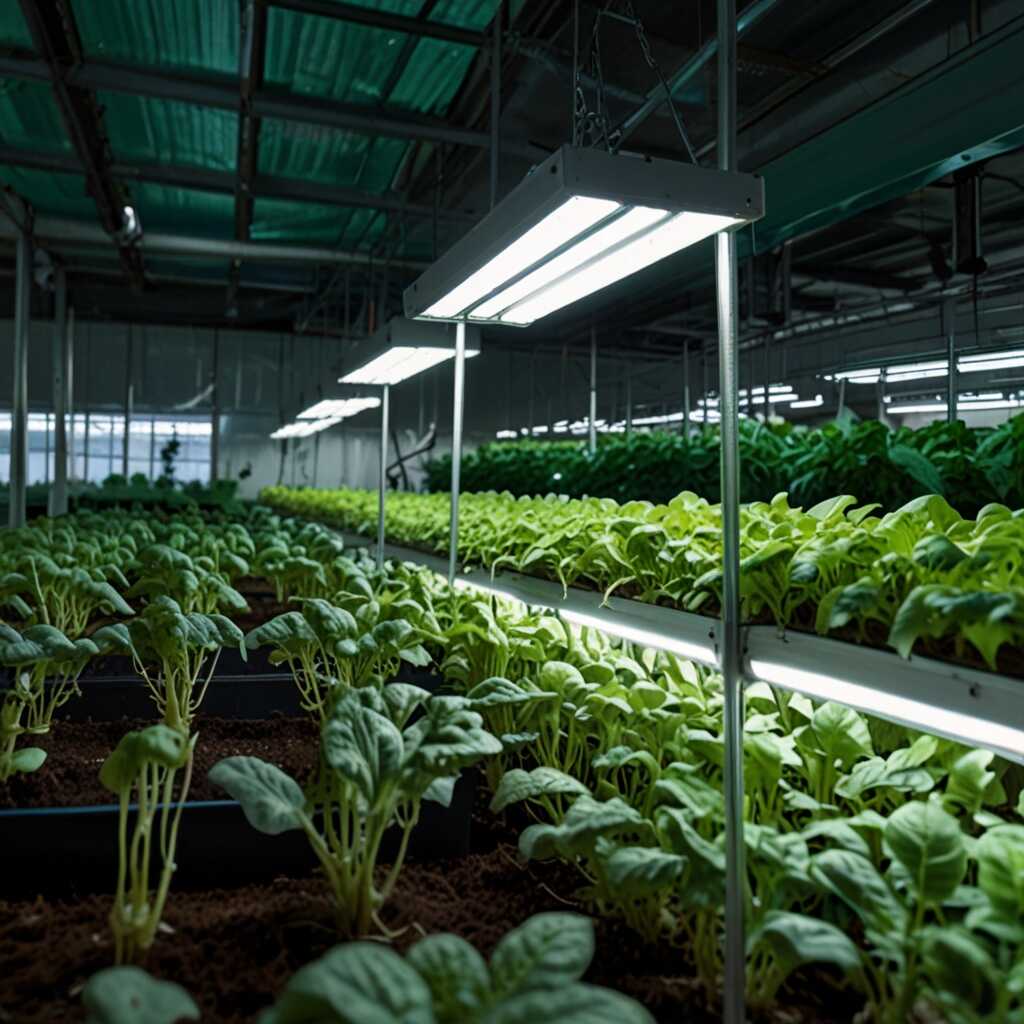
Blue light serves as a critical regulatory signal for flowering initiation and plant morphology in vegetables. This wavelength range (400-500nm) triggers photoreceptors that control stem length, leaf thickness, and flowering timing. Vegetables receiving adequate blue light develop shorter internodes, thicker stems, and more compact growth habits that support heavier fruit loads. The 450nm wavelength proves particularly effective for preventing stretching in seedlings and maintaining sturdy plant architecture. Blue light ratios of 20-25% during vegetative growth and 15-20% during flowering typically produce the most desirable plant structure for indoor cultivation.
What Happens When Blue Light Levels Are Insufficient
Insufficient blue light creates several problems that reduce vegetable quality and yields. Plants grown with inadequate blue light ratios develop weak, elongated stems that struggle to support fruit weight, leading to lodging and reduced harvests. Leaves become thin and pale, with reduced chlorophyll content that limits photosynthetic capacity. Flowering may be delayed or irregular, particularly in day-neutral vegetables like tomatoes and peppers. Root development often suffers as plants allocate energy to excessive stem elongation rather than establishing strong foundation systems. These issues emphasize why maintaining proper red to blue light ratios helps prevent common growing problems.
Key Light Ratio Guidelines for Vegetable Growth
- Seedling stage requires 1:1 red to blue ratios for balanced development.
- Vegetative phase benefits from 3:1 red to blue ratios for strong growth.
- Flowering stage needs 4:1 to 5:1 red to blue ratios for fruit production.
- Leafy greens thrive with consistent 2:1 red to blue ratios throughout growth.
- Light intensity should range from 200-400 μmol/m²/s for most vegetables.
- Daily light periods of 14-16 hours optimize growth in most vegetable crops.
- Blue light percentages below 15% often cause stretching and weak stems.
Finding Optimal Red to Blue Light Ratios for Common Vegetables
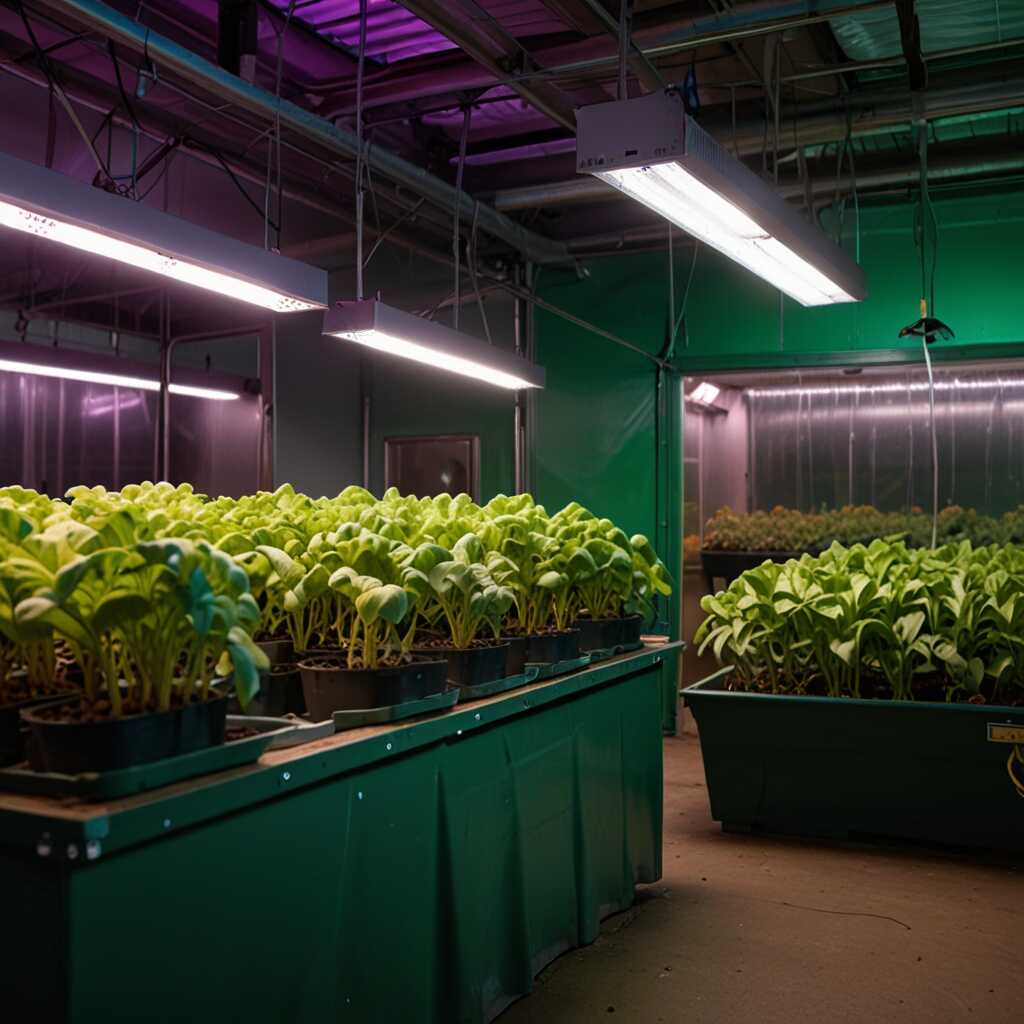
Optimal red to blue light ratios vary significantly between vegetable types and growth stages. Leafy greens like lettuce and spinach perform best with 2:1 red to blue ratios throughout their growth cycle, maintaining tender leaves and preventing bitter flavors. Fruiting vegetables require more complex adjustments – tomatoes and peppers need 1:1 ratios during seedling stage, 3:1 during vegetative growth, and 4:1 during flowering and fruiting. Herbs such as basil and cilantro thrive with 2.5:1 ratios, balancing leaf production with essential oil development that affects flavor intensity.
When to Adjust Light Ratios During Plant Development
Timing light ratio adjustments correctly maximizes vegetable growth potential and prevents development problems. Begin with 1:1 red to blue ratios for the first 2-3 weeks after germination, supporting balanced root and shoot development. Transition to 3:1 ratios when plants reach 4-6 inches tall and begin rapid vegetative growth, typically 3-4 weeks after germination. Shift to 4:1 or 5:1 ratios when flower buds first appear, usually 6-8 weeks after germination for most fruiting vegetables. Monitor plants daily during transitions, as stress symptoms may indicate the need for gradual ratio changes rather than sudden shifts.
Adapting Light Strategies for Specific Vegetable Varieties
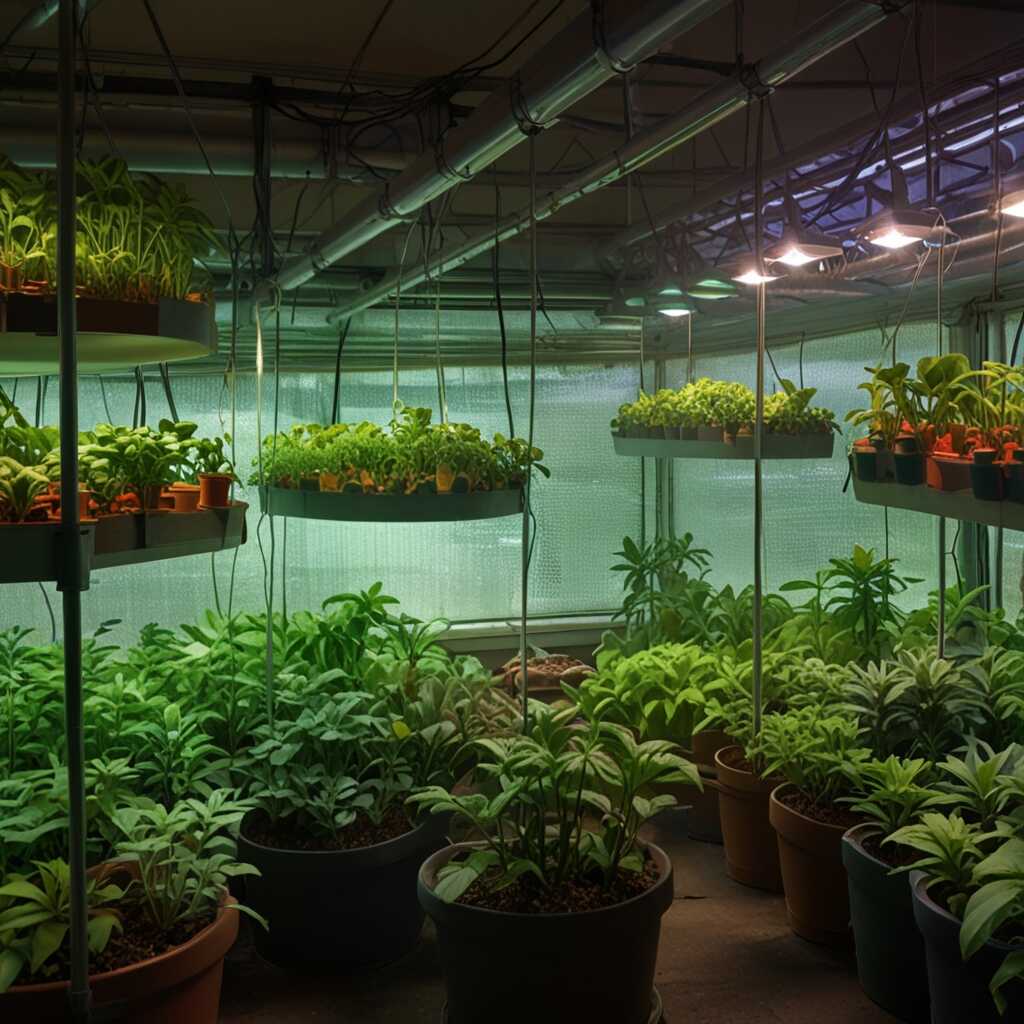
Different vegetable families require customized light ratio strategies based on their evolutionary adaptations and growth habits. Solanaceae vegetables (tomatoes, peppers, eggplants) evolved in bright, full-spectrum environments and respond well to higher red ratios during flowering, typically 4:1 to 5:1. Brassicas (cabbage, broccoli, kale) prefer more balanced ratios around 2.5:1 throughout growth, preventing premature bolting while maintaining leaf quality. Legumes such as peas and beans benefit from moderate 3:1 ratios that support both vegetative growth and nitrogen fixation processes.
Understanding Growth Phase Transitions and Light Requirements
Successful vegetable production depends on recognizing growth phase transitions and adjusting light ratios accordingly. The vegetative phase focuses on establishing plant infrastructure through leaf and stem development, requiring moderate red ratios around 3:1 to support photosynthesis without triggering premature flowering. The transition phase, occurring when plants reach 70-80% of mature size, benefits from gradually increasing red ratios to 3.5:1 or 4:1. The reproductive phase demands higher red ratios of 4:1 to 5:1, channeling plant energy toward flower and fruit development rather than continued vegetative growth.
Light Ratio Adjustment Benefits for Indoor Gardens
- Proper ratios increase harvest yields by 25-40% compared to fixed spectrums.
- Adjusted lighting improves fruit quality and flavor development in vegetables.
- Optimized ratios reduce growing time by 1-2 weeks for most crops.
- Energy efficiency improves as plants utilize light more effectively.
- Plant health increases, reducing susceptibility to pests and diseases.
- Consistent production becomes possible regardless of seasonal changes.
- Space utilization improves through better plant architecture control.
Common Mistakes When Implementing Red to Blue Light Ratio Systems
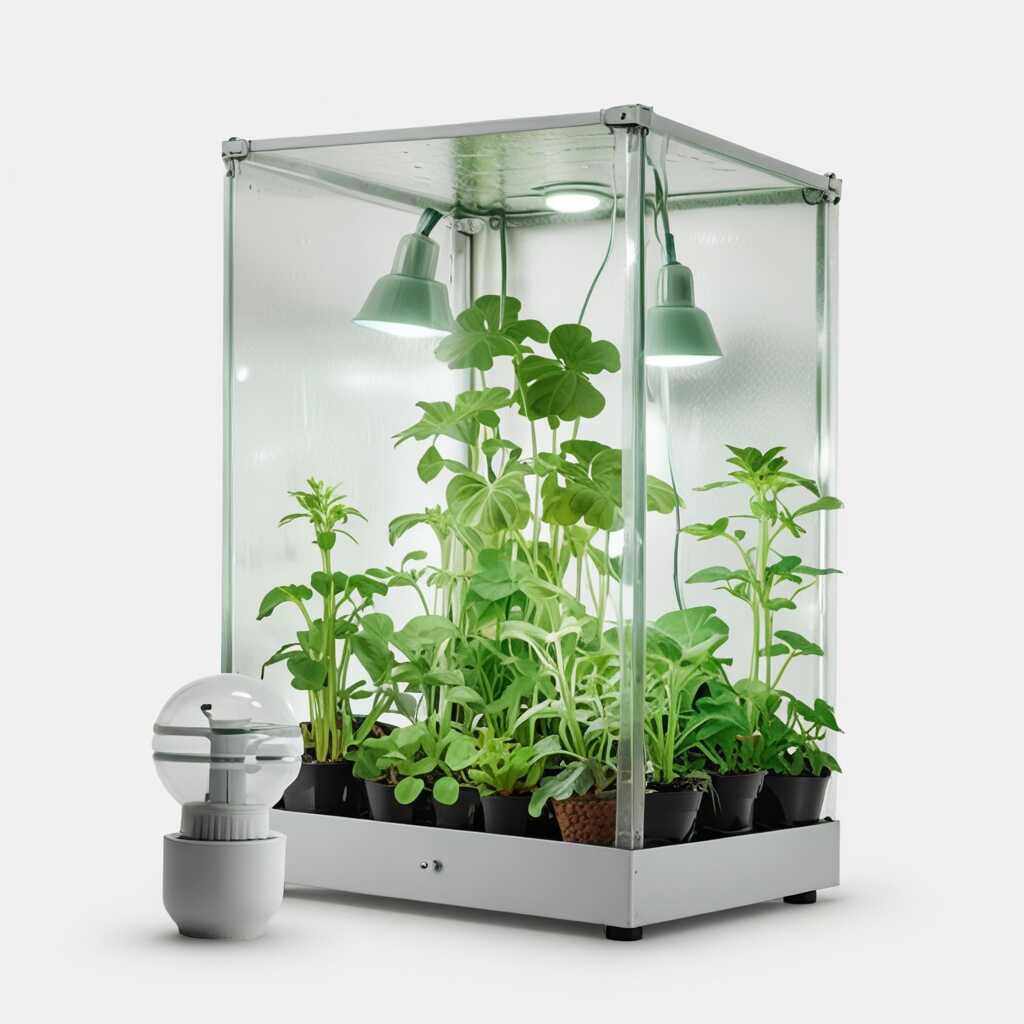
Many indoor gardeners make critical errors when implementing red to blue light ratio adjustments. The most common mistake involves using fixed ratios throughout the entire growing cycle instead of adjusting for growth phases, which limits plant potential and may cause stress. Another frequent error is changing ratios too abruptly, shocking plants and causing temporary growth slowdowns or leaf drop. Some growers also neglect to consider individual plant responses, applying the same ratios to different vegetable types that have varying light requirements.
What Limitations Exist with Light Ratio Adjustment Systems
Several limitations affect the effectiveness of red to blue light ratio adjustment systems in indoor vegetable production. Fixed-spectrum LED panels cannot adjust ratios, requiring growers to purchase multiple light types or invest in programmable systems that cost significantly more. Environmental factors like temperature and humidity interact with light ratios, potentially requiring additional climate control adjustments that increase complexity and costs. Some heirloom vegetable varieties may not respond predictably to optimized ratios, having evolved under different light conditions than modern hybrids. Additionally, light spectrum analysis requires specialized equipment and knowledge that may challenge beginning growers.
How Smart Grow Light Technology Enables Precise Ratio Control
Smart grow light systems revolutionize red to blue light ratio management through automated controls and programmable settings. These advanced systems typically feature separate red and blue LED channels that adjust independently based on programmed schedules or sensor feedback. Quality smart lights offer ratio adjustments in 1% increments, allowing fine-tuning that matches specific vegetable requirements precisely. Many systems include smartphone apps that enable remote monitoring and adjustment, letting growers modify ratios based on plant observations without physically accessing the growing area.
Understanding Automated Light Scheduling for Growth Optimization
Automated light scheduling in smart grow systems optimizes vegetable growth by eliminating human error and ensuring consistent light delivery. These systems store growth profiles for different vegetable types, automatically transitioning ratios based on days after germination or user-defined growth milestones. Advanced models integrate environmental sensors that adjust ratios based on temperature, humidity, and plant stress indicators, creating truly responsive growing environments. The precision possible with automated systems often results in 15-25% better yields compared to manual ratio adjustments, while reducing labor requirements and improving consistency across multiple growing cycles.
Target Applications for Red to Blue Light Ratio Systems
- Home gardeners seeking maximum yields from limited indoor space.
- Commercial growers optimizing production efficiency and crop quality.
- Hydroponic operations requiring precise environmental control systems.
- Research facilities studying plant responses to specific light conditions.
- Educational institutions teaching modern agricultural technologies.
- Urban farms maximizing productivity in controlled environments.
- Greenhouse operations extending growing seasons and improving quality.
How to Assess Plant Response and Adjust Light Ratios Effectively
Assessing plant response to red to blue light ratios requires systematic observation and measurement techniques. Monitor leaf color, which should remain deep green without yellowing or purpling that indicates light stress. Measure internode length weekly – spacing between leaf nodes should remain consistent with variety characteristics, not stretched or compressed. Document flowering timing and fruit set rates, comparing results to expected performance under optimal conditions. Keep detailed records of growth rates, harvest weights, and quality indicators to identify successful ratio combinations for future crops.
Understanding Visual Indicators of Proper Light Ratio Balance
Visual indicators provide immediate feedback about red to blue light ratio effectiveness in vegetable production. Properly balanced ratios produce plants with sturdy, proportional stems that support leaves and fruit without staking requirements. Leaves should display vibrant green coloration with appropriate thickness for the variety, avoiding the pale, thin appearance associated with inadequate blue light. Flowering should occur predictably based on variety characteristics, with abundant, well-formed flowers that develop into quality fruit. Plants receiving optimal ratios maintain compact, bushy growth habits that maximize production per square foot while remaining easy to manage and harvest.
//—Red to blue light ratios refer to the proportion of red wavelengths (620-700nm) versus blue wavelengths (400-500nm) in grow lights. Optimal ratios typically range from 3:1 to 5:1 red-to-blue for most vegetables, with adjustments needed during different growth phases. Seedlings thrive with 1:1 ratios while flowering plants need 4:1 ratios.
Understanding How Red and Blue Light Wavelengths Affect Vegetable Development
Red and blue light wavelengths serve distinct functions in vegetable growth processes. Red light (620-700nm) primarily drives photosynthesis and promotes stem elongation, flowering, and fruit development in tomatoes, peppers, and cucumbers. Blue light (400-500nm) regulates leaf formation, compact growth, and chlorophyll production, making it essential for leafy greens like lettuce and spinach. The ratio between these wavelengths determines plant behavior – higher red ratios encourage vertical growth and flowering, while higher blue ratios create bushier, more compact plants with denser foliage.
What Benefits Come from Adjusting Light Ratios Properly
Properly adjusted red to blue light ratios deliver multiple benefits for indoor vegetable gardens. Plants receiving optimal ratios typically show increased growth rates, improved leaf quality, and enhanced fruit production compared to fixed-spectrum lighting. Leafy greens grown under balanced ratios develop thicker, more nutritious leaves with better texture. Fruiting vegetables like tomatoes produce more flowers and set fruit more reliably when ratios shift from vegetative (1:1) to flowering (4:1) phases. Energy efficiency also improves since plants use light more effectively, reducing electricity costs while maximizing yields per square foot of growing space.
How Red Light Specifically Supports Vegetative Growth Processes
Red light drives the photosynthetic processes that fuel vegetative growth in indoor vegetables. This wavelength range activates photosystem I and II, enabling efficient energy conversion that supports rapid cell division and stem elongation. Tomatoes require approximately 60-70% red light during vegetative phases to develop strong stems and healthy root systems. Lettuce responds well to 50-60% red light, which promotes leaf expansion without excessive stretching. The 660nm wavelength within the red spectrum proves most effective for chlorophyll activation, making it crucial for establishing robust plant foundations before flowering begins.
Understanding Red Light Requirements for Different Vegetable Types
Different vegetable categories require specific red light percentages for optimal vegetative development. Fruiting vegetables like tomatoes, peppers, and eggplants thrive with 65-70% red light during their vegetative phase, supporting strong stem development needed to carry future fruit loads. Leafy greens including lettuce, spinach, and kale perform best with 50-60% red light, preventing excessive stretching while maintaining tender leaf texture. Root vegetables such as radishes and carrots benefit from 55-65% red light ratios, promoting both leaf growth and root development. Understanding these specific requirements allows growers to optimize performance analysis for their lighting setups.
How Blue Light Regulates Flowering and Compact Growth
Blue light serves as a critical regulatory signal for flowering initiation and plant morphology in vegetables. This wavelength range (400-500nm) triggers photoreceptors that control stem length, leaf thickness, and flowering timing. Vegetables receiving adequate blue light develop shorter internodes, thicker stems, and more compact growth habits that support heavier fruit loads. The 450nm wavelength proves particularly effective for preventing stretching in seedlings and maintaining sturdy plant architecture. Blue light ratios of 20-25% during vegetative growth and 15-20% during flowering typically produce the most desirable plant structure for indoor cultivation.
What Happens When Blue Light Levels Are Insufficient
Insufficient blue light creates several problems that reduce vegetable quality and yields. Plants grown with inadequate blue light ratios develop weak, elongated stems that struggle to support fruit weight, leading to lodging and reduced harvests. Leaves become thin and pale, with reduced chlorophyll content that limits photosynthetic capacity. Flowering may be delayed or irregular, particularly in day-neutral vegetables like tomatoes and peppers. Root development often suffers as plants allocate energy to excessive stem elongation rather than establishing strong foundation systems. These issues emphasize why maintaining proper red to blue light ratios helps prevent common growing problems.
Key Light Ratio Guidelines for Vegetable Growth
- Seedling stage requires 1:1 red to blue ratios for balanced development.
- Vegetative phase benefits from 3:1 red to blue ratios for strong growth.
- Flowering stage needs 4:1 to 5:1 red to blue ratios for fruit production.
- Leafy greens thrive with consistent 2:1 red to blue ratios throughout growth.
- Light intensity should range from 200-400 μmol/m²/s for most vegetables.
- Daily light periods of 14-16 hours optimize growth in most vegetable crops.
- Blue light percentages below 15% often cause stretching and weak stems.
Finding Optimal Red to Blue Light Ratios for Common Vegetables
Optimal red to blue light ratios vary significantly between vegetable types and growth stages. Leafy greens like lettuce and spinach perform best with 2:1 red to blue ratios throughout their growth cycle, maintaining tender leaves and preventing bitter flavors. Fruiting vegetables require more complex adjustments – tomatoes and peppers need 1:1 ratios during seedling stage, 3:1 during vegetative growth, and 4:1 during flowering and fruiting. Herbs such as basil and cilantro thrive with 2.5:1 ratios, balancing leaf production with essential oil development that affects flavor intensity.
When to Adjust Light Ratios During Plant Development
Timing light ratio adjustments correctly maximizes vegetable growth potential and prevents development problems. Begin with 1:1 red to blue ratios for the first 2-3 weeks after germination, supporting balanced root and shoot development. Transition to 3:1 ratios when plants reach 4-6 inches tall and begin rapid vegetative growth, typically 3-4 weeks after germination. Shift to 4:1 or 5:1 ratios when flower buds first appear, usually 6-8 weeks after germination for most fruiting vegetables. Monitor plants daily during transitions, as stress symptoms may indicate the need for gradual ratio changes rather than sudden shifts.
Adapting Light Strategies for Specific Vegetable Varieties
Different vegetable families require customized light ratio strategies based on their evolutionary adaptations and growth habits. Solanaceae vegetables (tomatoes, peppers, eggplants) evolved in bright, full-spectrum environments and respond well to higher red ratios during flowering, typically 4:1 to 5:1. Brassicas (cabbage, broccoli, kale) prefer more balanced ratios around 2.5:1 throughout growth, preventing premature bolting while maintaining leaf quality. Legumes such as peas and beans benefit from moderate 3:1 ratios that support both vegetative growth and nitrogen fixation processes.
Understanding Growth Phase Transitions and Light Requirements
Successful vegetable production depends on recognizing growth phase transitions and adjusting light ratios accordingly. The vegetative phase focuses on establishing plant infrastructure through leaf and stem development, requiring moderate red ratios around 3:1 to support photosynthesis without triggering premature flowering. The transition phase, occurring when plants reach 70-80% of mature size, benefits from gradually increasing red ratios to 3.5:1 or 4:1. The reproductive phase demands higher red ratios of 4:1 to 5:1, channeling plant energy toward flower and fruit development rather than continued vegetative growth.
Light Ratio Adjustment Benefits for Indoor Gardens
- Proper ratios increase harvest yields by 25-40% compared to fixed spectrums.
- Adjusted lighting improves fruit quality and flavor development in vegetables.
- Optimized ratios reduce growing time by 1-2 weeks for most crops.
- Energy efficiency improves as plants utilize light more effectively.
- Plant health increases, reducing susceptibility to pests and diseases.
- Consistent production becomes possible regardless of seasonal changes.
- Space utilization improves through better plant architecture control.
Common Mistakes When Implementing Red to Blue Light Ratio Systems
Many indoor gardeners make critical errors when implementing red to blue light ratio adjustments. The most common mistake involves using fixed ratios throughout the entire growing cycle instead of adjusting for growth phases, which limits plant potential and may cause stress. Another frequent error is changing ratios too abruptly, shocking plants and causing temporary growth slowdowns or leaf drop. Some growers also neglect to consider individual plant responses, applying the same ratios to different vegetable types that have varying light requirements.
What Limitations Exist with Light Ratio Adjustment Systems
Several limitations affect the effectiveness of red to blue light ratio adjustment systems in indoor vegetable production. Fixed-spectrum LED panels cannot adjust ratios, requiring growers to purchase multiple light types or invest in programmable systems that cost significantly more. Environmental factors like temperature and humidity interact with light ratios, potentially requiring additional climate control adjustments that increase complexity and costs. Some heirloom vegetable varieties may not respond predictably to optimized ratios, having evolved under different light conditions than modern hybrids. Additionally, light spectrum analysis requires specialized equipment and knowledge that may challenge beginning growers.
How Smart Grow Light Technology Enables Precise Ratio Control
Smart grow light systems revolutionize red to blue light ratio management through automated controls and programmable settings. These advanced systems typically feature separate red and blue LED channels that adjust independently based on programmed schedules or sensor feedback. Quality smart lights offer ratio adjustments in 1% increments, allowing fine-tuning that matches specific vegetable requirements precisely. Many systems include smartphone apps that enable remote monitoring and adjustment, letting growers modify ratios based on plant observations without physically accessing the growing area.
Understanding Automated Light Scheduling for Growth Optimization
Automated light scheduling in smart grow systems optimizes vegetable growth by eliminating human error and ensuring consistent light delivery. These systems store growth profiles for different vegetable types, automatically transitioning ratios based on days after germination or user-defined growth milestones. Advanced models integrate environmental sensors that adjust ratios based on temperature, humidity, and plant stress indicators, creating truly responsive growing environments. The precision possible with automated systems often results in 15-25% better yields compared to manual ratio adjustments, while reducing labor requirements and improving consistency across multiple growing cycles.
Target Applications for Red to Blue Light Ratio Systems
- Home gardeners seeking maximum yields from limited indoor space.
- Commercial growers optimizing production efficiency and crop quality.
- Hydroponic operations requiring precise environmental control systems.
- Research facilities studying plant responses to specific light conditions.
- Educational institutions teaching modern agricultural technologies.
- Urban farms maximizing productivity in controlled environments.
- Greenhouse operations extending growing seasons and improving quality.
How to Assess Plant Response and Adjust Light Ratios Effectively
Assessing plant response to red to blue light ratios requires systematic observation and measurement techniques. Monitor leaf color, which should remain deep green without yellowing or purpling that indicates light stress. Measure internode length weekly – spacing between leaf nodes should remain consistent with variety characteristics, not stretched or compressed. Document flowering timing and fruit set rates, comparing results to expected performance under optimal conditions. Keep detailed records of growth rates, harvest weights, and quality indicators to identify successful ratio combinations for future crops.