
When to transition from fluorescent to LED grow lights in your greenhouse is a vital decision for any indoor gardener. Making this change can significantly improve energy efficiency and plant growth outcomes. Green Writer, dedicated to sustainable living, provides key insights on the benefits of LED lighting and the cost savings over time. Understanding when to make this switch can not only enhance your plants’ health but also support your eco-friendly gardening efforts.
Key Differences Between Fluorescent and LED Grow Lights Explained
Fluorescent and LED grow lights differ in several key areas. Energy efficiency is a significant factor. LED lights consume up to 75% less energy than fluorescent lights. This ensures lower electric bills and reduced environmental impact. The spectral output is another important distinction. LEDs provide a broader spectrum of light, beneficial for all plant growth stages. In terms of lifespan, LED grow lights can last more than 50,000 hours, while fluorescent lights generally last around 7,000 to 15,000 hours. Understanding these differences helps greenhouse owners make informed decisions about upgrading their lighting.
Understanding Energy Efficiency Between Different Lighting Options
Evaluating energy efficiency is crucial when comparing fluorescent and LED grow lights. LED technology enhances energy savings significantly. For instance, a standard 100-watt fluorescent bulb may only yield about 5,000 lumens, while a 22-watt LED can produce similar light output. This means that with modern LED systems, you get more light and higher efficiency. Additionally, testing shows LED lights generate less heat. This helps create ideal growing conditions without excessive cooling costs. Opting for LED reduces energy consumption and improves the reliability of plant growth in any greenhouse.
Environmental Advantages of Using LED Grow Lights
Switching to LED grow lights in greenhouses offers many environmental benefits. First, they consume less energy than fluorescent lights, which leads to significant energy savings. Research shows that LED lights use up to 50% less electricity while providing equal or better light quality. Lower energy usage translates to reduced carbon emissions, as power plants generate less electricity, benefiting the planet. Additionally, LEDs last significantly longer, often exceeding 50,000 hours, ensuring fewer replacements and less waste. These features make LEDs an excellent choice for improving greenhouse efficiency and adopting sustainable lighting solutions.
Key Benefits for Specific Plants and Crops
Different plants and crops thrive uniquely under LED technology compared to fluorescent lights. For instance, flowering plants like orchids and fruiting vegetables such as tomatoes benefit immensely from the adjustable spectra of LED lights. They can enhance vegetative growth stages while supporting flowering, ensuring better yields. Leafy greens like lettuce also grow faster under LEDs, achieving optimal growth with less energy input. This versatility shows how LED grow lights can maximize output by catering to various growth needs, making greenhouse operations more productive and sustainable.
Identifying Signs That It s Time to Switch to LED Lighting
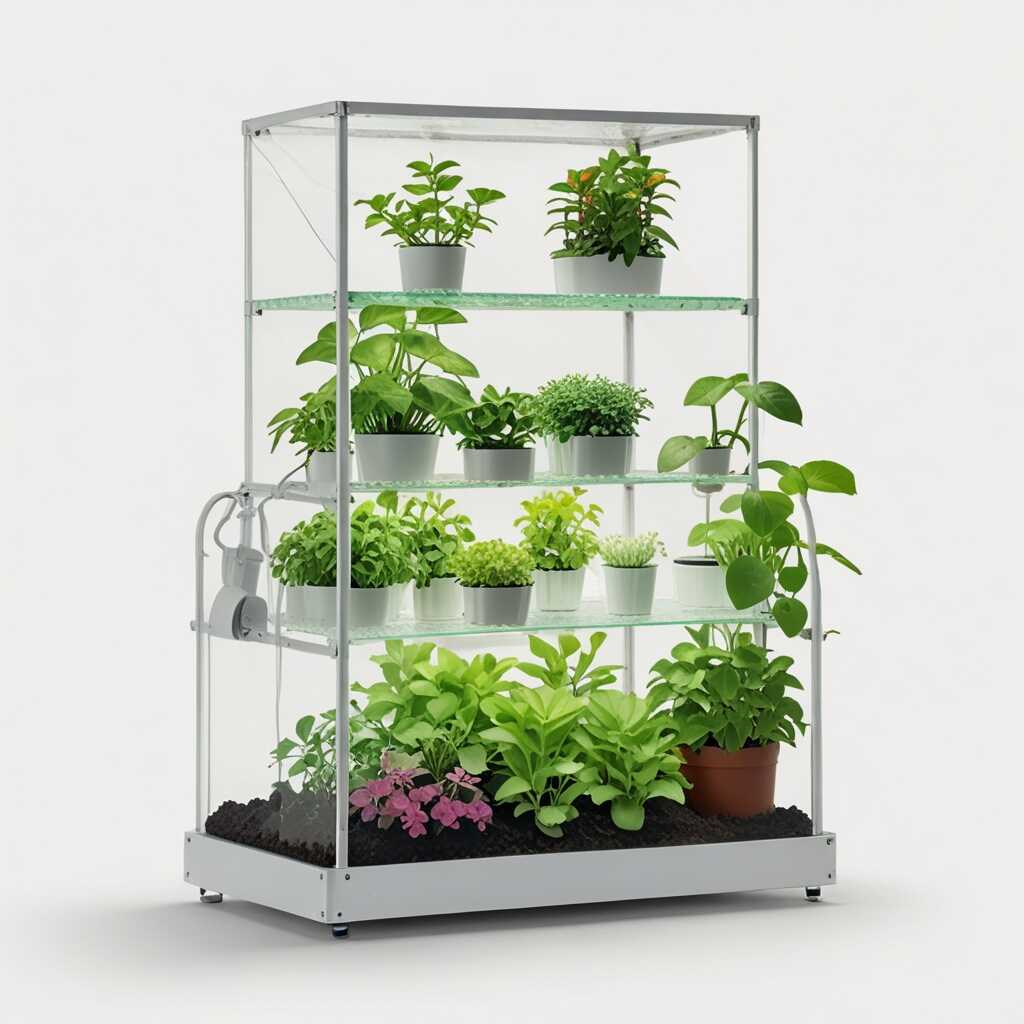
Several signs suggest it is time to transition from fluorescent lights to LEDs. If plants show signs of stunted growth or poor color, this indicates insufficient light quality. High energy costs can also signal that fluorescent lighting is less efficient than LED. Noticing flickering or dim lighting can be a sign of poor performance that LEDs can resolve. Upgrading to LEDs ensures optimum plant health and reduces energy use.
Evaluating Plant Health with LED Lighting
Assessing plant health after transitioning to LED lighting is crucial. Research shows that LED lights provide full spectrum illumination, which supports growth at every phase. This improves photosynthesis and contributes to lush foliage and vibrant flowers. Many growers report noticeable growth changes within a few weeks of switching to LED lighting. The transition can enhance the overall indoor garden experience, significantly improving health and vitality over fluorescent systems.
Numerical Insights about Grow Light Improvements
- LED lights last over 50,000 hours compared to 10,000 hours for fluorescent lights.
- Transitioning can reduce energy use by up to 75% for greenhouse lighting.
- LEDs emit less heat, lowering cooling costs by 30% during summer months.
- Plants under LED lights can grow faster, producing yields up to 30% more than under fluorescent lights.
- Fluorescent lights use about 40% more electricity than LEDs for the same light output.
- Switching can decrease overall lighting costs by around $350 annually for a typical greenhouse.
- Using LEDs can shorten flowering time, letting gardeners harvest up to 2 more cycles per year.
Financial Benefits of Transitioning to LED Grow Lights
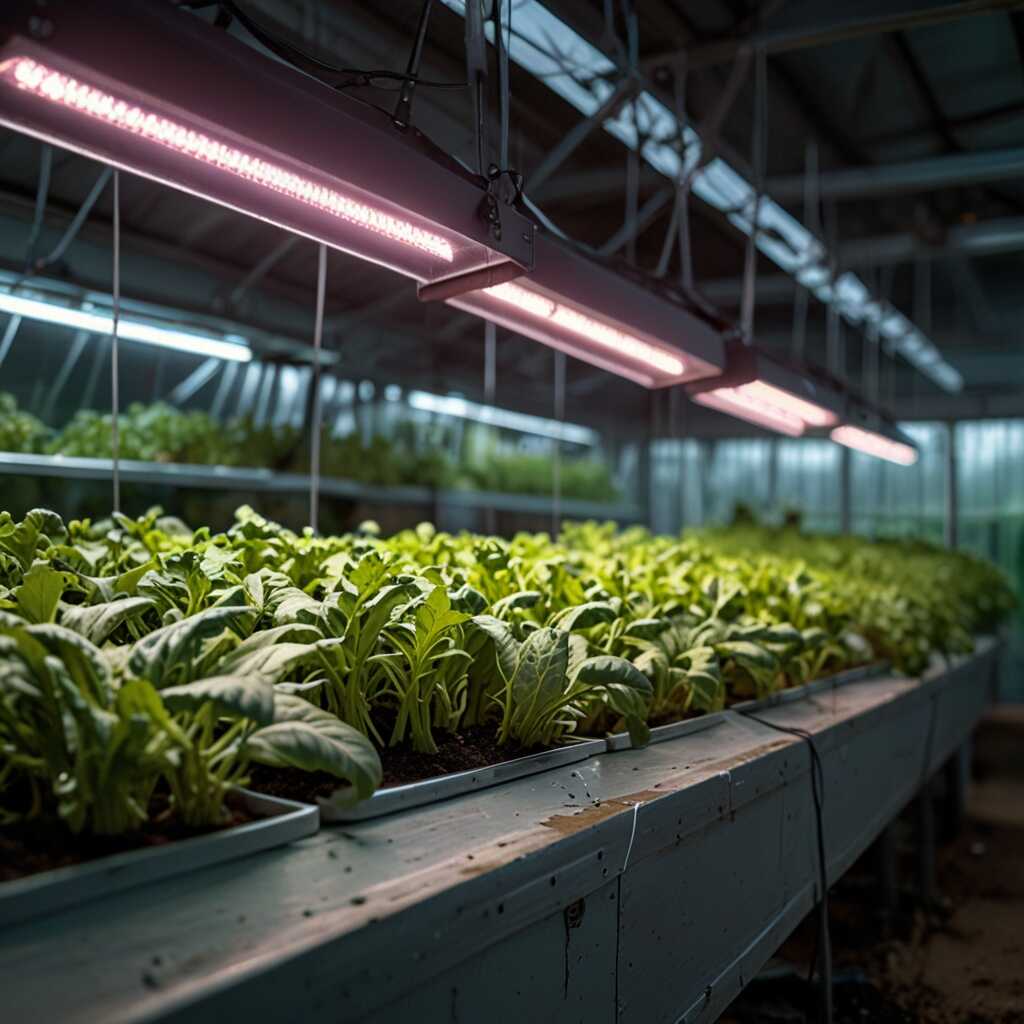
Switching to LED grow lights provides significant financial benefits. First, energy savings can be substantial. LED lights consume about 50% less energy than traditional fluorescent lights. This results in lower monthly utility bills. Second, maintenance costs are reduced because LED lights last longer and require less frequent replacement. The average lifespan of LED lights reaches up to 50,000 hours, compared to only 10,000 hours for fluorescent options. This reliability saves you money in both labor and replacement costs. Overall, the long-term investment in LED technology delivers quality performance while enhancing growing efficiency.
Understanding the Long-Term Savings of LED Technology
Investing in LED technology for your greenhouse significantly enhances long-term savings. While the initial purchase price may be higher, the reduction in energy consumption leads to lower electricity bills. LED grow lights operate efficiently, using the least amount of power necessary for plant growth. Additionally, their durability reduces the need for replacements, which incurs further costs. Research shows that many growers recoup their initial investment within a year or two through these savings. Green Writer promotes this eco-friendly lighting choice, ensuring that your gardening experience remains both economical and sustainable.
How to Select the Best LED Grow Lights for Your Needs
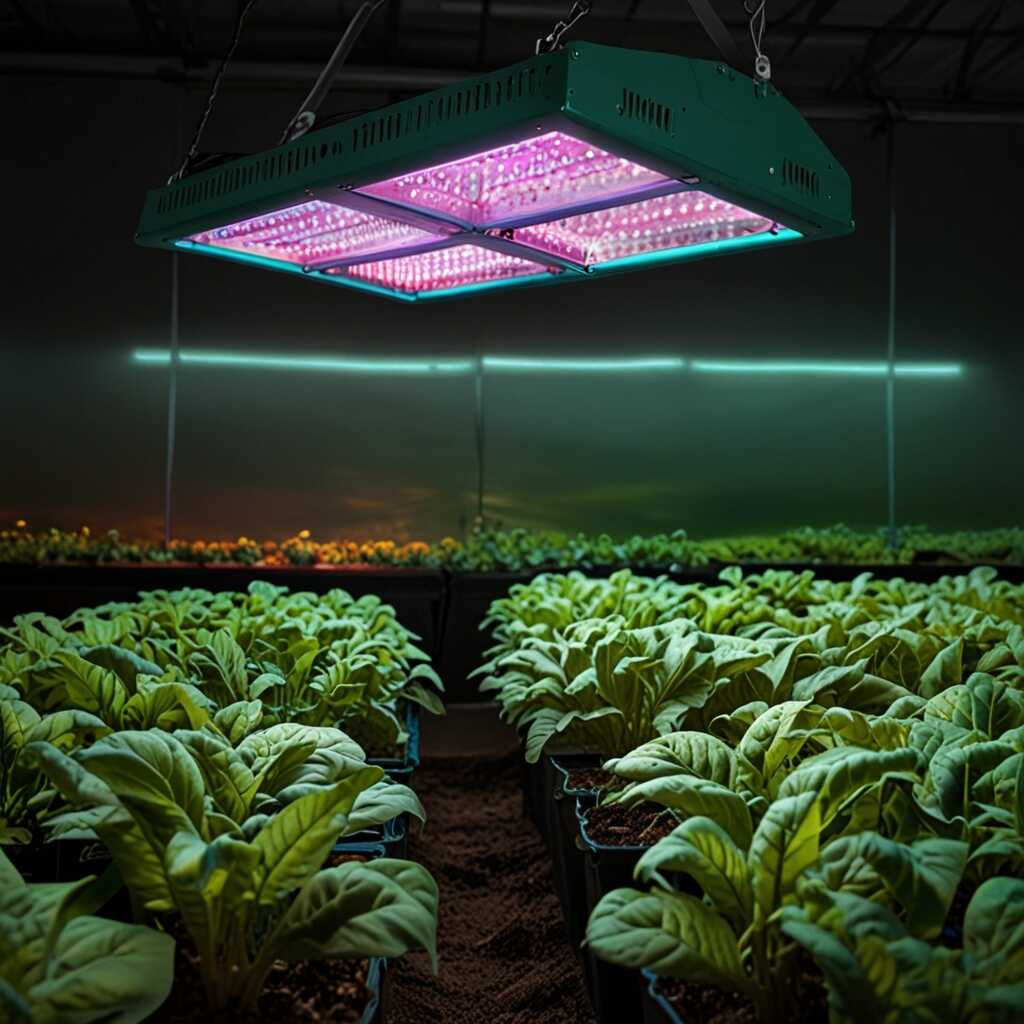
When selecting LED grow lights, consider pivotal factors such as the type of plants, growth stages, and energy efficiency. Different plants have varying light requirements. For instance, leafy greens thrive best in lower intensity light, while flowering plants require more intense lighting. LED grow lights should cover the essential light spectrum—red and blue wavelengths—to ensure optimal growth. Look for features like adjustable brightness and energy savings for long-term reliability. Check reviews and comparisons to find durable materials that will provide lasting performance.
Understanding Plant Light Requirements
Understanding plant light requirements is crucial for successful greenhouse gardening. Different plants demand specific amounts of light intensity, measured in watts per square foot. For most flowering plants, aim for at least 30-40 watts per square foot for effective growth during their flowering stage. Leafy greens require lower wattage, generally around 20-30 watts. Using quality LED grow lights designed for specific plant growth stages can enhance your gardening experience immensely. Always ensure your lighting setup is adjustable to accommodate changing plant needs and maximize energy efficiency.
Advantages of Switching to Energy-Efficient Lighting
- LED lights produce brighter light, enhancing growth phases for your plants.
- They are designed to emit less heat, freeing up resources for ventilation.
- Switching to LEDs helps reduce a gardener’s carbon footprint significantly.
- LED grow lights are typically more durable and require less maintenance over time.
- They can operate safely in close proximity to plants without risking damage.
- Many LED types offer full-spectrum options, working well for various growth stages.
- Users can enjoy reduced electricity bills and longer lifespan for their grow lights.
Best Practices for Installing LED Grow Lights Efficiently
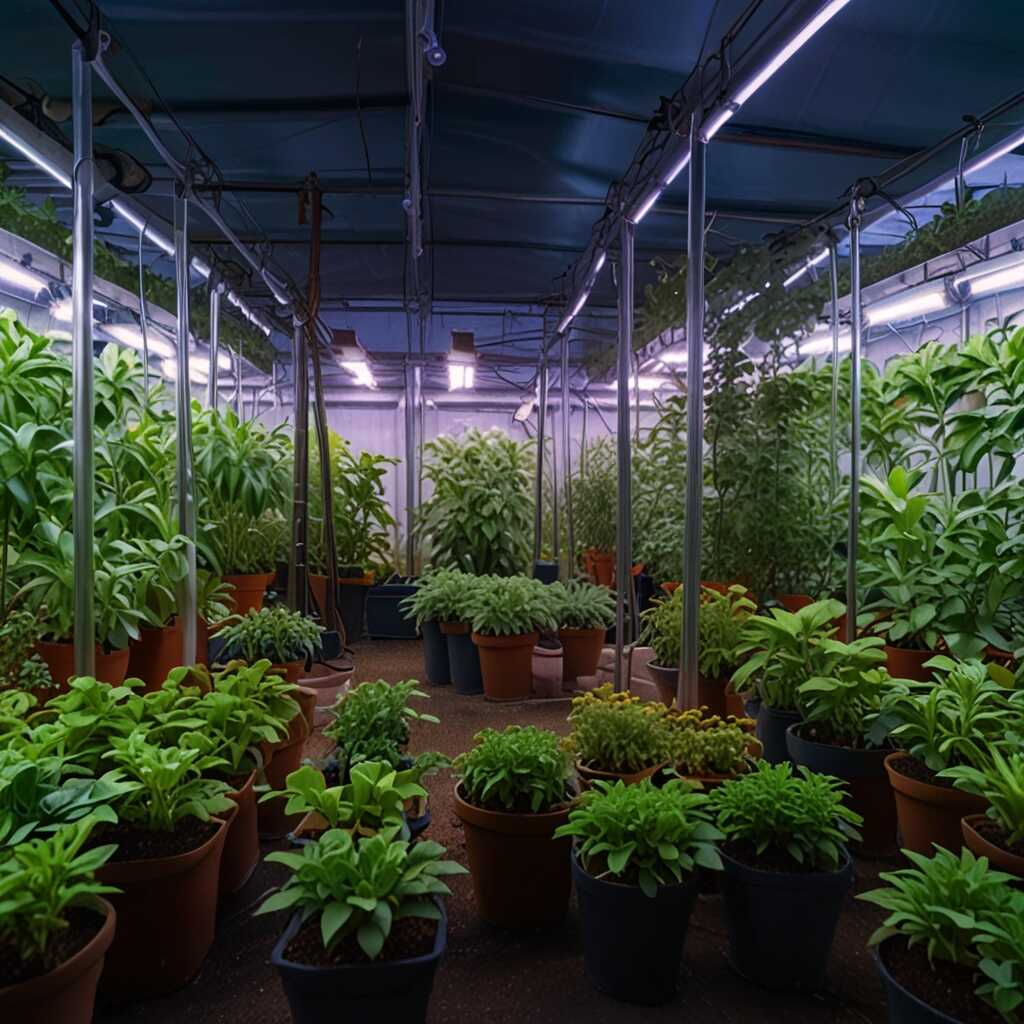
For optimal installation of LED grow lights, consider factors like light distribution, placement height, and energy efficiency. Proper spacing between lights enhances coverage and reduces shadows. Install lights at the recommended height above plants to ensure even light exposure, promoting robust plant health. Regular testing and adjustments to positioning can significantly improve energy efficiency and growth rates.
Optimal Height for LED Grow Lights
The recommended height for mounting LED grow lights generally ranges from 12 to 24 inches above plants. This height is proven to provide adequate light intensity for various plant types. Adjust the distance based on plant growth stages—higher for seedlings and closer for flowering plants. Reliable feedback from indoor gardeners shows that maintaining the right height substantially enhances overall plant growth and maximizes energy efficiency.
Debunking Common Myths About LED Grow Lights
Many myths surround LED grow lights, often misleading greenhouse owners. One common myth is that LED grow lights are not powerful enough to support plant growth. In reality, advanced LED technology provides high light intensity, comparable to traditional fluorescent lights. Another misconception is that LED lights are more expensive without long-term benefits. However, LEDs offer significant energy savings, lasting up to 50,000 hours, reducing overall costs. Lastly, people often believe that LEDs emit heat similar to fluorescent lights. This is false; LEDs produce much less heat, helping maintain optimal growing temperatures.
Understanding the Efficiency Comparison of LED and Fluorescent Lights
When comparing LED grow lights to fluorescent lights, it’s essential to analyze their efficiency. LED grow lights have a higher light output per watt, meaning they require fewer watts for the same level of light intensity. For example, while fluorescent lights typically use about 40-60 watts, equivalent LED fixtures can provide similar light levels with just 12-30 watts. This efficiency translates into lower energy bills and reduced greenhouse heating costs. Research shows that LED technology can enhance plant growth by providing the right light spectrum for different growth stages, making them an excellent investment for any greenhouse enthusiast.
Popular Lighting Brands and Their Characteristics
- Brand A focuses on affordability, appealing to novice gardeners seeking economical options.
- Brand B offers high-quality, full-spectrum lights ideal for professional greenhouses and advanced users.
- Brand C caters to eco-conscious consumers with sustainable materials and energy-efficient designs.
- Brand D specializes in customizable grow light solutions for unique plant setups or rare species.
- Beginner gardeners prefer brands with user-friendly setups and clear instructions.
- Experienced horticulturists often select brands that provide advanced features and high performance.
- Eco-friendly advocates look for brands that emphasize sustainability and low environmental impact.
Success Stories from Greenhouse Owners Using LED Lights
Several greenhouse owners have shared their positive experiences after switching to LED lighting. Reports indicate that growers notice significant improvements in plant growth health and vibrancy. Many also emphasize energy savings. One case study revealed that a greenhouse reduced energy costs by 60% after the transition. Another example involves a flower grower whose crop yield increased by 30% with full spectrum LED lights. These success stories highlight the reliability and performance of LED grow lights in achieving better results in greenhouse environments.
Impact on Plant Growth and Efficiency
Many greenhouse owners have experienced remarkable enhancements in plant growth quality after switching to LED lighting. LED lights provide the necessary light spectrum tailored to each growth stage, essential for both vegetative and flowering phases. One grower reported that their lettuce not only grew faster but had improved nutrient density, which appealed to health-conscious consumers. Using full spectrum LEDs, another owner found that their tomatoes achieved a larger size and better taste comparison than with fluorescent lights. These results are crucial for maximizing efficiency and ensuring healthy plant yields consistently.