
Adjusting grow light heights is essential for maximum plant growth in greenhouses. Each stage of plant growth requires specific light conditions to thrive. This article from Green Writer will provide practical tips on how to modify grow light positions for optimal plant health and productivity. Tailored guidance will help you create an effective lighting setup that benefits your greenhouse gardening efforts.
The Importance of Grow Lights for Overall Plant Health
Grow lights are essential for ensuring overall plant health. They support the photosynthesis process by providing the light spectrum that plants require for energy. Through photosynthesis, plants convert light energy into chemical energy, fueling growth and development. Different plant growth stages, such as germination, vegetative growth, and flowering, require varying amounts and types of light. For instance, seedlings thrive under specific light conditions that promote strong root development. The wrong height of grow lights can significantly affect plant health, leading to stunted growth or excessive legginess. Properly adjusting the heights of grow lights maximizes their efficiency and helps plants absorb light most effectively.
Understanding the Light Spectrum for Plant Growth
The light spectrum is crucial for effective plant growth. Plants absorb light primarily in the blue and red wavelengths, which facilitate photosynthesis. Blue light, in the range of 400-500 nm, encourages leaf and stem development. Red light, around 600-700 nm, promotes flowering and fruiting. Understanding these light spectrum preferences helps in setting up grow lights that enhance plant health. Using full-spectrum grow lights ensures that plants receive the necessary range of light wavelengths for each growth stage. This results in sturdy, vibrant plants that are less susceptible to disease and pests. Choosing the right light spectrum directly influences plant vigor and productivity.
Key Growth Stages of Plants and Their Light Needs
Plants go through distinct growth stages, namely germination, vegetative, flowering, and fruiting. These stages require different light needs. During germination, seedlings require low light levels, ideally around 15 to 20 watts per square foot. As they move into the vegetative stage, they benefit from increased light levels: approximately 30 to 50 watts per square foot. Flowering plants strive for optimal light exposure of 50 to 70 watts per square foot. Vegetables such as tomatoes and peppers flourish with full-spectrum lights during their growth cycles, enhancing their overall health. Flowering plants like orchids thrive under specific wavelengths to promote blooming. Reliable testing shows that light duration varies across stages; seedlings generally need about 14 to 16 hours of light, while mature plants can thrive on 10 to 12 hours.
Understanding Light Spectrum and Duration for Each Growth Stage
Understanding light spectrum and duration is essential for supporting each growth stage. Seedlings thrive under cool white light that mimics early morning sun. This light encourages strong root development and minimal stretch. During the vegetative stage, plants require full-spectrum light to simulate sunlight. This broad spectrum includes blues and reds, which are vital for photosynthesis. Flowering phase plants benefit from slightly increased red light, which triggers blooming. Ideally, give seedlings 14 to 16 hours of light each day, while mature plants need only 10 to 12 hours. This careful adjustment enhances growth, ensuring strong and vibrant plants throughout their life cycle.
Optimal Grow Light Heights for Seedlings in Greenhouses
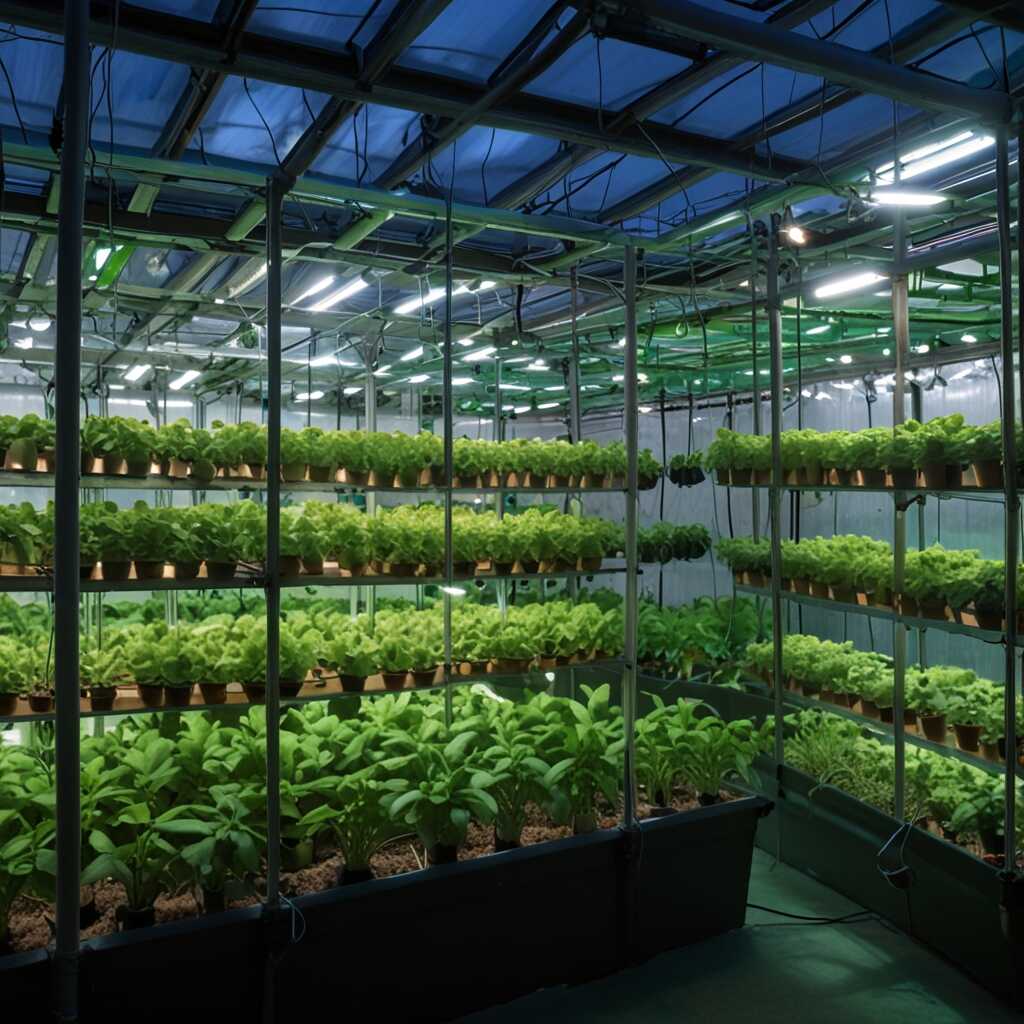
The ideal height for grow lights during the seedling stage is typically between 12 to 24 inches above the plants. LEDs are preferable because they emit less heat, allowing for closer positioning without the risk of light burn. Proper light positioning enhances seedling growth, ensuring they develop strong and healthy stems without excessive stretching. For fluorescent lights, maintain a distance of about 6 to 12 inches. This helps prevent light burn while still providing adequate light coverage necessary for healthy initial growth.
Understanding the Effects of Grow Light Distance on Seedling Health
The distance of grow lights from seedlings significantly affects their overall health. Placing lights too high can lead to weak plants, as they stretch towards the light source. Proper distance discourages this stretching. For LEDs, positioning them about 12 to 18 inches above seedlings optimizes light intensity. This provides consistent light exposure while preventing light burn. Regularly checking your seedlings and adjusting grow light distance will enhance growth and resilience. Using reliable height settings based on the type of light ensures seedlings receive the best conditions for development.
Key Metrics for Light Placement in Gardening
- Adjust light height every 1-2 weeks for optimal results.
- Indoor plants generally need 12-16 hours of light daily.
- Vegetative phase plants thrive under lights 12-30 inches above them.
- Flowering phase plants grow best with lights 18-30 inches overhead.
- For best efficiency, maintain a 70°F to 80°F temperature range.
- Monitor light output to ensure 200-400 µmol/m²/s for seedlings.
- Use a light meter to measure intensity regularly for better growth.
Adjusting Light Heights During Vegetative Growth Phases
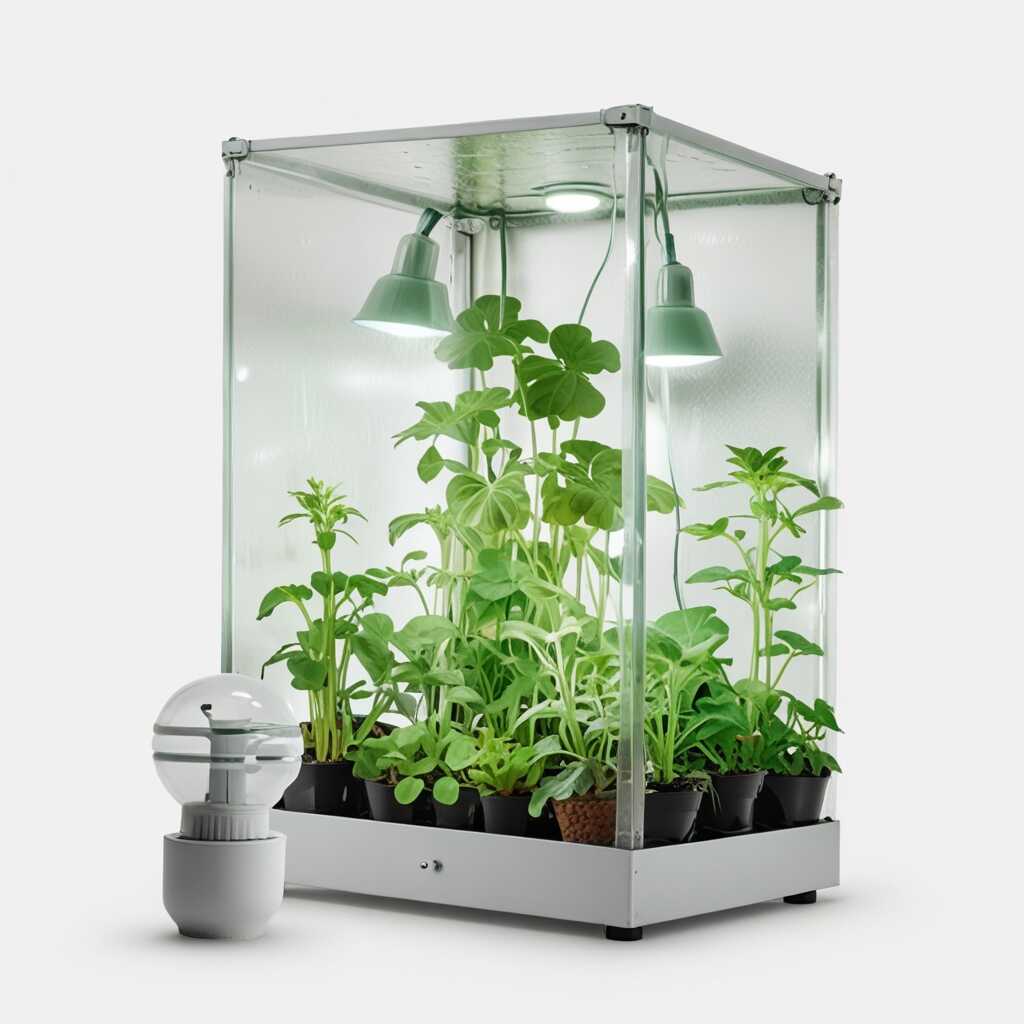
During the vegetative growth phase, plants benefit from increased light intensity, which promotes robust foliage development. For most plants, ideal light height ranges from 12 to 24 inches above the canopy for LED grow lights. Choosing LED grow lights helps ensure energy efficiency, providing the right spectrum and intensity without overheating the plants. Regular testing and adjustment of light heights is essential to accommodate plant growth as they stretch towards the light source. Monitoring how plants respond provides data on whether the current height is effective, allowing for timely adjustments that enhance growth.
Choosing the Right Distance for Optimal Growth
The recommended distance between grow lights and plants during the vegetative phase typically falls between 12 and 24 inches. This range is best for LED grow lights, which emit less heat and therefore can be positioned closer to plants without causing damage. Understanding the specific needs of different plants will enhance foliage development. For example, high-light plants might thrive at 12 inches, while lower-light varieties should be further away at 24 inches. Regularly observing plant response will help determine whether adjustments are necessary, ensuring optimal light intensity and quality for each growth stage.
Grow Light Adjustments for the Flowering Phase of Plants
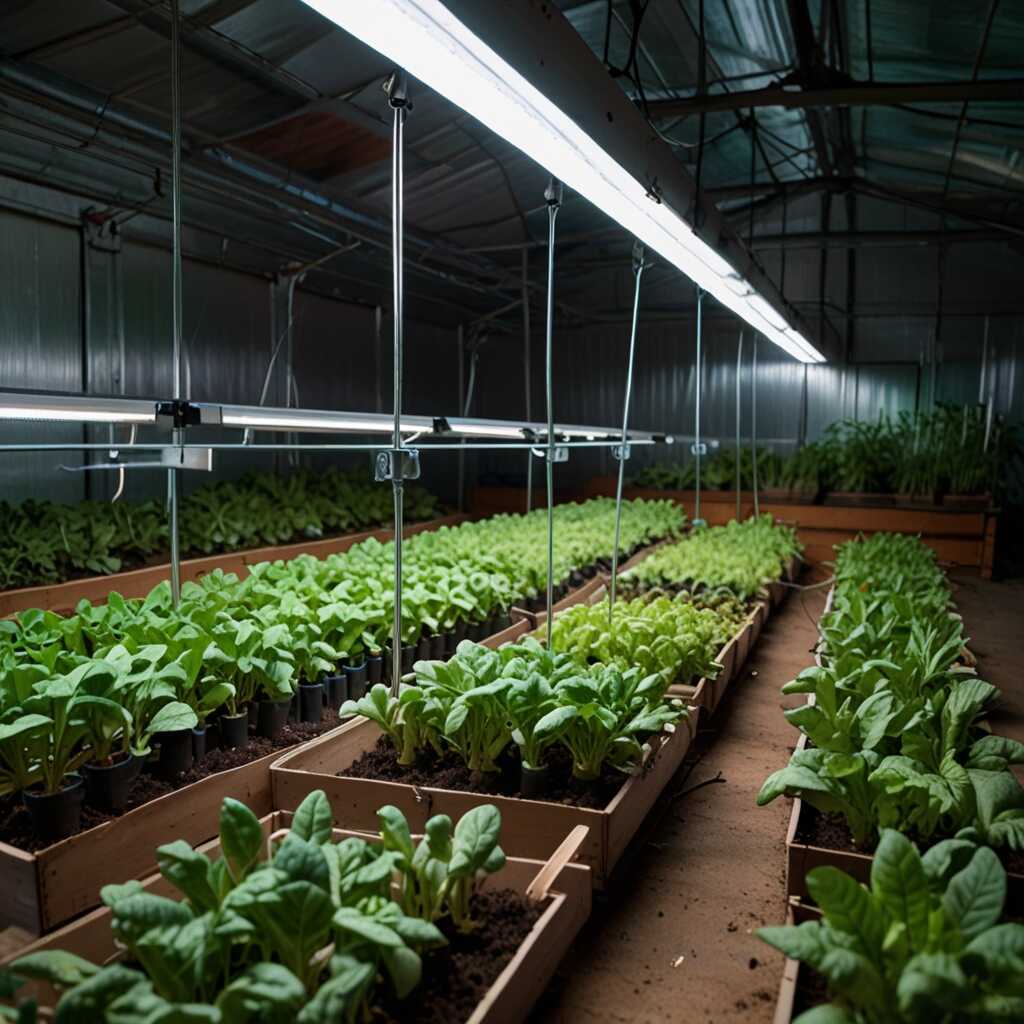
During the flowering phase, grow lights should generally be positioned between 12 to 24 inches above the plant canopy. Adjusting the height of grow lights ensures that plants receive the right intensity of light for optimal blooming and fruit production. Different types of grow lights, such as LED and HPS, may affect height adjustments. For example, LED lights produce less heat, allowing them to be placed closer to plants without causing damage. The key is to monitor plant response and adjust as necessary, ensuring maximum reliability and performance in your greenhouse. The ideal distance for grow lights above flowering plants typically varies depending on the lighttype, often ranging from 12 to 18 inches for LEDs and a bit higher for HPS bulbs.
Understanding Light Types and Their Effects on Flowering Plants
Different light types matter during the flowering phase. LED grow lights provide full spectrum illumination, enhancing color spectrum that encourages blooming. This allows for close placement, typically between 12 to 16 inches above plants. Meanwhile, High-Pressure Sodium (HPS) lights can be used at around 18 to 24 inches for optimal heating management. Both have proven effectiveness in increasing yields and improving the floral quality of plants. Consider variability in your greenhouse conditions as well. Regularly test your light height, adjusting based on plant feedback for best results. Keeping a close eye on plant health will guide whether to raise or lower your lights based on their specific needs.
Advantages of Proper Light Level Adjustments
- Encourages robust growth and strong plant structure.
- Reduces risks of light burn by keeping lights at safe distances.
- Improves leaf color and overall plant health significantly.
- Supports different growth stages with tailored light conditions.
- Increases photosynthesis efficiency for higher yields.
- Cuts down on energy waste from excessive lighting.
- Enhances plant resilience against pests and diseases.
Innovative Tech Solutions for Automated Grow Light Adjustments
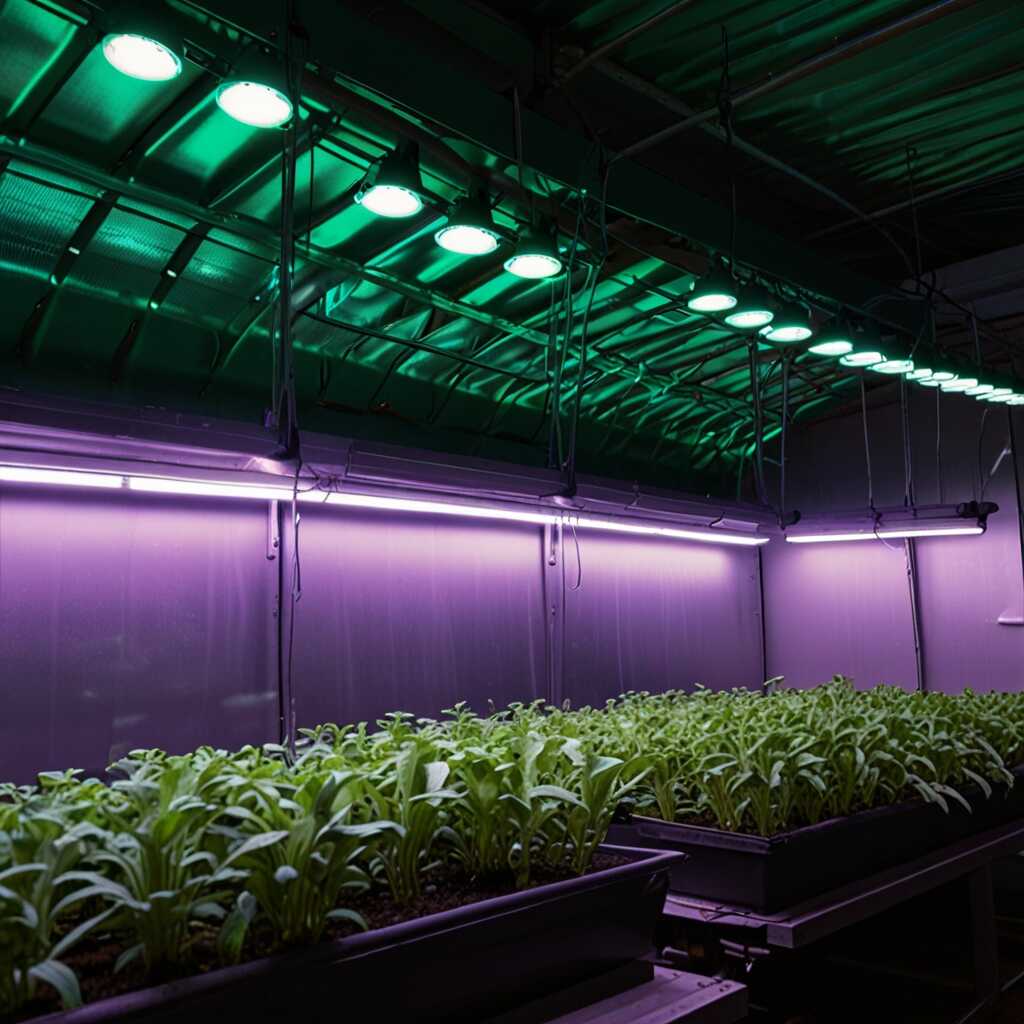
Modern greenhouses benefit greatly from automated lighting systems. Technologies like smart light controllers and grow light sensors significantly enhance energy efficiency. Smart light controllers use timers and photoperiod data to optimize light quantities based on plant needs. Grow light sensors detect natural sunlight levels and adjust artificial light accordingly. These systems offer proven performance, ensuring plants receive optimal light throughout their growth cycles. The average cost of automated lighting systems varies widely, typically ranging from $200 to $2,000, depending on features and capabilities. Reliable data indicates that utilizing these tools can reduce energy expenses over time while improving plant health. Research has shown that greenhouses employing these technologies often yield better-quality produce.
Key Features of Automated Grow Light Solutions
Automated grow light solutions come with features designed to enhance greenhouse operations. For example, some systems allow remote access via smartphone apps, enabling adjustments from anywhere. They can also integrate with environmental controls, optimizing temperature and humidity along with light. Many systems include energy-efficient LED grow lights that last over 50,000 hours, ensuring long-term savings and reliable performance. Additionally, advanced models offer programmable settings tailored to different growth stages, from seedlings to flowering. With their durable construction and user-friendly interfaces, these technologies reduce manual labor and help maintain a stable environment for plants.
Avoiding Common Pitfalls with Grow Light Heights
Common mistakes with grow light height adjustments include hanging lights too far from plants or placing them too close. These errors can lead to stretched or burned plants. Additionally, failing to adjust light heights during different growth stages impacts plant health. For instance, seedlings need closer lights for adequate energy. Different plant types, like tomatoes and herbs, require various light intensities. Understanding specific needs helps avoid such mistakes. Frequent testing and adjusting can enhance overall plant productivity and health.
Understanding Plant-Specific Lighting Requirements
Different plants have varied needs for light intensity and duration. For instance, tomatoes thrive under full-spectrum light, needing around 12-16 hours daily. Herbs like basil appreciate similar light but can tolerate slight variations. When choosing hang heights, consider each plant’s unique growth stage. Seedlings may need lights 2-4 inches above them, while mature plants can thrive with lights 12-24 inches above them. These distances ensure optimal light absorption and growth. Adjusting these heights based on species and growth stage helps foster thriving plants.
Understanding Your Audience for Gardening Success
- Beginner gardeners seek guidance on light heights for easy success.
- Horticulture students study light placement for effective cultivation.
- Indoor gardening experts analyze light effects on plant growth.
- Home gardeners explore light options for beautiful home displays.
- Greenhouse operators prioritize efficient light use for maximum yield.
- Plant care enthusiasts experiment with varied light settings for different plants.
- DIY enthusiasts apply light adjustments to enhance indoor spaces.
Analyzing Plant Responses to Various Light Heights
When adjusting grow light heights, look for specific signs of plant response. Common indicators include leaf discoloration, stretching towards the light, and overall plant vigor. Plants that are too close to the light may develop scorched leaves, while those too far away may exhibit weak, elongated stems. Different plant types also respond distinctively to light height changes. For instance, leafy greens generally prefer lower light heights, around 12-18 inches, while flowering plants may need a higher distance of 18-24 inches. Consistent monitoring of plant health is essential to refine your care techniques.
Understanding Light Preferences of Different Plant Types
Each plant species has unique light preferences that significantly affect their growth. For example, herbs like basil thrive best at a height of 12 inches, while tomatoes prefer grow lights set at around 24 inches. This setup ensures optimal photosynthesis and reduces the risk of light burn. Research shows that flowering plants benefit from full-spectrum LED grow lights positioned between 18-30 inches above the soil. Adjusting light height according to specific plant needs can enhance growth and yields. Smart growers use light measurement apps to track efficiency and adjust to the best settings for their plants.