Green Writer is reader-supported: some links on this page are affiliate links, and as an Amazon Associate Green Writer earns from qualifying purchases at no extra cost to you. Learn more.
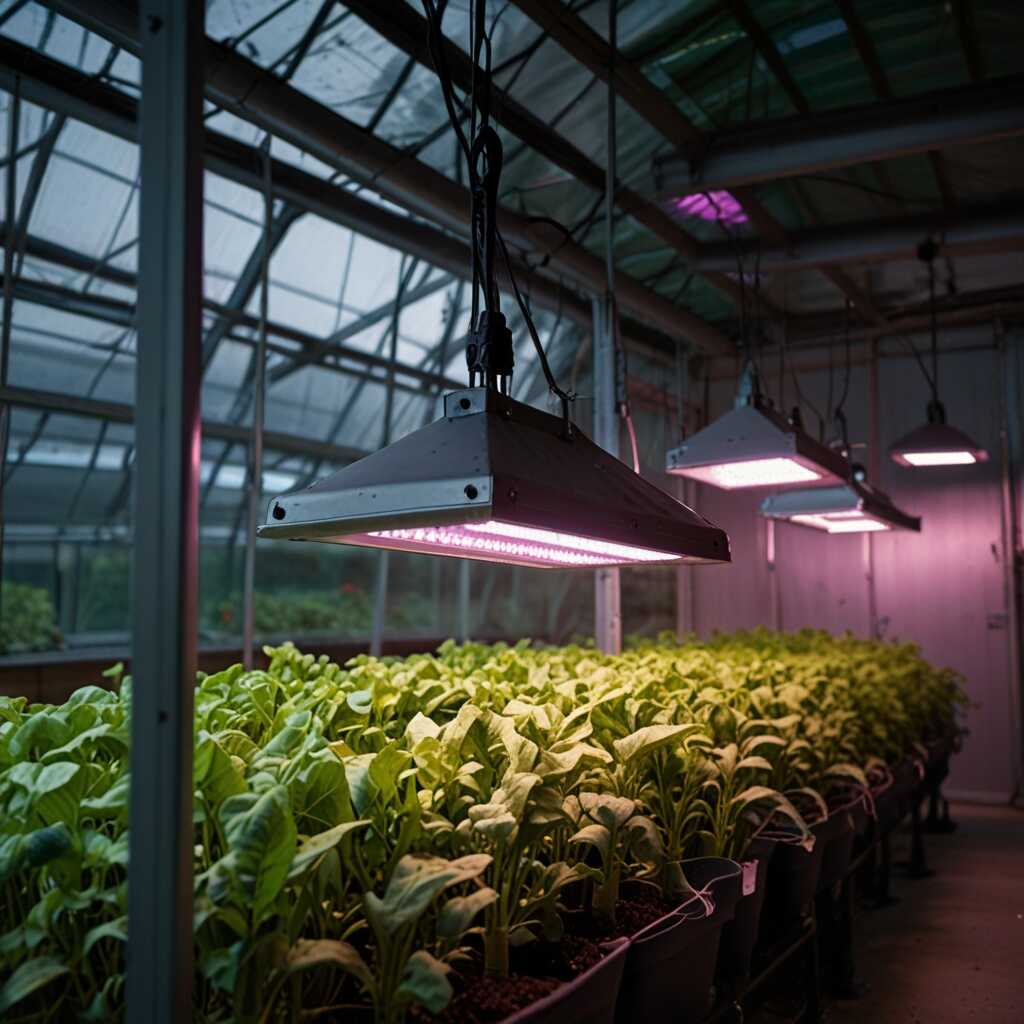
Enhance indoor seed germination with fluorescent grow lights to ensure healthy seedlings in your home. These lights provide the right spectrum of light, mimicking natural sunlight and promoting vigorous growth. Green Writer is here to guide you on using fluorescent grow lights effectively, including their benefits and best practices. With our insights, you can nurture your seeds and take a step towards eco-conscious indoor gardening.
How Fluorescent Grow Lights Benefit Indoor Seed Germination
Fluorescent grow lights enhance indoor seed germination by providing optimal light spectra suitable for plant growth. These lights promote healthier seedlings by ensuring adequate illumination during crucial growth stages. Compared to other lighting options like incandescent or traditional bulbs, fluorescent lights are more energy-efficient, offering better performance at a lower cost. They feature a full spectrum that supports photosynthesis and stimulates strong root development. The reliability of fluorescent lights allows growers to achieve faster germination rates, which results in robust plants ready for transplanting.
Understanding the Full Spectrum Advantage
Fluorescent grow lights often provide full-spectrum light, including blue and red wavelengths essential for seedling development. Blue light fosters compact growth and strong stems, while red light encourages flowering and fruiting stages. By using full-spectrum fluorescent lights, indoor gardeners ensure seedlings receive the best possible light energy, improving their chances for a successful start. For optimal results, position the lights approximately 2-4 inches above the seedlings, adjusting as they grow to maintain effective light intensity. This setup enhances growth speed and quality while ensuring seedlings thrive in indoor environments.
The Science Behind Seed Germination and Light Exposure
Seed germination involves several biological factors, including moisture, temperature, and crucially, light exposure. Light stimulates germination by activating photoreceptors within seeds, triggering growth hormones that begin the sprouting process. Different seed types have varying responsiveness to light exposure, with certain seeds requiring specific wavelengths for optimal growth. The light spectrum’s role is proven; for instance, blue light encourages strong seedling growth, while red light is essential for flowering. Therefore, understanding these light exposure effects is crucial for indoor gardeners aiming to optimize the seed germination process.
Optimal Light Conditions for Different Seed Types
Understanding optimal light conditions is essential to enhance indoor seed germination. Each seed type reacts uniquely to light exposure. For example, lettuce seeds germinate best under continuous light, while pepper seeds thrive with around 12-16 hours of light per day. Using a full spectrum grow light ensures that seeds receive the range of wavelengths necessary for healthy germination and subsequent growth stages. Additionally, providing this light during the first two weeks of the germination phase is critical. Consistency in light exposure fosters reliable sprouting and leads to robust seedlings. These specific recommendations help emphasize the importance of tailored lighting for each seed variety.
Selecting the Most Effective Fluorescent Grow Lights
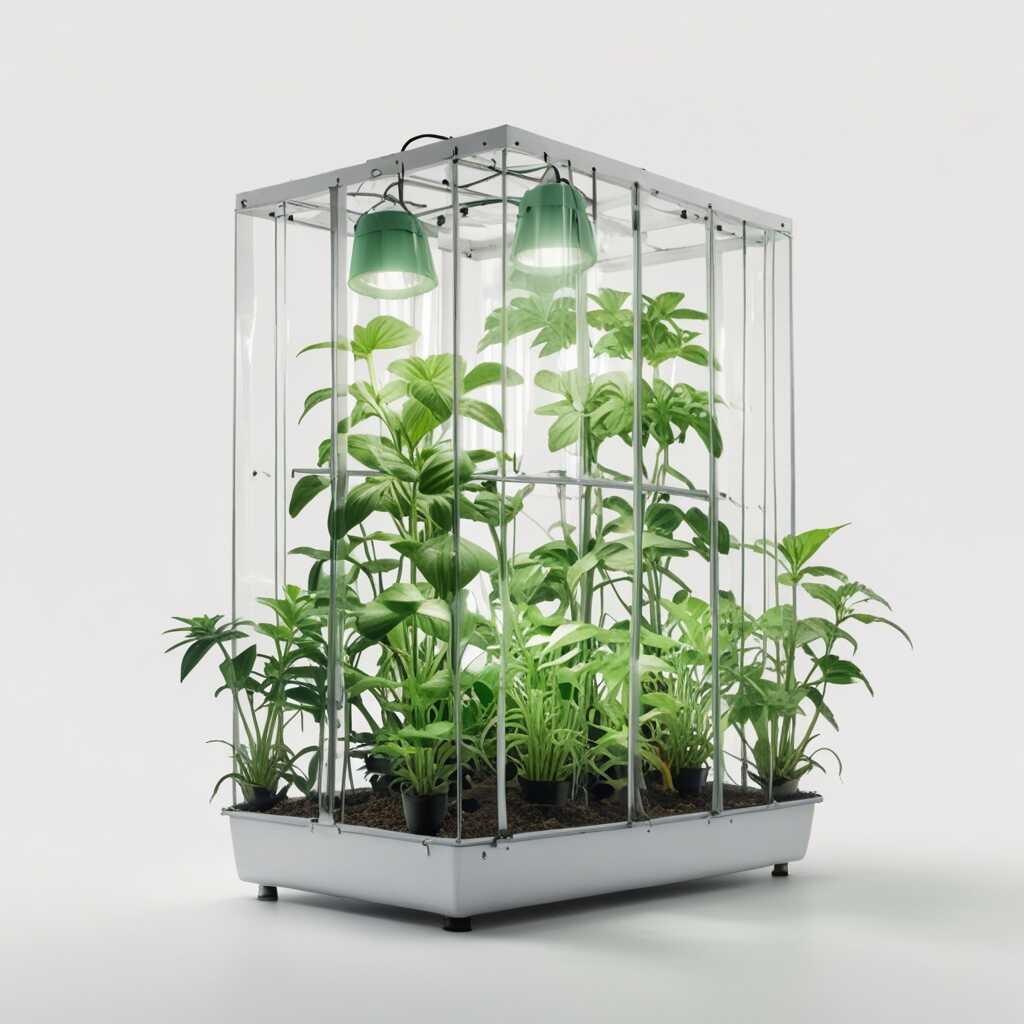
When choosing fluorescent grow lights, consider factors such as light spectrum types, energy efficiency, and your specific plant needs. The light spectrum plays a vital role in photosynthesis, with full-spectrum lights often being the best for supporting seed germination and plant growth. Compare different brands based on reliability and customer reviews to ensure you select an option with proven results. Aim for at least 300 to 600 lumens per square foot for effective growth when using fluorescent lights.
Understanding Light Spectrum Types for Optimal Growth
Fluorescent grow lights typically come in two main types: cool white and warm white. Cool white lights emit a higher blue spectrum, essential for vegetative growth and seedling development. Warm white lights provide more red spectrum wavelengths, promoting flowering and fruiting stages. Using a combination of both types can enhance your plants’ growth and flowering potential. Look for lights labeled as full-spectrum, as they contain both blue and red wavelengths, making them suitable for all growth stages. This versatility is crucial for novice gardeners seeking to nurture a variety of plants indoors efficiently.
Numerical Insights on Indoor Plant Lighting
- Fluorescent grow lights use 75% less energy than traditional incandescent bulbs.
- These lights emit wavelengths between 400-700 nanometers for optimal growth.
- Seedlings need 12-16 hours of light daily for healthy germination.
- A typical fluorescent bulb lasts over 20,000 hours, providing long-term use.
- Plants grow 30% faster under fluorescent lights compared to no light.
- Using fluorescent lighting can reduce indoor growing costs by 50%.
- Prices for grow lights generally range from $20 to $300, catering to all budgets.
Optimizing Your Indoor Growing Setup for Success
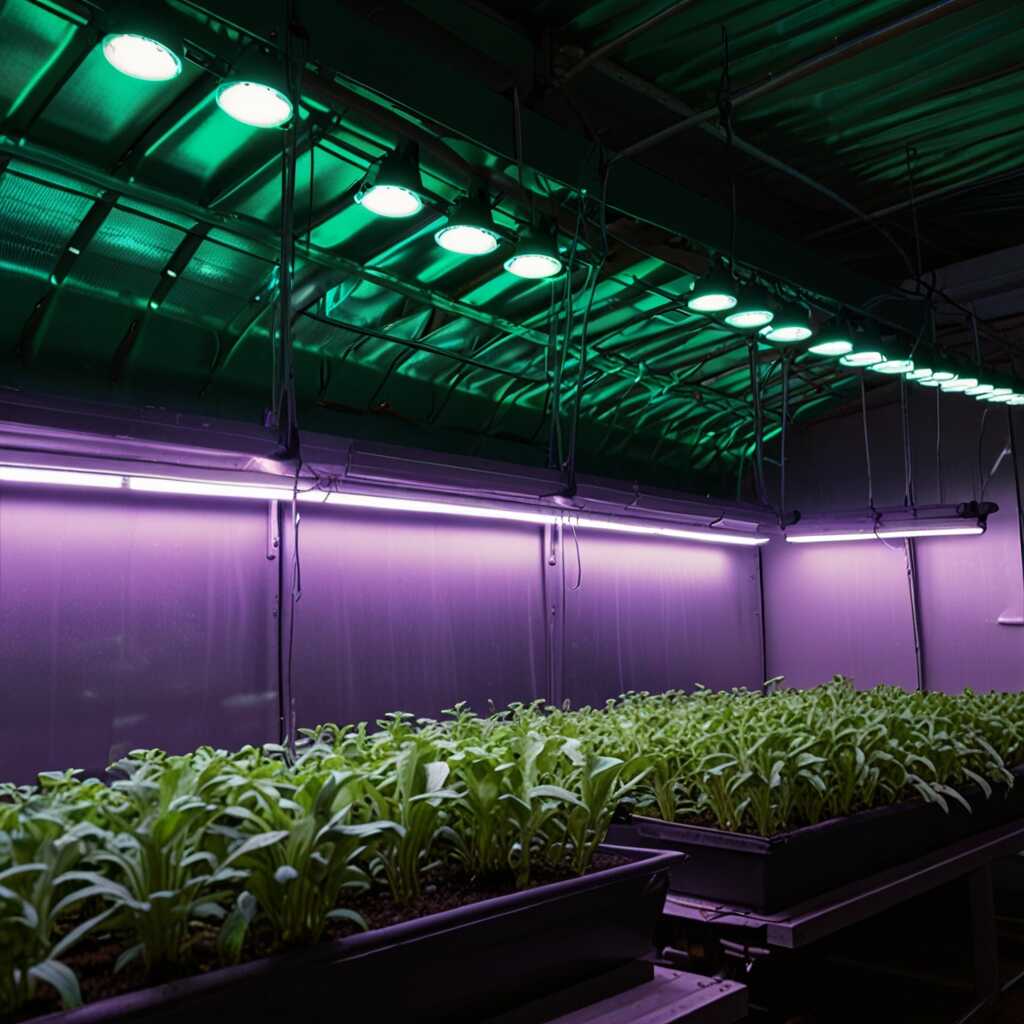
When optimizing your indoor growing environment, consider light positioning, temperature, humidity, and ventilation. Light positioning is crucial. Place fluorescent grow lights about 6 to 12 inches above seedlings. This setup ensures even light distribution, which enhances seedling growth stages. Temperature should ideally be between 70 to 75 degrees Fahrenheit during the day and slightly cooler at night. Humidity plays a significant role in germination. Aim for 50% to 70% relative humidity for best results. Ensure efficient ventilation with good airflow to prevent mold and encourage healthy growth.
Best Practices for Light Positioning and Ventilation
To maximize the benefits of light positioning and ventilation, strategically use oscillating fans to maintain airflow around your plants. Keep fluorescent grow lights at the right height to provide consistent light exposure. This positioning can dramatically improve growth by mimicking natural sunlight. Consider using a hygrometer to monitor humidity levels accurately. For optimal growth, maintain humidity levels near 60-70%. This allows for better nutrient absorption. Reliable ventilation systems include inline fans or exhaust systems, ensuring fresh air reaches your plants regularly. These practices help create a thriving indoor gardening environment, allowing for impressive seedling development.
Ensuring Safety When Using Grow Lights Indoors
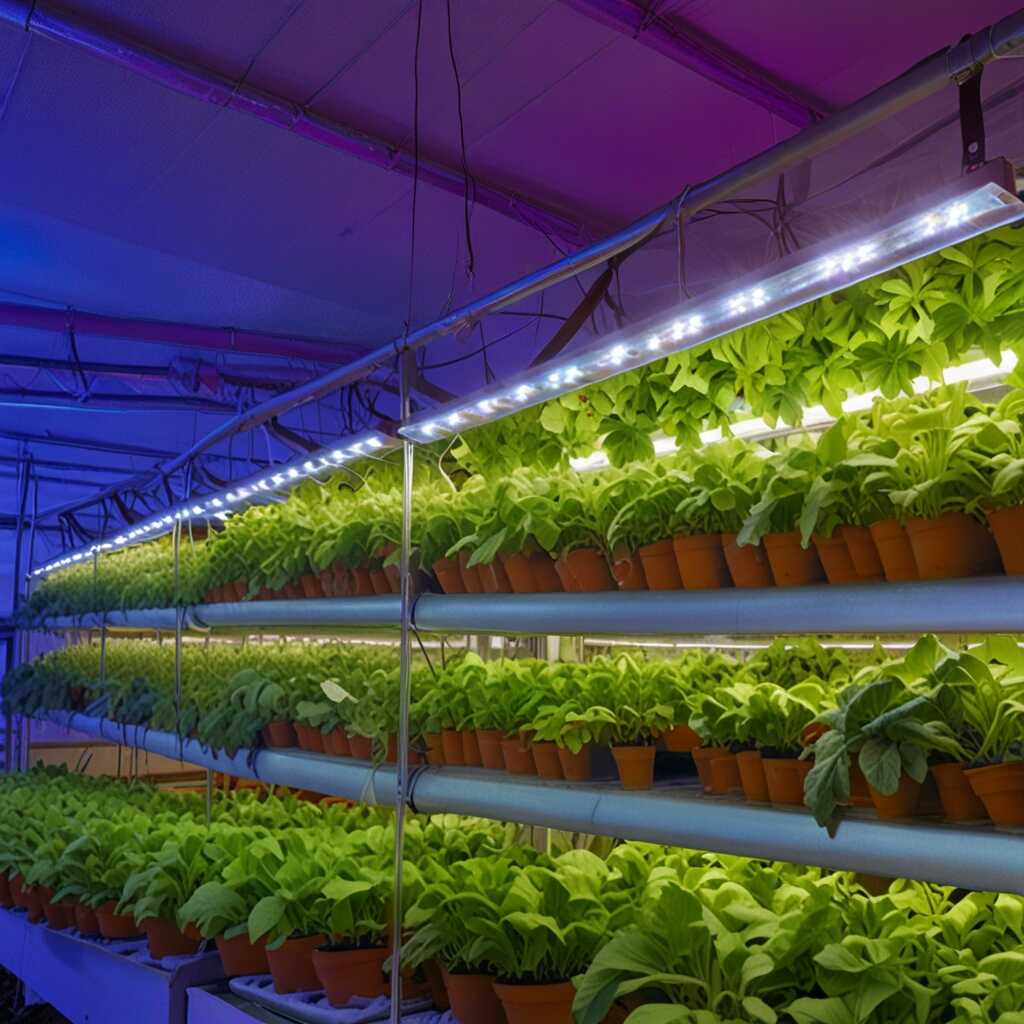
When using fluorescent grow lights indoors, safety is essential. Ensure proper ventilation in the growing area to avoid heat buildup, which can harm both plants and equipment. Keep lights away from any combustible materials to prevent fire hazards. Regularly inspect cords and fixtures for wear or damage. If using a timer, ensure it is rated for the grow lights to prevent overheating. Maintaining a clean space also reduces risks by minimizing dust and debris.
Understanding Different Types of Fluorescent Grow Lights
Fluorescent grow lights come in several types, including T5, T8, and compact fluorescent lights (CFLs). T5 lights are popular due to their efficiency and brightness, making them excellent for seedlings. T8 lights, while slightly less efficient, are also a good option, providing ample light for general growth. CFLs are a compact option suitable for small setups. Each type enhances indoor gardening by delivering the right light spectrum for optimal seed germination, improving plant health and growth rates.
Advantages of Utilizing Plant Growth Lights Indoors
- Fluorescent lighting supports faster seed germination rates for various plants.
- These lights provide consistent brightness, crucial for healthy growth.
- They generate less heat, lowering the risk of burning seedlings.
- Grow lights enhance energy efficiency, minimizing electricity bills.
- Their adjustable setups allow precise light positioning over plants.
- Fluorescent lights are lightweight, allowing easy installation and movement.
- They create a more controlled environment for nurturing young plants.
Avoiding Common Pitfalls in Indoor Seed Germination
Novice gardeners often encounter common mistakes in indoor seed germination. Overwatering is a frequent issue that can lead to seed rot. Underestimating light requirements also hampers germination. A poor soil type like heavy clay may suffocate seeds, while not maintaining proper temperature can delay sprouting. Indoor seed germination success relies on consistency in light exposure, maintaining a warm environment, and using a quality potting mix designed for seed starting. Understanding these core issues and making necessary adjustments can enhance your overall experience.
Key Factors Affecting Seed Germination Success
Light, temperature, soil type, and watering play essential roles in seed germination success. The ideal temperature range for most seeds is typically between 65°F to 75°F. This warm environment ensures seeds remain active without drying out. Additionally, using a light source that provides adequate brightness mimics natural sunlight, promoting growth. Quality potting soil designed for seeds allows for proper drainage while retaining moisture. Monitoring these factors enables better control over the germination process, ensuring higher reliability and improved results.
Planting Techniques for Various Seed Types Indoors
To successfully grow a variety of plants indoors, specific planting techniques are essential. Vegetables like lettuce and spinach thrive with shallow planting, while larger seeds like tomatoes need deeper soil. Different seed types can require varying light conditions; for instance, leafy greens do well in lower light, while fruiting plants need higher intensity. Understanding the germination temperatures is also crucial; warm-season crops such as peppers prefer temperatures above 70°F. Furthermore, seedlings generally need around 12-16 hours of light each day to ensure optimal growth and robust development.
Understanding Light Requirements for Indoor Seedlings
Knowing the light requirements for indoor seedlings enhances seed germination and growth. Fluorescent grow lights provide the ideal spectrum for photosynthesis, delivering consistent light needed for plants. Seedlings generally respond well to full-spectrum lights that include wavelengths from 400-700 nm. Position these lights about 2-6 inches above the seedlings for efficiency. Maintain this distance, adjusting as plants grow. Providing light for 12-16 hours daily ensures seedlings photosynthesize effectively, resulting in stronger plants. This approach supports the quality of your indoor gardening journey with Green Writer.
Popular Brands and Their Appeal for Indoor Planters
- Some growers favor Philips for its quality full-spectrum fluorescent lights.
- Sunblaster enjoys popularity due to its compact, energy-saving designs.
- Hydrofarm is known for versatile light fixtures suitable for any setup.
- General Hydroponics appeals to serious gardeners with comprehensive lighting systems.
- Ballast’s adjustable options suit both beginner and advanced indoor plant growers.
- Many brands cater to eco-conscious consumers looking for sustainable products.
- Urban gardeners benefit from small and stylish fixtures fitting tight spaces.
Adjusting Lighting and Monitoring Seedling Development
To monitor seedling growth under fluorescent grow lights, examine stem height, leaf color, and overall vigor. Checking these indicators helps ensure healthy development. If seedlings appear leggy, they need more light for reliable growth. For monitoring, use a ruler to measure growth weekly and take notes of any issues. When adjusting light exposure, consider the type of fluorescent bulb being used, such as T5 or T8. Each has different spectrums and intensities suited to various growth stages.
Ideal Conditions for Seedlings Under Fluorescent Lights
The ideal duration for seedling exposure to fluorescent grow lights is typically between 14 to 16 hours daily. This duration helps achieve strong seedling health. Reducing light exposure can slow growth and lead to weaker plants. Adjust the distance between the light and seedlings based on light intensity and seedlings’ height. Generally, keep T5 lights about 6-12 inches away and T8 lights about 12-18 inches away to provide excellent coverage. This careful adjustment enhances the reliability of growth.