
LED grow lights under $100 provide affordable full-spectrum lighting for hobby greenhouse gardeners. Popular options include VIPARSPECTRA V300, MARS HYDRO TS600, and Phlizon 600W models, which typically cost between $50-95 and cover 2-4 square feet effectively. These budget-friendly LED systems combine energy efficiency with proper light spectrum delivery for healthy plant growth throughout all growth stages.
How LED Grow Lights Work for Plant Growth
LED grow lights work by converting electrical energy into specific light wavelengths that plants use for photosynthesis. These lights contain diodes that emit targeted spectrums, primarily blue light (400-500nm) for vegetative growth and red light (600-700nm) for flowering and fruiting. The photons from these wavelengths penetrate plant leaves, where chlorophyll absorbs the energy and converts carbon dioxide and water into glucose and oxygen. Unlike traditional lighting that wastes energy as heat, LED systems deliver concentrated light spectrums directly to plants while maintaining cool operating temperatures, making them ideal for enclosed greenhouse environments.
Understanding Light Spectrum Science for Optimal Growth
The electromagnetic spectrum contains specific wavelengths that trigger different plant responses. Blue light encourages compact, bushy growth by promoting chlorophyll production and preventing excessive stem elongation. Red light stimulates flowering hormones and enhances fruit development by triggering specific photoreceptors in plant tissues. Full-spectrum LED grow lights combine these wavelengths with green and white light to mimic natural sunlight conditions. This comprehensive approach ensures plants receive the necessary energy for all metabolic processes, from root development to reproduction, resulting in healthier and more productive indoor gardens.
Why Indoor Gardens Need Artificial Lighting Solutions
Indoor growing environments require supplemental lighting because natural sunlight often provides insufficient intensity and duration for optimal plant growth. Most greenhouse structures filter or reduce available light by 30-50%, while seasonal changes dramatically affect light availability throughout the year. Plants need consistent daily light exposure ranging from 12-18 hours depending on species and growth stage. LED grow lights solve these challenges by providing controllable, consistent lighting that supports year-round cultivation regardless of weather conditions or geographic location.
Benefits of LED Technology for Hobby Gardeners
LED grow lights offer numerous advantages over traditional lighting methods for hobby greenhouse applications. They consume 40-60% less electricity than fluorescent or HID alternatives while producing minimal heat, reducing cooling costs and fire risks. The typical lifespan of quality LED systems exceeds 50,000 hours, equivalent to 10-15 years of regular use, making them cost-effective long-term investments. Additionally, LED lights provide instant-on capability without warm-up periods and maintain consistent light output throughout their operational life, ensuring reliable plant growth conditions.
Key Features to Evaluate in Budget LED Systems
When selecting affordable LED grow lights, prioritize essential features including full-spectrum capability, appropriate wattage, and heat management systems. Quality budget models typically provide 100-200 actual watts of power consumption while offering coverage areas between 2-6 square feet. Look for lights with aluminum heat sinks and cooling fans to prevent overheating and extend component life. Dimming capabilities allow precise light intensity control for different growth stages, while timer compatibility enables automated lighting schedules that optimize plant development cycles.
Understanding Wattage and Coverage Requirements
Proper wattage selection depends on your growing area size and plant types. Generally, provide 30-50 watts per square foot for most vegetables and herbs, while flowering plants may require 50-80 watts per square foot during bloom phases. Full-spectrum LED systems optimize plant photosynthesis by delivering balanced red and blue wavelengths throughout the growing cycle. Consider lights with adjustable hanging height capabilities, as positioning flexibility allows optimization for different plant sizes and growth stages.
Top-Rated Budget LED Options Under $100
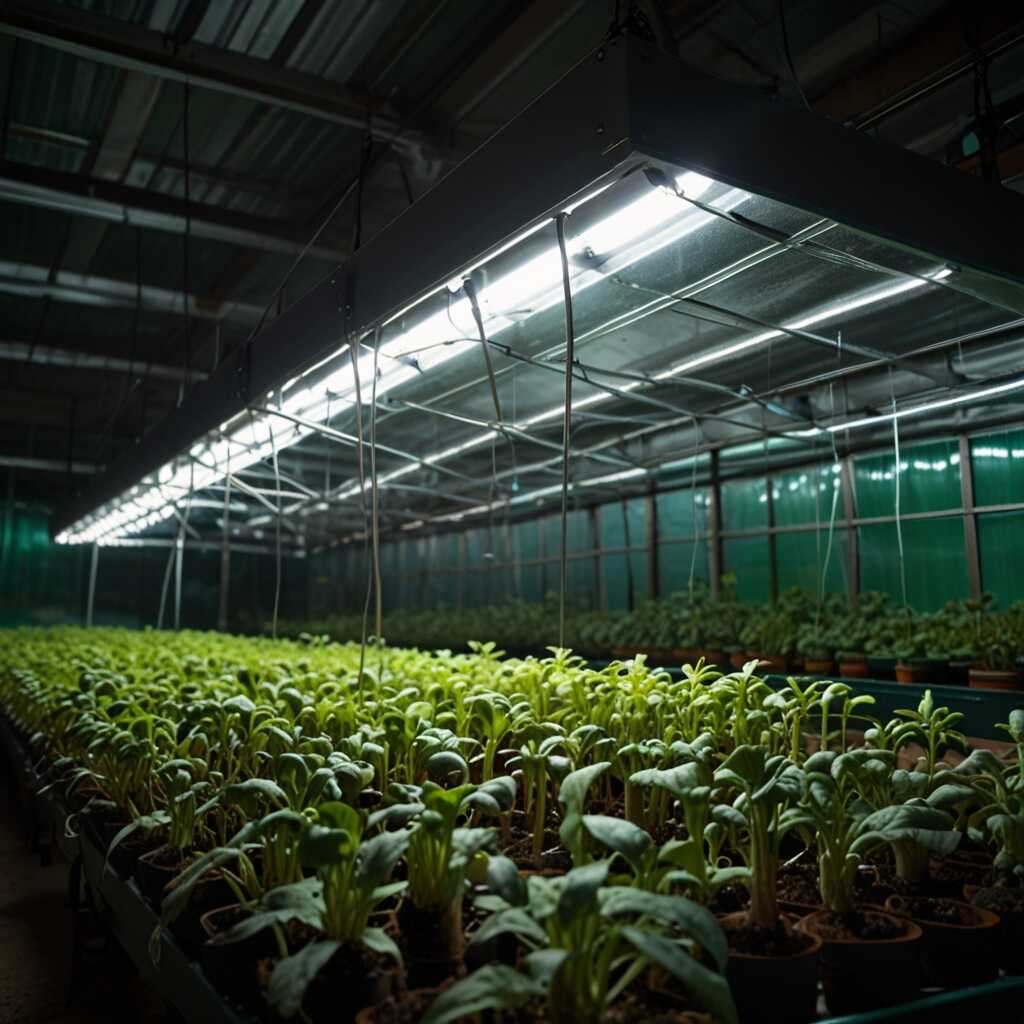
Several manufacturers produce reliable LED grow lights within the under-$100 price range suitable for hobby greenhouse applications. VIPARSPECTRA offers the V300 model (approximately $70) featuring full-spectrum output and coverage for 2.5×2.5 feet growing areas. MARS HYDRO’s TS600 (around $80) provides Samsung diodes and covers up to 2×2 feet effectively. Phlizon produces various models ranging from $45-90 with different wattage options and coverage areas suitable for small-scale indoor growing operations.
Comparing Performance Across Budget Brands
When comparing budget LED grow lights, examine actual power consumption versus advertised wattage, as many manufacturers inflate power ratings. Quality budget systems typically consume 100-150 watts while claiming higher equivalent ratings. Review customer feedback regarding longevity, heat production, and actual growing results rather than relying solely on manufacturer specifications. Consider brands offering at least 2-year warranties and responsive customer support, as these factors indicate confidence in product quality and reliability.
Key Performance Specifications for Budget Models
- Actual power consumption typically ranges from 50-200 watts
- Coverage areas vary from 1.5×1.5 to 4×4 feet depending on model
- Operating temperatures remain below 85°F with proper ventilation
- Full-spectrum output includes 400-700nm wavelength range
- Expected lifespan exceeds 30,000-50,000 hours for quality units
- Energy efficiency ratings typically exceed 2.5 µmol/J for modern LEDs
- Most models include built-in cooling fans and heat sinks
Different LED Technologies and Their Applications
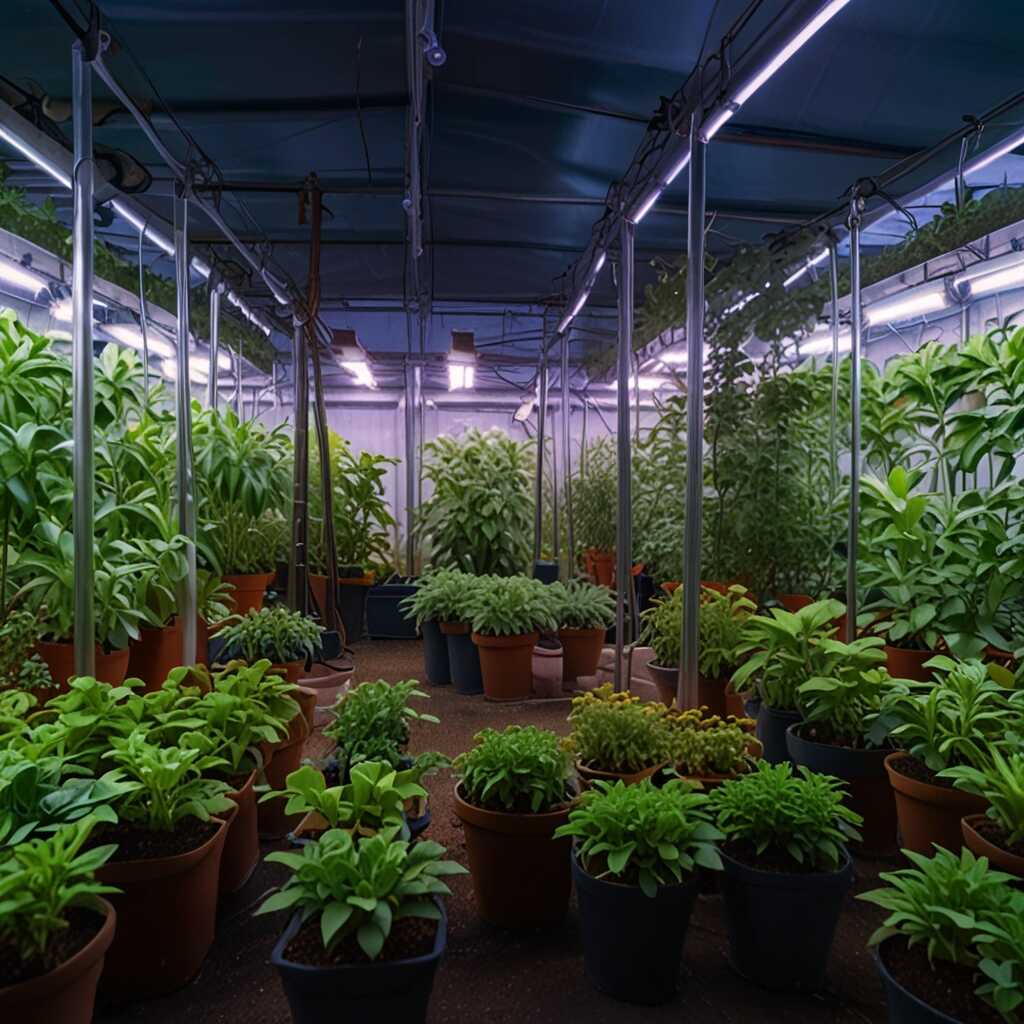
LED grow lights utilize various technologies to deliver optimal plant lighting, including COB (Chip-on-Board), SMD (Surface-Mounted Device), and quantum board designs. COB LEDs concentrate multiple chips into compact units, providing intense light output suitable for focused growing areas. SMD technology distributes individual diodes across larger surfaces, offering more even light distribution for broader coverage. Quantum boards represent newer technology featuring hundreds of small diodes that provide excellent light uniformity and heat management while maintaining energy efficiency comparable to more expensive commercial systems.
Selecting Technology Based on Growing Needs
Choose LED technology based on your specific growing requirements and greenhouse setup. COB lights work well for small, concentrated growing areas or when maximum light intensity is needed for light-hungry plants. SMD arrays provide better coverage for larger areas while maintaining uniform light distribution across the growing surface. Quantum board designs offer the best combination of efficiency, heat management, and light quality, making them ideal for serious hobby growers seeking professional-level results within budget constraints.
Understanding LED Grow Light Limitations
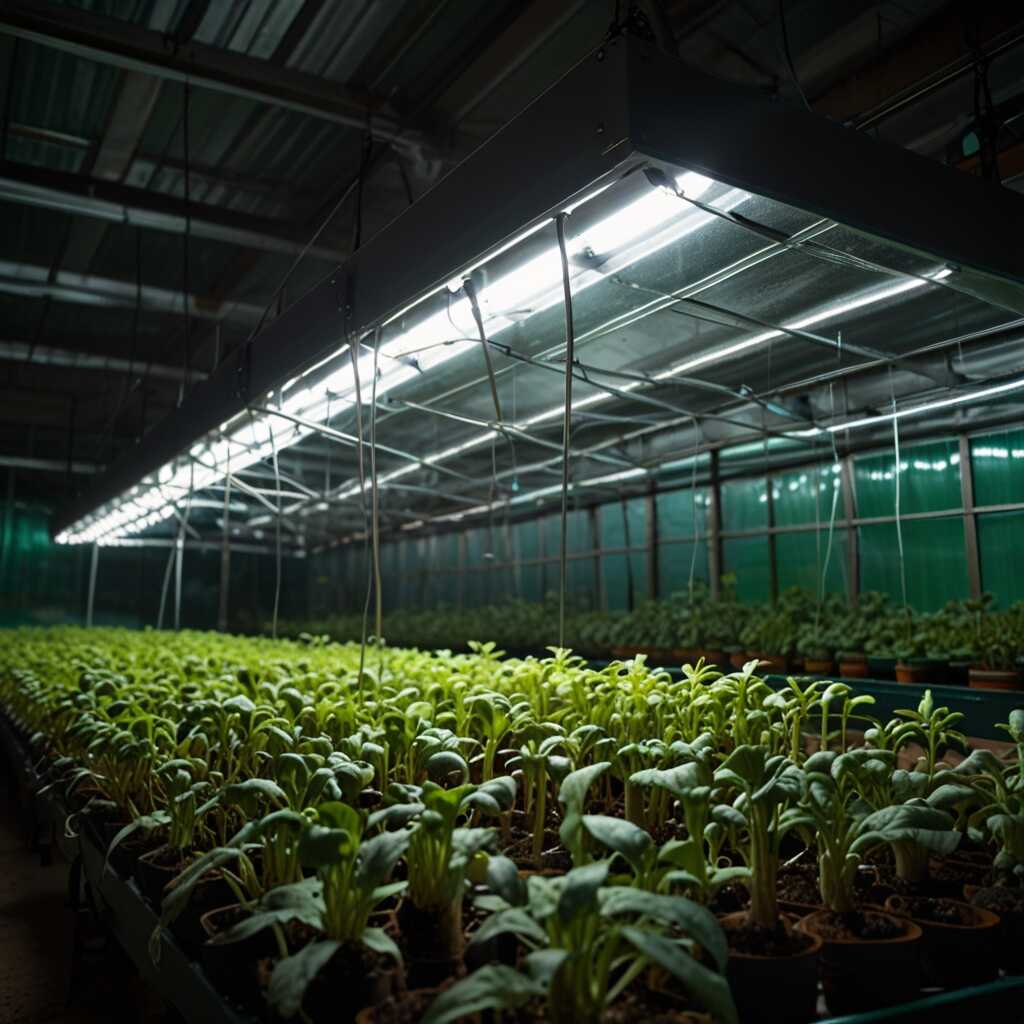
While LED grow lights offer numerous benefits, they have important limitations that hobby greenhouse gardeners should understand. Initial purchase costs are higher than traditional fluorescent alternatives, though long-term energy savings typically offset this difference. Some budget LED models may lack sufficient light intensity for large plants or high-light requirements crops, necessitating multiple units or closer positioning. Additionally, LED technology continues evolving rapidly, meaning today’s models may become outdated within 3-5 years as efficiency and spectrum quality improve significantly.
Common Challenges with Budget LED Systems
Budget LED grow lights often compromise on build quality, using lower-grade diodes that may fail prematurely or produce inconsistent light output over time. Many inexpensive models lack adequate heat management, leading to reduced lifespan and decreased efficiency as components overheat. Some budget units also provide misleading power ratings or spectrum claims, requiring careful research to identify genuine performance specifications. Understanding these limitations helps set realistic expectations and guides informed purchasing decisions for hobby greenhouse applications.
Alternatives to LED Grow Lights
Several lighting alternatives exist for hobby greenhouse gardeners, each with distinct advantages and limitations. Fluorescent lights, including T5 and compact fluorescent (CFL) systems, offer lower initial costs and gentle light output suitable for seedlings and leafy greens. High-Intensity Discharge (HID) lights, including metal halide and high-pressure sodium, provide intense output for large growing operations but consume significantly more electricity and generate substantial heat. Natural sunlight supplementation through greenhouse positioning and reflective materials can reduce artificial lighting needs while maintaining cost-effectiveness.
When to Consider Alternative Lighting Solutions
Consider fluorescent alternatives when growing delicate seedlings or maintaining mother plants that don’t require intense lighting. HID systems may be more cost-effective for very large growing areas where the higher electricity consumption is offset by superior light penetration and coverage. Natural light optimization through greenhouse orientation, reflective surfaces, and light tubes can supplement or replace artificial lighting in favorable climates, reducing operating costs while maintaining adequate growing conditions for many plant species.
Optimization Strategies for Maximum Growing Success
Maximize LED grow light effectiveness by positioning lights 12-24 inches above plant canopies, adjusting height as plants grow to maintain optimal light intensity without causing heat stress. Implement consistent lighting schedules based on plant requirements: vegetative growth typically needs 14-18 hours daily, while flowering phases often require 12-hour cycles to trigger reproductive development. Monitor plant responses including leaf color, stem elongation, and overall growth rate to fine-tune distance and duration settings for your specific growing conditions.
Creating Effective Lighting Schedules for Different Plants
Different plant species require customized lighting schedules to achieve optimal growth and productivity. Leafy greens like lettuce and spinach thrive with 12-14 hours of moderate intensity lighting throughout their growth cycle. Fruiting plants such as tomatoes and peppers need 16-18 hours during vegetative growth, then 12-hour cycles during flowering to trigger fruit development. Seedlings require gentler lighting for 14-16 hours daily, while established plants can handle full intensity for extended periods.
Proven Benefits of Strategic LED Implementation
- Energy consumption decreases by 40-60% compared to traditional lighting
- Heat production reduces by 70-80%, improving growing environment control
- Plant growth rates often increase 15-30% with proper spectrum delivery
- Maintenance requirements drop significantly due to longer component life
- Harvest yields typically improve 20-40% in controlled environment agriculture
- Operating costs decrease substantially through reduced electricity usage
- Growing season extends year-round regardless of external weather conditions
Common Mistakes to Avoid with LED Systems
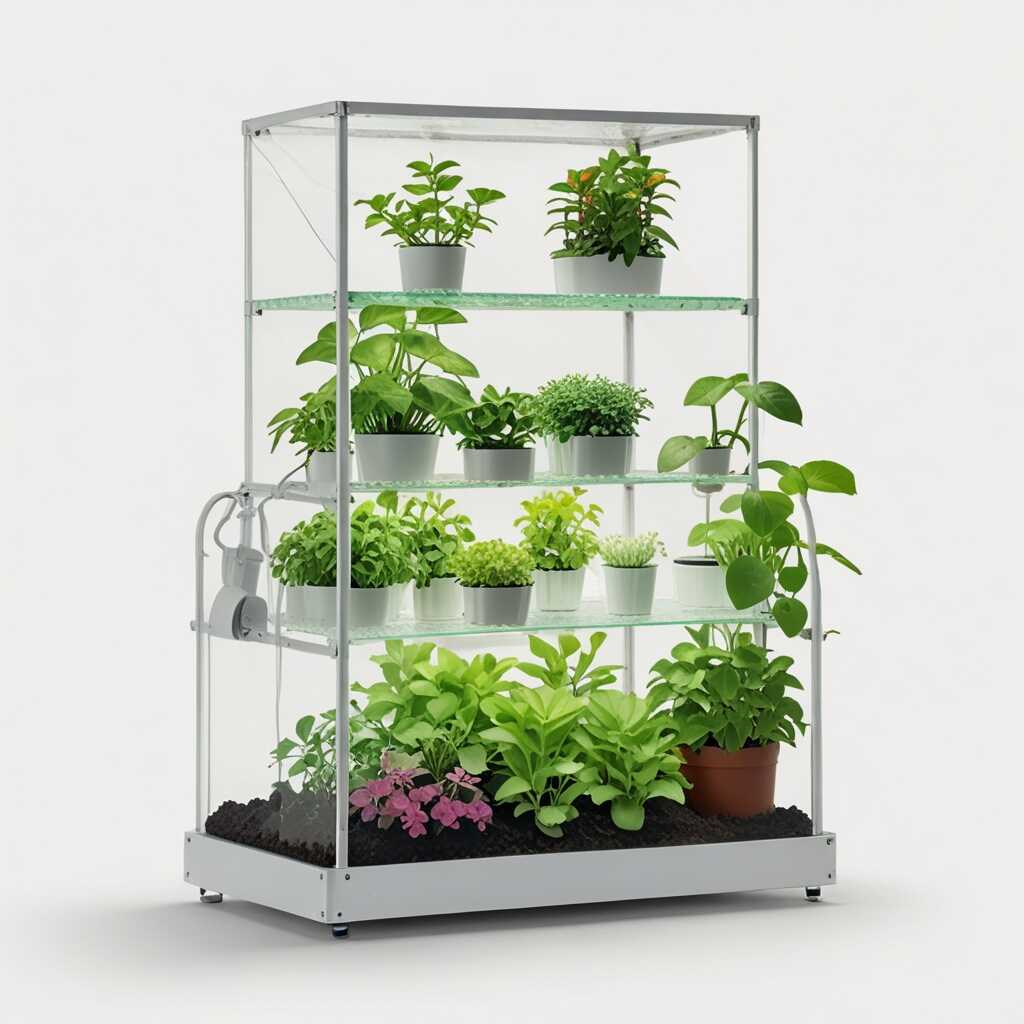
Hobby greenhouse gardeners frequently make critical errors that reduce LED grow light effectiveness and plant health. Incorrect light positioning ranks as the most common mistake: placing lights too far reduces intensity below useful levels, while positioning too close can cause light burn and heat stress. Many growers also fail to adjust lighting schedules for different growth phases, using identical settings throughout the entire plant lifecycle instead of modifying duration and intensity for vegetative versus flowering stages. Understanding proper light management prevents these costly errors and maximizes growing success.
Preventing Light Burn and Heat Stress Issues
Light burn occurs when plants receive excessive light intensity, causing leaf bleaching, brown spots, and stunted growth even with cool-running LED systems. Prevent this by gradually introducing plants to new lighting conditions, starting with shorter durations and greater distances before achieving full intensity. Monitor leaf temperature using infrared thermometers, maintaining surface temperatures below 85°F to prevent cellular damage. Adjust lighting height and duration based on plant responses rather than manufacturer recommendations alone, as individual growing conditions vary significantly.
Maintenance Protocols for Long-Term Performance
Proper maintenance extends LED grow light lifespan and maintains optimal performance throughout their operational life. Clean light surfaces monthly using soft microfiber cloths and mild soap solutions, removing dust and debris that can reduce light output by 10-20% over time. Inspect electrical connections quarterly, checking for corrosion, loose wires, or heat damage that could cause system failures. Monitor cooling fan operation and replace fans when noise levels increase or air flow decreases significantly.
Troubleshooting Common Performance Issues
Address common LED grow light problems systematically to maintain consistent growing conditions. Flickering lights often indicate loose connections or failing power supplies that require immediate attention to prevent complete system failure. Gradual light output reduction typically results from dust accumulation or diode degradation, both addressable through cleaning and preventive maintenance. Color shifting or uneven light distribution suggests individual diode failures that may require professional repair or unit replacement depending on warranty coverage and cost considerations.
Professional Maintenance Best Practices
- Schedule monthly cleaning sessions to maintain optimal light transmission
- Document performance changes to identify degradation patterns early
- Maintain ambient temperatures below 80°F for maximum component longevity
- Replace cooling fans immediately when performance declines
- Keep spare units available for critical growing operations
- Monitor electrical consumption to detect efficiency losses over time
- Establish relationships with manufacturers for technical support and warranties
Environmental Benefits and Energy Efficiency
LED grow lights deliver substantial environmental benefits compared to traditional horticultural lighting systems, primarily through dramatic energy consumption reductions and extended operational lifespans. Quality LED systems consume 50-70% less electricity than equivalent HID installations while producing similar or superior growing results. This efficiency translates into significant carbon footprint reductions and lower utility costs throughout the system’s 10-15 year operational life, making them environmentally responsible choices for sustainable agriculture practices.
Calculating Long-Term Environmental Impact
The environmental impact of LED grow lights extends beyond energy consumption to include manufacturing resources, disposal considerations, and operational efficiency. Modern LED systems typically recover their manufacturing energy investment within 1-2 years of operation through energy savings compared to traditional alternatives. Additionally, LED components contain fewer toxic materials than fluorescent bulbs and can be recycled more easily at end-of-life, reducing landfill waste and environmental contamination associated with conventional lighting disposal.