Green Writer is reader-supported: some links on this page are affiliate links, and as an Amazon Associate Green Writer earns from qualifying purchases at no extra cost to you. Learn more.
Enhance indoor gardening with vertical racking systems and integrated grow lights to maximize your gardening space. This innovative approach allows urban farmers to grow more plants in less area while using energy-efficient technology. At Green Writer, we guide you on sustainable practices that boost gardening efficiency and support eco-conscious living. Discover how vertical gardening can transform your indoor space while providing fresh produce and cleaner air.
Introduction to Vertical Farming Concepts for Urban Spaces
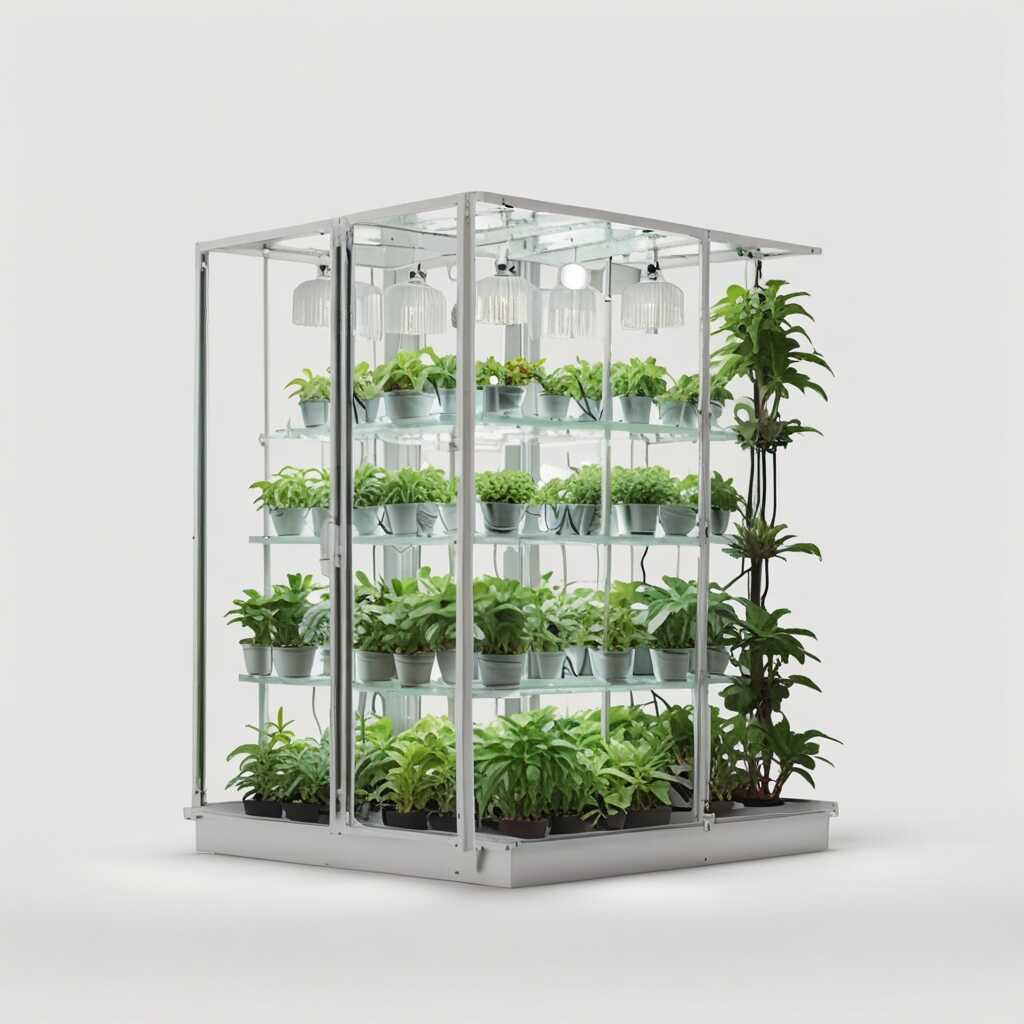
Vertical farming systems for urban gardening primarily consist of racking systems, integrated grow lights, and hydroponic or soil-based growing mediums. These components work together to maximize space management and improve indoor gardening efficiency. Vertical racking systems can save at least 50% more space compared to traditional gardening methods, enabling urban gardeners to cultivate a variety of plants in compact locations. Integrated grow lights enhance plant growth by providing a full spectrum of light, which is essential for photosynthesis and improving yield.
Key Features of Vertical Racking Systems
Vertical racking systems offer several key features that enhance urban gardening. These systems are designed to utilize vertical space effectively, allowing for multiple layers of plant growth. This design increases the number of plants per square foot, which is crucial in urban environments where space is limited. Integrated grow lights are essential for ensuring plants receive adequate light for growth, especially in spaces lacking natural sunlight. These lights can be easily adjusted to cover different growth stages, delivering the right wavelength for seedlings, vegetative plants, and flowering stages. This technology can also improve energy efficiency, making vertical gardening a sustainable choice for eco-conscious individuals.
Key Advantages of Using Integrated Grow Lights in Gardening
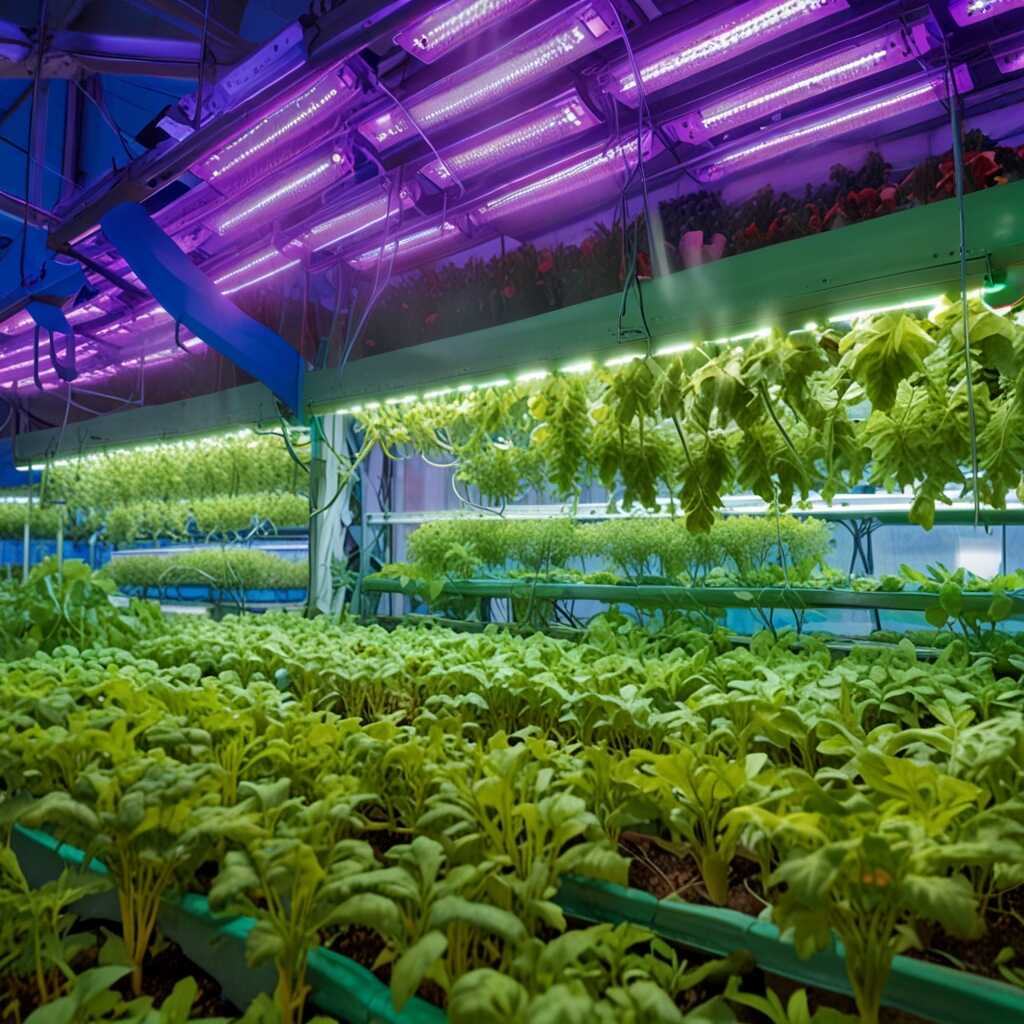
Integrated grow lights provide numerous benefits when paired with vertical racking systems. They enhance crop yield by delivering the specific light wavelengths essential for each plant growth stage. With proper lighting, plants can photosynthesize more efficiently, leading to healthier growth and larger harvests. Integrated grow lights are also energy-efficient, often lasting over 50,000 hours, which is significantly longer than traditional bulbs. These lights are designed to work seamlessly with vertical racking systems, maximizing space and ensuring that every plant receives adequate light for optimal development.
Understanding Plant Growth Stages and Lighting Needs
Understanding the diverse plant growth stages is crucial for effective indoor gardening. During the germination phase, seedlings require softer light, while the vegetative stage benefits from full-spectrum lights that mimic sunlight. In the flowering stage, specific red wavelengths encourage bud formation and fruiting. Integrated grow lights deliver these precise wavelengths, enhancing photosynthesis during each growth stage. This targeted approach leads to improved efficiency in energy usage and promotes better overall crop quality. The precise design of these systems ensures reliability, enabling urban farmers to maximize their gardening efforts.
Finding the Best Grow Light for Your Vertical Setup
When selecting a grow light for vertical gardening, consider essential features like spectrum, intensity, and energy efficiency. LED grow lights are popular due to their longevity and proven efficiency. Look for full spectrum options that provide the right wavelengths for various growth stages. High-quality products should have reliable heat management to ensure durability. Easily adjustable heights or angles enhance coverage in compact spaces. Research reviews and comparisons of top brands to find reliable options that check all boxes for optimal plant growth.
Understanding Full Spectrum Lighting for Indoor Plants
Full spectrum lighting includes light wavelengths from 400 to 700 nanometers, accommodating all plant growth stages. This range helps seedlings develop strong roots, supports photosynthesis, and encourages robust flowering. Many indoor gardeners prefer LED grow lights because they deliver this spectrum efficiently while using less energy, reducing costs. They outperform older lighting technologies, such as fluorescents and HID lamps, by providing consistent performance and longevity. Solar-based systems can also be effective but may lack controllability compared to LED options.
Interesting Facts About Space-Saving Solutions in Gardening
- Vertical gardening systems can increase plant yield by up to 50% compared to traditional layouts.
- Integrated grow lights can save up to 75% more energy than standard lighting systems.
- Many systems allow multiple layers of plants, maximizing limited indoor space.
- Some racking systems can hold over 50 plants on a single unit.
- Using full-spectrum lights promotes effective growth during all plant life stages.
- Urban farming is expected to grow by 25% annually in the next five years.
- Studies show that indoor gardening can increase air quality by up to 60% with the right plant choices.
Maximizing Space Efficiency with Vertical Racking Solutions
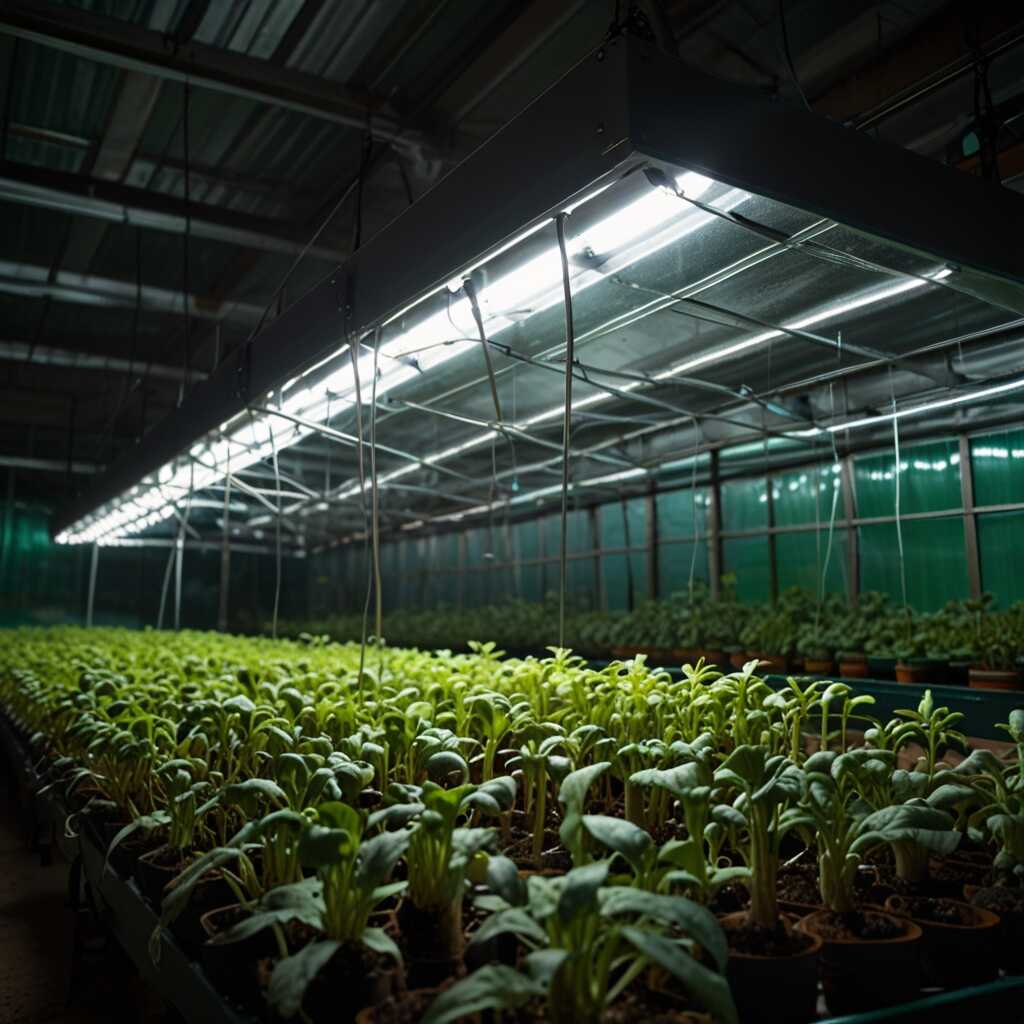
Vertical racking systems enhance plant organization in indoor gardens by allowing multiple layers of growth. This design maximizes light exposure for each plant, ensuring all receive adequate sunlight or LED light. Such systems facilitate better moisture retention by grouping plants with similar watering needs. They can save significant space compared to traditional gardening methods, often cutting space usage in half or more, depending on the layout. Plant varieties such as herbs, leafy greens, and compact flowering plants thrive in these systems. With the right configuration, you can achieve up to three times the output in the same footprint.
Choosing the Right Plants for Vertical Racking Systems
When selecting plants for vertical racking systems, consider those that benefit from light exposure. Herbs like basil and mint grow well under integrated grow lights, thriving in a layered arrangement. Leafy greens such as lettuce and spinach also excel, as they typically require less height and can grow in tighter spaces. Compact flowering plants like pansies can add aesthetic appeal while taking up minimal space. Each of these plant types enhances indoor garden productivity, enabling urban gardeners to maximize space without sacrificing quality or yield. The right plant selection ensures efficient use of vertical racking systems, optimizing growth conditions and outcomes.
Practical Considerations for Setting Up Your Vertical Garden
To set up your indoor vertical garden successfully, consider essential tips for plant arrangement. Place taller plants at the bottom and shorter plants on top for optimal light exposure. Ensure effective nutrient management by using high-quality potting soil and incorporating organic fertilizers. This provides essential nutrients. Light placement plays a crucial role in growth. The ideal distance between grow lights and plants should be around 12-24 inches, depending on the light intensity. This helps prevent light burn and ensures effective growth.
Ensuring Optimal Growth Conditions for Vertical Gardens
To ensure optimal growth conditions in your indoor vertical garden, focus on using full spectrum LED grow lights. These lights provide the necessary wavelengths for vegetative and flowering stages. Maintain humidity levels between 40-60% for most indoor plants. Regularly monitor your plants for signs of nutrient deficiencies or light stress. Rotating plants periodically helps them grow evenly by ensuring all parts receive adequate light. These practices will enhance the efficiency and performance of your vertical gardening system.
Key Advantages of Vertical Growing and Smart Illumination
- Maximize limited indoor space while cultivating a variety of plants at once.
- Vertical racking systems improve air circulation, preventing mold and pests.
- Integrated grow lights enable year-round gardening, regardless of outside conditions.
- These lighting solutions support healthy plant photosynthesis and growth.
- Users can customize light intensity and spectrum for specific plant needs.
- Efficient water usage promotes sustainable farming practices indoors.
- Vertical gardening creates an attractive indoor aesthetic while being functional.
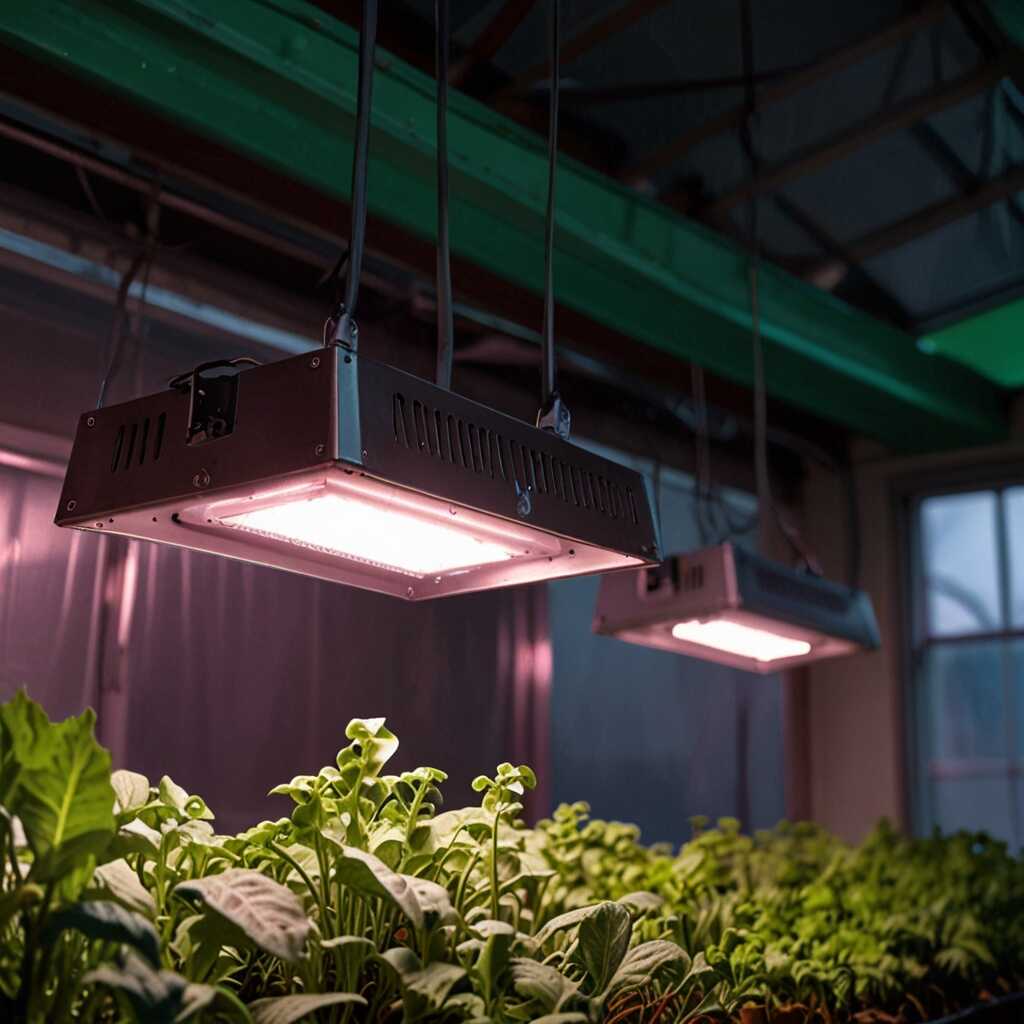
The Role of Vertical Gardening in Urban Sustainability Efforts
Vertical gardening supports urban sustainability by providing localized food production. This method minimizes transportation emissions by growing food close to consumers. It transforms unused urban spaces like walls and rooftops into green areas. Additionally, localized food reduces the carbon footprint associated with shipping produce long distances. The environmental benefits also include improved air quality from plants that filter pollutants. By growing food in urban settings, communities gain access to fresh produce, enhancing food security. Integrated grow lights significantly reduce energy consumption, offering an energy-efficient solution for indoor and urban gardening.
Energy Efficiency of Integrated Grow Lights
Integrated grow lights can drastically enhance the efficiency of vertical gardening. These lights are designed to provide the full spectrum of light essential for plant growth. Research shows that LED grow lights consume up to 80% less energy than traditional lighting systems. These lights last over 50,000 hours, providing reliable long-term use. The enhanced performance of LED grow lights directly positively impacts the overall energy efficiency of urban gardening systems. By utilizing integrated grow lights effectively, urban farmers can grow more food while consuming less energy, aligning with the goals of sustainable gardening practices promoted by Green Writer.
Overcoming Challenges in Vertical Gardening Practices
Urban farmers may face several challenges when implementing vertical gardening techniques. Common hurdles include limited space, inadequate lighting, and plant selection. To maximize efficiency, urban farmers should choose lightweight vertical racking systems designed for easy assembly and stability. Integrated grow lights provide essential illumination, ensuring plants receive adequate light for healthy growth. Plant selection is equally vital; consider selecting air-purifying plants like spider plants or pothos, which thrive in vertical setups. Testing different plant varieties helps identify the most reliable performers under specific conditions. Additionally, utilizing space optimization techniques, such as staggered planting and modular systems, can enhance yield and usability.
Effective Plant Selection for Vertical Systems
Choosing the right plants is crucial for successful vertical gardening. Opt for species that exhibit good growth in constrained spaces and under varied light conditions. Leafy greens, herbs, and compact flowering plants are excellent choices for vertical systems. These plants generally require less height and can handle higher-density planting. Research has shown that varieties like basil and lettuce grow exceptionally well in vertical racking systems. They can yield multiple harvests within short cycles, greatly enhancing indoor gardening outputs. By utilizing integrated grow lights, urban farmers can replicate daylight conditions, which helps produce healthy, vibrant plants throughout the year.
Popular Options and Their Enthusiastic Users
- Brand A focuses on modular vertical racking systems for small apartments.
- Brand B offers integrated grow lights designed for large-scale commercial use.
- Urban dwellers and plant experts thrive using efficient indoor gardening solutions.
- Hobbyist gardeners enjoy flexibility and the practical design of compact units.
- Eco-conscious individuals choose brands promoting sustainable materials.
- Families often utilize vertical systems to engage children in gardening.
- Apartment residents prefer products that maximize their limited space effectively.
Emerging Technologies and Future Directions in Vertical Farming
Recent advancements in vertical farming technologies include automation, improved LED grow lights, and systems designed for optimal plant growth. Integrated grow lights enhance indoor gardening efficiency by providing full spectrum light that mimics natural sunlight. This feature is vital for healthy plant growth and can lead to higher yields. Research indicates that by 2025, approximately 70% of urban farmers are expected to adopt some form of vertical farming due to its sustainability benefits and space-saving capabilities. This shift showcases the importance of innovative technologies in urban agriculture and reflects a growing commitment to eco-conscious practices.
How Integrated Grow Lights Improve Plant Growth in Vertical Farms
Integrated grow lights improve plant growth by delivering precise light wavelengths necessary for each growth stage. These lights provide essential energy for photosynthesis, which is critical in indoor gardening. Advanced LED technology allows for adjustable light intensities and spectra, enhancing the overall plant development process. This adaptability helps urban farmers optimize space and resources, making it easier to cultivate a variety of crops year-round. By effectively managing light and energy use, integrated grow lights support sustainable practices in urban vertical farms, ensuring a robust food supply while minimizing environmental impact.