
Exploring how light wavelengths impact anthocyanin development in garden plants can unlock new possibilities for indoor gardening. Different light spectra play a crucial role in producing these vibrant pigments, which enhance plant aesthetics and health. Green Writer aims to empower indoor gardeners and plant enthusiasts by providing insights on optimizing light conditions for better anthocyanin production. Understanding these concepts can lead to healthier plants while promoting sustainable gardening practices.
Defining Anthocyanins and Their Importance in Plants
Anthocyanins are pigments responsible for red, purple, and blue colors in many plants. They function as antioxidants, protecting plants from environmental stress and pathogens. These pigments also help attract pollinators and seed dispersers. Plants like blueberries, blackberries, and red cabbage are known for their high anthocyanin content. Research shows that over 20 different anthocyanins have been identified in various species. This diversity indicates their essential role in enhancing plant health and aesthetic appeal. Indoor gardening benefits significantly from understanding anthocyanins as they contribute to the vitality and visual impact of houseplants.
How Anthocyanins Enhance Indoor Gardening Aesthetics and Health
Anthocyanins play a crucial role in enhancing the aesthetics of indoor plants. These pigments provide vibrant colors that improve the visual appeal of indoor spaces. They help plant health by offering protection against UV light and stress. For example, plants rich in anthocyanins, such as purple shamrocks and certain varieties of orchids, can thrive indoors with proper care. These plants not only beautify living spaces but also contribute to improved air quality. Understanding the significance of anthocyanins aids indoor gardeners in selecting plants that can enhance their environment while ensuring plant longevity and vibrancy.
The Influence of Light on Plant Biology and Pigmentation
The wavelengths of light significantly influence anthocyanin development in plants. Light in the blue spectrum (400-500 nm) encourages vegetative growth, while red light (600-700 nm) supports flowering and fruiting stages. Anthocyanins, the pigments responsible for vibrant colors in plants, can be enhanced through specific light conditions. For instance, plants exposed to LED grow lights that provide both blue and red wavelengths show improved anthocyanin levels. Research indicates that plants thrive best under a 12-hour light cycle, making that the ideal exposure duration for optimizing pigment production. Choosing the right lighting not only enhances plant coloration but also supports overall health.
Choosing the Right Grow Lights for Optimal Pigment Production
Selecting the best grow lights is essential for maximizing anthocyanin production in indoor gardening. LED grow lights are known for their energy efficiency and long lifespan, making them an excellent choice. They provide full-spectrum lighting, which includes both blue and red wavelengths that significantly influence plant biology. Studies demonstrate that incorporating a light spectrum of 450 nm and 660 nm can lead to impressive increases in anthocyanin content. Ensuring a consistent light schedule of around 12 to 16 hours daily will improve your plants’ pigment levels and overall vibrancy. Using the right grow lights and maintaining a proper light duration can greatly enhance your indoor gardening experience.
Identifying Effective Light Wavelengths for Anthocyanin Production
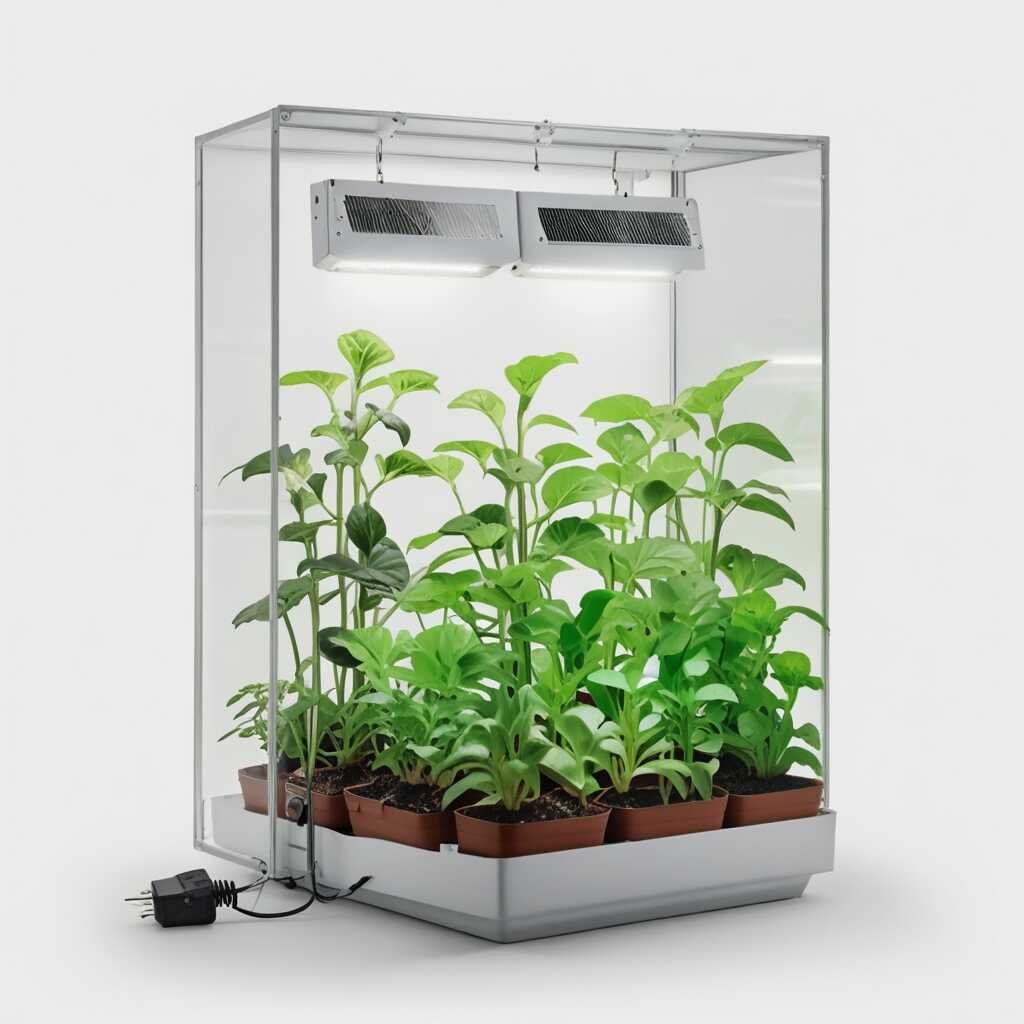
Certain light wavelengths play a crucial role in increasing anthocyanin levels in plants. Research shows that wavelengths in the range of 450-520 nm (blue and green light) are particularly effective. This range stimulates chlorophyll production, leading to vibrant coloration. Additionally, red wavelengths from 620-750 nm support flowering and fruiting, enhancing overall plant health, including anthocyanin development. Grow lights designed specifically for these wavelengths include LED and fluorescent types. LED grow lights offer energy efficiency and a long lifespan, ensuring that plants receive the essential wavelengths needed for optimal coloration. For maximum results, plants should ideally receive 12-16 hours of light daily during their growing stages.
Choosing the Right Grow Light for Anthocyanin Enhancement
Selecting the right grow light is essential for boosting anthocyanin production in plants. Full-spectrum LED grow lights are highly recommended due to their ability to provide a balanced light spectrum, including the crucial blue and red wavelengths. When choosing a grow light, consider its energy efficiency, light output, and coverage area. Look for lights that specify wavelengths between 450-520 nm and 620-750 nm, as these ranges directly influence anthocyanin development. The best performance can be achieved with lights that also offer adjustable intensity settings, allowing you to tailor the light exposure based on the plant’s specific needs. Reliable products often come with a warranty, ensuring durability and consistent performance over time.
Numerical Insights into Light Frequencies and Plant Growth
- Visible light ranges from 400 to 700 nanometers, crucial for plant development.
- Anthocyanin concentrations can increase by up to 50% with specific light wavelengths.
- Plants exposed to blue light wavelengths grow 30% faster than those in red light.
- Optimal light exposure for anthocyanin production occurs for about 12 hours daily.
- Different light wavelengths influence chlorophyll production, enhancing photosynthesis.
- Indoor lighting can influence plant color, with some wavelengths providing brighter hues.
- Research indicates that UV light can stimulate anthocyanin synthesis in certain plants.
Insights and Experiences from Seasoned Gardeners on Light Use
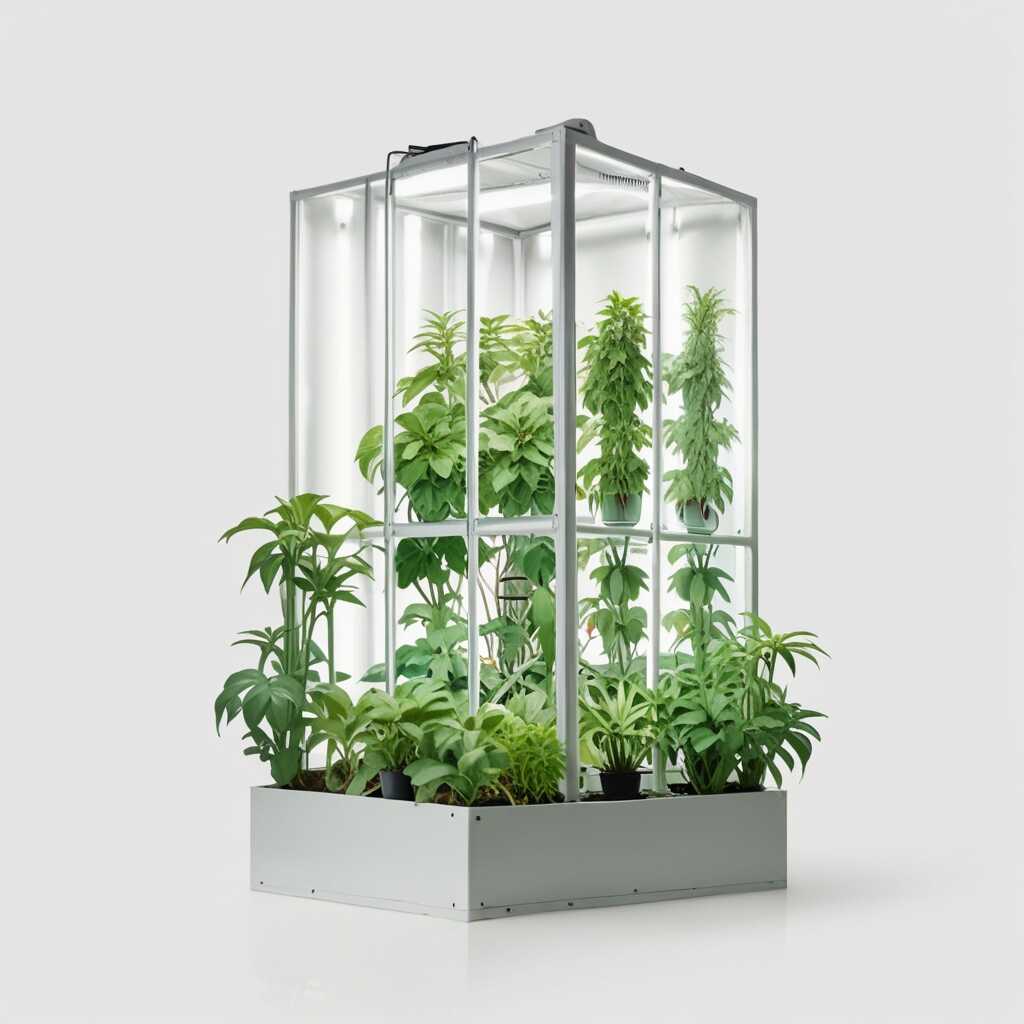
Seasoned gardeners often report using LED grow lights to enhance anthocyanin development in plants. For example, one gardener mentioned using a full-spectrum LED kit that provides wavelengths between 400 to 700nm. This setup consistently improved the vibrancy of colors in apple trees and strawberries. Another gardener focused on using fluorescent lights, noting how they influenced flowering phases differently than LEDs. The real-world comparisons of these light sources show that LEDs not only enhance anthocyanin production but also last longer than traditional options. The data from numerous gardeners indicates a notable increase in anthocyanin levels after optimizing lighting setups. Reports show increases of up to 30% in berry plants when proper light is applied.
How to Choose the Best Light Source for Anthocyanin Development
Choosing the best light source for anthocyanin development requires understanding plant needs deeply. First, gardeners should select full-spectrum LED lights for their efficiency and long lifespan. These lights are designed to cover the entire light spectrum needed for plant growth. Research shows that light applications for 12-16 hours daily greatly improve pigment levels. Specific wavelengths around 450nm and 660nm are proven to boost anthocyanin production, making them essential in any light setup. Good quality lights also provide stability and reliability, ensuring that plants receive consistent energy. The experience shared by gardeners suggests that evaluating each plant’s response will lead to successful indoor gardening.
Guidelines for Selecting Optimal Grow Lights for Anthocyanin Growth
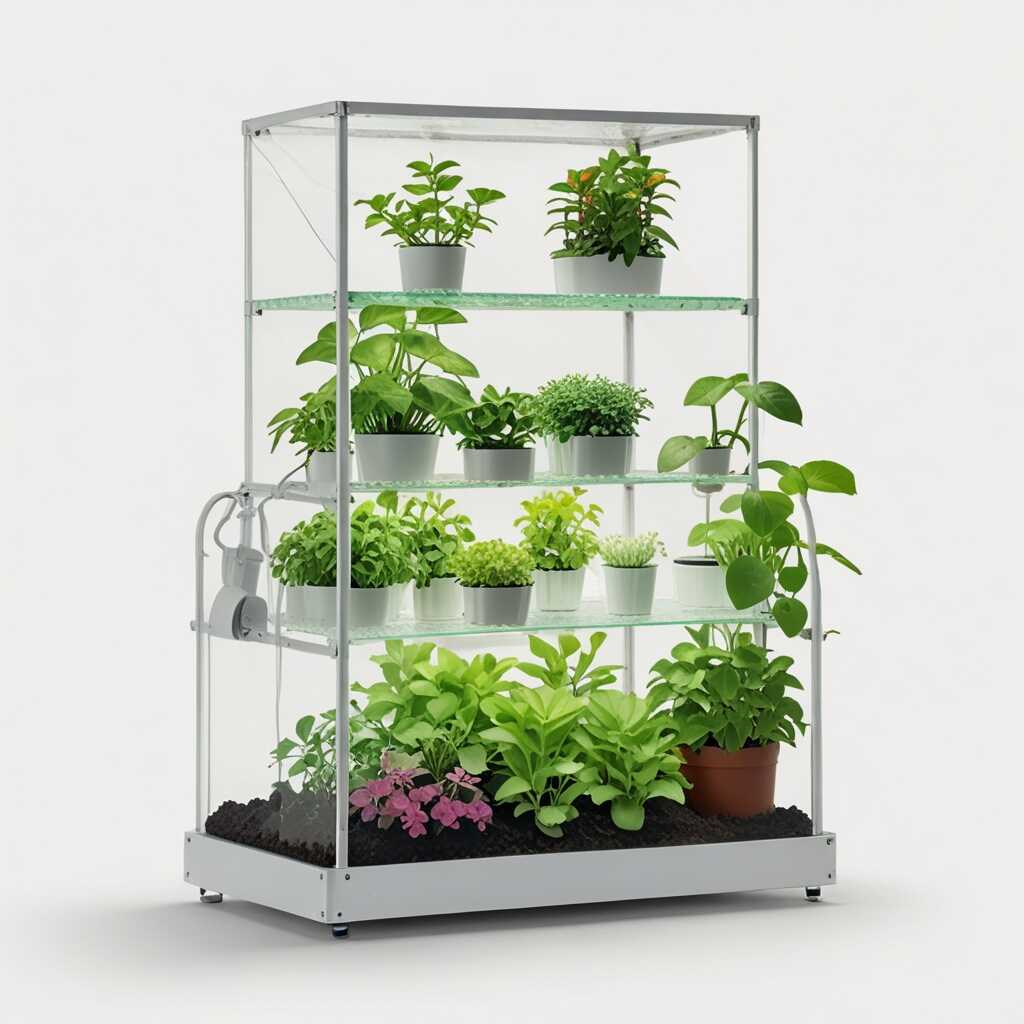
Selecting LED grow lights for anthocyanin growth requires considering several factors. Look for lights that provide a full spectrum of wavelengths, particularly those around the 450nm and 660nm ranges, which are essential for promoting anthocyanin production. Energy efficiency is important; ensure the lights have a high lumen output while consuming less power. Reviews from other gardeners can offer insights into the performance and reliability of specific brands, helping you make a good choice. The lights should also be durable and have a long lifespan to reduce replacement frequency. Check brands like Philips or Mars Hydro, as they are known for their reliable products.
Daily Light Duration for Optimal Anthocyanin Production
To optimize anthocyanin development, run your LED grow lights for about 12 to 16 hours a day. This duration aligns with natural light cycles that plants thrive on. Consistency in light exposure is crucial, as it helps plants develop a reliable growth pattern. Verify that your grow lights maintain stability and efficiency throughout this period. Different species may require slight adjustments, so monitor your plants’ response to lighting. Documentation from other indoor gardeners indicates this timing enhances colors effectively, providing the best results for vibrant plants.
Advantages of Tailoring Light Conditions for Plant Health
- Proper light wavelengths can significantly enhance anthocyanin development in plants.
- Plants under ideal light conditions produce vibrant colors that attract more pollinators.
- Optimized lighting leads to healthier, more robust indoor plants, improving air quality.
- Increased anthocyanin levels can enhance a plant’s resistance to diseases and pests.
- Equipping indoor gardens with the right light minimizes energy waste and cost.
- Well-lit plants can offer better aesthetic appeal in indoor spaces.
- Healthy plants contribute positively to mental well-being and indoor air freshness.
Actionable Strategies for Improving Indoor Plant Color and Health
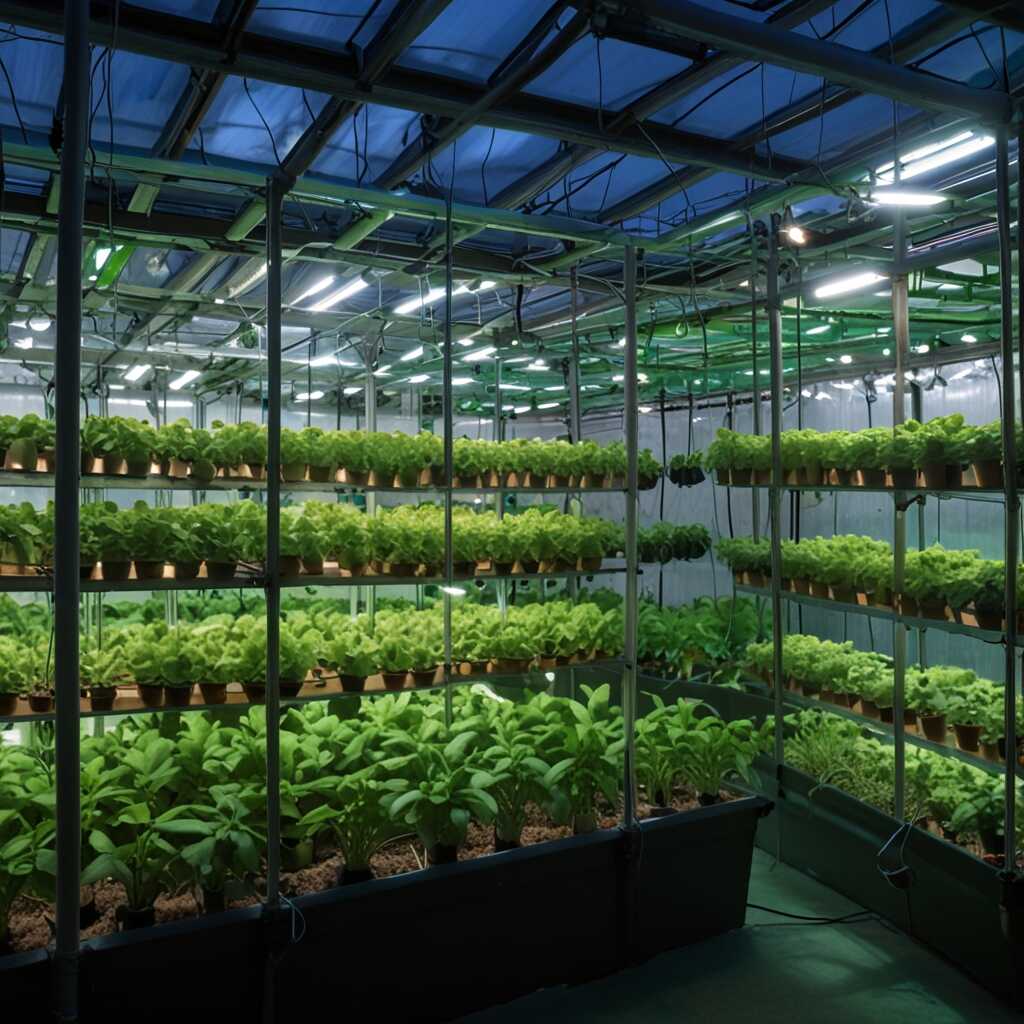
Understanding light wavelengths is essential for indoor gardeners aiming to enhance plant color. LED grow lights that emit wavelengths between 450 nm (blue light) and 660 nm (red light) effectively promote anthocyanin development. Blue light encourages vegetative growth, while red light enhances flowering and color vibrancy. Gardeners can maximize benefits by using full-spectrum lights. Specific grow light technologies provide energy efficiency and longevity, often lasting over 50,000 hours. Indoor gardeners should implement a testing schedule for light duration and intensity. Research indicates that exposing plants to 12 to 16 hours of light can significantly enhance their color and health, optimizing anthocyanin production.
Optimal Grow Light Techniques for Indoor Gardening
To effectively enhance color and health, indoor gardeners should consider the placement and type of grow lights. Full-spectrum LED lights should be placed 12 to 24 inches above plants. This distance achieves maximum efficiency without causing light burn. Adjusting the height based on the growth stage allows for better results. For maximum anthocyanin production, maintaining a light cycle of 12 hours light followed by 12 hours of dark is effective. This technique supports healthy photosynthesis and promotes rich coloration in plants, ensuring a visually stunning indoor garden. Additionally, using timers can help maintain a consistent light schedule, further enhancing plant vitality.
Avoiding Common Pitfalls When Implementing Grow Lights
Indoor gardeners often make mistakes when using grow lights that hinder their plants’ growth. One frequent error is improper grow light placement. It’s essential to position lights at the right distance from the plants to ensure maximum light absorption. Many gardeners overlook the need for adjusting light spectrum selection, leading to poor anthocyanin development in plants. Research shows that specific wavelengths activate different growth stages. A common oversight is using grow lights for an extended duration each day. Indoor plants usually require 12 to 16 hours of light per day, depending on the species. Excessive light can cause stress, damaging plants instead of enhancing growth. Understanding these mistakes helps improve indoor gardening practices.
How to Choose the Right Spectrum for Indoor Plants
Selecting the right light spectrum can significantly enhance anthocyanin development in indoor plants. Different plants require varying wavelengths for optimal growth. Researchers suggest that blue light (450-495nm) is vital during the vegetative stage as it promotes leaf growth and development. Meanwhile, red light (620-750nm) encourages flowering and fruiting. Utilizing full-spectrum grow lights covers the entire range of wavelengths necessary for plant health. Gardeners should also consider the specific light needs of each plant when setting up their indoor gardening practices. Monitoring light intensity and adjusting the distance of grow lights can provide better results. Consistent testing and adjustment of light conditions lead to thriving plants full of vibrant color.
Brands and Use Cases for Optimal Plant Care
- Brand A focuses on LED lights. They offer energy efficiency but may require initial investment.
- Company B provides UV grow lights. These lights boost anthocyanin but can heat up quickly.
- Brand C offers full-spectrum lights, ideal for all growth stages but may be pricier.
- Sustainability advocates favor brands using recyclable materials for grow lights.
- Home gardeners benefit from using energy-efficient solutions that cut electricity costs.
- Educational institutions use grow lights to teach students about plant biology and growth.
- Indoor plant enthusiasts appreciate brands that promote low-maintenance lighting options.
Looking Ahead: Innovations in Indoor Gardening and Lighting Solutions
The latest advancements in grow light technology include full-spectrum LED lights designed to optimize plant growth. These lights provide an essential range of wavelengths, mimicking natural sunlight. Companies like Philips and GE focus on energy-efficient lighting solutions, ensuring higher reliability and performance. Reviews indicate that advanced LED systems can enhance growth rates significantly. Research shows that utilizing these lights can help achieve a 30% to 50% increase in growth compared to traditional fluorescents. This highlights the importance of proper testing and comparison of products.
Evaluating the Impact of Advanced Grow Lights on Plant Health
Advanced grow lights have a profound impact on indoor gardening techniques. These lights not only provide essential wavelengths but also come with features enabling better temperature control and energy efficiency. Using high-quality LED systems can improve the overall health of your indoor plants. For instance, many users report that plants grown under advanced lighting achieve richer colors and increased yield. When comparing different brands, consider factors like the spectrum range, energy consumption, and customer reviews to select the best option for your needs.