Green Writer is reader-supported: some links on this page are affiliate links, and as an Amazon Associate Green Writer earns from qualifying purchases at no extra cost to you. Learn more.
Upgrading greenhouse grow light systems means replacing traditional high-energy lighting with modern LED or energy-efficient alternatives that reduce electricity consumption by typically 50-75% while improving plant growth. This transition involves evaluating current fixtures, selecting appropriate LED or full-spectrum lights, and implementing proper installation techniques. The upgrade process typically requires initial investment ranging from hundreds to thousands of dollars but delivers long-term energy savings and enhanced crop yields for sustainable agricultural practices.
Recognizing the Benefits of Energy Efficient Grow Light Systems
Energy-efficient grow light systems offer significant advantages for greenhouse operations. The primary benefits include reduced electricity consumption, which typically decreases energy costs by 50-75% compared to traditional HPS or fluorescent systems. These modern technologies enhance plant health by providing targeted wavelengths that optimize photosynthesis efficiency. LED lighting produces substantially less heat, reducing cooling requirements and preventing plant stress from excessive temperatures. The environmental benefits include lower carbon footprints and reduced strain on electrical grids, supporting sustainable growing practices.
How Energy-Efficient Lighting Enhances Plant Growth
Energy-efficient lighting enhances plant growth through precise spectrum control and consistent light output. LED grow lights deliver full-spectrum illumination covering 400-700nm wavelengths essential for photosynthesis across all growth stages. These systems provide customizable light recipes for different crops, from leafy greens requiring blue-heavy spectrums to flowering plants needing red wavelengths. The improved light quality results in faster growth rates, higher yields, and better plant quality. Additionally, LED systems maintain consistent output throughout their 50,000+ hour lifespan, ensuring reliable performance without the gradual decline typical of traditional lighting.
Comparing Various Efficient Grow Light Options Available
LED grow lights represent the most energy-efficient option, consuming 30-50% less electricity than HPS systems while providing superior light quality and longevity. HPS lighting remains popular for large-scale operations due to high light intensity, but these systems generate significant heat and require frequent bulb replacements every 18-24 months. Full-spectrum LED fixtures combine multiple wavelengths in single units, offering versatility for mixed crops or changing growing seasons. Fluorescent grow lights serve as budget-friendly options for small greenhouses or seedling production, though they lack the intensity needed for fruiting plants.
Understanding the Benefits of Each Grow Light Type
LED grow lights provide exceptional energy efficiency while delivering precise spectrum control for optimal plant development. Good quality LEDs enhance plant growth through targeted spectral output that maximizes photosynthetic efficiency. HPS systems excel in flowering applications due to their high red light output but consume significantly more electricity and generate excessive heat requiring additional ventilation. Full-spectrum lighting allows natural plant development patterns while providing flexibility for diverse crop requirements. Understanding these characteristics helps growers select appropriate lighting solutions based on their specific crops, greenhouse size, and energy efficiency goals.
Evaluating Your Existing Lighting Configuration
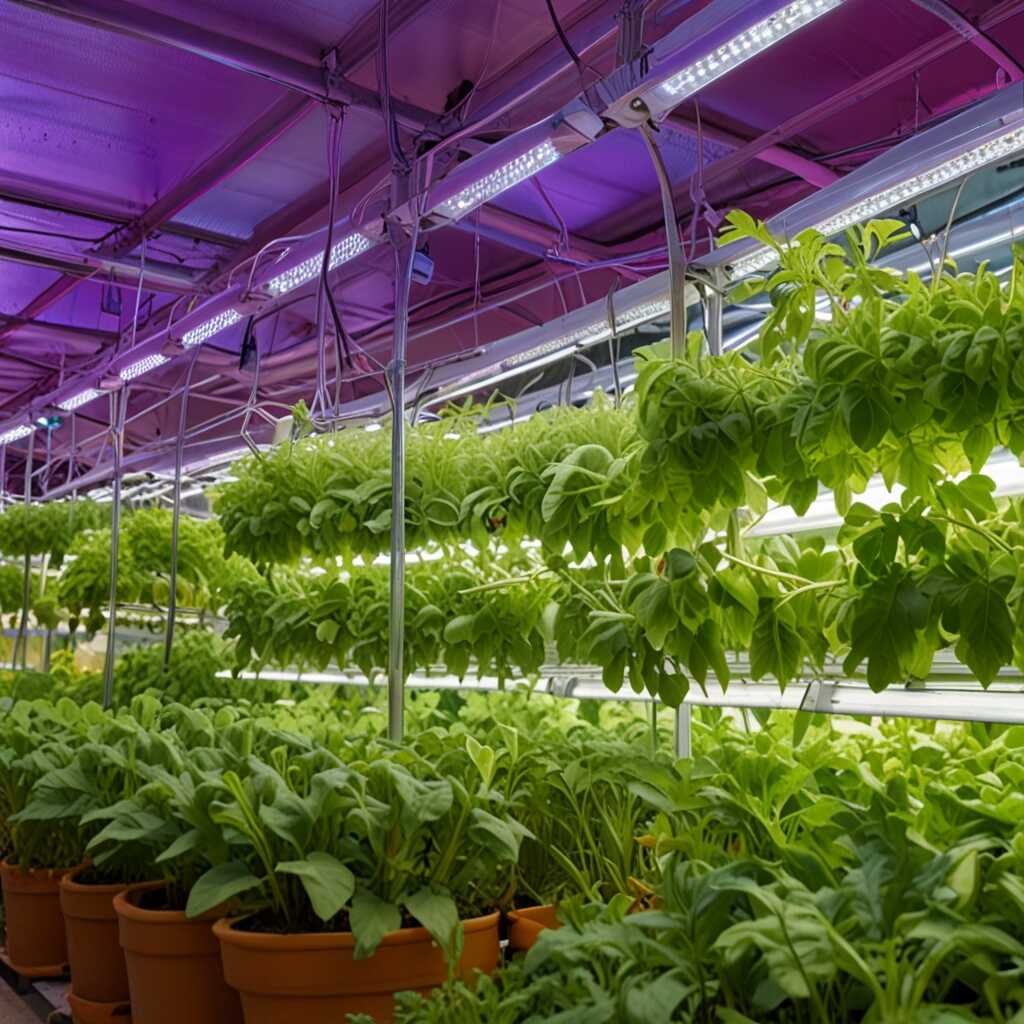
Evaluating current greenhouse lighting begins with measuring total energy consumption by recording wattage ratings and daily operating hours for all fixtures. Calculate monthly electricity costs by multiplying total kilowatt-hours by your local utility rate to establish baseline expenses. Assess light coverage by checking for dark spots or uneven illumination that may limit plant growth in certain areas. Measure plant performance indicators including growth rates, leaf color, and overall plant health to identify potential lighting deficiencies. Document any heat-related issues such as leaf burn, excessive greenhouse temperatures, or increased cooling costs that indicate inefficient lighting systems.
Key Features of Grow Lights to Evaluate
When evaluating grow light performance, focus on light spectrum quality, measuring whether current fixtures provide adequate blue (400-500nm) and red (600-700nm) wavelengths for your crops. Assess energy efficiency by comparing actual power consumption to light output, looking for fixtures that waste energy as heat rather than useful illumination. Check fixture durability and maintenance requirements, noting how frequently bulbs need replacement and whether ballasts or drivers show signs of failure. Measure light intensity using PPFD (Photosynthetic Photon Flux Density) meters to ensure adequate coverage across all growing areas, typically requiring 200-400 µmol/m²/s for most greenhouse crops.
What Are the Limitations of Upgrading Grow Light Systems?
- High initial investment costs can range from $1,000-$10,000 depending on greenhouse size
- Installation may require electrical upgrades or professional installation services
- Learning curve exists for understanding optimal light schedules and spectrum requirements
- Some plants may require adjustment periods when transitioning to new lighting spectrums
- LED fixtures may have compatibility issues with existing timers or control systems
- Quality varies significantly between manufacturers, requiring careful research and selection
- Return on investment typically takes 2-4 years depending on energy costs and usage
Effective Strategies for Improving Light Distribution
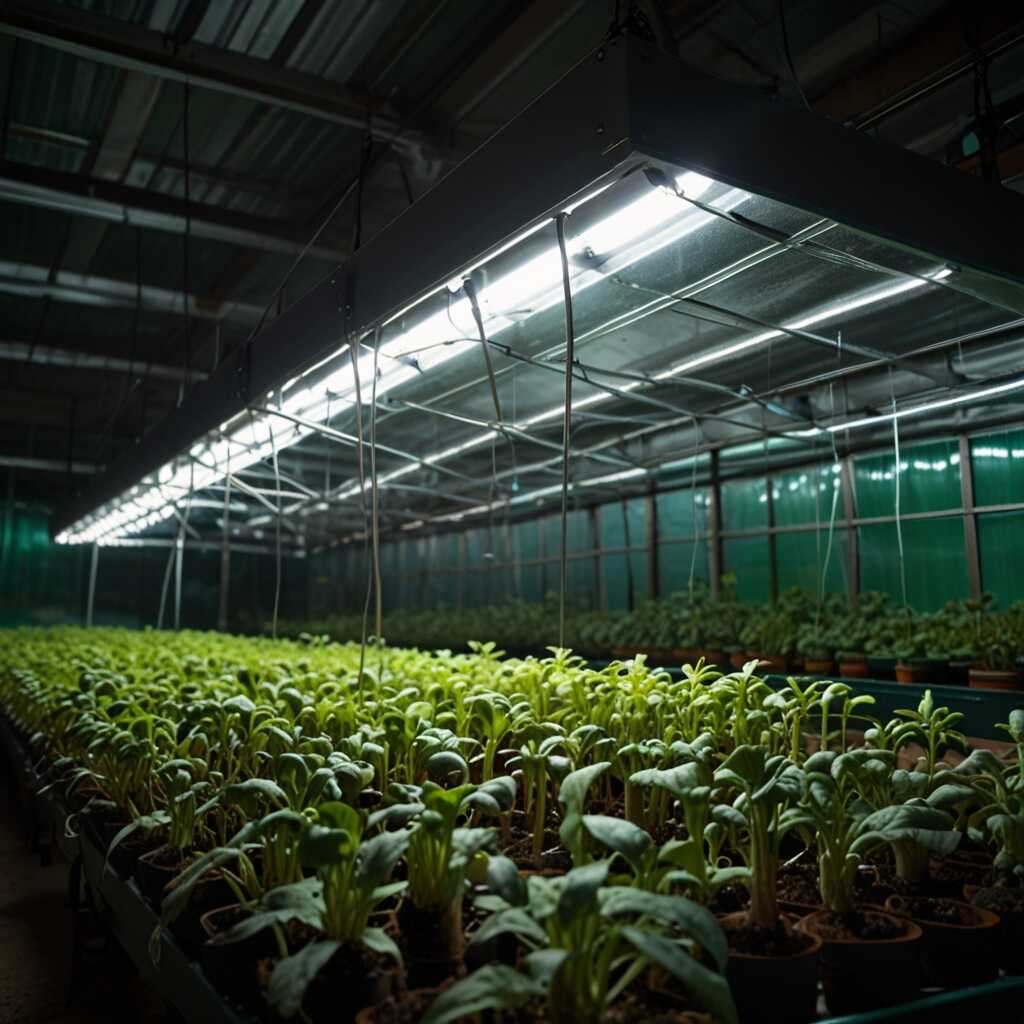
Improving light distribution requires strategic fixture placement and supplementary reflection techniques. Position primary grow lights at appropriate heights, typically 12-24 inches above plant canopies for LED systems, adjusting based on manufacturer specifications and plant heat tolerance. Install reflective materials such as mylar sheeting or flat white paint on greenhouse walls to redirect wasted light back toward plants, potentially increasing available light by 10-20%. Create uniform coverage by overlapping light patterns from multiple fixtures rather than relying on single high-intensity sources that create hot spots and shadows.
Choosing the Right Reflective Materials for Your Greenhouse
Mylar sheeting provides the highest reflectivity at approximately 90-95%, making it ideal for maximizing light efficiency in smaller growing areas. Flat white paint offers a cost-effective alternative with 80-85% reflectivity and easier application on large wall surfaces. Diamond-pattern mylar increases light scattering for more even distribution but may reduce overall reflection efficiency slightly. Avoid aluminum foil or mirrors which create hot spots and uneven light patterns that can damage plants. Consider the greenhouse environment when selecting materials, as high humidity may affect adhesive-backed products over time.
Understanding Plant-Specific Light Spectrum Needs
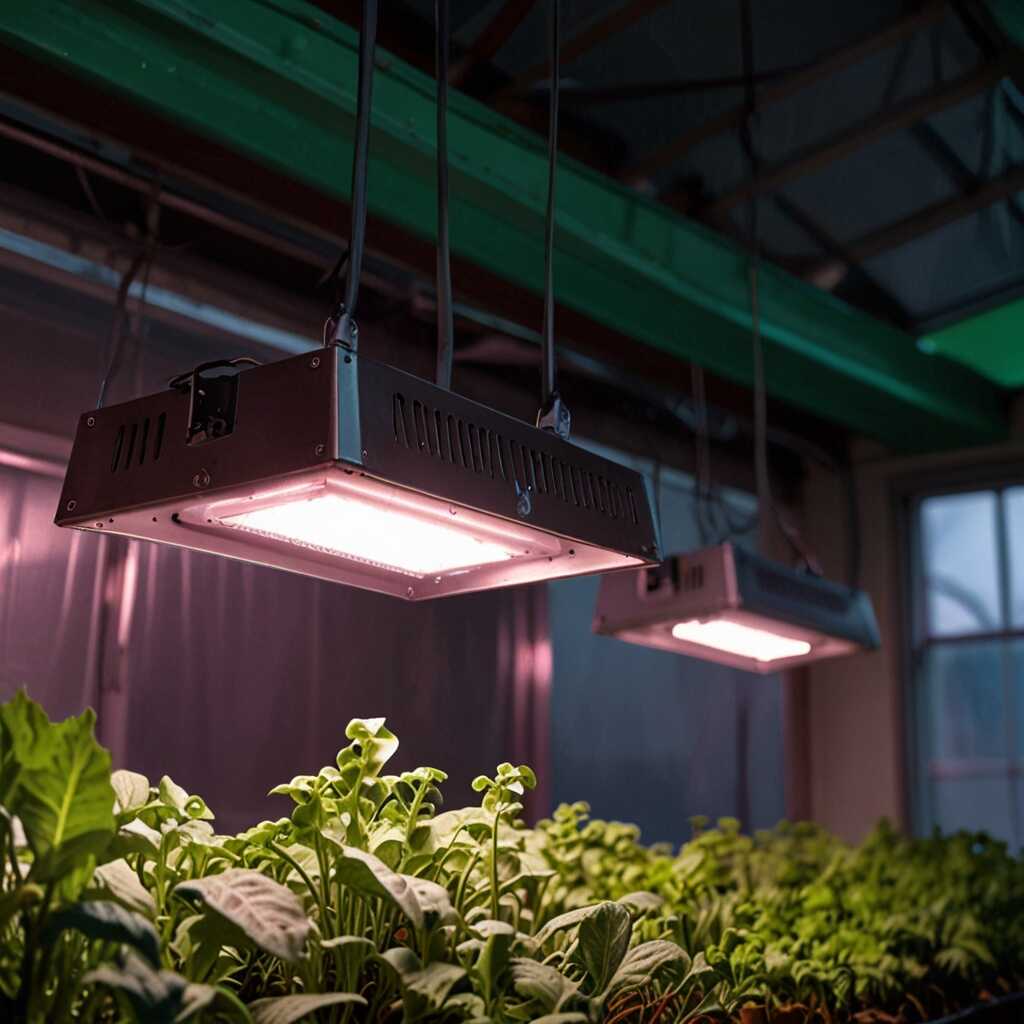
Different plant growth stages require specific light spectrums for optimal development and productivity. The light spectrum includes different wavelengths that plants utilize for various physiological processes. Seedlings require blue-heavy spectrums (400-500nm) that promote compact growth and strong root development. Flowering plants benefit from red wavelengths (600-700nm) that trigger blooming responses and fruit development. Understanding these requirements enables growers to select appropriate fixtures or adjust programmable LED systems for maximum crop performance.
Specific Spectrum Needs for Leafy Greens and Flowering Plants
Leafy greens such as lettuce, spinach, and herbs thrive under blue-heavy spectrums with ratios of approximately 60-70% blue to 30-40% red light. This spectrum promotes compact growth, intense leaf color, and high nutritional content while preventing stretching or bolting. Flowering plants including tomatoes, peppers, and cannabis require balanced spectrums during vegetative growth transitioning to red-heavy ratios of 60-70% red during flowering phases. Fruit-bearing plants benefit from full-spectrum lighting that includes green wavelengths for penetration through dense canopies and far-red wavelengths for stem elongation control.
When Should You Upgrade Greenhouse Grow Light Systems?
- Current lighting systems are over 5 years old and showing decreased performance
- Monthly electricity bills exceed $200-500 for lighting alone in medium-sized greenhouses
- Plant quality or yields have declined despite proper nutrition and environmental control
- Fixtures require frequent bulb replacements or maintenance causing operational disruptions
- Expansion plans require additional lighting capacity for new growing areas
- Local utility rates have increased significantly, making energy efficiency more valuable
- Advanced features like spectrum control or automation would benefit crop management
Crucial Considerations for Selecting New Grow Light Systems
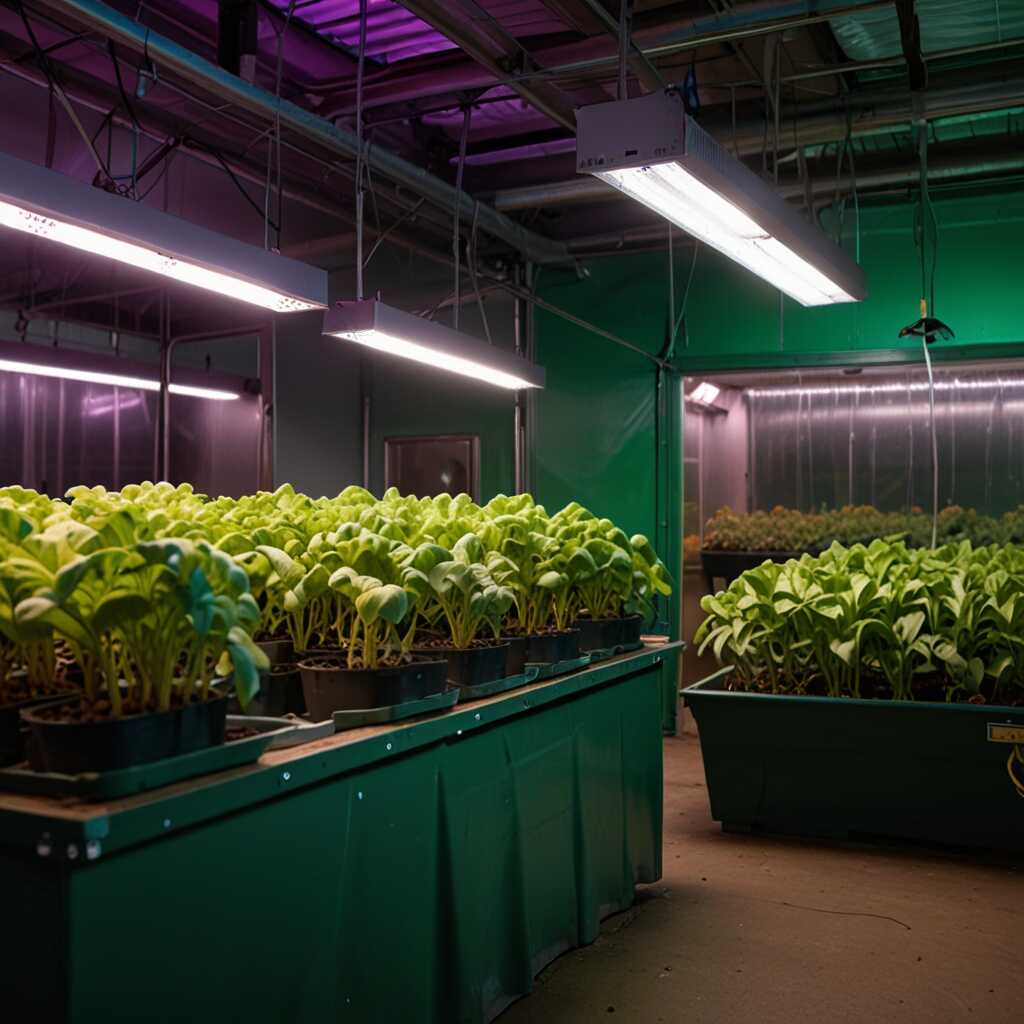
Selecting appropriate grow light systems requires evaluating several critical factors including energy efficiency ratings, light output specifications, and compatibility with existing infrastructure. Photosynthetic Photon Efficacy (PPE) ratings measure how efficiently fixtures convert electricity into usable plant light, with quality LED systems achieving 2.5-3.0 µmol/J or higher. Consider fixture lifespan and warranty coverage, as premium LED systems typically last 50,000+ hours compared to 10,000-24,000 hours for HPS alternatives. Evaluate heat output and cooling requirements, since reduced heat generation from LED systems can lower overall operational costs significantly.
Understanding Plant Light Requirements for Effective Growth
Different plant categories have distinct light intensity and duration requirements for optimal growth and development. High-light plants such as tomatoes, peppers, and fruiting crops typically require 300-600 µmol/m²/s PPFD for 14-18 hours daily during peak growing seasons. Choose LED grow lights with adjustable intensity settings to accommodate different crop requirements throughout growing cycles. Research led light setups and compare manufacturer specifications to ensure adequate coverage for your greenhouse dimensions and crop types. Medium-light plants including most herbs and leafy greens perform well with 200-400 µmol/m²/s, while low-light plants such as some ornamentals require only 100-200 µmol/m²/s.
Financial Planning for Your Grow Light Upgrade Initiatives
Upgrade costs vary significantly based on greenhouse size, chosen technology, and installation requirements. Basic LED conversions for small greenhouses (under 1,000 sq ft) typically range from $1,000-$3,000, while large commercial operations may invest $10,000-$50,000 or more. Calculate potential energy savings by comparing current monthly lighting costs to projected consumption with efficient systems, often resulting in 50-75% reductions. Factor in reduced maintenance costs from longer-lasting LED fixtures and decreased cooling requirements due to lower heat output. Most greenhouse operators achieve payback periods of 2-4 years through combined energy and maintenance savings.
Understanding the Long-Term Financial Benefits of Energy-Efficient Lighting
Long-term financial benefits extend beyond immediate energy savings to include improved crop quality, higher yields, and reduced operational complexity. Energy-efficient systems typically reduce monthly electricity costs by $100-$1,000+ depending on greenhouse size and previous lighting efficiency. Extended fixture lifespans of 50,000+ hours for quality LED systems eliminate frequent bulb replacement costs and associated labor. Improved light quality often increases crop yields by 10-30%, providing additional revenue that accelerates return on investment. Reduced heat output lowers cooling costs during warm months and may enable year-round production in previously marginal climates.
How Does the Upgrade Process Work for Greenhouse Lighting?
- Assessment phase involves measuring current energy consumption and identifying inefficient fixtures
- Planning stage includes calculating required light levels and selecting appropriate fixture types
- Electrical evaluation determines if upgrades to wiring or electrical panels are necessary
- Installation typically requires 1-3 days depending on greenhouse size and complexity
- Testing period involves monitoring plant response and adjusting light schedules as needed
- Optimization phase includes fine-tuning spectrum settings and timing for specific crops
- Documentation helps track energy savings and return on investment over time
Best Practices for Maintaining Your Grow Light System
Proper maintenance ensures upgraded grow light systems deliver optimal performance throughout their extended lifespans. Regular cleaning of fixture surfaces maintains maximum light output, as dust accumulation can reduce intensity by 10-30% over time. Establish monthly cleaning schedules using soft, damp cloths and non-abrasive cleaners to preserve fixture coatings and LED lenses. Monitor system performance through periodic light measurements and plant health assessments to identify potential issues before they affect crop quality. LED grow lights can last about 50,000+ hours with consistent maintenance practices and proper environmental conditions.
Effective Techniques for Cleaning Grow Light Fixtures
Safe fixture cleaning begins with powering down systems and allowing adequate cooling time before handling LED units or other lighting equipment. Use distilled water on microfiber cloths to prevent mineral deposits and scratching of optical surfaces. Clean fixture housings and heat sinks monthly to ensure proper thermal management and prevent overheating that reduces LED lifespan. Keeping your grow lights clean provides consistent light output and maximizes energy efficiency throughout the system’s operational life. Schedule comprehensive deep cleaning quarterly, including inspection of electrical connections and mounting hardware for signs of wear or corrosion.