
Effectively combining artificial grow lights with natural sunlight can significantly enhance plant growth in greenhouses. By strategically using both light sources, gardeners can maximize photosynthesis and create optimal conditions for their plants. Green Writer provides practical solutions to achieve this balance while emphasizing energy efficiency in sunny climates. Understanding how to integrate these lighting options will help indoor gardeners and greenhouse owners grow thriving plants sustainably.
Exploring How Light Affects Plant Health and Growth Stages
Light plays a vital role in photosynthesis, which is the process plants use to convert light energy into chemical energy. This process relies on specific light wavelengths. For example, blue light (400-500 nm) promotes vegetative growth, helping plants produce strong stems and lush foliage. Red light (600-700 nm) supports flowering and fruiting stages, enhancing the reproductive development of plants. Together, these wavelengths are essential for optimizing plant health and growth. Understanding the influence of these light wavelengths can significantly enhance your gardening practices in the greenhouse, providing a reliable solution to boost yield and health.
Understanding Optimal Light for Different Growth Stages
For robust plant development, it’s crucial to provide the optimal light duration for each growth stage. Germination typically requires about 16-18 hours of light daily to trigger seedling emergence. During the vegetative phase, plants thrive with 14-16 hours of light, encouraging healthy leaf growth. When it’s time for flowering, adjust to 12-14 hours of light, which promotes blooms and fruit set. This precise light management helps gardeners like you achieve impressive results, ensuring plants receive the right light exposure at each stage. Green Writer offers insights into effective strategies for integrating artificial grow lights with natural sunlight to meet these specific light duration needs.
Comparing Artificial and Natural Light in Plant Cultivation
Artificial light and natural sunlight have distinct characteristics that impact plant growth. Natural sunlight provides full-spectrum light, which includes essential wavelengths for photosynthesis. It varies in intensity and duration throughout the year and across regions. Artificial light, such as LED grow lights, allows for consistent intensity, duration, and spectrum, supporting different growth stages. Combining these light sources can enhance greenhouse efficiency and reliability. Research shows that plants often grow better with this combination, improving yield and health.
Integrating Artificial and Natural Light for Optimal Growth
Integrating artificial light with natural sunlight is essential for achieving optimal plant growth conditions. Using LED grow lights to supplement natural sunlight can provide a more balanced light spectrum. This approach is particularly beneficial for photoperiod-sensitive plants that need specific light durations. Studies indicate that when artificial light is combined with natural sunlight, plant growth can improve by up to 30%. The consistent control of artificial light ensures plants receive reliable light conditions, enhancing overall performance and yield.
Advantages of LED Grow Lights for Sunny Greenhouse Environments
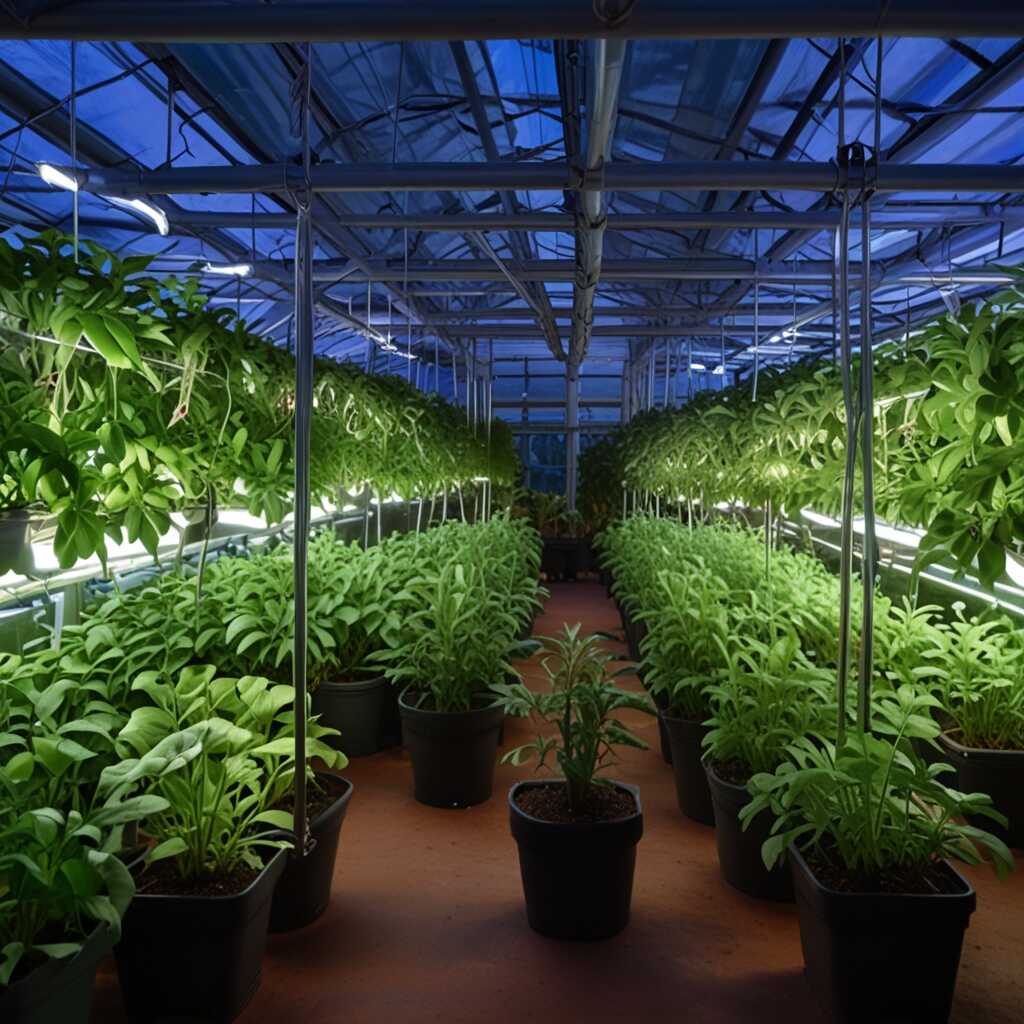
LED grow lights offer significant benefits in sunny greenhouse environments. They provide enhanced energy efficiency, reducing electricity bills. Studies show that LED lights can save up to 75% more energy than traditional lighting systems. Their long lifespan, averaging over 50,000 hours, means fewer replacements and minimal waste. Tailored spectrums from LED grow lights meet specific plant needs, supporting various growth stages from seedling to harvest. This combination of features ensures optimal plant growth while promoting sustainability.
Understanding Tailored Spectrums for Plant Growth
Tailored spectrums in LED grow lights significantly improve plant health. Different spectrums impact growth stages like photosynthesis and flowering. For instance, blue light (400-500nm) promotes vegetative growth, while red light (640-680nm) enhances flowering. Using a full spectrum blend can optimize growth and increase yields. LED lights designed with specific spectrums allow growers to control light exposure, ensuring plants receive the ideal light spectrum year-round. This capability is particularly useful in sunny greenhouses where natural light may vary.
Numerical Insights on Light Combination for Plant Growth
- Over 80% of greenhouse owners successfully combine different light sources.
- Plants need approximately 12-16 hours of light daily for optimal growth.
- LED grow lights can reduce energy consumption by 75% compared to traditional bulbs.
- Proper light spectrums help plants in vegetative stages thrive around 400-500 nm.
- It takes about 2-4 weeks to acclimate plants to combined light settings.
- Natural sunlight offers about 10,000-20,000 lux, while grow lights typically provide 5,000-10,000 lux.
- Integrating both light types can increase yield by 20-30% in certain plants.
Techniques for Achieving Optimal Light Balance in Greenhouses
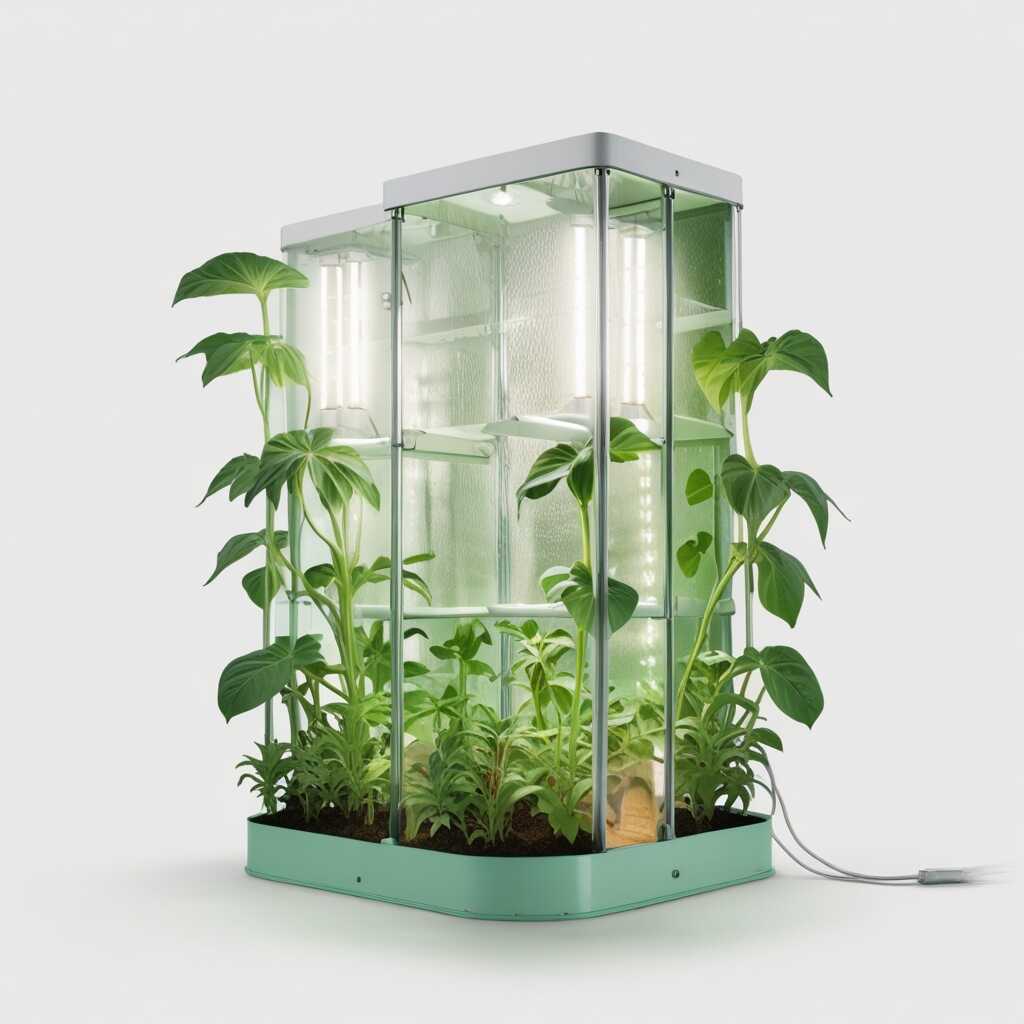
Balancing artificial and natural light in a greenhouse is crucial for plant health. Utilize a combination of supplemental grow lights and natural sunlight for best results. Evaluate your greenhouse design and ensure it allows for optimal natural light entry. LED grow lights are recommended for their efficiency and longevity. Different plants have varying light needs, so research the specific requirements of each. Greenhouses in sunny climates may not need as much artificial light. The ideal combination often involves providing 12 to 14 hours of light per day in total, mixing between natural and artificial sources.
Understanding Plant Light Requirements
It’s essential to understand the light needs of individual plants to achieve optimal growth. Some plants thrive in full sunlight while others prefer low-light conditions. For example, succulents and tomatoes require more light than leafy greens like lettuce or spinach. Conduct research on each plant type’s specific light requirements. Typically, plants benefit from a daily light cycle of 16 hours, combining natural light with an additional 6 to 8 hours of LED lighting. This ensures flowering and vegetative stages receive sufficient light for healthy development. Matching your lighting strategy to plant needs enhances growth and reduces energy costs at the same time.
Understanding Photoperiod and Its Role in Plant Development
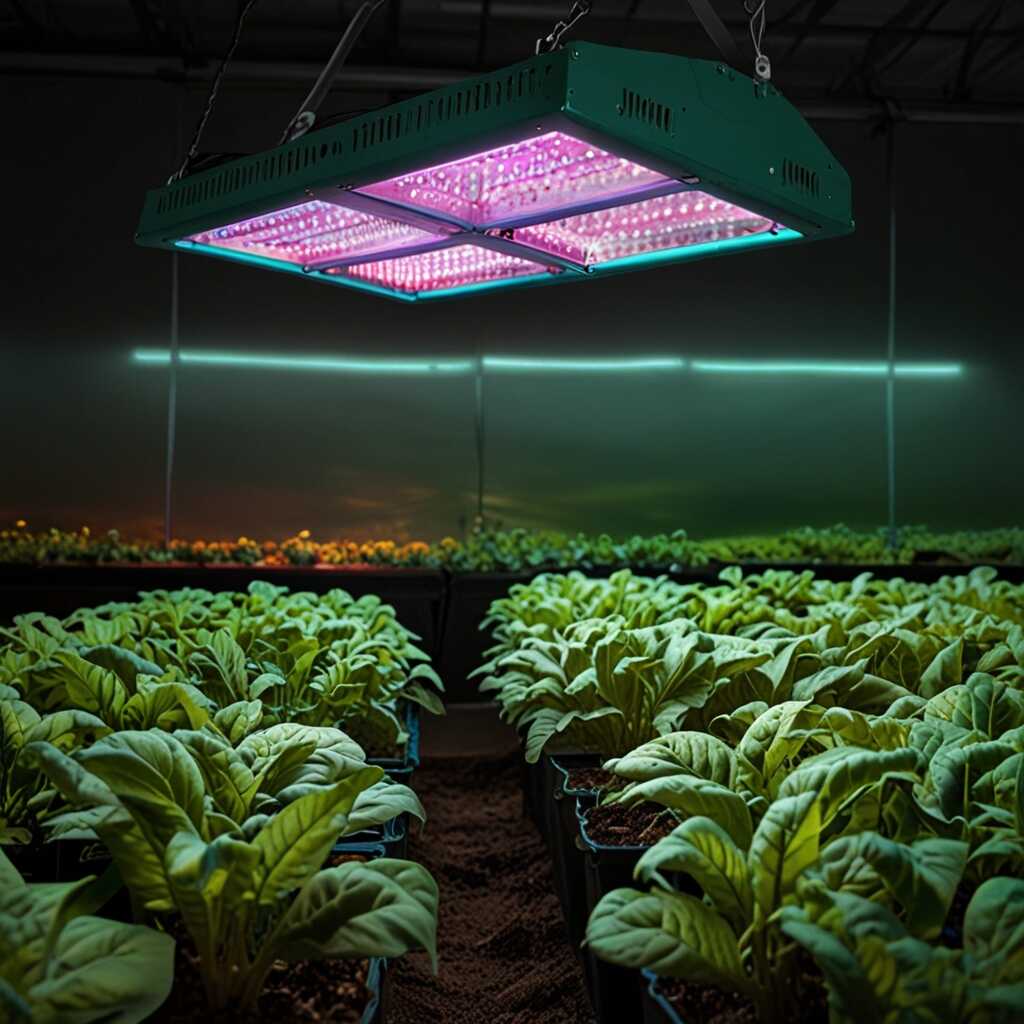
Photoperiod refers to the duration of light exposure that plants receive each day. It plays a crucial role in determining plant growth cycles and flowering behavior. Different species, such as tomatoes and peppers, respond uniquely to light durations. For example, some plants thrive in long days, while others require shorter days to trigger flowering. Manipulating light duration helps enhance yields and improve plant health. Generally, the ideal photoperiod for maximizing the yields of common indoor plants ranges from 12 to 16 hours of light, depending on the species.
How Photoperiod Influences Flowering in Various Plants
Different plants have varying photoperiod requirements that influence their flowering stages. Some are classified as short-day plants, needing less than 12 hours of light to bloom effectively. Others are long-day plants and require more than 14 hours of light. Day-neutral plants do not depend heavily on light duration. Understanding these differences is vital. For instance, to enhance the performance of short-day plants like chrysanthemums, restrict their light to 10 hours. Conversely, long-day plants like spinach thrive with extended periods of light exposure, making it essential to customize your lighting setup for optimal growth.
Advantages of Merging Natural and Artificial Light for Plants
- This approach boosts overall plant health through extended light exposure.
- Combining light sources promotes faster growth rates, vital for quick harvests.
- Enhanced energy efficiency reduces utility costs for greenhouse owners.
- Using various light spectrums supports diverse plant types and their specific needs.
- Plants show improved resistance to pests and diseases under mixed lighting.
- It creates a more consistent indoor environment, reducing plant stress.
- Maximizing light usage can lead to earlier flowering and fruiting stages.
Effective Methods to Measure and Monitor Light Intensity
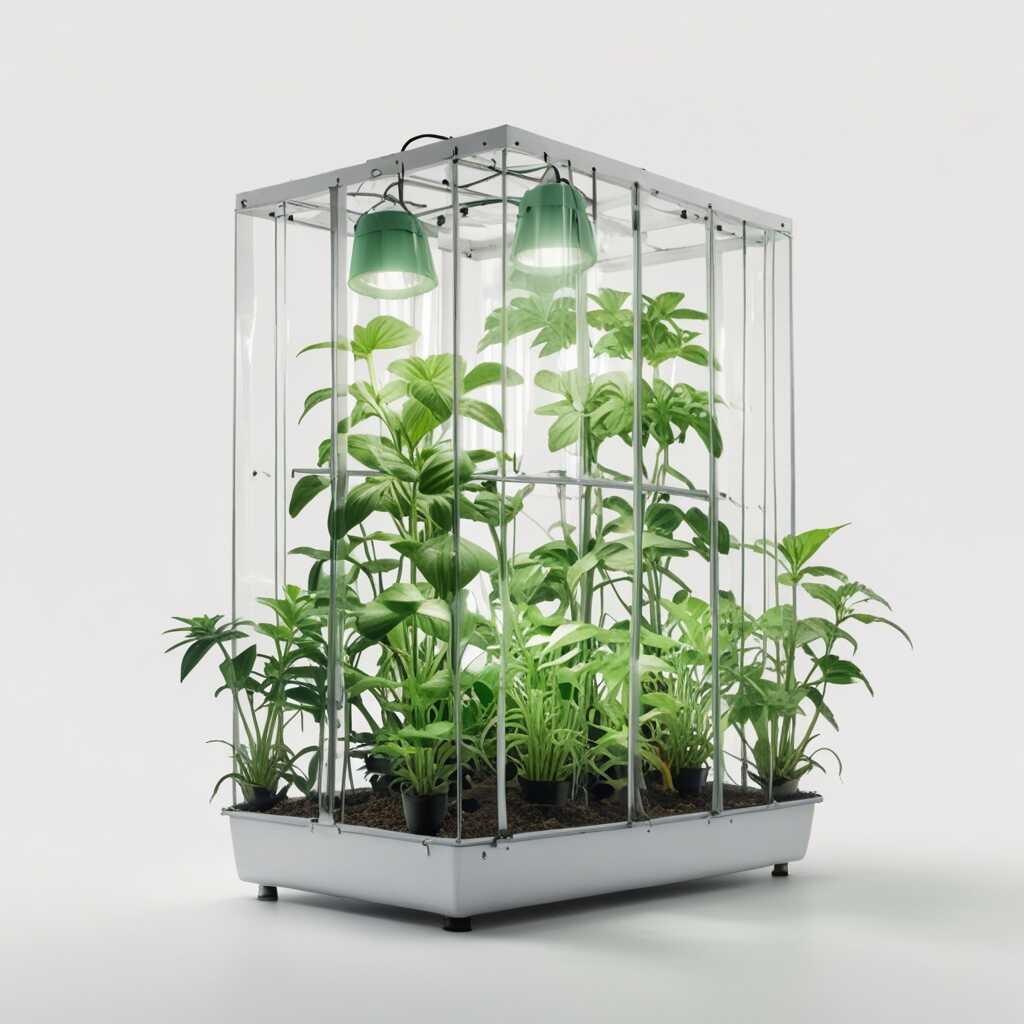
Measuring light intensity is essential for optimizing plant growth in greenhouses. Effective tools for measuring light intensity include light meters, sensors, and photometers. These devices provide reliable data on the amount of light plants receive. Different light measurement techniques, such as using stationary sensors or handheld light meters, can impact growth rates. Plants require an optimal light intensity range specific to their species. For example, leafy greens thrive in a light intensity of 200-400 µmol/m²/s, while flowering plants may need between 400-800 µmol/m²/s. Utilizing the right tools and techniques ensures plants can photosynthesize efficiently, thus enhancing overall growth.
Best Practices for Using Light Measurement Tools
Understanding how to use light measurement tools effectively is crucial for success in greenhouse environments. Start by conducting regular light tests with calibrated light meters. Position sensors at various heights and locations throughout the greenhouse to obtain a comprehensive light profile. This approach provides data on how light varies across different areas. Keep in mind that light intensity is also affected by factors like time of day and seasonal changes. Therefore, recording light data at different times can offer insights for adjusting grow lights effectively. This detailed understanding helps gardeners maintain optimal light levels, enhancing plant health and yield.
Common Missteps in Balancing Light Sources and How to Avoid Them
Many gardeners mistakenly over-rely on artificial lighting alone, neglecting the benefits of natural sunlight. Others may place grow lights too close to plants, leading to leaf burn. Not understanding the specific light needs of different plants also contributes to poor growth outcomes. To effectively balance artificial lighting and sunlight, choose a combination that includes both sources. This allows light balance to be tailored based on plant requirements. For example, leafy greens may thrive with 12-16 hours of light, while flowering plants require less direct light. It’s essential to monitor the light exposure using reliable timers and light meters to ensure optimal growth.
Understanding Plant Light Requirements for Optimal Growth
Different plants have unique light requirements that influence their growth patterns. Leafy green plants, such as lettuce and spinach, prefer around 12 to 16 hours of light daily. Flowering plants, like tomatoes and peppers, may require only 10 to 12 hours for adequate growth. Using a grow light efficiency chart can help you determine the right light exposure based on the type of plant you are cultivating. Regularly observing your plants’ health can provide essential data on their light needs. Adjustments can be made based on their response to the light sources used.
Brands and Demographics Interested in Light Combination Techniques
- Hydrofarm offers various light products designed for efficient plant growth.
- General Hydroponics focuses on customizable lighting systems for indoor gardeners.
- Commercial farmers benefit from advanced lighting options tailored to specific crops.
- Home gardeners utilize energy-efficient grow lights to support small-scale planting.
- Environmental enthusiasts seek sustainable products that minimize their carbon footprint.
- Urban dwellers appreciate indoor gardening as a space-saving method for fresh food.
- Educational institutions incorporate such techniques in student projects on sustainability.
Best Practices for Eco-Friendly Greenhouse Maintenance
Maintaining an eco-friendly greenhouse involves several essential practices. Start by using energy-efficient technologies like LED grow lights to reduce electricity usage. Incorporate natural ventilation to keep temperatures stable. Regularly test and adjust your irrigation system to ensure water efficiency. Use organic fertilizers and pest control methods that are safe for the environment. Aim to create a diverse plant environment which helps improve air quality and supports biodiversity. Many energy-efficient systems can reduce energy consumption by 30% or more.
Energy Conservation Tips for Greenhouses
Energy conservation in greenhouses can significantly reduce costs and environmental impact. Install solar panels to harness renewable energy. Use thermal mass materials, like water barrels, to help regulate temperature changes. Ensure that your greenhouse has adequate insulation to prevent heat loss. Implement smart sensors that adjust lighting and temperature based on plant needs, enhancing energy efficiency. These methods combined can reduce energy usage by up to 50%, making your greenhouse more sustainable.