
Blue spectrum lights play a crucial role in enhancing strength and growth in vegetative plants. These lights mimic natural sunlight and are essential for indoor gardening, promoting healthy foliage and robust plants. At Green Writer, we understand the importance of proper lighting and offer guidance on selecting the best blue spectrum options for your indoor garden. Discover how to effectively harness blue light to support your plant care efforts while maintaining a sustainable approach to indoor horticulture.
Understanding the Role of Light in Plant Development
Light is a vital component in the vegetative phase of plant growth. It directly impacts photosynthesis, the process where plants convert light energy into chemical energy. Different wavelengths of light can enhance plant health in unique ways. For example, blue light, typically ranging from 400-500 nm, is essential for vegetative growth. It improves chlorophyll production, which is vital for photosynthesis. Indoor gardeners should focus on having a balanced spectrum of light, with a significant portion dedicated to blue wavelengths to boost growth efficiency. Research shows that plants exposed to adequate blue light exhibit better overall health and growth rates.
Optimal Light Wavelengths for Indoor Plants
Indoor gardeners should prioritize blue light wavelengths for optimal vegetative growth, which can enhance overall plant performance. Blue light promotes leaf development and robust growth during the vegetative stage. Moreover, incorporating other wavelengths, such as red light in the 600-700 nm range, alongside blue light can further improve results. This combination supports flowering later on. Studies indicate that a light spectrum with 60% blue and 40% red yields the best results for a variety of indoor plants. Using full spectrum LED grow lights can effortlessly provide these proportions while ensuring energy efficiency and durability.
Defining Blue Spectrum Light and Its Advantages
Blue spectrum light refers to specific wavelengths of light between 400nm and 490nm. This range is essential for indoor gardening as it helps plants during their vegetative growth stage. Blue light enhances chlorophyll production, which increases photosynthesis efficiency. Plants exposed to blue spectrum light tend to grow healthier and stronger. They develop robust stems and lush foliage, essential for thriving indoor gardens. Specific plants that benefit from blue spectrum light include leafy greens and herbs like kale, lettuce, and basil. These plants enhance their growth, yield, and overall health when receiving the right blue light wavelengths.
Understanding the Benefits of Blue Light in Plant Growth
Blue light plays a crucial role in the growth of plants, particularly during their early stages. It stimulates leaf development and helps plants achieve a compact form. This is crucial for indoor gardening where space is often limited. Plants grow best when exposed to blue spectrum light for 14 to 16 hours daily during the vegetative stage. Studies show plants receiving blue light grow faster and healthier compared to those without it. Integrating blue light into your gardening setup enhances plant performance, leading to more productive seasons. This reliable lighting solution ensures sustainability, making it essential for eco-conscious indoor gardeners.
Selecting the Best Grow Lights for Optimal Growth
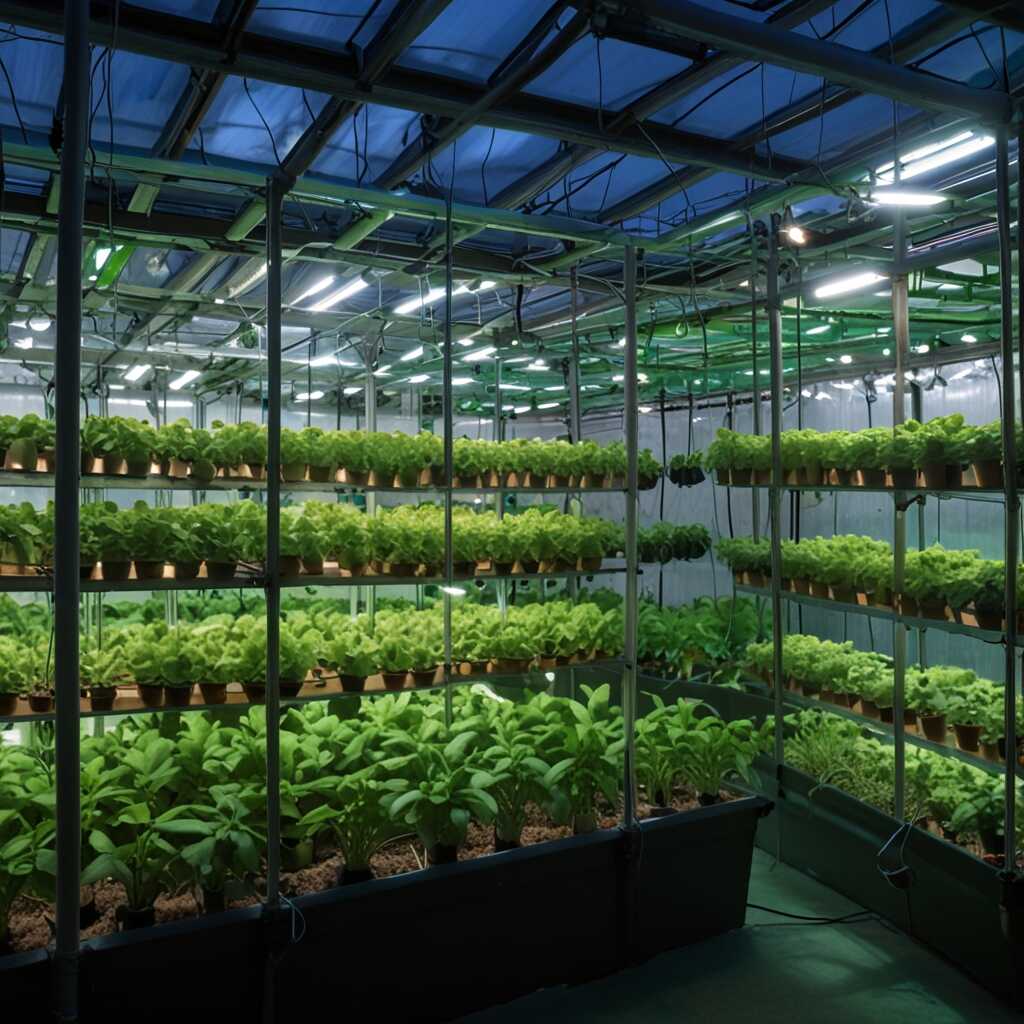
When choosing blue spectrum grow lights for your indoor gardening, focus on features such as wattage, spectrum range, and energy efficiency. Good blue spectrum lighting typically delivers wavelengths around 400 to 490 nanometers, which are vital for enhancing vegetative growth. Brands like Philips, Mars Hydro, and Viparspectra have reviewed products that provide high-quality performance and reliability. Look for lights that offer adjustable settings, durability, and an extended lifespan to ensure long-term use. For optimal growth, it’s essential to use blue spectrum lights for about 14 to 16 hours a day during the vegetative stage and adjust accordingly as plants mature.
Key Features of Quality Blue Spectrum Grow Lights
Quality blue spectrum grow lights must include several essential features to enhance plant growth effectively. Reliable lights should have spectrum ranges that closely mimic natural sunlight, particularly in the blue wavelengths. Good lights often come with adjustable intensities and multiple settings for different plant growth stages. Testing and data reviews support that models with built-in heat dissipation systems prevent overheating, enhancing their reliability and lifespan. Look for products rated above 60 watts for effective energy efficiency. Ensure they deliver consistent light output, and consider options with spectrum adjustment for various phases of growth.
Key Numerical Insights Related to Plant Growth Enhancement
- Blue light wavelengths range from 400 to 500 nanometers.
- Plants need around 16 hours of light daily for optimum growth.
- Studies show blue light can increase chlorophyll production by up to 60%.
- Young plants typically require higher blue light intensity during the vegetative stage.
- Indoor gardening can yield plants 2-3 times faster with proper lighting.
- Full spectrum lights offering blue light last over 50,000 hours.
- Using blue light sources can reduce energy costs by up to 30% compared to traditional bulbs.
Strategies for Proper Light Placement in Indoor Gardens
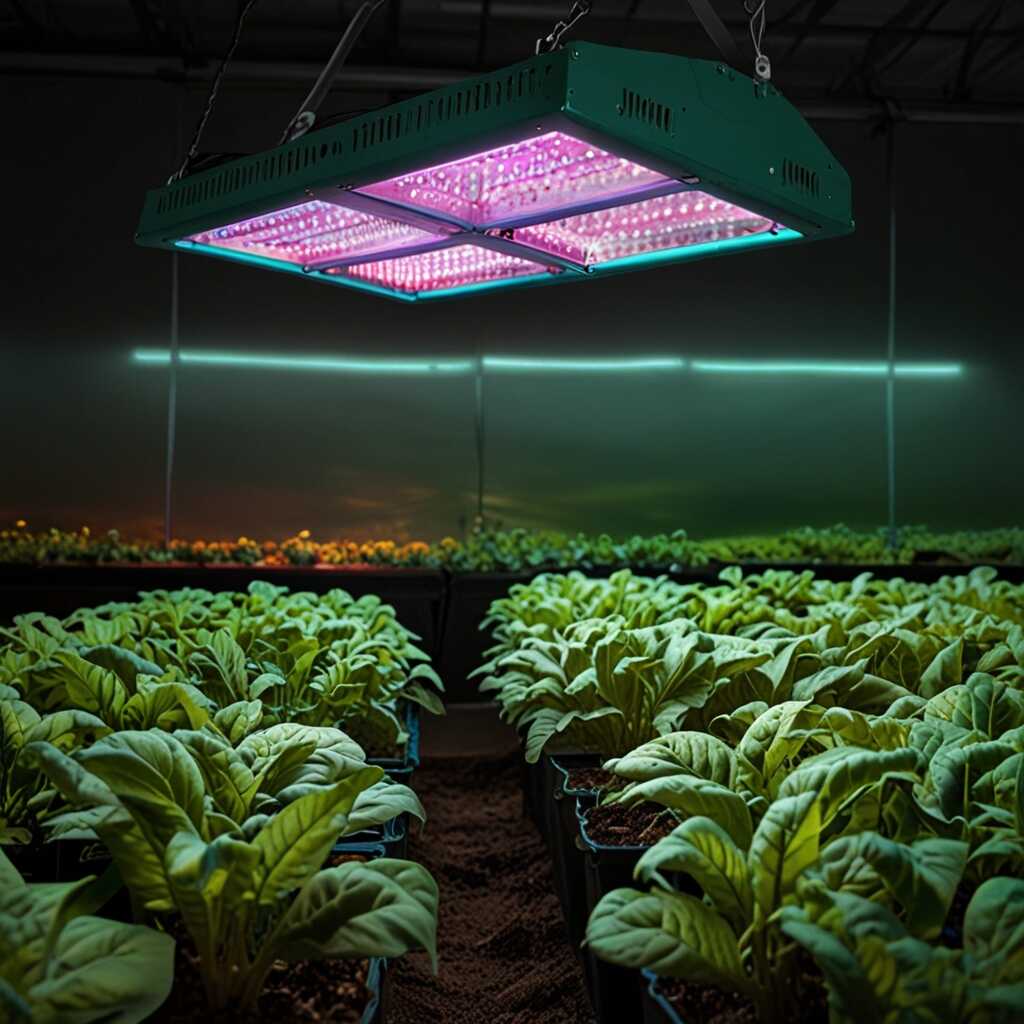
To maximize vegetative plant growth, place grow lights close to the plants but at a safe distance. For most indoor plants, position the grow light 12 to 24 inches above the canopy. This distance ensures adequate light intensity while preventing overheating. Different plants require specific light conditions. Leafy greens like lettuce thrive with high light intensity, while herbs like basil prefer moderate levels. Regularly adjust the height of the grow light as the plants grow taller. Keep an eye on plant health; if leaves become discolored or burnt, lower the grow lights. Earth-friendly LED lights are an excellent choice due to their energy efficiency and longevity.
Understanding Light Intensity for Different Growth Stages
Light intensity is crucial in indoor gardening, especially during different growth stages. Seedlings require lower light intensity around 30-50 μmol/m²/s to avoid stress. As they transition into the vegetative stage, increase light to 200-400 μmol/m²/s for healthy growth. For flowering or fruiting plants, aim for higher intensities of 400-600 μmol/m²/s. Using a dimmable LED grow light provides the flexibility to adjust temporarily. Monitoring your plants’ response to light changes can help fine-tune your setup. Reliable data shows that appropriate lighting enhances overall plant health and productivity, ensuring a successful indoor garden.
Evaluating LED Lights Versus Traditional Grow Lights
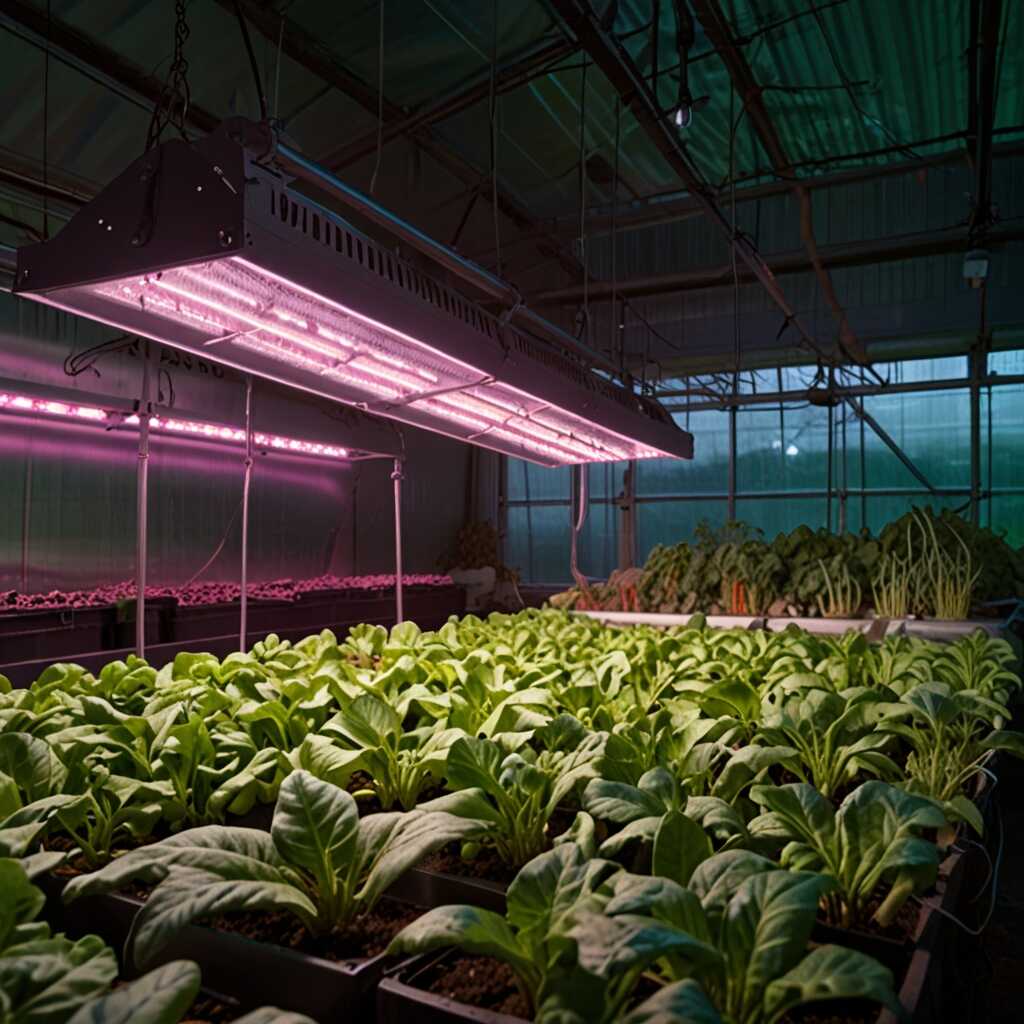
LED grow lights provide numerous advantages for indoor gardening. Their energy efficiency reduces electricity costs while promoting rapid plant growth. Compared to traditional incandescent and fluorescent lights, LEDs deliver superior performance with targeted light wavelengths that enhance photosynthesis. Traditional lights generate excess heat, which can stress plants. However, LED lights manage heat effectively, keeping indoor environments cooler. Research shows quality LED grow lights can last over 50,000 hours, vastly outpacing the lifespan of traditional options, which typically last around 1,000 to 20,000 hours. This longevity ensures reliability and lower replacement costs for indoor gardeners.
Understanding Energy Efficiency in LED Technology
Energy efficiency is a critical factor when selecting grow lights. LED grow lights utilize less power while providing high-quality light for all growth stages. They convert a higher percentage of energy into usable light, reducing waste and the need for cooling systems. Studies indicate that using LED lights can lead to energy savings of up to 80% compared to traditional grow lights. Indoor gardeners can enjoy lower monthly utility bills while fostering a healthy environment for plants. Choosing energy-efficient options aligns with sustainable living practices promoted by Green Writer.
Advantages of Utilizing Light Wavelengths in Plant Growth
- Blue light encourages compact, bushy growth in young plants.
- Plants under blue light exhibit stronger stem structure and resilience.
- Enhanced leaf development occurs due to increased chlorophyll absorption.
- Using blue light improves nutrient uptake by plants significantly.
- Plants grow more efficiently, leading to a healthier indoor garden.
- Indoor air quality improves, thanks to thriving greenery absorbing CO2.
- Blue light can lead to faster flowering when paired with other wavelengths.
Impact of Light Duration on Plant Health and Growth
Light duration plays a vital role in the vegetative growth of indoor plants. Different species have unique light needs. Most plants thrive with 12 to 16 hours of light per day during their vegetative stage. Adequate light triggers photosynthesis, essential for growth. Plants like tomatoes and peppers benefit from 14 to 16 hours for robust growth. Herbs such as basil and mint flourish with 12 to 14 hours. Adjusting light duration helps enhance health and growth during this critical phase.
Understanding Specific Light Schedules for Plant Species
Indoor gardeners often seek the best light schedules for various plant species. For example, leafy greens like lettuce prefer 14 to 16 hours of light to enhance their growth. On the other hand, plants like snake plants thrive with just 10 to 12 hours, making them easier to care for. The right light duration aims to mimic natural conditions, enabling plants to grow efficiently. A reliable timer can help manage these schedules, ensuring plants receive consistent lighting without manual adjustment.
Efficiently Incorporating Blue Spectrum Light into Gardening
To efficiently incorporate blue spectrum lighting into your indoor garden, position LED grow lights approximately 12 to 24 inches above your plants. This height helps ensure adequate light exposure without causing damage. For optimal light arrangement, align your lights to cover the entire growing area uniformly, preventing shadows that can hinder plant growth. Utilize timers to provide a reliable light cycle, ensuring plants receive 12 to 16 hours of blue spectrum light daily. For effective vegetative growth, the intensity should be around 300 to 400 µmol/m²/s, as confirmed by research data. This intensity level maximizes chlorophyll absorption, leading to healthier plants.
Best Practices for Blue Spectrum Lighting Setup
Implementing the best practices for your blue spectrum lighting setup can significantly enhance plant growth. Make sure to use adjustable LED grow lights that allow you to fine-tune the height and intensity as your plants mature. Position the lights directly above the plants to provide even light distribution. Regularly monitor the distance, adjusting as your plants grow taller. Consider utilizing reflective surfaces or mylar to maximize light efficiency. This reflective setup can enhance the overall light exposure and ensure that all areas of your garden benefit from the grow lights. Combining these strategies will result in faster and healthier vegetative growth.
Interesting Groups That Benefit from Specific Light Conditions
- Hobby gardeners thrive by using specialized lighting for indoor plants.
- Commercial growers maximize yield with efficient blue light systems.
- Eco-conscious consumers prefer LED grow lights for energy savings.
- Schools and educational programs often utilize lights to teach plant biology.
- Urban dwellers benefit from compact grow setups using blue light options.
- Environmental enthusiasts choose lights that minimize carbon footprints.
- Families with kids enjoy fun learning experiences by growing plants indoors.
Assessing Plant Health in Response to Blue Spectrum Lighting
Healthy plants under blue spectrum lighting usually show vibrant green leaves, robust stem growth, and increased leaf production. If plants are stretching toward the light, it indicates they need adequate exposure. Yellowing leaves suggest light or nutrient deficiencies. Healthy growth should also appear compact and bushy rather than tall and leggy. Understanding blue spectrum response helps gardeners select appropriate plants. Plants like lettuce and basil thrive under blue spectrum light, enhancing growth speed and vigor. Adjustments should be made based on specific species and their needs for optimal growth.
Monitoring Plant Response to Blue Spectrum Lighting
Monitoring plant response to blue spectrum lighting is essential for successful indoor gardening. Regular observations of leaf color, growth rate, and overall vigor give reliable data about light effectiveness. For instance, if a plant stretches excessively, it signals the need for closer light placement. A good rule is to keep blue spectrum lights within 12 to 24 inches from the canopy. Light exposure percentage should ideally range from 60% to 80% for optimal growth. This ensures plants receive sufficient photons for photosynthesis, contributing to healthier development.